Best Baits and Lures for Brown Trout in California
Brown trout. Ah, the elusive, often frustrating, but undeniably rewarding fish that tests every angler's patience in California's diverse waters. You've probably spent hours, maybe even days, casting every lure in your tackle box, only to come up empty-handed or just land a few small ones, wondering what magic bait everyone else is using. It's a common struggle, particularly with brown trout known for their selective nature and wariness. Don't worry, you're not alone, and this guide is dedicated to demystifying brown trout fishing, focusing on the very best baits and lures that consistently entice these beautiful, challenging fish in the Golden State.
Understanding Brown Trout Behavior and Habitat
Before we even talk about hooks and lines, it’s absolutely essential to understand the brown trout themselves. These aren't your typical hatchery-raised rainbows that will bite anything shiny. Brown trout are cunning, predatory, and have distinct preferences that inform every single choice you make about bait and lure selection. Ignoring their natural instincts is a surefire way to come home empty-handed.
Diet and Preferred Habitat
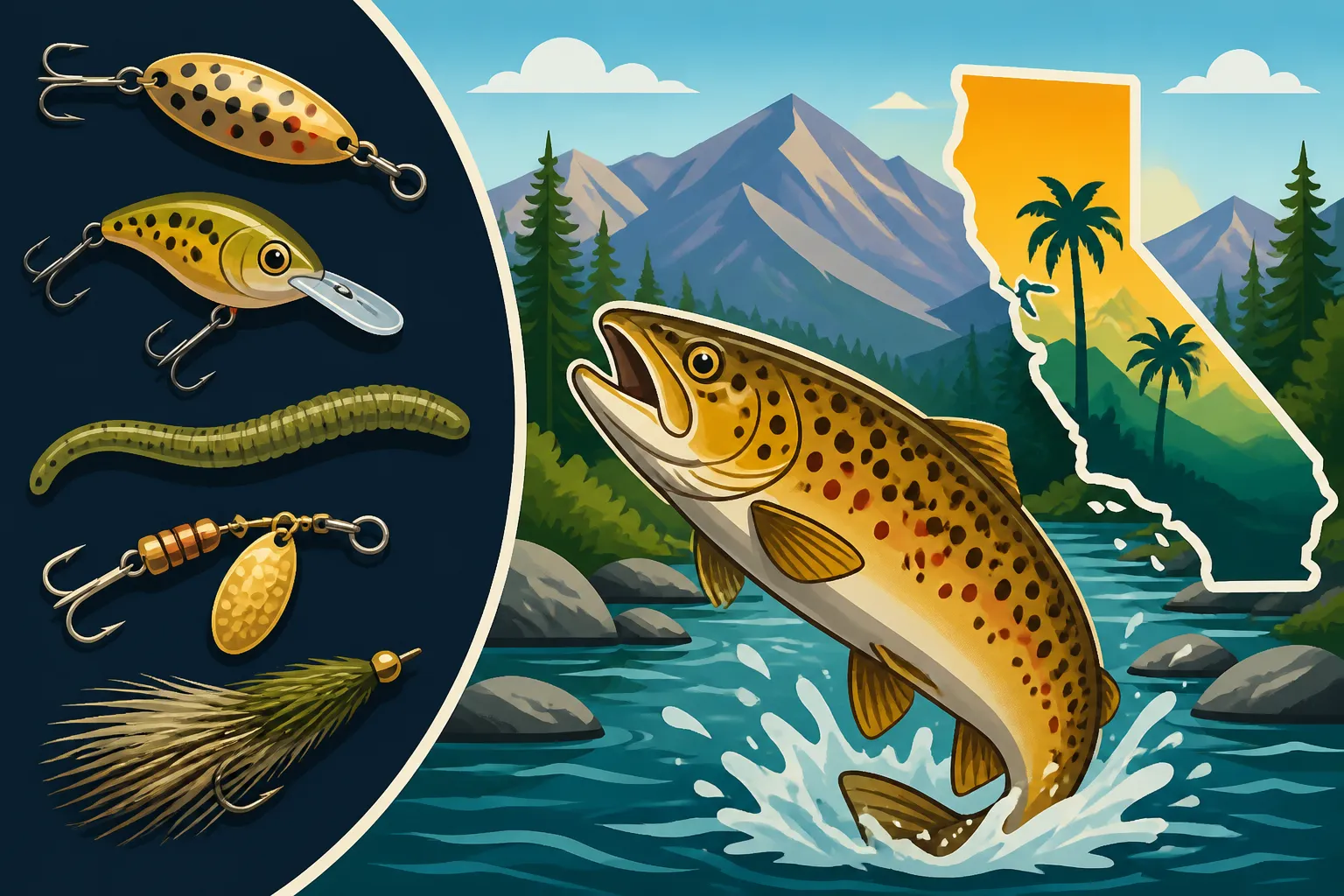
Brown trout, often distinguished by their golden-brown flanks adorned with red and black spots, are incredible opportunists. Their diet is incredibly varied, changing with the seasons, water conditions, and the availability of prey. In their younger stages, they're big fans of aquatic insects – think caddisflies, mayflies, stoneflies, and midges. As they grow larger, they become increasingly piscivorous, meaning they develop a taste for smaller fish. This switch to a more predatory diet is a game-changer for anglers targeting trophy browns. They'll actively hunt minnows, sculpins, dace, and even smaller trout. Beyond fish and insects, don't underestimate their appetite for crustaceans like crawdads, especially in waters where these are plentiful, and even small amphibians or rodents if they happen to fall into the water.
When it comes to where they hang out, brown trout are creatures of structure and comfort. They adore cold, well-oxygenated water, which is why you find them thriving in many of California's pristine alpine lakes and fast-flowing rivers. Unlike some species that like open water, browns are masters of ambush. They'll seek out submerged logs, undercut banks, large boulders, deep pools, and thick aquatic vegetation. These spots offer them dual benefits: protection from predators (like eagles or otters) and a perfect ambush point for unsuspecting prey. They also have a strong preference for shaded areas, especially on bright, sunny days, which keeps them cool and camouflaged. Knowing these hideouts is half the battle, as it tells you exactly where to present your offerings.
Seasonal Movements and Feeding Patterns
Just like us, brown trout have routines, and these routines are heavily influenced by the time of year. In spring, as snowmelt fills rivers and lakes, brown trout become more active. The warming water signals a surge in insect hatches, making them key targets for fly anglers. They'll often move into shallower areas to feed on these emerging insects and to begin preparing for their own spawning rituals later in the year. This is a fantastic time for both bait and lure fishing, as they're often aggressive after a cold winter.
Summer brings warmer water, and with it, brown trout will typically retreat to deeper, cooler sections of lakes and rivers. They'll become more nocturnal feeders in warmer regions, especially in the central valley's lower elevation rivers, or move into higher elevation streams and lakes in the Sierra Nevada, where water temperatures remain optimal. Early mornings and late evenings are prime times, as they'll venture out from their deep-water sanctuaries to forage. This is when mimicking baitfish becomes particularly effective. When the leaves start to turn, autumn is perhaps the most exciting time to target brown trout in California. They go into a pre-spawn feeding frenzy, bulking up for the rigors of reproduction. This is when larger, more aggressive presentations often pay off, as they're actively hunting big meals. They'll move into shallower spawning grounds, like river tributaries or gravelly lake shores, making them more accessible, though always remember to respect their spawning activities. Winter sees them become less active, conserving energy in the cold water, but they can still be caught by patient anglers presenting baits slowly and deep.
Best Natural Baits for Brown Trout
Sometimes, the simplest approach is the most effective. Natural baits can be incredibly potent, especially when brown trout are hesitant to strike artificial presentations. Mimicking their natural food source often triggers an undeniable feeding response.
Worms and Grubs
You might think worms are just for rainbow trout, but a fat nightcrawler or a lively red wiggler can be absolutely irresistible to a hungry brown trout. These wiggly morsels are a staple in the diet of many fish, and brown trout are no exception. The key is presentation. Instead of simply hooking a worm and casting it out, consider how a worm would naturally appear in the water. If you're fishing a river, a natural drift rig, where the worm tumbles along the bottom with the current, can be deadly. Use just enough weight to get it down, but not so much that it snags constantly or looks unnatural. A split shot or two a foot or so above the hook is often sufficient. For still water, like a lake, suspending a worm under a bobber near structure or drifting it slowly from a boat can be effective.
One trick I've learned, especially in areas with a healthy insect population, is to use smaller sections of nightcrawlers. Sometimes, a whole worm is too much for a wary brown, but a juicy half-worm wiggling enticingly on a small bait hook (size 8 or 10) is just perfect. You can pick up quality worms at almost any tackle shop or even on Amazon if you're planning ahead for a big trip. Remember, the fresher and livelier the worm, the better. Consider bringing a small container with some damp soil or newspaper to keep them healthy throughout your fishing adventure.
Minnows and Leeches
For targeting those larger, more aggressive brown trout that have developed a taste for protein, minnows and leeches are often the ultimate game-changer. Live minnows, where permitted by California Freshwater Fishing Regulations, are fantastic for mimicking the small baitfish that constitute a significant part of a brown trout's diet. You can rig them through the lips for a natural swimming action or through the back just behind the dorsal fin if you want them to struggle a bit more, creating an enticing vibration. Fishing them under a slip bobber or slow-trolling them can be incredibly effective in lakes like Crowley Lake or Lake Shasta, especially around drop-offs and submerged structures.
If live minnows aren't an option or you prefer not to use them, artificial minnow imitations or scent-infused soft plastic minnows like those from Berkley Gulp! can be surprisingly effective. These often come pre-scented and are designed to replicate the look and feel of live bait. Similarly, live leeches are fantastic, offering a unique movement and scent profile that browns find hard to resist. Again, if live leeches are not allowed or practical, soft plastic imitations like those found on Amazon can work wonders. They provide a more natural, subtle presentation than many hard lures and can be fished slowly along the bottom, mimicking an injured or dying meal. Remember to check local regulations carefully before using live bait.
PowerBait and Dough Baits
While often associated with stocked rainbow trout, PowerBait and other dough baits can actually be quite effective for brown trout, particularly in heavily stocked lakes or in areas where browns have become accustomed to a consistent food source from anglers. The key here is not just the bait itself, but the scent and consistency. PowerBait, with its strong scent and buoyant properties, is often fished off the bottom, floating up from a small lead weight to present itself naturally. The bright colors, especially chartreuse, orange, or even natural trout flavors, can sometimes trigger an opportunistic strike from a brown trout.
When using PowerBait for brown trout, try experimenting with different colors and shapes. Instead of the standard ball, try molding it into a small teardrop or even a worm-like shape. Sometimes, a subtle change in presentation makes all the difference. For lakes where browns might be feeding on insect larvae or smaller organisms, a small kernel of corn or even salmon eggs can occasionally entice a bite. These aren't typically primary brown trout baits, but they can be excellent secondary options when nothing else is working, especially if you're fishing waters that see a lot of general trout angling pressure.
Here's a quick comparison of some popular bait types:
| Bait Type | Pros | Cons | Ideal Conditions |
|---|---|---|---|
| Nightcrawlers | Highly natural, universally appealing | Can attract smaller fish, messy | Rivers (drift), lakes (still/drift) |
| Minnows (Live) | Excellent for large, predatory browns | Regulatory restrictions, high maintenance | Lakes, slow rivers, deep holes |
| Leeches (Live) | Unique movement, irresistible scent | Regulatory restrictions, can be hard to find | Deeper, cooler water, low light |
| PowerBait | Easy to use, good scent, buoyant | Less natural movement, attracts rainbows | Stocked lakes, slow-moving water |
| Salmon Eggs | Natural food source in some areas, small | Less attractive to large browns | Rivers with spawning salmon, clear water |
Top Artificial Lures for Brown Trout
Artificial lures allow for dynamic fishing, covering more water and enticing browns through action, flash, and vibration. This is where you can truly test your angling skill and understanding of brown trout behavior. The right lure in the right hands can be utterly deadly.
Spinners and Spoons
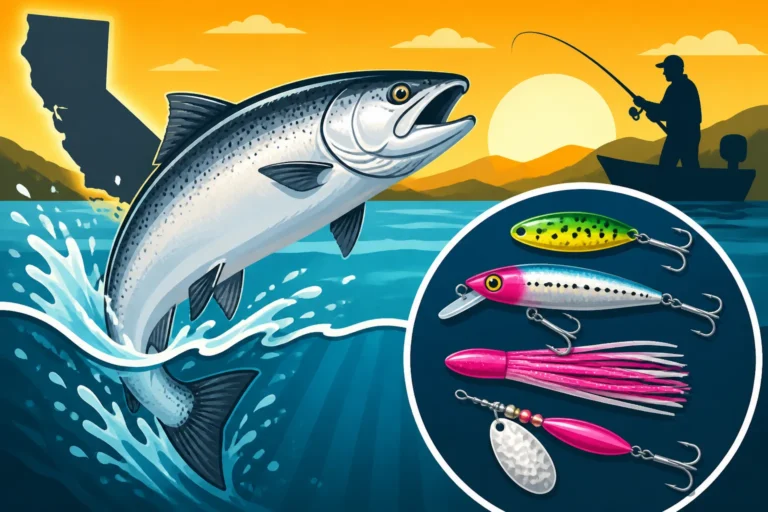
These are arguably the bread and butter of brown trout fishing for many anglers, and for good reason. Spinners, with their rotating blades, create flash and vibration that mimic an injured baitfish or a buzzing insect, triggering a predatory response. Brands like Mepps and Panther Martin are classics, and for good reason. For brown trout, I often lean towards natural colors like gold, silver, or copper, sometimes with a dash of red or black. Sizes from #0 to #3 are usually perfect, depending on water clarity and the size of the trout you're targeting. In crystal-clear Eastern Sierra Fishing Guide streams, a smaller, subtle spinner often works best, while larger, murkier rivers might call for something a bit bigger to get noticed.
Spoons, on the other hand, provide a wobbling, darting action that perfectly imitates a dying baitfish. The Kastmaster is a legendary spoon that has caught countless brown trout over the years, as have Little Cleo and Daredevle spoons. Again, natural metallic finishes (gold, silver, copper) are solid choices, but don't shy away from patterns that mimic perch or crawfish. The retrieve is key here: a steady retrieve with occasional pauses or twitches can make all the difference. Sometimes, a faster retrieve is needed to trigger a reaction strike, while other times, a slow, deep wobble is what they're looking for. You can often find a wide selection of these versatile lures on Amazon, ensuring you have the right sizes and colors for any condition.
Jerkbaits and Plugs
When targeting larger, more aggressive brown trout, especially in lakes like Lake Tahoe or during the pre-spawn in the fall, jerkbaits and plugs become incredibly effective. These hard-bodied lures are designed to imitate baitfish with remarkable accuracy, both in profile and swimming action. Floating, suspending, and diving models allow you to target various depths. Iconic brands like Rapala (original floating, countdown, Husky Jerk), Lucky Craft (Pointer series), and Yo-Zuri (Pins Minnow) are staples in many brown trout anglers' tackle boxes. The slender profile and darting action of a good jerkbait can drive a big brown absolutely wild.
The retrieve for jerkbaits is more active than spinners or spoons. It's all about the "twitch, twitch, pause" action. You twitch your rod tip, causing the lure to dart erratically, then pause, letting it suspend or slowly rise. Many strikes happen on that pause, as the brown trout decides to ambush the "vulnerable" baitfish. Experiment with the length of your pauses – sometimes a longer pause is needed, especially in colder water. Color choices often mimic local baitfish, so think about silver/black, silver/blue, or gold/black patterns. For something truly aggressive, a firetiger or perch pattern can be dynamite in certain conditions. These are excellent choices when you're looking to consistently hook bigger fish, providing a more lifelike presentation that mimics injured prey.
Soft Plastics and Swimbaits
Don't underestimate the power of soft plastics for brown trout, especially when they're being finicky or feeding on smaller forage. Soft plastic grubs, tubes, and small swimbaits can offer an incredibly subtle and natural presentation that hard lures simply can't match. When properly rigged on a light jighead, these lures can mimic everything from a tiny baitfish to a crawdad or even a large insect nymph. Colors that imitate natural forage, such as olive, brown, green pumpkin, white, or light pearl, are often the most successful.
Fishing soft plastics for brown trout typically involves a slower, more methodical approach. Cast them out and let them sink, then work them back with a series of subtle hops, drags, or slow retrieves along the bottom. This can be particularly effective in deeper pools, along drop-offs, or around heavy cover where browns are holding tight. Small paddle-tail swimbaits like those from Keitech or similar brands, rigged on a weighted swimbait hook or a jighead, offer a lifelike swimming action even on a slow retrieve. The vibration from the paddle tail is often just enough to trigger a strike without being overly aggressive. When the bite is tough, and presentation needs to be extremely finesse-oriented, a small tube jig or a Gulp! Minnow on a light jighead can be the ticket to success.
Advanced Strategies for Brown Trout Success
Catching brown trout consistently isn't just about having the right bait or lure; it's about how you use them. These fish are smart, and successful anglers combine their tackle knowledge with a deep understanding of water conditions and fishing techniques.
Presentation is Everything
You can have the best lure in the world, but if your presentation isn't spot on, you're just going to spook the fish. Stealth is paramount when targeting brown trout. Approach the water quietly, especially in clear mountain streams or shallow lake areas. Wear drab clothing that blends with the surroundings. Avoid casting a shadow over the water where fish might be holding. Remember that browns have excellent eyesight, so leader material and knot strength are important. Using a fluorocarbon leader of 4-6 lb test can make a huge difference, as it's nearly invisible underwater.
Beyond stealth, focus on how your lure or bait enters the water and moves through it. A gentle, accurate cast that lands your offering precisely where you intend, without a huge splash, is far more effective than a clumsy splat. Once it's in the water, vary your retrieve. Don't just reel it in at a constant speed. Experiment with twitches, pauses, accelerations, and decelerations. Think about what your lure is supposed to imitate – an injured baitfish struggles, a fleeing crawdad darts. Replicate those natural movements. Pay close attention to current seams, eddy lines, and the edges of structure, as these are prime ambush points.
Reading the Water and Conditions
Knowing where the fish should be is as important as knowing what they eat. Brown trout, particularly the larger ones, are rarely in wide-open, featureless water. They seek cover, current breaks, and depth. Look for fallen trees, large boulders, undercut banks, deep pools, and areas where a faster current meets slower water. These are classic brown trout lies. In lakes, focus on points, submerged islands, rocky ledges, and creek inlets, especially during periods of active feeding.
Environmental conditions also play a huge role. Water temperature is critical. Browns prefer cooler water, typically between 50-65°F (10-18°C). If the water is too warm, they'll be lethargic and seek the deepest, coolest spots. Overcast days or periods of low light (dawn and dusk) often bring browns out to feed more actively, as they feel less exposed. After a rain, when water levels might be slightly elevated and discolored, browns can be less wary and more aggressive, feeding on worms and insects washed into the water. Conversely, in very clear, low water conditions, a more finesse approach with smaller baits and lighter line will be necessary. Knowing how to read a California Fishing Report or understanding the impact of local weather can provide invaluable clues.
Adapting to the Bite
Perhaps the most crucial skill for a brown trout angler is the ability to adapt. What worked yesterday, or even an hour ago, might not work now. Brown trout can be incredibly fickle. If you're not getting bites, don't just keep casting the same lure in the same spot. It's time to change something.
Start by varying your retrieve speed and depth. If that doesn't work, switch colors. If still no luck, change the lure type entirely – from a spinner to a jerkbait, or from an artificial to a natural bait. Sometimes, going smaller and more subtle is the answer; other times, a larger, more aggressive presentation is needed to provoke a strike. Pay attention to any subtle signs of activity – a flash in the water, a slight tap on your line, or baitfish scattering. These can give you clues as to what the fish are doing and what they might be interested in. Don't be afraid to move to a completely different section of the river or lake if your current spot isn't producing. Persistence, observation, and a willingness to experiment are the hallmarks of a successful brown trout angler. Mastering how to fish for trout in California takes time and patience, but the rewards are truly magnificent.
Disclaimer
Fishing regulations, seasons, and limits can change. Always consult the latest California Fishing Regulations Explained booklet or the California Department of Fish and Wildlife (CDFW) website before heading out. This guide is for informational purposes only and does not supersede official regulations.