Best Baits and Lures for Rainbow Trout in California
Oh, the elusive rainbow trout! If you've spent even a little time on California's gorgeous lakes and rivers, you know the frustration of seeing them rise or dart through clear water, only to ignore every offering you throw their way. It's enough to make you scratch your head and wonder if you're speaking their language. But don't you worry, because this guide is all about cutting through the noise and equipping you with the real-world knowledge of the best baits and lures for rainbow trout in California, helping you turn those frustrating near-misses into memorable catches.
Understanding Rainbow Trout Feeding Habits
Before we dive into specific baits and lures, it’s really helpful to understand what makes a rainbow trout tick. These beautiful fish are opportunistic feeders, which means they'll gobble up whatever looks like an easy meal. This can range from tiny aquatic insects and crustaceans to smaller baitfish, and even fallen terrestrial bugs from overhanging branches. However, their preferences can shift dramatically depending on whether they're wild, stream-born fish, or hatchery-raised stockers. This distinction is often the key to unlocking consistent success.
Wild vs. Stocked Trout Preferences
Wild rainbow trout, especially in our pristine Sierra Nevada streams and high-alpine lakes, are often more discerning. They're typically smaller, incredibly feisty, and have a more natural diet, primarily focusing on insects in various life stages – nymphs, larvae, and adult flies. They're also wary of anything unnatural or too flashy. If you're targeting these native beauties, think subtle, natural, and realistic presentations. It's a true test of finesse, and honestly, one of the most rewarding aspects of trout fishing.
On the flip side, stocked trout, which are regularly introduced into many of California's most popular fishing destinations by the Department of Fish and Wildlife (check out the latest on the California Trout Stocking Schedule to see where they've been planting), are often less picky. They've spent their lives in hatcheries, accustomed to pellet food, and sometimes haven't developed the same predatory instincts as their wild cousins. This makes them more susceptible to dough baits, corn, and even bright, flashy lures that grab their attention. They're often referred to as "pellet pigs" for a reason, and if you're looking for consistent action and don't mind a less challenging fight, stocked waters are your best friend.
Environmental Factors Influencing Bite
Beyond their upbringing, a rainbow trout's willingness to bite is heavily influenced by their environment. Water temperature is huge – trout are cold-water fish, generally preferring temperatures between 45-65°F. Too warm, and they become sluggish, seeking deeper, cooler water. Too cold, and their metabolism slows down, making them less active. Water clarity also plays a role. In clear water, trout can be spooky, requiring lighter lines and more natural presentations. In murky water, scents and vibrations become more important, and brighter colors can stand out better. Even the time of day and prevailing weather conditions can dictate their activity levels, making them more or less inclined to chase a meal. Knowing these factors can give you a significant edge in choosing the right bait or lure for your outing.
Best Live and Scented Baits for Rainbow Trout
When it comes to tempting a rainbow trout, sometimes you just can't beat the real thing, or at least a good imitation with plenty of scent. These options are particularly effective because they appeal to a trout's natural instincts, either through their lifelike movement or irresistible smell. For many anglers, especially those just starting out or fishing with kids, bait fishing is a simple yet incredibly productive way to get bites.
Classic Worms and PowerBait
Let's be honest, few things are as universally effective as a humble worm. Nightcrawlers, red worms, and even garden worms are staples for a reason. They offer natural movement and scent, which trout find incredibly appealing. Threading a small piece of nightcrawler onto a size 8 or 10 hook, often fished under a bobber or on the bottom with a small weight, is a tried-and-true method. The natural wiggling motion is a huge attractant. You can often find a good supply of worms at any local bait shop, or even on Amazon if you plan ahead!
Then there's PowerBait, the absolute superstar for stocked rainbow trout. This moldable, scented dough bait comes in countless colors and forms, from classic nuggets to glitter-infused concoctions. The beauty of PowerBait is its buoyancy; when rigged correctly (using a small treble or single hook with a sliding sinker rig), it floats just off the bottom, right in the trout's strike zone. My personal favorites are bright greens, oranges, and chartreuses, especially the "garlic" or "cheese" scented varieties. It's almost unfair how well they work on freshly stocked fish. Just pinch off a pea-sized piece, mold it around your hook to completely hide it, and cast it out. You'll want to check out the section on How to Fish for Trout in California for more detailed rigging tips.
Natural Delights: Corn and Salmon Eggs
Believe it or not, good old canned corn is a killer bait for rainbow trout, particularly those that are used to hatchery pellets. The yellow color and sweet scent seem to drive them wild. It’s also incredibly affordable and easy to find. The trick is to use just a few kernels on a small hook, making sure not to overload it. Fished alone or in combination with a tiny piece of worm, corn can be deadly, especially in clear, still waters where its bright color provides a visual cue.
Salmon eggs, both natural and artificial, are another excellent choice. Natural cured salmon eggs have a potent fishy scent that trout can't resist. Artificial salmon eggs, often brightly colored and scented, offer the same visual appeal with added durability. They're fantastic for drift fishing in rivers or fishing under a bobber in lakes. Brands like Pautzke's Bait Co. "Balls O' Fire" are a classic for a reason. They mimic the eggs that trout naturally feed on during spawning seasons, making them incredibly enticing. When fishing for them, be mindful of the California Freshwater Fishing Regulations which might have specific rules for different bodies of water.
Scented Soft Plastics
The world of scented soft plastics has exploded, offering an almost endless array of options that combine the appeal of bait with the castability of lures. Brands like Berkley Gulp! come in shapes that mimic minnows, worms, and even insects, all infused with a powerful scent that dissipates in the water, attracting trout from a distance. These are fantastic because they're less messy than live bait, can be reused, and often outlast natural baits on the hook.
For example, a small, scented Gulp! Minnow in a natural color like white or chartreuse, fished on a light jig head or under a float, can be incredibly effective. The subtle action combined with the irresistible scent often triggers bites even when trout are finicky. They’re also a great option if you're trying to practice catch and release, as they often result in fewer deeply-hooked fish compared to traditional baits. Always remember to check the California Trout Limits and Regulations for specific areas to ensure you're compliant.
| Bait Type | Best Use Case | Pros | Cons |
|---|---|---|---|
| Nightcrawlers | Rivers, streams, lakes; wild & stocked trout | Natural movement, scent; universally effective | Can be messy, less durable, small fish might pick off |
| PowerBait | Stocked lakes, reservoirs; still fishing | Buoyant, strong scent/color, hides hook well | Less effective on wild trout, can be messy to mold |
| Canned Corn | Stocked lakes, clear water; still fishing | Cheap, effective for stockers, visually appealing | Less scent, can be easily pulled off, less effective for wild |
| Salmon Eggs | Rivers, streams (drift fishing); stocked trout | Natural appeal, strong scent, good visual | Can be fragile, easily washed out in strong currents |
| Scented Soft Plastics | All waters; versatile for active or passive fishing | Durable, scented, variety of shapes/colors, less messy | Can be less natural in action than live bait |
Top Artificial Lures for California Rainbow Trout
If you're more into the active hunt, feeling that strike as you retrieve, then artificial lures are going to be your jam. Lures allow you to cover more water, probe different depths, and often trigger a more aggressive bite. The satisfaction of fooling a savvy trout with a perfectly presented piece of metal or plastic is truly unmatched. California's diverse waters, from rushing rivers to sprawling lakes, offer endless opportunities to experiment with various lure types.
Spinners: Flash and Vibration
Spinners are probably the first thing many anglers think of when it comes to trout lures, and for good reason! They're incredibly effective, easy to use, and the combination of flash and vibration they create in the water is simply irresistible to trout. The spinning blade mimics a fleeing baitfish or a struggling insect, triggering a predatory response.
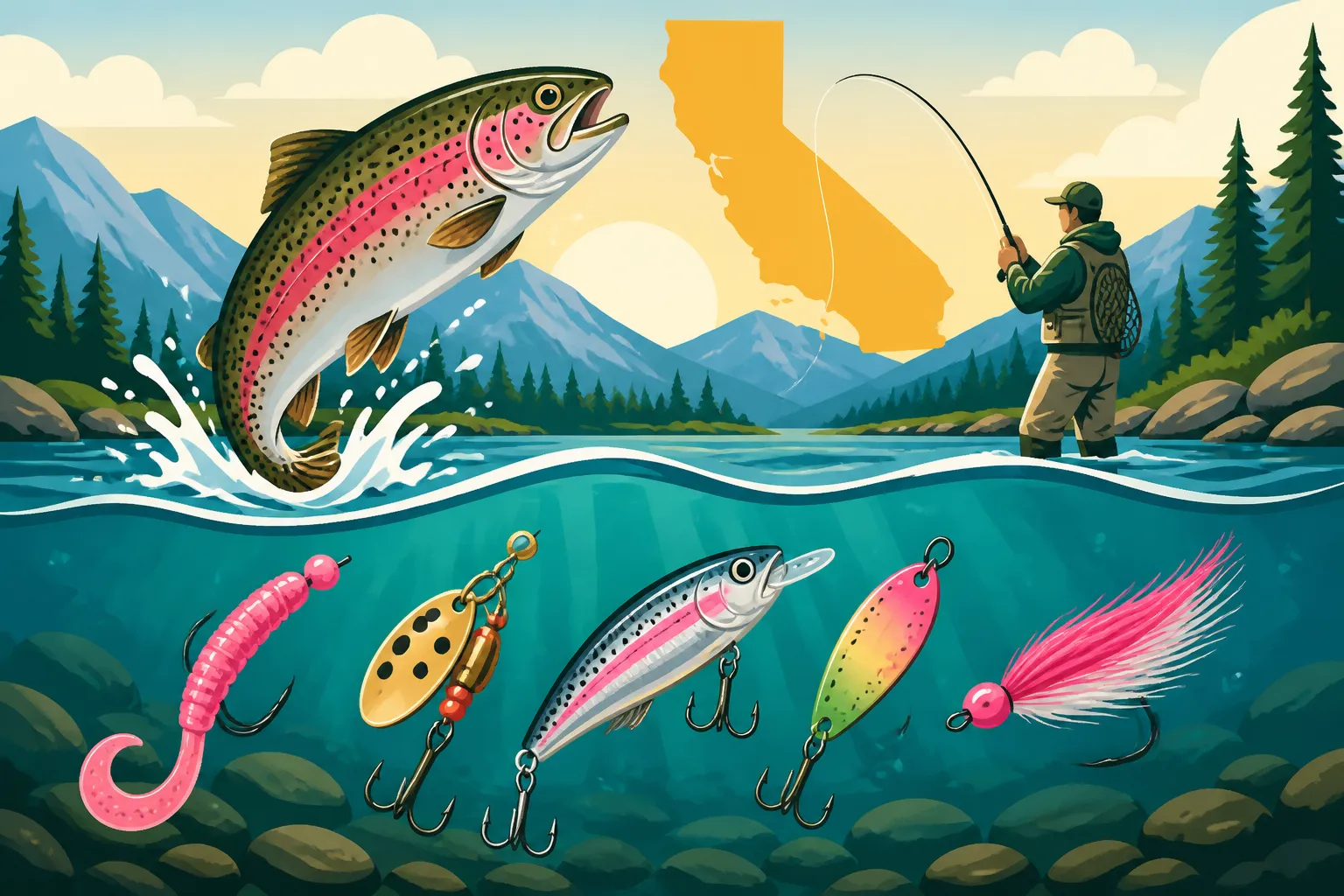
My personal go-to spinners include the classic Rooster Tail, Mepps Aglia, and Panther Martin. Each has a slightly different blade design and shaft, but they all share that irresistible flash. When fishing spinners, retrieve them at a steady pace, just fast enough to get the blade spinning, and vary your retrieve occasionally with a slight pause or twitch to entice a strike. They work wonderfully in rivers and streams, cast upstream and retrieved through pockets and runs, or along the edges of weed beds in lakes. You can find a huge variety of these on Amazon, often in multi-packs, so you're ready for any condition. For more advanced techniques, consider diving into California Fly Fishing Tips and Techniques for river fishing.
Spoons: Wobble and Flash
Spoons are another fantastic category of artificial lures that have fooled countless trout over the years. Their unique shape creates a wobbling, darting action in the water that perfectly imitates a wounded baitfish. The reflective surface flashes as it moves, drawing attention from a distance. Spoons are particularly effective in larger lakes and reservoirs where trout might be chasing schools of baitfish, or when targeting deeper water.
Some of my all-time favorite trout spoons include the Kastmaster, Little Cleo, and Thomas Buoyant. The Kastmaster is known for its incredible casting distance, making it great for reaching those distant feeding fish from shore. Little Cleo's wider body gives it a slower, more pronounced wobble, while the Thomas Buoyant offers a classic erratic dart. When fishing spoons, you can cast and retrieve them steadily, or employ a "lift-and-drop" technique, allowing the spoon to flutter enticingly on the fall before lifting it again. This is often the retrieve that triggers a strike. Different colors work best depending on water clarity and light conditions; shiny silver or gold are good starting points, with brighter colors like fire tiger or rainbow trout patterns reserved for darker or stained water.
Small Plugs and Jerkbaits
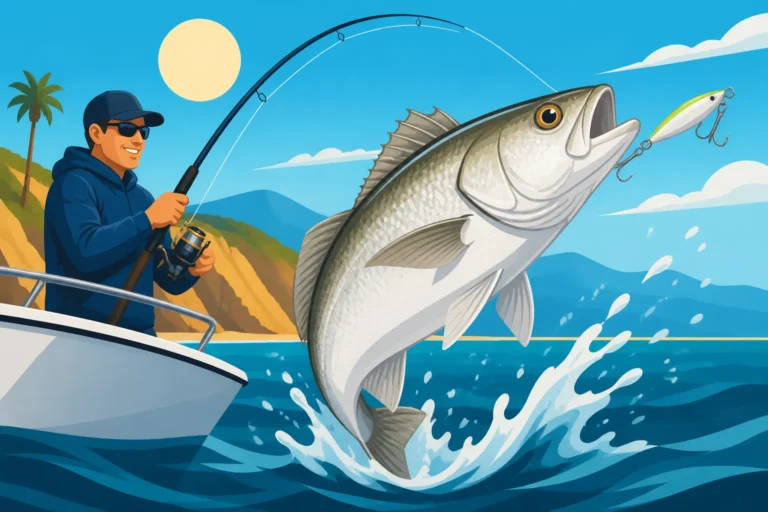
When trout are feeling aggressive or are focused on larger prey, small plugs and jerkbaits can be incredibly effective. These lures typically imitate small minnows or other forage fish and come in a variety of diving depths and actions. Their realistic profiles and vibrant colors can be just what's needed to trigger a strike from a cautious trout.
Brands like Rapala (especially their Original Floater or Countdown series in smaller sizes like F5 or CD3) are legendary for a reason. Their natural swimming action is hard for any fish to resist. Other effective options include small Rebel Minnows or Berkeley's Flicker Shad. These lures work best with a retrieve that mimics a fleeing baitfish – a steady retrieve with occasional twitches or pauses. They're excellent for trolling in lakes, covering a lot of water at various depths, or casting into deeper pools in rivers. Experiment with different colors, from natural minnow patterns to flashy chrome or fire tiger, to see what the trout prefer on any given day. If you're specifically interested in finding prime locations for these tactics, check out Best Trout Lakes in California.
Soft Plastics and Jigs
Beyond the scented varieties, soft plastic baits in smaller, non-scented forms, rigged on tiny jig heads, can be incredibly productive for trout. These offer a very subtle, natural presentation that can fool even the most educated fish. Think tiny swimbaits, grubs, or worm imitations ranging from 1 to 2 inches in length.
A small marabou jig, in white, black, or olive, is a personal favorite for drift fishing in rivers or bouncing along the bottom in lakes. The marabou feathers breathe in the water, creating an incredibly lifelike pulsing action. Similarly, a tiny grub or paddle tail swimbait on a 1/32 or 1/16 ounce jig head, slowly retrieved or vertically jigged, can be deadly. The key with these lures is often the subtle action and a slow presentation. They're particularly effective in colder water when trout are less willing to chase fast-moving baits. Consider these when you're looking for finesse options, perhaps on days when the bite is tough. These lightweight lures are ideal when you’re looking to replicate the natural forage found in many of California’s rivers and streams.
Choosing the Right Bait or Lure for Your Situation
Navigating the vast array of options for rainbow trout can be daunting, even for seasoned anglers. The "best" bait or lure is rarely a static answer; it's a dynamic choice that depends heavily on where you're fishing, the conditions of the day, and even the type of trout you're hoping to catch. Understanding these variables will empower you to make informed decisions on the water, rather than just guessing.
Lake vs. River/Stream Tactics
The environment you're fishing in significantly dictates your approach. In still waters like lakes and reservoirs, especially those heavily stocked, bait fishing often shines. PowerBait, corn, and inflated nightcrawlers fished on the bottom with a sliding sinker rig are incredibly effective. The goal is often to let the bait sit in the strike zone, relying on scent and buoyancy to attract fish that might be cruising. For active fishing in lakes, spoons and small plugs are excellent for casting and retrieving, covering wider areas. Trolling with these lures or even small threaded nightcrawlers can be a highly productive way to locate schools of trout in larger bodies of water, like those mentioned in the Best Lakes to Fish in California guide.
Rivers and streams, on the other hand, often call for a more active approach, particularly for wild trout. Drift fishing with natural baits like worms or salmon eggs, letting them tumble naturally downstream, is very effective. For lures, small spinners and jigs are king. Casting them upstream and retrieving them at the speed of the current allows for a natural presentation that doesn't spook wary fish. Fly fishing, of course, is a highly specialized and incredibly effective method for stream trout, mimicking the abundant insect life. When fishing rivers, understanding the currents and structure (like deeper pools, riffles, and undercut banks) is paramount to presenting your offering effectively.
Seasonal and Weather Considerations
The time of year and prevailing weather conditions are massive factors in trout behavior. In spring, after ice-out or during periods of stable weather, trout become very active and will often hit a wide variety of baits and lures. This is when the fish are often hungrier and more willing to chase. Fall can also be fantastic, especially in rivers, as trout prepare for winter or, for some species, begin their spawning runs. During these times, more aggressive presentations with brighter lures might provoke a strike.
Summer can be challenging, especially in warmer lowland lakes, as trout seek deeper, cooler water. This is when deep trolling or fishing baits on the bottom in cooler thermoclines becomes crucial. Early mornings and late evenings are often the best times during summer. Conversely, in the winter, especially in our high-elevation lakes and streams, trout become sluggish. Slower presentations with smaller baits and jigs, focusing on deep, slow pools, will be more effective. Checking local fishing reports or articles like California Fishing Seasons: Month-by-Month Guide can give you a real edge in planning your trip.
Matching the Hatch and Forage
While stocked trout are often less selective, wild trout, particularly in rivers and streams, can be incredibly "match the hatch" oriented. This means they are keying in on a specific type of insect or forage that is abundant at that moment. If you see tiny midges hatching on the surface, a small, subtle dry fly or midge imitation might be the only thing they'll touch. If there are crayfish in the water, a small brown or olive jig that mimics a crayfish could be deadly.
Always take a moment to observe the water before you cast. Are there any insects flying around? Are there any signs of baitfish? If you catch a fish, gently examine its stomach contents (if you're keeping it) to see what it's been eating. This detective work can unlock the secret to a successful day. Even for stocked trout, if they've been in the lake for a while, they might start to adapt to the natural forage, making them more receptive to lures that imitate minnows or aquatic insects.
Essential Gear and Presentation Tips
Having the right bait or lure is only half the battle. How you present it, and the gear you use, makes a tremendous difference in convincing a wily rainbow trout to bite. Nobody wants to lose a trophy fish because of shoddy equipment or a sloppy technique. Let's make sure your setup is dialed in for success.
Rod, Reel, and Line Selection
For rainbow trout, especially in California's diverse waters, lighter tackle is almost always the way to go. This isn't just about sporting fun; it's about effective presentation. A light to ultra-light spinning rod, typically 5 to 7 feet in length, paired with a small spinning reel (size 1000-2000) is ideal. This setup allows for accurate casting of light baits and lures, and the sensitivity to detect subtle bites.
When it comes to line, fluorocarbon or monofilament in the 2 to 6-pound test range is usually perfect. Fluorocarbon is fantastic because it's virtually invisible underwater, which can be a huge advantage in clear California waters, and it offers excellent sensitivity. Monofilament is a bit more forgiving with its stretch and generally more affordable. Some anglers even prefer a braided mainline with a fluorocarbon leader, combining the strength and casting distance of braid with the invisibility of fluoro. Using a high-quality fishing line, like those from reputable brands such as P-Line or Seaguar, can make a real difference in landing more fish. Remember, trout often have excellent eyesight, so thinner, less visible lines are usually preferred.
Rigging for Success
The way you rig your bait or lure can be the difference between a productive day and a frustrating one. For PowerBait and other floating baits in lakes, the "Carolina rig" or "sliding sinker rig" is king. This involves a sliding egg sinker above a swivel, with a 12-24 inch leader of lighter fluorocarbon (2-4lb test) terminating in a small, single hook (size 10-14, or a tiny treble). This allows the bait to float naturally off the bottom, enticing cruising trout.
For worms or salmon eggs in rivers, a simple split-shot rig or a small float (bobber) rig works wonders. With the split-shot, place one or two small weights a foot or so above your hook, allowing the bait to drift naturally with the current. For lures, always tie direct or use a small, high-quality snap swivel. A swivel helps prevent line twist, especially with spinners, and a snap allows for quick lure changes. Avoid large, bulky hardware, as it can spook fish. Keeping your terminal tackle light and clean is a general rule for trout fishing.
Presentation Techniques
No matter your chosen bait or lure, presentation is everything. For baits, whether it's PowerBait or a worm, the goal is often a natural, subtle presentation. In lakes, cast your bait out, let it sink to the bottom, and then reel in just enough slack to feel the weight of your sinker. Then, simply wait. Trout bites can range from a gentle tap to a solid tug. In rivers, you want your bait to drift naturally with the current, mimicking a free-floating food item. This "dead-drift" is often achieved by casting upstream and letting the current carry your bait naturally into likely holding spots.
For lures, vary your retrieve. A steady retrieve often works, but adding pauses, twitches, or changes in speed can trigger strikes from hesitant fish. Sometimes a fast, erratic retrieve is what they want, other times a slow, methodical grind. Pay attention to what the fish are telling you. If you're not getting bites, change something: your retrieve speed, the color of your lure, or even your location. Experimentation is a huge part of trout fishing success. Don't be afraid to try different things – that's how you learn what works best in specific situations. Exploring different approaches like those found in the California Trout Fishing Techniques guide can drastically improve your success rate.
Disclaimer
Fishing regulations and conditions in California can change frequently. Always consult the latest California Department of Fish and Wildlife (CDFW) regulations booklet or their website before heading out. This guide is for informational purposes only and should not replace official regulations. Practice responsible angling, respect wildlife, and pack out everything you pack in.