California Fishing Seasons: Month-by-Month Guide
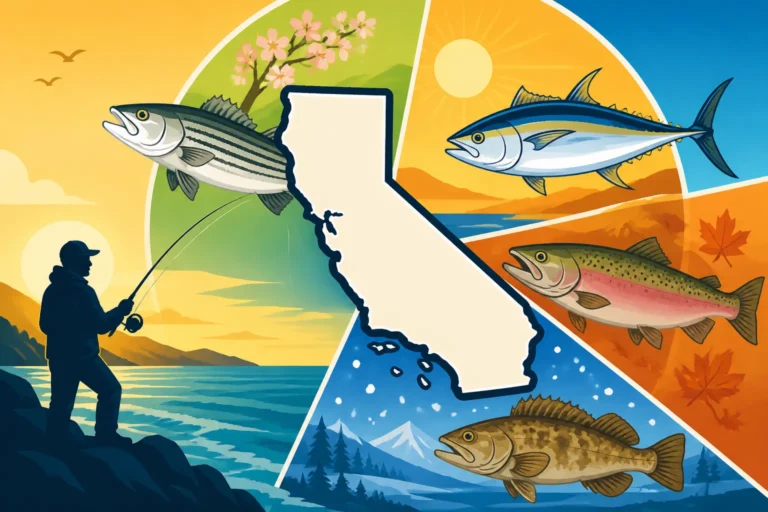
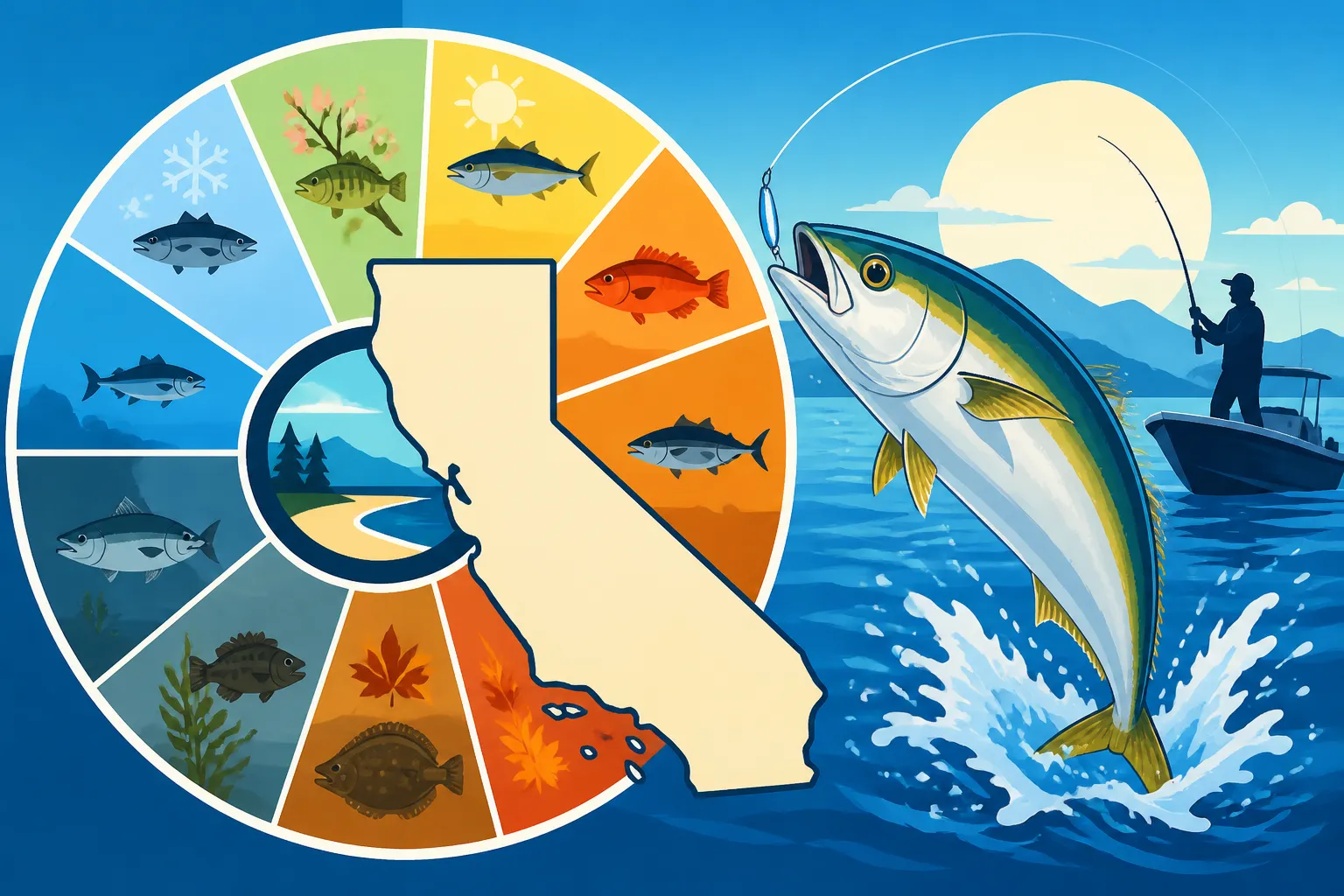
It's a common struggle for anyone who loves to wet a line in California: the sheer, overwhelming diversity of our fisheries means that what's biting in one corner of the state might be completely out of season just a few hours away. It can feel like you need a secret decoder ring just to figure out when and where to go. This guide aims to clear up that confusion, offering a month-by-month breakdown of California's incredibly dynamic fishing seasons, so you can plan your next angling adventure with confidence and catch more fish.
The Ever-Changing California Fishing Landscape
California isn't just a state; it's a continent when it comes to fishing. We've got everything from high-alpine lakes glistening under snow-capped peaks to sun-drenched desert reservoirs, winding rivers carving through dense forests, and an expansive coastline that stretches for hundreds of miles, boasting everything from rocky reefs to sandy beaches and deep offshore canyons. This incredible variety means that fishing opportunities are constantly shifting, influenced by weather patterns, water temperatures, fish migrations, and, of course, the ever-important regulatory changes from the California Department of Fish and Wildlife (CDFW).
Understanding the Influence of Geography
Think about it: the fishing conditions in the chilly, rugged northern coast around Eureka are wildly different from the warm, expansive waters off San Diego or the sprawling network of the Sacramento-San Joaquin Delta. Northern California, with its colder waters and abundant rainfall, often sees strong salmon and steelhead runs, while its mountain lakes hold various trout species. The central coast offers a rich mix of rockfish, lingcod, and halibut in its kelp forests and sandy bottoms. Down south, the warmer Pacific waters bring in pelagic species like tuna and yellowtail, alongside calico bass and white seabass around the islands. Inland, reservoirs across the state offer fantastic bass and trout fishing, with their own unique seasonal peaks. It’s a puzzle, but a fun one to solve!
The Role of Regulatory Agencies
Beyond nature's calendar, state and federal regulations play a huge part in defining our fishing seasons. These aren't just arbitrary rules; they're vital for conserving fish populations and ensuring sustainable fishing for future generations. The CDFW sets most freshwater and nearshore saltwater regulations, including species-specific seasons, bag limits, and size restrictions. For offshore species and highly migratory fish like tuna, federal agencies like the National Marine Fisheries Service (NMFS) also step in. These rules can change annually, sometimes even mid-season, based on scientific assessments of fish stocks. It’s absolutely critical to consult the latest regulations, often found in the California Fishing Regulations Explained booklet, before you head out. Don't just rely on what you heard last year!
Decoding California's Fishing Calendar: Why It Matters
Knowing the prime fishing seasons isn't just about maximizing your catch; it's about respecting the fish, understanding their life cycles, and making the most of your valuable time on the water. Hitting a lake when trout are spawning or trying to target halibut when they've migrated offshore will only lead to frustration. A solid grasp of the seasonal ebb and flow helps you choose the right gear, bait, and techniques for success, rather than just guessing.
The Impact of Water Temperature and Weather
Fish, like all creatures, are profoundly affected by their environment. Water temperature is perhaps the biggest driver of fish behavior, dictating everything from metabolism and feeding activity to spawning cycles and migration patterns. Warm-water species like bass and bluegill become more active in summer, while cold-water species like trout thrive in cooler temperatures. Weather fronts, rainfall, and even moon phases can also influence feeding frenzies or shut-downs. For instance, heavy rains can muddy rivers, making fishing tough, but they can also trigger salmon and steelhead to move upstream. Conversely, a prolonged heatwave might push fish deeper in a lake or offshore. Keeping an eye on weather forecasts and water conditions is almost as important as checking the tides or the bite report.
Understanding Fish Migration and Spawning Cycles
Many of California's most popular game fish undertake significant migrations or have distinct spawning seasons that dictate when and where you can find them. King Salmon, for example, make their epic journey from the ocean into freshwater rivers to spawn, creating specific windows of opportunity for anglers on rivers like the Sacramento and Feather. Steelhead do much the same. Offshore, pelagic species like Bluefin Tuna follow warm currents up the coast, often arriving in late spring or summer and staying into fall, chasing baitfish. Bass, on the other hand, have distinct pre-spawn, spawn, and post-spawn phases in freshwater lakes, each requiring different tactics. Knowing these cycles is key to successful targeting, ensuring you're there when the fish are concentrated and actively feeding, rather than spread out or uninterested. For those interested in deeper dives on specific species, articles like California Salmon Season Dates Explained or California Steelhead Season Dates Explained can provide invaluable insights.
Northern California's Seasonal Bounty
The vast expanse of Northern California offers some truly incredible and diverse fishing experiences, from the rugged coastline and pristine mountain lakes to the iconic rivers of the region. The seasons here often feel more distinct than in other parts of the state, with cold winters and warm summers influencing everything from salmon runs to trout activity.
Winter Wonders and Spring Sprouts
When winter descends on Northern California, many anglers turn their attention to the mighty rivers. This is prime time for steelhead fishing on coastal rivers like the Klamath, Trinity, and Eel. These strong, ocean-run rainbow trout fight hard, offering a thrilling challenge to fly and gear anglers alike. While the weather can be chilly and wet, the reward of a fresh chrome steelhead is unparalleled. Many of these rivers also hold healthy populations of resident rainbow trout that remain active through the colder months. Further inland, larger lakes like Lake Shasta and Whiskeytown Lake can offer good winter fishing for trout and some bass, though the bite might be slower.
As spring blooms, the region truly comes alive. The tail end of the steelhead runs often lingers into early spring, and trout fishing in general picks up dramatically. Lakes that were slow in winter, like Lake Almanor or Eagle Lake, start to warm up, bringing trout closer to the surface. Rivers and streams, swollen with snowmelt, become more fishable as flows stabilize. This is also a fantastic time for chasing Kokanee Salmon in many of the larger reservoirs, especially as they begin to feed aggressively before their summer spawning period. For those looking for trout, understanding the California Trout Limits and Regulations is essential, as rules can vary by water body.
Summer Gold and Autumn Riches
Summer in Northern California offers a smorgasbord of fishing. High Sierra alpine lakes become accessible as the snow melts, providing breathtaking scenery and excellent opportunities for various trout species, including the elusive California Golden Trout Explained. Reservoirs like Lake Oroville and Folsom Lake heat up, making bass fishing, especially for largemouth and spotted bass, absolutely fantastic, often involving topwater action in the mornings and evenings. On the coast, King Salmon fishing can open up, drawing throngs of anglers to coastal ports like Eureka and Crescent City, targeting these prized fish offshore. Keep a close eye on the California Salmon Regulations and Limits as these seasons are highly managed and can fluctuate.
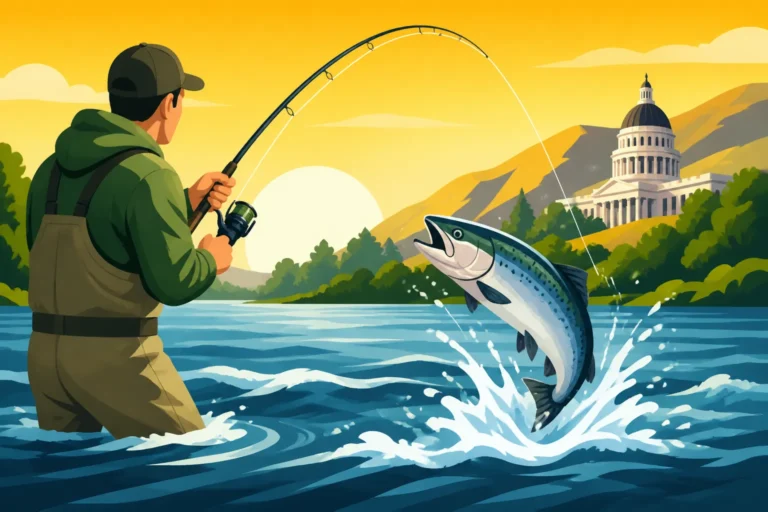
As autumn approaches, the fishing often reaches a crescendo. The cooling water temperatures invigorate many species. Salmon runs in the Sacramento and Feather Rivers hit their peak, attracting anglers hoping to land a trophy Chinook. This is also a fantastic time for striped bass in the California Delta, as they become incredibly active. Trout in lakes and rivers go on a feeding frenzy, packing on weight before winter. The crowds thin out a bit, the weather is often beautiful, and the fish are hungry – it’s a perfect combination. For a truly immersive experience, many anglers will seek out expert local guides, and finding the right gear on Amazon beforehand can make all the difference, from waders to specialized fly patterns.
Central Coast Fishing Through the Year
The Central Coast of California, stretching roughly from Monterey Bay down to Santa Barbara, offers a unique blend of cool, nutrient-rich waters and diverse habitats. This region is famous for its abundant rockfish, lingcod, and halibut, along with seasonal opportunities for pelagic species and excellent pier fishing. The climate is generally milder, which often translates to more consistent fishing throughout the year compared to the more extreme north.
The Chill of Winter and Thaw of Spring
Winter fishing along the Central Coast is primarily focused on rockfish and lingcod. While some areas may have depth restrictions or seasonal closures for certain rockfish species, many bottomfish opportunities remain open. Anglers often brave the cooler, choppier waters to target these tasty creatures, dropping jigs and baits over rocky reefs and pinnacles. Ports like Monterey and Morro Bay are popular launching points for these trips. Checking the latest California Rockfish Depth Restrictions is crucial, as these can vary significantly by management area and time of year.
As spring arrives, the marine environment begins to awaken. Water temperatures slowly climb, and baitfish populations start to increase, bringing with them a renewed sense of activity. Halibut fishing in the bays and nearshore areas, particularly in Monterey Bay or around Estero Bay, starts to pick up significantly. Drift fishing with live bait or plastics becomes a popular and effective method. This is also a transition time when migratory species might start to appear further offshore, hinting at the summer bounty to come. Freshwater opportunities in the central coast's inland lakes and reservoirs, like Lake San Antonio or Lake Nacimiento, also begin to improve for bass and trout.
Summer's Bounty and Autumn's Farewell
Summer is prime time for Central Coast saltwater fishing. The warmer waters bring in a wider variety of species and often mean calmer ocean conditions. King Salmon seasons, when open, draw considerable attention, particularly around Monterey Bay and Half Moon Bay. Party boats and private charters head out, trolling for these powerful fish. Beyond salmon, the rockfish and lingcod bite remains strong, often expanding into shallower waters as the fish become more active. Anglers also target White Seabass in kelp beds and around structure, particularly in areas like Morro Bay, though these fish can be elusive and require patience.
When autumn paints the hills golden, the fishing continues to be excellent, often considered one of the best times of year. The ocean conditions tend to be very pleasant, and fish are actively feeding before winter. Halibut fishing can remain fantastic, especially with the abundance of baitfish. The rockfish and lingcod bite stays consistent. Offshore, while not as prevalent as in Southern California, occasional sightings of yellowtail or even stray tuna can occur for boats venturing further out. Many anglers use this time to enjoy the last of the fair weather and target a variety of species before the full swing of winter. Remember to always consult the California Saltwater Fishing Regulations as seasons and limits can change annually.
| Month | Northern California Highlights | Central Coast Highlights | Southern California Highlights | Inland Freshwater Highlights |
|---|---|---|---|---|
| January | Steelhead on coastal rivers; slower lake trout/bass | Rockfish, Lingcod (depth dependent) | Calico Bass, Rockfish; offshore Yellowtail (limited) | Winter trout stocking in lakes; slow bass |
| February | Steelhead peak; some trout in lakes | Rockfish, Lingcod; early Halibut in bays | Calico Bass, Rockfish; offshore Yellowtail (limited) | Winter trout stocking; slow bass |
| March | Steelhead tapering; trout picking up in lakes/rivers | Halibut in bays; Rockfish, Lingcod | Calico Bass, Rockfish, some Sand Bass | Trout active in lakes/rivers; bass pre-spawn |
| April | Trout strong in rivers/lakes; Kokanee picking up | Halibut strong; Rockfish, Lingcod | Yellowtail (offshore); Calico Bass, Rockfish | Bass pre-spawn/spawn; trout very active |
| May | Trout excellent; Bass active; early Salmon offshore | Halibut excellent; Rockfish, Lingcod; White Seabass | Yellowtail, Bluefin Tuna (early); Calico Bass, Sand Bass | Bass spawn/post-spawn; trout excellent |
| June | Salmon offshore (when open); Bass, Trout, Kokanee | Salmon offshore (when open); Halibut, Rockfish | Bluefin Tuna, Yellowtail, Dorado; Calico Bass, Barracuda | Bass active; Trout in high country; Kokanee |
| July | Salmon offshore (when open); Bass, Trout, High Sierra | Salmon offshore (when open); Halibut, Rockfish | Bluefin Tuna, Yellowtail, Dorado, Albacore; Calico Bass | Bass, Catfish; High Sierra trout peak |
| August | Bass, Trout, Kokanee; Salmon runs beginning in rivers | Halibut, Rockfish; occasional offshore game fish | Bluefin Tuna, Yellowtail, Dorado, Albacore peak; White Seabass | Bass, Catfish; High Sierra trout |
| September | Salmon runs peak in rivers; Striped Bass in Delta | Halibut, Rockfish, Lingcod; good ocean conditions | Bluefin Tuna, Yellowtail, Dorado, Albacore; White Seabass | Bass, Catfish; Trout in high country (fall bite) |
| October | Salmon runs continue; Striped Bass excellent; Trout | Halibut, Rockfish, Lingcod; pleasant ocean conditions | Yellowtail, Bluefin Tuna (late season); Calico Bass | Bass fall bite; Trout stocking begins |
| November | Steelhead starting; Trout stocking in lakes; Striped Bass | Rockfish, Lingcod; Halibut tapering | Calico Bass, Rockfish; Yellowtail (late season) | Winter trout stocking; bass slowing down |
| December | Steelhead in rivers; Trout in stocked lakes | Rockfish, Lingcod; Halibut slowing | Calico Bass, Rockfish | Winter trout stocking; bass slow |
Southern California's Year-Round Opportunities
Southern California is renowned for its vibrant saltwater scene, offering some of the most consistent year-round fishing in the state. From the bustling harbors of San Diego and Long Beach to the channel islands, there’s always something biting. While the big game offshore species steal the headlines in summer, the inshore fisheries offer plenty of action throughout the cooler months as well.
Cool Season Coastal Action: Fall and Winter
As autumn settles in, the offshore pelagic bite, while still red-hot in early fall, slowly begins its retreat further south. However, this transition opens up fantastic opportunities closer to shore. Yellowtail can still be caught well into fall, particularly around Catalina Island and San Clemente Island, as well as at local offshore banks. This is also an excellent time for White Seabass and Halibut, especially as they move into shallower waters to feed on abundant baitfish. The inshore kelp forests and rocky reefs remain productive for various rockfish and calico bass. Piers and jetties continue to provide good access to species like mackerel, bonito, and various surfperch.
Winter in Southern California doesn't mean hanging up your rods. While the mega-schools of tuna might be gone, the local fishing can still be phenomenal. The rockfish bite is strong and reliable, with charters heading out from ports like Dana Point and Oceanside to target reds, vermilion, and other bottom dwellers. Lingcod are also a prized catch during these cooler months. Calico bass fishing remains viable, often requiring slower presentations with artificial lures or live bait in the kelp beds. Even during winter, there's always a chance for a rogue Yellowtail or a decent Halibut if you know where to look. Many anglers also find great success targeting striped bass in inland reservoirs like Diamond Valley Lake. Before heading out, always ensure you have a current California Fishing License Guide in hand, as regulations are strictly enforced.
Warm Water Excitement: Spring and Summer
Spring ignites the Southern California fishing scene, building anticipation for the summer offshore explosion. This is a fantastic time for Yellowtail, often found in greater numbers around the islands and in coastal areas. They become incredibly aggressive, hitting jigs and live baits with ferocity. Halibut fishing also picks up significantly in bays and along sandy beaches. The Calico Bass bite in the kelp beds becomes more consistent and exciting, with topwater action often starting in late spring. This is also when you might start seeing early arrivals of Barracuda and Bonito closer to shore, offering fast-paced light tackle action. For those planning a trip, considering a California Two-Day Fishing License might be a good option if you’re staying for a long weekend.
Summer truly is the main event for Southern California offshore fishing. This is when the warm currents push northward, bringing with them a parade of highly sought-after pelagic species. Bluefin Tuna are the undisputed kings, with a season that can extend from late spring well into fall, sometimes even winter. Anglers embark on multi-day trips targeting these giants with heavy tackle. Yellowfin Tuna, Albacore Tuna, and vibrant Dorado (Mahi-Mahi) also make their appearance, providing exhilarating, fast-action fishing. Inshore, Calico Bass fishing hits its peak, along with Sand Bass and Spotted Bay Bass in the bays. Surf fishing for Corbina and various perch species is also excellent during the warmer months. Given the array of gear needed for these diverse fisheries, many seasoned anglers rely on online retailers like Amazon to source specialized rods, reels, and terminal tackle.
Freshwater Fishing: Lakes and Rivers by Season
Beyond the ocean, California’s vast network of freshwater lakes, reservoirs, and rivers offers a lifetime of angling adventures. From trophy bass in sprawling impoundments to wild trout in pristine alpine streams, the freshwater fishing calendar is just as dynamic as its saltwater counterpart.
Spring's Spawning Frenzy and Early Summer Bites
Spring is arguably the most exciting time for freshwater fishing in California. As water temperatures rise, many species become incredibly active. Largemouth, Smallmouth, and Spotted Bass enter their pre-spawn and spawning phases, moving into shallower water where they are more accessible and aggressive. Lakes like Clear Lake, Castaic Lake, and Diamond Valley Lake become bass fishing meccas. This is also prime time for Trout, as they shake off their winter lethargy and begin actively feeding. Stocked trout fisheries see regular plants by the CDFW, creating excellent opportunities for anglers of all skill levels. Rivers and streams, as snowmelt subsides, become ideal for fly fishing and bait fishing for various trout species.
Early summer continues the hot bite, especially for bass. After spawning, they move into post-spawn patterns, often aggressively feeding to recover. Topwater lures become incredibly effective during dawn and dusk. Crappie and Bluegill fishing also picks up significantly in many lakes and reservoirs, making for fantastic family fishing trips. In the high country, as snow lines recede, more alpine lakes and streams become accessible, offering spectacular scenic fishing for wild trout. However, as the summer progresses and temperatures soar, many freshwater fish will move to deeper, cooler water. Finding the right bait, whether it's live worms or power bait, is crucial, and you can easily find a huge selection on Amazon for convenience.
Late Summer's Deep Dives and Autumn's Feast
As late summer takes hold, freshwater fishing often requires adjusting tactics. In many lowland lakes and reservoirs, the intense heat pushes bass and trout into deeper, cooler thermoclines. This means focusing on deeper structure, using drop-shot rigs, deep-diving crankbaits, or fishing during the cooler parts of the day. Catfish, on the other hand, thrive in the warm summer waters and become very active, particularly in the California Delta and larger reservoirs. For those seeking trout, the high country remains a fantastic escape from the heat, with alpine lakes offering consistent action.
Autumn brings a resurgence of activity to most freshwater fisheries. As water temperatures cool, bass move back into shallower waters, going on a "fall feeding frenzy" to bulk up for winter. This can be one of the best times of year to catch trophy-sized bass. Trout fishing also picks up dramatically, with many lakes receiving additional CDFW plants. Rivers that were too warm or low in summer often become prime for trout and, in Northern California, for returning salmon and steelhead. The crisp air, vibrant foliage, and active fish make autumn a truly magical time to be on California's freshwater. Always consult the California Freshwater Fishing Regulations to ensure you're compliant with local rules, as they can differ from region to region.
Mastering Specific Species: When and Where
To truly excel, understanding the specific seasonal patterns for your target species is invaluable. Each fish has its own preferences and habits that dictate when it's most active and available.
Pelagic Powerhouses: Tuna, Yellowtail, and Dorado
These offshore champions are the stars of Southern California's summer and fall fishing.
- Bluefin Tuna: Generally arrive in late spring (May/June) and can stay well into fall (October/November), sometimes even December, especially in warmer years. The peak is usually July through September. They follow warm currents and baitfish, ranging from offshore banks to closer to the coast. California Bluefin Tuna Season Explained can give you more detailed insights.
- Yellowtail: Can be found year-round in Southern California, particularly around the Channel Islands, but their numbers swell significantly from spring (April/May) through fall (October/November). They are highly migratory and can appear in coastal kelp beds or offshore banks.
- Dorado (Mahi-Mahi): These vibrant fish are strictly warm-water visitors, arriving with the warmest currents typically from late summer (July/August) through early fall (September/October). They are often found under floating kelp paddies or debris far offshore.
Targeting these species often involves booking a spot on a long-range sportfishing vessel or a private charter out of ports like San Diego's Point Loma, or from San Pedro, Long Beach, or Dana Point. The success hinges on water temperature, bait schools, and offshore weather.
Coastal Carvers: Rockfish, Lingcod, and Halibut
These are the bread and butter of California's coastal fishing, offering consistent action across the state.
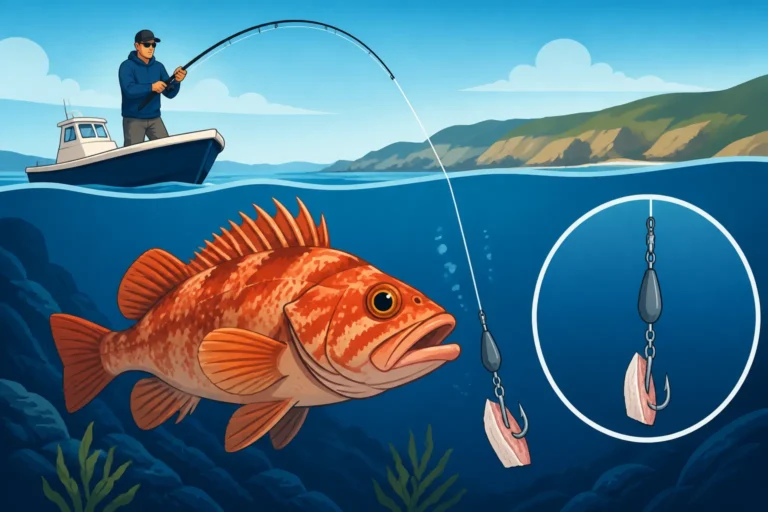
- Rockfish and Lingcod: Generally available year-round, though specific seasons, depth restrictions, and bag limits can vary greatly by region and by year. The Central and Northern Coasts have particularly robust rockfish and lingcod populations. Prime time is often spring through fall when ocean conditions are calmer, but winter can also be productive for deeper-water fish. Check the California Lingcod Regulations and Limits for specifics.
- California Halibut: Found year-round along sandy bottoms, in bays, and near structure. The bite typically picks up in spring (March/April) and remains strong through summer and fall (October/November), as they move to shallower waters to feed and spawn. They are abundant in Southern California bays and along beaches, but also found up the Central Coast into Monterey Bay. Drift fishing with live bait or bouncing artificial lures are common and effective methods. California Halibut Size and Bag Limits are important to remember.
These species are popular targets for party boats, private charters, kayak anglers, and even pier fishing in some locations. A good sonar is invaluable for finding structure where these fish congregate.
Inland Icons: Bass, Trout, and Striped Bass
California’s freshwater fisheries are incredibly diverse, with distinct seasonal patterns.
- Largemouth, Smallmouth, and Spotted Bass: These species are active year-round in most reservoirs and lakes, but their peak activity aligns with warmer water. Spring (March-May) is prime for pre-spawn and spawning fish. Summer offers excellent topwater action early and late, with deep-water tactics during the heat of the day. Fall (September-November) sees a resurgence of aggressive feeding. California Bass Fishing Regulations are crucial reading.
- Trout (Rainbow, Brown, Brook): Trout thrive in cooler waters. Winter and spring are prime for stocked trout in lowland lakes, with frequent CDFW plants. High Sierra lakes and rivers are best from late spring (June) through fall (October) after snowmelt. The "fall bite" for larger trout in rivers can be exceptional. Learning the California Trout Limits and Regulations is essential, especially with special regulation waters.
- Striped Bass: The California Delta and certain river systems (like the Sacramento River) are famous for striped bass. While present year-round, major runs typically occur in spring (April-June) as they move upstream to spawn, and again in fall (September-November) for a strong feeding blitz. They can be caught casting lures, trolling, or using bait. For the latest on this iconic species, look into California Striped Bass Regulations.
Successfully targeting these fish often means being highly aware of water temperature, current conditions, and local reports. Many anglers find great success using specific local baits or lures, which can often be found at local tackle shops or easily ordered online.
Essential Tools and Resources for Seasonal Success
Navigating California's complex fishing seasons doesn't have to be a guessing game. With the right approach and a few key resources, you can consistently find yourself in the right place at the right time. Being prepared means having the right information, the right gear, and the right mindset.
Staying Updated with Regulations and Reports
The single most important tool in any California angler's arsenal is up-to-date information. Regulations change, often without much warning, due to conservation efforts or emergency closures. Relying on outdated information can lead to fines, confiscated gear, or even loss of fishing privileges.
- CDFW Website and App: The official California Department of Fish and Wildlife website is your ultimate authority for current regulations, seasons, and fish planting schedules. They also have a mobile app that can be invaluable on the water. Make it a habit to check before every trip, even if you think you know the rules. Pay close attention to specifics like California Fishing Report Cards Explained if you're targeting species like salmon, steelhead, or sturgeon.
- Local Bait Shops and Charters: These are goldmines of real-time information. The folks who run bait shops and charter boats are on the water constantly or talking to people who are. They know what's biting, where it's biting, and what gear is working best. Don't be shy about asking questions!
- Online Fishing Forums and Social Media Groups: There are numerous online communities dedicated to California fishing. These can offer valuable insights, recent catch reports, and tips from fellow anglers. Just remember to take everything with a grain of salt and always verify regulations yourself.
Gear and Preparation for Every Season
Having the right gear for the season is more than just a convenience; it can be the difference between a frustrating skunk and a memorable day on the water.
- Versatile Rods and Reels: While specialized gear is great, a good all-around setup can cover many situations. For freshwater, a medium-light spinning rod is versatile for trout and smaller bass. For saltwater, a medium-heavy conventional or spinning setup can handle many inshore species.
- Seasonal Clothing: California's weather can be unpredictable. Layers are always a good idea. In winter, waterproof and insulated clothing is essential for river fishing or offshore trips. In summer, breathable, sun-protective clothing is key. Don't forget a good hat and polarized sunglasses!
- Tackle Box Essentials: Your tackle should match the season and species. For example, during the spring bass spawn, you'll want plastics and jigs. For summer trout, maybe some PowerBait or small spinners. If heading offshore for tuna, having heavy jigs and live bait hooks ready is crucial. Many anglers stock up on these versatile items from online retailers like Amazon, ensuring they have everything they need for any given scenario. It's often easier to build a comprehensive tackle box when you can browse a massive inventory.
- Safety Gear: Always pack a first-aid kit, enough water, snacks, a fully charged phone, and a marine radio if you're going offshore. If fishing remotely, let someone know your plans. For saltwater trips, especially offshore, seasickness medication can be a lifesaver.
By proactively consulting resources and preparing your gear for the expected conditions, you're not just increasing your chances of success; you're also ensuring a safer and more enjoyable fishing experience, no matter what California's incredibly varied seasons throw your way.
Disclaimer
Fishing regulations, seasons, and limits are subject to change at any time by the California Department of Fish and Wildlife and other governing agencies. While every effort has been made to provide accurate and up-to-date information in this guide, it should not be considered a legal document. Always consult the official CDFW regulations booklet or website before engaging in any fishing activity to ensure compliance with the most current rules.