California Fly Fishing for Beginners
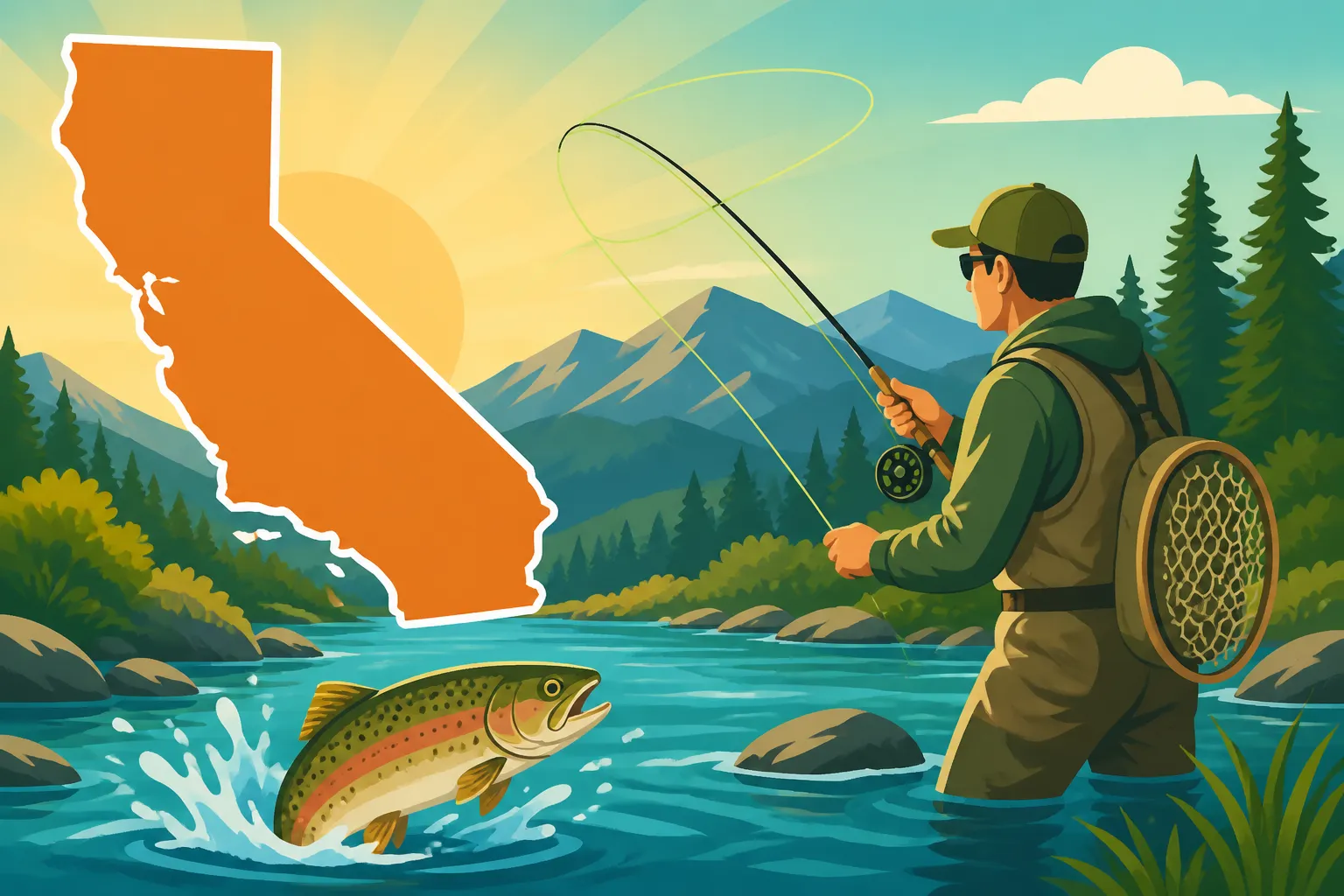
Thinking about fly fishing can feel a little intimidating, especially if you’re just starting out and looking at California's incredibly diverse waters. It often seems like a sport reserved for experts with years of experience and a pile of expensive, complicated gear. But I'm here to tell you that’s simply not true! This guide is designed to cut through the jargon and get you casting on California's beautiful rivers and lakes, breaking down everything you need to know from gear to basic techniques, making fly fishing accessible and fun from day one.
Demystifying the Essential Gear for Beginner Fly Fishers
When you first dive into fly fishing, the sheer volume of gear can make your head spin. Rods, reels, lines, leaders, tippet – it sounds like a foreign language! But honestly, you don't need to break the bank or buy every single gadget to get started. The goal here is to get you out on the water comfortably and effectively, without feeling overwhelmed or underprepared.
Rods, Reels, and Lines: Your First Big Decisions
Let's talk about the big three: your rod, reel, and line. For a beginner in California, especially if you're targeting the most common species like trout or small bass, a versatile setup is key. I always recommend starting with a 9-foot, 5-weight rod. Why a 5-weight? It's the ultimate all-rounder! It’s light enough to enjoy fighting smaller trout in our clear mountain streams, but it has enough backbone to handle a decent-sized fish in a larger river or even some pond bass. You'll find a ton of options in this weight class, from budget-friendly combos to higher-end setups. Don't feel pressured to buy the most expensive one; a good entry-level combo from brands like Orvis, Redington, or Fenwick will serve you perfectly as you learn the ropes. You can often find great starter kits on reputable outdoor retailers or even on platforms like Amazon that include everything you need to get going.
Matching your reel to your rod weight is crucial, but for a 5-weight rod, a corresponding 5/6-weight reel will balance it out nicely. The reel's primary job in fly fishing is to hold your line, not necessarily to fight the fish (that's mostly done with the rod and line in hand). So, a reliable, simple click-and-pawl or a basic disc-drag reel is more than sufficient. When it comes to fly line, a weight-forward (WF) floating line is your best friend as a beginner. This type of line has more weight distributed towards the front, which helps you cast more easily and accurately. A bright color can also be helpful in the beginning, as it allows you to see what your line is doing in the air, helping you refine your casting stroke.
Essential Accessories You Can't Forget
Beyond the rod, reel, and line, there are a few other bits and bobs that are absolutely essential for a successful and comfortable day on the water. First off, consider your clothing. Waders and wading boots are practically non-negotiable for most freshwater fly fishing in California. They keep you dry and comfortable, allowing you to access prime fishing spots that bank anglers can't reach. Choose breathable waders for warmer days and layer up underneath when it's chilly. Brands like Simms, Frogg Toggs, and Hodgman offer excellent options across various price points. A fishing vest or chest pack is another game-changer. It keeps all your little necessities organized and within easy reach: fly boxes, leader, tippet, nippers for cutting line, and forceps for unhooking fish.
Don't forget polarized sunglasses – they're not just for looking cool! They cut the glare on the water, allowing you to see deeper and spot fish or underwater structures. A landing net is also a good idea, especially if you plan on practicing catch and release, as it minimizes stress on the fish. Lastly, always carry extra leader and tippet. Your leader is the clear, tapered line that connects your fly line to your tippet, and your tippet is the final, thinnest piece of line where your fly is tied. Having various sizes of tippet (e.g., 4X, 5X, 6X) will allow you to adapt to different fly sizes and water conditions. You can grab all these smaller essentials, from nippers to various tippet spools, from outdoor stores or conveniently online from Amazon. Remember, the goal is to be prepared, not to overpack; keep it simple and functional.
Understanding California's Diverse Fly Fishing Environments
California is a fly fisher's paradise, offering an incredible variety of environments to explore. From rushing rivers fed by snowmelt to serene alpine lakes and even salty coastal estuaries, there's truly something for everyone. This diversity is what makes fly fishing in our state so exciting, but it also means that understanding where you're casting is just as important as how you cast. Each type of water presents its own unique set of challenges and rewards.
Freshwater Havens: Rivers, Lakes, and High Sierra Streams
When most people think of fly fishing in California, they picture themselves in a pristine mountain stream, casting to hungry trout. And for good reason! Our state boasts some phenomenal freshwater fisheries. The Eastern Sierra, for example, is world-renowned for its trout fishing, with countless creeks, rivers, and lakes holding wild and stocked rainbow, brown, and brook trout. Places like Crowley Lake offer fantastic stillwater opportunities, while the Owens River provides classic river fishing. Further north, the Truckee River is another gem, challenging but rewarding for those seeking larger trout and even some wild brown trout. These moving water environments often require specific techniques to present your fly naturally with the current, while stillwater fishing on lakes and ponds can involve different strategies, like fishing from a float tube or boat, and often requires longer casts or sinking lines to reach deeper fish.
It's vital to check the California Freshwater Fishing Regulations for the specific area you plan to visit, as rules can vary greatly by watershed and even by river section. Pay close attention to special regulation waters, which might have different season dates, gear restrictions (like single barbless hooks only), or catch-and-release requirements. For instance, many areas within the Eastern Sierra are designated for catch-and-release or have specific lure restrictions to protect wild trout populations. Knowing these rules beforehand will save you a headache and ensure you're fishing responsibly.
Coastal Opportunities: Estuaries and Surf Fly Fishing
While freshwater often dominates the conversation, don't overlook California's incredible coastal fly fishing opportunities. If you're near the ocean, estuaries, bays, and even the surf line can offer some thrilling action. Imagine casting flies for surf perch directly from a sandy beach, or targeting leopard sharks and bat rays in the calmer waters of San Francisco Bay. These environments demand different gear (often a heavier rod, like a 7- to 9-weight, to handle bigger fish and heavier flies) and a different approach than typical trout fishing. You'll also need to consider the corrosive effects of saltwater on your gear, so rinsing everything thoroughly after each outing is a must.
Fly fishing the surf or estuaries can be particularly rewarding because you don't always need a boat; you can often wade out from shore or cast from a pier. Popular spots for surfperch include many of the beaches along the Central and Southern California coast, while bays like Tomales Bay or Morro Bay can offer opportunities for various species. Just remember that saltwater fly fishing also comes with its own set of rules and considerations, including tide charts and understanding what's biting where and when. Also, be mindful of California Marine Protected Areas Explained, as fishing is often restricted or prohibited in these zones, and it's essential to know their boundaries. For a more detailed look at what’s biting and when, consult a California Fishing Seasons: Month-by-Month Guide.
Your First Cast: Basic Techniques to Get You Started
Alright, let's get to the fun part – casting! This is often where beginners get tripped up, feeling like they need to be a seasoned pro to even get a line out. I promise you, with a little patience and understanding of the basic mechanics, you'll be making respectable casts in no time. Think of it less as brute force and more as a graceful dance between you, the rod, and the line.
The Art of the Overhead Cast: Breaking It Down
The overhead cast is the bread and butter of fly fishing, and it’s where everyone starts. Don’t worry about distance at first; focus on accuracy and smoothness. Here’s a super simplified way to think about it: Imagine your rod tip traveling between 10 o’clock and 2 o’clock. Start with about 10-15 feet of line out on the water. Hold your rod like you’re shaking hands, with your thumb on top of the grip. Make a smooth, accelerating backstroke, stopping abruptly at 2 o’clock. This "stop" is crucial because it loads the rod, sending the line flying backward. Don't let the line drop behind you; wait for it to unroll fully in the air (this is your "pause"). Then, make a smooth, accelerating forward stroke, stopping abruptly at 10 o’clock. Again, the "stop" sends the line forward. The key is to keep your wrist relatively stiff, using more forearm and shoulder movement. The power comes from acceleration and the abrupt stop, not from a big, sweeping motion.
A common beginner mistake is trying to cast with too much arm, or not stopping crisply enough. This results in a "tailing loop" or a "pile of spaghetti" on the water. Practice in your backyard without a fly first. Focus on the timing of your pause and the crispness of your stops. You want to feel the rod "load" – a gentle bend in the rod as the line pulls on it. Think of it as painting a picture in the air with your rod tip. Once you get the rhythm down, you'll start feeling that satisfying "zing" as the line shoots out. There are plenty of great instructional videos out there, and even a local fly shop can often offer a quick casting lesson or point you towards resources to improve your California Fly Fishing Tips and Techniques.
Reading the Water and Presenting Your Fly
Casting is one thing, but knowing where to cast and how to present your fly is just as important, if not more so. This is what we call "reading the water," and it's a skill that develops with experience. Look for areas where fish are likely to hold: seams (where fast and slow water meet), eddies behind rocks, deep pools, riffles with oxygenated water, and undercut banks. These spots offer fish food, shelter, and a break from strong currents.
Once you identify a promising spot, your goal is to present your fly as naturally as possible, making it look like an easy meal drifting downstream. If you’re fishing a dry fly (a fly that floats on the surface), you want it to drift without any drag from your line pulling on it – this is called a "dead drift." For nymphs (flies that imitate underwater insects), you want them to tumble along the bottom, just like natural insects would. This often involves adding small weights or indicators to your leader. Pay attention to how the current moves; often, you’ll cast slightly upstream of your target and let the fly drift down to them. Learning to mend your line (making a subtle flip of your rod to reposition your line on the water) can help extend your dead drift and prevent drag. It all sounds complex, but it comes together surprisingly quickly once you're out there.
California-Specific Flies and Fish You'll Encounter
California's diverse aquatic environments mean a wide range of insects and forage fish, and consequently, a wide variety of flies that work! You don't need a thousand different patterns to start, but having a small selection of proven flies will cover most situations you'll face as a beginner. Understanding what fish eat and when they eat it is a huge part of the fly fishing puzzle.
Top Flies for California Trout and Bass
For freshwater trout fishing in California, a few patterns are absolute staples. The Woolly Bugger is arguably the most versatile fly ever invented – it imitates everything from baitfish to leeches and aquatic insects. Have a few in black, olive, and brown in sizes #8-#12. For subsurface nymphing, patterns like the Prince Nymph, Hare's Ear Nymph, and Pheasant Tail Nymph are incredibly effective, mimicking a broad range of aquatic insects. Carry them in sizes #12-#18. When fish are rising to feed on insects on the surface (a magical experience!), classic dry flies like the Parachute Adams, Elk Hair Caddis, and Stimulator in sizes #12-#18 are go-to choices.
If you're targeting bass, especially largemouth or smallmouth in lakes like Clear Lake or Lake Shasta, larger flies that imitate baitfish, crawfish, or even frogs are key. Streamers like bigger Woolly Buggers, Clouser Minnows, and Deceivers in white, chartreuse, or black work wonders. For topwater bass action, poppers and deer hair bugs can be incredibly exciting. When stocking up on these initial flies, remember that you don’t need dozens of each; a few of each type and size will allow you to experiment and see what the fish are reacting to. Many online retailers and local fly shops offer "beginner fly assortments" that give you a good starting point, and of course, you can find a vast array of options for fly boxes and individual patterns on Amazon.
Common Fly Fishing Targets in California
While California offers a plethora of species for fly anglers, as a beginner, you'll most likely be focusing on trout and bass. Rainbow Trout are perhaps the most common and widely distributed trout species, found in rivers, streams, and lakes throughout the state. They're often eager biters and a fantastic species to learn on. Brown Trout, known for their more wary nature and larger size, are prevalent in many of the same waters, offering a greater challenge. You'll also find smaller, feisty Brook Trout in higher elevation streams and alpine lakes. Learning How to Fish for Trout in California will certainly involve these species.
For warmwater anglers, both Largemouth Bass and Smallmouth Bass provide explosive action on a fly rod. Largemouth are typically found in weed-choked reservoirs and ponds, while smallmouth prefer rocky, clear-water environments. Even species like panfish (bluegill, crappie) can offer endless fun on a light fly rod, making them excellent targets for kids or a relaxed afternoon. While less common for true beginners, some experienced fly anglers in California also pursue California Steelhead Report Card fish in our coastal rivers or target Striped Bass in the Delta. The key is to start simple, focus on one or two species in accessible waters, and gradually expand your horizons as your skills grow. Always remember to consult the California Trout Limits and Regulations or California Bass Fishing Regulations before heading out, as they vary seasonally and by location. A great resource for all this information is the official California Fishing License Guide or a physical copy of the California Fishing Regulations Explained booklet.
| Gear Category | Essential Items | Why You Need It | Pro Tip for Beginners | Where to Find It Easily |
|---|---|---|---|---|
| Rod & Reel | 9-foot, 5-weight Rod | Versatile for most CA trout and small bass | Start with a combo kit to ensure balance | Local fly shop, outdoor retailers, Amazon |
| 5/6-weight Fly Reel | Holds line, provides smooth drag for fighting fish | A basic, reliable disc-drag reel is perfect | Local fly shop, outdoor retailers, Amazon | |
| Weight-Forward Floating Fly Line | Easier to cast, floats for dry flies & indicators | A brightly colored line helps visualize your cast | Local fly shop, outdoor retailers, Amazon | |
| Terminal Tackle | Tapered Leaders (9ft, 3X-5X) | Connects fly line to tippet, helps turn over fly | Carry a few different sizes | Fly shops, sporting goods, Amazon |
| Tippet Spools (4X-6X) | Connects leader to fly, adjustable strength | Matches your fly size, essential for presentation | Fly shops, sporting goods, Amazon | |
| Fly Assortment (Nymphs, Dries, Streamers) | Imitates insects and baitfish, attracts fish | Start with proven patterns like Woolly Buggers & Adams | Fly shops, specialized online retailers | |
| Comfort & Safety | Waders & Wading Boots | Keeps you dry and comfortable, allows water access | Choose breathable options, layer for warmth | Outdoor retailers, Cabela's, Bass Pro Shops, Amazon |
| Polarized Sunglasses | Reduces glare, allows you to spot fish and structure | Crucial for eye protection and fish spotting | Any eyewear store, outdoor retailer | |
| Fishing Vest or Chest Pack | Organizes small gear (flies, tools, etc.) | Keeps essentials handy without bulky pockets | Outdoor retailers, Amazon | |
| Tools | Forceps/Hemostats | Safely remove hooks from fish | Look for a pair with a hook eye cleaner built-in | Fly shops, Amazon |
| Nippers | Cleanly cut leader and tippet | Can come with a zinger for easy attachment to vest | Fly shops, Amazon | |
| Landing Net | Safely land and release fish, especially larger ones | Rubberized nets are gentler on fish scales | Outdoor retailers, fly shops |
Disclaimer
The information provided in this guide is for general informational purposes only. Fishing regulations in California can change frequently, and it is the angler's responsibility to consult the latest official California Department of Fish and Wildlife regulations before heading out. Always adhere to local rules and practice ethical angling.