California Steelhead Report Card
You know, trying to keep up with California's fishing regulations can sometimes feel like you need a law degree and a fishing license just to cast a line. One of the specific areas that often trips up even seasoned anglers is the California Steelhead Report Card. It's not just another piece of paper; it's a vital component of responsible steelhead fishing, and getting it wrong can lead to frustrating fines or worse. This comprehensive guide is here to untangle the complexities, walking you through everything you need to know about the Steelhead Report Card, from its purpose to proper usage and reporting, so you can focus on the thrill of the catch.
Understanding the California Steelhead Report Card
When you're dreaming of chrome bright steelhead charging up a California river, the last thing you want to worry about is a regulation you didn't understand. But believe me, the California Steelhead Report Card isn't just bureaucratic red tape; it's a critical tool in managing these incredible, but vulnerable, fish populations. It's a mandatory document that accompanies your regular fishing license when you plan to target steelhead, and it's designed specifically to help the California Department of Fish and Wildlife (CDFW) gather essential data.
What Exactly is a Steelhead Report Card?
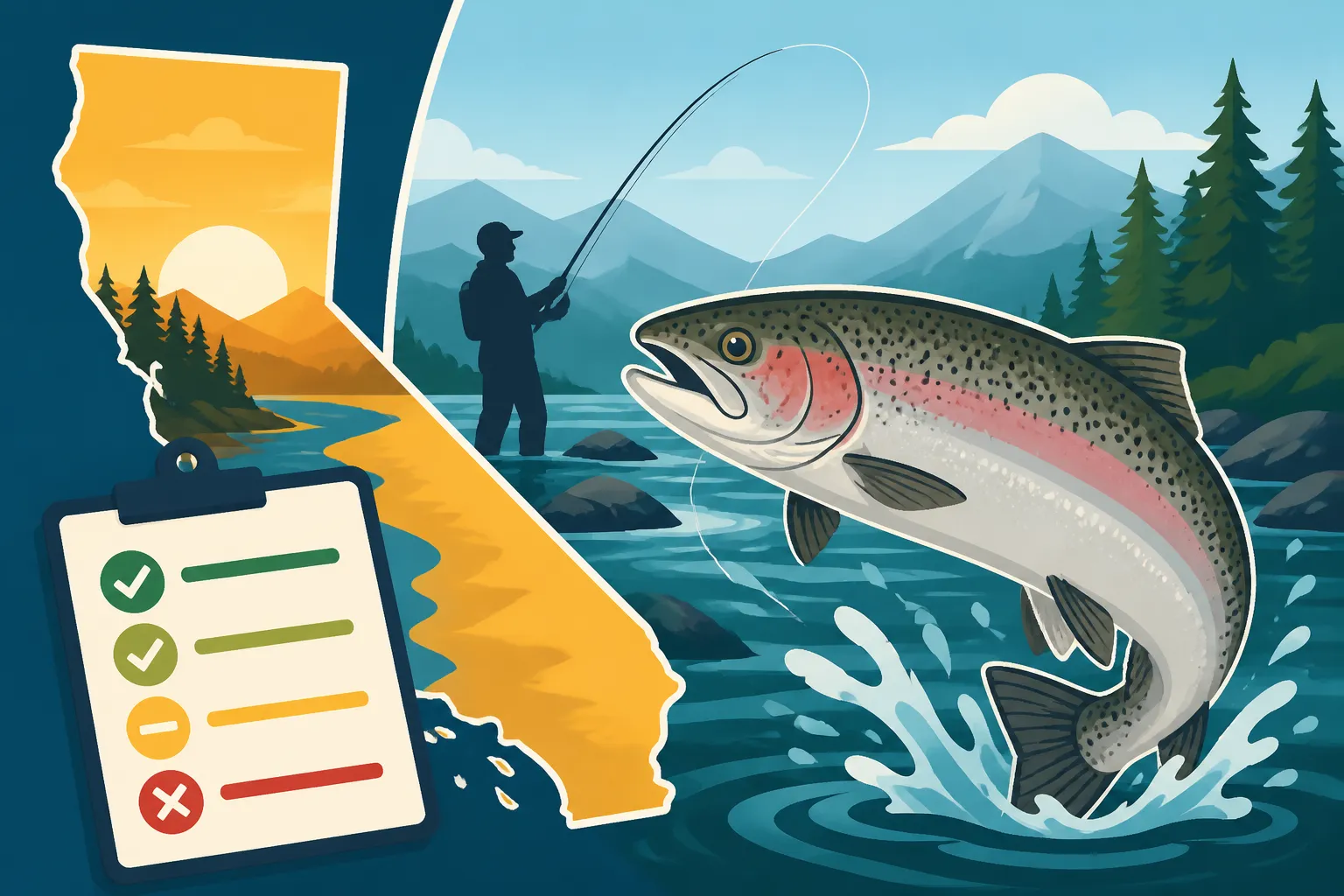
Think of the Steelhead Report Card as a specialized logbook for your steelhead fishing endeavors. Unlike your general California fishing license, which grants you the right to fish for a variety of species, the report card is exclusively for steelhead. It's a physical card that you must carry with you while fishing for or possessing steelhead, and it has specific sections that you are required to fill out immediately upon retaining a fish, or even for catch-and-release efforts in some areas. This might sound like a hassle, but it's really about accountability and conservation.
Each card comes with a unique identification number and spaces for you to record crucial details: the date you fished, the specific river or stream, whether you retained a fish, and if so, its length. Even if you don't keep any steelhead, the card still needs to be returned to the CDFW so they can understand angler effort, which is just as important as catch data for managing fish stocks. It’s a simple system, but its effectiveness relies on every angler doing their part.
Why the Report Card is Crucial for Conservation
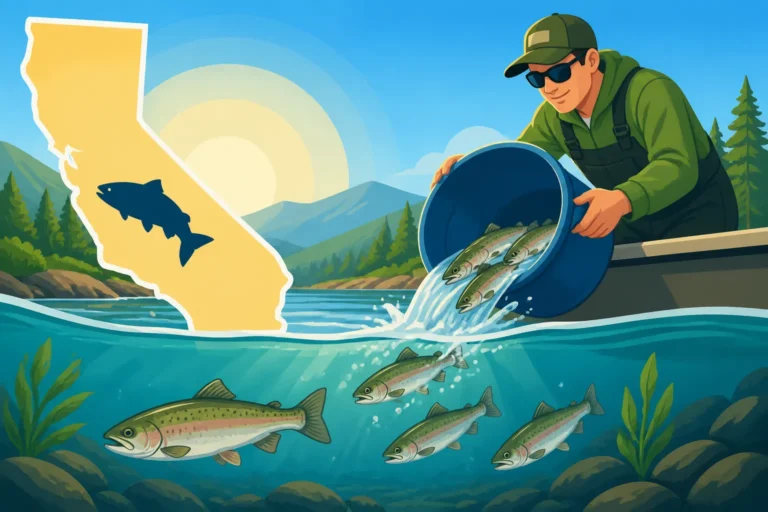
Steelhead, the anadromous form of rainbow trout, are truly special. They hatch in freshwater, migrate to the ocean to grow, and then return to their natal streams to spawn. This incredible life cycle makes them highly susceptible to environmental changes, habitat loss, and fishing pressure. Many steelhead populations in California are listed under the Endangered Species Act, highlighting their precarious status. The CDFW uses the data collected from these report cards to monitor populations, assess fishing pressure, and make informed decisions about seasons, bag limits, and conservation efforts.
Without accurate data, it's impossible for fisheries managers to determine if populations are thriving, declining, or holding steady. Your filled-out report card helps them track the number of fish caught and released, the number retained, and the areas experiencing the most angling activity. This information directly influences policy, such as setting specific seasons for different river systems, implementing special regulations like barbless hook requirements, or even closing areas to fishing entirely if populations are too low. So, when you meticulously fill out that card, you're not just complying with the law; you're actively contributing to the survival of California's magnificent steelhead.
Who Needs a Steelhead Report Card and When
It’s a fair question: "Do I really need one?" The answer, like many things in fishing regulations, depends on a few specifics. But generally speaking, if you’re planning on targeting steelhead in California, the answer is almost certainly yes. Ignoring this requirement can land you in hot water, so let's clear up exactly who needs this card and under what circumstances.
License Requirements for Steelhead Anglers
First and foremost, you absolutely need a valid California fishing license to fish for steelhead. The Steelhead Report Card is an additional requirement, not a replacement. Think of it like a specialized endorsement on your regular license. If you're a California resident, you'll typically need a California Fishing License Guide or a How to Get a California Fishing License for the entire year, or a short-term option if you're only fishing for a few days. Non-residents also need a standard fishing license, which might be a California Non-Resident Fishing License Cost if you're visiting from out of state.
Once you have your primary fishing license, the Steelhead Report Card is mandated for anyone 16 years of age or older who is fishing for steelhead in any California stream, river, or lake where steelhead are present. This isn't just about keeping fish; it's about targeting them. So, even if your intention is purely catch-and-release, you still need a report card. The only major exceptions are for those fishing on designated California Free Fishing Days or in specific areas Where You Can Fish Without a License in California rules apply, but even then, checking the specific regulations for steelhead is crucial as report card requirements often stand. Kids under 16 generally don't need a general fishing license, but the report card rules for youth fishing can sometimes have specific nuances you should double-check.
When and Where the Report Card is Required
The Steelhead Report Card is required year-round in any waters where steelhead might be present, regardless of whether there's a specific "steelhead season" declared. This is because steelhead, particularly juvenile fish or those returning to spawn, can be found in various river systems at different times. Some of the most popular rivers for steelhead fishing include the Eel River, Trinity River, Klamath River, and various coastal streams. Even if you're fishing for other species like trout in a river known to have steelhead, it's best to have the report card on hand. If you accidentally hook a steelhead, you'll need to know the proper procedures, which often involve immediate release and documentation on your card if regulations dictate.
It's also important to understand that California's vast and diverse geography means regulations can vary by region and even by specific river. For example, some rivers might have very strict catch-and-release only rules for steelhead, while others might allow for retention with specific bag and size limits. Even in these catch-and-release scenarios, the report card is mandatory. The critical thing is to always consult the current California Freshwater Fishing Regulations booklet or the CDFW website before heading out. This will provide you with the most up-to-date information on specific river closures, special regulations, and reporting requirements, ensuring your day on the water is both enjoyable and compliant.
How to Obtain Your Steelhead Report Card
Getting your Steelhead Report Card is pretty straightforward these days, thankfully. The CDFW has made it relatively accessible, whether you prefer the convenience of online purchasing or the personalized touch of an in-person visit to a licensed vendor. Understanding the available options and the costs involved will save you time and hassle, getting you out on the water faster.
Purchasing Online and In-Person
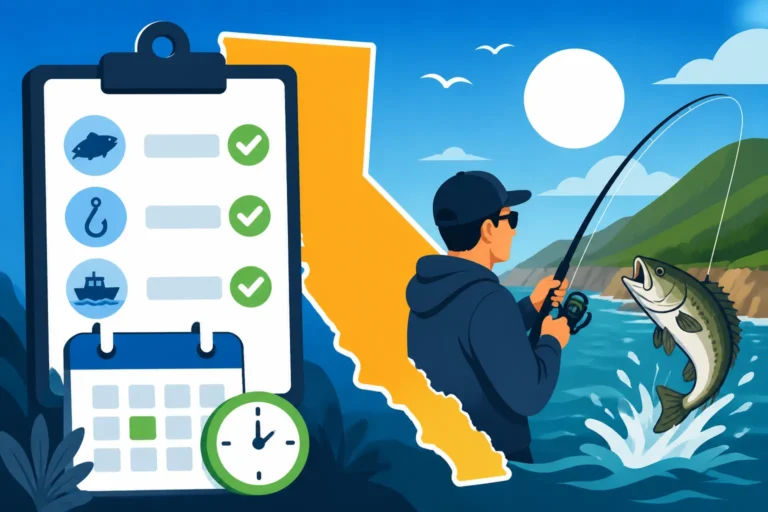
The most popular and often easiest way to purchase your California Steelhead Report Card is online through the CDFW's Automated License Data System (ALDS). This system allows you to buy your regular fishing license and add the report card from the comfort of your home. You'll simply navigate to the CDFW website, select the "purchase a license" option, and follow the prompts. Once purchased, you can print a temporary card immediately, which is valid for 30 days, while the official waterproof card is mailed to you. It's super convenient, especially if you suddenly decide on a last-minute steelhead trip. Just make sure your printer is working!
If you prefer to buy your report card in person, you can visit any licensed tackle shop, sporting goods store (like many Big 5 Sporting Goods or independent shops), or CDFW license agent throughout California. These agents are usually very knowledgeable about local regulations and can often answer any questions you might have about the card or the fishing in the area. Bringing your driver's license or state ID is usually sufficient for identification. Many anglers like this option because it supports local businesses and provides an opportunity to pick up some last-minute gear or bait, maybe even a new lure that you saw reviewed on Amazon. The in-person experience can also be a good reminder to grab a physical copy of the current California Fishing Regulations Explained booklet, which is invaluable.
Costs and Validity Period
The cost of a California Steelhead Report Card is quite modest, especially when you consider its role in conservation and the incredible fishing opportunities it helps manage. While the exact fee can change slightly year to year, it generally hovers around $8 to $10. This fee is separate from your general fishing license fee, so remember to budget for both. For specific and current pricing, always check the CDFW's official website or inquire at a license agent. The report card is valid for the entire calendar year, from January 1st to December 31st, regardless of when you purchase it during that year. This means if you buy it in October, it still expires on December 31st.
This annual validity period means you don't need to buy a new card for every trip within the same year, which is a relief. However, it's critical to remember that you need a new card each calendar year, even if your general fishing license is still valid (e.g., if you bought a multi-year license). The card itself is a single-use item in terms of reporting, meaning one card per angler per year for steelhead. Unlike some other report cards, such as the California Salmon Report Card or the California Sturgeon Report Card, which might have a "punch card" system for multiple retained fish, the Steelhead Report Card is designed primarily for detailed effort and catch recording. Always double-check the current regulations for any changes or special provisions related to validity and specific reporting mechanics.
Proper Use and Reporting of Your Steelhead Catches
Getting the report card is only half the battle; knowing how to properly use it and report your catches (or even your non-catches) is just as important. This is where many anglers, even experienced ones, can sometimes get confused. The key is to be diligent and meticulous, ensuring every entry is accurate and timely.
Filling Out the Card Correctly: Before and After You Fish
Accuracy is paramount when filling out your Steelhead Report Card. Before you even head out to your chosen steelhead river, make sure you have a waterproof pen or pencil. Many anglers attach their report card to their vest or tackle box using a small lanyard or a clip, often protected in a small waterproof holder – easily found on Amazon or at your local tackle shop. This keeps it accessible and safe from the elements.
Upon retaining a steelhead (if allowed by regulation, and within specific California Fishing Bag and Size Limits), you must immediately record the date, location (by circling the appropriate river or region listed on the card), and the length of the fish. If you’re fishing in an area with special regulations, like certain wild trout waters or catch-and-release only zones, you'll still need to mark your effort. The rule of thumb is to record your effort and any catch before you resume fishing or leave the immediate area. Don't wait until you get home; that's a common mistake and can lead to penalties. Even if you're catch-and-release fishing in a designated area, you might be required to record the effort (date, stream, number caught and released) – so always review the specific rules for the waters you intend to fish.
Reporting Requirements and Deadlines
This is arguably the most critical part of the entire report card process: returning it. Even if you didn't catch a single steelhead all year, you must return your Steelhead Report Card to the CDFW by the annual deadline. Typically, this deadline is January 31st of the following year (e.g., for a 2024 card, you must return it by January 31, 2025). This information, even if it's "zero catch," is vital for the CDFW to accurately gauge angler effort and overall population health. Ignoring this step is a violation and can result in penalties, including fines and potentially being ineligible to purchase future report cards.
There are usually a couple of ways to return your card. You can mail it back to the CDFW at the address provided on the card itself, or you might be able to report online through the ALDS system. The online reporting option is often preferred by anglers for its convenience and ensures immediate submission. Whichever method you choose, make sure you meet the deadline. Losing your card is also something to avoid; it's a valuable document for the CDFW. If you do lose it, you should contact the CDFW immediately to inquire about reporting procedures. Remember, prompt and accurate reporting is your direct contribution to effective fisheries management and ensures that future generations can enjoy the same incredible steelhead fishing opportunities you do.
Common Pitfalls and How to Avoid Penalties
Navigating fishing regulations can be tricky, and the Steelhead Report Card is no exception. It's easy to make an honest mistake, but unfortunately, ignorance of the law isn't a valid excuse when a game warden checks your card. Let's talk about some common pitfalls and, more importantly, how you can steer clear of those frustrating fines and penalties.
Misconceptions and Frequent Mistakes
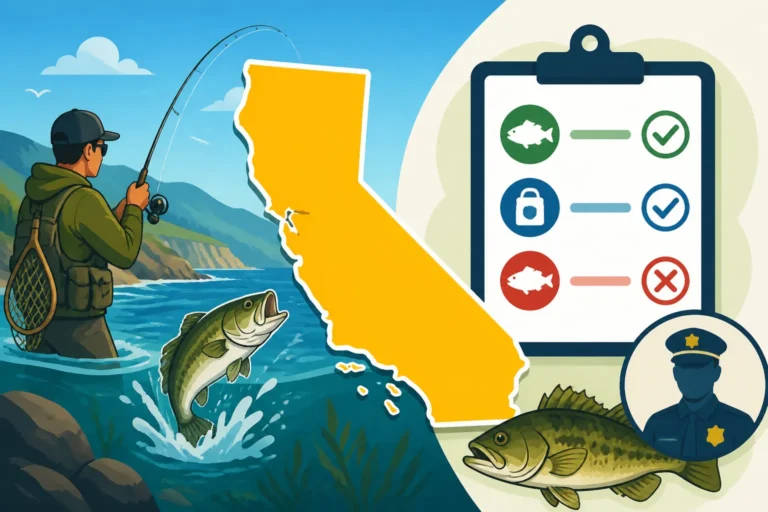
One of the biggest misconceptions is that the report card is only needed if you keep a steelhead. This couldn't be further from the truth. As we've discussed, if you're targeting steelhead, or fishing in waters where steelhead are present, you need the card, even if you intend to practice California Catch-and-Release Rules. Game wardens routinely check for report cards, even during slow fishing days, to ensure compliance regardless of catch. Another common mistake is failing to fill out the card immediately upon retaining a fish. I've heard stories of anglers who waited until they got back to their truck, only to be stopped by a warden on the way, leading to a citation. The emphasis is on "immediately" for a reason – it ensures accurate data and prevents fraud.
Then there's the perennial problem of not returning the card. Many anglers, especially if they had a "skunked" season (didn't catch anything), think there's no point in sending back an empty card. This is absolutely false! The "zero catch" data is crucial for understanding angler effort. Imagine if everyone who didn't catch a fish failed to report; the CDFW would have a skewed understanding of how many people were actually fishing and how many fish weren't caught, making it harder to manage resources effectively. Always, always, always return your card by the deadline, whether it's full of entries or completely blank.
Consequences of Non-Compliance
The repercussions for failing to comply with Steelhead Report Card regulations can range from a stern warning to significant fines and even potential loss of fishing privileges. A minor infraction, like forgetting to fill out a date, might result in a warning, but more serious violations, such as fishing without a report card or failing to return it by the deadline, will likely lead to a citation. Fines for such violations can be hundreds of dollars, and repeatedly failing to comply could impact your ability to purchase a California Fishing License Renewal or any other permits in the future. Nobody wants that.
Beyond the legal penalties, there's also the moral and ethical consequence. Steelhead populations are struggling, and every angler has a responsibility to contribute to their recovery. By failing to comply with the report card system, you're directly hindering the CDFW's ability to protect these fish. It undermines conservation efforts and makes it harder for everyone to enjoy sustainable fishing. It's truly a small price to pay and a minimal effort to ensure these magnificent fish continue to grace California's rivers. If you ever have questions about specific rules or how to fill out your card, don't hesitate to check the How to Read the California Fishing Regulations Booklet or reach out to the CDFW directly – they are there to help anglers understand and comply.
Best Practices for Responsible Steelhead Fishing
Beyond simply following the rules for your Steelhead Report Card, being a responsible angler means adopting practices that promote the health and sustainability of steelhead populations. This often goes hand-in-hand with regulatory compliance and ensures your fishing adventures have a positive impact on the environment.
Catch-and-Release Guidelines for Steelhead
Given the vulnerable status of many steelhead populations, catch-and-release fishing is often strongly encouraged or even mandated in many areas. When practicing catch-and-release, the goal is to minimize stress and injury to the fish, maximizing its chances of survival after release. Always use appropriate gear; this typically means using a single, barbless hook. Many anglers even pinch down the barb on their treble hooks for better fish welfare. You can find specialized barbless hooks and tools to help you crimp barbs on your current hooks on Amazon or at any reputable tackle shop.
When you hook a steelhead, try to land it as quickly as possible to reduce exhaustion. Keep the fish in the water as much as you can, especially if you plan to take a quick photo. Wet your hands before handling the fish to protect its delicate slime coat, which acts as a barrier against disease. Use a net with rubber mesh (instead of knotted nylon) to prevent fin and scale damage. If the hook is easily removed with a pair of pliers or forceps while the fish is still in the water, even better. Avoid lifting large fish by the jaw alone; support their belly. And when releasing, gently hold the fish facing upstream in a calm current, allowing it to recover and swim off on its own power. These simple steps make a huge difference in post-release survival.
Protecting Steelhead Populations
Our actions as anglers, both on and off the water, play a significant role in the future of steelhead. Beyond proper catch-and-release techniques and diligent reporting with your Steelhead Report Card, there are other ways to contribute to conservation. Supporting organizations dedicated to habitat restoration, advocating for clean water initiatives, and educating other anglers about responsible practices are all vital. Many rivers, like parts of the Trinity River or the Klamath, rely heavily on careful management, and your voice, combined with accurate data from report cards, helps shape future policies.
Additionally, always be mindful of your impact on the riparian zone – the land directly adjacent to the river. Avoid trampling sensitive vegetation, pack out all your trash (and maybe a little extra that someone else left behind), and be respectful of private property and other anglers. Understanding the delicate balance of the ecosystem, including the presence of protected species and California Marine Protected Areas Explained near estuaries, contributes to a holistic approach to conservation. By staying informed through resources like the California Steelhead Season Dates Explained and acting as stewards of our natural resources, we ensure that the incredible experience of fishing for California steelhead remains a possibility for generations to come.
Steelhead Report Card Key Details
Here's a quick summary of the vital information regarding the California Steelhead Report Card to help you stay compliant and informed.
| Feature | Detail | Important Notes |
|---|---|---|
| Requirement | Mandatory for anyone 16+ fishing for steelhead | Required even for catch-and-release. |
| Cost | Approximately $8-$10 (separate from fishing license) | Check current CDFW regulations for exact annual fee. |
| Validity | Entire calendar year (Jan 1 – Dec 31) | Expires Dec 31st regardless of purchase date; a new card is needed each year. |
| Purchase Options | Online via CDFW ALDS or in-person at licensed agents | Print temporary card immediately online. Support local tackle shops! |
| Usage | Fill out immediately upon retaining a fish (date, location, length) | Also record effort for catch-and-release in certain areas. Carry waterproof pen/pencil. |
| Return Deadline | January 31st of the following calendar year | MANDATORY even if no fish were caught. Can be mailed or reported online. |
| Conservation | Provides critical data for CDFW to manage steelhead populations | Your compliance directly contributes to the species' survival and sustainable fishing. |
| Penalties | Fines, warnings, and potential loss of fishing privileges | Avoid common mistakes like not returning the card or not filling it out immediately. |
Disclaimer
The information provided in this guide is intended for general informational purposes only and is not a substitute for the official regulations published by the California Department of Fish and Wildlife (CDFW). Fishing regulations, seasons, and report card requirements can change frequently. Always consult the current official California Freshwater Sport Fishing Regulations booklet or the CDFW website before engaging in any fishing activity. It is the angler's responsibility to know and follow all applicable laws and regulations.