California Report Card Deadlines
It’s a common scenario: you’ve had an incredible fishing season, maybe landed a beautiful steelhead or a impressive sturgeon, and then, amidst all the excitement and everyday life, a crucial detail slips your mind. Suddenly, it’s late January or early February, and a wave of panic hits – did I submit my fishing report cards? Forgetting these critical deadlines in California can be a real headache, leading to fines and potential hassles with future licensing. This comprehensive guide is here to untangle the often-confusing world of California fishing report card deadlines, ensuring you stay compliant and focus on what truly matters: enjoying our state's fantastic fisheries responsibly.
Understanding California Fishing Report Cards
Before we dive into the nitty-gritty of dates, let's talk about what these report cards actually are and why they exist. They're not just another piece of bureaucratic paperwork, I promise. These cards are a cornerstone of responsible fisheries management in California, allowing the Department of Fish and Wildlife (CDFW) to gather essential data that directly influences future regulations.
Why Report Cards Matter It's More Than Just a Form!
Imagine trying to manage a restaurant without knowing how many customers you served or what ingredients you used. It would be chaos, right? That’s essentially what fisheries management would be like without accurate data. Fishing report cards are the CDFW's way of taking inventory. They provide critical information on catch rates, effort, and harvest for specific, often sensitive, species. When you meticulously fill out and return your card, you're contributing to real, actionable science that helps biologists understand fish populations, assess the impact of angling pressure, and make informed decisions about seasons, bag limits, and conservation efforts.
It's a two-way street, really. We, as anglers, get to enjoy California’s incredible natural resources, and in return, we have a responsibility to help maintain them for future generations. Failing to report, or reporting inaccurately, means the data is incomplete, potentially leading to less effective management or even unnecessary restrictions if populations are perceived to be lower than they actually are due to underreporting. Plus, let's be honest, getting a fine for not returning a card after a great day on the water just stings a little, doesn't it? It’s a completely avoidable frustration.
Which Species Require a Report Card
Not every fish you catch requires a special report card. Most of your general fishing adventures, like chasing bass in a local lake or targeting common saltwater species, are covered simply by your standard California Fishing License Guide. However, certain species are designated as "special management" species due to their migratory patterns, conservation status, or high angler demand. These are the ones that require their own dedicated report card, purchased in addition to your annual fishing license.
Currently, the primary species requiring these specific report cards in California are:
- Steelhead: These incredible anadromous rainbow trout spend part of their lives in the ocean before returning to freshwater to spawn. Their migratory nature and specific freshwater habitats make them a high-priority species for tracking.
- Sturgeon: White Sturgeon, in particular, are majestic, long-lived fish that require careful management. The data collected from sturgeon report cards helps monitor their population health and ensures the long-term viability of this unique fishery.
- Ocean Salmon: Specifically, Chinook (King) and Coho (Silver) salmon caught in ocean waters. These highly prized fish have complex life cycles and are subject to significant environmental and commercial pressures, making accurate reporting crucial for setting annual seasons and limits. You can learn more about specific regulations in our California Salmon Report Card guide.
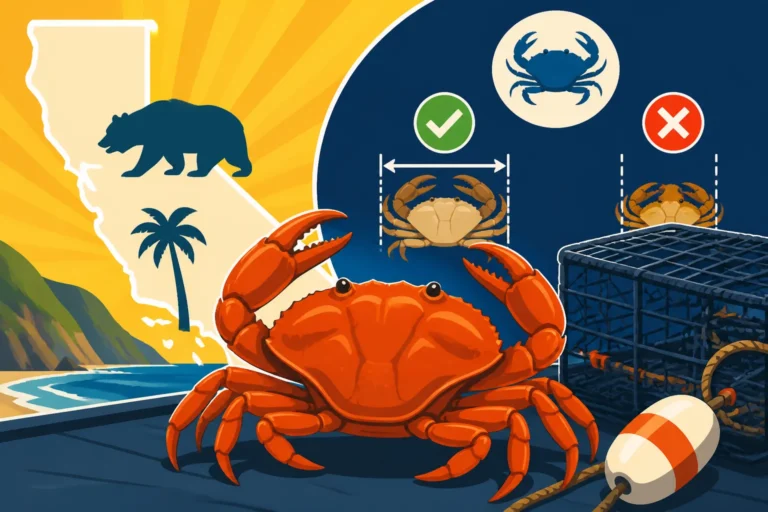
- Spiny Lobster: While not a fish, these crustaceans are a popular target for recreational divers and hoop netters. Their specific season and high demand necessitate precise catch and effort data.
- Abalone (Historically): While recreational abalone fishing has been closed indefinitely since 2018 due to population declines, historically, it was a prime example of a fishery that relied heavily on report cards for management. Should this fishery ever reopen, abalone report cards would undoubtedly be reinstated.
Each of these species presents unique challenges for conservation, and your report card plays a direct role in providing the CDFW with the insights they need to make smart, sustainable decisions for these treasured fisheries.
Unpacking the Critical Report Card Deadlines
Now, for the dates that keep us all on our toes! It’s one thing to know what you need to report, but it’s another to know when. Missing these deadlines isn't just a minor oversight; it can carry penalties. Let's break down the specific deadlines for each active report card.
Steelhead Report Card Deadlines
The California Steelhead Report Card covers the period from January 1st through December 31st of any given calendar year. This means any steelhead you encounter, whether kept or released, between those dates must be recorded on that year's card.
The absolute, non-negotiable deadline for returning your Steelhead Report Card is January 31st of the following year. For example, if you purchased a Steelhead Report Card for 2024, you must return it by January 31st, 2025. This allows the CDFW to compile all the previous year's data in a timely manner. Even if you didn't catch a single steelhead, you are still required to return the card, indicating "no catch." This "zero return" data is just as important as catch data because it tells biologists about angler effort and success rates across different regions. Imagine you had a great trip to the Klamath River in late December and landed a beautiful steelhead. You meticulously filled out your card on the riverbank. Don't let that effort go to waste by forgetting to mail or submit it online by the January 31st deadline! If you're keen on steelhead, you'll find our California Steelhead Report Card guide invaluable.
Sturgeon Report Card Deadlines
Much like the Steelhead Report Card, the Sturgeon Report Card operates on a calendar year basis, covering January 1st through December 31st. Any White Sturgeon you catch and record, regardless of whether it was kept (if allowed by regulation) or released, must be noted on the card corresponding to the year you fished.
The deadline for returning your Sturgeon Report Card is also January 31st of the following year. So, a 2024 Sturgeon Report Card needs to be submitted to the CDFW by January 31st, 2025. This unified deadline for several species makes it a bit easier to remember, but don't let that lull you into a false sense of security. Sturgeon fishing can be a game of patience, and sometimes anglers might go an entire year without a catch. It's easy to think, "Oh, I didn't catch anything, so I don't need to return it." That's a common misconception that can lead to unnecessary fines. Remember, even a card with no catch entries must be returned. For specific rules, check out the California Sturgeon Report Card details.
Ocean Salmon Report Card Deadlines
The Ocean Salmon Report Card follows the same annual reporting cycle as the Steelhead and Sturgeon cards: January 1st through December 31st. This card is specifically for salmon caught in ocean waters, primarily King (Chinook) and Coho (Silver) Salmon. The California Ocean Salmon Regulations are often complex and change yearly based on stock assessments, making accurate reporting absolutely critical for conservation.
You guessed it – the deadline for submitting your Ocean Salmon Report Card is also January 31st of the following year. So, your 2024 Ocean Salmon card must be returned by January 31st, 2025. Salmon seasons can be notoriously short or even entirely closed in some years, as we've seen recently. If you did get out on the water and were lucky enough to land some ocean salmon, reporting your catch contributes directly to the data used to inform future season openings and closures. For detailed information on the season, review the California Salmon Season Dates Explained article.
Spiny Lobster Report Card Deadlines
The Spiny Lobster Report Card operates on a slightly different schedule, aligning with the specific lobster season. The recreational spiny lobster season typically runs from early October through mid-March of the following year. For example, the 2023-2024 season would start in October 2023 and end in March 2024.
The deadline for returning your Spiny Lobster Report Card is April 30th of the current season. So, for the 2023-2024 season, the card would need to be returned by April 30th, 2024. This later deadline makes sense, as the season extends into the new calendar year. It's important to differentiate this from the January 31st deadline for other species. If you're out there hoop netting or diving for these delicious crustaceans, make sure you mark this date on your calendar! Our guide on California Lobster Fishing Rules provides more in-depth information.
Abalone Report Card Historical Context
As mentioned earlier, recreational abalone fishing has been closed in California indefinitely due to severe population decline. However, when the fishery was open, the Abalone Report Card was one of the most rigorously enforced and vital report cards in the state. Anglers had to report every abalone taken, with strict rules on punching the card immediately.
Historically, the deadline for returning the Abalone Report Card was January 31st of the following year, much like the steelhead and sturgeon cards. We include this here for historical context and to highlight that, should abalone fishing ever resume, a similar reporting requirement and deadline would almost certainly be in place. It serves as a stark reminder of the importance of precise reporting for sensitive fisheries.
Here's a handy table summarizing the key report card deadlines:
| Report Card Species | Reporting Period | Deadline for Submission |
|---|---|---|
| Steelhead Report Card | January 1st – December 31st | January 31st of the following year |
| Sturgeon Report Card | January 1st – December 31st | January 31st of the following year |
| Ocean Salmon Report Card | January 1st – December 31st | January 31st of the following year |
| Spiny Lobster Report Card | Season (e.g., Oct-Mar) | April 30th of the current season |
| Abalone Report Card | (Fishery closed indefinitely) | Historically: January 31st of following year |
How to Submit Your California Report Card And Avoid Penalties!
You've done the hard work of fishing and meticulously filling out your report card. Now comes the easy part – submission! The CDFW offers a couple of straightforward ways to return your cards, but each has its nuances. Choosing the right method and understanding the implications can save you a lot of grief.
Online Submission The Easiest Way
In this digital age, submitting your report cards online is by far the most convenient and often recommended method. The California Department of Fish and Wildlife provides an online license service portal where you can enter your catch information.
Here’s a step-by-step rundown:
- Access the CDFW License Portal: Head over to the official California Department of Fish and Wildlife website. Look for their "Online License Sales and Services" section.
- Log In or Create Account: You’ll need to log in with your GO ID (Government ID) and personal information. If it's your first time, you might need to create an account. This GO ID is usually printed on your fishing license.
- Navigate to Report Card Submission: Once logged in, there's typically a clear link or section for "Report Cards" or "Harvest Reporting."
- Select Your Card: Choose the specific report card you need to submit (Steelhead, Sturgeon, Ocean Salmon, or Spiny Lobster).
- Enter Catch Information: Carefully input all required data, including dates, locations, and details of any fish caught or released. If you had no catch, there will be an option to simply report "no catch."
- Review and Submit: Double-check all your entries for accuracy. Once you're confident, hit that submit button!
- Confirmation is Key: The system will usually provide a confirmation number or email. SAVE THIS! This is your proof of submission. Screenshot it, print it, email it to yourself – whatever you need to do to have a record. This digital trail can be invaluable if any questions or issues arise later.
The beauty of online submission is its speed and the immediate confirmation. You don't have to worry about mail delays or whether your physical card got lost. It's often the stress-free choice, especially for those last-minute submissions.
Mail-In Submission The Traditional Route
For those who prefer the tactile satisfaction of a physical form or don't have easy internet access, mailing in your report card is still a perfectly valid option. However, there are a few extra precautions you should take.
Here's how to do it:
- Complete Your Card Fully: Ensure every applicable field on your physical report card is filled out accurately and legibly. This includes your personal information, GO ID, and all catch details. If no fish were caught, make sure to clearly mark the "no catch" box.
- Make a Copy: Before you put that card in an envelope, make a photocopy or take a clear photo of both sides of the completed card. Again, this serves as your proof of submission should the original get lost in the mail.
- Address it Correctly: The return address for the CDFW is usually pre-printed on the report card itself. Double-check it!
- Mail Before the Deadline: This is critical. Your envelope needs to be postmarked on or before the official deadline (e.g., January 31st or April 30th). Sending it on the day of the deadline means hoping the post office processes it quickly, which is a gamble. Give yourself at least a few days buffer.
- Consider Certified Mail: For added peace of mind, especially if you're sending in multiple cards or are concerned about proof of delivery, consider sending your report card via certified mail with a return receipt requested. This provides a legal record that your mail was sent and received by the CDFW. It might cost a little extra, but for some, the assurance is worth it.
While a bit more involved, mailing your card is a reliable method. Just remember to account for mailing time and potential post office delays.
Understanding Penalties for Missed Deadlines
Ignoring those deadlines can unfortunately come with consequences. The California Department of Fish and Wildlife takes these report cards seriously, and for good reason – they are vital to the health of our fisheries.
The most common penalty for failing to return a report card by the deadline is a late fee or fine. While the exact amount can vary and is subject to change, expect it to be in the range of $20-$50 per card. This might not sound like a fortune, but if you forget multiple cards, it adds up quickly. Imagine getting a letter in the mail demanding a payment for something you could have submitted in minutes online. It's a preventable hassle and a waste of your hard-earned money. You can find more details in our guide on California Fishing License Fines and Penalties.
Beyond monetary fines, repeated non-compliance could potentially lead to more severe actions, though these are less common for a single late report card. In some instances, depending on the severity and frequency of violations, it could impact your ability to purchase future licenses or report cards. CDFW enforcement officers are out there, and while their primary focus is on egregious violations, they do conduct audits and match report card sales to returns. They can and do issue citations for non-compliance. It's about maintaining the integrity of the system for everyone. So, whether you caught a limit or nothing at all, assume the CDFW expects that card back!
Tips and Tricks for Never Missing a Deadline Again
Alright, so we know what to report and when. Now let's talk about the practical side: how do we actually remember to do it? Life gets busy, and deadlines can sneak up on you. But with a few smart strategies, you can make sure those report card deadlines are never a source of stress again.
Set Digital Reminders and Calendars
In today's connected world, our phones and computers are powerful tools for staying organized. Don't underestimate them!
- Calendar Alerts: As soon as you purchase your annual fishing license and any report cards, open your favorite digital calendar (Google Calendar, Outlook Calendar, Apple Calendar) and input the deadlines. Set multiple alerts:
- One a month out (e.g., December 31st for a January 31st deadline).
- One a week out (e.g., January 24th).
- One a day before (e.g., January 30th).
- And perhaps one on the day itself (e.g., January 31st).
- Label them clearly, like "CDFW Steelhead Report Card Due!" or "Submit Spiny Lobster Card Online."
- Phone Alarms: Beyond calendar alerts, set recurring alarms on your smartphone for the critical January 31st and April 30th dates. You can even customize the alarm sound to be something related to fishing as a fun reminder!
- Fishing Apps: Many popular fishing apps or weather apps now have built-in reminder features. Explore if your preferred app can help you track these important dates.
- Shared Calendars: If you fish with a regular group or family members, consider using a shared digital calendar. That way, everyone is reminded, and you can hold each other accountable. It’s a great way to ensure no one forgets, especially after a group trip.
These digital nudges are a lifesaver. They cut through the mental clutter and bring those important dates right to your attention when you need them most.
Keep Your Cards Accessible and Organized
The "out of sight, out of mind" phenomenon is real, especially with small, paper report cards. You buy them, tuck them away, and then forget where you put them until it’s too late. A little bit of organization goes a long way.
- Dedicated Fishing Binder/Pouch: Create a specific spot for all your fishing-related documents. A small, waterproof binder or pouch works wonders. You can find excellent, durable options on Amazon that are perfect for this. Keep your fishing license, report cards, and a small pen or pencil (for filling out catches immediately) all together.
- Immediate Recording: This is a big one. As soon as you catch a reportable species (whether kept or released), fill out the entry on your card right away. Don't wait until you get home. It’s easy to forget details like the exact time or location later. Having your card and a pencil ready in your tackle box or boat makes this simple.
- Digital Scan for Backup: Take a photo of your blank report cards when you first get them. Then, as you fill them out, take photos of the completed entries. While not a substitute for submission, it provides a valuable backup of the information in case the physical card is lost before you can submit it.
- Store with Gear: Keep your report card pouch or binder with your primary fishing gear. When you grab your rod and tackle box for a trip, your report cards are right there, reminding you of their presence and purpose. This also helps with the immediate recording tip!
Being proactive about organization means you're never scrambling at the last minute, trying to remember where you put that little piece of paper.
Double-Check Regulations Annually
Fishing regulations, including those concerning report cards, aren't always set in stone. The CDFW regularly reviews and updates rules based on scientific data, environmental conditions, and population assessments. What was true last year might have a slight modification this year.
- Annual Regulation Booklet: When you renew your California Fishing License Renewal each year, make it a habit to pick up the latest physical copy of the California Fishing Regulations Explained booklet or download the PDF from the CDFW website. This is your bible for the year. Take some time to actually read through the sections pertaining to the species you target and, most importantly, the report card requirements and deadlines. Our guide on How to Read the California Fishing Regulations Booklet can help you navigate this.
- CDFW Website as Primary Source: Always consider the official CDFW website as the most up-to-date source for regulations. They often post emergency closures or changes that might not make it into the printed booklet right away. Before any major trip, especially for regulated species like salmon or sturgeon, a quick check of the "In-Season Regulations" or "News" section is a smart move.
- Subscribe to Updates: Many government agencies offer email subscription services for regulatory updates. See if the CDFW has one for fishing regulations and sign up! This ensures that any significant changes, including those impacting report cards or their deadlines, land directly in your inbox.
- Regional Specifics: Remember that some regulations, especially for freshwater species like trout or certain types of bass, can vary by region or even by specific body of water (check California Freshwater Fishing Regulations). While report card deadlines are generally statewide for the major species, staying informed about all regulations prevents any unexpected surprises.
By making an annual review of regulations a standard part of your fishing routine, you'll be well-prepared and ensure you meet all reporting requirements, contributing to the sustainable future of California's amazing fishing opportunities.
Disclaimer
The information provided in this article is for general guidance and informational purposes only. While we strive to be accurate and up-to-date, fishing regulations in California can change frequently. It is the angler's sole responsibility to consult the official California Department of Fish and Wildlife (CDFW) regulations and publications, or contact the CDFW directly, to ensure full compliance with all current laws and requirements before engaging in any fishing activities.