California Short-Term Fishing License Options
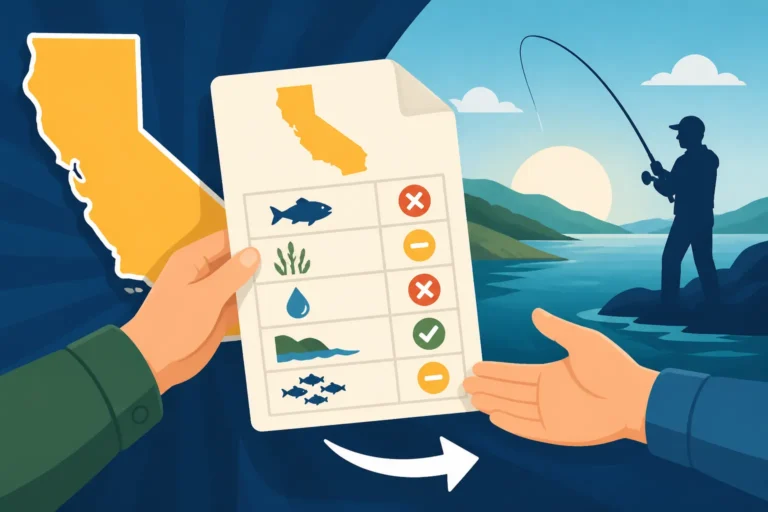
Ever find yourself in California, rod in hand, ready to hit the water for just a day or two, but totally stumped on which fishing license you actually need? It's a common headache, especially with all the different regulations and options out there, making you wonder if a full annual license is truly necessary for a quick trip. This guide is going to clear up all the confusion around California's short-term fishing license options, helping you understand exactly what you need for a quick, hassle-free fishing adventure, whether you're a resident or just visiting.
Understanding California's Short-Term Fishing License Options
California offers specific short-term sport fishing licenses that are perfect for those spur-of-the-moment trips, weekend getaways, or for anglers who only hit the water a few times a year. These aren't just for visitors; even residents often find them a convenient and cost-effective solution compared to a full annual license if their fishing excursions are infrequent. They make it super easy to legally enjoy the state's incredible freshwater and saltwater fishing opportunities without committing to a year-long purchase.
Why Short-Term Licenses are a Lifesaver
Let's be honest, not everyone can dedicate an entire year to fishing, nor does everyone want to shell out the cash for an annual license if they're only planning one or two trips. This is where short-term licenses shine. They're designed for flexibility, allowing you to comply with state regulations for a minimal investment. Imagine you're visiting San Diego for a long weekend and decide last minute to try a half-day charter for Yellowtail. A short-term license means you're good to go without overspending on a license you won't fully utilize. It’s also fantastic for introducing friends or family to fishing; they can try it out for a day or two without a big commitment.
The 1-Day Sport Fishing License
The 1-day sport fishing license is exactly what it sounds like: it grants you the right to recreationally fish in California's public waters for a single calendar day. This license typically expires at midnight on the day it's valid. It's the go-to option for someone who is literally just planning one day on the water, whether that's casting for trout in a Sierra stream, trying to hook a Striped Bass in the Delta, or enjoying a quick Rockfish trip out of a coastal harbor. The convenience is unbeatable – you buy it, you fish, and you're done. Just make sure you understand the specific local regulations for your chosen fishing spot, as a license only covers the right to fish, not the specific rules like bag limits or seasons. If you're wondering what the California One-Day Fishing License specifically covers, we’ve got you covered.
The 2-Day Sport Fishing License
For those planning a slightly longer excursion, perhaps a full weekend fishing trip, California also offers a 2-day sport fishing license. This license provides coverage for two consecutive calendar days, expiring at midnight on the second day. It's particularly popular with weekend warriors heading to destinations like Clear Lake for Bass or the Eastern Sierra for Trout. The 2-day license often presents a small cost saving compared to buying two separate 1-day licenses, making it a smart choice if you know you'll be fishing for more than one day. It gives you that extra flexibility without breaking the bank, perfect for a short camping and fishing trip or an extended visit with family. For those weekend warrior trips, our deep dive into the California Two-Day Fishing License is invaluable.
Who Needs a Short-Term California Fishing License?
The general rule of thumb in California is that anyone 16 years of age or older needs a valid fishing license to take fish, mollusks, crustaceans, invertebrates, or amphibians in any public waters. This applies whether you're a seasoned angler or a first-timer, and regardless of whether you're using bait, lures, or even just your hands for certain species. Short-term licenses are designed to accommodate this need for those whose fishing isn't a year-round affair.
California Residents and Non-Residents
It's a common misconception that residents might not need a license for certain types of fishing, but for almost all scenarios, if you're 16 or older, a license is mandatory. This holds true for both California residents and non-residents. The cost might differ slightly, but the requirement is universal. A non-resident visiting from, say, Arizona, for a weekend trip to Lake Tahoe will absolutely need either a 1-day or 2-day license to legally fish. Similarly, a California resident who only fishes once or twice a year will also need one of these short-term options. There isn't a special "visitor's" license per se, but the short-term options serve that purpose perfectly. If you're still debating whether you even need a license, read Do You Need a License to Fish in California.
Exceptions and Exemptions
While the rule is pretty broad, there are a few important exceptions to the California fishing license requirement:
- Kids Under 16: Children who are under 16 years of age do not need a fishing license to fish in California. This is fantastic news for families and encourages younger generations to get out and enjoy fishing. However, they are still subject to all bag and size limits and other regulations for the waters they are fishing in.
- Public Piers: One of the most popular exemptions is fishing from a public pier in ocean waters. You generally do not need a license to fish from a public pier in the ocean, provided you are fishing from the pier and not from a boat or kayak launched from it. This is a huge bonus for casual anglers or tourists wanting to experience coastal fishing. However, even on piers, specific regulations like bag limits, minimum sizes, and gear restrictions (e.g., no more than two rods) still apply. Our California Pier Fishing License Rules guide has the scoop on this.
- California Free Fishing Days: The California Department of Fish and Wildlife (CDFW) designates two "Free Fishing Days" each year, typically in July and September. On these specific days, anyone can fish without needing a license. It's a fantastic opportunity to try fishing for the first time or introduce someone new to the sport without any financial commitment to a license. Don't forget to check out California Free Fishing Days if your trip happens to align!
- Private Ponds: If you are fishing in a privately owned pond or lake that is entirely enclosed and has no hydrological connection to public waters, you might not need a state fishing license. However, always verify this with the property owner, as rules can vary, and some private facilities might still require adherence to state regulations or have their own permits.
Getting Your Short-Term California Fishing License
Acquiring your short-term fishing license in California is a straightforward process, designed to be accessible whether you're planning ahead or deciding on a whim. The California Department of Fish and Wildlife (CDFW) offers several convenient ways to purchase these licenses.
Online, In-Person, and Via Phone
You have a few options for buying your short-term license:
- Online: This is often the quickest and most convenient method. You can visit the CDFW's online license sales service, select your desired 1-day or 2-day license, complete the transaction, and print your license from home. Just make sure your printer is working! Our guide on How to Buy a California Fishing License Online can walk you through the digital process.
- In-Person at a License Agent: Many tackle shops, sporting goods stores (like Big 5 Sporting Goods, Bass Pro Shops, or Dick's Sporting Goods), and even some Walmart locations across California are authorized license agents. This is a great option if you need to pick up some last-minute bait or tackle anyway. The staff can usually help you navigate the options and answer any quick questions you might have. For those who prefer the traditional route, our article on California Fishing License Agents Explained provides all the details.
- Via Phone: You can also purchase licenses over the phone by calling the CDFW's license sales line. They can process your order and mail the license to you, but this isn't ideal for same-day fishing, so plan ahead if using this method.
What You'll Need to Buy One
Regardless of how you purchase your license, you'll generally need to provide the following information:
- Valid Photo ID: This proves your identity and age.
- Residential Address: Even for non-residents, a current address is required.
- Personal Information: Your full name, date of birth, height, weight, and eye color.
- California Driver's License or ID Number: If you are a resident, having this handy makes the process smoother. If you don't have one, a social security number might be required for identification.
The process is generally quick, taking just a few minutes, especially online or at a knowledgeable license agent.
Important Considerations and Add-Ons
Just like with annual licenses, short-term licenses might require additional stamps or report cards depending on what and where you plan to fish. Don't overlook these; failing to have the correct add-ons can lead to fines.
- Report Cards: If you're targeting certain species, you'll need a specific report card. For instance, if you're planning to chase Sturgeon, Steelhead, or Salmon, a corresponding report card is mandatory in addition to your fishing license. These cards help the CDFW track catch data to manage fish populations effectively. Remember, even with a short-term license, certain species require a California Fishing Report Cards Explained.
- Ocean Enhancement Stamp: If you're fishing in ocean waters south of Point Arguello (Santa Barbara County), and you're 16 years or older, you'll likely need an Ocean Enhancement Validation. This stamp helps fund projects that increase ocean fish populations. And if you plan to hit the ocean, you'll likely need the California Ocean Enhancement Stamp.
Here's a quick comparison of the two primary short-term options:
| Feature | 1-Day Sport Fishing License | 2-Day Sport Fishing License |
|---|---|---|
| Duration | Single calendar day (expires midnight) | Two consecutive calendar days (expires midnight on 2nd day) |
| Cost (approx.) | ~$19.18 (resident/non-resident) | ~$29.07 (resident/non-resident) |
| Best For | Quick, impromptu trips; trying fishing for the first time | Weekend trips; short vacations; multi-day fishing events |
| Convenience | High | High |
| Add-Ons Needed | Report cards (Steelhead, Sturgeon, Salmon); Ocean Enhancement Stamp (if applicable) | Report cards (Steelhead, Sturgeon, Salmon); Ocean Enhancement Stamp (if applicable) |
Note: Costs are approximate and subject to change. Always check the official CDFW website for current pricing.
Enhancing Your Short-Term Fishing Experience
A short-term license means you're limited on time, so making the most of those one or two days on the water is crucial. A little preparation can go a long way in turning a quick trip into a memorable angling adventure.
Planning Your Trip with Short-Term Licenses
Since your time is limited, strategic planning becomes paramount. First, pinpoint exactly where you want to fish. Are you heading to a lake known for Bass, a river for Trout, or the coast for Halibut? Once you know your target location and species, you can then dive into the specific regulations. Our California Fishing Regulations Explained article is a must-read for this. Fish seasons, bag limits, and specific gear restrictions can vary wildly from one body of water to another, and even change throughout the year. For instance, Salmon seasons can be highly dynamic, or certain lakes might have special artificial-lure-only rules. If you're planning a trip around a charter, you might wonder about specific requirements, so check out California Fishing License for a Charter Trip. Local bait and tackle shops near your chosen fishing spot are invaluable resources for up-to-the-minute local conditions and hot tips.
Essential Gear for a Short Trip
You don't need a full arsenal for a short trip, but having the right essentials makes a huge difference. For freshwater, a medium-light spinning rod and reel combo, some basic tackle like hooks, sinkers, bobbers, and a few different lures (worms, jigs, spinners) will cover most scenarios. If you're hitting saltwater, consider a slightly heavier setup, especially for pier or surf fishing, and make sure your hooks are corrosion-resistant. For those specific report cards or stamps, while you can't get them on Amazon, you can purchase them alongside your license. However, for all your other gear needs, a quick browse on Amazon can help you grab any last-minute lures, hooks, fishing line, or even a basic tackle box you might need. Don't forget practical items like a hat, sunscreen, sunglasses, and appropriate clothing layers, as California weather can change rapidly. Having a good quality tackle bag, maybe one you picked up from Amazon, makes a huge difference in keeping your essentials organized and easily accessible.
Common Mistakes to Avoid
Even with the best intentions, it's easy to fall into common traps that can derail a short fishing trip.
- Forgetting Report Cards or Stamps: This is probably the most frequent oversight. You have your license, but you forgot that Steelhead Report Card or Ocean Enhancement Stamp. Always double-check if your target species or location requires these additional validations. Game wardens frequently check for these, and the fines can be substantial.
- Not Checking Local Regulations: Just because you have a license doesn't mean you can fish any way you want, anywhere you want. Specific lakes might have catch-and-release rules, rivers might have bait restrictions, and coastal areas might have marine protected areas (MPAs) where fishing is prohibited. Always consult the current CDFW regulations booklet or online resources for your specific fishing zone. For a deeper dive into specific regional rules, our California Fishing Regulations by Region article is a must-read.
- Underestimating Weather and Tides: For ocean fishing, tides and swell conditions are critical. For freshwater, sudden temperature changes or storms can dramatically affect fish behavior. Always check the forecast and tide charts for your fishing day. Being prepared for rain, wind, or even unexpected heat can save your trip.
- Not Having a Plan B: Sometimes the fish just aren't biting, or your planned spot is overcrowded. Having a secondary location or species in mind can turn a slow day into a successful one. A little adaptability goes a long way.
By understanding your short-term license options, fulfilling the requirements, and doing a bit of smart planning, you're all set to enjoy the fantastic fishing that California has to offer, even if it's just for a day or two. Tight lines!
Disclaimer
Please remember that fishing regulations, license costs, and report card requirements in California are subject to change by the California Department of Fish and Wildlife (CDFW). Always consult the most current official CDFW regulations booklet or their website before heading out on your fishing trip to ensure you are fully compliant with all applicable laws and regulations. This guide provides general information and should not be considered legal advice.