California Fishing License FAQ for Visitors
Thinking about a fishing trip to California, perhaps envisioning reeling in a trophy bass from a shimmering lake or battling a feisty yellowtail off the coast, only to be hit with a wave of confusion about licenses? It's a common frustration! Many visitors feel overwhelmed by the seemingly complex rules, wondering if they even need a license or which one to get for their short stay. This comprehensive guide will untangle all those questions, laying out exactly what a visitor needs to know about California fishing licenses, your different options, and crucial regulations to ensure your trip is all about the joy of fishing, not unnecessary hassles.
The Essential Question: Do Visitors Need a California Fishing License?
Let's cut right to the chase because this is usually the first thing on every visitor's mind. You're here to relax and fish, not to become an expert in Californian bureaucracy. However, when it comes to fishing, California's rules are pretty straightforward for almost everyone, regardless of where you call home.
The General Rule for Everyone
Yes, unequivocally, if you're 16 years of age or older and plan to fish in California's fresh or saltwaters, you absolutely need a valid California fishing license. This isn't just some local quirk; it's a fundamental part of the state's conservation efforts. The funds generated from license sales directly support the California Department of Fish and Wildlife (CDFW) programs, which manage fish populations, maintain habitats, and enforce regulations to ensure that California remains a world-class fishing destination for generations to come. So, whether you're visiting from Nevada, Texas, or even another country, the moment your line hits California water, you need that license. There's no special "visitor pass" that exempts you from this basic requirement. This applies to fishing from shore, a boat, a kayak, or even wading in a stream. For a deeper dive into this, check out our guide on Do You Need a License to Fish in California.
It’s easy to think, "I'm just visiting for a few days, surely it's not a big deal?" But trust me, it is. Game wardens are out there, and they're diligent about protecting California's natural resources. Getting caught without a license can lead to hefty fines, confiscation of your gear, and a significant damper on your vacation. It's simply not worth the risk, especially when getting a license is relatively simple.
Exceptions to the Rule
While the general rule is clear, there are a couple of notable exceptions that visitors, in particular, should be aware of, as they can sometimes offer a loophole for a casual fishing experience without the need for a full license.
Public Pier Fishing
One of the most fantastic perks for anglers in California, especially for visitors or families, is the ability to fish from many public piers and jetties without needing a state fishing license. That's right! You can cast a line from countless piers along the California coast, from San Diego up to Crescent City, and not worry about a license. This is a huge benefit for those who just want to experience a taste of California fishing without a full commitment. You can typically target common pier species like mackerel, halibut, various surf perch, and even small sharks. However, there's a crucial caveat: while you don't need a license, all other fishing regulations – like bag and size limits, gear restrictions, and season closures – still apply. It's also important to note that this exception generally applies only to public piers and jetties. If you're on a private dock or a breakwater that isn't publicly accessible, you might still need a license. We have a detailed resource specifically on California Pier Fishing License Rules that breaks down everything you need to know about this exception.
California Free Fishing Days
The CDFW also offers specific "Free Fishing Days" throughout the year, typically two days per year, usually in the summer and fall. On these designated days, anyone can fish without a California fishing license. This is another excellent opportunity for visitors, especially families, to try fishing without the initial investment of a license. It's a fantastic program designed to introduce more people to the sport. Just like with pier fishing, though, all other regulations regarding bag limits, size limits, and gear restrictions remain in full effect. Always check the CDFW website for the exact dates each year, as they can vary. It's a fun way to experience California's waters, perhaps on your way to visit places like Big Bear Lake or exploring the coastal towns.
Understanding Your California Fishing License Options as a Visitor
Once you understand that a license is probably necessary, the next logical step is figuring out which one to get. California offers several options, and for visitors, some are far more practical than others. It's not a one-size-fits-all situation, and choosing wisely can save you money and hassle.
Short-Term Licenses: Your Best Bet
For most visitors, the short-term license options are the most sensible and cost-effective choice. These are designed for exactly your situation: a brief trip to enjoy the state's incredible fishing.
One-Day Fishing License
If you're only planning one day of fishing, perhaps as part of a larger sightseeing tour, the one-day license is your go-to. It’s incredibly convenient and relatively inexpensive. This license is valid for a single calendar day, from 12:00 AM to 11:59 PM on the date you select. It’s perfect for a spontaneous decision to hit a local lake or join a party boat for a quick offshore adventure. You can pick one up easily and be on the water that day. For a complete rundown, see our guide on the California One-Day Fishing License. This option often proves sufficient for those who want to experience a particular fishing spot, like trying to catch some trout in the Eastern Sierra or exploring the fishing opportunities in San Diego Bay.
Two-Day Fishing License
If your fishing plans extend slightly longer, or you anticipate two separate fishing days during your visit, the two-day license offers slightly more flexibility and value. This license covers two consecutive calendar days. It’s ideal for a weekend getaway or if you want to fish for a full day, take a break for other activities, and then head back out for another session. For instance, if you're visiting for a week and want to dedicate a couple of days to angling, this is likely your best bet. It’s more economical than buying two separate one-day licenses. Our detailed article on the California Two-Day Fishing License can give you all the specifics. These short-term options are generally what I recommend to folks visiting from out of state who aren't planning to move here anytime soon.
Annual Non-Resident Licenses: When They Make Sense
While the short-term options are great, there are specific scenarios where an annual non-resident license might actually be more beneficial for a visitor.
The Annual Non-Resident Sport Fishing License
If you plan to visit California multiple times within a 12-month period, or if your single visit is extended and involves more than a couple of fishing days, purchasing an annual non-resident sport fishing license could be a better investment. These licenses are valid for a full calendar year, from January 1st to December 31st, or from the date of purchase until December 31st of that year, if purchased mid-year. While the initial cost is higher than a one or two-day license, it quickly pays for itself if you spend more than a few days fishing throughout the year. For current pricing, refer to our California Fishing License Cost article. For example, if you visit California three times in a year, each for a two-day fishing trip, buying the annual license might actually come out cheaper than multiple short-term licenses.
Special Stamps and Report Cards: Don't Forget Them
Beyond the basic fishing license, California has a system of additional "stamps" and "report cards" that are mandatory for specific fishing activities or species. For visitors, it's easy to overlook these, but they are just as important as your primary license.
Ocean Enhancement Stamp
If you're planning to fish in ocean waters south of Point Arguello (Santa Barbara County), you'll likely need an California Ocean Enhancement Stamp. This stamp supports programs that enhance ocean fisheries, like white seabass and halibut stocking. It’s a separate purchase from your main license. Many popular fishing destinations, especially in Southern California, fall within this zone, so if you’re heading out of San Diego, Los Angeles, or Orange County ports, make sure you have it.
Species-Specific Report Cards
California requires anglers to purchase and complete report cards for certain species, regardless of residency. These are critical for data collection on sensitive or migratory species.
- Steelhead Report Card: If you're chasing migratory rainbow trout (steelhead) in designated waters, you'll need a California Steelhead Report Card. These are vital for tracking catches and ensuring sustainable management of these iconic fish.
- Sturgeon Report Card: Anglers targeting sturgeon in California's freshwater systems, particularly the Sacramento-San Joaquin Delta, must carry a California Sturgeon Report Card. This helps the CDFW monitor catch rates and protect this ancient species.
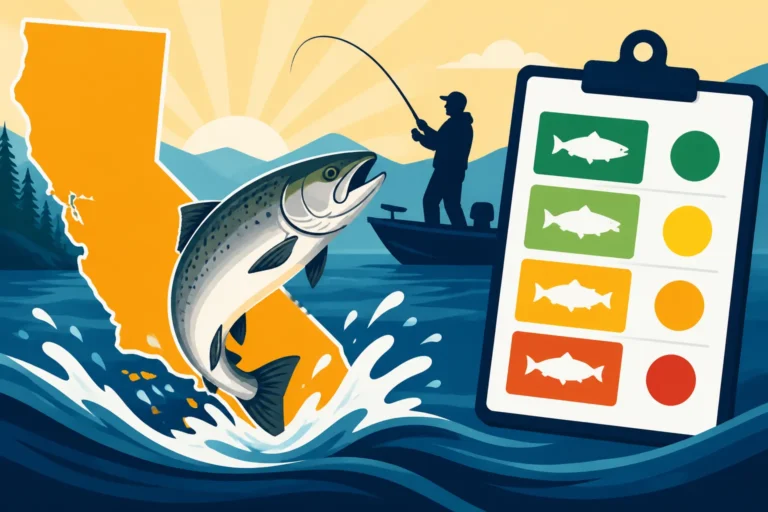
- Salmon Report Card: While the general ocean salmon season has been closed for recreational fishing in recent years due to conservation concerns, if it does open, a California Salmon Report Card would be required for those targeting salmon in ocean waters. Always check the latest regulations before planning a salmon trip.
These report cards usually require you to record your catches immediately and return the card to the CDFW by a specified deadline, even if you didn't catch anything. Failing to do so can result in penalties. It's a small administrative task that makes a big difference for conservation.
| License Type | Eligibility | Duration | Best For | Cost (approx.) | Notes |
|---|---|---|---|---|---|
| One-Day Sport Fishing | Non-residents (16+) | 1 calendar day | Single day trips, trying out fishing | $19.18 | All general regulations apply |
| Two-Day Sport Fishing | Non-residents (16+) | 2 consecutive days | Weekend trips, short multi-day excursions | $30.07 | More economical than two one-day licenses |
| Annual Non-Resident | Non-residents (16+) | Full calendar year | Frequent visitors, extended stays | $164.38 | Pays for itself after approx. 6-7 fishing days |
| Ocean Enhancement Stamp | All anglers (if applicable) | Annual | Fishing in ocean waters south of Pt. Arguello | $6.97 | Required in addition to a valid fishing license (if needed) |
| Steelhead Report Card | All anglers (if applicable) | Annual | Targeting Steelhead | $9.73 | Mandatory, requires catch reporting |
| Sturgeon Report Card | All anglers (if applicable) | Annual | Targeting Sturgeon | $9.73 | Mandatory, requires catch reporting, specific slot limit rules apply |
Prices are approximate and subject to change by CDFW. Always verify current prices on the official CDFW website.
How to Secure Your California Fishing License While Visiting
So, you know what you need; now, let's talk about how to get it. California has made the process fairly accessible, with both online and in-person options, ensuring visitors can obtain their license with minimal fuss.
Purchasing Online: Convenience at Your Fingertips
For many, the easiest and most convenient way to get a California fishing license as a visitor is to purchase it online directly from the CDFW website. This allows you to handle everything before you even arrive in the state, or from the comfort of your hotel room.
Step-by-Step Online Purchase
- Visit the Official CDFW Licensing Website: Start by navigating to the California Department of Fish and Wildlife's online license sales system. Be wary of third-party sites that might try to charge extra fees.
- Create a Customer Profile: If you've never purchased a California license before, you'll need to create a new profile. This will involve providing your personal details, including your full name, date of birth, physical address (your home address, not a temporary California address), and a form of identification.
- Select Your License: Choose the appropriate license for your trip – likely a one-day, two-day, or annual non-resident sport fishing license. Don't forget any necessary stamps or report cards, like the Ocean Enhancement Stamp if you're fishing Southern California waters.
- Complete the Purchase: Enter your payment information. The site is secure, so your details are protected.
- Print or Save: Once your purchase is complete, you'll receive a confirmation and a printable license document (or a temporary authorization). You must have a physical copy of your license or a digital copy readily accessible on your phone when fishing. It's always a good idea to print a backup copy, just in case your phone battery dies or you lose signal.
The online system is incredibly efficient and truly the best way to go for pre-planning. For a more detailed walkthrough, our guide on How to Buy a California Fishing License Online can help. I always tell my visiting friends to get this squared away before their plane even touches down. That way, when they arrive, they're ready to hit the water immediately.
Local License Agents: In-Person Assistance
If you prefer to buy your license in person, or if you've arrived and decided last-minute to go fishing, you can visit one of the many authorized license agents across the state.
Where to Find Agents
License agents are typically found at:
- Sporting Goods Stores: Major retailers like Bass Pro Shops or smaller, independent tackle shops.
- Department Stores: Some Walmart and Kmart locations, though this is less common for Kmart these days, often have a dedicated counter for hunting and fishing licenses.
- Marinas and Bait Shops: Especially in coastal towns or near popular lakes, these are prime spots to pick up a license along with your bait and tackle.
- CDFW Offices: You can also purchase licenses directly from select CDFW offices, though their hours might be more limited.
These agents use the same online license sales system as you would at home, so the process is similar. You’ll just have someone guiding you through it. This is a great option if you have questions or need some local advice on fishing spots. Our article on California Fishing License Agents Explained provides more context on this. You can also quickly search on your phone for "fishing license near me" once you're in California, and Google Maps will usually point you to the closest authorized agent.
What Information You'll Need
Regardless of whether you purchase online or in person, you'll need to provide some basic information to get your license:
- Full Legal Name: As it appears on your identification.
- Date of Birth: To verify age requirements and license categories.
- Residential Address: Your permanent address outside of California. This is crucial for distinguishing between resident and non-resident licenses.
- Identification: Typically a valid driver's license or state ID card from your home state or country, or a passport. While not always physically scanned for online purchases, you'll need it on hand for verification at an agent or if a warden asks for it.
Having this information readily available will make the process smooth and quick.
Key Regulations Visitors Often Overlook
Getting your license is the first step, but being a responsible and successful angler in California means understanding the rules of the game. Many visitors, understandably, focus on the license and overlook other critical regulations that can significantly impact their trip and even lead to violations.
Bag and Size Limits: It's Not a Free-for-All
California has strict bag and size limits for nearly all fish species, both freshwater and saltwater. These limits are in place to ensure sustainable fish populations and are updated frequently based on scientific data and conservation needs.
Why Limits Matter
These limits prevent overfishing and protect juvenile fish, allowing them to grow and reproduce. Ignoring them, even unintentionally, can deplete local fish stocks and negatively affect the environment you came to enjoy. For example, some rockfish species have very specific size minimums, and keeping a fish that's too small is a direct violation. Similarly, the daily bag limit dictates how many of a particular species you can keep in a single day, and exceeding that is also illegal.
How to Stay Compliant
- Check Before You Go: Always consult the current California Sport Fishing Regulations booklet (available online via the CDFW website, or as a physical copy from license agents) before you head out. These regulations can be complex, varying by species, body of water, and even time of year.
- Measure and Count: Carry a tape measure or a fish ruler (easily found on Amazon or at any tackle shop) and a way to count your catch. Measure fish from the tip of the snout to the tip of the tail, unless otherwise specified (like for some crustaceans).
- Know Your Species: Be able to identify the fish you're catching. Sometimes, similar-looking species have different limits. This is especially true for the diverse rockfish family. Our guide on California Fishing Bag and Size Limits provides a great overview.
Marine Protected Areas (MPAs) and No-Take Zones
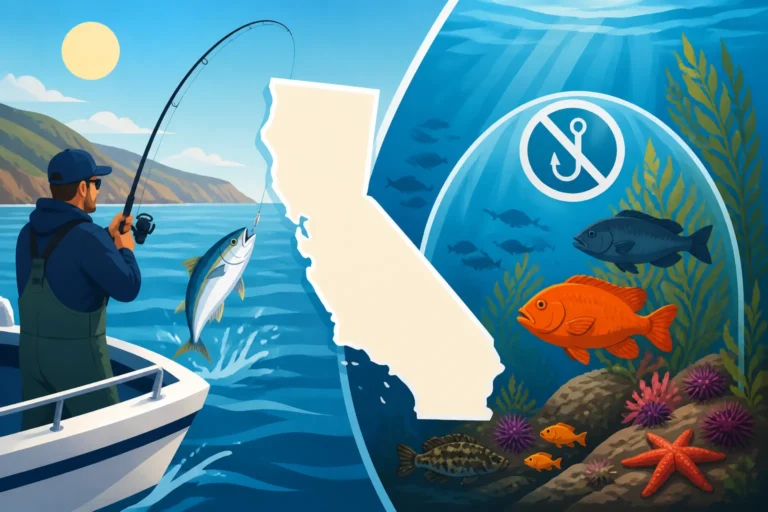
California's coastline is dotted with Marine Protected Areas (MPAs), which are essentially underwater parks designed to protect marine ecosystems. Within these areas, specific regulations apply, often including "no-take" zones where fishing is completely prohibited.
Understanding MPAs
MPAs come in various designations (State Marine Reserves, State Marine Conservation Areas, etc.), each with different rules regarding fishing and other activities. Some allow limited recreational fishing for certain species, while others are strictly "no-take," meaning you cannot remove any marine life, including fish. It's incredibly easy for a visitor, unfamiliar with the local geography, to inadvertently drift or anchor into an MPA and start fishing illegally.
How to Stay Compliant
- Consult Maps: Before heading out on coastal waters, always check the official CDFW MPA maps. These are available online and sometimes at local bait shops or charter offices. If you're on a charter boat, the captain will navigate these zones, but if you're on your own boat or kayak, this is your responsibility.
- Use GPS: Many modern fish finders and GPS devices can display MPA boundaries. There are also great mobile apps available that show these zones.
- Ask Locals: Don't hesitate to ask local bait shop owners, pier managers, or even other anglers about MPA boundaries in the area you plan to fish. They can be a wealth of knowledge. Learn more about these vital areas in our article, California Marine Protected Areas Explained.
Barbless Hooks and Other Special Regulations
Beyond bag and size limits and MPAs, California has a host of other specific regulations that can catch visitors off guard.
Barbless Hooks
In many freshwater systems, particularly those managed for trout or steelhead, or in designated "Wild Trout Waters" or "Heritage Trout Waters," the use of barbless hooks is mandatory. This regulation is designed to minimize harm to fish, making catch-and-release more successful. If you're planning a fly-fishing trip to the Eastern Sierra, for instance, barbless hooks will almost certainly be required. Always check the specific regulations for the river or lake you plan to fish. You can buy barbless hooks, or simply crimp down the barbs on your existing hooks with a pair of pliers (also readily available on Amazon for your tackle box).
Gear Restrictions
Certain waters might have restrictions on the type of gear you can use. This could include limitations on the number of hooks per line, the use of live bait, or even the type of artificial lures allowed. For example, some areas might be "artificial lures only" to prevent the introduction of invasive species or to protect sensitive fish populations from bait-related impacts.
Season Closures
Many species have specific seasons when they can be legally fished. These closures are vital for allowing fish to spawn or recover from fishing pressure. Salmon, rockfish, and even some freshwater species have specific seasons that change annually. Fishing out of season is a serious violation. Always consult the most current regulations for the species and location you are targeting.
The Official Regulation Booklet: Your Best Friend
The single most important resource for any angler, especially a visitor, is the official California Sport Fishing Regulations booklet. It's a dense document, I won't lie, but it contains all the legal specifics you need.
How to Navigate the Regulations
- Digital Access: The easiest way for visitors is to access the regulations online through the CDFW website. You can often download a PDF to your phone or tablet so you have it even without cell service.
- Physical Copy: You can pick up a physical copy wherever you buy your license. It's often free with purchase.
- Focus on Your Target: Don't try to memorize the whole thing. Instead, focus on the section relevant to the specific fish you hope to catch and the exact body of water you'll be fishing. The regulations are broken down geographically (e.g., North Coast, Central Coast, Inland Waters) and by species. Our guide on How to Read the California Fishing Regulations Booklet can give you some great tips on deciphering it.
Taking the time to understand these regulations, especially bag and size limits, MPAs, and specific gear rules, will ensure your California fishing adventure is not only successful but also legal and respectful of the state's precious natural resources.
Disclaimer
Please note that fishing regulations in California are subject to change by the California Department of Fish and Wildlife (CDFW). While every effort has been made to provide accurate and up-to-date information in this guide, it is ultimately the angler's responsibility to consult the most current official CDFW Sport Fishing Regulations booklet or website before engaging in any fishing activity. This guide is for informational purposes only and does not constitute legal advice.