California Fishing Regulations by Region
One of the biggest headaches for anglers in California, whether you're a seasoned veteran or just starting out, is the sheer complexity of our fishing regulations. It's not just a statewide rulebook; instead, the golden state is chopped up into a dizzying array of regional distinctions, specific water body rules, and even time-sensitive closures that can change on a dime. This guide is here to untangle that mess, breaking down California's fishing regulations by region so you can spend less time scratching your head and more time with a line in the water.
The Frustration of Regional Regulations: Why California is Different
California is a massive state, stretching from the temperate rainforests of the north to the arid deserts of the south, boasting a coastline that spans over 840 miles, and containing an incredible diversity of freshwater systems from alpine lakes to sprawling deltas. It makes sense, then, that a single, one-size-fits-all fishing regulation wouldn't cut it. What works for surf fishing off a San Diego beach is completely irrelevant for fly fishing a high Sierra stream. This geographical and ecological diversity means that the California Department of Fish and Wildlife (CDFW) has to implement a highly nuanced system of rules.
Understanding the CDFW Management Zones
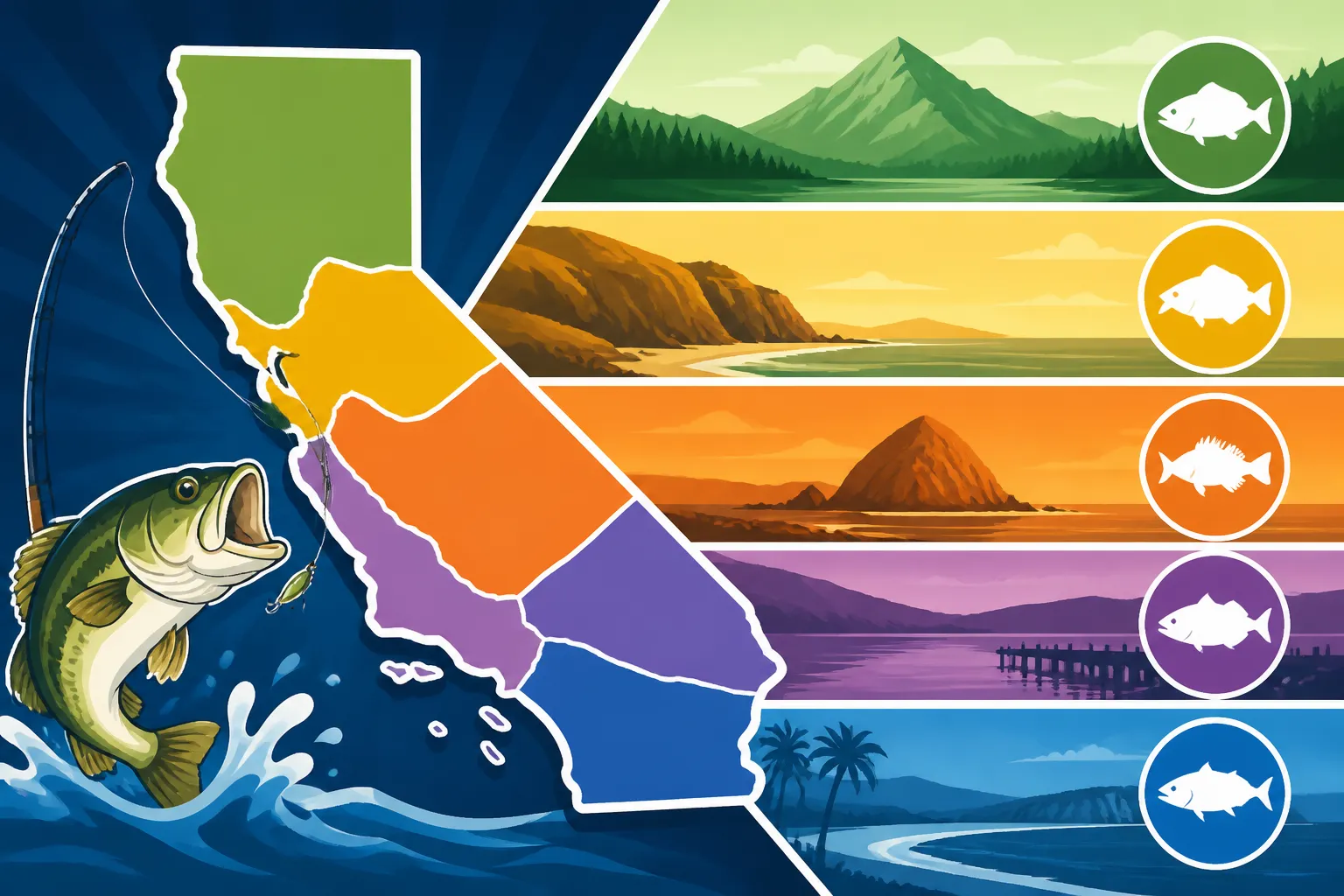
The CDFW divides the state into various management zones, each with its own set of rules, seasons, and bag limits. These zones can be broadly categorized as ocean (further divided into Northern, Central, and Southern management areas, often with different depth restrictions and seasons), bays and estuaries, and distinct freshwater regions like the Sierra Nevada, the Central Valley, and Southern California's inland lakes. It's not uncommon for a regulation that applies to a river in the north to be completely different from a river just a few hundred miles south, even for the same species. This patchwork approach is designed to protect local fish populations, manage fishing pressure, and adapt to varying environmental conditions like drought or ocean warming, but it certainly keeps us on our toes!
The Dynamic Nature of California Fishing Regulations
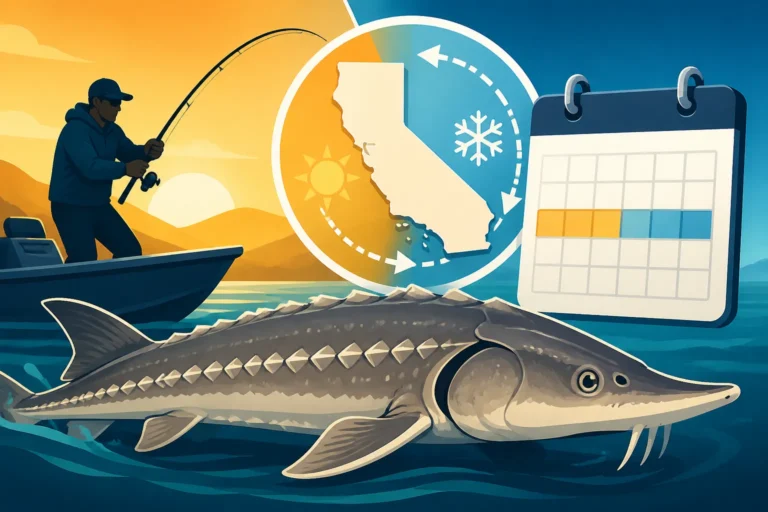
It's not enough to learn the rules once and be done with it. California's fishing regulations are incredibly dynamic, subject to annual changes, emergency closures, and even in-season adjustments based on stock assessments or environmental factors. Think of the often-changing salmon seasons in the ocean or the specific rules that pop up for certain drought-stricken reservoirs. This constant evolution means staying informed is paramount. You can't just rely on what you remember from last year; you need to check the current regulations every time you plan a trip, especially if you're venturing to a new area. It’s a bit of a chore, I know, but it’s crucial for ethical and legal angling. For a broader overview, take a look at our complete guide to the California Fishing Regulations Explained.
Navigating California's Saltwater Zones
When you head out to the big blue, California's coastal waters are broken down into several management areas, each with distinct rules, particularly for bottom-dwelling species like rockfish and lingcod. These divisions primarily revolve around geographical points that mark significant changes in habitat or fish populations.
Northern California Coastal Waters North of Point Conception
This vast stretch of coastline, roughly from the Oregon border down to Point Conception near Santa Barbara, is known for its rugged beauty and productive cold-water fisheries. Here, you’ll find regulations tailored to protect species like salmon, rockfish, and lingcod, which thrive in these cooler waters. The specific seasons and depth restrictions for rockfish can vary significantly compared to the southern part of the state. For instance, in some northern management areas, the season for groundfish might open later or have different bag limits for specific species.
Think about the challenges of fishing off Fort Bragg or Eureka; strong currents, deeper waters closer to shore, and different species compositions all play a role in how these regulations are structured. Anglers often target Chinook salmon during their specific seasons, which are heavily regulated and can shift based on conservation needs. You’ll need to be especially mindful of specific management areas like the North Coast or Central Coast groundfish management areas, as depth limits and seasons can differ within this broader northern zone. Always double-check the current rules for California Rockfish Depth Restrictions before heading out.
Southern California Coastal Waters South of Point Conception
Once you round Point Conception and head south, the ocean environment changes dramatically. Warmer waters invite a different suite of species, like yellowtail, bluefin tuna, dorado, and a variety of bass species such as calico bass and sand bass, alongside rockfish and lingcod. The regulations here reflect this difference. While you'll still find rockfish and lingcod, their seasons, bag limits, and especially the depth restrictions might differ from their northern counterparts.
For example, the Southern California Bight, an area stretching from Point Conception to the Mexican border, is a prime spot for offshore pelagic species. Fishing for species like bluefin tuna or yellowtail often falls under federal regulations as well as state, especially when you venture into international waters or certain distances offshore. Inshore, the focus shifts to species like calico bass, often found in kelp forests. Bag and size limits for these popular game fish are designed to ensure sustainability in these heavily fished areas, which include major ports like San Diego, Long Beach, and Marina del Rey. Understanding California Saltwater Fishing Regulations for these bustling regions is key to a successful and legal trip.
Marine Protected Areas (MPAs) and Their Regional Impact
Marine Protected Areas, or MPAs, are another critical layer of regulation you need to be aware of when fishing California's saltwater. These are designated zones where marine life is conserved through restrictions on fishing and other activities. They are scattered along the entire California coastline, from the far north to the south, and each MPA can have different rules – some are "no-take" zones where no fishing is allowed whatsoever, others permit certain types of fishing with specific gear or for certain species.
The impact of MPAs is inherently regional. An MPA off La Jolla Shores will have different implications for local anglers than one near Point Lobos or off the Mendocino coast. Knowing where these boundaries lie and what activities are prohibited or restricted within them is absolutely essential. Ignorance is no excuse, and violating MPA rules can lead to hefty fines and penalties. Many anglers rely on GPS and marine charts that clearly mark MPA boundaries. It's always a good idea to consult the official maps and guidelines for California Marine Protected Areas Explained before planning any coastal fishing adventure.
Unpacking Freshwater Rules Across the State
California's freshwater systems are as diverse as its coastline, ranging from the mighty Sacramento River to tiny, remote alpine lakes. Each of these unique environments comes with its own set of rules, largely determined by the species present and the specific ecological needs of the area.
Sierra Nevada and High Mountain Lakes
The Sierra Nevada is a jewel for freshwater anglers, especially those seeking trout. This region is home to rainbow, brown, brook, and the iconic golden trout. The regulations here are often designed to protect native trout populations, manage the impact of stocking programs, and ensure the pristine nature of these waters. You'll find a mix of general regulations that apply to most Sierra lakes and streams, but also numerous "special regulation waters" that have unique rules.
For instance, many high-country lakes might have barbless hook requirements, artificial lure-only rules, or specific catch-and-release sections. Some lakes are strictly catch-and-release for certain species, while others might have very generous limits. The seasons can also vary, with many high-elevation lakes only accessible and fishable during the warmer months due to snowpack. Rivers like the Truckee or the Owens in the Eastern Sierra are famous fly-fishing destinations and are prime examples of waters with very specific rules about tackle, bait, and harvest. Always check the local regulations for specific creeks or lakes in the Eastern Sierra Fishing Guide, as blanket rules rarely apply here.
Central Valley Rivers and the Delta
Moving west from the Sierras, we encounter the vast Central Valley and its intricate network of rivers and the Sacramento-San Joaquin Delta. This area is a completely different ballgame. Here, the focus shifts to species like striped bass, largemouth bass, salmon, and sturgeon. The sheer size and interconnectedness of these waterways mean that regulations often cover large geographical areas.
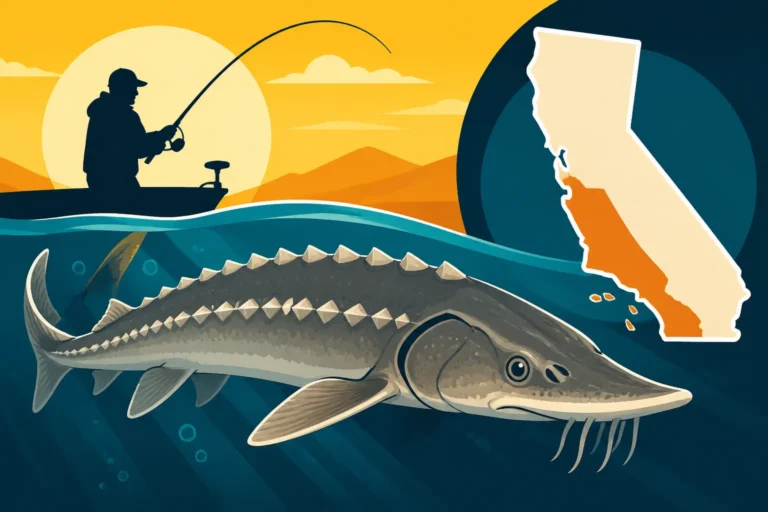
The Delta, in particular, is a complex fishery with rules that can vary from one channel to another. Striped bass regulations often include specific size limits and bag limits, and anglers need to be vigilant about closures for specific species during spawning seasons. Salmon seasons on the Sacramento River, for example, are highly dependent on annual runs and can be subject to emergency closures or very specific timing. Sturgeon fishing also has its own set of unique rules, including strict slot limits for retention and the mandatory California Sturgeon Report Card. Given the commercial and environmental importance of these water bodies, compliance with California Freshwater Fishing Regulations in this region is rigorously enforced.
Southern California Inland Lakes and Reservoirs
Southern California, despite its urban sprawl and arid climate, boasts a surprising number of productive inland lakes and reservoirs. These waters are often managed for a variety of warmwater species like largemouth bass, catfish, and panfish, as well as heavily stocked trout in the cooler months. Because many of these are man-made reservoirs supplying drinking water, additional restrictions beyond fishing regulations might apply, such as prohibitions on certain types of boats or limitations on shore access.
Lakes like Castaic Lake, Diamond Valley Lake, or Lake Perris are known for their trophy bass fisheries, and regulations are geared towards maintaining these populations, often through specific size limits for bass. Trout fishing in these lakes is usually sustained by aggressive stocking programs, and bag limits are generally more liberal. However, anglers need to be aware that some of these waters are part of regional park systems, and often have additional local rules, entry fees, or specific launch requirements. For detailed information on species and spots, refer to our guide on the Best Lakes to Fish in California.
Special Considerations for Specific Fishing Methods and Locations
Beyond general regional rules, California also has regulations that apply to specific types of fishing or locations, adding another layer of complexity that anglers must understand.
Pier and Jetty Fishing: License Exemptions and Species Rules
One of the most common questions from new anglers or visitors to California is about fishing from piers and jetties. Good news: in most cases, a California Fishing License is not required when fishing from a public pier or public jetty. This is a fantastic amenity that makes fishing accessible to everyone, but it doesn't mean it's a free-for-all. While the license exemption is a huge perk, all other California Fishing Regulations by Region still apply.
This means that bag limits, size limits, seasons, and gear restrictions for specific species still need to be followed. If you're targeting rockfish from a pier in Southern California, you still need to adhere to the current depth restrictions and season dates that apply to that coastal zone, even if you don't need a license. Some piers also have specific local rules, like bans on snagging, specific bait types, or limits on the number of rods. Always look for signage on the pier itself, and remember that while the state allows it, local authorities might have additional guidelines. You can find more specific information on Fishing from a Pier in California: Rules.
Special Regulation Waters and Wild Trout Waters
Across both freshwater and saltwater regions, you'll encounter specific bodies of water designated as "special regulation waters." These are areas where standard statewide or regional rules are superseded by highly specific regulations designed to protect unique populations or habitats, or to provide a specific type of fishing experience, like trophy trout fishing.
For example, many "Wild Trout Waters" in the Sierra Nevada often have strict catch-and-release rules, artificial lure-only requirements, and barbless hook mandates to protect genetically pure or self-sustaining trout populations. Similarly, some rivers might have specific closures during critical spawning periods for salmon or steelhead. These special regulations are usually listed in a dedicated section of the annual regulation booklet and are absolutely critical to review if you plan to fish in a designated area. Failing to do so can lead to serious penalties. It's this kind of detail that makes understanding the comprehensive California Fishing License Guide so important.
Anadromous Fisheries: Salmon and Steelhead Runs
Anadromous fish, like salmon and steelhead, spend part of their lives in the ocean and return to freshwater to spawn. Because they traverse both environments, their regulations are incredibly complex and often involve joint management between state and federal agencies. These species are highly migratory, and their runs are incredibly sensitive to environmental conditions, leading to highly variable seasons and strict limits.
For example, the California Salmon Season Dates are often determined annually, sometimes very late in the year, based on ocean abundance forecasts and river conditions. Steelhead, being a federally protected species (as distinct population segments are listed under the Endangered Species Act), have even more stringent rules, often requiring a California Steelhead Report Card and mandating catch-and-release in many areas. Regions like the Klamath River, Trinity River, and Sacramento River are critical for these species, and regulations here are among the most intricate, often including specific gear restrictions, time-of-day fishing limitations, and bait prohibitions.
Tools and Tips for Staying Compliant
Given the labyrinthine nature of California's fishing regulations, having the right tools and strategies to stay informed is non-negotiable for any responsible angler. It's not about memorizing every single rule; it's about knowing where to find the most accurate and up-to-date information.
The Official California Sport Fishing Regulations Booklet
Your absolute bible for California fishing regulations is the official Sport Fishing Regulations Booklet, published annually by the California Department of Fish and Wildlife (CDFW). This comprehensive document details all statewide regulations, specific regional rules, bag and size limits for various species, seasons, gear restrictions, and information on special regulation waters and marine protected areas. Seriously, keep a physical copy or the PDF on your phone at all times.
While the physical booklets are often available at tackle shops and CDFW offices, you can always download the latest version from the CDFW website. I even recommend getting a waterproof case for your physical copy if you're taking it out on the water. It’s a dense read, no doubt, but taking the time to understand How to Read the California Fishing Regulations Booklet will save you a lot of grief and potential fines. You can often find useful accessories like waterproof regulation book holders or even laminates on Amazon, which can be super handy for keeping your copy intact.
Leveraging Online Resources and Local Knowledge
Beyond the official booklet, there are numerous other ways to stay current with California's ever-changing fishing rules. The CDFW website is an excellent resource, often providing real-time updates on emergency closures or in-season changes that might not yet be reflected in the printed booklet. Their "news" or "marine advisories" sections are particularly useful for saltwater anglers.
Local tackle shops are also an invaluable resource. The folks behind the counter live and breathe local fishing, and they often have the most up-to-date information on what's biting, where to go, and, critically, any recent changes to regulations in their specific area. They can tell you if the Halibut bite is on and what the current California Halibut Size and Bag Limits are, or if there have been any unexpected changes to trout stocking schedules. Online fishing forums and communities can also be helpful for quick answers, but always cross-reference any information with official CDFW sources to ensure accuracy. Never rely solely on hearsay when it comes to regulations.
Here's a quick reference table for some common species and how regional variations might impact you:
| Species | Common Regions Targeted | General Statewide Rule Example | Regional Variation Example |
|---|---|---|---|
| Rockfish | Coastal (North, Central, South) | 10-fish bag limit | Depth restriction differences (e.g., deeper in SoCal) |
| Salmon | North/Central Coast, Delta Rivers | Specific annual seasons | Season dates and open areas vary drastically year-to-year/region-to-region |
| Striped Bass | Central Valley, Delta, Bays | 2 fish, 18-inch minimum | Different open seasons or slot limits in specific Delta channels |
| Trout | Sierra Nevada, Inland Lakes | 5 fish, 10-inch minimum | Many Sierra streams are artificial-lure, barbless, C&R only |
| Halibut | Southern/Central Coast Bays | 2 fish, 22-inch minimum | Specific bay-specific seasons or areas may apply |
| Sturgeon | Delta, San Pablo Bay | 1 fish, 40-60 inch slot | Mandatory California Sturgeon Report Card; C&R often required |
Remember, this table is just a broad example, and the actual regulations are far more detailed and subject to change. Always consult the current CDFW regulations before your trip.
Disclaimer
Fishing regulations are dynamic and subject to change by the California Department of Fish and Wildlife. This guide provides general information and should not be considered a substitute for consulting the official and most current California Sport Fishing Regulations booklet and any in-season updates from the CDFW website. Always verify current rules before you go fishing.