California Yellowtail Bag Limit Explained
One of the biggest head-scratchers for any angler hitting the water in California is trying to keep up with all the rules and regulations. It can feel like you need a law degree just to cast a line! When it comes to chasing the mighty yellowtail, specifically, understanding the bag and size limits is absolutely crucial to avoid fines and, more importantly, to ensure this fantastic species thrives for years to come. This guide is here to untangle the complexities and explain California's yellowtail bag limits in clear, no-nonsense terms.
Understanding Yellowtail Fishing Regulations in California
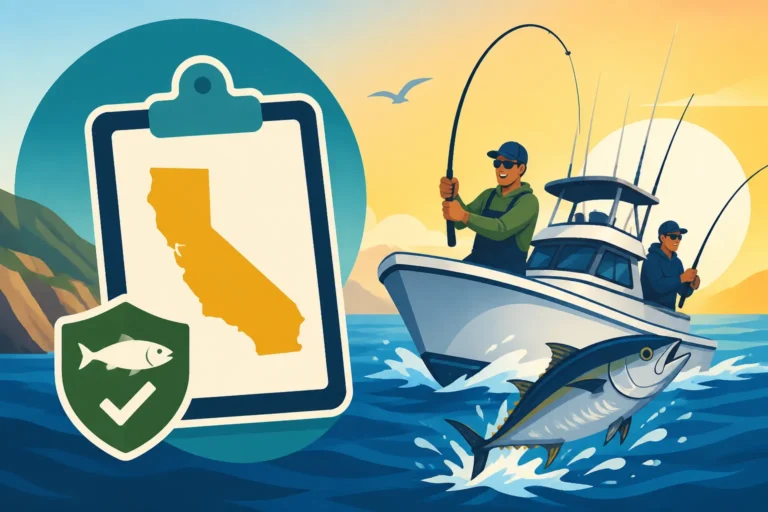
Let's be real, nobody wants to accidentally break the law, especially when you're out trying to relax and enjoy a day of fishing. California's Department of Fish and Wildlife (CDFW) sets these regulations to manage fish populations sustainably, ensuring there are enough fish for future generations. For a highly sought-after species like yellowtail, which are known for their strong fights and delicious meat, these rules are particularly important. It's not just about protecting the fish; it's about protecting the entire marine ecosystem that supports them.
Why Yellowtail Regulations Exist
Imagine if everyone could just go out and catch as many yellowtail as they wanted, whenever they wanted. It wouldn't take long before the populations plummeted, leaving fewer and smaller fish for everyone. This isn't just a hypothetical scenario; it's exactly what happened with many species before modern fishery management was put in place. The limits on how many yellowtail you can keep, and how big they have to be, are directly related to scientific assessments of the fish's spawning cycles, growth rates, and overall population health. These rules are a balancing act, trying to provide opportunities for anglers while safeguarding the species' long-term viability. It’s a delicate balance, and sometimes the rules change based on new data or environmental factors, which can be frustrating for us anglers trying to keep up.
Where to Find the Official Rules
While this guide aims to be comprehensive, nothing beats getting the official word straight from the source. The California Department of Fish and Wildlife (CDFW) is your go-to for the most current and legally binding information. They publish an annual "California Sport Fishing Regulations" booklet, available online and at most tackle shops and license agents. Trust me, it's worth getting your hands on one, even if it feels like reading a phone book. You might also want to check out the broader guide on how the California Fishing Regulations Explained operate for a complete picture. Always double-check before you head out, because nothing ruins a good fishing trip faster than a run-in with a game warden. Keeping a digital copy on your phone or tablet is a smart move, especially if you find yourself fishing in a new area where local regulations might have subtle differences.
Current California Yellowtail Bag and Size Limits
Alright, let's get down to the nitty-gritty of what you can actually keep. The regulations for yellowtail apply to both recreational anglers on private boats and those fishing on party boats or charters. It’s important to remember that these limits are in place regardless of whether you're fishing nearshore or heading out to deeper waters. And, of course, before you even think about catching anything, make sure you have your California Fishing License Guide sorted out!
Daily Bag Limit Explained
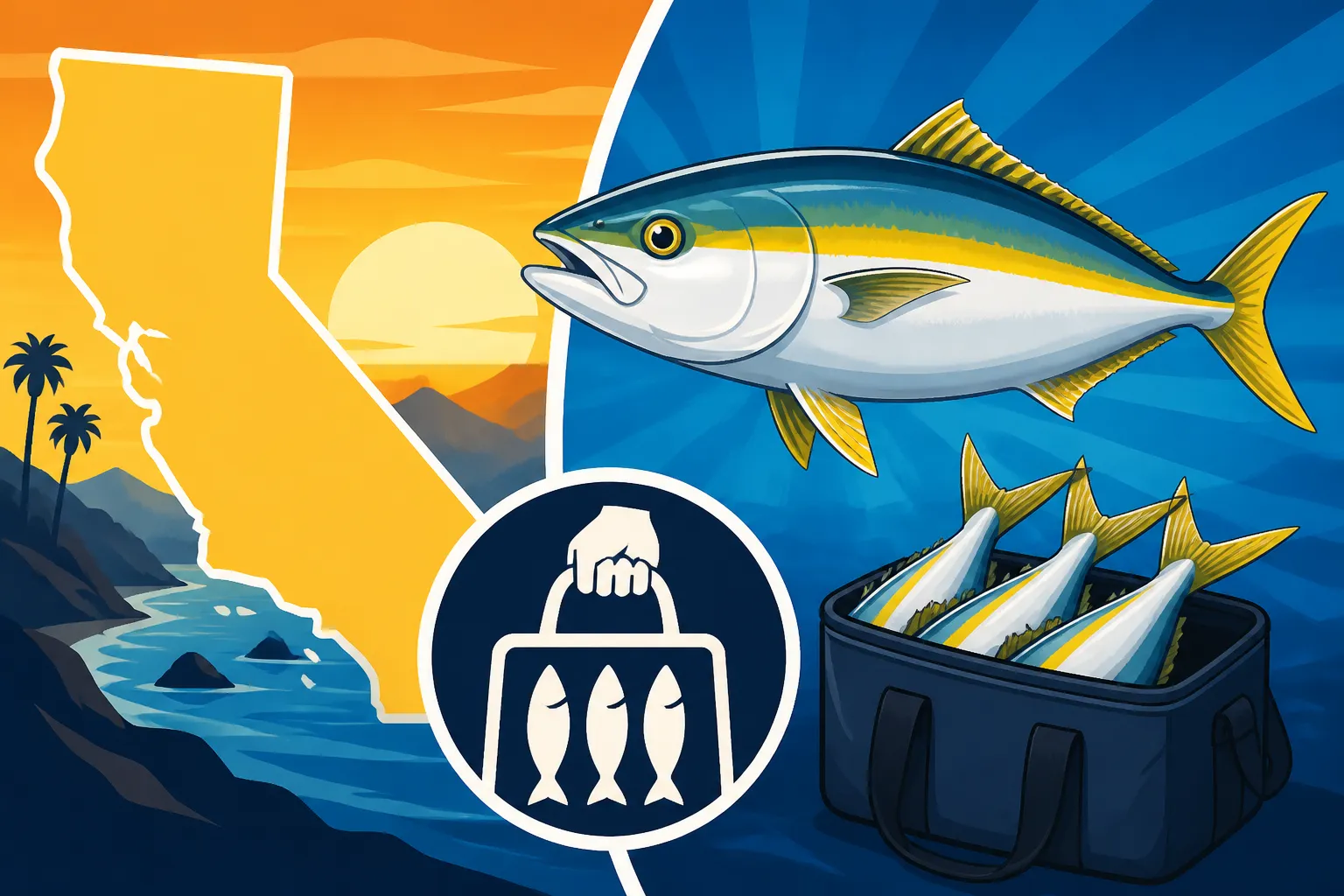
For yellowtail, the current statewide daily bag limit is 10 fish per person. This means that in any given day, from midnight to midnight, you can keep a maximum of ten yellowtail. It sounds straightforward, but there are nuances. This limit applies even if you switch fishing spots, go out with a different boat, or decide to fish from a pier for a few hours. The intent is to limit an individual's total harvest for the day. So, if you catch five in the morning, and go out again in the evening, you can only keep five more. It's not 10 per trip or 10 per location; it's 10 per person per calendar day. This might feel restrictive sometimes, especially on a red-hot bite, but it's a vital part of sustainable management.
Possession Limit Distinction
Now, here's where it can get a little tricky, especially for those venturing on multi-day trips. The possession limit is typically the same as the daily bag limit, meaning you can only have 10 yellowtail in your possession at any given time, regardless of when you caught them. However, there are exceptions, particularly for fish that are "properly processed and in a non-fresh state" at your residence. This usually means filleted, frozen, or otherwise prepared for storage at your home. When you're out on the water or returning from a trip, the possession limit generally applies to all fish, fresh or otherwise. On longer trips, especially multi-day excursions where you might be targeting tuna, rockfish, or other species, understanding the nuances of how fish are counted and stored is critical. Make sure to consult the official CDFW regulations specifically for multi-day trip rules, as they can differ. And while you're thinking about other species, don't forget to review the California Halibut Size and Bag Limits for comparison, as they often have different rules!
Minimum Size Requirements
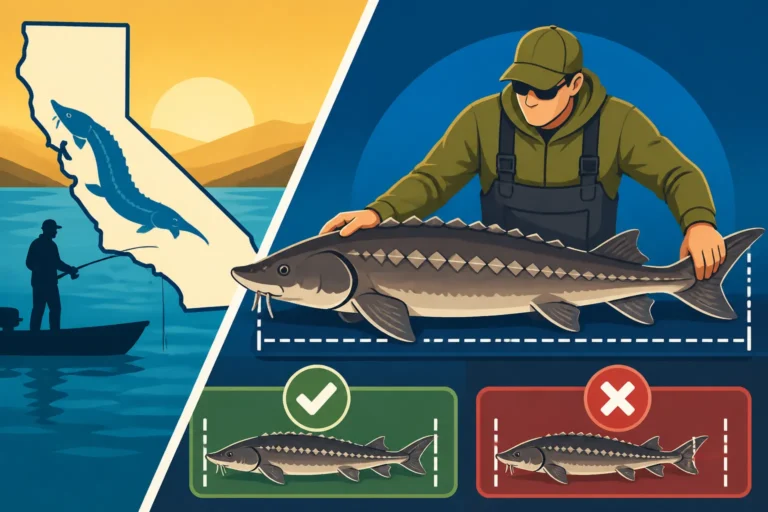
Size matters when it comes to yellowtail. Currently, any yellowtail you keep must be at least 24 inches fork length. Fork length is measured from the tip of the fish's nose to the fork in its tail. Why fork length? Because it's a consistent measurement that isn't affected by a bent tail or damaged tail tips. This minimum size limit is put in place to ensure that yellowtail have a chance to grow and, crucially, to spawn at least once or twice before being harvested. Allowing fish to reproduce helps maintain healthy populations. If you catch a yellowtail that's shorter than 24 inches, it must be immediately released back into the water with as little harm as possible. This means having a good de-hooking tool and handling the fish gently. It's a bummer to catch a keeper-sized fish only to find it's just shy of the legal limit, but rules are rules for a reason!
Here's a quick summary table for yellowtail regulations:
| Regulation Type | Limit | Notes |
|---|---|---|
| Daily Bag Limit | 10 Yellowtail per person | Maximum of 10 yellowtail can be taken or possessed in a single calendar day (midnight to midnight). This applies regardless of the number of trips or locations fished within that day. |
| Possession Limit | 10 Yellowtail per person | Generally, you cannot possess more than 10 yellowtail at any given time while in the field, on the water, or in transit. Exceptions may apply for properly processed fish at a permanent residence, but always verify current CDFW rules for specifics, especially for multi-day trips. |
| Minimum Size | 24 inches fork length | Measured from the tip of the fish's jaw to the deepest part of the fork in the tail. Any yellowtail caught below this size must be immediately and carefully released. This ensures fish have a chance to mature and reproduce. |
| Gear Restriction | No specific yellowtail gear limits | While there are no specific gear limits unique to yellowtail, general California saltwater fishing regulations apply, such as circle hook requirements when fishing with bait for certain species, or barbless hook rules in some freshwater areas. Always check general California Saltwater Fishing Regulations and specific area rules. |
Specific Scenarios and Common Confusions
Navigating these rules can sometimes throw a curveball, especially when you're out there in the heat of the moment. Let's look at a few common situations that often lead to confusion for anglers.
Fishing from a Private Boat vs. Party Boat
Whether you're on your own boat, a friend's private vessel, or a bustling party boat out of San Diego, the daily bag and possession limits for yellowtail generally remain the same per individual. However, the responsibility for adherence can feel a little different. On a party boat, the crew often keeps track of your fish and will remind you when you're nearing your limit, which is super helpful. They'll also typically measure your fish to ensure it meets the 24-inch requirement before it goes into the fish hold.
On a private boat, that responsibility falls entirely on you and your fellow anglers. It’s vital to have a measuring device readily available and to communicate clearly with everyone on board about how many fish have been caught and kept. Don't assume someone else is counting; make it a shared responsibility. A simple measuring tape or a fish ruler affixed to your boat can save a lot of headaches. It's also a good idea to know the rules for related species, just in case you accidentally hook something else, like a tuna or a different type of bass. Understanding these rules is a critical part of a comprehensive California Fishing License Guide.
Multi-Day Trips and Possession Limits
This is probably one of the most common areas of confusion. Let's say you're on a two-day charter out of H&M Landing or Fisherman's Landing, targeting yellowtail offshore. The daily bag limit of 10 yellowtail per person still applies per calendar day. This means on day one, you can keep 10. On day two, you can keep another 10. So, over a two-day trip, an individual could theoretically catch and keep 20 yellowtail total, provided they meet all size requirements each day.
The tricky part is the possession limit. While on the vessel for a multi-day trip, the CDFW regulations often allow you to possess a cumulative total of your daily limits for each full day of fishing. So, after two days, possessing 20 yellowtail might be okay on the boat. However, once you return to port and disembark, the general possession limit often reverts, unless the fish are "properly processed and in a non-fresh state at your permanent residence." It's imperative to confirm these specific multi-day possession rules directly from the CDFW regulations for the year you are fishing, as they can sometimes change and are often clearly detailed in the annual booklet. It's a huge difference from a simple day trip, and mistakes can be costly.
Identifying Yellowtail vs. Other Species
California waters are teeming with diverse marine life, and sometimes, in the heat of a bite, it can be tough to distinguish between similar-looking species. Yellowtail are often confused with other jacks or even certain types of tuna, especially by less experienced anglers. While yellowtail (Seriola lalandi) are characterized by their distinct yellow caudal fin (tail) and a yellow stripe running along their lateral line, other species like small yellowfin tuna or even bonito might be mistaken for them.
It's critical to be able to positively identify your catch before keeping it, as different species have different bag and size limits. For example, the California Tuna Regulations and Limits are entirely separate and often vary by species and time of year. Misidentifying a fish and keeping it under the wrong bag limit could lead to a citation. When in doubt, let it go. There are plenty of resources online, and your boat captain or deckhands on a charter are excellent resources for identification. Knowing your target species well is a fundamental skill for any responsible angler.
Gear, Techniques, and Ethical Considerations for Yellowtail
Catching yellowtail isn't just about knowing the rules; it's about having the right gear and adopting practices that ensure both a successful trip and the health of the fish you're targeting. These fish are powerful fighters, and they demand respect, both in the battle and in how they're handled. If you're looking for more general guidance, our California Yellowtail Fishing Guide delves into broader aspects of chasing this species.
Recommended Gear for Yellowtail Fishing
When it comes to yellowtail, you'll want gear that can handle a serious fight. These fish are known for their strong runs and deep dives. A medium-heavy to heavy conventional or spinning rod paired with a robust reel spooled with 40-60 pound braided line is a good starting point. You'll want a fluorocarbon leader of similar breaking strength to combat their keen eyesight. For bait, live sardines, anchovies, or mackerel are often irresistible. If you prefer artificial lures, surface irons like those from Salas or Tady are classic choices, as are yo-yo jigs when the fish are holding deeper. Poppers and stickbaits can be incredibly exciting when yellowtail are feeding on the surface. You can find a fantastic selection of these lures and rods on platforms like Amazon, making it easy to prepare for your trip.
Having the right gear isn't just about catching fish; it's about increasing your chances of landing them quickly and efficiently, which reduces stress on the fish, especially if you plan to release it. A strong setup minimizes the fight time, giving the fish a better chance of survival if it's undersized or you've already met your limit.
Responsible Angling and Conservation
Beyond just adhering to bag and size limits, responsible angling practices are paramount for conservation. When you catch an undersized yellowtail or one you intend to release, handling it with care is crucial. Use barbless hooks where possible, or flatten the barbs on your hooks to make removal easier. Avoid touching the fish's gills or eyes, and try to keep it in the water as much as possible, especially if you're taking a quick photo. A good de-hooker tool, available readily on Amazon, can minimize handling time and ensure a swift release.
Understanding the Best Season for Yellowtail in California can also help you plan your trips to coincide with optimal fishing conditions, reducing stress on fish during sensitive periods like spawning. Additionally, being aware of and respecting California Marine Protected Areas Explained is vital; these are zones where fishing may be restricted or prohibited entirely to protect specific habitats and species. Always know if you're fishing near or in an MPA, as rules can drastically change.
Why These Regulations Matter for the Future
It's easy to see regulations as just another hurdle to enjoying our passion, but they're truly the backbone of sustainable fishing. Without them, the vibrant yellowtail fishery we enjoy today could quickly diminish, impacting not just future generations of anglers, but the entire marine ecosystem.
Impact of Overfishing and Climate Change
Historically, many fish stocks have been decimated by overfishing, a stark reminder of what happens when we don't manage resources wisely. Yellowtail, while currently healthy in California waters, are not immune. Factors like increased fishing pressure, changes in ocean conditions due to climate change, and habitat degradation all play a role in the health of these populations. The regulations, though sometimes cumbersome, are designed to buffer these impacts, ensuring that enough fish survive to reproduce and contribute to a robust ecosystem. When we abide by these rules, we're not just being compliant; we're actively participating in the conservation efforts that keep our oceans thriving.
The Role of CDFW in Conservation
The California Department of Fish and Wildlife doesn't just create rules out of thin air. They employ a team of dedicated marine biologists, scientists, and wardens who monitor fish populations, conduct research, and enforce the regulations. They work with federal agencies, academic institutions, and even angler groups to gather data and make informed decisions. These decisions often involve trade-offs, and they understand the impact on recreational and commercial fisheries. They're constantly evaluating everything from how often the California Fishing License Cost needs to be updated to the impact of things like the California Ocean Enhancement Stamp on specific fisheries. While it might feel like the regulations are always changing, it's often a response to new scientific findings or shifts in the environment, all aimed at protecting the resources we cherish.
So, the next time you're out there, reeling in a beautiful yellowtail, take a moment to appreciate that the opportunity exists because these regulations are in place and people like you are following them. It's a shared responsibility that ensures the thrill of the catch continues for years to come.
Disclaimer
Please remember that fishing regulations, including bag and size limits, are subject to change. This guide provides information based on publicly available data at the time of writing. Always consult the most current California Department of Fish and Wildlife (CDFW) regulations booklet or their official website before any fishing trip to ensure you have the most accurate and up-to-date information. Ignorance of the law is not a defense, and adherence to all regulations is the responsibility of each individual angler.