California Tuna Regulations and Limits
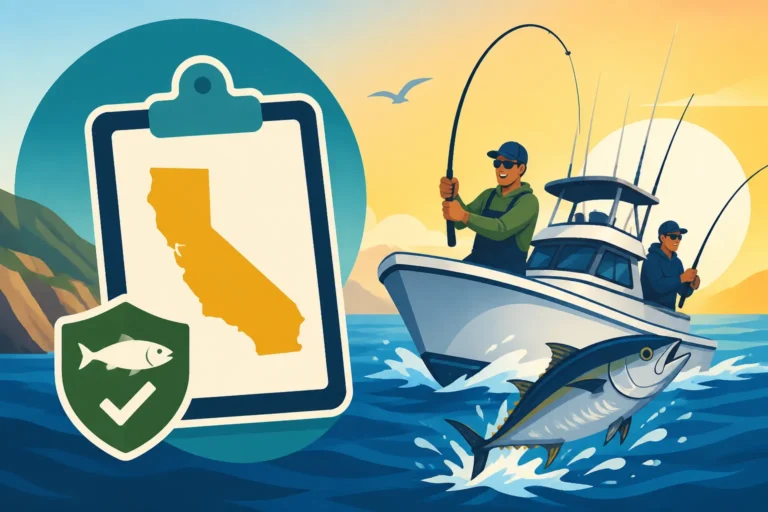
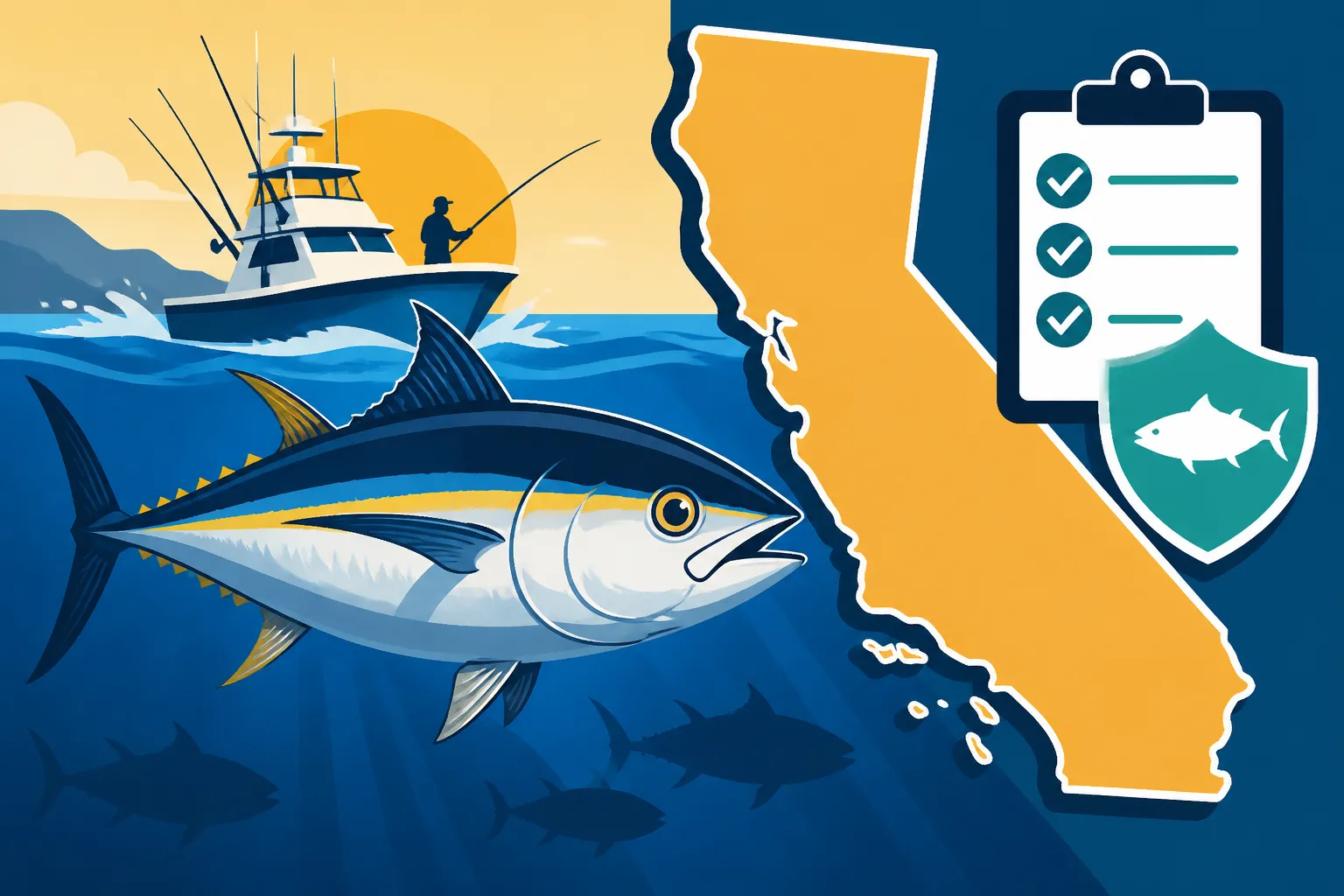
Few things get an angler's heart pumping quite like the thought of a screaming tuna run off the California coast. But let's be real, the excitement can quickly turn into a headache when you try to wrap your head around the ever-shifting maze of tuna regulations and limits. It’s frustrating to plan a trip, only to discover the rules have changed overnight! This comprehensive guide is here to untangle that complexity, providing you with clear, up-to-date information on California's tuna regulations so you can focus on the fishing, not the fines.
The Dynamic World of California Tuna Regulations
Fishing for tuna in California isn't like fishing for bass in a local pond; the rules are far more complex and subject to change, sometimes with very little notice. This dynamic nature can be incredibly frustrating for anglers who just want to know if they can keep that prize bluefin. But understanding why the rules are so complex helps in appreciating the need to stay vigilant.
Why Tuna Rules Seem So Complicated
The main reason tuna regulations are constantly in flux stems from the migratory nature of these powerful fish and the international agreements needed to manage them. Tuna species like Bluefin, Yellowfin, and Albacore travel vast distances across the Pacific Ocean, crossing international borders. This means their management isn't solely up to California or even the United States. Organizations like the Western and Central Pacific Fisheries Commission (WCPFC) and the Inter-American Tropical Tuna Commission (IATTC) set international quotas and guidelines that then trickle down to federal and state agencies.
On top of international mandates, scientific stock assessments play a huge role. If scientists determine a particular tuna stock is declining, emergency closures or stricter limits can be implemented quickly to protect the species. This happened frequently with Bluefin Tuna in recent years. One season might see a fairly generous bag limit, only for it to be slashed the next due to concerns over spawning stock biomass. It feels like you just got used to one set of rules, and boom, they're different again! This constant adaptation is tough on anglers, especially those making long-term plans, but it's crucial for the long-term health of the fishery.
Key Agencies and Their Roles
When you're trying to figure out what's legal to catch, it's essential to know who's making the rules. In California, recreational tuna fishing regulations are primarily governed by two main bodies:
- California Department of Fish and Wildlife (CDFW): The CDFW is your go-to for state-level regulations. They manage California's diverse fisheries, including those that interact with federal and international mandates. While they might not set the initial Bluefin quota, they implement and enforce the rules for state waters and for state-licensed anglers, often echoing federal guidelines. Their annual sport fishing regulations booklet is a must-read, though always cross-reference with their website for the most current updates. Many of the basic requirements, like needing a California Fishing License Guide, fall under their purview.
- National Oceanic and Atmospheric Administration (NOAA) Fisheries: This federal agency is responsible for the management, conservation, and protection of living marine resources within the U.S. Exclusive Economic Zone (EEZ), which extends from 3 to 200 nautical miles offshore. For highly migratory species like tuna, NOAA Fisheries often implements the federal regulations that stem from international agreements. This means they are often the ones announcing changes to recreational Bluefin Tuna retention limits or area closures. If you're heading offshore for bigger game, you'll definitely want to check their Pacific Highly Migratory Species (HMS) fishery management page.
It's a two-tiered system that sometimes makes it feel like you need a law degree to go fishing. The best advice is to always check both CDFW and NOAA Fisheries resources before heading out, especially for species like Bluefin where limits can literally change weekly during peak season. For a more general overview of all the rules, check out our guide on California Fishing Regulations Explained.
Understanding Bag and Size Limits for Common California Tuna Species
Navigating the specifics for each tuna species can be daunting. What applies to Bluefin usually doesn't apply to Albacore, and vice versa. It’s critical to know the distinct regulations for the tuna you're targeting.
Bluefin Tuna Rules
Ah, the mighty Bluefin! These powerful fish are arguably the most sought-after offshore species in Southern California, and their regulations are notoriously fickle. Recreational Bluefin Tuna limits are typically set federally by NOAA Fisheries, often in collaboration with international bodies like the IATTC, and then enforced by CDFW.
Historically, Bluefin Tuna regulations have varied widely. Some years we've seen generous two-fish bag limits per person, while other times it's been a single fish, and on rare occasions, emergency closures have even brought the recreational take to zero for periods. The limits are often tied to an overall quota, and once that quota is met by either commercial or recreational fishermen, the season can be shut down or limits reduced dramatically. There's usually no minimum size limit for recreational Bluefin Tuna in California, but the bag limit is strictly enforced.
For example, a common recent regulation might be a daily bag limit of two Bluefin Tuna per person, but then a federal management area might impose a one-fish limit per private vessel in certain zones. This often happens because the federal managers want to ensure the overall quota isn't exceeded too quickly. If you're heading out on a charter or a private boat, it's not enough for you to know the rules; the captain and crew will be acutely aware of them, but you should still verify. It's truly a game-time decision sometimes, and knowing the Best Season for Bluefin Tuna in California might help you pick your window, but always double-check the current regulations right before your trip.
Yellowfin and Albacore Tuna Regulations
Compared to Bluefin, the regulations for Yellowfin Tuna and Albacore Tuna tend to be a bit more stable and predictable, which is a huge relief for anglers. These species are generally managed with higher, more consistent bag limits.
For Yellowfin Tuna, the typical recreational bag limit in California is 10 fish per person per day. There are usually no minimum size restrictions for Yellowfin, making it a favorite target. They are often found in warmer offshore waters, sometimes mixed in with Dorado and Skipjack. If you're looking for consistent action and good eating, Yellowfin are a fantastic choice, and their regulations are less likely to give you a headache.
Albacore Tuna, often called "longfins" due to their characteristic long pectoral fins, also usually fall under a 10 fish per person per day bag limit with no minimum size. Albacore are highly migratory, often appearing off the California coast in cooler, nutrient-rich waters during summer and fall months. They're a blast to catch and make excellent table fare, especially for canning or searing. Understanding California Albacore Tuna in California: Where and How to Catch can make your trip even more productive.
These species are staples for California's offshore fleet, and while their limits are generally generous, it's always wise to confirm the latest rules, especially if you plan to target them on a multi-day trip. You never want to be caught off guard.
Other Pelagic Species You Might Encounter
While Bluefin, Yellowfin, and Albacore are the main tuna players, you might also encounter other pelagic species that share similar habitats and, importantly, have their own regulations.
- Skipjack Tuna: Often mistaken for smaller Yellowfin, Skipjack are aggressive fighters and make great bait. They are usually included in the general "tuna" aggregate bag limits, meaning if the overall tuna limit is 10 fish, your Skipjack would count towards that. Typically, there isn't a separate, specific limit for Skipjack beyond the general aggregate.
- Bonito: These close relatives to tuna are often found closer to shore and are a common catch for both pier and boat anglers. They are typically subject to a 10-fish bag limit, with no minimum size. They're a fantastic light-tackle species and can be a lot of fun.
- Bigeye Tuna: Less common for recreational anglers in California compared to Yellowfin or Bluefin, Bigeye Tuna are generally managed under similar, if not identical, rules as Yellowfin for recreational purposes. However, always verify if targeting them specifically, as their commercial regulations can be more stringent.
Here's a quick summary table for the most common tuna species and their typical recreational limits in California:
| Tuna Species | Typical Daily Bag Limit (per person) | Minimum Size Limit | Notes |
|---|---|---|---|
| Bluefin Tuna | Variable (e.g., 1-2 fish) | None | Highly variable, check federal NOAA Fisheries updates immediately before fishing. Quota-dependent. |
| Yellowfin Tuna | 10 fish | None | Generally stable limits. |
| Albacore Tuna | 10 fish | None | Generally stable limits. |
| Skipjack Tuna | Included in aggregate tuna limit | None | Counts towards total tuna bag limit. |
| Bonito | 10 fish | None | Often caught closer to shore, distinct species but similar limits to smaller tuna. |
Note: These limits are typical and subject to change. Always consult official CDFW and NOAA Fisheries resources for the most current regulations.
Important Considerations Beyond Just Catching Fish
Knowing your bag limits is just one piece of the puzzle. There are several other critical factors to consider before, during, and after your tuna trip to ensure you're fishing legally and responsibly.
Required Licenses and Stamps
Before you even dream of a tuna on the line, you absolutely need a valid California fishing license. This is non-negotiable for anyone 16 years of age or older. While a basic license covers a wide range of fishing, offshore pelagic species often require an additional endorsement:
- California Sport Fishing License: This is your foundational permit. You can purchase one online through the CDFW website, at authorized license agents like many tackle shops, or even from major retailers like Walmart or sporting goods stores. It's good practice to get it well in advance, and make sure to understand your California Fishing License Renewal process if you're a regular.
- Ocean Enhancement Stamp: If you're fishing in ocean waters south of Point Arguello (Santa Barbara County), you need to purchase an Ocean Enhancement Stamp. This stamp helps fund programs that enhance marine resources. Most tuna fishing occurs south of this point, so it's a critical addition to your license. Don't overlook it! Learn more about the California Ocean Enhancement Stamp.
- Federal Permits (less common for recreational, but be aware): While rare for typical recreational anglers, if you're engaging in highly specialized fishing or certain tournaments, federal permits for highly migratory species might be required. Always confirm with your charter operator or tournament organizers if this applies.
Fishing without the proper license and stamps can lead to significant fines and penalties, so it's always better to be safe than sorry.
Reporting Your Catch
While general recreational tuna catches (like Yellowfin or Albacore) don't usually require a physical report card like those for salmon or sturgeon, there are still important aspects of reporting and data collection to be aware of, especially for Bluefin Tuna.
- Bluefin Tuna Check-in Procedures: In some scenarios, particularly during periods of high catches or when federal quotas are tight, federal regulations might require private boat operators or charter boats to report Bluefin Tuna catches via a specific electronic reporting system or through port sampling. While you as an individual angler might not be directly responsible for submitting the report, being aware that this data is collected is important. This information helps agencies track the quota and decide on future regulations. If you're on a charter, the crew handles all this. On a private boat, you'll want to stay informed of any new reporting mandates from NOAA Fisheries.
- General Catch Data: Even without a formal report card, participating in voluntary angler surveys or providing accurate information to scientific observers (if they are on your vessel) contributes vital data to fishery management. This data helps assess stock health and ensures sustainable fishing practices for species like those discussed in our California Tuna Regulations and Limits guide. This data contributes to the management of all species, even those like salmon, where accurate reporting on a California Salmon Report Card is absolutely mandatory.
The future of fishing relies on good data, so playing your part, even if it's just being honest about your catch to a dockside surveyor, is incredibly important.
Gear Restrictions and Best Practices
Tuna fishing typically involves heavy-duty gear, but there are still some general fishing regulations that apply offshore and are important for responsible angling.
- Barbless Hooks: While not universally mandated for all offshore tuna fishing, California has specific regulations regarding barbless hooks in certain freshwater and estuarine fisheries, and there's a growing push for their use in catch-and-release scenarios for all species to minimize harm. While tuna are usually kept, if you're fishing for other species in sensitive areas or planning to release a smaller tuna, using barbless hooks is a good practice.
- Handling Practices: For any fish you plan to release, minimizing stress is key. For tuna you intend to keep, proper handling from the moment it's boated is essential for meat quality. Many experienced tuna fishermen immediately bleed the fish and get it on ice to preserve freshness.
- No Chumming in MPAs: Be acutely aware of California Marine Protected Areas Explained. These are specific ocean zones where fishing activities are restricted or completely prohibited. Chumming, in particular, is often not allowed in these areas, and unknowingly drifting into one can lead to serious legal trouble. Always check MPA maps before heading out.
- Proper Gear for Tuna: While not a "restriction," using appropriate gear is crucial for safety and successful fishing. Tuna are powerful fighters. You’ll need stout rods, reels with excellent drag systems, and heavy-test line. Scrimping on gear can lead to lost fish and frustrating trips. You can find excellent offshore gear, from specialized rods to high-capacity reels, on Amazon to help you tackle these beasts. Having a well-stocked tackle box with the right hooks, leaders, and lures is also key. For instance, having a good selection of jigs and poppers from brands like Shimano or Yo-Zuri, easily purchased on Amazon, can make all the difference when the bite is on.
Always ensure your tackle is up to the task of bringing these pelagic powerhouses in efficiently and safely. And don't forget essential items like a good pair of pliers and a reliable gaff, all available on Amazon for convenience.
Staying Up-to-Date on Tuna Regulations
Given how quickly tuna regulations can change, simply reading an article once isn't enough. You need to establish habits for staying current. This is arguably the most crucial part of responsible tuna fishing.
Official Sources You Can Trust
Always go straight to the source for the most reliable information. Don't rely solely on word-of-mouth or outdated forum posts.
- CDFW Website: The California Department of Fish and Wildlife's website (wildlife.ca.gov) is your primary resource for state-level fishing regulations. They have dedicated sections for ocean fishing and highly migratory species. Their online regulations booklet is updated regularly, and often they'll post news releases about emergency closures or changes.
- NOAA Fisheries Website: For federal regulations, especially concerning Bluefin Tuna and other highly migratory species, the NOAA Fisheries Pacific Highly Migratory Species (HMS) page (fisheries.noaa.gov/regions/pacific-islands/highly-migratory-species) is indispensable. This is where you'll find federal notices, quota updates, and any modifications to bag or size limits implemented at the federal level.
- Local Sportfishing Landings: Many major sportfishing landings in Southern California (like those in San Diego, Long Beach, or Dana Point) maintain up-to-date information on current regulations, often posted prominently at their docks or on their websites. Their staff are usually incredibly knowledgeable. If you're booking a charter, they'll know the latest rules. Looking into Best Offshore Fishing Charters in California will also give you access to captains who live and breathe these regulations.
- California Fishing Regulation Booklet: While digital resources are fastest, having the physical booklet (or a PDF version) from the CDFW is still valuable for general rules. Remember to also read How to Read the California Fishing Regulations Booklet to ensure you understand all the nuances.
Community and Technology
Beyond the official channels, there are fantastic community resources and technological tools that can help keep you informed.
- Fishing Apps: Many fishing apps, both free and paid, aim to consolidate regulations. While they can be very convenient, always cross-reference critical details with official government sites, especially for highly volatile species like Bluefin. Apps like Fishbrain or iAngler can provide helpful context and reports from other anglers.
- Online Forums and Social Media Groups: Local fishing forums and Facebook groups dedicated to California offshore fishing are vibrant communities where anglers share real-time information. You'll often see posts about "the latest Bluefin limits" from people who just came off the water or checked the NOAA site. However, always treat this information as anecdotal until you can verify it with an official source. It's a great way to gauge sentiment and get heads-up on changes, but not a final authority. You might even find recommendations for specific gear, perhaps a new type of lure that’s working well, which you could then easily order on Amazon.
- Tackle Shops: Your local tackle shop is a treasure trove of information. The folks working there are usually avid anglers themselves and stay very current on regulations. They can also provide hyper-local advice on what's biting, what baits are working, and any specific quirks of your chosen fishing grounds. Many carry a great selection of Best Baits and Lures for Bluefin Tuna in California and can advise on how to rig them. If they don't have exactly what you need, they can often point you to where you can get it, perhaps suggesting a quick search on Amazon.
By combining official sources with insights from the angling community and useful tools, you'll be well-prepared to understand and comply with California's ever-evolving tuna regulations. Staying informed is the best way to ensure you have a successful, legal, and stress-free tuna fishing adventure! For broader insights, you might also find value in our California Yellowtail Fishing Guide which covers another exciting pelagic species with its own set of rules.
Disclaimer
Please note that fishing regulations, including those for tuna in California, are subject to frequent changes by regulatory bodies such as the California Department of Fish and Wildlife (CDFW) and NOAA Fisheries. While every effort has been made to provide accurate and up-to-date information in this guide, it is essential for all anglers to verify the most current regulations directly from official sources before engaging in any fishing activity. This article is for informational purposes only and should not be considered legal advice.