Best Season for Yellowtail in California
There’s nothing quite like the thrill of a California yellowtail screaming line off your reel, that distinctive head shake, and the powerful fight they put up. But if you’ve ever tried to target these "mossbacks," you know that they’re not always lurking in our waters. Trying to figure out the best season for yellowtail in California can feel like chasing a ghost – one day they’re here in numbers, the next they’ve vanished. This comprehensive guide is here to demystify the timing, help you understand their movements, and arm you with the knowledge to hit the water when these incredible fish are most likely to be biting.
Understanding Yellowtail Migratory Patterns
Yellowtail, or Seriola lalandi, are highly migratory fish, and understanding their patterns is the absolute cornerstone of knowing when and where to find them in California. They're not like your local lake bass that pretty much stays put; yellowtail are constantly on the move, driven largely by ocean conditions and the availability of their favorite foods. Their presence in California is often a spillover from their more consistent populations further south, particularly off Baja California.
Warm Water Affinity and Seasonal Shifts
These are pelagic fish that absolutely thrive in warmer ocean waters. Think of it like us wanting to head to the beach when the sun is out and the water is inviting. Yellowtail generally prefer water temperatures ranging from the mid-60s Fahrenheit (around 18°C) up into the low 70s (around 22°C). When our Southern California waters start to warm up after the winter chill, typically in late spring, that’s when we begin to see the first whispers of yellowtail arriving. This isn't just a preference; it's a physiological necessity for their metabolism and hunting efficiency.
As the seasons progress into summer and fall, California's coastal waters, especially south of Point Conception, maintain these favorable temperatures, extending their stay and allowing them to move closer to shore and around offshore islands. However, a significant drop in water temperature, which usually comes with late fall and winter storms or upwelling events, can send them packing back south to warmer climes. This makes tracking ocean temperatures, often available through NOAA buoys or even just checking a detailed marine weather forecast, an invaluable tool for any serious yellowtail angler.
Following the Baitfish Bonanza
If yellowtail have a primary motivation beyond warm water, it’s food. They are voracious predators, and their migration patterns are inextricably linked to the movements of their prey. In California, this largely means anchovies, sardines, mackerel, and squid. When these baitfish schools are abundant and congregating in certain areas, you can bet the yellowtail won't be far behind.
The availability of bait can fluctuate wildly year to year, and even month to month, which is why yellowtail fishing can be so inconsistent. A thriving ecosystem rich with baitfish creates a veritable buffet for yellowtail, drawing them in and holding them in specific locations. Conversely, if bait is scarce, yellowtail will simply bypass an area, continuing their search elsewhere. This interplay between water temperature and bait availability dictates the strength and duration of the yellowtail season in any given year.
Peak Yellowtail Season: Southern California's Prime Window
When we talk about the "best" season for yellowtail in California, we're almost exclusively talking about Southern California. This region, from San Diego up through the Channel Islands and occasionally as far north as Santa Barbara, is where you'll find the most consistent and abundant yellowtail action. Their presence here is a truly anticipated event, igniting excitement among anglers.
Spring into Summer Surge: The Early Arrivals
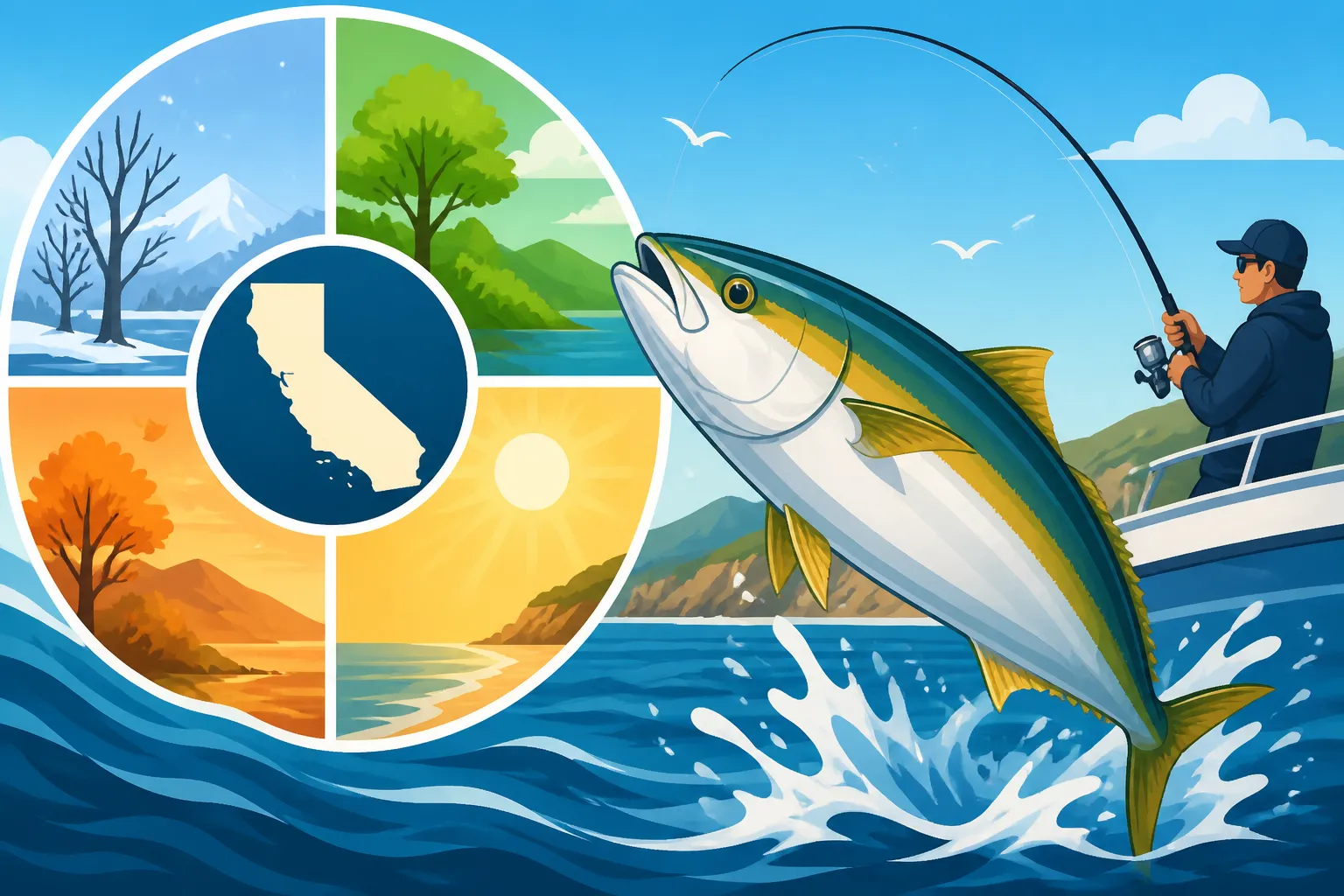
The yellowtail season typically kicks off in earnest during the spring, usually starting around March or April, especially in the southernmost parts of the state like San Diego. These early arrivals are often referred to as "firecracker" yellowtail – smaller, more aggressive fish in the 8 to 15-pound range. They tend to school up and can offer some incredible action, particularly on surface iron or fly-lined baits. The bite can be a bit hit-or-miss at first, largely dependent on how quickly ocean temperatures climb and if the bait schools are moving into our waters.
As spring transitions into early summer, from May through July, the yellowtail population usually grows, and they spread out a bit more. This is when you'll find them around kelp beds, offshore banks, and even closer to shore in certain areas. It's a fantastic time for various techniques, from casting lures to using live bait, and even trying your hand at How to Catch Yellowtail in California with surface iron. Many anglers consider June and July to be a sweet spot before the full summer crowds arrive, offering stable conditions and a healthy chance at a fish.
Late Summer to Fall Bonanza: Larger Fish and Consistent Bites
For many seasoned anglers, the late summer and early fall — typically August through October — represent the absolute pinnacle of the California yellowtail season. This is when the water temperatures are at their warmest and most stable, and the bait concentrations often reach their peak. During this period, you’re not just seeing the smaller firecrackers; you're also encountering larger, more mature yellowtail, often referred to as "hoodlums" or "mossbacks," which can range from 20 to 40 pounds or even more.
These months offer the most consistent fishing, whether you're heading out on a California Offshore Fishing Techniques trip to the outer banks, targeting kelp paddies, or fishing the productive zones around the Channel Islands. The fish are actively feeding, and they can be caught using a variety of methods, including Yo-Yo Jigging for Yellowtail in deeper water or Fly-Lining Bait in California around structure. If you’re planning a dedicated trip to land a trophy yellowtail, this late summer to early fall window is arguably your best bet. Keep a close eye on How to Read California Fishing Reports during this time for the latest hot spots.
Winter Window of Opportunity: The Elusive Offshore Giants
While the primary season winds down by late fall, it's not entirely unheard of to catch yellowtail, even trophy-sized ones, during the winter months in Southern California. This is a much more specialized and less consistent fishery, often taking place further offshore or closer to the US-Mexico border. These are usually larger, solitary fish or small schools that linger, perhaps finding a deep warm water pocket or a consistent food source that others have abandoned.
This winter bite is often tied to specific weather patterns and current conditions, and it requires more patience and often specialized gear. You might find them mixed in with other species on rockfish trips, or specifically targeted by long-range boats that are willing to travel far south. While not the "best" season for sheer numbers, it can sometimes produce the biggest fish for those willing to brave the colder, rougher seas.
Northern California Yellowtail Opportunities
While Southern California is the undisputed heavyweight champion for yellowtail, don't write off the northern parts of the state entirely. Yellowtail are an opportunistic species, and under the right conditions, they can push surprisingly far north. This isn't a guaranteed, annual event, but it's a testament to their migratory nature and their pursuit of favorable conditions.
Occasional Northern Incursions
It's a rare treat, but yellowtail have been caught as far north as Monterey Bay and even off San Francisco during exceptional warm-water years. These occurrences are typically associated with extended periods of warm ocean currents pushing northward, bringing bait and the yellowtail along with them. When these fish show up, it's usually later in the season, often late summer or early fall, after Southern California has had its peak.
Anglers in regions like Monterey or Half Moon Bay might encounter them around offshore islands or banks, or even closer to shore if the conditions are just right. If you hear whispers of yellowtail being caught north of Point Conception, it's worth checking local fishing reports, but remember, these are often sporadic opportunities rather than a reliable, consistent fishery. You won't find charter boats exclusively targeting them in these areas every year, unlike the Best Fishing Charters in San Diego or other Southern California ports.
Water Temperature as the Deciding Factor
For Northern California, water temperature is an even more critical gatekeeper for yellowtail presence. The typical upwelling that brings nutrient-rich, but cold, water to the surface in Central and Northern California is usually a barrier for these warm-water loving fish. However, during strong El Niño years, when warmer waters extend much further north along the coast, the yellowtail follow.
These El Niño events can temporarily shift the marine environment, creating a window for species like yellowtail and even Dorado to venture into areas where they are normally absent. Monitoring long-term oceanographic forecasts and anomalies in sea surface temperatures becomes vital for Northern California anglers hoping to intercept one of these rare northern visitors. It's a reminder that global weather patterns play a huge role in local fishing.
Factors Influencing Yellowtail Presence
Beyond the broad strokes of warm water and bait, several dynamic oceanographic factors constantly influence where and when yellowtail decide to show up in California. These elements create a complex puzzle that anglers try to solve every season.
Ocean Currents and Upwellings
The Pacific Ocean off California is a dynamic system of currents, most notably the cold California Current flowing south and the warmer Davidson Current flowing north, particularly in winter. Yellowtail often ride these currents, using them to conserve energy during their migrations. Furthermore, localized currents can concentrate baitfish, creating feeding zones that attract yellowtail. Areas where currents create "rip lines" or eddies are often prime spots to find these fish.
Upwellings, which bring cold, nutrient-rich water from the deep to the surface, are a double-edged sword. While they fuel the entire food chain, leading to baitfish booms, they also bring colder water that can push yellowtail out of an area. Understanding where and when upwellings occur, and looking for areas where warmer surface waters persist despite them, is key to pinpointing yellowtail concentrations.
El Niño and La Niña Effects
The large-scale climate patterns of El Niño and La Niña have a profound impact on California's marine environment and, by extension, on the yellowtail season.
- El Niño: During an El Niño year, warmer ocean temperatures extend further north along the coast and persist for longer durations. This often translates to a prolonged and enhanced yellowtail season in California, sometimes pushing them into traditionally cooler northern waters. Baitfish distribution can also change, and we often see other warm-water species like dorado and skipjack tuna appearing more frequently. These are usually banner years for offshore fishing.
- La Niña: Conversely, La Niña brings cooler-than-average ocean temperatures to our coast. This can shorten the yellowtail season, push the fish further south, or make them less accessible. Baitfish might also move offshore or south to find more favorable conditions. During strong La Niña events, anglers might need to adjust their expectations, travel further south, or focus on other species that thrive in cooler waters.
These climate cycles operate on multi-year scales, so keeping an eye on long-range forecasts from NOAA can give you a heads-up on what kind of yellowtail season to expect.
Strategic Planning for Yellowtail Success
Knowing the general season is one thing, but consistently finding yellowtail requires a bit more strategic thinking. It’s about being informed, prepared, and adaptable.
Consulting Fishing Reports and Charters
The single most valuable tool for real-time yellowtail information is the daily fishing report. Local sportfishing landings, like those in San Diego or Orange County, publish daily counts of what their boats are catching, along with locations and conditions. Websites and fishing forums are also fantastic resources, offering insights from private boaters who are on the water constantly. Pay close attention to water temperatures mentioned, bait reports, and any specific areas that are producing fish.
Don't hesitate to call up local tackle shops or even the charter offices directly. The folks working there are often anglers themselves and have their pulse on the current bite. They can provide invaluable advice on California Fishing Seasons: Month-by-Month Guide specifics, the best techniques, and what particular bait the fish are keyed in on. Booking a trip on a party boat or a private California Fishing Charters: Complete Guide is often the fastest way to get on the fish, as their captains and crews live and breathe yellowtail fishing.
Gear Up for Any Season
Having the right tackle is non-negotiable for yellowtail. These fish pull hard, and you need gear that can withstand the fight. For the early season firecrackers, a medium-heavy rod paired with a conventional or spinning reel spooled with 25-30 lb test line might suffice. As the season progresses and larger fish arrive, bumping up to 40-50 lb test, and a rod with more backbone, becomes essential, especially when fishing near kelp or structure.
Consider investing in quality lures like surface iron (e.g., Salas, Shimano Coltsniper), yo-yo jigs (e.g., Tady, Iron Man), and a good supply of hooks suitable for live bait. Having a variety of colors and weights for your jigs and lures ensures you’re prepared for different conditions and depths. You can find a huge selection of quality fishing gear on Amazon, which can be delivered right to your door. Don't forget essentials like a good pair of polarized sunglasses to spot kelp paddies and bait, a sturdy gaff or net, and a cooler large enough for your catch.
California Yellowtail Season Overview
Here's a quick look at the typical yellowtail season in Southern California, highlighting key aspects:
| Season | Months | Typical Locations | Average Size | Primary Techniques | Consistency | Notes |
|---|---|---|---|---|---|---|
| Spring | March – May | San Diego, Coronado Islands (Mexico) | 8-15 lbs (firecrackers) | Surface iron, fly-lined anchovies/sardines | Moderate | First arrivals, can be a hot bite if water warms early. |
| Early Summer | June – July | Offshore banks, kelp paddies, Channel Islands | 10-25 lbs | Live bait, surface iron, small jigs | Good | Growing numbers, more widespread, stable conditions. |
| Late Summer | August – September | Offshore banks, kelp paddies, Channel Islands | 20-40+ lbs (hoodlums) | Live bait, yo-yo jigs, surface iron, slow troll | Excellent | Peak season for size and numbers, diverse techniques. |
| Fall | October – November | Offshore banks, kelp paddies | 15-30 lbs | Yo-yo jigs, slow troll, live bait | Good to Moderate | Water cools, fish can school tighter, often deeper. |
| Winter | December – February | Deep offshore banks, far south | 25-50+ lbs (trophies) | Deep yo-yo jigs, heavy live bait, specialized charters | Low | Highly sporadic, requires specific conditions, often larger fish. |
Note: This table represents typical conditions. Actual yellowtail presence is subject to yearly variations in water temperature, bait, and ocean currents.
Beyond the Peak: Early and Late Season Challenges
While the peak season offers the most consistent action, the early and late fringes of the yellowtail run present their own unique set of challenges and rewards. Understanding these can help you manage expectations and adapt your strategies.
Patience and Persistence in Shoulder Seasons
Fishing for yellowtail in March or November can be a game of patience. The fish might be fewer in number, more spread out, or holding in deeper water. It's not uncommon to spend an entire day looking for signs of life without a single bite. This is where persistence pays off. Those who are willing to put in the time, make longer runs, and try different presentations often find success where others might give up.
It also means being ready to switch tactics. If the surface bite isn't happening, maybe they're deeper, requiring Yo-Yo Jigging for Yellowtail. If live bait isn't enticing them, perhaps a larger, more aggressive lure will trigger a reaction strike. The shoulder seasons demand a more thoughtful and adaptable approach, often rewarding the most dedicated anglers with less crowded waters and hard-earned fish. And don't forget your California Fishing Report Cards Explained for species like white sea bass or tuna that might also be around.
Targeting Other Species When Yellowtail Are Scarce
Let's be realistic: not every trip is going to be a yellowtail epic. Especially outside the peak summer-fall window, there will be days when the yellowtail simply aren’t around or aren’t in the mood to bite. This is when flexibility becomes your best friend. Instead of stubbornly chasing ghosts, be prepared to target other fantastic species that California has to offer.
Southern California is renowned for its diverse fishery. If yellowtail aren't cooperating, you could pivot to targeting various rockfish species, lingcod, or even halibut in the bays. For instance, knowing the California Rockfish Depth Restrictions can help you adapt your fishing plan. Further offshore, during certain times of year, bluefin tuna or dorado might be viable targets. Having a backup plan not only increases your chances of catching fish but also ensures a more enjoyable and productive day on the water, even if it's not the specific species you initially set out for. Always remember to check regulations for California Marine Protected Areas Explained before you drop a line to avoid issues.
Disclaimer
Fishing conditions, regulations, and fish behavior can change rapidly. Always consult the latest California Department of Fish and Wildlife (CDFW) regulations before heading out. Information provided in this guide is for general informational purposes only and should not be considered legal or professional advice.