Best Season for Bass in California
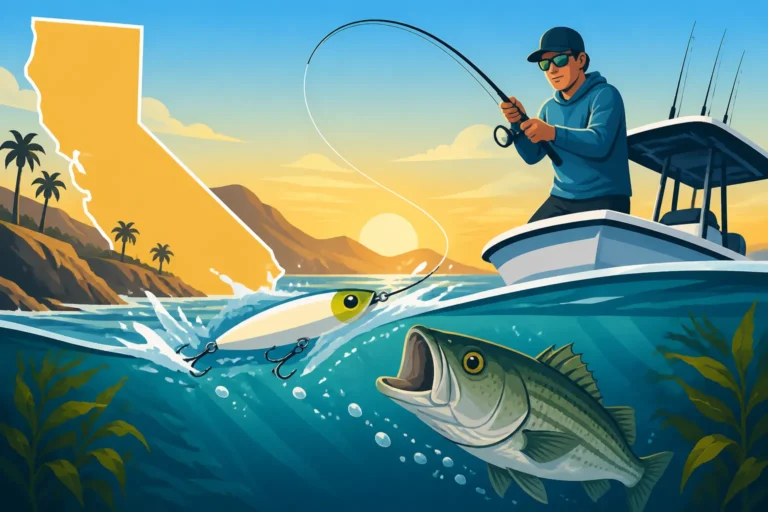
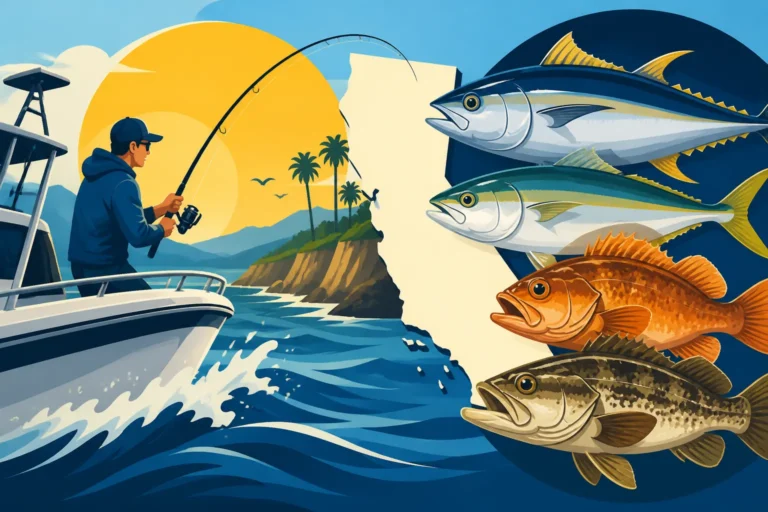
Anyone who's spent more than five minutes trying to hook a bass in California knows the struggle: one day they're biting everything you throw, the next it's like they vanished into thin air. It's not just luck, friends; it's all about understanding the rhythm of the seasons and how it dictates bass behavior. This guide is going to walk you through the nuances of bass fishing throughout the year in California, helping you pinpoint the best times to hit the water and what to expect when you get there.
Understanding Bass Behavior Through the Seasons
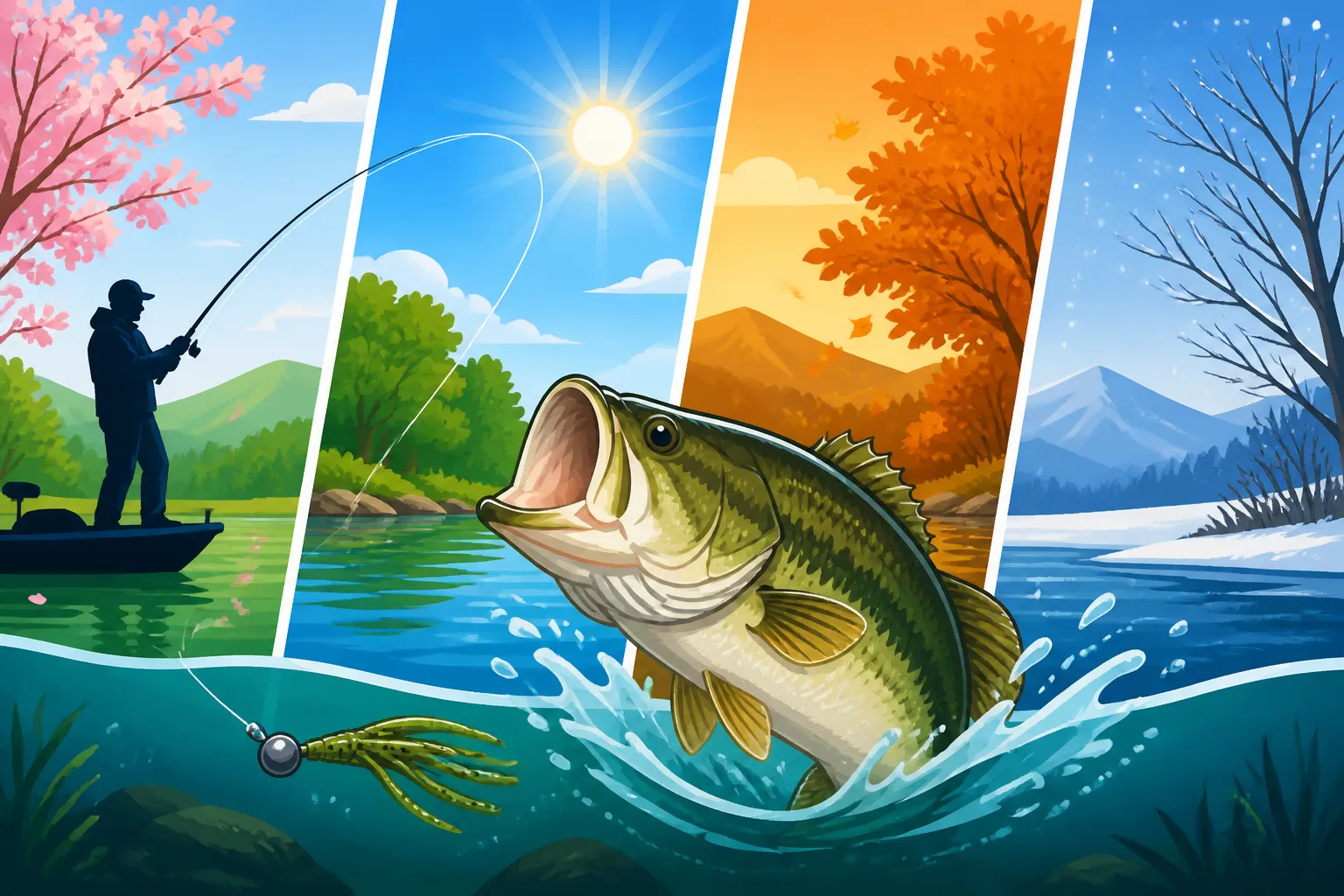
Bass, whether we're talking about largemouth, smallmouth, or spotted bass, are creatures of habit, but their habits shift dramatically with the changing seasons. Their metabolism, feeding patterns, and where they hold in the water column are all tied directly to water temperature and light conditions. If you want to consistently catch them, you've got to think like a bass and anticipate their seasonal moves.
Winter's Chill and Bass Activity
When the cooler months descend upon California, the water temperatures drop, and everything in the bass world slows down. This is often the time when many anglers hang up their rods, mistakenly believing that bass fishing becomes impossible. While it's true that the bite can be tougher, winter bass fishing can actually be incredibly rewarding for those who are patient and strategic. Bass become lethargic; their metabolism slows significantly, meaning they don't need to eat as often. They'll typically move to deeper, more stable water where temperatures are more consistent. Think deep points, submerged humps, old creek channels, and the deepest parts of their preferred cover.
During winter, bass are often schooled up tightly, so if you find one, you're likely to find more. The key is to present baits slowly and precisely. Less is often more. Think about vertical presentations like drop shots, slow-rolled jigging spoons, or even a subtle shaky head. The bites can be incredibly light, feeling more like a subtle weight than an aggressive strike, so a sensitive rod and braided line are your friends. Don't be surprised if you're fishing for hours without a bite, only to hook into several quality fish once you locate that deep school. For more specific guidance, you might want to look into how to fish for bass in winter conditions, which often means focusing on subtle presentations.
Spring's Awakening and the Spawn
Ah, spring! This is arguably the most anticipated season for many bass anglers in California. As the days lengthen and the sun warms the water, bass shake off their winter dormancy and begin their move towards shallower waters for the annual spawning ritual. This transition typically starts when water temperatures hit the mid-50s Fahrenheit, with the actual spawning occurring as temperatures climb into the low 60s. During the pre-spawn phase, bass are hungry and aggressive, gorging themselves to build energy for the rigors of spawning. They'll be found around transition areas, like points leading into coves, rocky banks, and the edges of deeper channels where they can quickly move to warmer, shallower water.
The spawn itself sees male bass building nests in shallow, protected areas, often visible in clear water. Females will then move in to lay eggs, and the males guard the nests ferociously. This is a critical time, and many anglers practice catch-and-release to protect the future of the fishery. Post-spawn, the females are often recuperating in slightly deeper water before they begin to feed aggressively again, while males remain shallow guarding fry. Knowing how to fish for bass during the California spawn timing and tactics will give you a significant advantage, as understanding their protective instincts is key. Soft plastics, especially creature baits and Senkos, are incredibly effective during the spawn, as they mimic intruders near the nest. You can find a vast selection of these on Amazon to stock up for the season.
Summer's Heat and Deep Water Tactics
California summers can be brutal, and the scorching sun significantly impacts bass behavior. As water temperatures soar into the high 70s and even 80s in many lakes and reservoirs, bass seek refuge from the intense heat and bright light. They'll often move to deeper, cooler water, congregating around submerged structure like timber, rock piles, ledges, and deep points. This is when your electronics really shine, helping you locate those offshore holding spots. Early mornings, late evenings, and even night fishing become prime times as bass move shallower to feed under the cover of darkness or reduced light.
During the daytime, presentations that get down deep are essential. Deep-diving crankbaits, heavy jigs, drop shots, and Carolina rigs are go-to choices. Look for areas with current or oxygenated water, like around dam outflows or natural springs, if available. In clear lakes, bass might suspend over deep water, making vertical jigging or slow-trolling effective. Don't forget the importance of shade – thick mats of hydrilla or shaded dock structures can hold surprisingly large bass even in the middle of the day. Learning how to fish California reservoirs in summer heat can be a game-changer for your success.
Fall's Frenzy and Feeding Patterns
For many, fall is second only to spring in terms of exciting bass fishing. As air and water temperatures begin to cool, bass sense the approaching winter and enter a frantic feeding period known as the "fall turnover" or "fall bite." They become incredibly active, chasing baitfish relentlessly to pack on calories for the leaner winter months. Baitfish, like shad, also begin to school up tightly, often moving into shallower creeks and coves, and the bass follow them. This creates incredible opportunities for anglers.
During the fall, bass can be found almost anywhere – from shallow coves to main lake points, chasing schools of baitfish on the surface. Topwater lures, spinnerbaits, crankbaits, and swimbaits are incredibly effective as they mimic these fleeing baitfish. Keep an eye on the surface for signs of schooling bait or bass busting bait. This is a highly visual and aggressive bite, offering some of the most exciting fishing of the year. The key is to match the hatch – use lures that imitate the size and color of the dominant baitfish in the lake. For tips on specific species, exploring topics like the California Bass Spawn Timing and Tactics can provide additional insights, especially if you're targeting largemouth.
Key Factors Influencing Bass Seasons in California
While the general seasonal patterns hold true, California is a vast state with incredible diversity in its fishing environments. From high-desert reservoirs to coastal rivers, several factors can accelerate or delay these seasonal transitions, making it crucial for anglers to pay attention to more than just the calendar.
Water Temperature is King
There’s no getting around it: water temperature is the single most critical factor dictating bass behavior. Bass are cold-blooded, meaning their body temperature mirrors that of the water around them, directly affecting their metabolism, energy levels, and feeding drives. Every major seasonal transition – from winter dormancy to pre-spawn aggression, the actual spawn, summer deep-water retreats, and fall feeding frenzies – is triggered by specific water temperature ranges. A cold snap in spring can push bass back to deeper water, delaying the spawn, while a prolonged warm spell in fall can extend the aggressive feeding period.
Anglers who consistently carry a thermometer or use fish finders with temperature gauges have a significant advantage. Learning the ideal temperature ranges for different bass activities – for instance, 55-60°F for pre-spawn, 60-68°F for spawning, and anything above 75°F typically sending them deep – will guide your approach more reliably than any calendar date. For example, if you're fishing a northern California lake after a warm front, you might expect bass to move shallower sooner than in a cooler, high-elevation reservoir. Understanding these nuances is key to knowing the Best Time of Year to Catch Largemouth Bass in California.
Forage Availability and Migration
Bass are predators, and their movements are inherently tied to the availability and movement of their primary food sources. In many California lakes, this means shad, crawfish, sunfish, and even smaller trout or kokanee salmon. When baitfish schools are abundant and active, bass will follow them. If the shad are pushed into coves by cooling water temperatures in the fall, you can bet the bass won't be far behind. Similarly, during the spring, crawfish become more active as water warms, and bass will gorge on them, making crawfish-imitating baits incredibly effective.
Understanding the forage base in the specific lake you're fishing is vital. Does the lake have a strong shad population? Are crawfish abundant in rocky areas? Do trout get stocked regularly? These factors will influence not only where the bass are but also what baits and lures will be most effective. Observing the activity of baitfish (or lack thereof) can tell you a lot about what the bass are doing, even if you can't see the bass themselves. You can often scout new areas for baitfish activity before even making a cast.
Weather Patterns and Frontal Changes
Beyond just temperature, overarching weather patterns and sudden frontal changes can have a profound impact on bass fishing. A stable, warm weather pattern often means predictable fishing, as bass settle into their routines. However, the passage of a cold front, characterized by sudden drops in temperature, clear skies, and high pressure, can shut down the bite almost instantly. Bass tend to become less aggressive, often moving deeper or tighter to cover, and can be notoriously finicky for a day or two after a strong front.
Conversely, a warm front or approaching low-pressure system (often bringing cloudy skies and light rain) can sometimes trigger a feeding frenzy, especially during pre-spawn or fall. The changing barometric pressure and reduced light penetration seem to make bass more comfortable moving into shallower water to feed. Learning how weather affects California fishing is a skill that comes with experience, but it’s a crucial one for consistent success. Always check the forecast before you go, and be prepared to adjust your tactics based on what the weather is doing, not just what the calendar says.
Regional Nuances: Bass Fishing Across California's Diverse Waters
California's landscape is incredibly varied, offering a huge range of bass fishing opportunities, from vast inland deltas to clear mountain reservoirs. Each region, and often each individual lake, will have its own micro-climate and unique characteristics that affect how and when bass behave. What works in a sprawling valley lake might not work in a compact, clear mountain reservoir.
Northern California Lakes and Rivers
Northern California boasts some of the most famous bass fishing destinations in the state. Clear Lake, often hailed as the "Bass Capital of the West," offers incredible largemouth bass fishing almost year-round, though spring and fall are particularly renowned for trophy fish. Lake Shasta and Lake Oroville provide diverse opportunities for largemouth, smallmouth, and spotted bass, with vast expanses of deep, clear water. The Sacramento-San Joaquin River Delta, a sprawling network of sloughs and channels, is a fantastic spot for giant largemouth and stripers, with a different set of challenges and opportunities than the clear-water lakes.
In these northern waters, the seasons tend to be more pronounced than in the south. Winters can be colder, pushing bass deeper for longer, while springs explode with intense spawning activity. The sheer size and complexity of places like the California Delta require specific approaches; tidal influences, abundant aquatic vegetation, and a maze of channels mean that bass hold in different types of cover. For instance, the Best Time to Fish Clear Lake for bass is often in early spring for sight fishing or fall for reaction baits. Anglers often focus on specific structures like tule berms, riprap, or submerged islands. Make sure you're aware of the California Freshwater Fishing Regulations before heading out to any of these spots.
Southern California Reservoirs
Southern California is dotted with numerous man-made reservoirs that are meticulously managed for recreational fishing, often producing impressive numbers and sizes of bass. Lakes like Castaic Lake, Diamond Valley Lake, and Lake Perris are known for producing massive largemouth bass, sometimes in excess of 15 pounds. These lakes often have clearer water and can experience warmer average temperatures throughout the year compared to their northern counterparts.
Due to the generally milder winters, the bass season might extend longer into the cooler months, and the spawn can start earlier. However, the intense summer heat also means bass in these reservoirs will quickly retreat to deeper water, often suspending over immense depths or holding tight to rock piles, submerged timber, or deep creek channels. Techniques like deep jigging, drop-shotting, and slow-rolling swimbaits are critical for summer success. Pay attention to specific lake rules, as many southern California reservoirs have unique regulations regarding bait, boat access, or horsepower limits. For example, understanding how to fish Castaic Lake: Fish Species and Best Spots can significantly improve your outing.
Central Valley and Coastal Influences
The Central Valley, with its vast agricultural lands, is bisected by major river systems like the San Joaquin River and the myriad sloughs of the Delta. Here, bass fishing often blends aspects of both riverine and reservoir techniques. These waters can be shallower, muddier, and highly influenced by water draw-downs and irrigation schedules. Largemouth bass thrive in the warmer, nutrient-rich environments, often hiding in dense aquatic vegetation.
Along the coast, while primarily known for saltwater species, some freshwater lakes and lagoons exist that hold bass. However, the most significant coastal influence on bass fishing comes from weather patterns that move inland. Coastal fog can keep temperatures down, affecting the timing of seasonal changes in nearby inland waters. Anglers in areas like the Russian River might experience different seasonal timings compared to anglers further inland. The constant push and pull of coastal weather systems can create unique patterns that require local knowledge to truly master. For more on localized rules, reading up on California Fishing Regulations by Region is highly advisable.
Essential Gear and Tackle for Seasonal Bass Fishing
Having the right gear isn't just about having the fanciest rod; it's about having the appropriate tools for the conditions and the specific bass behavior you're targeting. Just like you wouldn't use a sledgehammer for a finishing nail, you wouldn't throw a giant topwater in the middle of winter. Matching your tackle to the season dramatically increases your chances of success.
Cold Water Gear and Presentations
When the water is cold, bass are sluggish, and their bites are incredibly subtle. This means your gear needs to be dialed in for sensitivity.
- Rods: Look for spinning or casting rods with a fast to extra-fast action and a medium-light to medium power. Graphite rods excel here for their sensitivity, allowing you to feel even the lightest "thump."
- Reels: Smooth, reliable spinning reels are often preferred for finesse techniques, while a quality baitcasting reel with a high gear ratio can help pick up slack quickly on deep presentations.
- Line: Fluorocarbon line is a winter favorite due to its low stretch, high sensitivity, and near invisibility underwater. You might also pair braid with a fluorocarbon leader for improved feel.
- Lures:
- Jigs: Finesse jigs (1/4 oz to 1/2 oz) in black/blue or brown, slowly hopped along the bottom.
- Drop Shots: Small worms or minnow-imitating baits, presented vertically and meticulously.
- Jigging Spoons: Metallic spoons (1/2 oz to 1 oz) vertically jigged over deep schools.
- Blade Baits: Small, vibrating metal baits like the Heddon Sonar, effective for generating reaction bites.
- Suspending Jerkbaits: These can be deadly when retrieved with long pauses, mimicking a dying baitfish.
- Apparel: Don't forget layers! A warm, waterproof jacket, thermal base layers, and good gloves are essential for staying comfortable on the water. Many anglers find reliable and affordable cold-weather fishing gear on Amazon.
Spawning Season Lures and Baits
During the pre-spawn and spawn, bass are either aggressively feeding or fiercely protective. Your lure selection should reflect these instincts.
- Rods: Medium-heavy to heavy power casting rods for pitching and flipping, or a fast-action spinning rod for weightless plastics.
- Reels: Baitcasting reels with a moderate to high gear ratio (6.1:1 to 7.1:1) are versatile for various presentations.
- Line: Fluorocarbon (12-20 lb) for pitching or skipping into cover, or braided line (30-50 lb) for heavy vegetation with a fluorocarbon leader.
- Lures:
- Soft Plastics: Senkos, creature baits (like Brush Hogs or Speed Craws), tubes, and lizards are phenomenal for targeting bedding bass or pre-spawn fish.
- Jigs: Flipping and pitching jigs (3/8 oz to 1 oz) with craw-imitating trailers.
- Spinnerbaits & Chatterbaits: Excellent for covering water during pre-spawn when bass are actively hunting.
- Squarebill Crankbaits: Work well in shallow, rocky areas where bass are staging.
- Swimbaits: Smaller swimbaits, either Texas-rigged or on a jig head, can be very effective for cruising pre-spawn fish.
- Other: Polarized sunglasses are absolutely critical for sight fishing during the spawn. You can find excellent options on Amazon to spot those beds.
Warm Water Tackle and Techniques
When summer heat arrives, bass often go deep, requiring tackle that can effectively present lures in the deeper water column or penetrate dense cover.
- Rods: Heavy power, fast action casting rods for punching mats or flipping heavy jigs. Medium-heavy rods for deep cranking or Texas rigging.
- Reels: High-speed baitcasting reels (7.1:1 or higher) are great for quickly retrieving slack or getting a fish out of heavy cover.
- Line: Heavy fluorocarbon (15-25 lb) for deep cranking or Texas rigs. Braided line (50-65 lb) is essential for punching mats or frogging in thick vegetation.
- Lures:
- Deep-Diving Crankbaits: Lures that can reach 15-25+ feet, mimicking shad or crawfish.
- Heavy Jigs & Football Jigs: For fishing ledges, humps, and rock piles in deep water.
- Texas Rigs & Carolina Rigs: Worms and creature baits for fishing bottom structure in various depths.
- Topwater Lures: Frogs, poppers, and walking baits are deadly in low light conditions or over matted vegetation.
- Swim Baits: Larger paddle tail swimbaits fished on heavy jig heads or internal weights.
- Punch Rigs: Heavy tungsten weights (1 oz+) with stout hooks and compact creature baits for penetrating thick grass mats.
- Electronics: A good fishfinder with side imaging and down imaging is invaluable for locating deep structure and suspended fish. Learning how to read fishing reports and understand what conditions are being reported in specific areas, especially in hot weather, can be highly beneficial.
Maximizing Your Bass Fishing Success Year-Round
Bass fishing in California isn't a "one-and-done" affair. It's a continuous learning process, adapting to conditions, and refining your techniques. Even when you've got the seasonal patterns down, there's always more to learn and subtle changes to observe.
Reading the Water and Local Reports
One of the biggest mistakes an angler can make is showing up to a new lake or river without doing some homework. Local knowledge is invaluable. Start by checking recent fishing reports from reliable sources – local tackle shops, online forums, or even official park websites often provide updates. These reports give you crucial insights into what's currently biting, what depths fish are being caught at, and what lures are working. Pay attention to water clarity, recent weather changes, and water levels, as these can drastically affect bass behavior.
More than just reports, learn to "read the water" yourself. Look for changes in water color, current seams, ripples from baitfish activity, diving birds, or any visible cover like submerged trees or rock outcroppings. The presence of algae blooms or trash lines can also indicate where baitfish might be congregating, which in turn means bass. Even small details, like a patch of darker water that indicates deeper shade or a slight ripple on an otherwise calm surface, can give you a clue to where bass might be holding. Remember that conditions can change rapidly, so be observant throughout your fishing day.
Adaptability is Your Best Friend
No two fishing days are exactly alike, even in the same season on the same lake. Bass are finicky creatures influenced by myriad factors. The angler who sticks rigidly to one technique or one spot, even if it worked yesterday, is often the one who goes home frustrated. True success in bass fishing comes from adaptability. If your topwater bite isn't happening in the morning, don't be afraid to switch to a jig or a deep crankbait. If the fish aren't on the main lake points, try moving into a nearby cove.
Carry a diverse selection of baits and lures, covering different depths and presentations. Have both finesse and power fishing options ready. Experiment with different retrieve speeds, colors, and sizes. Sometimes, the slightest change – a subtle twitch of the rod, a different retrieve cadence – can unlock the bite. Don't be afraid to try something completely new, especially if what you're doing isn't producing. This willingness to adapt, to constantly problem-solve on the water, is what separates consistently successful anglers from those who only catch fish on "good days."
Conservation and Sustainable Practices
As dedicated anglers, we have a responsibility to protect California's incredible bass fisheries for future generations. This means practicing sound conservation and sustainable fishing techniques.
- Catch and Release: Especially during the spawning season, or for trophy-sized bass, consider releasing fish to ensure they can reproduce and grow. If you do keep fish, adhere strictly to the California Bass Fishing Regulations regarding bag and size limits.
- Proper Fish Handling: Minimize stress on released fish. Handle them gently with wet hands, support their weight, and use appropriate tools like lip grippers if necessary. Revive exhausted fish by holding them gently in the water, allowing water to pass through their gills, until they can swim away on their own.
- Leave No Trace: Pack out everything you pack in. Dispose of all fishing line, bait containers, and trash properly. Never leave hooks or lures where they can harm wildlife.
- Report Violations: If you witness illegal fishing activity or pollution, report it to the California Department of Fish and Wildlife.
By adopting these practices, we ensure that the "Best Season for Bass in California" isn't just a concept for today, but a reality for many years to come. Understanding California Fishing License Requirements for Visitors and residents alike, as well as being familiar with the specific rules like the California Bass Fishing Regulations, is paramount.
| Season | Typical Water Temperature Range | Bass Behavior | Preferred Locations | Recommended Lures/Baits |
|---|---|---|---|---|
| Winter | 45-55°F | Lethargic, schooled up, deep | Deep points, channels, humps, stable cover | Jigging spoons, drop shots, finesse jigs, suspending jerkbaits |
| Spring (Pre-Spawn) | 55-62°F | Aggressive feeding, moving shallow | Points leading to coves, rocky banks, channel edges | Spinnerbaits, squarebill crankbaits, jigs, lipless crankbaits |
| Spring (Spawn) | 62-68°F | Nesting, protective, shallow | Shallow coves, protected flats, visible beds | Soft plastics (Senkos, creature baits), tubes, finesse jigs |
| Spring (Post-Spawn) | 68-75°F | Recuperating (females), guarding fry (males) | Slightly deeper points, submerged cover near beds | Topwater (for males), swimbaits, slower moving plastics |
| Summer | 75°F+ | Deep water refuge, nocturnal feeding | Deep structure (ledges, timber, humps), shade, current | Deep crankbaits, heavy jigs, Texas rigs, drop shots, topwater (low light) |
| Fall | 60-75°F | Aggressive feeding, chasing bait | Main lake points, creek channels, coves, surface | Topwater, spinnerbaits, crankbaits, swimbaits, chatterbaits |
Disclaimer
The information provided in this guide is for general informational purposes only and is subject to change. Fishing regulations, seasons, and conditions in California can vary significantly by location and year. Always consult the latest official California Department of Fish and Wildlife regulations and local advisories before engaging in any fishing activity.