How to Catch Tuna on a California Party Boat
The thought of heading out on a California party boat to chase tuna can be both exhilarating and a little bit daunting, especially if you're picturing a deck swarming with seasoned anglers and feeling unsure about how you'll even get a line in the water. It’s a common worry to feel like a fish out of water (pun intended!), wondering if you have the right gear or the know-how to actually land one of these powerful offshore fighters. But don't you fret! This comprehensive guide is here to walk you through everything you need to know, from preparation to triumphant catch, so you can step onto that boat with confidence and truly enjoy the thrill of tuna fishing.
Getting Your Gear and Mindset Ready for Tuna
Before you even think about stepping foot on a boat, a little preparation goes a long way. This isn't your casual pier fishing trip; offshore tuna demand respect, both in terms of your tackle and your mental readiness. The right equipment can make all the difference between a memorable fight and a heartbreaking break-off.
Essential Rods and Reels for Offshore Tuna
When you’re targeting California tuna, whether it's the hard-fighting Bluefin or the speedy Yellowfin, your rod and reel setup is paramount. Most party boats will have rental gear available, and for your first trip, that's often a fantastic option to get a feel for what works without a huge upfront investment. However, if you're serious about getting into tuna fishing, investing in your own gear can enhance your experience significantly.
You'll want a sturdy, conventional reel spooled with at least 80-pound braided line, topped with a 60 to 100-pound fluorocarbon leader. A good quality reel like a Penn Fathom or an Okuma Makaira in a 30 or 40 size offers the cranking power and drag needed to stop a determined tuna. Pair this with a heavy-duty rod, typically 7 to 8 feet long, with a fast action and a strong backbone capable of handling heavy lines. A common setup would be a Seeker or Calstar jig stick. You're not just casting; you're often "fly-lining" live bait, which means a smooth casting ability is still important. Don't forget to have a second setup rigged lighter, perhaps with 40 or 50-pound test, for smaller tuna or when they're being finicky. You can often find great deals on these kinds of setups, and many anglers start by browsing options on Amazon to compare prices and reviews before committing. Remember, a solid drag system is your best friend when a tuna decides to run.
Proper Clothing and Personal Essentials
Offshore weather can be incredibly unpredictable, even on a sunny California day. One minute it's calm and warm, the next you're drenched from a rogue wave or chilly from the ocean breeze. Layers are your absolute best friend. Start with a moisture-wicking base layer, add a warm mid-layer like a fleece or hoodie, and top it off with waterproof and windproof outerwear. A good pair of non-slip deck boots or shoes is crucial for safety on a wet, rocking boat. Trust me, slipping around is no fun and can be dangerous.
Beyond clothing, don't forget the essentials. Sun protection is non-negotiable: a wide-brimmed hat, polarized sunglasses, and high SPF sunscreen. The sun's reflection off the water intensifies its rays. Bring plenty of water and some snacks, even if the boat offers food. And if you're prone to seasickness, take medication like Bonine or Dramamine before you board, not when you start feeling queasy. Ginger chews can also be a lifesaver. A small, waterproof bag for your phone, wallet, and keys is also highly recommended. For more details on what to pack, check out our guide on what to Bring on a California Fishing Charter.
Mastering the Techniques Onboard
Once you're on the boat and heading offshore, the real adventure begins. Tuna fishing on a party boat isn't just about dropping a line; it's a dynamic dance of anticipation, quick reactions, and physical endurance. Knowing what to do when the captain yells "Bait stop!" or "Tuna!" can dramatically increase your chances of success.
Live Bait Selection and Presentation
Most California party boat tuna fishing relies heavily on live bait, primarily anchovies or sardines, sometimes mackerel depending on the season and what's available. When the bait receiver opens, you'll see a flurry of activity as anglers scoop up their chosen offerings. The key here is to select healthy, lively baitfish. Look for bait that swims actively, has shiny scales, and isn't lethargic or damaged.
Presenting your live bait correctly is an art form. You'll typically be fly-lining, which means using no weight or a very light sliding sinker to allow the bait to swim naturally away from the boat. Hook your anchovy or sardine through the nose, the "collar" behind the head, or just in front of the dorsal fin, depending on how frisky the bait is and how you want it to swim. A nose hook allows for a natural swim, while a dorsal hook can make it dive deeper or swim more erratically, attracting attention. Cast your bait gently, trying not to stun it, and let it swim freely. Pay attention to how the bait swims – a nervous, erratic swim can often signal a predator nearby. Sometimes, when the tuna are deeper, you might need to use a small lead weight to get your bait down into the strike zone. Your deckhands are a wealth of knowledge here, so don't hesitate to ask them for tips on the day's preferred baiting technique.
Casting, Retrieval, and the Tuna Fight
When the captain or deckhand spots a tuna school, things can happen fast. They'll often yell "Cast!" or point out the direction. Get your bait in the water quickly but carefully. Once your bait is swimming, keep your bail open (on a spinning reel) or your thumb lightly on the spool (on a conventional reel) to allow the bait to move freely. A tuna strike is often violent – your line might suddenly zip off the reel, or you'll feel a solid thud. When this happens, engage your drag smoothly and set the hook with a firm, sweeping motion of your rod.
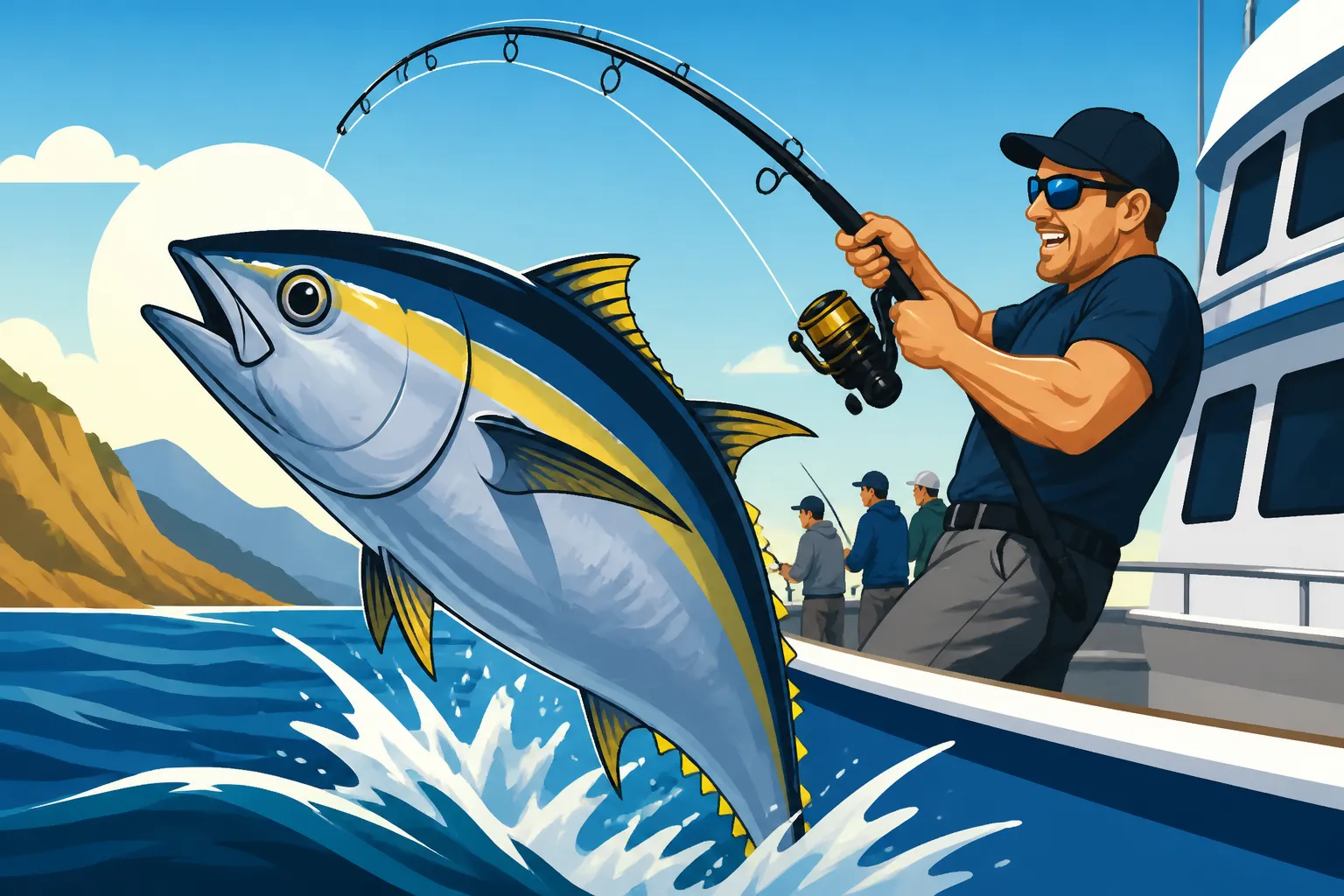
Then the fight truly begins. Tuna are incredibly powerful fish, known for their blistering runs and deep dives. Keep your rod tip up, pointed towards the fish, and maintain constant pressure. Pump the rod by lifting it, then reeling down quickly to gain line. Avoid "high-sticking" (pointing the rod straight up) or trying to horse the fish in too quickly, as this can break your line or even your rod. A common strategy is to stay "bent" – meaning your rod is always under pressure from the fish. If a tuna makes a long run, let it take line, but keep steady pressure. Be mindful of other anglers and try to keep your line clear; communicate with those around you. The deckhands are incredible at helping untangle lines and gaffing fish, so listen to their instructions. Learning how to Catch Bluefin Tuna off California is a specific skill, and it largely comes down to practice and listening to the crew.
Understanding California's Tuna Species and Seasons
California's waters are a hotspot for several species of tuna, each with its own preferred season and fighting style. Knowing what to expect and when can help you plan your trip and manage your expectations.
Common Tuna Species Targeted
The "Big Three" tuna species you're most likely to encounter on a California party boat are Bluefin, Yellowfin, and Albacore.
- Bluefin Tuna: These are often the most sought-after and can be absolute monsters, ranging from smaller "footballs" to giants well over 200 pounds. Bluefin are known for their incredible power and stamina, making them an epic fight. They typically show up off Southern California, particularly out of ports like San Diego and Dana Point, usually from late spring through fall, though their presence can be unpredictable year to year. Check out our guide on how to Catch Bluefin Tuna off California for more in-depth strategies.
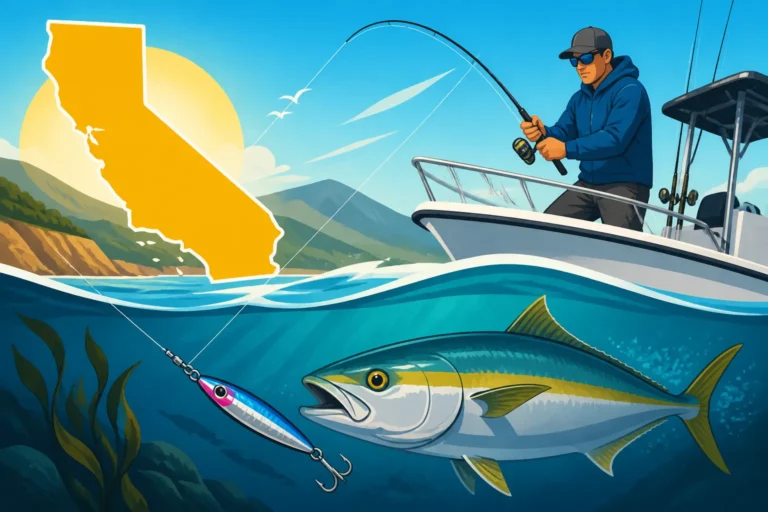
- Yellowfin Tuna: Identified by their distinctive yellow fins (hence the name!), Yellowfin are fast and strong, putting up a formidable fight with long, powerful runs. They tend to be found in warmer waters further offshore, making them a common target on longer-range trips. Sizes can vary significantly, from 20-pounders to fish over 100 pounds. They often appear from summer into early fall. For specific strategies, refer to our article on California Yellowfin Tuna in California: Where and How to Catch.
- Albacore Tuna: Often called "longfin tuna" due to their exceptionally long pectoral fins, Albacore are smaller than Bluefin or Yellowfin, usually in the 15-40 pound range, but they are incredibly tenacious fighters. They're also highly prized for their delicious white meat. Albacore are pelagic and migrate, typically showing up in California waters from summer through early fall. They're often targeted on longer 1-day or 1.5-day trips. Our guide on California Albacore Tuna in California: Where and How to Catch has more details.
Best Seasons and Conditions for Tuna Fishing
The tuna season in California is largely dictated by water temperature and bait availability, and it can fluctuate year to year. Generally, the prime window for offshore tuna fishing runs from late spring through early fall, roughly May to October.
Here's a quick overview of what to expect:
| Species | Peak Season (General) | Typical Size Range (lbs) | Notes |
|---|---|---|---|
| Bluefin Tuna | May – October | 20 – 300+ | Powerhouses, unpredictable presence, often found closer to shore in good years. |
| Yellowfin Tuna | July – October | 20 – 100+ | Fast, strong, warmer water fish, more common on longer trips. |
| Albacore Tuna | July – September | 15 – 40 | Excellent eating, tenacious fighters, often found further offshore. |
It's important to keep an eye on current fishing reports from local sportfishing landings. These reports will give you the most accurate picture of what's being caught, where, and what the water conditions are like. Weather conditions play a huge role too; calm seas are always preferable, but tuna can be found in a variety of conditions. Warm water currents, often associated with El Niño years, can bring these pelagic species closer to shore and extend the season. Our comprehensive guide on California Bluefin Tuna Season Explained offers even more specific timing.
Maximizing Your Success and Enjoying the Trip
Fishing on a party boat is a unique experience. It’s a community effort, and understanding the unwritten rules and making the most of the crew’s expertise can significantly improve your trip.
Party Boat Etiquette and Respecting Fellow Anglers
A party boat, also known as an "open party" boat, is a shared space where everyone is chasing the same goal: catching fish. Good etiquette ensures a smooth and enjoyable trip for everyone. First and foremost, respect other anglers' space. When casting, look around to make sure you won't tangle lines. If you get tangled, calmly work with the other angler to resolve it, or politely ask a deckhand for assistance. Do not cast over someone else's line.
When a fish is hooked, especially a large tuna, it's crucial to be aware of your surroundings. If a fish runs under another angler's line, they might need to "pass" their rod over or under yours. Listen to the deckhands' calls; they're experts at managing these situations. Keep your bait and tackle organized and out of the way. And for goodness sake, if you smoke, do so only in designated areas and be mindful of others. Nobody wants to smell cigarette smoke while trying to enjoy the fresh ocean air. Lastly, understand that deckhands are working hard – a little politeness goes a long way. For more detailed insights into boat conduct, read our guide on California Party Boat Etiquette.
Interacting with Deckhands and Fish Handling
The deckhands are the unsung heroes of any party boat trip. They're up before you, prepping the boat, helping with bait, untangling lines, gaffing fish, and keeping the deck safe. They are your primary resource for real-time fishing advice. Don't be shy to ask them for tips on rigging, bait presentation, or where the fish are biting best on the boat. They see thousands of fish caught and know the nuances of the day.
Once you've successfully brought a tuna to the boat, the deckhand will likely gaff it. Follow their instructions precisely to ensure both your safety and a clean catch. After the fish is onboard, they'll usually bleed it out and place it in the fish hold. This proper handling is crucial for the quality of the meat. Before you leave, remember that deckhands work largely for tips, which are a reflection of their hard work and your appreciation. A customary tip is 15-20% of your ticket price, especially if they went above and beyond. Learning about Tipping on a California Fishing Charter will prepare you well.
Cleaning Your Catch and Future Trips
At the end of the trip, the deckhands will often offer fish cleaning services, usually for a small fee per fish. This is a convenience many anglers appreciate, saving them the messy job at home. They'll typically fillet and bag your fish for you. If you choose to clean your own, make sure you have appropriate coolers and ice to keep your catch fresh on the journey home. Tuna is delicious fresh, grilled, seared, or even prepared as sashimi!
Once you've experienced the thrill of catching tuna on a party boat, you might find yourself hooked! There are many types of trips available, from half-day excursions to multi-day long-range adventures. Explore our article on California Deep Sea Fishing Charter Guide to see the wide array of options. Whether you're chasing the next big Bluefin or just enjoying a day on the water, remember that every trip is a learning experience. Don’t hesitate to try different techniques or ask questions, because that’s how we all learn and grow as anglers. For a comprehensive overview of all the options, our main guide on California Fishing Charters: Complete Guide is an excellent resource.
Disclaimer
Fishing involves inherent risks, including but not limited to, adverse weather conditions, marine life encounters, and injuries from equipment. Always exercise caution and follow the instructions of the boat captain and crew. Regulations regarding fishing licenses, bag limits, and seasons are subject to change. It is your responsibility to check the latest California Department of Fish and Wildlife regulations before each trip.