California Topwater Fishing Tips and Techniques
There’s nothing quite like the heart-stopping explosion of a fish breaking the surface, smashing a topwater lure you’re painstakingly working. That sudden, violent strike can turn even the most patient angler into a jittery mess, and sometimes, the frustration of a missed hookset can overshadow the thrill. This guide is all about honing your skills, understanding the nuances of California's diverse waters, and helping you master the exciting world of California topwater fishing tips and techniques so you can turn those splashes into landed fish.
The Undeniable Appeal of Topwater Fishing in California
For many of us, topwater fishing isn't just a technique; it's a passion, an addiction even. The visual aspect of it—watching a lure dance on the surface, seeing a wake appear behind it, and then experiencing that explosive strike—is something truly special. It elevates fishing beyond just feeling a tug on the line; it’s a full sensory experience.
Why Anglers Obsess Over Topwater Strikes
Let's be honest, we've all been there. You're casting a crankbait or a jig, feeling for subtle bites, and it's effective, no doubt. But then you tie on a frog or a popper, cast it out, and suddenly, the water erupts. It's a primal, visceral reaction from the fish, and it taps into something deep within us. That immediate, visible feedback loop of a fish hunting and then attacking your lure right before your eyes is incredibly exciting. It's not just the catch; it's the hunt, the chase, and the spectacular finish. Topwater fishing offers a dynamic, engaging experience that often makes for some of the most memorable days on the water.
Beyond the sheer adrenaline, there's a certain finesse and skill involved in enticing a fish to commit to a surface strike. You're not just presenting a meal; you're creating a commotion, mimicking injured prey or an unsuspecting insect, and drawing the fish's attention from below. This interaction, the cat-and-mouse game between angler and fish, is what makes topwater so captivating. It's a testament to good presentation and the right lure choice when a fish, often a large one, decides to launch itself out of the water to inhale your offering.
The Unique Challenges of California's Topwater Scene
California is a fantastic place to fish, but it’s incredibly diverse, from expansive freshwater lakes to vast saltwater coastlines, and each environment presents its own set of challenges for topwater enthusiasts. In our freshwater systems, you might be dealing with clear, highly pressured waters where bass are wary, or thick vegetation in the California Delta where a snag is just a cast away. The weather can change quickly, impacting water temperatures and fish activity. Think about the hot, still days on Clear Lake or Diamond Valley Lake where bass might be sluggish, making them tougher to coax to the surface.
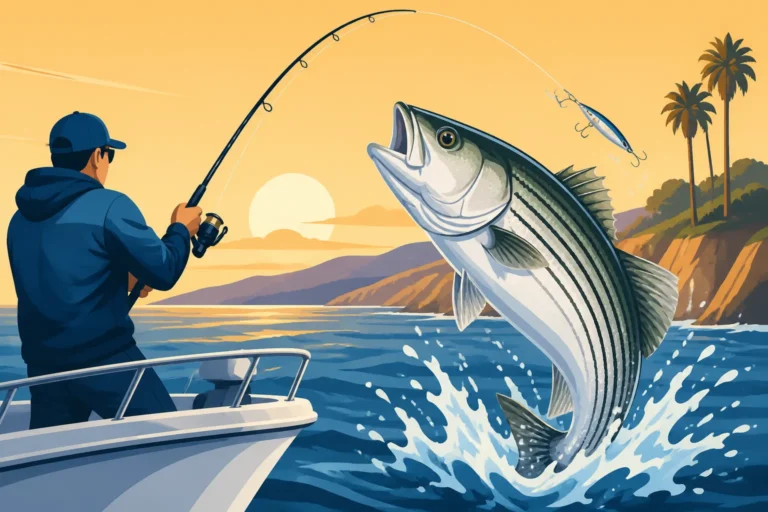
Then you head to the coast, and it’s a whole new ballgame. Saltwater topwater often means bigger fish, stronger currents, and different types of structure, like kelp beds or rocky shorelines. The wind can make casting a challenge, and the sheer vastness of the ocean can make locating feeding fish a puzzle. Targeting species like yellowtail or stripers on topwater requires understanding tidal movements, baitfish patterns, and how to effectively present a large, noisy lure in open water. It's a constant learning curve, but that's part of what makes it so rewarding when you figure it out.
Essential Gear for California Topwater Success
Having the right tools for the job can make a world of difference when you're trying to fool a fish into biting on the surface. From the rod that delivers a perfect cast to the lure that mimics its prey, every piece of your setup plays a crucial role in successful topwater fishing.
Rod and Reel Combinations for Surface Action
When it comes to topwater, you want a rod that has enough backbone to cast those often lightweight, aerodynamic lures a good distance, but with a tip sensitive enough to impart the subtle actions needed for walking a dog or twitching a popper. Generally, a medium-heavy to heavy power rod with a fast to moderate-fast action is ideal for most freshwater bass applications. This provides the power to drive a hook through a fish's jaw from a surface strike, while the tip still allows for that nuanced lure manipulation. For freshwater, a 6'6" to 7'6" rod is usually the sweet spot. Brands like Dobyns, St. Croix, or Shimano offer excellent options that are widely available, even on platforms like Amazon.
For saltwater topwater, especially when targeting bigger species like yellowtail or larger stripers, you'll want to step up your gear. A heavier power rod, often 7' to 8' in length, designed for casting larger plugs and stickbaits is key. These rods need serious lifting power to handle strong, fast-running fish. Pairing these rods with a sturdy baitcasting reel (for freshwater) with a gear ratio of 7.0:1 or higher is beneficial as it allows you to quickly pick up slack line after a strike or when working the lure rapidly. For saltwater, a robust spinning reel or a larger conventional reel with strong drag and good line capacity is a must.
Line Choices and Terminal Tackle Considerations
Your line choice is critical for topwater success. For most freshwater applications, especially with bass, a monofilament line in the 10-20 lb test range is a popular choice. Mono floats, which helps keep your topwater lure on the surface and allows for easier "walk-the-dog" actions. It also has a bit of stretch, which can be forgiving on aggressive surface strikes, helping prevent hooks from tearing out. Fluorocarbon, which sinks, is generally avoided for pure topwater but can be used as a short leader if needed, though it's not ideal for the main line.
Braided line, on the other hand, offers incredible strength, sensitivity, and zero stretch, making it excellent for long casts and punching through heavy cover with frog lures. The downside is that it doesn't float as well as mono and can sometimes cause lures to "dig in" too much if not managed properly. If you're using braid, consider using a monofilament leader (around 2-3 feet) to help with presentation and to add a bit of stretch, especially in clear water. For saltwater, braided line is almost a given due to its strength-to-diameter ratio, allowing for longer casts and battling larger fish. You’ll almost always tie a fluorocarbon leader (20-60 lb test, depending on the target species) to your braid for abrasion resistance and stealth. Ensure your knots are strong; a good Palomar knot or FG knot can make all the difference.
Must-Have Topwater Lures for California Species
California's diverse fishing opportunities mean a diverse tackle box is in order. Here are some topwater staples you really shouldn't be without, all readily available:
- Walking Baits (e.g., Heddon Super Spook, Lucky Craft Sammy): These are perhaps the most iconic topwater lures, creating a mesmerizing side-to-side "walk" that drives fish wild. They're fantastic for largemouth bass, striped bass, and even some inshore saltwater species. Many anglers find a good selection of these on Amazon.
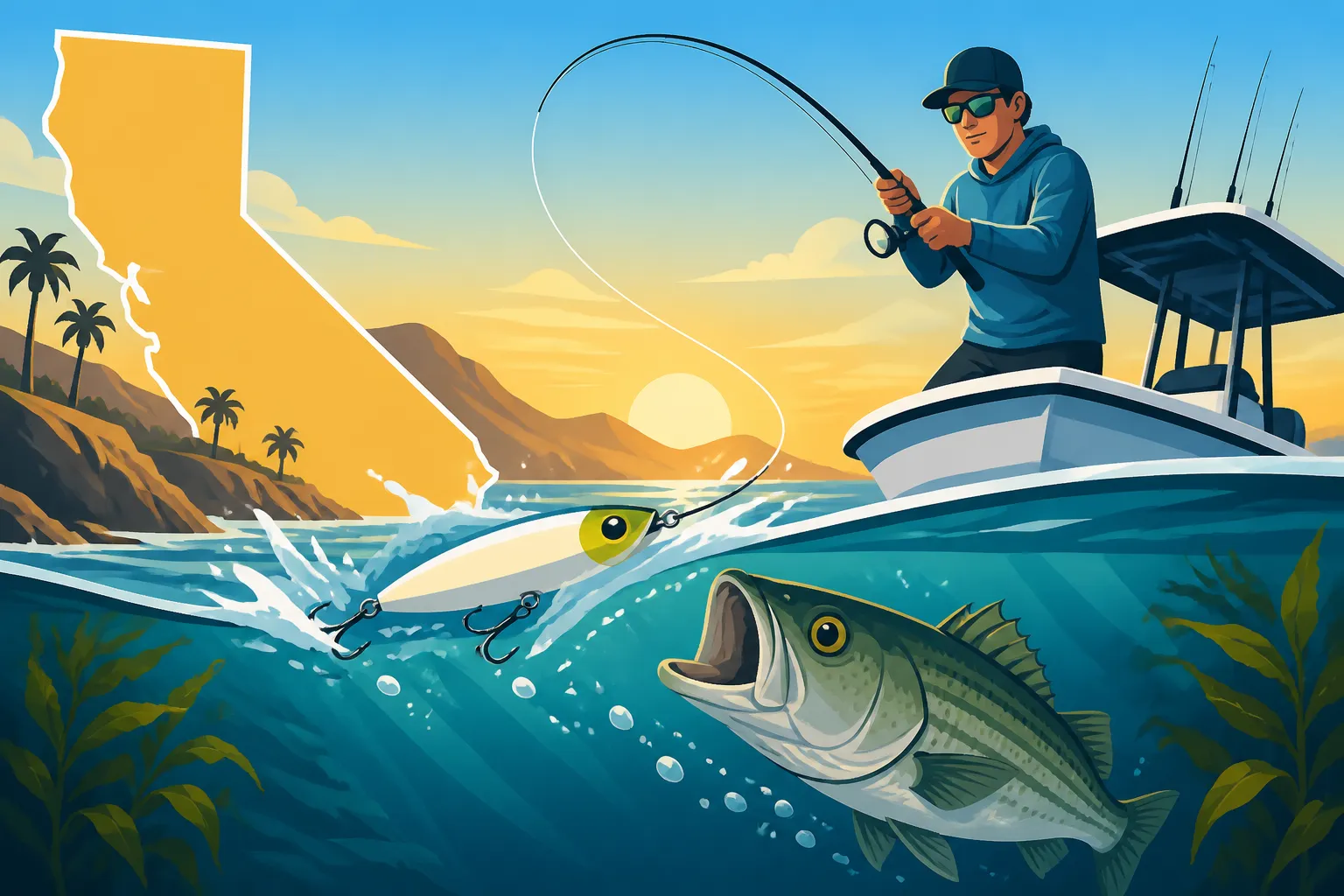
- Poppers (e.g., Rebel Pop-R, Yo-Zuri 3D Popper): With their cupped faces, poppers create a splashing, gurgling sound that mimics feeding or distressed baitfish. They excel in choppy water or when fish are less aggressive, requiring a loud, attention-grabbing presentation. They're effective for bass, panfish, and saltwater species like bonito or yellowtail.
- Buzzbaits: These lures feature a propeller blade that churns the surface, creating a buzzing sound and a noticeable wake. They're particularly deadly for largemouth bass in low-light conditions or when fish are aggressively feeding near cover.
- Frogs (e.g., Spro Bronzeye Frog, Livetarget Frog): Designed to be fished over dense vegetation, lily pads, or matted grass, hollow-bodied frogs are practically weedless and trigger explosive strikes from bass hiding in cover.
- Prop Baits (e.g., Storm Arashi Top Walker, Rapala X-Rap Pop): Similar to poppers but with propellors at one or both ends, these create more splash and a unique bubbling action, great for triggering reaction strikes.
- Stickbaits (e.g., Nomad Design Chug Norris, Shimano Orca): These larger, often heavier lures are primarily for saltwater, designed for long casts and robust action to attract offshore predators like yellowtail or tuna. When you're looking for these specific, higher-end saltwater lures, a quick search on Amazon will show you a huge selection from various reputable brands.
| Lure Type | Primary Action | Ideal Conditions | Target Species (California) |
|---|---|---|---|
| Walking Bait | "Walk-the-Dog" (side-to-side glide) | Calm to light chop, clear water | Largemouth Bass, Striped Bass, Calico Bass, Yellowtail, Halibut |
| Popper | Splash, gurgle, spitting water | Choppy water, low light, calling fish from depth | Largemouth Bass, Smallmouth Bass, Panfish, Bonito, Yellowtail |
| Buzzbait | Buzzing, churning surface, loud | Low light, stained water, near heavy cover | Largemouth Bass, Striped Bass |
| Frog | Skips over vegetation, weedless | Heavy cover, lily pads, matted grass | Largemouth Bass |
| Prop Bait | Splashing, bubbling, erratic retrieve | Calm to light chop, varied retrieve speeds | Largemouth Bass, Striped Bass, Smallmouth Bass |
| Saltwater Stickbait | Erratic glide, splash, skipping | Open water, targeting schooling fish | Yellowtail, Tuna, Dorado, Barracuda |
Mastering Topwater Techniques for California's Diverse Waters
Getting a fish to strike on topwater is one thing; getting it to the boat is another. The key is understanding how to present your lure in a way that’s irresistible to the target species in its specific environment. It's a dance between mimicry and manipulation.
Walk-the-Dog and Popping: Freshwater Staples
The "walk-the-dog" retrieve is an art form, and it's probably the most rewarding topwater technique to master. It involves a rhythmic cadence of rod twitches and reel turns that makes your walking bait glide from side to side across the surface, mimicking a distressed baitfish or a snake. The key is to keep your rod tip pointed down towards the water, giving slack with each twitch. A good starting rhythm is "twitch-pause-twitch-pause," letting the lure pause just long enough to draw attention before it starts its next sashay. This technique is incredibly effective for largemouth bass, especially in open pockets around structure or along weed lines. It also works wonders for California Striped Bass Regulations in the vast expanses of the California Delta Fishing Guide.
Popping, on the other hand, is a bit more aggressive. Poppers work by displacing water with their cupped faces, creating a "bloop" or "splash" sound. The retrieve can vary wildly depending on fish mood. Sometimes, a series of quick pops followed by a long pause is the ticket. Other times, a slow, methodical pop-and-sit is what it takes. In choppy water, a more aggressive, constant popping retrieve can help your lure get noticed. Poppers are fantastic for calling fish from deeper water or when you need to make a lot of noise to get their attention. Pay attention to how the fish are reacting; if they're blowing up on the lure but not hooking up, try lengthening your pauses.
Buzzbaits and Frogs: Targeting Heavy Cover
When you're faced with dense mats of vegetation, lily pads, or submerged logs in a California lake, buzzbaits and frogs become your best friends. Buzzbaits are designed to be retrieved quickly and steadily, creating a commotion with their spinning blade. The beauty of a buzzbait is its ability to draw violent reaction strikes, often from fish that are buried deep in cover. It’s a great choice for prospecting large areas, especially in low light or stained water. The key is to keep it moving just fast enough to stay on the surface. If you let it sink, it’s not doing its job. This is an excellent technique to explore when trying to figure out How to Fish for Largemouth Bass in California.
Hollow-bodied frogs, however, are specifically engineered for thick cover. Their weedless design allows you to literally drag them over pads, through slop, and across thick grass where other lures would snag instantly. The retrieve for frogs is typically slower and more methodical. You can twitch them, pause them, make them walk, or even just let them sit in an open pocket. The idea is to make them look like a frog or rodent struggling on the surface. When a bass strikes a frog, it's usually an explosive, unforgettable event. Don't set the hook immediately; wait until you feel the fish or see your line move, then set it hard to get through the thick plastic of the frog body.
Stickbaits and Plugs: Saltwater Topwater Dominance
Moving to the big blue, saltwater topwater often involves larger, more robust lures to handle bigger fish and rougher conditions. Stickbaits, both lipped and lipless, are fantastic for covering water and mimicking fleeing baitfish. They can be cast long distances and retrieved with a sweeping, twitching motion to create an erratic, wounded-baitfish action. These are particularly deadly for targeting schooling species like Yellowtail in California: Where and How to Catch in locations like the Coronado Islands or offshore banks near San Diego.
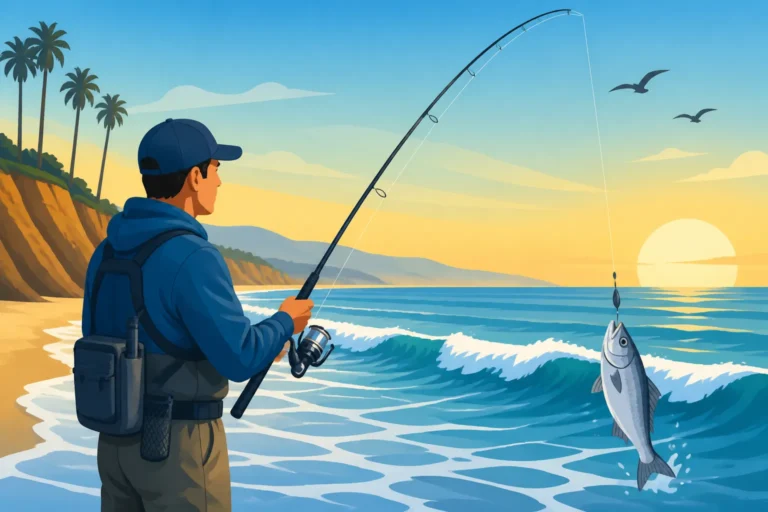
Plugs, which are essentially large, heavy poppers or chuggers, are used to create massive splashes and loud commotion to draw in aggressive predators from afar. Whether you're casting from a boat or from shore, these lures need to be worked with authority. Think about those wide-open offshore stretches where a big bluefin tuna or yellowfin might be busting bait. A big, noisy topwater plug can stand out in the chaos and trigger an epic strike. The retrieve might involve long sweeps of the rod followed by quick reel turns, creating a "splash-and-go" action. Always be ready for a strike, as these fish hit with incredible force. Mastering California Offshore Fishing Techniques often involves a heavy dose of topwater action, especially during warmer months.
Reading the Water and Timing Your Topwater Attacks
Topwater fishing isn't just about the retrieve; it's about observation and timing. Knowing when and where to present your lure can dramatically increase your success rate and turn a frustrating day into an unforgettable one.
Understanding Water Conditions and Fish Behavior
Water clarity, temperature, and even current can dictate whether topwater is a viable option and how you should present your lure. In clear water, fish tend to be more wary. You might need to cast further, use lighter leaders, and employ more subtle retrieves, such as a slow "walk-the-dog" with longer pauses. Conversely, in stained or murky water, a loud, splashing popper or a buzzing buzzbait can be just what's needed to attract attention. Fish in these conditions rely more on sound and vibration.
Water temperature also plays a huge role. In colder water, fish metabolisms slow down, making them less likely to chase a fast-moving surface lure. This is when a slow, almost agonizingly long pause might be necessary. As water temperatures rise, fish become more active and aggressive, making them much more receptive to faster, more erratic topwater presentations. Wind can be a friend or foe; a light chop can break up your line's profile and add natural movement to your lure, but strong winds can make casting difficult and hinder your lure's action. Learning How Weather Affects California Fishing is a critical skill for any angler.
Best Times of Day and Seasons for Topwater
While topwater can produce strikes at any time, certain periods are undeniably more productive. Generally, low-light conditions are prime. This means dawn, dusk, and overcast days. The reduced light penetration makes fish feel more secure feeding on the surface, and baitfish are often more active during these times. On bright, sunny days, fish tend to retreat to deeper, shadier areas, making topwater a tougher sell, though not impossible if they are actively schooling or busting bait.
Seasonally, topwater shines from late spring through early fall in much of California. This is when water temperatures are warmer, fish are more active, and baitfish are abundant near the surface. For bass, the spawn and post-spawn periods are fantastic, as fish are often cruising the shallows and aggressively defending nests or recovering from spawning. For saltwater species like yellowtail, the summer and early fall months are often peak, especially during active baitfish migrations. Check out a comprehensive guide like Best Time of Day to Fish in California to really dial in your timing. Different species have different peak seasons too, so understanding the Best Season for Bass in California versus the Best Season for Yellowtail in California will give you a significant edge.
Prime California Topwater Locations
California offers an incredible array of topwater opportunities. For largemouth and smallmouth bass, look to the extensive weed beds and submerged timber of the California Delta, the rocky points and coves of Lake Shasta, or the lily pad fields of Clear Lake. Reservoir fishing across the state, from Lake Berryessa to Diamond Valley Lake, can also be red-hot for topwater bass, especially around shallow structure or points.
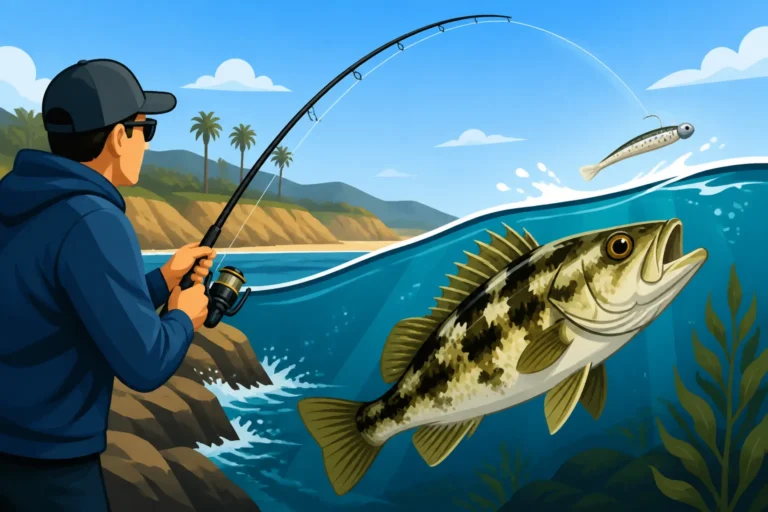
For saltwater topwater, the possibilities are vast. Nearshore kelp beds along the Southern California coast are prime spots for calico bass, and sometimes even yellowtail, reacting to stickbaits or poppers. Offshore banks and islands, like the Channel Islands or around San Diego, are legendary for their surface action on yellowtail, tuna, and dorado when they're feeding on bait balls. Even inshore bays and estuaries can offer excellent topwater for striped bass, especially during their runs in places like the San Francisco Bay or the rivers feeding into the Delta. Exploring the Best Fishing Spots in California will reveal countless opportunities to try your topwater game.
Common Mistakes and How to Avoid Them
Even experienced anglers can fall into common traps when it comes to topwater fishing. Avoiding these pitfalls can significantly increase your hook-up ratio and overall enjoyment. Remember, every blow-up is a chance, and you want to capitalize on as many as possible.
The Art of the Hookset: Don't Rush It!
This is probably the number one mistake every topwater angler makes at some point: setting the hook too early. When a fish explodes on your lure, it's pure adrenaline, and our natural reaction is to jerk the rod immediately. The problem is, often the fish just splashes or pushes water, missing the lure, or it's still engulfing the bait. An early hookset pulls the lure away from the fish before it has a chance to fully commit.
The golden rule for topwater hooksets is often "feel the fish, then set the hook." Or, as some old-timers say, "wait 'til you feel 'em eat it." This means counting a quick "one-thousand-one" after the strike, or watching your line. If the line starts to move sideways, or you actually feel the weight of the fish on your rod, then you set the hook with a strong, sweeping motion, often to the side, to drive those hooks home. This patience can be agonizing, but it pays off immensely in landed fish. For specific species, understanding the nuances of the California Fishing Seasons: Month-by-Month Guide can also inform how aggressively fish might be feeding and thus, how quickly they'll engulf a lure.
Matching the Hatch and Presentation Fails
Another common error is not "matching the hatch" or failing to adjust your presentation to the conditions. If bass are feeding on small shad, a giant, noisy popper might be less effective than a subtle walking bait that mimics their natural prey. The same goes for saltwater; if anchovies are present, a long, slender stickbait will outperform a bulky, tuna-specific popper for species like barracuda or smaller yellowtail. Always try to observe what baitfish are in the area, or if there are insects on the water.
Beyond lure choice, presentation is key. Are you working the lure too fast or too slow? Are you pausing enough? Are you giving it the right amount of slack? Sometimes, a fish follows the lure but won't commit. This often means your retrieve is off. Try slowing down, speeding up, changing the cadence of your twitches and pauses, or trying a different lure color. Sometimes, a subtle change, like a longer pause or a slightly softer twitch, is all it takes to get that hesitant fish to strike.
Overcoming Frustration and Staying Persistent
Let's face it, topwater fishing can be frustrating. You'll get plenty of blow-ups, follows, and misses. It’s easy to get discouraged when a trophy bass boils on your frog three times and never gets hooked, or a big yellowtail swirls violently but refuses to commit to your plug. This is where persistence and a positive attitude come into play. Don't let a few misses ruin your day. Every blow-up tells you something: the fish are there, and they're willing to hit a surface lure. You're close!
Instead of giving up, analyze what might be going wrong. Is it the lure? The retrieve? Your timing? Sometimes, even changing your casting angle or moving a few feet down the bank can make a difference. If fish are missing the lure, try a slightly smaller or larger bait, or adjust your hooks. Keep experimenting, keep casting, and remember that the next cast could be the one that produces that epic, unforgettable topwater strike. The thrill of topwater is in the challenge, and overcoming that challenge is what makes it so incredibly rewarding.
Disclaimer
Fishing inherently carries risks. Always prioritize safety, wear appropriate personal flotation devices when on the water, and be aware of your surroundings. Fishing regulations can change, so always check the latest rules and limits from the California Department of Fish and Wildlife before heading out. This guide is for informational purposes only and does not guarantee fishing success.