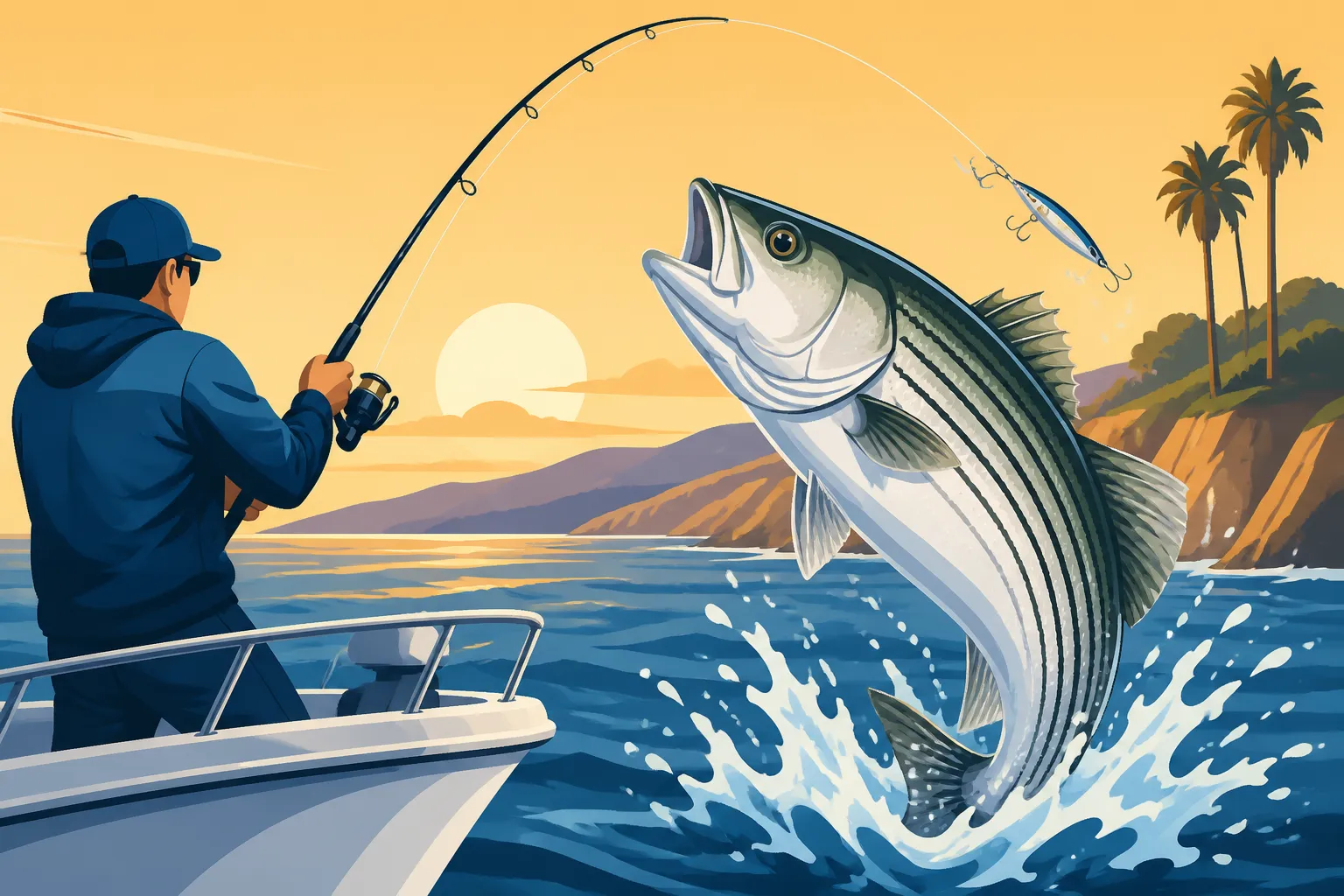
How to Fish for Striped Bass in California
There's nothing quite like the thrilling tug of a California striped bass on your line, but let's be real, these powerful fish can be elusive! Many anglers, both new and seasoned, struggle to consistently hook into these aggressive predators, especially with ever-changing regulations and conditions across the state. This comprehensive guide is here to unravel the mysteries of striped bass fishing in California, offering practical tips and proven strategies to help you understand their behavior and improve your chances of success on the water.
Understanding the Elusive Striped Bass: Habitat and Habits
Striped bass, often affectionately called "stripers," are incredible game fish known for their strong fights and delicious meat. While native to the East Coast, they've established thriving populations here in California, particularly in our expansive river systems and bays. To catch them, you first need to understand a bit about where they live and what makes them tick.
Where Stripers Thrive in California
In California, striped bass are primarily found in two distinct environments: the massive Sacramento-San Joaquin Delta system and the coastal bays and estuaries. The Delta is truly the heartland of striper fishing, offering a vast network of freshwater channels, sloughs, and shallow flats where they hunt. Here, they feed on an abundance of baitfish like shad, anchovies, and various crustaceans.
Beyond the Delta, you'll find healthy populations in major bays like San Francisco Bay, San Pablo Bay, and even further south in some coastal estuaries and surf zones. These areas provide transitional brackish waters, which stripers tolerate well, moving between fresh and saltwater depending on their migratory patterns and feeding opportunities. Understanding these preferred habitats is the first step to knowing where to cast your line.
Striped Bass Behavior and Migratory Patterns
Striped bass are highly migratory fish, constantly on the move in search of food and suitable spawning grounds. In California, their main spawning migration typically occurs in the spring, when adult stripers move from the bays and lower Delta upstream into the freshwater rivers of the Delta system, such as the Sacramento and San Joaquin rivers. This movement is a prime time for anglers to intercept them.
After spawning, they disperse throughout the Delta and back into the bays, spending the summer and fall months feeding aggressively. Their movements are heavily influenced by water temperature, tidal flows, and the availability of bait. They are ambush predators, often holding near structure like submerged rocks, bridge pilings, drop-offs, or current breaks, waiting for an unsuspecting meal to swim by. They often feed more actively during low light conditions, like dawn and dusk, or on overcast days, but can be caught throughout the day, especially if baitfish are abundant.
Pinpointing Prime Locations and Seasons for Stripers in California
Knowing when and where to find striped bass can feel like cracking a secret code, but with a bit of local knowledge and understanding of their annual cycles, you'll be well on your way. California offers a variety of fantastic spots, each with its own peak season.
Top California Striped Bass Fishing Locations
The undisputed king of California striper fishing is the Sacramento-San Joaquin Delta. This labyrinthine system offers endless opportunities. Key areas include the main Sacramento River channel, the San Joaquin River, and countless sloughs like Miner Slough, Cache Slough, and Prospect Slough. Head over to our California Delta Fishing Guide for an in-depth look at specific honey holes. Access points are plentiful, from public boat ramps to various bank fishing spots along levees. Popular towns like Rio Vista, Isleton, and Antioch serve as great launching pads for your Delta adventure.
Moving towards the coast, San Francisco Bay is another powerhouse for striped bass. From the shores of Berkeley to the rocky points of Marin, stripers are abundant, especially during their feeding migrations. Productive areas include the Berkeley Flats, the rock wall near Alcatraz, and the many piers and jetties dotting the bay. You can learn more about specific rules in our California Freshwater Fishing Regulations and California Saltwater Fishing Regulations guides to ensure you're fishing legally.
While less consistent, coastal surf fishing for stripers can also be productive in certain areas, particularly north of San Francisco, like parts of Sonoma and Mendocino County beaches, though these populations are generally smaller and more scattered than in the Delta or Bay.
Best Seasons and Conditions for Stripers
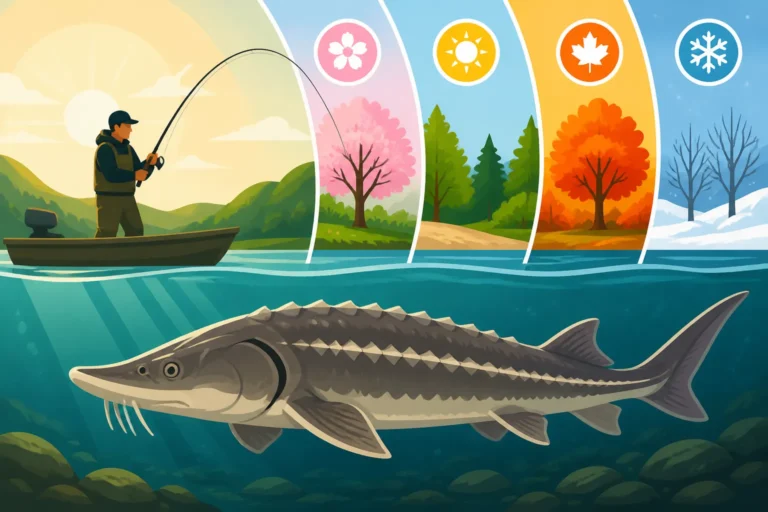
The "best" time to fish for striped bass in California really depends on your preferred location and fishing method, but generally, spring and fall are the peak seasons.
Spring Run (March to June)
This is arguably the most exciting time for many striper anglers. As waters warm, the stripers begin their annual spawning migration upriver into the Delta. During this period, they are actively moving and often aggressively feeding before and after spawning. This is a fantastic time for trolling, bait fishing, and casting lures in the main river channels. You can find out more about what to expect in our California Fishing in Spring article.
Summer and Fall Feeding (July to November)
After spawning, stripers spread out throughout the Delta and return to the bays. During summer, they might be found in deeper, cooler water during the heat of the day, becoming more active during cooler evenings or mornings. Fall sees another surge of activity as water temperatures cool and stripers gorge themselves in preparation for winter. This is a fantastic time for casting topwater lures in the Delta's shallower sloughs, drifting live bait, or trolling in the bays. Check out California Fishing in Fall for specific tactics.
Winter Fishing (December to February)
While not as prolific as spring or fall, winter can still offer good striper fishing, especially in the deeper areas of the Delta. The fish become more sluggish due to cold water, but they still need to eat. Vertical jigging or slow-trolling deep-diving lures can be effective. Regardless of the season, understanding the Best Times to Fish in California generally involves paying attention to tides and water flows, as these critically influence striper feeding behavior.
Gearing Up: The Right Tackle for California Striped Bass
Having the right equipment can make all the difference when you're targeting strong, aggressive fish like California striped bass. You don't need to break the bank, but investing in reliable gear will certainly enhance your experience and success rate.
Rods, Reels, and Line
For general striped bass fishing in California, a medium-heavy to heavy-action rod, typically 7 to 8 feet long, is a great all-around choice. This length provides good casting distance from shore or a boat and enough backbone to handle a fighting striper. For a reel, a sturdy spinning reel in the 4000-6000 size range, or a baitcasting reel with a good drag system, is ideal. Brands like Penn, Shimano, or Daiwa offer excellent options that you can often find on Amazon.
When it comes to line, braided line is a popular choice for stripers due to its strength, thin diameter, and sensitivity. A 30-50 lb test braided line is common, often paired with a 20-30 lb fluorocarbon leader for abrasion resistance and invisibility. If you prefer monofilament, a 15-25 lb test will do the trick, but you'll sacrifice some sensitivity and casting distance compared to braid.
Essential Tackle and Lures
Your tackle box for stripers should be well-stocked with a variety of options. Here's a breakdown of some go-to choices:
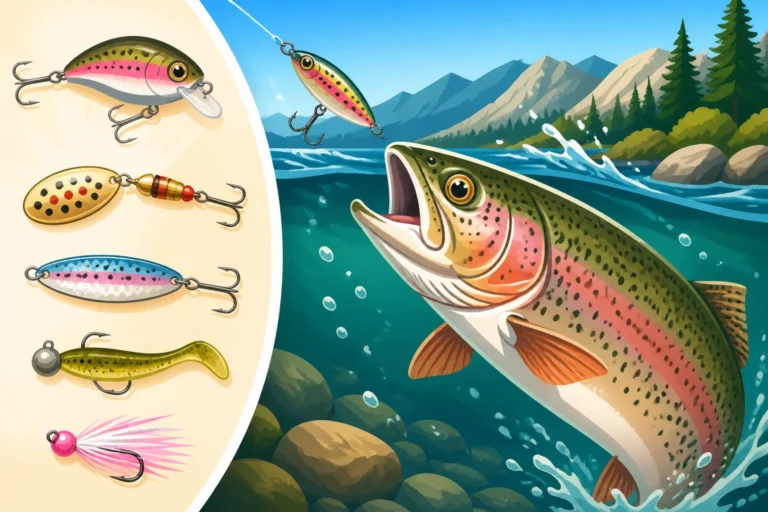
- Jigs: Bucktail jigs (1/2 oz to 2 oz) are classic striper producers. Pair them with a plastic trailer like a grub or a swimbait. Leadhead jigs with soft plastics, especially paddle tails or flukes, are incredibly effective, mimicking baitfish perfectly. You can often find multi-packs of popular colors and sizes on Amazon to cover your bases.
- Plugs/Hardbaits: Topwater lures like poppers and walk-the-dog style baits are exhilarating for surface strikes, especially during low light or when fish are feeding actively on the surface. Deeper diving crankbaits or lipped jerkbaits are excellent for trolling or casting in deeper waters to imitate larger baitfish.
- Swimbaits: Soft plastic swimbaits, rigged on a weighted swimbait hook, are a fantastic imitation of various baitfish. Consider brands like Bass Assassin or Keitech for realistic profiles and enticing actions.
- Baits: Live bait, such as shad, minnows, or even anchovies and sardines (where legal), is incredibly effective. For cut bait, pieces of shad, mackerel, or even squid can entice a bite. For specific recommendations, check out our guide on the Best Bait for California Striped Bass.
- Terminal Tackle: Don't forget swivels (barrel or snap swivels to prevent line twist), egg sinkers (1/2 oz to 2 oz depending on current), and a variety of hooks, including circle hooks (sizes 3/0 to 6/0) for bait fishing, which help prevent gut-hooking.
| Lure/Bait Type | Description & When to Use | Recommended Weight/Size |
|---|---|---|
| Bucktail Jigs | Classic, versatile jig. Best for imitating baitfish around structure, current seams, and drop-offs. Can be fished slow or fast. | 1/2 oz – 2 oz |
| Soft Plastic Swimbait | Highly realistic baitfish imitation. Rig on a weighted swimbait hook. Effective for casting and slow retrieval, especially when fish are targeting specific bait profiles. | 3" – 7" |
| Topwater Plugs | Poppers, walk-the-dog style baits. Exciting for surface strikes, particularly at dawn, dusk, or on overcast days when stripers are actively feeding on the surface. | 4" – 7" |
| Deep Diving Crankbaits | Lipped plugs designed to get down to deeper water. Great for trolling or casting in deeper channels or areas where stripers are holding low. Mimic larger baitfish. | 4" – 8" |
| Live Bait | Shad, anchovies, minnows. Unbeatable for picky fish or when a natural presentation is key. Fished on a Carolina rig or under a bobber. Check local regulations for bait specifics. | Varies by bait size |
| Cut Bait | Cut pieces of shad, mackerel, sardine, or squid. Excellent for soaking on the bottom, especially in areas with strong current or when targeting larger, less active fish. | Varies by bait size |
Mastering the Techniques: How to Effectively Fish for Striped Bass
Once you've got your gear dialed in, it's time to talk tactics. Striped bass are adaptable, and so should you be. Different conditions and locations often call for different approaches, from covering vast stretches of water to patiently waiting for a bite.
Trolling for Stripers
Trolling is a widely popular and effective method for covering large areas, especially in the Sacramento-San Joaquin Delta and various bays. It's particularly deadly during the spring and fall runs when stripers are on the move. Anglers typically use boats to slowly pull lures or rigged baits behind them.
The key to successful trolling is maintaining the correct depth and speed. Deep-diving crankbaits, swimbaits, or umbrella rigs are common choices. Many anglers use downriggers or leadcore line to get their lures into the strike zone, especially when targeting fish holding deeper in the water column. Pay close attention to your boat's speed (often 2-4 mph, but vary it to see what works) and make turns to change the lure's action, which can often trigger a strike. Trolling around prominent points, submerged structures, or along channel edges where current creates ambush points is often the most productive strategy.
Casting and Retrieving Lures
Casting is a more active form of fishing that allows you to target specific structures or cover more ground from shore or a boat. This technique shines when stripers are actively chasing bait or holding in shallower waters.
- Topwater Action: If you see stripers boiling or busting bait on the surface, quickly cast a topwater plug into the melee. A "walk-the-dog" retrieve, where you twitch the rod tip to make the lure zig-zag across the surface, is often irresistible. Poppers also create a commotion that can draw stripers in from a distance.
- Subsurface Lures: For stripers holding below the surface, cast and retrieve jigs or swimbaits. Vary your retrieve speed and add pauses or jerks to mimic a wounded baitfish. Experiment with different depths until you find where the fish are holding. Casting along riprap, around bridge pilings, or into areas with current breaks are prime scenarios. When fishing the Delta, understanding How to Fish the California Delta for Stripers includes mastering these casting techniques.
Bait Fishing Strategies
Sometimes, nothing beats a juicy piece of bait. Bait fishing for stripers can be incredibly effective, especially when the fish are less aggressive or when fishing from shore or anchored boats.
- Carolina Rig: This is a go-to rig for bait fishing. Thread an egg sinker onto your main line, then tie on a barrel swivel. To the other end of the swivel, attach a fluorocarbon leader (18-36 inches) and a circle hook. This rig allows your bait to move naturally in the current while the sinker holds it near the bottom. It's perfect for live bait or cut bait like shad or anchovies.
- Bobber Fishing: For shallower water or when targeting fish suspended higher in the water column, fishing bait under a bobber can be effective. This keeps your bait at a consistent depth and allows it to drift naturally with the current. This method is often preferred for live minnows or small chunks of cut bait. Remember to always be aware of the California Striped Bass Regulations regarding bait usage and hook types to stay compliant.
Surf Fishing for Striped Bass
While primarily known for their presence in the Delta and bays, surf fishing for stripers along California's coastline can be a rewarding, albeit more challenging, experience. You're typically looking for stripers feeding in the shallower waters close to shore, often in gutters, troughs, or around structure that breaks up the waves.
For surf fishing, a longer surf rod (9-12 feet) is almost a necessity to cast heavy lures or bait beyond the breaking waves. Common lures include large swimbaits, Kastmaster spoons, or even bucktail jigs. Bait fishing from the surf often involves using a pyramid or Sputnik sinker to hold your bait (usually cut bait like mackerel or anchovies) in place against the waves and current. Look for areas with deeper water close to shore, points, or river mouths that empty into the ocean. Always be mindful of changing tides and wave conditions for safety and success.
Before heading out, ensure you have your California Fishing License Guide sorted, and if you're venturing out on your own, consider what California Sport Fishing License Options are best for your trip. And hey, don't forget to grab a copy of the annual California Fishing Regulation Booklet Explained from the DFW or download it – it's your bible for staying out of trouble!
Disclaimer
Fishing regulations and conditions in California can change frequently. Always consult the latest California Department of Fish and Wildlife (CDFW) regulations booklet or website before heading out on any fishing trip. This guide is for informational purposes only and does not supersede official regulations.