California Fishing in Fall
As the leaves start to change from vibrant green to fiery reds and golds, and that crispness creeps into the morning air, many anglers reluctantly pack away their gear, thinking the best fishing is behind them. But for those of us in the know, fall in California isn't just a beautiful season; it's an absolute game-changer for fishing. If you've ever felt that late-season slump or wished for less crowded waters, this guide is your go-to resource for understanding why autumn might just be the best time to cast a line in the Golden State, offering insights into species, techniques, and prime locations.
Why Fall Fishing in California is a Game Changer
There's a magic to fall fishing in California that often goes overlooked, overshadowed by the bustling summer months or the promise of spring. But believe me, the autumn season brings with it a unique set of conditions that can lead to some of the most rewarding and memorable days on the water. It’s a time when the entire ecosystem seems to breathe a sigh of relief from the summer heat, and the fish respond in kind.
Cooler Temperatures, Happier Fish (and Anglers!)
Let's be real, enduring triple-digit heat on a lake or ocean can really take the fun out of a fishing trip. The scorching sun doesn't just make us uncomfortable; it also stresses out the fish, sending many species deep into cooler, less accessible waters. Fall flips this script entirely. As the days shorten and the nights grow longer, air temperatures drop significantly, bringing down water temperatures in both freshwater and saltwater environments. This change invigorates many fish species, signaling a crucial feeding period before the colder depths of winter arrive.
For anglers, this means you can finally shed those heavy sun shirts and perhaps even pull out a light jacket, enjoying a much more comfortable day out. The pleasant weather, often characterized by clear skies and gentle breezes, makes for a far more enjoyable experience. You're not fighting heat exhaustion, and neither are the fish, which translates to more active bites and a better chance of success. It's a win-win situation for everyone involved, especially when you're targeting those active, hungry fish.
Fewer Crowds, More Serenity
If you've ever tried to launch a boat at Lake Shasta on a summer Saturday or find a spot on a popular pier in Southern California, you know the frustration of crowded waters. Fall offers a reprieve from this hustle and bustle. With schools back in session and many vacationers heading home, the lakes, rivers, and coastal access points become significantly less crowded. This reduction in pressure isn't just a perk for your peace of mind; it also impacts the fish. Less boat traffic and fewer lines in the water can make fish less wary and more willing to bite.
Imagine having a prime stretch of river to yourself, or being able to spread out on a pier without bumping elbows. This solitude is one of fall fishing's greatest gifts. It allows for a more contemplative, relaxing experience, where you can truly connect with nature and focus on your technique without constant distractions. For those who cherish tranquility as much as a tight line, the autumn months are undoubtedly the best time to be out there.
Autumn Spawns and Feeding Frenzies
Fall is a critical time for many fish species as they prepare for winter. This often involves a major push to feed and build up fat reserves, and for some, it's also a spawning season. These biological imperatives lead to incredibly active fish, creating phenomenal fishing opportunities. Trout in many mountain lakes and streams, for example, become highly aggressive, gorging themselves on available forage. Similarly, species like salmon begin their epic migrations, triggering a feeding frenzy among predators like steelhead and stripers in river systems.
In saltwater, pelagic species might make their last strong showing before heading south, and resident species like rockfish and lingcod are often very active as they feed heavily. Understanding these seasonal behaviors is key to fall fishing success. It means knowing which species are most active, where they're likely to be, and what they're trying to eat. This knowledge can dramatically increase your catch rates and provide thrilling battles with robust, well-fed fish.
Key Freshwater Species to Target in Autumn
California's diverse freshwater environments come alive in the fall, offering anglers incredible opportunities to target a variety of species. From the high mountain lakes to the vast river systems, the cooler temperatures and changing behaviors of fish create a prime window for some truly epic days.
Trout on the Bite: Lakes and Rivers
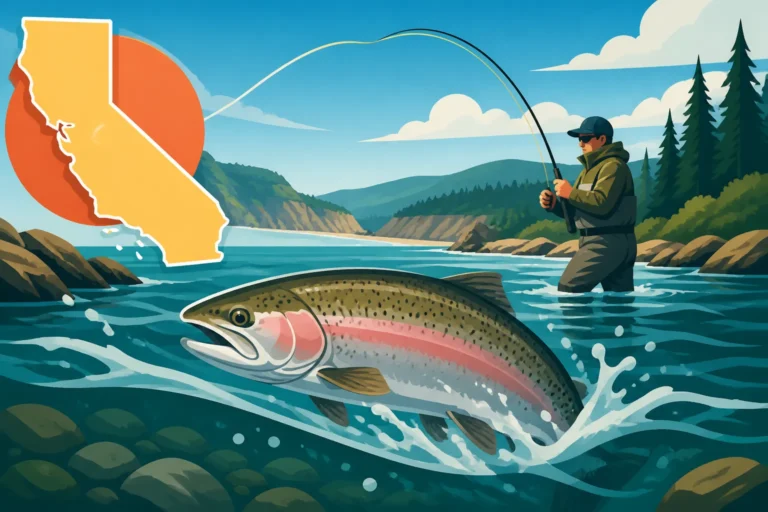
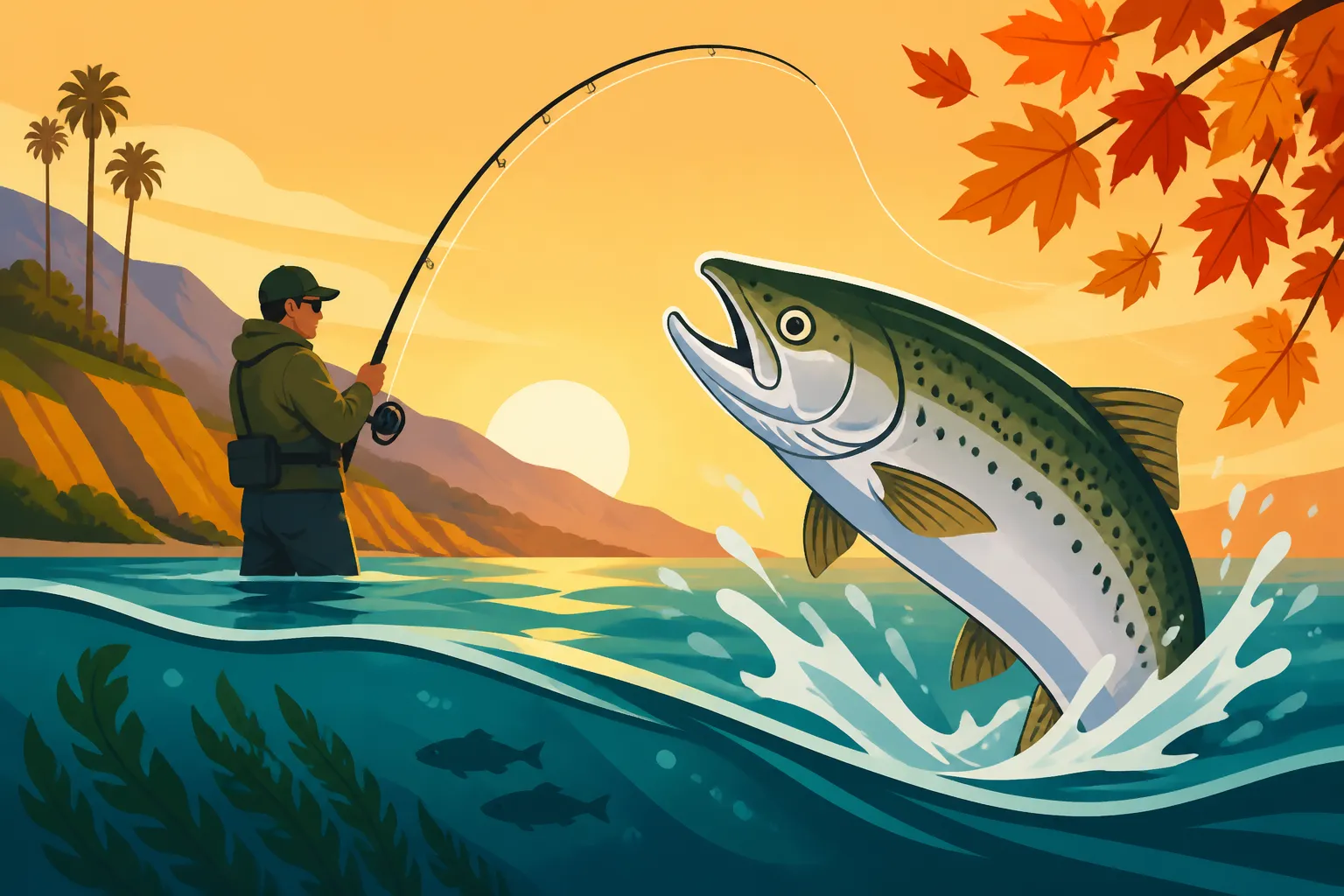
Fall is arguably the best time of year to chase trout in California. Whether you're casting dries on a clear mountain stream or trolling deep in a large reservoir, the cooler water temperatures really get these fish going. Trout that were lethargic and hiding in the depths during summer now become much more active, moving into shallower waters to feed aggressively. This is particularly true for rainbow, brown, and brook trout. Many high-elevation lakes and rivers, like those found in the Eastern Sierra, will see phenomenal action before winter snows close access.
For river anglers, particularly those pursuing wild trout, the fall brings a different kind of excitement. As some salmon runs begin, the trout position themselves to feast on salmon eggs, making them easier to target. If you're into fly fishing, this is a banner season for streamer fishing or nymphing with egg patterns. Lake anglers should focus on presentations that mimic natural forage, as the fish are actively trying to bulk up. Don't forget to check the specific California Trout Limits and Regulations for your chosen body of water, as rules can vary.
Bass Behavior Shifts in Cooler Water
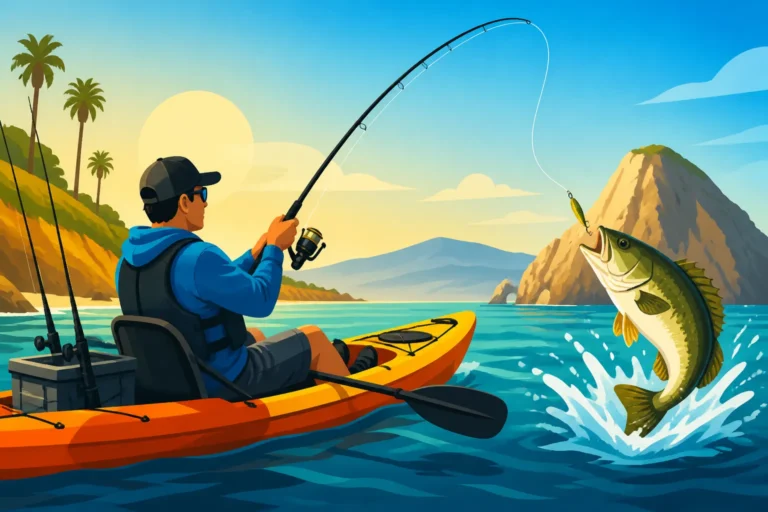
While many associate bass fishing with the heat of summer, fall presents a unique and often productive challenge for bass anglers. Largemouth, smallmouth, and spotted bass all undergo significant behavioral shifts as water temperatures drop. Initially, they'll often move from their deep summer haunts to shallower areas, especially around cover like submerged timber or rocky points, following baitfish that are also moving. This creates fantastic opportunities for anglers employing a variety of techniques.
As the season progresses and temperatures continue to fall, bass may become more concentrated in deeper areas, particularly on main lake points, humps, and creek channels, especially where there's still ample forage. It’s a time when finding the bait means finding the bass. Jerkbaits, crankbaits, and even slow-rolling swimbaits can be incredibly effective. Remember that California Bass Fishing Regulations are important to follow, as they can differ depending on the specific lake or reservoir you're fishing. Local bait shops, often found on Amazon, are great resources for figuring out what's working locally.
Sturgeon and Stripers in the Delta and Rivers
For those who love big fish and powerful fights, fall in the California Delta and its tributary rivers is a special time. This is when the anadromous species, like striped bass (stripers) and sturgeon, really start to get active. Striped bass begin their fall migration, moving from the San Francisco Bay into the Delta and up rivers like the Sacramento and San Joaquin. They are voracious predators, chasing baitfish with relentless aggression. Trolling, casting swimbaits, or even soaking cut bait can yield fantastic results.
Sturgeon, those ancient giants of the deep, also become more catchable in the fall. As the water cools, they tend to feed more actively, preparing for their winter spawning runs. Bottom fishing with a variety of baits, such as ghost shrimp, pile worms, or even fresh shad, can entice these impressive fish. The key to both sturgeon and striper fishing in the Delta is understanding their movements and preferred feeding grounds, which can often be found by checking local fishing reports. Always remember to check California Sturgeon Regulations and Limits and California Striped Bass Regulations and Limits before heading out, as these species often have specific rules, including mandatory report cards for sturgeon.
| Freshwater Species | Prime Fall Fishing Months | Typical Fall Behavior | Recommended Techniques |
|---|---|---|---|
| Rainbow Trout | September – November | Aggressive feeding, pre-spawn movements | Trolling, casting lures, fly fishing (nymphs, streamers) |
| Brown Trout | September – November | Actively feeding, preparing to spawn | Casting spoons, jerkbaits, fly fishing (streamers) |
| Largemouth Bass | September – October | Following baitfish, shallow to mid-depth | Crankbaits, jerkbaits, jigs, swimbaits |
| Striped Bass | October – December | Migrating upriver, aggressive feeding | Trolling, casting swimbaits, live/cut bait |
| Sturgeon | October – December | Increased feeding activity in cooler water | Bottom fishing with fresh bait |
Prime Saltwater Opportunities During Fall
If the smell of salt in the air is what calls to you, California's vast coastline and offshore waters offer a spectacular array of opportunities during the fall. While some summer pelagics might start their southward journey, many other species remain, becoming even more active as conditions change.
Offshore Action: Tuna and Yellowtail
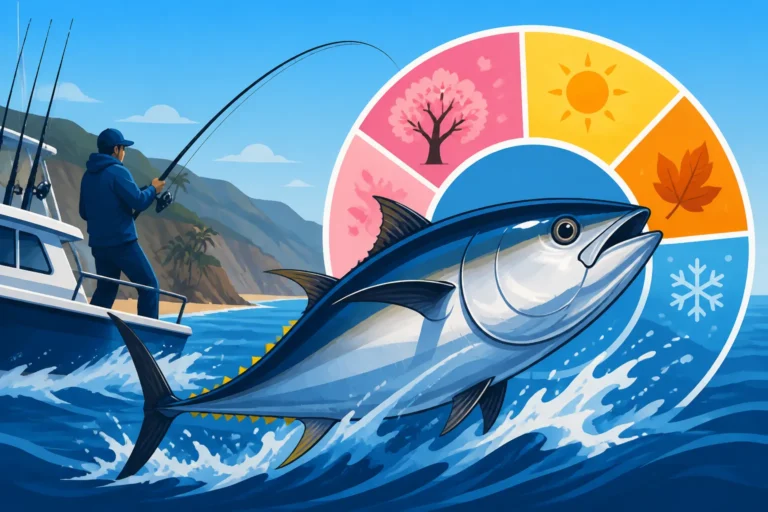
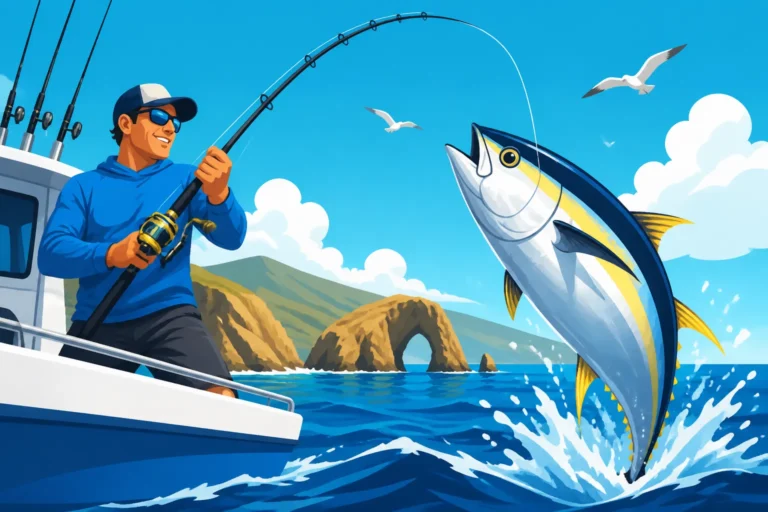
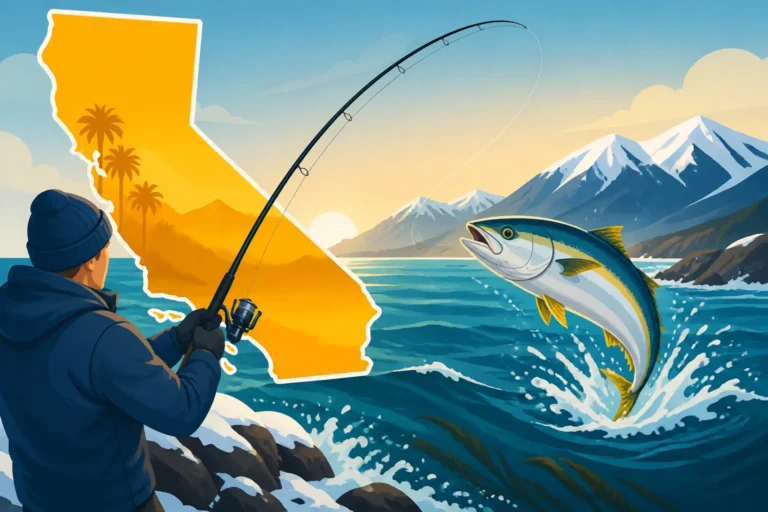
For the big game enthusiast, early fall can still provide some of the most thrilling offshore action of the year. The epic Bluefin tuna bite that often dominates summer in Southern California can extend well into September and even October, sometimes even later depending on water conditions. These powerful fish are still in full feeding mode, and the cooler, stable weather can make for more comfortable long-range trips. Along with Bluefin, Yellowfin tuna might still be around, and the incredibly hard-fighting Yellowtail can provide explosive topwater bites around kelp paddies and islands. This is the time to employ California Offshore Fishing Techniques like kite fishing, slow-trolling live bait, or heavy jigging to tempt these magnificent creatures.
Operators like H&M Landing or Fisherman's Landing in San Diego continue to run multi-day trips specifically targeting these offshore giants. These trips are often less crowded than their summer counterparts, giving you more room on deck and potentially more one-on-one time with the deckhands. It's an intense, adrenaline-fueled experience, but one that can result in the fish of a lifetime. Just make sure your gear is up to snuff; these tuna don't pull any punches!
Nearshore and Coastal Catches: Rockfish, Lingcod, and Halibut
As the offshore bite eventually tapers off, the nearshore and coastal fisheries really shine. Fall is an outstanding time to target a variety of delicious groundfish. Rockfish, in particular, are abundant along the rocky reefs and kelp beds that line California’s coast. With California Rockfish Depth Restrictions often changing with the season, fall can open up new areas for targeting these colorful species. Lingcod, known for their aggressive strikes and tasty fillets, are also very active as they prepare for their winter spawn. Drifting jigs or bait over structure is a common and effective tactic for both.
California halibut, those elusive flatfish, continue to be a prime target in bays and along sandy beaches. As baitfish move into estuaries and shallower waters, halibut follow. Drifting live bait, like anchovies or sardines, or slowly dragging swimbaits along the bottom are proven methods. The waters around Monterey Bay, for example, can be exceptional for halibut in the fall. Always double-check the California Halibut Size and Bag Limits before you head out, as these can vary slightly by region and season.
Bay and Estuary Fishing: Stripers and Halibut
The protected waters of California's bays and estuaries offer a fantastic refuge when offshore conditions are rough or when you're simply looking for a more relaxed outing. Fall sees a significant push of striped bass into these areas, particularly the San Francisco Bay and its surrounding sloughs, as they begin their migration upstream. These fish will readily hit live bait, swimbaits, and even topwater lures during low-light conditions. It's an exhilarating fishery, often accessible from shore or small boats.
Halibut fishing also remains strong in the bays through the fall. As mentioned, they follow baitfish, and the estuaries provide ample forage. Drifting with live bait or using a bucktail jig tipped with a plastic grub are highly effective techniques. Places like San Diego Bay, Mission Bay, and Humboldt Bay are prime fall destinations. The reduced boat traffic compared to summer makes these outings even more enjoyable, and the scenery, with migrating birds and changing foliage, adds to the experience. For more detailed information on regulations in these specific areas, consult the California Saltwater Fishing Regulations guide.
Essential Fall Fishing Techniques and Tackle
As the season transitions, so too should your approach to fishing. What worked in the heat of summer might not be as effective in the crisp autumn air. Adapting your techniques and choosing the right tackle becomes paramount to maximizing your fall fishing success.
Adapting Your Lures and Baits
Fish behavior is directly influenced by water temperature and light conditions, both of which change significantly in fall. Initially, as water temperatures slowly drop, fish may still chase fast-moving baits, but as it gets colder, a slower presentation often becomes more effective. For bass, this might mean switching from speedy topwater lures to slow-rolled spinnerbaits, deep-diving crankbaits, or even jigs crawled along the bottom. Trout in rivers will often key in on larger, meatier offerings like streamers or nymphs that imitate salmon eggs or larger insects.
In saltwater, consider the forage. If baitfish are schooling, matching the hatch with appropriate swimbaits, plastics, or jigs is crucial. For bottom fish like rockfish and lingcod, heavy lead-head jigs adorned with soft plastics or even metal jigs can be irresistible when dropped right into their habitat. Live bait, always a consistent producer, becomes even more valuable as fish become more selective. You can find a fantastic array of these specific lures and baits, like the popular Warbaits jigs or Berkley PowerBait for trout, readily available on Amazon, making it easy to stock up for your fall adventures.
Deep Water and Structure Tactics
One of the defining characteristics of fall fishing, especially as the season progresses, is the increasing importance of targeting deeper water and specific structures. As surface temperatures cool, fish often seek more stable thermal layers. For freshwater species like bass, this means focusing on main lake points, submerged humps, creek channels, and deep timber lines. Using electronics to locate these structures and the fish holding on them becomes critical. Vertical jigging, drop-shotting, and deep cranking are all highly effective methods.
In saltwater, this principle applies even more. Rockfish, lingcod, and even halibut will often concentrate around rocky reefs, wrecks, and ledges. Using a fish finder to pinpoint these structures and then deploying jigs or bait directly to the bottom is the name of the game. On offshore trips, successful captains are constantly looking for temperature breaks, current seams, and subsurface structure that hold bait, knowing that's where the tuna and yellowtail will be ambushing their prey. Learning to read your electronics and interpret bottom contours can drastically improve your results.
Fly Fishing for Fall Runs
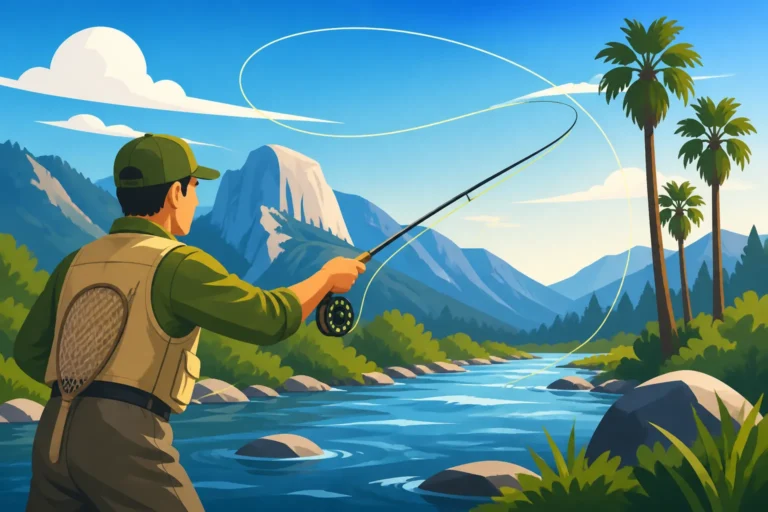
For the fly angler, fall is a revered season, especially in California's pristine rivers and streams. This is the time of year when many trout species are actively feeding, and crucially, it's when salmon and steelhead begin their migratory journeys. The arrival of salmon often brings with it a feast of eggs, and trout will position themselves to take advantage, making egg patterns incredibly effective. The cooler water also means trout are more willing to rise to a well-presented dry fly during hatches, though subsurface nymphing and streamer fishing often produce more consistent results.
Steelhead, those elusive ocean-run rainbow trout, become a primary target in rivers like the Klamath, Trinity, and American as they return to spawn. This highly specialized fishery often involves spey casting with two-handed rods or single-hand nymphing rigs. If you're new to this, hiring a local guide is highly recommended. For a deeper dive into the world of fly casting and specific patterns, check out our comprehensive California Fly Fishing Guide. The crisp air, vibrant foliage, and the challenge of these powerful fish make fall fly fishing an unparalleled experience.
Navigating Fall Weather and Water Conditions
Fall weather in California, while often glorious, can also be quite unpredictable. Understanding how changing atmospheric and aquatic conditions impact fish behavior is crucial for planning successful trips and staying safe on the water.
Reading the Water: Temperature and Clarity
Water temperature is the single most important factor influencing fish activity in the fall. As the mercury drops, fish metabolism slows, but their instinct to feed heavily before winter ramps up. Early fall might see fish still active in warmer pockets, while late fall will push them into deeper, more stable thermal zones. Using a reliable water temperature gauge can give you a significant edge, helping you locate optimal feeding grounds. For instance, bass might be more active in a lake's warmest coves, while trout could be stacked up in areas where a cold spring feeds into a larger body of water.
Water clarity also plays a vital role. Fall storms can bring rain, which can muddy rivers and nearshore ocean waters. While some species, like striped bass, might thrive in slightly stained water, others, such as clear-water trout or sight-feeding yellowtail, will become harder to target. After heavy rains, it often pays to wait a day or two for the water to settle and clear. Conversely, crystal-clear water demands stealthier approaches, lighter lines, and more natural presentations. Understanding these nuances, often by checking local fishing reports, is key.
Dealing with Unpredictable Fall Weather
One minute it's sunny and mild, the next a brisk wind picks up, or an unexpected rain shower rolls in. Fall weather can be a bit of a wild card in California. Frontal systems, which are more common in autumn, can dramatically affect fish behavior. Often, before a cold front moves in, fish might go on a feeding binge, making it a great time to be on the water. However, immediately after a front passes, the fishing can shut down as fish become lethargic and less willing to bite due to pressure changes.
Always check the local forecast before heading out, paying attention to wind speed, precipitation chances, and temperature swings. Dress in layers, as mornings can be chilly and afternoons surprisingly warm, or vice versa. A good quality waterproof jacket, even if just a light shell, is essential. Being prepared for varying conditions will ensure you stay comfortable and can focus on fishing, rather than battling the elements. This proactive approach applies to all types of fishing, from a quiet day on a Best Lakes to Fish in California to a more adventurous offshore excursion.
Safety First: Preparing for Cooler Conditions
Cooler water temperatures, even if the air feels mild, pose significant safety risks, particularly the danger of hypothermia. If you're fishing from a boat, kayak, or float tube, always wear a life vest. Waders can be comfortable, but if you fall in, they can quickly fill with water and become a hazard. Consider wearing a personal flotation device (PFD) and having a change of clothes in a dry bag, especially if you're in a remote location or on colder waters.
Daylight hours also decrease significantly in the fall. Make sure you plan your trips accordingly, allowing ample time to get to and from your fishing spot, especially in areas with challenging terrain. Headlamps, spare batteries, and a fully charged cell phone are non-negotiable items for any fall outing. The beauty of autumn fishing is undeniable, but it's important to respect the power of nature and prioritize your safety. Don't let a minor oversight turn a great day into a dangerous situation.
Top California Fall Fishing Destinations
California's vast and varied landscape offers an almost endless array of fishing opportunities, and fall really highlights some of the very best. From the rugged peaks of the Sierra Nevada to the sprawling coastline, there's a perfect fall fishing spot for every angler.
Eastern Sierra's Golden Opportunities
The Eastern Sierra region, running along Highway 395, is an absolute mecca for fall trout fishing. As temperatures drop, the famous trout lakes like Crowley Lake, Lake Sabrina, and Lake George, along with myriad high-country streams, come alive. The browns and rainbows actively feed, often hitting lures, bait, and flies with aggression. This is especially true before the first heavy snowfalls close off higher elevation roads. Crowley Lake, in particular, is renowned for its trophy trout in the fall, drawing anglers from all over the state.
The changing aspen leaves provide a stunning backdrop, making every cast feel like a postcard moment. Towns like Bishop, Mammoth Lakes, and June Lake become hubs for anglers. It's crucial to check road conditions and specific lake regulations, as some areas may close for the season earlier than others. Fly anglers flock to rivers like the Lower Owens River, which offers year-round fishing, but really shines in the fall with healthy trout and sometimes migratory fish. For those who want to experience some of the best freshwater action, the Eastern Sierra in autumn is simply unparalleled.
Northern California's River and Lake Gems
Northern California boasts an impressive network of rivers and lakes that become prime fishing grounds in the fall. The Sacramento River and its tributaries, including the Feather River and American River, are renowned for their fall salmon runs, which in turn attract large, hungry steelhead. Pursuing these powerful fish is a challenge, but incredibly rewarding. Drifting roe, back-trolling plugs, or fly fishing with egg patterns can be effective, depending on the specific stretch of river. Checking California Salmon Season Dates Explained is essential, as these can be highly regulated and change year to year.
Beyond the rivers, large reservoirs like Lake Shasta and Lake Oroville offer excellent bass fishing as the fish move shallow to feed on baitfish before retreating to deeper water. Clear Lake, famous for its trophy largemouth bass, can also be fantastic in the fall, with fish becoming more aggressive in the cooler water. For those targeting catfish, the Delta remains productive. For a comprehensive overview of where to go, consult our guide to the Best Fishing Spots in California.
Southern California's Coastal and Offshore Hotspots
Southern California's expansive coastline offers abundant opportunities from piers, beaches, and boats. Early fall can still yield incredible offshore tuna and yellowtail action out of San Diego, Dana Point, and Long Beach. Charter boats from landings like Point Loma Sportfishing continue to chase these pelagic species, often requiring longer trips. As the season progresses, attention shifts to rockfish and lingcod along the numerous reefs and kelp beds, particularly around the Channel Islands and Catalina Island.
Surf fishing for corbina, perch, and even halibut can be excellent on the region's sandy beaches, with cooler water often bringing these species closer to shore. Bays like Mission Bay and San Diego Bay offer consistent action for spotted bay bass, halibut, and even opportunities for striped bass. The variety of fishing available in Southern California makes it a fantastic fall destination, whether you're looking for a challenging offshore battle or a relaxed day of pier fishing. Check out our guide to the Best Saltwater Fishing Spots in California for more detailed information on specific locations.
Disclaimer
Fishing regulations in California can be complex and are subject to frequent changes by the California Department of Fish and Wildlife. It is the angler's responsibility to review and understand all current regulations, including licensing requirements, seasons, bag and size limits, and any special area restrictions, before engaging in any fishing activity. This guide is for informational purposes only and should not be considered a substitute for official CDFW publications.