California Fishing in Summer
Ah, summer in California! It conjures up images of sunshine, warm breezes, and long days perfect for hitting the water. But for anglers, summer fishing can actually present a unique set of challenges—from scorching temperatures that send fish deep, to crowded lakes and beaches, and regulations that seem to change with the wind. This guide is here to cut through the confusion and equip you with everything you need to know to make your summer fishing adventures in California truly memorable and successful, focusing on species, techniques, and navigating the season's specific hurdles.
Understanding California's Summer Fishing Landscape
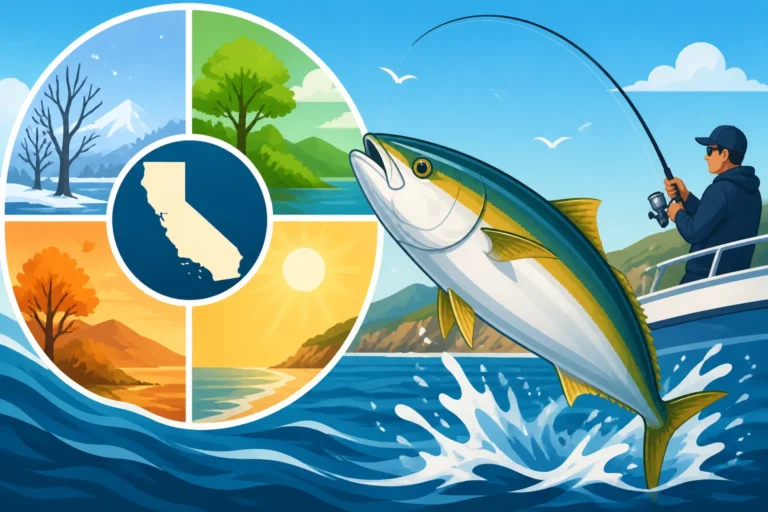
California's diverse geography means summer fishing can vary wildly from the high Sierras to the expansive Pacific Ocean. What works in one region might be completely ineffective in another, and understanding these nuances is key to a productive trip. The warmer months bring distinct changes to water conditions and fish behavior across the state.
Water Temperatures and Fish Behavior
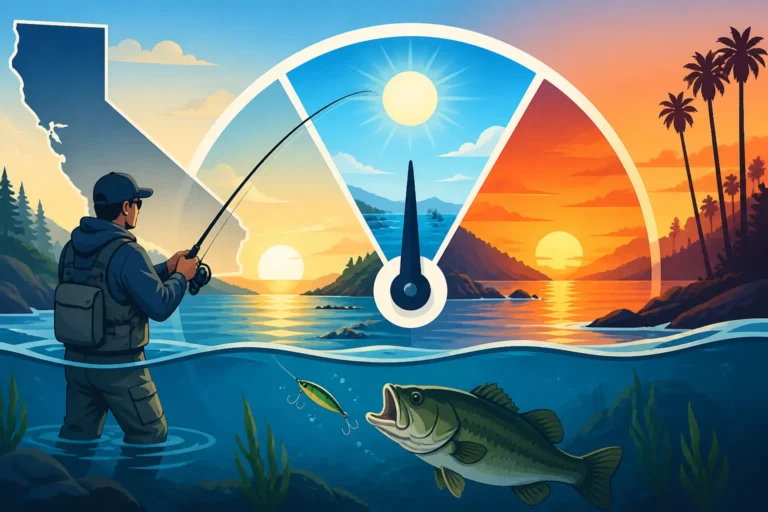
As the sun beats down relentlessly, water temperatures in both freshwater lakes and nearshore ocean areas tend to rise significantly. This change isn't just about comfort for us; it dramatically impacts fish. Many species, especially trout and certain bass, become less active during the hottest parts of the day, seeking refuge in cooler, deeper waters or shaded areas. This means early mornings and late evenings often become the prime fishing windows. For instance, in many of the state's popular reservoirs, bass will move off the shallow banks they frequented in spring and settle into deeper structure or suspend over ledges, making them harder to find but often worth the effort.
In the ocean, rising temperatures can draw in pelagic species that thrive in warmer waters, such as tuna and dorado, creating exciting opportunities further offshore. However, these same warmer currents can sometimes push other species, like salmon, further north or into deeper, cooler pockets, making them tougher to locate. Understanding these thermoclines – layers of water with different temperatures – becomes crucial. Fish often congregate around these invisible boundaries, where they can find both comfortable temperatures and abundant food. It’s a dynamic environment, constantly shifting, which keeps us anglers on our toes, always adapting our approach.
Crowds and Access Challenges
Let's be real, you're not the only one with the brilliant idea to go fishing when the weather is glorious. Summer in California means crowds. Popular lakes, rivers, and coastal piers can become bustling hubs of activity, not just with fellow anglers, but with swimmers, boaters, and beachgoers. This increased pressure can make fish warier and harder to entice. Imagine trying to catch a wary bass when jet skis are whizzing by and kids are splashing near the shore. It takes a different kind of patience, and often, a willingness to seek out less-trafficked spots or fish during off-peak hours.
Access points, especially for popular areas in the Eastern Sierra or on major river systems like the Sacramento River, can also get packed. Parking might be a nightmare, and your favorite secluded bank spot could have a family picnicking on it. This is where a little extra planning goes a long way. Looking into less-known spots or checking local fishing reports for current conditions and crowd levels can save you a lot of frustration. Sometimes, embracing the chaos of a busy pier or party boat can be part of the summer fun, but if solitude and serious angling are your goals, you'll need to strategize around the summer rush.
Top Freshwater Species to Target in Summer
When it comes to freshwater fishing in California during the summer, anglers have a fantastic array of options, especially if they know where to look and what conditions to expect. While some species get tougher, others truly shine.
Bass Fishing Bonanza
Summer is arguably one of the best times for bass fishing across California's vast network of lakes and reservoirs, from the famous Clear Lake to the sprawling San Luis Reservoir. Largemouth, smallmouth, and spotted bass are typically very active, though their behavior changes significantly with the heat. In early summer, they might still be shallower, recovering from the spawn, and aggressively hitting topwater lures in the morning and evening. As the water warms up, however, these fish will often retreat to deeper structure—think submerged points, ledges, brush piles, or even suspended over deep water following baitfish.
Targeting them requires adapting your techniques. Drop-shotting, Carolina rigging, and deep cranking become incredibly effective. You'll need to locate them with good electronics and then present your bait right in their strike zone. For example, on a scorching August afternoon on Castaic Lake, you might find largemouth holding in 20-40 feet of water near a thermocline. A subtle finesse presentation with a soft plastic worm can often outfish anything else. Don't forget those early morning and late evening topwater bites though; they can be explosive and incredibly fun, especially around shady cover or tule lines. Understanding the nuances of California Bass Fishing Regulations is key to ensuring you're compliant with local rules and limits.
Trout in the High Country
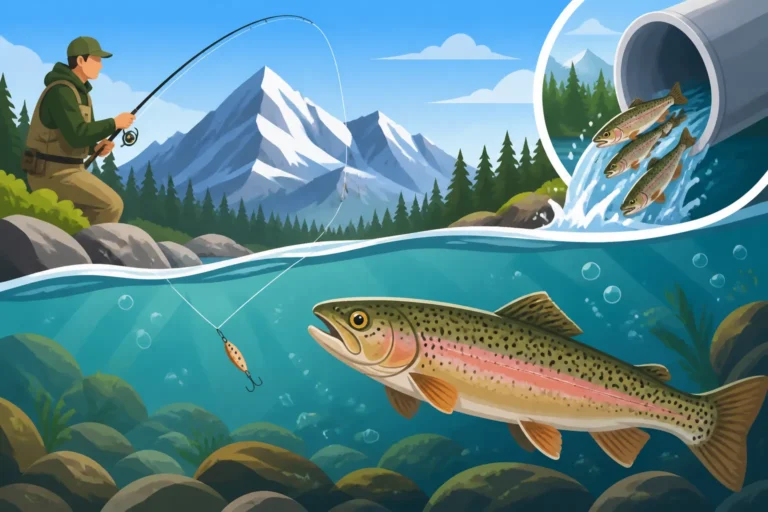
While lowland trout streams can get too warm for productive fishing by mid-summer, the high country lakes and rivers of the Sierra Nevada truly come alive. This is prime time for chasing rainbow, brown, brook, and even the elusive golden trout in pristine alpine settings. The cooler temperatures at elevation make for ideal trout habitats. Popular spots like the Eastern Sierra's Crowley Lake, Convict Lake, and the multitude of streams in the Mammoth Lakes area offer incredible opportunities. Fly fishing becomes particularly rewarding, with various insect hatches providing consistent action.
However, even in the high country, trout can become a bit sluggish during the brightest part of a clear, sunny day. Focus on low-light conditions, shaded pools, or areas where streams enter lakes, bringing in cooler, oxygenated water. Bait fishing with powerbait or worms can also be highly effective in many stocked lakes. Before heading out, always check the current California Trout Limits and Regulations, as specific waters might have special restrictions, such as barbless hook requirements or catch-and-release only sections. For those seeking true wilderness adventures, backpacking into remote alpine lakes can yield incredible fishing for wild and hungry trout that rarely see a hook.
Catfish and Panfish Delights
Beyond bass and trout, summer offers fantastic opportunities for more relaxed, family-friendly fishing targeting catfish and various panfish species. Channel catfish thrive in warm water and are widely distributed in many of California's lakes, reservoirs, and even the vast California Delta. They are opportunistic feeders and can be caught throughout the day, often becoming most active in the evening and through the night. Stinky baits, cut bait, or even chicken livers are classic choices. Lakes like Lake Isabella, Folsom Lake, and the lower sections of the Sacramento River are excellent catfish destinations.
Panfish, including bluegill, crappie, and sunfish, are also prolific and provide endless entertainment, especially for kids or beginners. They are often found in shallow, weedy areas and around docks or submerged brush. A simple setup with a bobber, a small hook, and a piece of worm or crickets will almost guarantee action. These species are not only fun to catch but also make for delicious table fare. They are particularly active during the day, making them a perfect target for a leisurely afternoon outing.
| Species | Preferred Summer Habitat | Common Techniques | Recommended Baits/Lures | Notes |
|---|---|---|---|---|
| Largemouth Bass | Deep structure, submerged brush, shady cover | Drop-shot, Carolina rig, deep crank, topwater | Soft plastics (worms, senkos), jigs, crankbaits, frogs | Mornings/evenings best for topwater; deeper in midday |
| Rainbow Trout | High elevation lakes & rivers, deep cool spots | Fly fishing, bait, trolling | Dry flies, nymphs, PowerBait, worms, small spinners | Focus on cooler water; check stocking schedules |
| Catfish | Deeper holes in lakes/rivers, slow-moving water | Bottom fishing, drift fishing | Cut bait, chicken liver, stink baits, nightcrawlers | Very active at night and in warm water |
| Bluegill/Crappie | Shallow, weedy areas, docks, brush piles | Bobber fishing, small jigs | Worms, crickets, small plastic grubs, mini jigs | Excellent for kids; active during the day |
| Striped Bass | California Delta, large reservoirs, surf zone | Trolling, bait fishing, casting | Cut bait (sardines), swimbaits, poppers, bucktails | Often found chasing bait schools |
Prime Saltwater Opportunities in Summer
California's coastline truly comes alive during the summer months, offering a diverse range of saltwater fishing experiences from shore to deep offshore. The warmer currents often bring in a different class of fish, making it an exciting time for ocean anglers.
Offshore Pelagic Pursuits
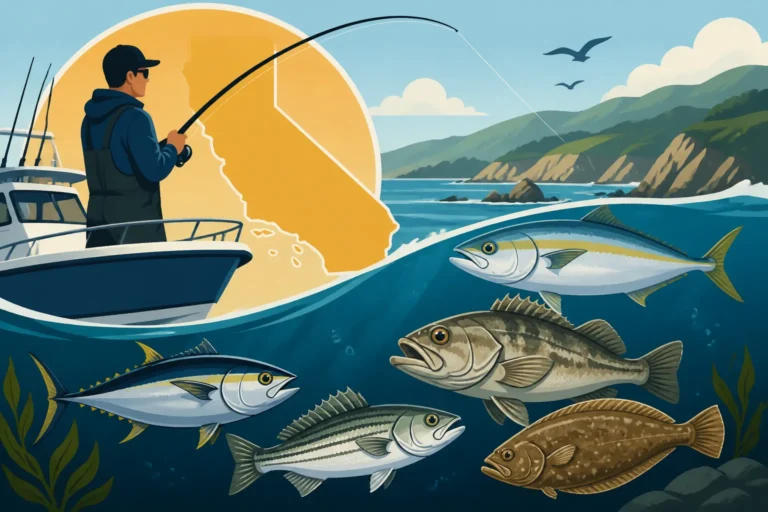
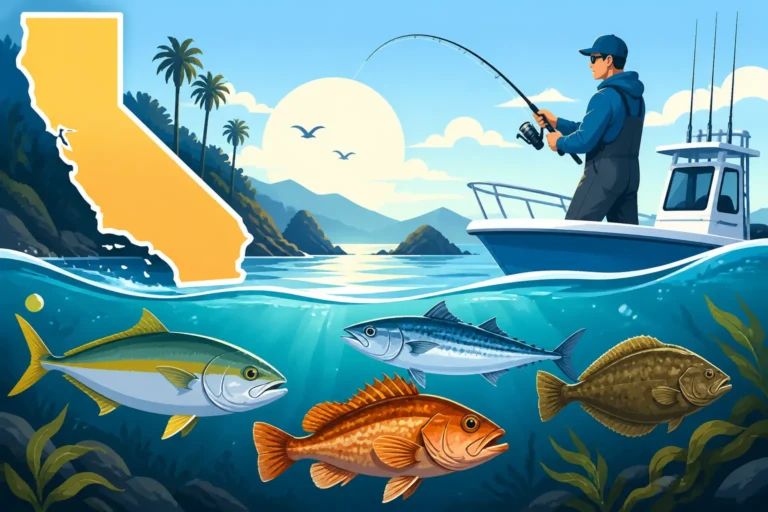
Summer is undoubtedly the season for chasing pelagic species off the California coast. As the water warms up, species like bluefin tuna, yellowfin tuna, dorado (mahi-mahi), and yellowtail migrate into our waters, providing world-class sportfishing opportunities. These fish are typically found further offshore, often associated with kelp paddies, temperature breaks, or schools of baitfish. San Diego, in particular, is renowned as a hub for these epic offshore adventures, with charters running daily to find these hard-fighting fish. Trips can range from full-day excursions to multi-day long-range expeditions.
The techniques for these species often involve live bait (sardines, anchovies), surface iron, jigs, and sometimes trolling. The thrill of hooking into a powerful bluefin tuna or seeing a dorado light up as you reel it in is something every angler should experience. It's physically demanding fishing, often requiring stout gear and quick reflexes. Many anglers opt for charter boats like those found through Best Fishing Charters in California to get to the prime grounds and benefit from experienced crews. Remember that offshore fishing also means being prepared for changing weather conditions and potentially rough seas. For dedicated anglers, gearing up for this kind of action often means a trip to a tackle shop or browsing a wide selection of heavy-duty rods and reels on Amazon.
Inshore Reef Dwellers
While the offshore scene gets a lot of attention, inshore waters and rockfish habitats remain incredibly productive throughout the summer. Rockfish, lingcod, and various other bottom dwellers are plentiful along the rocky coastlines and reefs from San Diego up through the Bay Area and beyond. While some depth restrictions apply to rockfish in certain areas, particularly in the Southern Management Area, there are still ample opportunities to drop a line and pull up some tasty fillets. These fish are typically caught using jigs, leadhead and soft plastic combinations, or bait presented on a dropper loop rig.
Popular spots include the Channel Islands, Monterey Bay, and the numerous rocky points and reefs nearshore. Lingcod, known for their aggressive strikes and delicious meat, are often found in the same areas as rockfish and will readily attack a large jig or live bait. Targeting these species requires a good understanding of the local bottom structure and often some heavy sinkers to get your bait or lure down in current. Checking the California Rockfish Depth Restrictions and other local regulations is critical before heading out, as rules can vary by region and time of year.
Pier and Surf Action
For those without a boat, or simply looking for a more accessible and relaxed fishing experience, California's numerous piers and surf beaches offer excellent summer fishing. Pier fishing is famously accessible, and in California, you generally don't even need a California Fishing License Guide to fish from a public pier, which is a fantastic perk for casual anglers or families. Species like mackerel, bonito, halibut, perch, and even small sharks can be caught from piers. The Santa Monica Pier, San Clemente Pier, and the Berkeley Pier are just a few examples of popular spots.
Surf fishing, too, really hits its stride in the warmer months. Corvinas, perch, halibut, and even leopard sharks patrol the sandy beaches. Light tackle, a sturdy surf rod, and common baits like sandworms, ghost shrimp, or cut bait can be incredibly effective. Early mornings or late evenings often yield the best results, especially when fishing around structure like jetties or troughs. A good pair of polarized sunglasses, available from retailers like Amazon, can make a huge difference in spotting subtle changes in water color or structure when surf fishing. It's a peaceful, often solitary pursuit that connects you directly with the ocean's rhythm, offering both relaxation and the thrill of a tug on the line.
Essential Summer Fishing Techniques and Gear
Summer fishing in California demands a flexible approach and a well-thought-out tackle box. The elevated temperatures and altered fish behavior mean you can't just rely on your spring tactics.
Lure and Bait Strategies
When the sun is high and the water is warm, fish can become lethargic and less willing to chase. This means your lure and bait strategies need to be refined. For freshwater bass, focusing on slower presentations with finesse baits like drop-shot worms or Neko rigs in deeper water is often more effective during midday. However, don't completely discount power fishing during low light hours; a topwater frog walked over lily pads or a spinnerbait ripped through cover at dawn can still produce explosive strikes. Understanding the current baitfish patterns is also crucial; matching the hatch, whether it's shad in a reservoir or anchovies in the ocean, will always give you an edge.
For saltwater, live bait is often king, especially for active pelagics like yellowtail and tuna. Keeping your bait lively and presenting it naturally, either fly-lined or with minimal weight, can be the difference between a bite and a slow day. For rockfish, slow-pitch jigging or using leadhead and grub combinations can be deadly, mimicking injured baitfish on the bottom. When fishing for California Halibut Regulations and Limits, drifting with live or dead bait, or even slow-trolling with a sardine-imitating lure, can be incredibly productive. Varying your retrieve speed and depth is always a good idea until you find what the fish are keying in on.
Essential Summer Tackle
Having the right gear for California's summer conditions isn't just about comfort; it's about efficiency and success. For sunny days, a good pair of polarized sunglasses is non-negotiable, helping you spot structure or cruising fish under the glare. Sun-protective clothing – long-sleeved shirts, neck gaiters, and wide-brimmed hats – will save you from a nasty sunburn, especially during long days on the water. Hydration is critical, so a large water bottle or a cooler packed with drinks is a must.
Your fishing tackle itself should be versatile. For freshwater, having both heavy and light setups allows you to switch from power fishing to finesse fishing as conditions dictate. Consider braided line for its sensitivity and strength, especially when fishing deep or in cover. For saltwater, corrosion-resistant reels are paramount due to the harsh marine environment. Ensure your hooks are sharp and strong enough to handle powerful ocean fish. Don't forget a quality pair of pliers for hook removal, a net or gaff, and a reliable cooler to keep your catch fresh. Many of these essential items, from UV-protective gloves to high-quality fishing line, are readily available on Amazon.
Sun Protection and Hydration
This might sound obvious, but it's astonishing how many anglers overlook the fundamental need for proper sun protection and hydration during summer fishing trips. California's sun is intense, and spending hours exposed on the water can lead to serious sunburn, heatstroke, or dehydration. Beyond just sunscreen, think about a full system of protection. Long-sleeved, breathable shirts with UPF (Ultraviolet Protection Factor) ratings, wide-brimmed hats that shield your face and neck, and neck gaiters are vital. Many modern fishing apparel brands offer fantastic options that are both protective and comfortable even in high heat.
Beyond protecting your skin, staying hydrated is paramount. Always bring more water than you think you'll need. Electrolyte drinks can also be beneficial, especially on long, hot days where you're expending a lot of energy fighting fish or casting repeatedly. Avoid excessive alcohol consumption, as it contributes to dehydration. The last thing you want is a fantastic day of fishing ruined by a splitting headache or worse. Planning ahead for these simple, yet critical, aspects will ensure your comfort and safety, allowing you to fully enjoy your time on the water.
Navigating Summer Regulations and Conditions
Summer in California brings with it a specific set of rules and environmental factors that every responsible angler needs to be aware of. Staying informed isn't just about avoiding fines; it's about preserving our fisheries for future generations.
Seasonal Closures and Limits
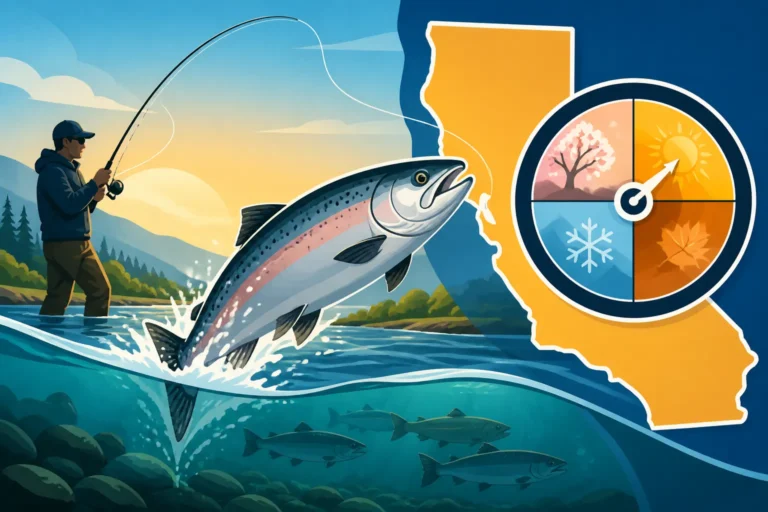
California's fishing regulations are dynamic and often change with the seasons to protect spawning fish or sensitive populations. Summer sees a mix of open seasons and crucial closures. For instance, specific segments of rivers or even entire salmon seasons can be closed or heavily restricted, particularly for Chinook salmon, due to conservation concerns. Always consult the latest California Fishing Regulations Explained booklet, or better yet, the online regulations portal, before planning your trip. These resources will detail exact bag and size limits, open seasons, and any special restrictions for the species you're targeting and the specific body of water you intend to fish.
For ocean fishing, groundfish (rockfish, lingcod) often have complex depth restrictions that vary by management area (e.g., Northern, Central, Southern California). Knowing these boundaries is crucial, as fishing too deep or in closed areas can lead to significant penalties. Some areas might also have specific gear restrictions, such as the requirement for barbless hooks in certain trout waters or when targeting steelhead. Getting caught off guard by an unexpected closure or limit can quickly turn a fun day into a frustrating one, so always do your homework!
Navigating Marine Protected Areas
California boasts an extensive network of Marine Protected Areas (MPAs) along its coast, designed to conserve marine ecosystems. While these areas are vital for ocean health, they can sometimes confuse anglers. MPAs have different classifications, from "No-Take" zones where all fishing is prohibited, to "State Marine Conservation Areas" where certain types of fishing might be allowed, often with specific gear or species restrictions. Ignorance is no excuse when it comes to MPAs, and violations carry hefty fines.
Before heading to any coastal fishing spot, it is absolutely essential to know if you are within an MPA and, if so, what the specific rules are for that particular zone. Websites like the California Department of Fish and Wildlife (CDFW) offer interactive maps and detailed descriptions of all MPAs. Consider familiarizing yourself with California Marine Protected Areas Explained to ensure you're fishing legally. Many GPS units and fishing apps also have MPA boundaries loaded, providing real-time awareness on the water. It’s our responsibility as anglers to understand and respect these protected zones to help sustain California's incredible marine life.
Dealing with Heat and Fire Risks
Summer in California isn't just about great fishing; it's also synonymous with high temperatures and, unfortunately, an elevated risk of wildfires. These environmental factors can directly impact your fishing plans. Extreme heat warnings should be taken seriously, especially if you plan to fish in inland valleys, deserts, or even some coastal areas where temperatures can soar. Fishing during the hottest part of the day, particularly if you're exposed to direct sunlight, increases the risk of heatstroke and dehydration. It’s always best to fish during the cooler morning and evening hours when temperatures are more moderate.
Additionally, pay close attention to fire conditions, especially if you're planning trips to national forests, state parks, or remote freshwater areas. Fire restrictions, such as bans on campfires or even certain types of equipment that can spark, are common. Road closures due to active fires or evacuation orders can also suddenly derail your plans. Checking fire maps and local agency alerts (like Cal Fire) before you leave is just as important as checking the fish forecast. Be a responsible outdoors person: never discard cigarette butts, ensure trailers have proper tire inflation to prevent sparks, and carry a shovel and fire extinguisher if you’re venturing into remote areas.
Planning Your Ultimate California Summer Fishing Trip
A successful summer fishing trip in California isn't just about good luck; it's about smart planning. With a little foresight, you can maximize your chances of catching fish while enjoying the Golden State's natural beauty.
Choosing the Right Spot
California offers an incredible array of fishing locations, and choosing the right one for summer requires a bit of thought. If you're after freshwater species, consider the high-elevation lakes and rivers of the Eastern Sierra for trout, which remain productive as lowland waters warm up. For bass, the large reservoirs like Clear Lake, Lake Shasta, or Diamond Valley Lake offer fantastic opportunities, but you'll need to adapt to deeper presentations during midday. The California Delta is a perennial favorite for striped bass and catfish, offering a unique environment. Our guide on the Best Lakes to Fish in California can provide a deeper dive into top destinations.
For saltwater adventures, the decision depends on what you're targeting. If it's offshore pelagics like tuna and dorado, consider ports like San Diego, Dana Point, or Long Beach. For rockfish and lingcod, Monterey Bay, Morro Bay, or Bodega Bay offer excellent options. Don't overlook the accessibility and variety of pier fishing or surf fishing at local beaches like those in Santa Monica or San Clemente. Researching recent fishing reports can provide invaluable, up-to-the-minute information on where the bite is hot and what species are being caught.
Chartering and Guiding in Summer
For many anglers, especially those targeting offshore species or looking to learn new techniques, booking a fishing charter or hiring a guide is an excellent option for a summer trip. Charter boats, particularly in Southern California, offer various trips, from half-day excursions focusing on rockfish and barracuda to full-day or multi-day trips specifically for tuna, yellowtail, and dorado. The crews on these boats are experts at finding fish and providing the necessary gear and guidance, making it a stress-free way to experience big-game fishing.
For freshwater, specialized guides can take you to the best trout streams in the Sierra Nevada for fly fishing, or show you the honey holes for bass on a large reservoir. A guide can significantly shorten the learning curve, put you on fish faster, and teach you techniques perfectly suited to the local conditions. Before booking, consider what kind of experience you want (e.g., private vs. party boat, specific species focus) and always check reviews. Learning how to properly Tipping on a California Fishing Charter is also a good idea to show appreciation for their hard work.
Best Times of Day to Fish
The summer sun in California can be relentless, and this directly impacts when fish are most active. For both freshwater and saltwater, the early morning hours, right at dawn, and the late evening, leading up to dusk, are almost universally the most productive times. During these "golden hours," temperatures are cooler, light levels are lower, and many fish species move shallower to feed more aggressively. Topwater action for bass can be explosive at sunrise, and halibut will often move onto shallower flats to feed on outgoing tides in the evening.
Midday, especially on a scorching day, often sees fish retreating to deeper, cooler water or holding tight to heavy cover. While you can still catch fish during these periods, it typically requires more finesse, patience, and precise presentations. For species like catfish, however, the nighttime hours can be incredibly productive, as they are primarily nocturnal feeders and thrive in warm water. Always consider the sun's position, temperature forecasts, and tide charts (for saltwater) when planning your fishing windows, and remember to prioritize those prime low-light periods for the best chance of success.
Disclaimer
Please note that fishing regulations in California are subject to change by the California Department of Fish and Wildlife (CDFW). It is the angler's responsibility to review and understand the most current regulations before engaging in any fishing activity. This guide is for informational purposes only and should not be considered a substitute for official CDFW regulations.