California Fishing in March: What to Catch
Oh, March in California! It’s that wonderfully weird time of year when winter is technically still hanging around, but spring is absolutely itching to break free. Anglers often find themselves staring out at the water, wondering if it's too cold for bass, too early for halibut, or if those hungry trout are finally looking up. The truth is, March can be one of the most unpredictable yet rewarding months to fish in the Golden State, offering a unique blend of lingering winter patterns and emerging spring action. This guide is going to peel back the layers of March fishing in California, helping you navigate the transitional conditions and pinpoint exactly what fish species are ready to bite, and how you can catch them.
Decoding March's Weather and Water Conditions
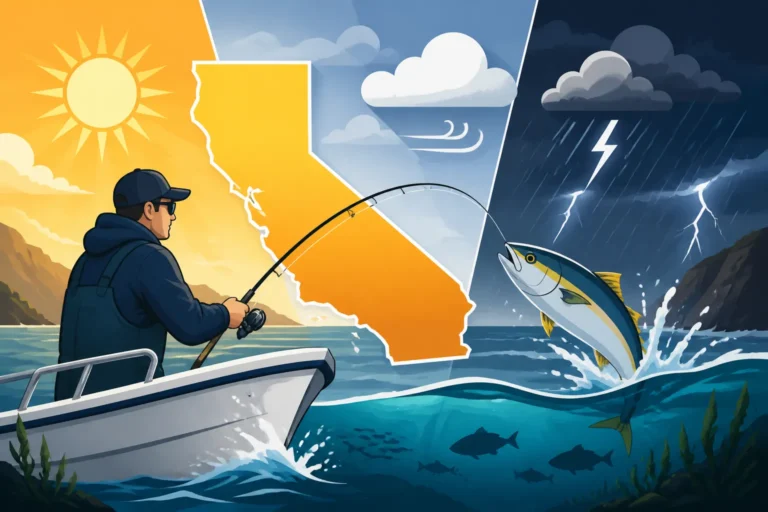
March in California is like a teenager—unpredictable, a bit moody, and full of surprises. One day you’re enjoying glorious sunshine, the next you’re bundled up against a relentless rain shower. These shifting conditions play a huge role in how fish behave, so understanding them is your first step to a successful outing.
The Push and Pull of Winter and Spring
As we transition from February into March, you'll feel the subtle shift in air temperatures, but the water often takes a bit longer to catch up. This lag means that while some days might feel warm, the water temperature, especially in larger lakes and reservoirs, can still be quite chilly. This is particularly true if California has seen a good amount of rain, as runoff from storms can cool surface temperatures and bring in fresh, often muddy, water. In the mountains, snowmelt can start to swell rivers, making them higher and colder, which can impact trout fishing in those specific areas.
Think of it this way: fish are still a bit sluggish from winter in the colder water, but those warming trends get their metabolism stirring. They might not be in full-on spring feeding mode, but they're definitely starting to get more active. Pay close attention to local weather forecasts and recent rainfall, as these factors will dictate water clarity and temperature swings, which are crucial for finding fish. A few consecutive sunny days, even if cool, can warm up shallow coves and rocky areas just enough to spark some activity.
Understanding Water Clarity and Its Impact
March can bring significant changes in water clarity. Heavy winter rains can lead to rivers and even some lake coves becoming stained or muddy with runoff. While this might seem like a deterrent, it's not always a bad thing! Many species, like bass and catfish, actually thrive in slightly murky water, using the reduced visibility to ambush prey. However, species like trout, especially in clear mountain streams, might become harder to spot or more cautious.
When you encounter stained water, consider using baits and lures that create a lot of vibration or have a strong profile. Darker colors or those with high contrast can also stand out better in these conditions. On the flip side, if you find areas with clearer water, especially after a period of stable weather, you might need to scale down your line size and use more natural-looking presentations. Always check the water conditions when you arrive at your chosen spot—it can vary wildly even within the same body of water, especially if you’re fishing a large reservoir with multiple inlets.
Prime Fish Species to Target in California During March
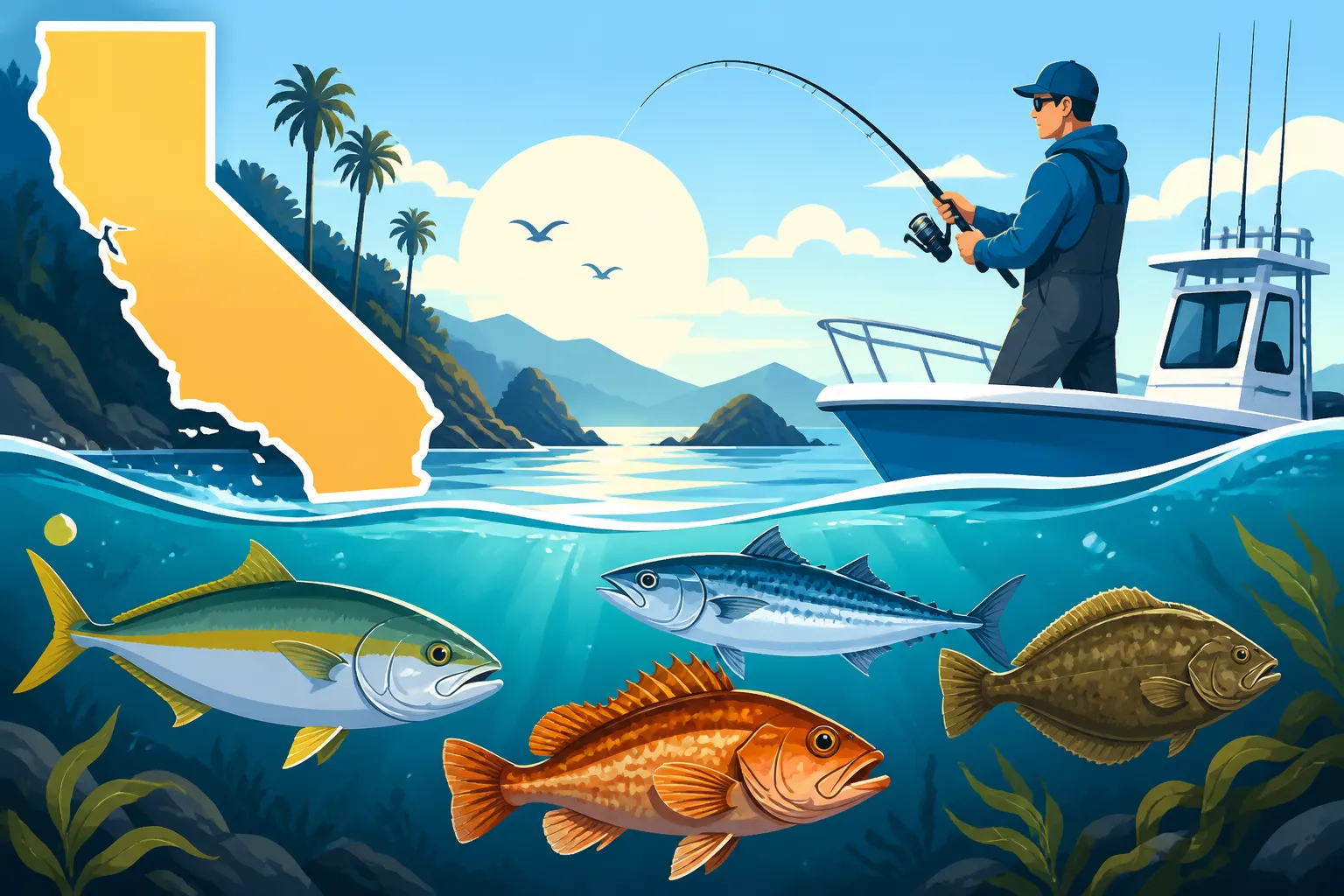
So, with the weather doing its typical March dance, what's actually biting? Thankfully, California's diverse fisheries mean there's always something to chase. From the chilly freshwater lakes to the bustling saltwater coast, March offers some fantastic opportunities for specific species.
Freshwater Favorites: Trout, Bass, and Crappie
March is an excellent month for freshwater fishing in California, especially if you know where to look.
Trout: Stocked Waters and Early Season High Sierra Opportunities
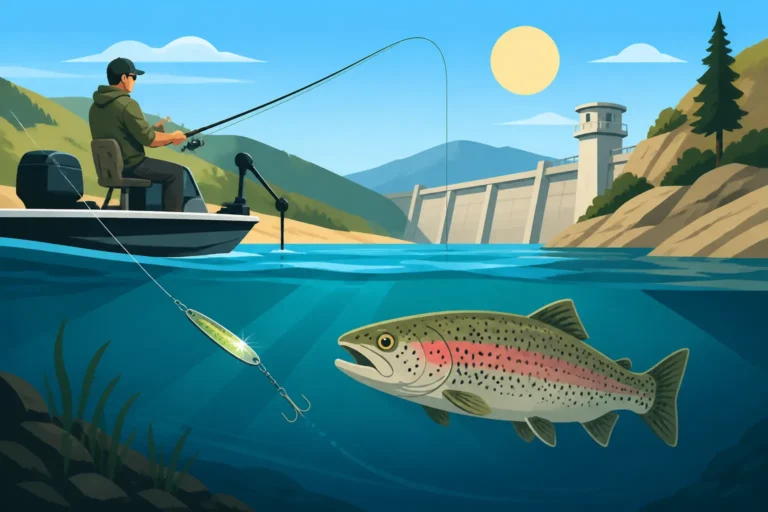
For many anglers, March signals the start of prime trout fishing, especially in the low-elevation lakes and reservoirs that get regular stockings from the California Department of Fish and Wildlife. These fresh batches of rainbow trout are often eager to bite and can provide consistent action. Popular spots like Lake Crowley in the Eastern Sierra might still be under ice in early March, but lower elevation lakes such as Lake Pardee, Lake Amador, and many local community ponds are usually open and well-stocked. Anglers often find success with PowerBait, small spoons, or inflated nightcrawlers fished near the bottom or under a bobber.
Beyond the stocked waters, March can also offer early glimpses of wild trout activity in some rivers and streams as water temperatures slowly climb. However, be mindful of specific regulations, as many trout streams in higher elevations remain closed until late April or May. Always consult the current year's California Freshwater Fishing Regulations to ensure you're fishing legally. If you're looking for more detailed advice, our guide on How to Fish for Trout in California has some excellent tips.
Bass: Pre-Spawn Action in Full Swing
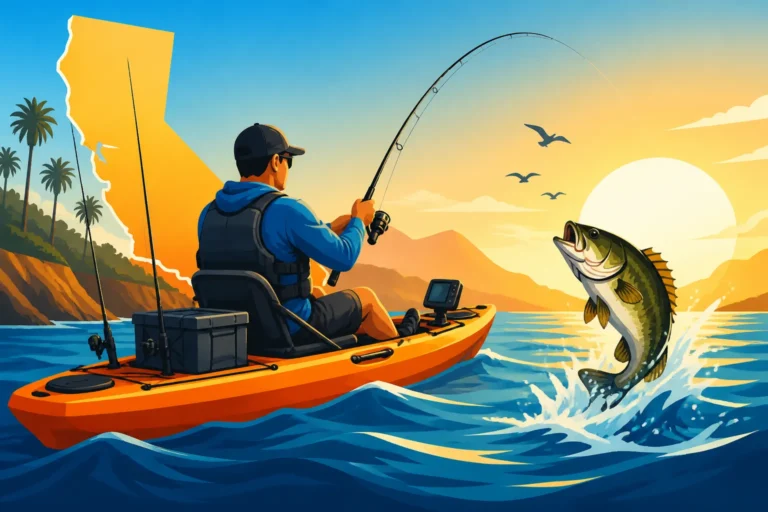
Largemouth bass in California's lakes and reservoirs are really starting to wake up in March. While the full spawn might be a month or two away in most regions, bass are definitely in their pre-spawn phase, meaning they’re actively feeding and moving towards shallower staging areas. This is a fantastic time to catch some of the biggest bass of the year as they bulk up for spawning. Look for areas with rock piles, submerged timber, or weed lines near deeper water.
Spinnerbaits, lipless crankbaits, and jigs are excellent choices for covering water and triggering strikes from these aggressive fish. Plastics like Senkos or creature baits fished slowly on a Texas rig can also be incredibly effective, especially as the water warms on sunny afternoons. Iconic bass fisheries like Clear Lake, Lake Oroville, and Castaic Lake really start to shine in March. For those eager to land a lunker, learning How to Fish for Largemouth Bass in California will be key to success this month.
Crappie: Panfish Paradise
Don't overlook crappie in March! These delicious panfish become incredibly active as water temperatures climb into the 50s and 60s, moving into shallow coves, around submerged brush, and docks to feed. They're often found schooling in good numbers, so once you find one, you're likely to find many more. Light tackle is key for crappie, using small jigs (1/32 to 1/16 oz) or live minnows under a bobber. Look for them in lakes like the California Delta, Lake Success, and even some smaller community lakes.
Saltwater Opportunities: Rockfish, Lingcod, and Halibut
The ocean can be a bit more temperamental in March with lingering winter swells, but when conditions allow, the fishing can be superb.
Rockfish and Lingcod: Deepwater Delights
For saltwater anglers, March often means the reopening of rockfish and lingcod seasons in specific management areas along the California coast. This is a highly anticipated event, and party boats will often be running trips targeting these bottom dwellers. These fish thrive in rocky reefs and kelp beds, often found in deeper waters this time of year. Jigs, live bait, or cut bait fished on dropper loops are common tactics. Be sure to check the specific California Rockfish Regulations and Limits for your region, as depth restrictions and bag limits can vary significantly. Lingcod, in particular, are aggressive predators and offer a powerful fight, making them a favorite target. Our guide to California Rockfish Regulations and Limits provides crucial details you'll need.
Halibut: Bay and Nearshore Action Begins
While the peak halibut season is still a bit off, March sees these elusive flatfish becoming more active, especially in bays and estuaries. As the water warms, they move out of deeper channels and onto shallower sand flats and gradual slopes to feed. Live bait, particularly anchovies or sardines, fished on a lead head or sliding sinker rig, is incredibly effective. Trolling with spoons or artificial lures can also produce results. The San Francisco Bay, Monterey Bay, and various Southern California bays like San Diego Bay and Mission Bay are all great places to target halibut. Don't forget to familiarize yourself with California Halibut Regulations and Limits before you head out.
Here’s a quick overview of what you can expect in March:
| Species | Typical Location | Best Baits/Lures | Key March Behavior |
|---|---|---|---|
| Rainbow Trout | Stocked lakes, lower rivers | PowerBait, worms, small spoons, jigs | Highly active in stocked waters; wild fish slowly becoming more active in rivers. |
| Largemouth Bass | Reservoirs, lakes | Jigs, spinnerbaits, crankbaits, swimbaits | Pre-spawn feeding frenzy; moving to shallower staging areas. |
| Crappie | Lakes, reservoirs, Delta | Small jigs, live minnows | Schooling in shallow coves around structure as water warms. |
| Rockfish | Coastal reefs (depths vary) | Jigs, live/cut bait (squid, anchovies) | Seasons often reopening; deepwater action, look for structure. |
| Lingcod | Coastal reefs, rocky bottoms | Large jigs, swimbaits, live bait | Aggressive predators, often found with rockfish. |
| Halibut | Bays, nearshore ocean | Live anchovies/sardines, swimbaits | Becoming more active in warmer bay waters, moving to flats and gradual slopes. |
| Surfperch | Coastal beaches, piers | Sand crabs, Gulp! sandworms, mussels | Consistent action along sandy beaches and piers, especially on incoming tides. |
Effective Techniques and Strategies for March Fishing
Fishing in March demands a flexible approach. The fish are often in a transitional state, not fully committed to spring patterns, and changing weather can flip conditions on a dime. Having a diverse set of tactics in your angler's toolbox will serve you well.
Adapting to Water Temperature Fluctuations
The biggest factor in March is water temperature. Fish are cold-blooded, so their metabolism and activity levels are directly tied to it. Early March might still require slower presentations in deeper water, as fish are conserving energy. As the month progresses and sunny days accumulate, shallower areas will warm first, drawing in baitfish and, subsequently, predators.
- Go Slow and Steady: When water is still cool, fish lures slowly. A slow retrieve with a jig or a subtle twitch of a plastic worm can be more effective than a fast-moving bait that fish might not want to chase.
- Target Sun-Exposed Areas: On lakes and reservoirs, focus your efforts on northern banks or coves that receive prolonged sun exposure. These spots will warm up quicker, creating comfort zones for fish. Rocky banks absorb and radiate heat, making them prime locations.
- Depth Matters: Start by exploring a range of depths. Fish might be suspended just off the bottom in deeper sections, or they could be holding tight to shallow cover if a warm front has moved through. Use your electronics if you have them, or systematically fan-cast to different depths.
Gear and Bait for Transitional Conditions
Having the right gear and a versatile bait selection can make all the difference. Since conditions can change, it's wise to bring a variety.
Freshwater Tackle Choices
For trout, keep it light. A 6-7 foot light or ultralight spinning rod spooled with 4-6 lb test line is perfect. For baits, pack an assortment of PowerBait (try fluorescent colors like chartreuse or orange), live worms, and a selection of small inline spinners like a Rooster Tail or Panther Martin. If you're fishing stocked waters, check with local tackle shops; they often know what specific colors the fish are biting on.
For bass, a medium-heavy casting or spinning rod with 10-15 lb fluorocarbon or braided line is a good all-around choice. Include a selection of jigs (football jigs, skipping jigs), lipless crankbaits in crawfish patterns, and soft plastics like senkos or creature baits. Don't forget some sturdy hooks and weights for Texas rigging or drop-shotting. You might find some excellent deals on versatile lure kits on Amazon that cover a range of conditions.
Saltwater Setup Essentials
Ocean fishing in March calls for robust gear. For rockfish and lingcod, a medium-heavy to heavy conventional rod with a matching reel spooled with 50-80 lb braided line is standard. Heavy jigs (4-12 oz depending on depth and current), large swimbaits, or live/cut bait on gangion rigs are your go-to. For halibut in the bays, a medium-light to medium spinning or conventional rod with 15-20 lb test line is appropriate. Live bait rigs with a sliding sinker or lead head jigs with a grub are excellent.
Don't forget the essentials for any coastal trip: warm, waterproof clothing – March can be surprisingly chilly and wet on the water. Consider ordering a quality waterproof jacket from Amazon if your current gear isn't up to snuff.
Reading the Water and Adapting on the Fly
Successful March fishing isn't just about showing up; it's about being observant and willing to change your plan.
- Look for Activity: Keep an eye out for baitfish skipping on the surface, birds diving, or any surface disturbances that might indicate feeding fish. Even subtle ripples or changes in current can point you towards fish.
- Follow the Wind: In lakes, the wind can push warm surface water and baitfish to one side of the lake, creating prime feeding zones. A consistent breeze might also create a 'current' that concentrates fish.
- Trial and Error: Don't be afraid to try different lures, baits, and presentation speeds. If one technique isn't working after 15-20 minutes, switch it up. Vary your retrieve, try a different color, or move to a new spot. This is especially true for Best Times to Fish in California during this fickle month. Learning How to Read the California Fishing Regulations Booklet is also an important skill, as rules can differ by body of water and change seasonally.
Where to Find the Best March Fishing Spots in California
California is massive, and fishing conditions can vary dramatically from north to south, coast to inland. Finding the right spot for March fishing means considering both the species you're after and the local conditions.
Inland Lakes and Rivers
Many of California's freshwater gems offer fantastic opportunities in March, particularly for bass and trout.
Northern California Highlights
- Clear Lake: This legendary bass lake near Lakeport is buzzing with pre-spawn largemouth bass in March. Fish will be staging in shallower areas, especially around docks, tules, and rocky points. Expect to find some truly giant bass here.
- Lake Shasta: While known for its excellent trout fishing, particularly rainbow and brown trout, Lake Shasta also offers decent opportunities for bass and landlocked salmon (Kokanee) in March. Trout often suspend in the water column, making trolling with lures or bait effective.
- California Delta: The vast network of waterways in the Sacramento-San Joaquin Delta can be fantastic for striped bass and largemouth bass. Stripers start to move into the Delta in bigger numbers as temperatures rise, and bass are already getting active around structure. Look for warmer, shallower pockets and areas with current breaks.
Central and Southern California Freshwater Hotspots
- Lake Berryessa: Located in Napa Valley, Lake Berryessa is another excellent choice for March bass fishing. Its clear waters mean you might need to finesse your presentation, but big bass are definitely on the move. Trout fishing can also be productive.
- Diamond Valley Lake: This Southern California reservoir consistently produces trophy-sized largemouth bass, and March is a prime time to target them. Fish deep structure and transition areas with jigs and large swimbaits.
- Urban Lakes and Ponds: Don't overlook the many smaller, regularly stocked urban lakes and community ponds, especially for easy trout fishing. These are perfect for a family outing and are often managed by local park districts or the CDFW's "Fish Planting" program. Check local resources for scheduled stocking dates.
Coastal and Ocean Fishing Destinations
For those drawn to the salty air, California's diverse coastline has plenty to offer in March.
Piers and Jetties: Accessible Action
Many of California’s iconic fishing piers offer fantastic opportunities in March, often without the need for a California Fishing License Guide (though always double-check local rules, especially for specific species). Piers like the Santa Monica Pier, Oceanside Pier, and Pacifica Pier can be productive for surfperch, mackerel, and occasionally halibut or even small sharks. Using small pieces of cut bait, squid, or Gulp! sandworms on a high-low rig is a popular and effective method. If you're wondering about the specifics, our guide on California Pier Fishing License Rules can clear things up.
Bays and Estuaries: Halibut Havens
California's protected bays are often more fishable in March than the open ocean due to calmer conditions.
- San Francisco Bay: A legendary spot for leopard sharks and striped bass. March can also see the first signs of halibut activity as water temperatures rise. Fishing from shore, piers, or small boats can be very productive.
- San Diego Bay: Offers a wide variety of species including spotted bay bass, halibut, and even some yellowfin croaker. Live bait is king here, but artificials can also be effective.
- Monterey Bay: Known for its diverse marine life, Monterey Bay can offer good opportunities for rockfish (once seasons open) and even some early halibut in calmer conditions.
Open Ocean: Charter Adventures (Weather Dependent)
If the ocean cooperates, booking a charter boat for rockfish and lingcod is a stellar option. Departures from ports like San Diego, Long Beach, Dana Point, Santa Barbara, Morro Bay, Monterey, Half Moon Bay, and Bodega Bay will head to the reefs. These trips offer access to deeper, more productive waters and professional guidance. While pelagic species like tuna or dorado are still months away, the bottom fishing can be exceptional. Consider a trip with a reputable operator like H&M Landing or Fisherman's Landing in San Diego if you're in Southern California, or look for local party boats out of Emeryville or Half Moon Bay in the north. Our comprehensive guide to California Fishing Charters: Complete Guide can help you choose the right trip.
March fishing in California really is a tale of two seasons converging. It's a month that rewards versatility, patience, and a willingness to adapt to whatever Mother Nature throws your way. So get out there, embrace the challenge, and enjoy the diverse fishing opportunities that await!
Disclaimer
Fishing regulations in California are subject to change by the California Department of Fish and Wildlife. Always consult the latest official regulations booklet or website before heading out to fish. This guide provides general information and recommendations, but it is the angler's responsibility to adhere to all current laws and regulations, including licensing, bag limits, and gear restrictions.