How to Fish for Trout in California
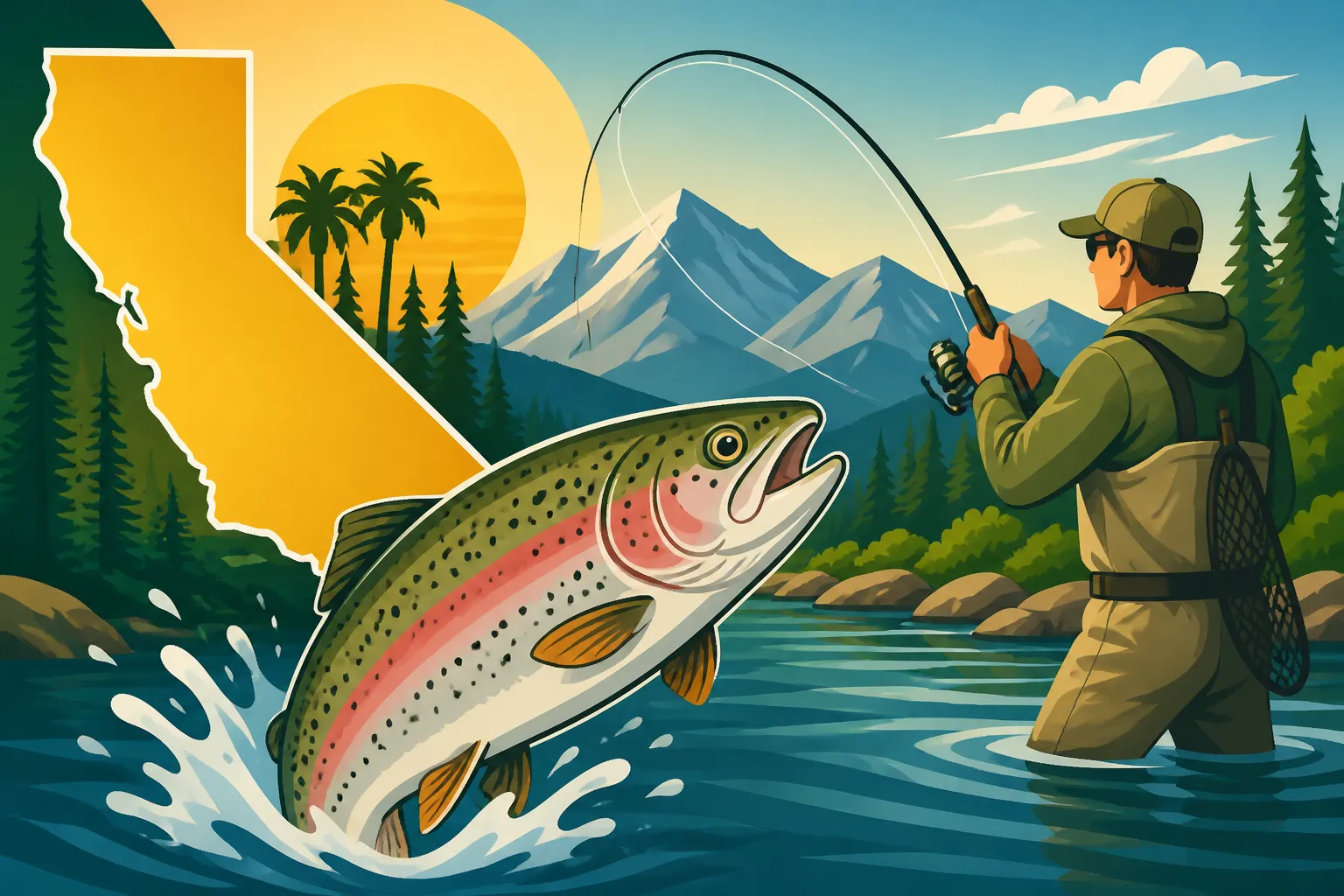
Oh, the elusive trout! If you've ever cast a line into one of California's stunning rivers or pristine alpine lakes, you know the mix of excitement and frustration that comes with targeting these beautiful, often finicky, fish. It's not always as simple as tossing out a worm and waiting; California's diverse waterways, from the Sierra Nevada to coastal streams, each demand a unique approach. This guide is here to untangle the complexities, offering real-world advice to help you understand trout, their habitats, and the best ways to bring them to your net, whether you're a seasoned angler or just starting out.
Understanding California's Diverse Trout Habitats
California isn't just one big fishing hole; it's a tapestry of incredible environments, each with its own quirks and charms when it comes to trout. What works in a chilly mountain stream won't necessarily cut it in a vast, sun-drenched reservoir. Recognizing these differences is your first step to becoming a more successful trout angler.
Alpine Lakes and High Sierra Streams
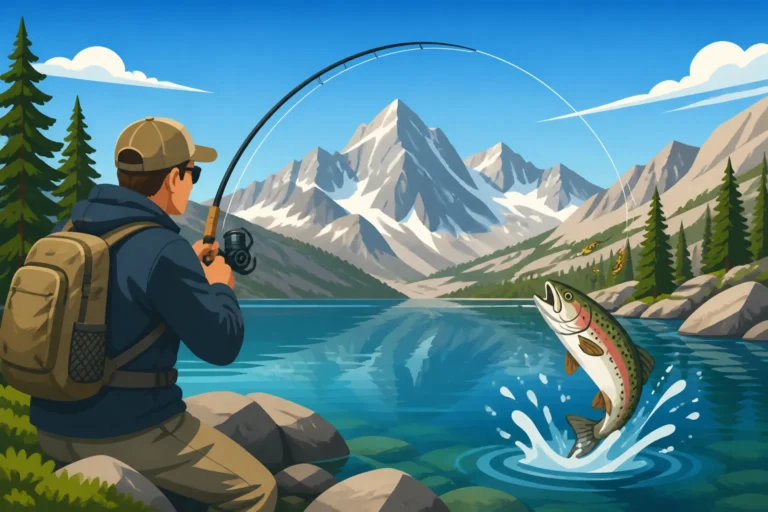
Imagine crystal-clear water, towering peaks, and air so fresh it tingles your nose. This is the realm of California's alpine lakes and high Sierra streams, and it's an absolute paradise for trout fishing. Here, you'll primarily find rainbow, brown, brook, and the iconic golden trout. These fish are often wild, wary, and accustomed to a sparser food supply, making them both a challenge and a reward. The sheer elevation and remoteness mean colder water temperatures year-round, which impacts everything from their activity levels to their feeding habits.
Fishing in these high-altitude environments often requires a stealthy approach. Trout in these waters are incredibly sensitive to vibrations and shadows. A heavy footfall on the bank can send them scattering, and even your shadow passing over a small pool can spook a hungry fish. You'll often find them lurking near submerged rocks, fallen logs, or undercut banks, waiting for insects to drift by. The season here is typically shorter, with access limited by snowpack, usually opening up from late spring through early fall. If you're planning a trip to these stunning locales, you'll definitely want to check out our guide on how to fish high Sierra lakes for more specific tips.
Lowland Reservoirs and Lakes
Moving down from the mountains, California offers numerous lowland reservoirs and larger lakes that provide fantastic trout fishing opportunities, especially for those who prefer easier access. Think places like Lake Tahoe, Crowley Lake, or even some of the smaller, regularly stocked urban lakes. These waters often hold a mix of native and hatchery-raised trout, including rainbow, brown, and sometimes lake trout. Due to stocking programs, these fish can sometimes be a bit less wary than their wild counterparts, offering a more consistent bite, especially for beginner anglers.
The larger size of these bodies of water means different challenges and techniques. Trout here can cruise open water, suspend at various depths, or hug structure. Seasonal changes, especially water temperature fluctuations, play a significant role in where you'll find them. In cooler months, trout might be shallower, while during the heat of summer, they often retreat to deeper, cooler thermoclines. This means understanding how to fish California reservoirs in summer heat is key if you're planning a trip during those warmer months. These environments are also popular for trolling, where anglers cover a lot of water to locate actively feeding fish.
Coastal Streams and Rivers
While not as widely known for "trout fishing" in the conventional sense, California's coastal streams and rivers are crucial habitats for anadromous trout – specifically, steelhead. These are sea-run rainbow trout that spend part of their lives in the ocean before returning to freshwater to spawn. Catching a steelhead is often considered the pinnacle of trout fishing for many anglers, given their powerful fights and elusive nature. These waterways, like the Trinity River or the Eel River, offer a completely different fishing experience, often involving specialized gear and techniques.
The focus in coastal rivers is largely on migration patterns and understanding the specific windows when steelhead are present. They are often targeted during the fall and winter months as they push upstream from the Pacific Ocean. Their diet shifts from marine forage to freshwater insects and salmon eggs, making presentation crucial. Unlike still-water fishing, river fishing demands a keen understanding of currents, seams, and holding water. It's a challenging but incredibly rewarding pursuit for those who dedicate themselves to it. You'll want to be intimately familiar with California steelhead season dates explained if you're thinking of targeting these magnificent fish.
Essential Gear for California Trout Fishing
Okay, so you know where you want to go. Now, what do you need to bring? The right gear can make all the difference between a frustrating day and a fantastic one. You don't need to break the bank, but having the essentials tailored to the type of trout fishing you're doing is crucial.
Rods, Reels, and Line Choices
When it comes to your primary setup, versatility is key, especially if you're starting out. A good all-around spinning rod for trout fishing in California typically falls in the 6 to 7-foot range, with a light to medium-light action. This gives you enough backbone to cast lighter lures and baits, but still enough sensitivity to feel those subtle trout bites. For reels, a 1000 or 2000 size spinning reel is generally perfect, offering a smooth drag system that's vital when fighting a lively trout on light line.
Your line choice is equally important. For most conventional trout fishing, a 4 to 6-pound test monofilament or fluorocarbon line is ideal. Monofilament offers good knot strength and shock absorption, while fluorocarbon is nearly invisible underwater and has less stretch, which can increase sensitivity. For those venturing into fly fishing, a 4 or 5-weight fly rod is a great starting point for most California trout waters, paired with a matching weight-forward floating line. The length of a fly rod can vary, but a 9-foot rod offers good versatility for different casting situations, whether you're in a tight stream or an open lake. You can find a wide range of reliable rod and reel combos for beginners on Amazon that won't strain your budget.
Baits, Lures, and Flies
This is where the real fun begins – choosing what to trick those trout with! The options are vast, and what works best depends heavily on the water you're fishing and the trout's mood.
For bait fishing, classic choices like PowerBait (especially in bright colors like chartreuse, rainbow, or neon green), live worms (nightcrawlers or mealworms), and salmon eggs are perennial favorites, particularly in stocked lakes and slower moving streams. PowerBait, in particular, is designed to float, lifting your hook off the bottom and making it more visible to cruising trout. You can rig it with a small treble hook and a sliding sinker setup. Natural baits like worms appeal to a trout's instinctual feeding habits, mimicking their natural forage.
When it comes to lures, think small and shiny. Inline spinners (like a Panther Martin, Mepps, or Rooster Tail) are incredibly effective, especially in streams and rivers, as their rotating blade creates flash and vibration that drives trout wild. Small spoons (like a Kastmaster or Thomas Buoyant) are also fantastic, particularly for casting in lakes or trolling, mimicking injured baitfish. Jerkbaits or minnow imitations, though less common for traditional trout, can be deadly for larger, more aggressive brown trout in some reservoirs. If you're overwhelmed by choices, our guide on Best Lures for California Trout can offer some great starting points.
For the fly fishing enthusiast, the world of flies is deep and captivating. Dry flies (like a Parachute Adams, Elk Hair Caddis, or stimulator patterns) imitate insects floating on the surface, perfect for when trout are rising. Nymphs (like a Prince Nymph, Pheasant Tail, or Hare's Ear) imitate aquatic insects larvae that live on the bottom, often fished under an indicator. Streamers (like a Woolly Bugger or Clouser Minnow) imitate baitfish, great for aggressive trout or in higher flows. Knowing your local insect hatches is a game-changer here.
Essential Accessories and Apparel
Don't overlook the little things; they can significantly impact your comfort and success. A landing net is crucial for safely landing and releasing trout, especially if you're practicing catch and release. A pair of pliers or forceps is indispensable for removing hooks quickly and minimizing harm to the fish. A tackle box or small backpack to carry your baits, lures, and extra line keeps you organized.
Sun protection is non-negotiable in California. Think a wide-brimmed hat, sunglasses (polarized ones will help you spot fish and structure under the water), and plenty of sunscreen. Depending on where you're fishing, waders and wading boots might be essential for accessing prime spots in rivers and streams, allowing you to get closer to the fish without spooking them. Even a simple pair of waterproof boots can make a world of difference when fishing muddy banks or shallow wading spots. Always bring a cooler with ice if you plan to keep your catch, to ensure the fish stay fresh. You can find excellent quality polarized sunglasses and other fishing apparel on Amazon.
Proven Techniques for Catching Trout in California
Now that you have your gear, let's talk tactics. Trout fishing isn't a one-size-fits-all endeavor. Different techniques excel in different conditions and for different species. Being versatile and willing to adapt will put more fish in your net.
Bait Fishing Strategies
Bait fishing is often the simplest and most accessible method, making it a favorite for beginners and seasoned anglers alike, especially in stocked waters. The key here is presentation and patience.
When fishing with PowerBait in lakes, the most common setup involves a small treble hook (size 10 or 12), a leader of about 12-24 inches, a swivel, and a sliding egg sinker. The idea is to mold the PowerBait around the hook, making it buoyant enough to float up off the bottom. Cast it out, let the sinker settle, and wait. Trout often pick up the bait gently, so watch your line for any twitch or subtle movement. This setup is particularly effective in still waters or areas with slow currents.
For live baits like worms or mealworms, a similar Carolina-rig style with a small hook (size 8 or 10 bait holder hook) can work wonders. You can also fish them under a bobber in shallower water or slowly drift them through deeper holes in streams. In rivers, a drift fishing approach with a split shot or small weight above your bait allows it to tumble naturally downstream with the current, mimicking a free-floating insect or worm. This natural drift is crucial for enticing wary river trout. Always remember that specific regulations, such as California freshwater fishing regulations, may dictate what baits are allowed in certain waters.
Lure Fishing Tactics
Lure fishing for trout is an active and engaging method that can cover a lot of water quickly. It's about triggering a reaction strike with flash, vibration, and erratic movement.
Spinners are arguably the most iconic trout lure. To fish them effectively, cast upstream or across the current in a river, and retrieve just fast enough to get the blade spinning. In lakes, cast towards structure, drop-offs, or areas where you've seen activity, and retrieve steadily. Vary your retrieve speed and add pauses to mimic an injured baitfish. The flash and vibration mimic small prey or insects, making them irresistible to hungry trout.
Spoons work best with a cast-and-retrieve method where you let them sink a bit before reeling in, creating a wobbling, fluttering action. This is particularly effective in deeper sections of lakes or when targeting trout that are holding deeper. For trolling in larger reservoirs like Lake Tahoe or Lake Shasta, spoons (often paired with flashers or dodgers to attract attention) are a go-to. Trolling allows you to systematically search large areas and present your lure at the exact depth where trout are feeding. Understanding how to troll for trout in a reservoir can significantly increase your success on larger bodies of water.
Fly Fishing Approaches
Fly fishing is an art form, deeply connected to understanding insect life cycles and trout behavior. It's often the most challenging but also the most rewarding method.
Dry fly fishing involves presenting an imitation of an adult insect floating on the surface. This is incredibly exciting, as you get to see the trout rise and take your fly. The key is a delicate, drag-free drift that looks completely natural. Watch for "rises" – trout breaking the surface to feed – to know when to use dry flies. The best time for this is usually during active hatches when specific insects are emerging.
Nymphing is often the most productive fly fishing technique, as trout spend the vast majority of their time feeding subsurface. Nymphs imitate larval insects drifting near the bottom. You can fish them under a strike indicator (a fancy bobber) to detect subtle bites, or "tight-line" nymph without an indicator, feeling for strikes. This method requires a good understanding of water currents and where trout are likely to hold, often near the bottom in riffles or deeper pools.
Streamer fishing involves casting larger, baitfish-imitating flies and stripping them aggressively through the water. This technique often provokes a more aggressive strike from larger, predatory trout, especially brown trout. It's less about matching a specific hatch and more about imitating a fleeing meal. Our comprehensive California Fly Fishing Guide can delve much deeper into these techniques and more.
Trolling for Trophy Trout
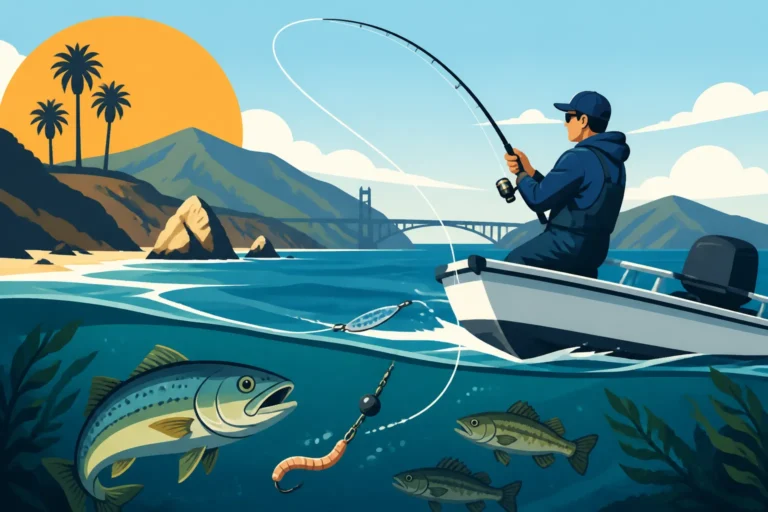
When you're aiming for those bigger, elusive trout in California's vast lakes and reservoirs, trolling is often the most effective strategy. This involves pulling lures or baits behind a boat at a slow, consistent speed, allowing you to cover significant expanses of water and present your offering at specific depths.
The key to successful trolling lies in understanding depth, speed, and presentation. Downriggers are often used to precisely control the depth of your lure, getting it into the thermocline where larger trout often hold during warmer months. Long lining, using just the weight of your lure and sometimes a small inline sinker, can also be effective, especially for shallower presentations. Popular lures for trolling include spoons, plugs (like Rapalas or Kwikfish), and even fly patterns behind a dodger or flasher. Pay close attention to your boat speed; even a slight change can alter the action of your lure and trigger a bite. Keep an eye on your fish finder to locate schools of baitfish or structure where trout might be congregating. This method is excellent for targeting species like Kokanee Salmon in California, which often suspend in open water.
Mastering the Art of Trout Fishing: Tips for Success
Beyond the gear and the basic techniques, there are nuances that separate a good trout angler from a truly great one. It's about understanding the fish, their environment, and being adaptable.
Reading the Water and Understanding Trout Behavior
Trout are creatures of habit and structure. They seek out areas where they can expend minimal energy while having access to food and cover. Learning to "read the water" means understanding where these spots are.
In rivers and streams, look for current seams (where fast and slow water meet), eddies behind rocks, undercut banks, and deeper pools. Trout often position themselves just out of the main current, waiting for food to drift by. They use the faster current as a conveyor belt for food, but don't want to fight it constantly. During cooler parts of the day or when the light is low, they might move into shallower riffles to feed. In lakes and reservoirs, trout often relate to structure like submerged humps, points, rock piles, and drop-offs. They'll also follow baitfish schools. In warmer water, they'll seek out the thermocline – a layer of cooler, oxygenated water. Being able to identify these key holding areas is paramount. Pay attention to changes in current, water color, and even bird activity, which can indicate baitfish presence.
Seasonal Considerations and Weather Impacts
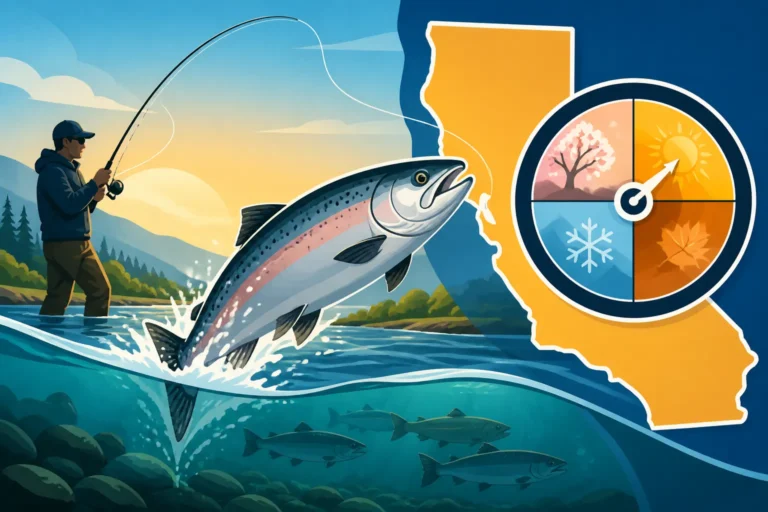
California's varied climate means trout behavior shifts significantly with the seasons and even daily weather patterns. Being mindful of these factors can drastically improve your odds.
Spring often brings increased water flows from snowmelt, which can make river fishing challenging but also flushes more food into the system. Trout become very active as water temperatures rise, making it a prime time for fishing. Summer can mean challenging conditions in many lowland areas due to warm water, pushing trout deeper. However, it's peak season for high alpine lakes and streams. Early mornings and late evenings are often the most productive times. If you're planning for summer, read our guide on Best Summer Offshore Fishing in California, though it's geared towards saltwater, it highlights how extreme heat impacts fish behavior generally.
Fall is arguably one of the best times for trout fishing, especially for brown trout, as they become more aggressive leading up to their spawn. Cooler temperatures and often stable weather make for comfortable fishing. Winter, while cold, can offer excellent fishing in certain rivers and tailwaters where water temperatures remain stable. Trout are often slower moving, so a slower, more deliberate presentation of baits or nymphs is usually more effective. Our guide on California Fishing Seasons: Month-by-Month Guide offers a detailed breakdown of what to expect throughout the year.
Practice Catch and Release Responsibly
Many of California's most prized trout fisheries, particularly for wild trout and steelhead, are managed as catch-and-release only. Even where keeping fish is allowed, practicing responsible catch and release is vital for sustaining healthy fish populations.
To ensure a trout's survival, handle it as little as possible. Wet your hands before touching the fish to protect its protective slime coat. Use barbless hooks, or crimp down the barbs on your hooks; this makes removal much easier and quicker. Use a net to land the fish gently, and remove the hook while the fish is still in the water if possible. If you must take it out for a quick photo, do so swiftly and support its body weight horizontally. When releasing, hold the fish gently in the water, facing upstream, until it regains its strength and swims away on its own. Never toss or drop a fish back into the water. These practices contribute to the longevity of the fishery and ensure others can enjoy catching these magnificent creatures too. For more details on ethical fishing, you can review California Catch-and-Release Rules.
Trout Fishing Strategies Overview
To give you a quick comparative glance at the different approaches for trout fishing in California, here's a helpful table.
| Strategy Type | Best for Habitat | Primary Target Species | Pros | Cons |
|---|---|---|---|---|
| Bait Fishing | Stocked lakes, slow rivers | Rainbow, Brook, Brown | Easy for beginners, consistent bites, less gear needed | Less active, can be less sporting, not allowed everywhere |
| Lure Fishing | Lakes, larger rivers, streams | Rainbow, Brown, Lake Trout | Active, covers water quickly, good for aggressive fish | Can be snaggy, less finesse, requires fish activity |
| Fly Fishing | Streams, rivers, alpine lakes | Rainbow, Brown, Brook, Golden, Steelhead | Highly engaging, natural presentation, very sporting | Steeper learning curve, specialized gear, requires skill |
| Trolling | Large lakes, reservoirs | Lake Trout, Kokanee, larger Rainbows/Browns | Covers vast areas, effective for deep/suspended fish, good for trophy hunters | Requires boat/kayak, specialized gear (downriggers), can be slow |
Remember, this table is a general guide, and the most successful anglers often combine elements from different strategies or switch between them based on conditions. The most important thing is to get out there and enjoy the experience!
Disclaimer
Please be aware that fishing regulations in California can change frequently. Always consult the latest California Fishing Regulations Explained booklet or the California Department of Fish and Wildlife (CDFW) website before heading out to ensure you are compliant with current licensing, bag limits, size restrictions, and specific rules for the waters you plan to fish. Ignorance of the law is not a defense, and fines can be steep.