How to Fish High Sierra Lakes
Ah, the High Sierra lakes! There's nothing quite like the allure of those crystal-clear, deep blue waters nestled among towering granite peaks. But let's be honest, for many anglers, the thought of fishing these remote, high-altitude gems can feel a bit daunting. It’s a completely different ball game than your local reservoir or river, with unique challenges from the thin air to the elusive trout. This guide is here to unravel those mysteries, giving you the practical, on-the-ground advice you need to confidently tackle and succeed in these breathtaking but demanding environments.
Understanding the High Sierra Lake Environment
Fishing in the High Sierra isn't just about casting a line; it's about understanding and respecting an ecosystem that thrives on extremes. The very beauty that draws us in also presents the greatest challenges. Without a solid grasp of these unique conditions, you're essentially fishing blind, hoping for a lucky break.
The Unique Challenges of Altitude and Weather
When you're up at 9,000, 10,000, or even 12,000 feet, everything changes. The air is thinner, which affects not only your stamina but also the fish. Oxygen levels are different, and the water temperatures are consistently colder than at lower elevations. This means fish are often less active, or they become active during very specific windows, making timing crucial. You won't find the same frenzied bite windows you might encounter in a warmer, oxygen-rich lowland lake.
Beyond the thin air, the weather in the High Sierra can be notoriously fickle. You can start your day under brilliant sunshine, only to find yourself scrambling for cover an hour later as a thunderhead rolls in, dumping hail and torrential rain. Afternoon thunderstorms are a common occurrence, especially during the summer months. The sun's intensity is also significantly higher due to the altitude, leading to increased UV exposure that can quickly burn skin and eyes if you're not properly protected. This constant variability demands that anglers be exceptionally prepared, both in terms of gear and mental readiness. For a deeper dive into how different conditions impact fishing, check out our guide on how weather affects California fishing.
Common Fish Species and Their Habits
While the High Sierra is home to a variety of aquatic life, trout are undeniably the stars of the show here. You'll primarily encounter Rainbow Trout, Brook Trout, Brown Trout, and the native California Golden Trout, which is a true gem and often sought after by dedicated anglers. There are also pockets of Lahontan Cutthroat Trout in specific basins, primarily in the eastern Sierra. Each species has its own quirks, but generally, high-country trout tend to be wilder, more wary, and often smaller than their hatchery-fed lowland cousins.
These fish thrive in the cold, pristine waters, often holding near structure like submerged rocks, fallen trees, or along steep drop-offs. Inlets and outlets of feeder streams are always hot spots, as they provide a constant flow of oxygenated water and potential food sources washed in from upstream. Their feeding habits are largely opportunistic, relying on insect hatches, small crustaceans, or even smaller fish. Unlike lower-elevation bass or catfish, they aren't always looking for a big, flashy meal. Subtle presentations are key, making understanding their behavior critical for success.
Water Conditions: Clarity, Temperature, and Depth
The defining characteristic of most High Sierra lakes is their incredible clarity. We're talking gin-clear water where you can often see the bottom in 20, 30, or even 40 feet of depth. While beautiful, this clarity is a double-edged sword for anglers. It means fish have excellent visibility and can spot your line, leader, or even your shadow from a distance. This necessitates longer, lighter leaders and a much more stealthy approach to prevent spooking them. You can't just stomp up to the bank and start casting!
Water temperatures remain consistently cold year-round, even in the height of summer, due to the high elevation and snowmelt runoff. This dictates where fish will hold and how active they'll be. In deeper lakes, you might find thermoclines, layers of water at different temperatures, where fish will stratify. Understanding these temperature breaks can help you locate where the fish are most comfortable and actively feeding. Early season fishing, right after the ice melts, often sees fish cruising the shallower warmer edges, while mid-summer might push them deeper during the day.
Essential Gear for High Sierra Lake Fishing
Success in the High Sierra is as much about preparedness as it is about technique. The right gear not only increases your chances of catching fish but also ensures your safety and comfort in this rugged environment. Cutting corners here can quickly turn a dream trip into a miserable one.
Rods, Reels, and Lines for High Altitude
Given the often long hikes required to reach these secluded lakes, lightweight and versatile gear is paramount. For spin fishing, a light to medium-light action rod, typically 6 to 7 feet long, paired with a small, lightweight reel (think 1000-2000 series) is ideal. Spool your reel with 4-6 pound monofilament or braided line, and always use a fluorocarbon leader of 2-4 pounds test. The stealthy presentation is absolutely critical in clear, high-alpine waters, and fluorocarbon's low visibility underwater gives you an edge. You can find some excellent deals on lightweight combos and fluorocarbon leaders on Amazon, often saving you a trip to a specialty shop.
Fly fishing is also incredibly effective in the High Sierra, offering a truly immersive experience. A 3 to 5-weight fly rod, 7.5 to 9 feet in length, is a perfect all-around choice. Pair this with a matching reel and a floating fly line, adding a 7.5-9 foot tapered leader, again with a light fluorocarbon tippet (4x-6x). Consider a spare spool with a sinking line for deeper presentations if you plan on targeting fish in larger, deeper lakes. Remember, every ounce counts when you're backpacking miles in, so choosing compact and efficient gear is a smart move.
Baits, Lures, and Flies That Work
High Sierra trout can be finicky eaters, but they're also opportunistic. The key is to either present something they naturally forage on or something that triggers an aggressive strike.
Baits:
When allowed (always check specific regulations, as some areas are artificial lures/flies only), common baits can be highly effective. PowerBait in bright colors (chartreuse, orange, rainbow) is a classic for stocker trout. Worms, whether live nightcrawlers (pinched in half) or artificial versions, are universally appealing. Small salmon eggs or trout nuggets can also entice a bite. Remember to use minimal weight and let the bait drift naturally, imitating something that’s fallen into the water.
Lures:
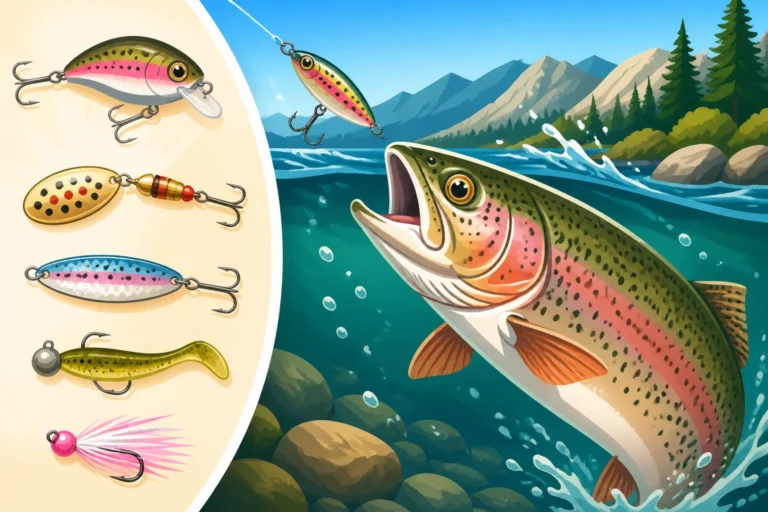
Small, flashy lures are often irresistible to hungry trout. Spinners like the classic Panther Martin, Mepps Aglia, or Rooster Tail in sizes #0 to #2, with silver, gold, or brass blades, can be deadly. Spoons, such as a 1/8 to 1/4 ounce Kastmaster or Little Cleo, are excellent for casting distance and imitating baitfish. Their erratic flutter on the retrieve can trigger strikes, especially when retrieved slowly along drop-offs. Bright colors or those mimicking natural forage are usually best.
Flies:
Fly fishing offers a vast array of options. Dry flies like an Adams, Parachute Adams, Mosquito, or Elk Hair Caddis are fantastic when fish are rising to natural hatches. For subsurface action, nymphs such as a Prince Nymph, Pheasant Tail, Hare's Ear, or Copper John are go-tos. When targeting larger trout or fishing deeper, small streamers like a Woolly Bugger (black, olive, or brown) or a Sculpzilla can imitate baitfish or leeches. Matching the hatch is always the golden rule in fly fishing, so observing what insects are present is crucial. You might find a great selection of these on Amazon if your local shop doesn't carry specific patterns.
Here's a quick reference for common Sierra trout lures and flies:
| Lure/Fly Type | Common Examples | Best Use Case | Notes |
|---|---|---|---|
| Spinners | Panther Martin, Mepps, Rooster Tail | All-around, casting from shore/boat | Vary retrieve speed; good for active fish |
| Spoons | Kastmaster, Little Cleo, Crippled Herring | Deeper water, long casts, mimicking baitfish | Slow retrieve with pauses; good for wary fish |
| PowerBait | PowerBait (various colors), Power Eggs | Bank fishing for stocked trout | Mold around a small treble hook, float off bottom |
| Nymphs | Prince, Pheasant Tail, Hare's Ear, Copper John | Subsurface, imitating aquatic insects | Drift naturally under an indicator or tight-line |
| Dry Flies | Adams, Parachute Adams, Mosquito, Caddis | When fish are rising to surface insects | Delicate presentation, good floatation |
| Streamers | Woolly Bugger, Sculpzilla | Targeting larger fish, imitating baitfish/leeches | Strip retrieve, good for aggressive fish |
Crucial Apparel and Safety Equipment
Beyond your fishing tackle, what you wear and what you carry for safety can make or break your High Sierra adventure. Layering is non-negotiable. Start with moisture-wicking base layers, add an insulating fleece or down jacket, and top it off with a waterproof and windproof shell. Even on a hot day, temperatures can plummet rapidly, especially at night or during a sudden storm. Merino wool or synthetic materials are preferred over cotton, which loses its insulating properties when wet.
Sun protection is critical. A wide-brimmed hat, sunglasses with UV protection (polarized lenses are a huge advantage for spotting fish and structure underwater!), and plenty of high SPF sunscreen are essential. Sturdy, broken-in hiking boots are a must, as you'll likely be traversing uneven and rocky terrain. For more on what to wear and pack, especially for longer trips, consider checking out our guide on what to bring on a California fishing charter, which covers some universal outdoor essentials.
Finally, safety equipment should never be overlooked. A detailed topographic map and a compass, along with a reliable GPS device or a smartphone with downloaded offline maps (like Gaia GPS or AllTrails), are vital for navigation. High Sierra trails can be faint, and it's easy to get disoriented. A comprehensive first-aid kit, a water filter or purification tablets, a headlamp, and emergency fire starters are also critical. In certain areas, especially where bears are prevalent (which is much of the Sierra), a bear canister for food storage is often required. Always tell someone your itinerary and expected return time.
Proven Techniques for High Sierra Success
Successfully fishing High Sierra lakes demands a thoughtful approach, combining patience, observation, and adaptability. These fish aren't always eager to bite, and the environment itself often dictates the best strategies.
Bank Fishing Strategies
Fishing from the bank is often the most accessible way to fish these remote lakes, but it requires a careful, stealthy approach. Remember that ultra-clear water? It means fish will see you long before you see them if you're not careful. Approach the water slowly, keeping a low profile and avoiding sudden movements. Cast from a kneeling or crouching position, or use natural cover like rocks and trees to break up your silhouette.
Focus your casts towards any visible structure: large boulders, submerged logs, weed beds, or rock slides. These areas provide cover and ambush points for trout. Also, pay close attention to inlets and outlets of streams, as these are natural feeding zones. In the early morning and late evening, trout might cruise the shallower edges, but during the bright midday sun, they'll often retreat to deeper water, so adjust your presentation accordingly. For deeper presentations from the bank, a slip bobber rig or a Carolina rig with bait can keep your offering near the bottom without excessive weight to spook the fish.
Float Tube and Kayak Tactics
For those willing to pack in a bit more gear, a float tube or lightweight inflatable kayak can be a game-changer. These allow you to cover significantly more water than bank fishing alone and access parts of the lake that are otherwise unreachable. The ability to silently move across the water vastly increases your chances, as you can position yourself precisely over drop-offs, reefs, or cruising lanes.
Trolling small lures or flies is incredibly effective from a float tube or kayak. Paddle slowly, letting a small spinner, spoon, or a weighted streamer trail behind you. Vary your speed and depth until you find what triggers a bite. When you locate a promising area, you can anchor (a small, collapsible anchor is perfect) and cast to specific targets or jig vertically. Just be sure to wear a PFD (Personal Flotation Device) and be mindful of the often frigid water temperatures. Even on a warm day, a capsize in these waters can be dangerous. For those looking to explore more mobile fishing, our guide on California Kayak Fishing Tips and Techniques offers excellent foundational advice.
Reading the Water and Approaching Fish
The ability to "read the water" is perhaps the most valuable skill for any High Sierra angler. It means understanding where fish are likely to be based on the visible signs of the lake. Look for current seams where an inlet stream flows into the lake; these are oxygen-rich and often carry food. Observe any surface activity – rising fish indicate an insect hatch, guiding your fly selection. The presence of subtle swirls or shadows could mean cruising trout.
In these clear waters, learning to spot fish before they spot you is an art form. Wear polarized sunglasses, which cut glare and allow you to see into the water much better. Look for tell-tale movements, flashes of silver, or dark shapes against the lighter bottom. Once you spot fish, resist the urge to cast immediately. Instead, plan your approach to stay out of their line of sight, often casting well beyond them and retrieving through their suspected path. Understanding light penetration is also important: on sunny days, fish often face into the sun to minimize shadows, making an approach from the sun's direction less likely to spook them.
Navigating Regulations and Conservation
Fishing in California, especially in sensitive alpine environments, comes with specific rules and a strong emphasis on conservation. Ignorance of the law is no excuse, and violating regulations can lead to hefty fines and a damaged reputation for all anglers.
Understanding California's Unique High Sierra Rules
Before you even pack your bags, the absolute first thing you need to do is acquire a valid California Fishing License Guide. This is non-negotiable for anyone over the age of 16. Beyond the license, the High Sierra has a patchwork of special regulations that vary from lake to lake, or even section to section of a stream system. Some lakes might be "artificial lures and flies only," meaning no bait. Others may have specific barbless hook requirements or reduced bag limits, sometimes even catch-and-release only. These rules are put in place to protect fragile populations of wild and native trout, like the California Golden Trout Explained.
It's absolutely crucial to consult the latest California Freshwater Fishing Regulations booklet, published annually by the California Department of Fish and Wildlife (CDFW). You can usually find a digital copy on their website, or pick one up wherever fishing licenses are sold. Pay close attention to the section on "Special Regulation Waters" as many High Sierra lakes fall under these specific rules. For instance, specific waters might have unique California Trout Limits and Regulations that differ from general statewide rules. Staying informed is your responsibility, and it directly contributes to the health of these precious fisheries.
Practicing Leave No Trace Principles
Fishing in the High Sierra isn't just a recreational activity; it's an immersion in some of the most pristine and delicate wilderness areas. Adhering to Leave No Trace principles is paramount to preserving these environments for future generations. "Pack it in, pack it out" means everything. That includes all your trash, leftover fishing line, bait containers, and even organic waste like fruit peels. Leaving anything behind, no matter how small, disrupts the natural ecosystem and degrades the wilderness experience for others.
Beyond trash, consider your impact on the land itself. Stay on designated trails whenever possible to minimize erosion. When handling fish, especially if you intend to release them, do so with the utmost care. Minimize their time out of the water, handle them with wet hands to protect their slime coat, and revive them gently until they can swim away strongly. Many High Sierra lakes emphasize California Catch-and-Release Rules to maintain wild fish populations. By being a responsible angler and steward of the land, you help ensure that the magic of High Sierra fishing endures. For more general guidance on fishing ethics and rules, our comprehensive California Fishing Regulations Explained is a great resource.
Getting There and When to Go
Reaching many High Sierra lakes involves a commitment, but the reward is often solitude and incredible fishing. Timing your trip correctly can also make a huge difference in your success and overall experience.
Accessing Remote High Sierra Lakes
Access to High Sierra lakes often means hiking. While some lower-elevation lakes might be reachable by car or a short walk, many of the most celebrated spots require significant backpacking. Trailheads are scattered throughout the Sierra Nevada, from areas like the Eastern Sierra near Bishop and Mammoth Lakes, to the Western Slope accessed via Yosemite, Sequoia, and Kings Canyon National Parks, or national forests like the Inyo or Stanisloe. Always check trail conditions and obtain any necessary wilderness permits from the relevant land management agency (National Park Service, US Forest Service) well in advance, as permits can be competitive during peak season.
Some lakes are so remote they require multi-day backpacking trips. This means carrying all your gear, food, and water purification equipment. The physical demands can be significant, especially with elevation gains. Research your chosen lake thoroughly, consult topographical maps, and understand the difficulty of the trail. For instance, popular areas like the John Muir Wilderness or Ansel Adams Wilderness offer countless fishing opportunities but demand proper backcountry preparation. Consider starting your hike early in the day to avoid afternoon thunderstorms and give yourself ample time to reach your destination. If you're looking for easily accessible lakes, you might check out our list of the Best Fishing Spots in California for some closer-to-home options.
Best Seasons and Times to Visit
The fishing season for most High Sierra lakes is relatively short, largely dictated by snowmelt and ice cover. Generally, the season runs from late May or early June, when most of the ice has melted and trails become passable, through late October or early November, before heavy snow returns.
Early Summer (June-July): This is often a prime time. As the ice melts, trout become very active, feeding heavily after a long winter. Fish will often be found in shallower waters, warming up and foraging near inlets. Water levels might be high due to snowmelt, which can affect clarity in stream inlets but is generally not an issue in the main lake. However, expect colder nights and potentially more unpredictable weather.
Mid-Summer (August-early September): This is typically the warmest and most stable weather period. Trails are usually clear, and insect activity is at its peak, leading to excellent dry fly fishing opportunities. Fish might move to deeper waters during the hottest part of the day, making early morning and late evening bites most productive. This is also peak hiking season, so you might encounter more people on popular trails.
Fall (Mid-September-October): Many consider this the most beautiful and rewarding time. The crowds thin out, the aspen trees turn brilliant gold, and trout often go on a feeding frenzy in preparation for winter. Weather can be variable, with crisp, clear days punctuated by sudden cold fronts or early snow. This is often the best time for larger trout, as they become more aggressive. Always monitor weather forecasts closely if planning a fall trip, especially in California Trout Season Dates Explained.
Regardless of the season, the best times of day to fish High Sierra lakes are almost always dawn and dusk. These periods offer cooler temperatures, lower light, and often higher insect activity, prompting trout to feed more actively. The fish are often much less wary during these low-light conditions. For detailed seasonal breakdowns on specific species, our guide on the Best Time of Year to Catch Rainbow Trout in California can provide further insights.
Disclaimer
Fishing conditions, regulations, and access in the High Sierra can change rapidly due to weather, environmental factors, or updates from the California Department of Fish and Wildlife. Always check the latest local regulations, weather forecasts, and trail conditions before planning any trip. This guide is for informational purposes only and does not guarantee fishing success or safety. Always prioritize your safety and practice responsible angling and Leave No Trace principles.