Best Time of Year to Catch Rainbow Trout in California
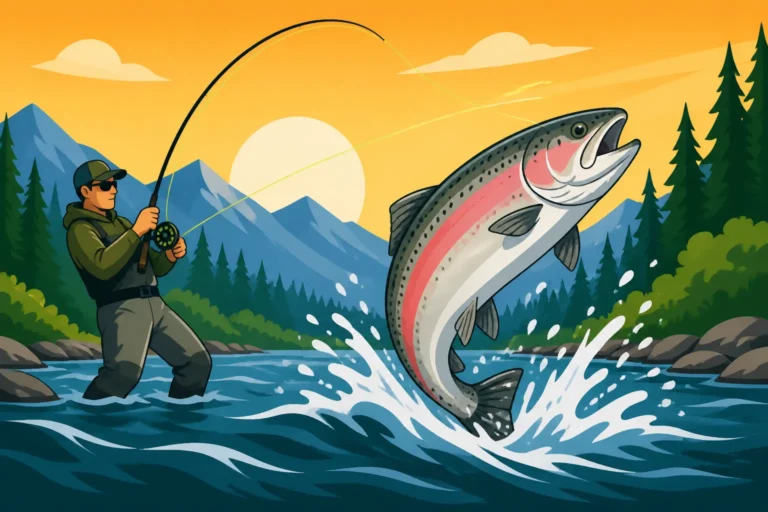
Oh, the elusive rainbow trout! If you've spent countless hours staring at a serene California lake or river, wondering why those beautiful fish just aren't biting, you're not alone. Figuring out the absolute best time to hook into a feisty rainbow can feel like trying to solve a cryptic puzzle, with water temperatures, hatches, and stocking schedules all playing a part. But don't worry, my friend, because this guide is here to unravel that mystery, giving you the insider scoop on when these magnificent fish are most active across our diverse Golden State waters.
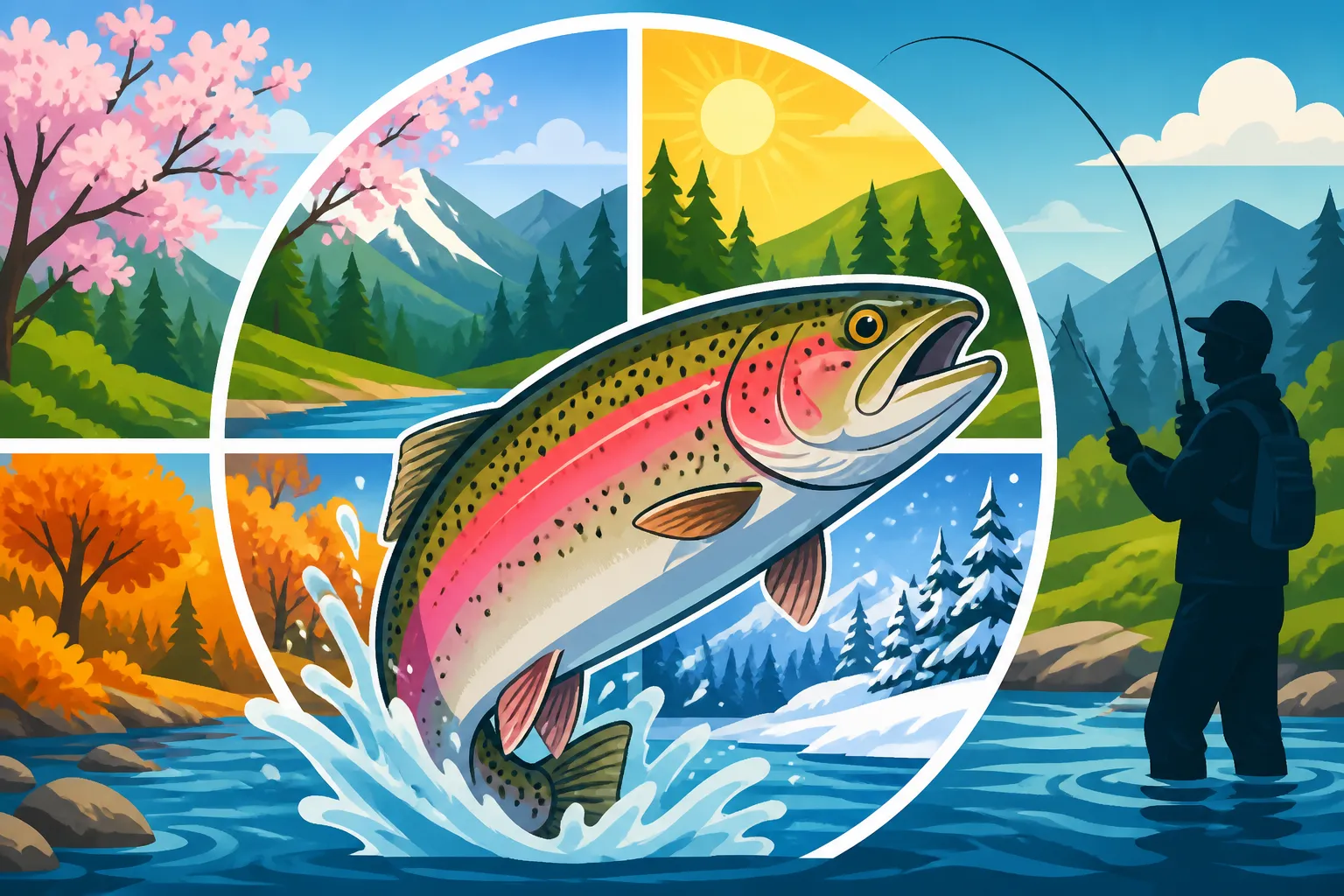
Understanding Rainbow Trout Behavior Through the Seasons
Rainbow trout, whether wild or hatchery-raised, are incredibly sensitive to their environment. Their feeding, spawning, and general activity levels are dictated by the subtle shifts that come with each season. Knowing these patterns is your first step to consistent success.
Spring: The Post-Winter Feast and Spawning Impulse
As winter's chill finally loosens its grip, spring ushers in a period of intense activity for rainbow trout. This is often heralded as one of the most productive times to fish, especially in lower-elevation rivers and stillwaters.
In early spring, when the snowmelt really starts pumping, rivers swell, and water temperatures, though still on the cooler side, begin a slow climb. This signals to trout that it's time to shake off winter sluggishness and start actively foraging. You'll find them eagerly taking advantage of increasing insect hatches – think early stoneflies, caddis, and midges. For wild rainbow trout, especially those in larger rivers like parts of the Kern River or tributaries feeding the Sacramento River, spring can also mean spawning activity. They'll move into shallower, gravelly areas, making them sometimes easier to spot but often more challenging to entice with a fly or lure, as their focus is on reproduction. It's a critical time to be aware of California Freshwater Fishing Regulations and specific closures to protect spawning fish.
As spring progresses into late May and early June, the water warms further, and the feeding frenzies can be spectacular. This is when many stocked lakes and reservoirs really shine. Fish that were planted in cooler months become acclimated and are aggressively feeding to put on weight. If you're using bait, PowerBait or nightcrawlers fished near the bottom can be incredibly effective. For lure anglers, small spinners or spoons mimicking baitfish can draw aggressive strikes. Fly fishers will find success matching emerging insect patterns, often with nymphs or wet flies swung through the current. This window of opportunity is often quite fruitful before the full heat of summer drives fish deeper.
Summer: High Country Escapes and Deep Water Tactics
Summer in California brings warmth, sunshine, and crowds, but it doesn't mean the end of trout fishing – it just means you might need to adjust your strategy or elevation.
For many lowland rivers and lakes, rising water temperatures can make things tough. Rainbow trout prefer cooler water, generally between 50-68°F. Once temperatures creep above 70°F, trout become stressed, less active, and are more susceptible to post-release mortality. This is when you'll find savvy anglers heading for the high country. The Eastern Sierra, for example, truly comes alive in summer. Alpine lakes and streams, fed by snowmelt, maintain prime temperatures throughout the warmest months. This is a fantastic time for backpacking into remote locations or fishing easily accessible waters like Convict Lake or Crowley Lake, where trout actively feed on terrestrials (grasshoppers, ants) that fall into the water, as well as various aquatic insects. Check out our guide on How to Fly Fish the Eastern Sierra for more detailed tactics.
In larger, deeper reservoirs like Lake Shasta or Lake Tahoe, trout will seek refuge in cooler, deeper thermoclines. This means your tactics need to change from shallow presentations to targeting fish suspended deeper in the water column. Trolling with downriggers or lead core line becomes essential, often with lures like Rapalas, Needlefish, or flashers and dodgers followed by a worm or lure. Bank anglers might find success fishing early mornings or late evenings when trout temporarily move into shallower water to feed under the cover of darkness or cooler temperatures. During the heat of the day, focus on shaded areas, deep drop-offs, or inlets where cooler water might be flowing in.
Fall: Pre-Winter Fattening Frenzy
Fall is, without a doubt, a prime time for rainbow trout fishing across much of California, and it's my personal favorite. As the oppressive summer heat dissipates, water temperatures begin to gradually cool, revitalizing trout and making them incredibly active.
This period, typically from September through November, sees trout engaging in a serious feeding binge. They're instinctively trying to pack on as much weight as possible in preparation for the leaner, colder winter months. This translates to aggressive strikes and highly energetic fish. Rivers and streams that might have been too warm in summer become vibrant again. The insect activity, while perhaps not as diverse as spring, remains strong, with significant caddis and mayfly hatches. Terrestrial insects are still falling into the water, and trout are less selective. Lure fishing can be outstanding, with trout readily chasing spoons, spinners, or even small jerkbaits. Fly anglers can have a field day with nymphs, streamers, and dry flies, often finding fish willing to rise to a well-presented offering.
Reservoirs and lakes also experience a resurgence. The turnover of water as it cools redistributes nutrients, and trout become more dispersed and willing to chase baitfish. Stocked waters continue to receive fresh trout, complementing the existing population. Fishing from shore, kayak, or boat can all be highly productive. This is the season when many anglers target larger trophy fish that have been growing all summer. Just remember that while the fishing is excellent, weather can be unpredictable, so always be prepared for sudden changes in conditions.
Winter: Slow and Steady Wins the Race
Winter fishing for rainbow trout in California can be challenging, but it's far from impossible, and it can offer some incredibly rewarding experiences for the dedicated angler.
In many parts of California, particularly the high country, lakes and rivers might be frozen over or inaccessible due to snow. However, in milder areas, coastal streams, or lower-elevation reservoirs and lakes, fishing remains open and can be surprisingly good. During winter, trout metabolism slows down dramatically due to the cold water. They don't need to eat as frequently or as much, but they still need to feed. This means they'll be less active, often holding in deeper, slower-moving pools, thermal refuges, or near structures that offer protection from currents and predators.
The key to winter success is slowing down your presentation. Think subtle, enticing movements rather than aggressive retrieves. Small, natural baits like worms, salmon eggs, or even corn can be very effective, presented on light line with minimal weight. For lure anglers, slow-rolling small jigs, tiny spoons, or very subtle inline spinners can trigger a strike. Fly fishers will often rely on midge patterns, small nymphs, or scuds, presented with a dead drift or a very slow retrieve. The best times to fish are typically the warmest parts of the day, often midday, when the sun can slightly raise water temperatures and spur a brief feeding window. Patience is absolutely crucial, but a beautiful winter rainbow, often sporting vibrant colors, is a fantastic reward for enduring the chill.
Key Factors Influencing Trout Activity Beyond Season
While the seasons give us a general framework, a few critical environmental factors constantly influence when and where you'll find rainbow trout biting. Ignoring these is like trying to bake a cake without knowing the oven temperature – you might get lucky, but consistency will suffer!
Water Temperature and Clarity
This is arguably the most crucial factor for trout. Rainbow trout are cold-blooded, and their activity levels are directly tied to water temperature. Their optimal feeding range is generally between 50°F and 65°F.
When the water is too cold (below 40°F), trout become sluggish, seeking deeper, more stable water and feeding minimally. When it gets too warm (above 70°F), they become stressed, lethargic, and again, their feeding practically shuts down. This is why in summer, you'll find them retreating to cooler, deeper parts of lakes or higher-elevation streams. Keeping a portable fish thermometer on hand is a smart move, especially if you're exploring new waters. Clarity also plays a huge role. After heavy rains, rivers can become blown out, murky with sediment. Trout visibility is reduced, and they may move out of the main current. Conversely, extremely clear water, especially in smaller streams, can make trout very skittish, requiring longer leaders and more stealthy approaches. A general rule of thumb: clear water often means smaller, more natural presentations, while slightly stained water might allow for more aggressive baits and lures.
Hatch Activity and Food Sources
Rainbow trout are opportunistic feeders, but they absolutely key in on insect hatches. If you can "match the hatch," you're golden. This involves identifying what insects are emerging or active in the water and presenting a bait, lure, or fly that closely mimics it.
In spring and fall, significant hatches of mayflies, caddisflies, and stoneflies can literally turn the water into a feeding frenzy. Anglers, especially fly fishers, will spend hours observing the water to see what insects are flying, drifting, or hatching. If you see fish consistently rising to the surface, it's a strong indicator of a dry fly hatch, and a properly presented imitation can lead to incredible action. If they're not rising, they're likely feeding on nymphs or larvae beneath the surface. Beyond aquatic insects, trout will also feed on terrestrial insects (grasshoppers, ants, beetles) that fall into the water, especially in summer, as well as baitfish (like minnows or sculpins), crustaceans (like crayfish), and even other smaller trout. Understanding the local food sources and observing what the fish are actively feeding on is paramount to selecting the right offering. Many anglers find a good selection of flies, lures, and baits for various situations on platforms like Amazon.
Stocking Schedules and Wild Trout Waters
California is incredibly diverse, offering both robust wild trout fisheries and heavily stocked waters. Knowing the difference and how it impacts fishing times is key.
The California Department of Fish and Wildlife (CDFW) regularly stocks many lakes and rivers across the state with hatchery-raised rainbow trout. These fish are often quite hungry when first released and can provide excellent fishing immediately after a stocking event. The CDFW usually publishes their California Trout Stocking Schedule online, so checking it can give you a significant advantage. Stocked trout tend to be less wary than wild trout and are often more receptive to common baits like PowerBait, worms, or corn, as well as various lures. They are often concentrated in specific areas where they were released, making them easier to target.
Wild trout, on the other hand, are a different beast. These fish are native or naturally reproducing and have honed their survival instincts. They are typically more cautious, selective, and harder to catch, but the reward of landing a wild rainbow is unparalleled. Wild trout waters are often found in more remote, pristine areas, like the high Sierra or certain stretches of larger rivers that aren't regularly stocked. Their activity is dictated purely by natural factors like water temperature, natural hatches, and light conditions. For a truly authentic experience targeting these magnificent fish, you'll want to dive into techniques like those described in How to Fish for Trout in California, often favoring fly fishing or ultra-light spinning gear with subtle presentations.
Regional Nuances for California Rainbow Trout
California is a massive state with incredibly varied ecosystems. What works in the Eastern Sierra might not be the best approach in a Southern California urban lake. Let's break down some of the key regions.
Eastern Sierra: A Trout Angler's Paradise
Ah, the Eastern Sierra! This region is practically synonymous with trout fishing in California, boasting some of the most productive and picturesque waters in the state. From iconic lakes to pristine rivers, it's a rainbow trout hotspot.
Spring (April-June): As soon as the ice melts from the higher elevation lakes and streams, typically in April or May, the spring bite explodes. Lakes like Crowley Lake, June Lake, Convict Lake, and Bridgeport Reservoir wake up with hungry trout. This is a fantastic time for shore anglers using PowerBait or inflated nightcrawlers, as well as boaters trolling with lures. The Owens River, especially the Lower Owens, offers phenomenal fly fishing for wild brown and rainbow trout as conditions stabilize and hatches begin. Make sure to check specific lake and river opener dates, as some higher-elevation waters don't open until late April or May.
Summer (July-August): While lower elevation areas can get warm, the high country is in its prime. Backpack into alpine lakes for brook, golden, and rainbow trout that see little pressure. Rivers like the East Walker, West Walker, and Truckee River offer excellent wade fishing opportunities, often requiring technical fly fishing skills. Target mornings and evenings, and don't shy away from throwing terrestrial patterns.
Fall (September-November): This is, arguably, the best time to fish the Eastern Sierra. The crowds thin, the leaves turn golden, and the trout go on a feeding frenzy. Fish are actively bulking up for winter, and lakes like Crowley and the June Lake Loop waters can produce trophy-sized rainbows. The rivers also cool down, making for exceptional angling. You'll find aggressive fish taking a variety of lures, baits, and flies. Check out our comprehensive Eastern Sierra Fishing Guide for more details.
Winter (December-March): Many Eastern Sierra waters close or freeze over, but some rivers and sections of lakes remain open, offering unique winter challenges. The Lower Owens River, for instance, remains a popular winter destination for skilled fly anglers targeting large, wary trout. Patience and careful presentation are key.
Central and Northern California Rivers and Reservoirs
Beyond the Eastern Sierra, Central and Northern California offer a treasure trove of rainbow trout opportunities, from massive reservoirs to scenic rivers.
Spring (March-May): Reservoirs like Lake Shasta and Lake Oroville are excellent during spring. The warming water encourages trout to feed actively in shallower areas, making them accessible to both bank and boat anglers. Trolling with lures or bait is productive, as is fishing from shore with PowerBait or worms. The smaller tributaries and feeder streams can also hold good numbers of trout as they emerge from winter. River systems like the Lower Sacramento River, below Keswick Dam, are known for their year-round trout fishing, with spring offering stable flows and increasing insect activity for fly anglers targeting robust wild rainbows. For more details, explore the Lake Shasta Fishing Guide.
Summer (June-August): As temperatures rise, trout in larger reservoirs will retreat to deeper, cooler water. Downrigging becomes essential for boaters on lakes like Shasta or Whiskeytown Lake. Smaller, shaded streams in the Mendocino and Shasta-Trinity National Forests can offer good opportunities for wild trout with lighter tackle. Early mornings and late evenings are your best bet in most areas to avoid the warmest parts of the day.
Fall (September-November): Similar to the Eastern Sierra, fall provides a fantastic surge of activity. Trout in rivers are energized by cooling temperatures, and stocked lakes are often replenished, creating excellent fishing. The rivers around Redding, like the Sacramento, continue to shine. For those interested in the broader picture of when to find specific species, our California Fishing Seasons: Month-by-Month Guide offers a great overview.
Winter (December-February): Many of the larger rivers, like the Lower Sacramento, remain productive for rainbow trout year-round, offering strong wild trout populations. While the bite might be slower in reservoirs, dedicated anglers can still find success by focusing on deep, slow presentations. It's also a time when many of these waters are less crowded.
Southern California Urban Lakes and Reservoirs
Believe it or not, Southern California, despite its urban sprawl, offers fantastic rainbow trout fishing, primarily thanks to aggressive stocking programs.
Spring (February-April): This is arguably the prime time for rainbow trout in Southern California's stocked lakes and reservoirs. As winter recedes, waters like Castaic Lake, Diamond Valley Lake, Lake Perris, and Laguna Niguel Lake receive regular plantings of catchable rainbow trout from the CDFW. These fresh fish are eager to bite. Bank anglers do very well with PowerBait, trout worms, or small inline spinners (like a Panther Martin or Rooster Tail). Trolling from boats with small spoons or Rapalas is also highly effective. The weather is usually pleasant, making for enjoyable outings.
Summer (May-September): As air and water temperatures soar, rainbow trout fishing in these lowland lakes becomes significantly tougher. Trout struggle in warm water, and stocking typically ceases until fall. While a few deep-dwelling trout might survive in larger reservoirs, it's generally best to switch your focus to other warm-water species like bass or catfish during these months. If you do target trout, go very early or very late, and be prepared for a slower bite.
Fall (October-December): As temperatures begin to drop, the CDFW and local agencies resume their stocking programs, bringing a fresh influx of trout. The fishing heats up again, providing excellent opportunities through late fall and into early winter. This is a great time to introduce kids to fishing, as the catch rates can be very high. You can often find a wide selection of suitable lures and baits on Amazon to get ready for these stocked fisheries.
Winter (January): Many Southern California lakes continue to receive trout stockings through January, making it a very popular winter fishery. The mild climate often allows for comfortable fishing, and the trout are generally active in the cooler water. This is when you can target larger holdovers that have acclimated and grown since their stocking.
Essential Gear and Tactics for Year-Round Success
Having the right gear and knowing how to adapt your tactics is crucial for chasing rainbow trout throughout California's diverse seasons and waters. A little preparation goes a long way.
Tackle for Each Season
Your rod, reel, and line choices don't need to change drastically, but the type of presentation certainly does.
For general trout fishing, a light to medium-light spinning rod (6' to 7' long) with a fast action is incredibly versatile. Pair it with a 1000-2500 series spinning reel spooled with 4-6 lb test monofilament or fluorocarbon line. Monofilament is forgiving, while fluorocarbon is nearly invisible underwater and has less stretch, which can be advantageous in clear water. For fly fishing, a 4-weight to 6-weight fly rod is standard, with a matching reel and floating line for most situations.
- Spring: You'll want a versatile setup. For bait fishing, a slip-sinker rig or simple split-shot rig will do. For lures, ensure your leader is clear and light. Fly anglers will often use nymph rigs with indicators, switching to dry flies if a hatch is active.
- Summer: When targeting deeper fish, you might need heavier line or specialized trolling gear. For high-country fishing, a lighter, more sensitive setup is perfect for small streams and spooky wild trout. A longer leader (6-8 feet) for spinning gear can help with presentation in clear water.
- Fall: Trout are aggressive, so you can often get away with slightly heavier lures and baits. Your standard spinning or fly rod setup will be perfect. Consider carrying a variety of lure sizes and colors.
- Winter: Stealth and sensitivity are paramount. Ultra-light gear, 2-4 lb test line, and very small hooks are often necessary. You're looking for subtle takes from lethargic fish. Fly anglers will heavily rely on tiny midge patterns and nymphing.
Bait, Lures, and Flies that Produce
The world of trout baits and lures is vast, but some standbys consistently produce in California.
Bait Fishing:
- PowerBait: This synthetic bait, often molded into small balls, is incredibly popular and effective for stocked trout. It comes in a myriad of colors and scents.
- Nightcrawlers/Worms: A classic for a reason. Worms are natural, readily available, and effective for both stocked and wild trout. Inflating them slightly with a worm blower can make them float off the bottom.
- Salmon Eggs/Corn: These small baits are particularly good in clear, colder water. Single salmon eggs or a few kernels of corn can be deadly when trout are being finicky.
- Mousetail/Mini Marshmallows: Often used in combination with PowerBait or worms to add buoyancy and visual appeal.
Lure Fishing:
- Inline Spinners: Brands like Panther Martin, Rooster Tail, and Mepps are staples. Their spinning blade creates flash and vibration that trout can't resist. Sizes from 1/16 oz to 1/8 oz are usually ideal.
- Spoons: Kastmasters, Little Cleos, and Phoebes are excellent for casting distance and mimicking injured baitfish. They flutter enticingly on the retrieve.
- Small Hard Baits/Jerkbaits: Rapalas, particularly the F-series or CD-series, are fantastic for trolling or casting, imitating minnows.
- Jigs: Small marabou jigs or plastic grub jigs, often tipped with a piece of worm or PowerBait, can be very effective, especially when jigged slowly near the bottom in winter. You can find a fantastic selection of these Best Lures for California Trout on Amazon.
Fly Fishing:
- Nymphs: Essential for subsurface feeding trout. Popular patterns include Prince Nymphs, Hare's Ear Nymphs, Pheasant Tail Nymphs, and various midge patterns (Zebra Midges are great).
- Dry Flies: When trout are rising to surface insects, dry flies like Parachute Adams, Elk Hair Caddis, Royal Wulff, and ant/hopper patterns (in summer) can be thrilling.
- Streamers: Woolly Buggers, Sculpzillas, and Leech patterns imitate baitfish or larger aquatic organisms and can entice aggressive strikes, especially from larger trout.
No matter the season or location, understanding these fundamental principles will drastically improve your chances of a successful rainbow trout fishing trip in California. Don't be afraid to experiment and adapt!
| Season | Optimal Water Temp (Approx.) | Typical Trout Behavior | Recommended Gear/Tactics | Best Locations (Examples) |
|---|---|---|---|---|
| Spring | 45-60°F | Post-winter feeding frenzy, some wild trout spawning. | Light spinning or fly rod, PowerBait, worms, spinners, nymphs, dry flies. Shore & boat. | Eastern Sierra Lakes (Crowley, June), stocked urban lakes, Lower Owens River. |
| Summer | 50-68°F (cooler water) | Retreats to cooler, deeper water or higher elevations. | Ultra-light gear for high country, trolling setups for deep lakes. Small lures, terrestrials. | High Sierra Alpine Lakes, deep sections of large reservoirs (Shasta, Tahoe). |
| Fall | 50-65°F | Aggressive feeding before winter, highly active. | Versatile spinning or fly rod. Wide array of lures, baits, streamers, nymphs. | Eastern Sierra Lakes/Rivers, Central/Northern CA rivers, stocked urban lakes. |
| Winter | 40-50°F | Lethargic, deeper holding, minimal feeding. | Ultra-light, sensitive gear. Small jigs, midge nymphs, single salmon eggs, patience. | Lower Sacramento River, Southern CA stocked lakes, milder coastal rivers. |
Disclaimer
Fishing regulations, seasons, and stocking schedules can change frequently. Always consult the official California Department of Fish and Wildlife (CDFW) regulations before heading out to fish. Additionally, practice responsible catch and release, especially for wild trout or during warmer water conditions, to help conserve these valuable fisheries for future generations.