Best Time of Year to Catch Striped Bass in California
One of the most frustrating things about fishing in California, especially when you're after a feisty species like striped bass, is showing up to your favorite spot only to find the bite is completely dead. You've got your gear ready, your bait fresh, and that hopeful gleam in your eye, but the fish just aren't cooperating. It often leaves you wondering, "Am I even here at the right time?" Well, you're not alone in that feeling, and this guide is here to shed some serious light on the best times of year to catch striped bass in California, helping you transform those hopeful outings into memorable successes.
Understanding Striped Bass Behavior Through the Seasons
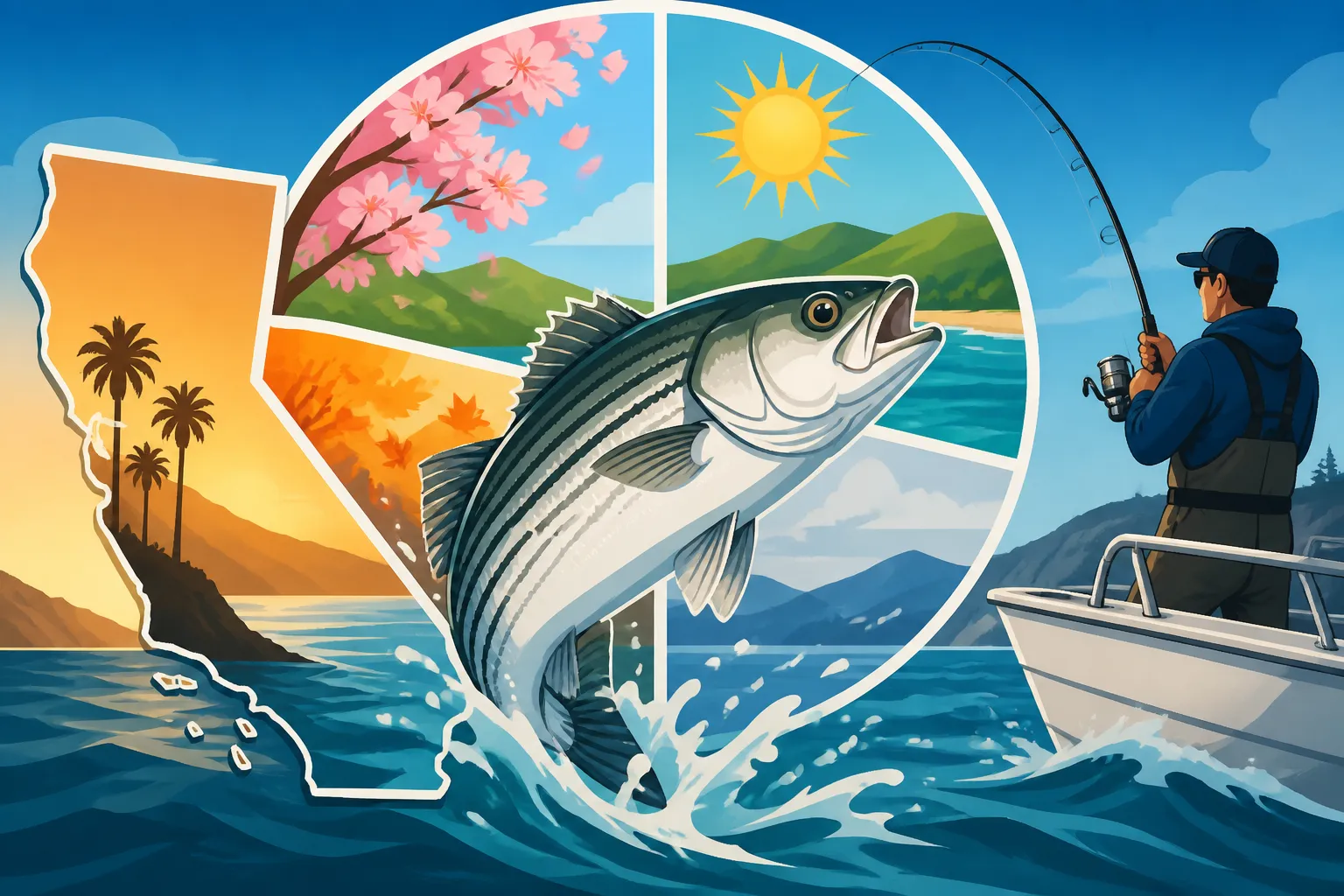
Striped bass, often affectionately called "stripers," are incredible, migratory fish, and their behavior changes dramatically with the seasons. They're not just hanging out in one spot all year; they're constantly moving, driven by water temperature, spawning urges, and the availability of their favorite snacks. Knowing their seasonal patterns is like having a secret roadmap to their underwater world.
Spring Run: The Awakening
Ah, spring! This is arguably one of the most exciting times of the year for striped bass anglers in California. As the days get longer and the water temperatures in the rivers and the Delta begin to creep up, it's like a signal going off for stripers. They start shaking off the winter sluggishness and begin their upstream migration from the bays and oceans into the freshwater systems to spawn.
Imagine the Sacramento-San Joaquin River Delta turning into a bustling highway for these fish. They're heading upstream, often in large schools, to find suitable spawning grounds. This pre-spawn and spawning period, typically from March through May, sees them incredibly active and aggressively feeding to fuel their journey and reproductive efforts. You'll find them concentrating in river channels, sloughs, and shallow flats with good current. They're looking for baitfish that are also becoming more active, and they're not shy about hitting a well-presented lure or bait. It's a prime time for casting swimbaits, jerkbaits, or drifting live minnows in the strong currents. The energy of the spring run is something every California angler needs to experience.
Summer Strategy: Deeper and Cooler Waters
Once the spring spawning is over, and the scorching California summer sun really starts to beat down, the striped bass adapt. The water temperatures in the shallow parts of the Delta and rivers can get pretty warm, which isn't ideal for these cool-water-loving fish. So, what do they do? They seek refuge. Many stripers will migrate back out into the cooler, deeper waters of the San Francisco Bay and along the coast. Those that remain in the Delta or large freshwater reservoirs like San Luis Reservoir will often head for deeper holes, shaded areas, or places with cooler, oxygenated water.
During summer, early mornings and late evenings become prime fishing windows when the water is coolest and the fish are more likely to be actively feeding. During the heat of the day, they might be lethargic, holding tight to structure or in those deep, cool pockets. This is when understanding tidal movements in the Bay becomes crucial. A strong incoming or outgoing tide can stir up baitfish and trigger a feeding frenzy, even in warmer water. In the Delta, targeting shaded bridge pilings, deep channels, or even offshore humps in reservoirs can yield great results. Surface lures can still be effective during those low-light hours, but you might need to go deeper with jigging spoons or bait rigs during the day.
Fall Blitz: The Feeding Frenzy
If spring is the awakening, then fall is the absolute feeding frenzy for California striped bass. As summer transitions into autumn, typically from September through November, the water temperatures begin to cool down, and the stripers sense that winter is coming. This triggers an instinct to gorge themselves, packing on fat reserves for the colder months ahead. They become incredibly aggressive and can be found busting baitfish on the surface, making for some truly exhilarating topwater action.
This is when you'll see massive schools of stripers pushing huge schools of anchovies, sardines, or shad in the Bay and Delta. The "boils" or "bird plays" (where seagulls dive bomb the surface, indicating bait being pushed up by feeding stripers) are legendary. Anglers often refer to this period as the "fall run," and it's a fantastic time to be on the water. Whether you're casting large poppers or walk-the-dog style baits from the surf, trolling large plugs in the Delta, or jigging spoons from a boat in the Bay, the fall offers some of the most consistent and exciting striped bass fishing. It's also a great time to experiment with different baits; you can often find good deals on bulk soft plastics or hard baits on sites like Amazon. For detailed insights, check out our guide on how to fish for striped bass in California.
Winter Slowdown: Patience is Key
As winter truly sets in, usually from December through February, things slow down for striped bass. Their metabolism drops with the colder water temperatures, and they become much less active. This doesn't mean you can't catch them, but it definitely requires a shift in tactics and a good dose of patience. The large, active schools of the fall disperse, and fish tend to hold in deeper, more stable thermal zones.
You'll often find them hunkered down in deep holes, slow-moving channels, or protected coves in the Delta and Bay. They're not chasing bait with the same vigor, so slower presentations are key. Live bait, like shiner perch or ghost shrimp, fished on the bottom can be incredibly effective. Soft plastics or jigs fished slowly and deliberately, almost lethargically, can also entice a strike. This is a time when the fish might not be plentiful, but the ones you do catch are often larger, conserving energy. It's a quieter, more contemplative time to fish, but still rewarding for those willing to brave the colder weather.
Key Factors Influencing Striped Bass Activity
Beyond just the season, several other critical factors play a huge role in whether you'll find stripers actively biting or just lounging around. Understanding these elements can help you fine-tune your approach for any given day.
Water Temperature and Tides
Water temperature is perhaps the single most important factor dictating striped bass activity. Their ideal feeding temperature range is generally between 55°F and 70°F (13°C to 21°C). When temperatures fall outside this range, they become less active.
- Cooler Water (below 55°F): As mentioned for winter, fish are sluggish. They'll hold in deeper, more stable temperatures. Slow-moving baits are best.
- Optimal Range (55-70°F): This is prime time! Fish are actively feeding and migrating.
- Warmer Water (above 70°F): Fish will seek cooler, deeper, or more oxygenated water. They might be active during low light, but lethargic during the day.
Tides, especially in saltwater environments like the San Francisco Bay, are also incredibly significant.
- Moving Water: Stripers are ambush predators. They love current because it disorients baitfish and brings food directly to them. Both incoming and outgoing tides can be productive, especially around structure like jetties, bridge pilings, or submerged reefs.
- Slack Tide: When the tide goes completely slack, the bite often dies down. This is usually a good time to take a break, re-tie, or grab a snack. Once the water starts moving again, the bite tends to pick back up. Understanding the tides is so critical that many anglers plan their entire day around them. You can easily find tide charts online or through dedicated fishing apps.
Baitfish Presence
You've probably heard the saying, "Find the bait, find the fish." This couldn't be truer for striped bass. Stripers are opportunistic predators, and they'll follow their food source wherever it goes.
- Anchovies and Sardines: These are staples for stripers in the ocean and bay environments. When large schools of these baitfish move into an area, the stripers are usually not far behind, often resulting in spectacular feeding frenzies.
- Shad and Sacramento Suckers: In the freshwater Delta and river systems, threadfin shad and Sacramento suckers are key forage. During the spring and fall runs, stripers will target these fish aggressively.
- Other Forage: Depending on the specific location, stripers will also eat small perch, smelt, ghost shrimp, and even crabs. Keeping an eye on what local bait shops are selling as "striper candy" can be a good indicator of what the fish are currently feeding on. A good quality fish finder, which you can easily research on Amazon, can also help locate bait schools.
Weather Patterns
Believe it or not, the weather above the water has a significant impact on what's happening below.
- Barometric Pressure: Stable or slowly falling barometric pressure often leads to active feeding. A sudden drop, indicating a storm front moving in, can sometimes trigger a pre-storm bite, but a rapidly rising pressure after a storm can shut things down temporarily.
- Cloud Cover and Wind: Overcast days can extend the productive fishing window, as stripers are less bothered by bright sunlight. A light chop on the water from a gentle breeze can also be beneficial, breaking up the surface and making lures appear more natural, and it also makes it harder for the fish to see you! However, strong winds can make fishing difficult and even dangerous, so always check the forecast.
- Rain: While heavy rain can muddy waters and make fishing tough, a light drizzle or the days immediately following a rain event can sometimes be fantastic, as the rain can wash nutrients and bait into the water, stimulating feeding. If you're heading out in the rain, a good waterproof jacket, easily found on Amazon, is a must-have.
Regional Differences in California Striped Bass Fishing
California is a massive state with incredibly diverse fishing environments. What works in one area for stripers might not apply in another. It's crucial to understand these regional nuances.
Delta and Inland Rivers
The Sacramento-San Joaquin River Delta is the heart of California's freshwater striped bass fishery. This vast network of sloughs, channels, and rivers is where the stripers come to spawn and spend a significant portion of their lives.
- Sacramento River Fishing Guide: The Sacramento River, particularly its lower stretches and confluence with the San Joaquin, is a legendary spot for striper fishing, especially during the spring spawn and fall run. Anglers here often target specific channels, submerged islands, and confluence points where current creates feeding lanes. Trolling with plugs, drifting live bait, or casting swimbaits are popular methods.
- San Joaquin River and Delta Sloughs: These areas offer similar opportunities. The fish move through these waterways, and knowing where deep holes, current breaks, and weed lines are can be key. Places like Franks Tract, the Mokelumne River, and other larger sloughs are well-known hotspots. During summer, the stripers tend to spread out more, holding in deeper, cooler spots, but in spring and fall, they can stack up. For a truly comprehensive look, our guide on the California Delta Fishing Guide offers tons of info.
Coastal Bays and Beaches
While the Delta is renowned for its freshwater stripers, the coastal bays and ocean beaches offer a different, equally thrilling experience.
- San Francisco Bay Fishing Spots: The San Francisco Bay is a prime year-round fishery for stripers, with fish migrating in and out of the ocean and Delta. This is where you'll find them chasing anchovy and sardine schools, often in massive numbers, especially during the summer and fall. Popular spots include the Berkeley Pier, Alcatraz, and the Richmond-San Rafael Bridge. Trolling, live baiting with shiner perch, and casting various lures are all effective. The tides are extremely important here, so understanding the nuances of how currents move bait through the Bay is crucial.
- Surf Fishing California Beaches: Many anglers love the challenge and simplicity of surf fishing for stripers along California's vast coastline. Beaches from Southern California up to the North Coast can hold migratory stripers. During peak runs (often late spring and fall), these fish will cruise the surf zone, looking for sand crabs, baitfish, and other crustaceans. Popular methods include casting large swimbaits, bucktail jigs, or natural baits like sand crabs and pieces of mackerel. Early mornings, late evenings, and overcast days with a good incoming tide are often the most productive. Always check local regulations for specific beaches, as some areas might have restrictions.
Gear and Techniques for Different Seasons
Having the right gear and knowing the appropriate techniques for the season can make all the difference between a productive day and a frustrating one. Stripers are strong fighters, so your tackle needs to be up to the task.
Seasonal Lure and Bait Choices
What works wonders in spring might get you nothing in winter. Adapting your bait and lure selection is fundamental.
Spring:
- Lures: During the spring run, as stripers migrate upriver to spawn, they're often very aggressive. Large swimbaits (soft and hard), jerkbaits, and lipped diving plugs that imitate threadfin shad or Sacramento suckers are highly effective.
- Bait: Live jumbo minnows or anchovies, drifted with the current or fished under a bobber, are deadly. Cut bait, like sardine or anchovy chunks, also works well when fished on the bottom in channels.
Summer:
- Lures: In the warmer summer months, when fish are deeper or active during low light, topwater lures (poppers, walk-the-dog baits) can be exciting at dawn and dusk. During the day, deep-diving crankbaits, jigging spoons, or soft plastic paddle tails on a lead head fished along drop-offs are better.
- Bait: Live bait remains a top choice, especially in the Bay. Anchovies, ghost shrimp, or even small shiner perch can be irresistible when stripers are less aggressive. Remember that the availability of bait can change, so always check with local tackle shops. If you're planning ahead, you can often find a good selection of quality soft plastics and hooks on Amazon.
Fall:
- Lures: This is the time for a smorgasbord of lures! The "fall blitz" often means stripers are busting bait on the surface. Topwater lures are fantastic. Also effective are large swimbaits, spoons, and poppers. Trolling deep-diving plugs in the Delta can also produce impressive results as fish actively chase bait schools.
- Bait: Live bait, especially large anchovies or sardines, can be incredibly effective when stripers are in a feeding frenzy. Cut bait also works well, particularly in the surf or deeper bay spots.
Winter:
- Lures: Slow, subtle presentations are key. Soft plastic grub tails, paddle tails, or hair jigs fished slowly along the bottom are usually the most productive. Work them with a lift-and-drop or slow retrieve.
- Bait: Live bait, like ghost shrimp, pile worms, or small shiner perch, fished on a Carolina rig or a dropper loop rig near the bottom in deep holes, is often the best bet. Stripers are less likely to chase, so bringing the bait directly to them is crucial.
Here's a quick reference table to help visualize these seasonal changes:
| Season | Typical Months | Primary Locations | Key Tactics | Recommended Lures/Baits |
|---|---|---|---|---|
| Spring | March – May | Delta, Inland Rivers | Upstream Migration, Spawning | Large Swimbaits, Jerkbaits, Live Minnows, Cut Bait |
| Summer | June – August | Bays, Deeper Delta/Res. | Seek Cooler/Deeper Water | Topwater (AM/PM), Deep Crankbaits, Jigging Spoons, Live Anchovies |
| Fall | Sept – Nov | Delta, Bays, Coast | Aggressive Feeding, Blitzing | Topwater, Large Swimbaits, Spoons, Live Bait |
| Winter | Dec – Feb | Deep Holes (Delta/Bay) | Slow Metabolism, Less Active | Soft Plastics (slow), Hair Jigs, Live Ghost Shrimp, Pile Worms |
Essential Equipment for Striped Bass
Having the right tackle isn't just about catching fish; it's about enjoying the fight and minimizing stress on the fish. For strong fighters like stripers, robust gear is necessary.
- Rods: A medium-heavy to heavy action rod, typically 7 to 9 feet long, is a good all-around choice for California striped bass. Shorter rods (6-7 feet) might be preferred for boat fishing in tight quarters, while longer rods (8-10 feet or more) are excellent for surf fishing to achieve longer casts.
- Reels: A sturdy baitcasting reel or a spinning reel in the 4000-6000 size range, capable of holding 200+ yards of line, is suitable. Look for reels with a smooth drag system, which is crucial when battling a powerful striper. Brands like Shimano, Penn, or Daiwa offer excellent options, many of which are readily available on Amazon.
- Line: Braided line (30-50 lb test) is often favored for its strength, sensitivity, and lack of stretch, which aids in detecting subtle bites and setting the hook firmly. You'll typically want to tie a fluorocarbon or monofilament leader (20-40 lb test) to the end of your braided main line, as stripers can be line shy, and the leader offers abrasion resistance.
Beyond your rod and reel, don't forget essentials like a good pair of pliers, a fishing net with a rubberized mesh (better for the fish's slime coat), and a tackle box stocked with a variety of hooks, weights, and swivels. And of course, always have your California Fishing License Guide and any necessary report cards, like the California Salmon Report Card, clearly displayed. It's not just a good idea, it's the law!
Staying Informed and Adapting Your Strategy
The beauty of fishing is that it's always changing, and no two days are exactly alike. While understanding seasonal patterns and factors like water temperature gives you a massive advantage, successful striper fishing often comes down to staying informed and being willing to adapt.
Reading Fishing Reports and Local Knowledge
One of the best ways to know what's happening right now is to consult local fishing reports. Websites, forums, and especially local tackle shops are invaluable resources.
- Tackle Shops are Goldmines: Pop into a tackle shop near your chosen fishing spot. The folks working there are usually anglers themselves, and they hear directly from people coming off the water. They can tell you what bait is working, what lures are hot, and where the fish were biting yesterday. This kind of hyper-local, real-time information is priceless.
- Online Communities: There are many online fishing forums and social media groups dedicated to California fishing. These communities often share up-to-the-minute reports, photos of catches, and discussions about what's working. Just remember to take everything with a grain of salt and cross-reference information.
- CDFW Resources: The California Department of Fish and Wildlife (CDFW) also provides valuable information, especially regarding regulations and stocking schedules, which can indirectly influence bait movements.
Adapting to Unpredictable Conditions
Mother Nature loves to throw curveballs, and sometimes conditions change rapidly. A sudden cold snap, an unexpected heatwave, or a prolonged storm can completely alter fish behavior.
- Flexibility is Key: Don't get stuck on one technique or one spot. If what you're doing isn't working after a reasonable amount of time, change something. Try a different lure color, retrieve speed, depth, or even move to an entirely new area.
- Observe and Learn: Pay attention to your surroundings. Are there birds diving? Are baitfish jumping? What's the tide doing? What's the water clarity like? These observations can give you crucial clues about what the stripers might be doing.
- Don't Give Up: Fishing can be challenging, but perseverance often pays off. Even on tough days, learning to read the water and experimenting with different approaches makes you a better angler in the long run. If you're struggling, maybe it's time to review some of the finer points of California Striped Bass Regulations or explore different techniques, like those found in our California Fishing Seasons: Month-by-Month Guide.
By combining seasonal knowledge with real-time reports and a willingness to adapt, you'll significantly increase your chances of finding and catching striped bass in California, no matter the time of year. Good luck out there, and tight lines!
Disclaimer
The information provided in this guide is for general informational purposes only and is not intended as legal advice. Fishing regulations in California can change frequently. Always consult the most current California Department of Fish and Wildlife (CDFW) regulations booklet or their official website before heading out to fish. It is your responsibility to understand and adhere to all applicable laws and regulations.