Best Time of Year to Catch Spotted Bass in California
Trying to figure out the absolute sweet spot for catching Spotted Bass in California can feel like cracking a secret code. These feisty, often overlooked bass have a knack for being particular, and if you’ve spent a day on the lake with no bites while others are reeling them in, you know the frustration. The truth is, their activity levels and locations change drastically with the seasons, impacting your success. This guide is going to walk you through the year, month by month and season by season, to pinpoint the best times to target Spotted Bass and give you the confidence to hook into some impressive fish.
Understanding Spotted Bass Behavior Throughout the Year
Spotted bass, often mistaken for smallmouth or even largemouth bass, have a unique temperament and preference for certain conditions. They typically thrive in clearer, deeper reservoirs and rivers, often associating with rocky structures, points, and bluff walls. Unlike largemouths that love thick weeds, spots prefer hard bottom and cover like submerged timber or rock piles. Their behavior is heavily influenced by water temperature, which dictates everything from their metabolism and feeding patterns to their spawning rituals. Knowing these fundamental shifts is key to knowing when and where to find them.
When we talk about the best time to catch Spotted Bass in California, we're not just looking at a single month. Instead, it's about understanding the seasonal transitions and how these fish react. California’s diverse climate means that a "best time" in one region might differ slightly from another, but the general principles of bass behavior remain consistent. We'll dive into how these factors play out in real-world fishing scenarios, from the pre-spawn frenzy to the sluggish winter deep-water retreats.
Spring: The Pre-Spawn and Spawning Frenzy
Spring is arguably one of the most exciting and productive times to target Spotted Bass. As water temperatures begin to climb after the cold winter months, these bass start moving from their deeper winter haunts into shallower, warmer areas. This period, often from March through May, is characterized by increased activity as they prepare for and engage in their annual spawning ritual. If you want to experience some of the most aggressive bites and potentially catch your personal best, spring is when you need to be out there.
Pre-Spawn Aggression
Once the water hits around 50-55°F, typically in early to mid-March in many California reservoirs, spotted bass really start to wake up. They become incredibly active, feeding heavily to build up energy reserves for the upcoming spawn. This is a fantastic time for anglers because the fish are hungry and often less cautious. You'll find them cruising transition areas, moving from deeper winter structures to shallower coves, points, and creek channels. They're looking for baitfish and crawfish, making them susceptible to a variety of presentations.
During this phase, covering water is crucial. Spotted bass might be spread out as they transition, so fan-casting or trolling can help you locate active fish. I've had incredible days on places like Lake Shasta and New Melones Lake during the pre-spawn, finding big schools of spots just off main lake points or staging at the mouths of coves. They'll often hit moving baits with incredible force, almost like they haven't eaten in months, which, in a way, is true after a cold winter. Focus on areas with rock and gravel, as these spots absorb heat faster and attract both bait and bass.
The Spawn and Post-Spawn Recovery
As water temperatures climb into the 58-68°F range, typically mid-April to May, spotted bass begin to spawn. This means they move into very shallow, protected areas, often around points, rocky banks, or submerged timber, to build nests and lay eggs. While they can be very territorial and protective of their nests, making them callable targets, remember to practice ethical catch-and-release during this sensitive period. Targeting spawning fish too heavily can impact future generations, so it’s always good to be mindful. For specific guidelines, always refer to the official California Freshwater Fishing Regulations.
After the spawn, usually late May to early June, bass enter a post-spawn phase. They're often exhausted from the spawning process and might be a bit lethargic for a week or two. However, they soon resume feeding to regain their strength. During this time, you'll find them often holding slightly deeper than the spawn, but still close to the areas where they bred. Look for them on secondary points, bluff walls, and rock piles near the spawning flats. Softer presentations, like small worms or finesse jigs, can be highly effective as they recover and start feeding more subtly.
Summer: Deep Water and Early Morning Bites
California summers can be brutal, with high air temperatures and soaring water temps. This often drives spotted bass deeper, making them a bit more challenging to locate consistently. However, it’s not impossible to catch them – you just need to adjust your strategy and timing. From June through August, understanding their preference for cooler, oxygenated water and shaded structure is paramount.
Seeking Deeper, Cooler Waters
Once the surface water warms significantly, spotted bass will retreat to deeper parts of the lake. This could be anywhere from 20 to 60 feet, sometimes even deeper, depending on the lake’s thermocline and available oxygen. They'll gravitate towards deep points, main lake humps, submerged islands, and steep bluff walls that offer access to cooler water and ample cover. Electronics become your best friend in summer, helping you identify schools of baitfish and the bass that are likely shadowing them.
I've spent countless summer mornings on lakes like Diamond Valley Lake and Lake Berryessa, watching my sonar for tell-tale arches of fish suspended off deep points. When you find them, vertical presentations like drop-shotting, jigging spoons, or even slow-pitch jigs can be incredibly effective. Sometimes, they’ll suspend in open water, chasing schools of shad, which makes them harder to pinpoint but opens up opportunities for umbrella rigs or deep-diving crankbaits if you can find the schools.
The Dawn and Dusk Window
Even in the hottest months, spotted bass will often move shallower during low-light conditions. The hour around sunrise and sunset, and sometimes even into the night, can offer excellent opportunities. During these times, the surface water is at its coolest, and bass might venture into the 5-20 foot range to feed more actively. Topwater lures, walking baits, and buzzbaits can produce explosive strikes in the early morning or late evening.
This shallow movement is usually short-lived, so you need to be on the water early, ready to cast as soon as there’s enough light. I often plan my summer trips to hit the water before dawn, targeting rocky shorelines or shaded coves with topwater presentations. As the sun gets higher and the temperature starts to climb, I gradually shift to deeper water techniques. This strategy allows you to capitalize on their brief forays into the shallows before they retreat back to their cooler, deeper havens.
Fall: The Feeding Frenzy Before Winter
Autumn is another fantastic time for spotted bass fishing in California, often rivaling spring in terms of consistent action. As the scorching summer heat gives way to cooler temperatures, the lake water begins to cool down, triggering a strong feeding response in bass. This period, usually from September through November, sees bass bulking up for the leaner winter months, making them aggressive and eager to strike.
Breaking Out the Reaction Baits
As the water temperatures drop into the 60s and 50s, spotted bass become incredibly active. They’ll start moving shallower again, often associating with the same types of structures they used in spring: points, humps, and creek channels. This is when reaction baits shine. Think about throwing spinnerbaits, crankbaits, jerkbaits, and swimbaits. The fish are chasing baitfish that are themselves becoming more active in the cooling waters.
I’ve had epic fall days on Folsom Lake and Lake Oroville where spotted bass would absolutely smash reaction baits. They’re less particular about finesse presentations and more inclined to chase down anything that looks like a fleeing meal. Look for areas where schools of baitfish are present – often indicated by bird activity or marks on your sonar – and you’re likely to find hungry spots not far behind. This is the time to cover water efficiently and aggressively.
Migration into Creek Channels
As fall progresses and water temperatures continue to drop, spotted bass will often begin a migration towards the backs of creek channels and coves. These areas often retain warmer water for longer and provide abundant forage. They'll stage along the channel edges, especially where there's submerged timber or rock piles. This is a classic fall pattern that can lead to large concentrations of fish.
When you're fishing these channels, pay attention to depth transitions and any cover. Jigs, football head jigs, and shaky head worms are excellent choices for probing these areas, allowing you to effectively fish the structure. The fish might not be as spread out as they were earlier in the fall, so once you find a school, you can often catch multiple fish from the same spot. It’s all about finding that critical depth where they are congregating.
Winter: Deep and Slow
Winter fishing for spotted bass in California can be challenging, but it’s far from impossible. In fact, if you’re patient and understand their cold-water behavior, you can often catch some of the largest, most inactive fish of the year. From December through February, these bass retreat to their deepest haunts, conserving energy and feeding sparingly.
Locating Deep Structures
In winter, spotted bass will typically hold in the deepest parts of the lake, often 40-100+ feet deep, depending on the reservoir's depth and clarity. They’ll seek out vertical structure like bluff walls, deep points, and submerged timber on main lake basins or in major creek channels. Their metabolism slows down considerably, so they aren't actively chasing bait across vast areas. Instead, they'll hunker down on structure and wait for an easy meal to pass by.
This is where your boat's electronics, particularly side imaging and down imaging, become invaluable. You're looking for subtle contours and isolated pieces of structure where fish can hide. Once you locate fish on your sonar, precise bait placement is crucial. You often need to put the bait right on their nose to elicit a strike. Cold water also means that many local lakes, like Lake Pardee or the California Delta Fishing Guide, might see less pressure, offering you a more tranquil fishing experience.
Finesse and Slow Presentations
Given their reduced metabolism, winter spotted bass require a much slower and more subtle approach. Finesse techniques are the name of the game. Drop-shot rigs, especially with small worms or minnow-imitation baits, are deadly. Light line, subtle twitches, and long pauses are often what it takes to get a bite. Ned rigs and small football head jigs crawled painstakingly slow along the bottom can also be highly effective.
Sometimes, a vertical jigging spoon or a slow-rolled swimbait can trigger a reaction strike, but generally, the slower you fish, the better your chances. This is not the time for power fishing; it’s a game of patience and precision. The bites can be incredibly subtle – sometimes just a slight "mush" or added weight on your line – so pay close attention. Catching a big spotted bass in the dead of winter is a testament to skill and patience, and often yields some of the fattest, healthiest fish of the year.
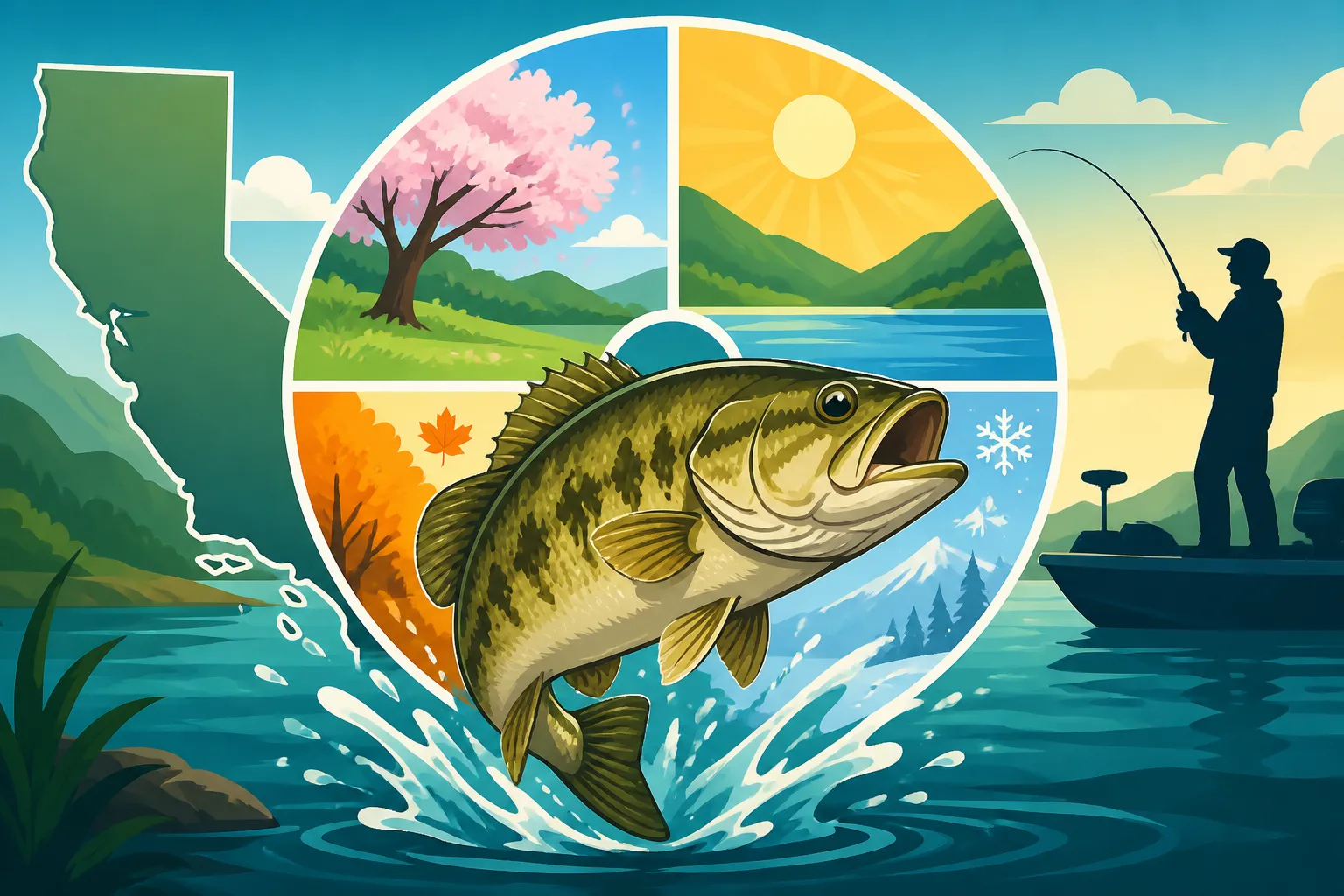
Spotted Bass Fishing Season Overview
To help you visualize the best times and tactics, here's a quick overview:
| Season | Months | Water Temp Range | Key Behavior | Best Tactics | Key Locations |
|---|---|---|---|---|---|
| Spring | March – May | 50-68°F | Pre-spawn feeding, spawning, post-spawn recovery | Crankbaits, jigs, swimbaits, drop-shots, shaky heads | Points, coves, creek channels, rocky banks |
| Summer | June – August | 70-85°F | Retreat to deep water, early/late shallow feeding | Drop-shots, jigging spoons, deep crankbaits, topwater (low light) | Deep points, humps, bluff walls, thermocline |
| Fall | September – November | 55-70°F | Aggressive feeding, baitfish chasing, channel migration | Spinnerbaits, jerkbaits, crankbaits, swimbaits, jigs | Points, creek channels, humps, baitfish schools |
| Winter | December – February | 45-55°F | Deep, lethargic, conserves energy | Drop-shots, Ned rigs, small jigs, slow-crawled worms | Deep bluff walls, main lake points, submerged timber |
Essential Gear and Local Considerations
While the "best time" is crucial, having the right gear can significantly boost your success. For spotted bass, light to medium-light spinning gear or baitcasting setups with 6-12 lb fluorocarbon or braided line are ideal. A good quality fish finder is almost a necessity, especially when targeting deep summer and winter fish. Lure selection should be diverse, encompassing a range of finesse plastics, reaction baits, and jigs, as outlined in our guide on Best Lures for California Largemouth Bass (many of which work for spots too!).
Remember that local conditions can vary. A reservoir in Northern California like Lake Shasta might warm up slower and cool down faster than a Southern California spot like Castaic Lake. Always check local fishing reports and weather forecasts before heading out. Don't forget that if you're planning a trip, knowing what you need is important, and understanding your California Fishing License Guide is the first step, as licenses are required for most fishing in the state.
Final Thoughts on Spotted Bass Success
The best time of year to catch spotted bass in California really comes down to understanding their seasonal patterns and adapting your approach. While spring and fall often offer the most consistent and aggressive bites, summer and winter can still be incredibly rewarding if you know how to target them effectively. It's about being patient, persistent, and always willing to learn from the water. Whether you’re a seasoned angler or just starting your journey into California bass fishing, these insights should help you connect with more spots throughout the year.
Remember to be mindful of local regulations, including California Bass Fishing Regulations, which dictate bag and size limits. Practicing responsible catch-and-release, especially during sensitive spawning periods, helps ensure these fantastic fish continue to thrive for generations of anglers to enjoy. So grab your gear, pay attention to the seasons, and get ready to experience some incredible spotted bass action on California’s beautiful waters!
Disclaimer
Fishing conditions and regulations in California can change frequently. Always consult the latest California Department of Fish and Wildlife (CDFW) regulations booklet or their official website before any fishing trip. This guide is for informational purposes only and does not supersede official regulations.