Best Time of Year to Catch Smallmouth Bass in California
Trying to pin down the absolute best time to catch smallmouth bass in California can feel like chasing a phantom, especially with our state's diverse climates and waterways. One day they're biting everything, the next they've vanished like ghosts! It's enough to make you scratch your head and wonder if you're doing something wrong. But don't worry, you're not alone. Understanding the nuances of smallmouth behavior throughout the year is key, and this guide is here to demystify it, helping you hit the water at just the right moment for some incredible bronzeback action.
Understanding Smallmouth Bass Behavior Throughout the Year
Smallmouth bass, often called "bronzebacks" for their distinctive coloration, are fascinating creatures. Unlike their largemouth cousins who prefer weedy, shallow cover, smallmouths are drawn to rocky structures, clear water, and cooler temperatures. Their activity levels are highly dependent on water temperature, which dictates everything from their feeding habits to their spawning rituals. Knowing these patterns is your secret weapon for consistent success on the water, whether you're fishing a vast reservoir like Lake Shasta or a river system.
The Influence of Water Temperature
Water temperature is the undisputed king when it comes to smallmouth bass behavior. They are cold-blooded, meaning their body temperature mirrors the water around them, directly affecting their metabolism, energy levels, and overall willingness to chase a lure.
- Optimal Comfort Zones: Smallmouths are generally most active and comfortable when water temperatures range between 55°F and 70°F. In this sweet spot, they are aggressive, feeding heavily, and preparing for or recovering from spawning. Any deviation from this range, either too cold or too warm, will influence their depth, diet, and disposition. For instance, in late spring, as temperatures rise into the 60s, you'll find them actively patrolling rocky points and submerged humps, eager to strike at jigs or crankbaits.
- Metabolic Slowdown: When water temperatures dip below 45°F, their metabolism slows significantly. They become sluggish, move less, and often seek deeper, more stable water where temperatures fluctuate less. Conversely, when surface temperatures soar above 80°F in the peak of summer, they'll retreat to cooler depths, shaded areas, or current breaks, becoming much harder to entice with fast-moving baits. Understanding these thermal preferences allows you to adjust your approach, choosing presentations that match their energy levels.
Seasonal Movements and Feeding Patterns
Smallmouth bass aren't static; they're constantly on the move, following baitfish and seeking optimal conditions. These movements are largely predictable and tied to the changing seasons, offering distinct opportunities for anglers.
- Spring Migrations: As winter thaws and spring arrives, smallmouths begin to move from their deep wintering holes towards shallower spawning areas. This often means congregating on transitional zones – rocky points, gradual sloping banks, and secondary humps that offer both access to deeper water and proximity to eventual spawning beds. They're looking for warmer water to fuel their pre-spawn feeding frenzy.
- Summer Depths and Shade: Once summer heat sets in, smallmouths will often retreat to deeper rock piles, ledges, or areas with current to escape the warmest surface temperatures. They might also suspend over deep water, especially if there's a thermocline providing a comfortable temperature layer. Their feeding might become more focused on low-light periods (dawn and dusk) or during cooler fronts.
- Fall Fattening: Autumn triggers another major migration, as smallmouths sense the approaching winter and begin a major feeding push to fatten up. They'll actively chase baitfish in shallower to mid-depth ranges, often schooling up. This period can offer some of the most consistent and exciting action of the year.
Spring: The Prime Season for Smallmouth Bass
Without a doubt, spring is widely considered the absolute best time of year to target smallmouth bass in California. The combination of warming water, increased metabolism, and the powerful urge to reproduce creates an explosive bite that anglers eagerly anticipate.
Pre-Spawn Aggression
As early spring arrives, usually from March through April, the water temperatures in many California lakes and rivers start creeping from the low 50s into the mid-50s. This is the magical "pre-spawn" period, and it's a fantastic time for trophy smallmouth.
- Where to Find Them: Smallmouths will abandon their deep winter haunts and start migrating towards shallower spawning grounds. They'll stage on prominent rocky points, submerged humps, gravel bars, and the edges of flats near deeper water. Think about areas that offer a quick retreat to safety but are close enough to the future spawning beds. These fish are hungry and putting on weight before the rigors of spawning, making them very aggressive. Many anglers successfully target these staging fish using suspending jerkbaits like a Lucky Craft Pointer or small swimbaits around these structures.
- Bait Choices and Techniques: During pre-spawn, smallmouths are often less picky about presentation and more focused on caloric intake. Medium-diving crankbaits that mimic baitfish, tubes, spider jigs, and even Ned Rigs can be incredibly effective. Consider colors that imitate local forage, such as crayfish or shad. A slow, methodical retrieve that allows the bait to bump along the bottom or suspend enticingly in the water column can trigger powerful strikes. The key is to cover water around these transition zones until you locate a school of actively feeding fish.
Spawning Period Activity
The actual spawning period for smallmouth bass in California typically occurs from late April through May, depending heavily on the specific body of water and local weather patterns. Water temperatures usually need to be consistently in the high 50s to low 60s Fahrenheit for them to begin nesting.
- Nesting and Protection: During the spawn, male smallmouths clear out small, circular nests (redds) on hard bottoms like gravel, rock, or sand in relatively shallow water, often 3-10 feet deep. After the females lay their eggs, the males diligently guard the nests from predators. While they may not be actively feeding in the traditional sense, they become incredibly territorial and will strike at anything perceived as a threat to their eggs or fry.
- Targeting Bedding Fish: Catching spawning smallmouth requires a sensitive approach. They might not chase a fast-moving bait, but a jig, tube, or creature bait dropped directly into the nest area can often provoke a defensive strike. Stealth is crucial – approach quietly, make accurate casts, and use subtle presentations. Remember that regulations often exist regarding targeting bedding fish, so always check the latest California Fishing Regulations Explained before you head out. After they bite, consider a quick photo and release, allowing the male to return to his protective duties.
Post-Spawn Recovery
Immediately following the spawn, usually in late May to early June, smallmouth bass enter a "post-spawn" phase. This can be a trickier time, as fish are often exhausted and scattered.
- Scattered and Resting: Both male and female bass need time to recover their energy after the strenuous spawning process. They might move slightly deeper to adjacent cover, such as submerged timber, rock piles, or ledges, where they can rest and recuperate. Their feeding might be less aggressive, with shorter windows of activity.
- Finding the Feeders: Look for fish that are starting to recover and feed on crawfish, shad, or other forage. They may still be near spawning areas but have pushed out a bit further. Small crankbaits, finesse worms, and Ned rigs can be effective as they transition back into a more active feeding mode. This is also a good time to look for them near current breaks in rivers, as they might use less energy to ambush passing meals. Patience is a virtue during post-spawn, as you might need to try different depths and presentations to find those willing to bite.
Summer: Adapting to Warmer Waters
As spring transitions into the heat of summer, typically June through August, smallmouth bass behavior undergoes another significant shift in California. The prime shallow bite of spring gives way to deeper strategies.
Deep Water Retreat
When surface water temperatures consistently rise into the 70s and 80s, smallmouth bass will seek out cooler, more oxygenated water. This often means moving to greater depths.
- Locating Deep-Water Structure: Look for smallmouths congregated around deep offshore humps, rock piles, submerged points that drop sharply into deep water, and ledges. In reservoirs like Clear Lake or Lake Shasta, these structures can hold large schools of fish. They might also be found suspending over deep water, particularly if there's a bait ball nearby. Using good electronics, often available on Amazon, to locate these underwater structures and identify baitfish schools is paramount.
- Vertical Presentations: Techniques that target deeper fish become key. Drop-shotting with small plastics, vertically jigging spoons or blade baits, and deep-diving crankbaits are excellent choices. Slow-rolling spinnerbaits or football jigs along the bottom of deep contours can also provoke strikes. The key is to get your bait down to where the fish are holding and present it slowly enough for them to commit.
Low-Light and Current Opportunities
Despite the heat, smallmouths still need to feed. They simply adjust when and where they do it.
- Dawn and Dusk Bites: During the hottest parts of summer, the most active feeding windows for smallmouths are often at dawn and dusk. The cooler water temperatures and lower light levels encourage them to move shallower to feed on baitfish or insects. This can offer exciting topwater action if you're willing to wake up early or stay out late. Walk-the-dog baits and poppers can be thrilling in these conditions.
- River Current Advantages: In river systems like the Sacramento River or Trinity River, smallmouths will often seek out areas with current. The moving water brings them a constant supply of food and often provides better oxygenation and slightly cooler temperatures. Look for eddies, current seams, and areas behind large rocks or logs where fish can ambush prey with minimal effort. Using jigs, spinnerbaits, or even live bait drifted naturally with the current can be highly effective.
Fall: Feeding Frenzies Before Winter
Autumn is another fantastic season for smallmouth bass fishing in California, often rivaling spring in terms of action. As water temperatures begin to drop from the summer highs, smallmouths enter a distinct "fall fattening" period.
Aggressive Foraging
From September through November, as the days shorten and water temperatures gradually cool from the 70s down into the 50s, smallmouths become incredibly active. They're on a mission to consume as much food as possible to build up fat reserves for the lean winter months ahead.
- Schools and Baitfish: This is a prime time to find smallmouths schooled up, aggressively chasing baitfish. They often follow schools of shad or other forage fish into shallower bays, along main lake points, and over offshore humps. Keep an eye out for baitfish breaking the surface or diving birds, which can indicate an active feeding frenzy below.
- Power Fishing Techniques: Don't be afraid to use more aggressive "power fishing" tactics. Fast-moving crankbaits (both shallow and medium divers), spinnerbaits, and umbrella rigs can be deadly when fish are actively chasing. Jerkbaits also become incredibly effective as water temperatures continue to drop, allowing you to pause the bait for longer periods, mimicking a dying baitfish. Consider stocking up on a variety of these baits from retailers like Amazon to match different conditions.
Transitional Depths
As fall progresses and water temperatures continue to fall, smallmouths will begin a gradual migration back towards their deeper wintering areas. However, they will often utilize transitional depths along the way.
- Steeper Breaks and Ledges: Focus your efforts on steeper breaks, rock ledges, and channels that provide access to both shallower feeding flats and deeper sanctuaries. Smallmouths will use these areas as travel corridors and ambush points. They might feed shallower early and late in the day, then drop into slightly deeper water during midday.
- Finesse for Finicky Fish: While fall is generally about aggressive feeding, cold fronts can occasionally make the fish more finicky. On these tougher days, switching to more subtle finesse presentations like drop-shots, small jigs, or even shaky heads can still coax bites from less active fish. The key is to read the conditions and be willing to adjust your approach from power fishing to finesse, or vice versa, on the fly.
Winter: A Challenging but Rewarding Season
Winter fishing for smallmouth bass in California, typically from December through February, is often the toughest but can be incredibly rewarding for those willing to brave the colder conditions. The fish are less active, but often larger individuals are caught by dedicated anglers.
Deep Water Inactivity
When water temperatures drop below 45°F, smallmouth bass become largely inactive and retreat to their deep wintering holes. Their metabolism slows significantly, and they conserve energy.
- Stable Depths: Look for smallmouths in the deepest parts of lakes and reservoirs, often suspended in vast schools over major lake basins, or tight to deep offshore structure like canyon walls, submerged timber, or the deepest rock piles. They seek areas where water temperatures are most stable, even if they are cold. Good sonar is absolutely essential for locating these tightly grouped fish.
- Vertical, Slow Presentations: Forget the fast retrieves of spring and fall. Winter fishing demands patience and ultra-slow, vertical presentations. Jigging spoons, blade baits, and drop-shot rigs with tiny soft plastics are your best friends. The key is to present the bait right in front of the fish and impart minimal action. Sometimes, just holding the bait perfectly still a few inches above them is enough to trigger a strike. It might be a subtle "thump" rather than an aggressive grab.
Short Feeding Windows
Even in winter, smallmouths will have short feeding windows, often triggered by subtle changes.
- Midday Warm-Ups: On sunny winter days, especially after a prolonged cold spell, a slight increase in water temperature (even just a degree or two) in a specific area can trigger a brief feeding window. These might be midday periods when the sun has had a chance to penetrate the water column.
- Subtle Bait and Small Meals: Their diet shifts to smaller, less energetically demanding meals. Focus on smaller profile baits that mimic dormant baitfish or crawfish. Colors like browns, greens, and muted shad patterns tend to work well. Remember, the goal isn't to provoke a chase, but rather to offer an easy meal that requires minimal effort from a sluggish bass. A slowly worked tube or a finesse jig can be incredibly effective when properly presented.
Key Factors Influencing Smallmouth Bass Activity
While seasons provide a general roadmap, several other critical factors can significantly impact smallmouth bass activity on any given day. Ignoring these elements can lead to a frustrating day on the water, even during prime season.
Weather and Fronts
Weather changes are notorious for affecting fish behavior, and smallmouths are no exception. They are highly sensitive to atmospheric pressure changes.
- High-Pressure Systems: Following a cold front, a high-pressure system typically moves in, bringing clear skies, lighter winds, and often a tough bite. The fish tend to move deeper, become less active, and strikes are often very subtle. This is when finesse techniques truly shine.
- Low-Pressure Systems: Conversely, a stable low-pressure system (often associated with cloudy, rainy, or windy weather before a front hits) can trigger a more active bite. Smallmouths might feel more comfortable feeding in lower light and often become more aggressive. This is a great time to try reaction baits like spinnerbaits or crankbaits.
Water Clarity
Smallmouth bass are primarily sight feeders and generally prefer clear water, which makes water clarity a huge factor.
- Clear Water Advantages: In clear water, smallmouths rely heavily on their eyesight to hunt, so natural bait presentations and realistic colors are often preferred. They can see your line, so going with lighter fluorocarbon leader can make a big difference. Clear water also means you might spot fish on your electronics more easily, but also means they can see you.
- Stained Water Adaptations: If the water becomes stained or murky (perhaps after heavy rains, which you can track with California Freshwater Fishing Regulations), smallmouths will rely more on their lateral line to detect vibrations. This calls for baits with more action, flash, or vibration, such as spinnerbaits with large thumping blades, lipless crankbaits, or noisy topwaters in low light. Bright or contrasting colors (chartreuse, orange, black/blue) can also be more visible in these conditions.
Forage Base Availability
Like all predators, smallmouth bass go where the food is. The presence and type of baitfish or crustaceans can dictate their location and feeding patterns.
- Crawfish Influence: Crawfish are a staple in the smallmouth diet, especially in rocky environments. When crawfish are active (often in warmer months), smallmouths will be found near rocky bottoms, hunting these crustaceans. Jigs, tubes, and creature baits that mimic crawfish are often irresistible.
- Baitfish Schools: In many California reservoirs, smallmouths will key in on schools of threadfin shad, hitch, or other baitfish. When these baitfish are abundant, smallmouths will actively chase and ambush them. This is when baits like swimbaits, jerkbaits, and spoons, which imitate fleeing baitfish, become highly effective. Monitoring your electronics for bait balls is crucial for locating these feeding frenzies.
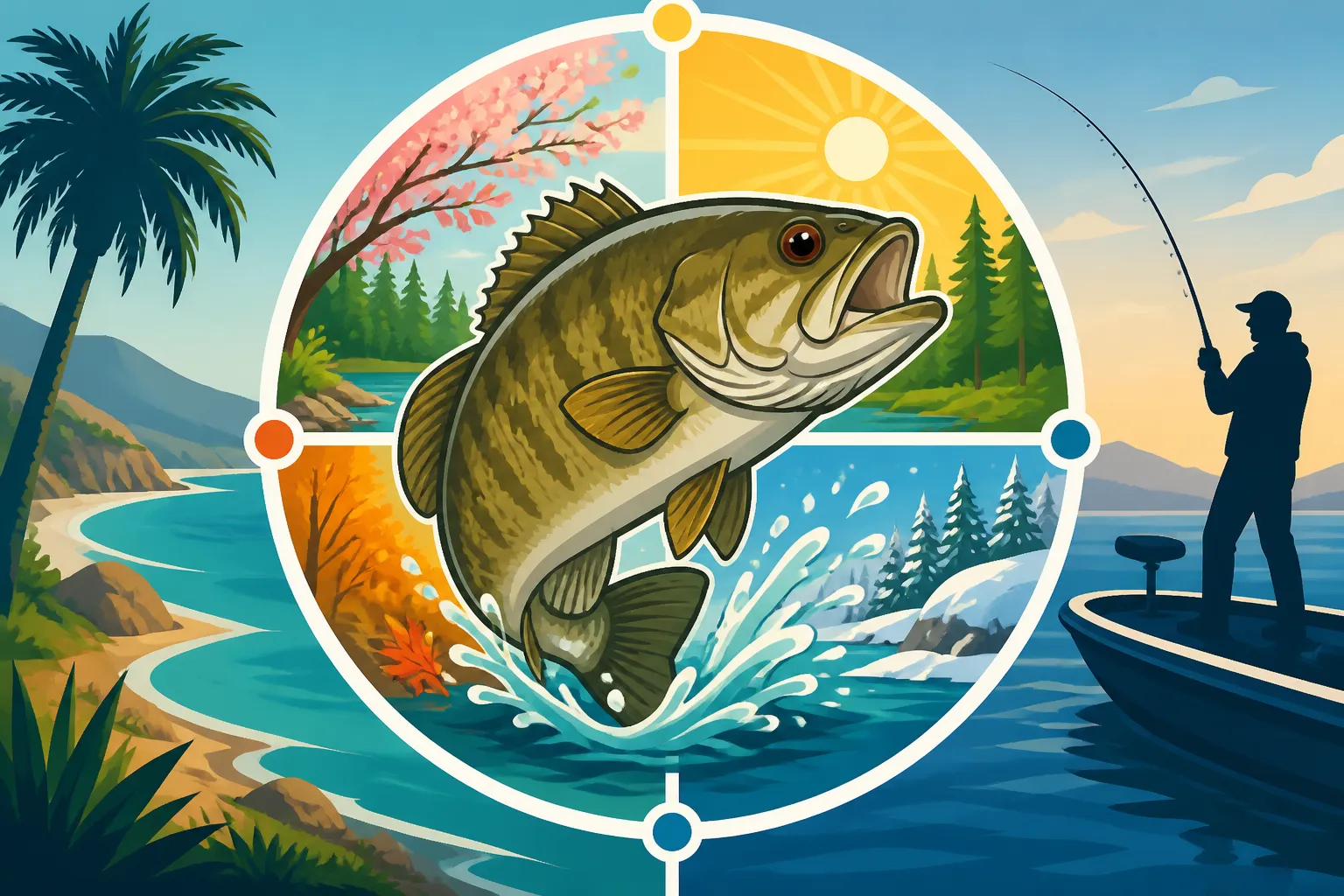
Best Time of Year for Smallmouth Bass in California: Seasonal Overview
| Season | Water Temp Range (F°) | Best Time of Day | Primary Location | Key Techniques | Notes |
|---|---|---|---|---|---|
| Spring | 50-65 | All day, especially midday | Rocky points, humps, shallow spawning flats | Jerkbaits, Tubes, Jigs, Crankbaits, Swimbait | Prime Time! Pre-spawn is aggressive, spawn is territorial. |
| Summer | 65-80+ | Dawn/Dusk, cooler midday | Deep offshore structure, ledges, current breaks | Drop-shot, Deep-diving Cranks, Vertical Jigs, Topwater | Adjust to heat, target low-light or deep water. |
| Fall | 55-70 | All day, especially midday | Main lake points, humps, channels, schooling fish | Crankbaits, Spinnerbaits, Jerkbaits, Umbrella Rigs | Excellent feeding frenzy, fish school up. |
| Winter | <50 | Midday | Deepest basins, offshore humps, canyon walls | Jigging Spoons, Blade Baits, Drop-shot, Finesse Jigs | Challenging, but can yield large, sluggish fish. |
For more detailed information on specific techniques, you might want to check out articles like How to Fish for Smallmouth Bass in California or even California Bass Fishing Techniques.
Top Smallmouth Bass Fisheries in California
California might be famous for its largemouth bass, but we have some truly exceptional smallmouth fisheries that offer incredible action. Knowing where to go is just as important as knowing when.
Northern California Hotspots
The northern part of the state boasts some of the best smallmouth opportunities, thanks to its numerous clear, rocky reservoirs and river systems.
- Lake Shasta: This massive reservoir near Redding is a smallmouth haven. Its immense size, clear water, and abundant rocky points, coves, and submerged timber create ideal habitat. Spring and fall are exceptional here, with pre-spawn smallmouth congregating on points and humps. In summer, they move deeper, often suspending or holding on ledges. Anglers frequently catch impressive numbers and size. Check out the Lake Shasta Fishing Guide for more details.
- New Melones Lake: Located in the Sierra Nevada foothills, New Melones offers fantastic smallmouth fishing, particularly known for quality fish. Its deep, clear waters and steep rocky banks are perfect for bronzebacks. The spring pre-spawn bite here is legendary, with fish hitting everything from tubes to crankbaits around submerged islands and points. You'll find good summer and fall action too by adapting your techniques to deeper presentations.
- Trinity River: While known for steelhead and salmon, the Trinity River also holds a healthy population of smallmouth bass, especially in its lower sections. The river environment provides excellent current breaks, rocky pockets, and submerged structure where smallmouth thrive. Fly fishing or light tackle with small spinners and jigs can be very productive here, particularly during warmer months when the river is clearer.
Central and Southern California Options
While less prevalent than in the north, there are still some great smallmouth opportunities further south for those willing to seek them out.
- Folsom Lake: Near Sacramento, Folsom Lake offers a decent smallmouth fishery alongside its largemouth and spotted bass populations. The rocky sections and deeper channels of the lake are where you'll find the bronzebacks. Similar to Shasta, spring and fall are prime, with fish hitting soft plastics and crankbaits around points and deeper structure. Knowing the lake's fluctuating water levels can be key to unlocking its secrets.
- Lake Berryessa: Another large reservoir in the northern Central Valley, Lake Berryessa provides good smallmouth action. Its clear water and rocky shoreline make it a suitable habitat. While perhaps not as famous for smallmouth as Shasta or New Melones, consistent anglers can find quality fish, particularly during the spring spawn and fall feeding periods.
- San Luis Reservoir: While primarily known for striped bass, San Luis Reservoir also has a population of smallmouth. These fish often relate to the rockier sections and deeper structure of the lake. Fishing here can be challenging due to winds and rapidly changing conditions, but the rewards can be great for those who put in the effort.
Finding the best time of year to catch smallmouth bass in California boils down to understanding their seasonal movements and adjusting your techniques accordingly. While spring and fall often offer the most consistent action due to optimal water temperatures and aggressive feeding, summer and winter can also provide rewarding experiences for those who adapt. Always remember to check the current California Fishing Regulations Explained to ensure you're fishing legally and sustainably, no matter the season.
Disclaimer
Fishing regulations, conditions, and species behavior can change. Always consult the latest California Department of Fish and Wildlife regulations before any fishing trip. This guide provides general information and recommendations, but local conditions, weather, and fish behavior may vary. Always prioritize safety on the water.