California Halibut in California: Where and How to Catch
California halibut can feel like an elusive prize, constantly lurking just out of reach beneath the sandy seafloor. Many anglers spend countless hours on the water, meticulously drifting baits or casting lures, only to come up empty-handed against these notoriously flat fish. This comprehensive guide is here to unravel the mysteries of California halibut fishing, showing you exactly where to find them and the most effective techniques to bring them home.
Understanding California Halibut: The Stealthy Flatfish
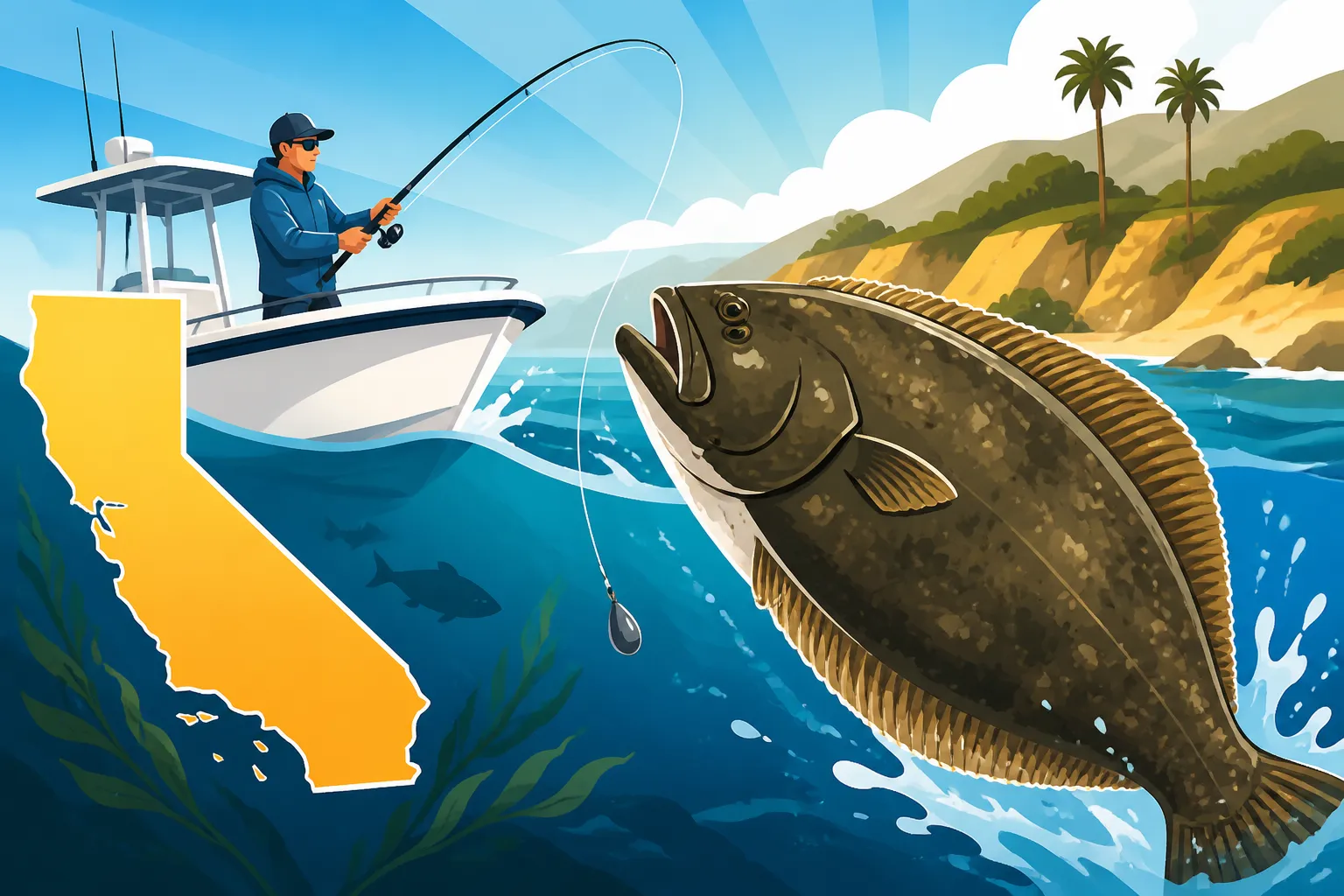
The California halibut (Paralichthys californicus) is a highly sought-after game fish along the Pacific coast, prized for its delicious white meat and its challenging nature. They are ambush predators, perfectly camouflaged to blend into their sandy and muddy environments, waiting patiently for an unsuspecting meal to swim by. Understanding their biology and behavior is the first step to successfully targeting them.
Halibut Identification and Characteristics
When you pull a California halibut out of the water, the first thing you'll notice is their distinctive flat body, compressed laterally and asymmetrical, with both eyes typically on the "up-side" of their head. What's cool about them is that they're born like a normal, upright fish, but as they grow, one eye migrates to the other side of their head, and they literally flatten out! This developmental marvel allows them to lie flat on the ocean floor, almost invisible to prey and predators alike.
They typically have a mottled brown to grayish color on their upper side, which they can change to match the surrounding bottom, making them masters of disguise. Their underside, in contrast, is usually a clean white. Unlike their more northern cousins, the Pacific halibut, California halibut are considered a "left-eyed" flounder, meaning that when lying flat, their eyes are usually on the left side of their body (though exceptions occur). They possess sharp, conical teeth, indicating their predatory nature. While they can grow quite large, reaching up to 60 pounds and over 5 feet in length, the average catch for sport anglers is typically in the 5-20 pound range. Knowing these identifying features is crucial, especially when distinguishing them from other flatfish like turbot or sole.
Preferred Habitats and Environment
California halibut are highly adaptable, making their home in a variety of coastal environments, though they show a strong preference for certain conditions. You'll primarily find them over sandy or muddy bottoms, often near structures that create ambush points. Think about areas where baitfish might congregate or be funneled by currents. This includes places like the edges of kelp beds, rock outcroppings, artificial reefs, bridge pilings, and even along the drop-offs in harbors and bays.
They thrive in relatively shallow, temperate waters, typically ranging from the surfline down to about 100 feet, though they can be found deeper. Estuaries, lagoons, and bays are prime halibut nurseries and hunting grounds, especially when the water warms up. The presence of baitfish – anchovies, sardines, smelt, and even small mackerel – is a massive indicator that halibut are likely nearby, as these flatfish are opportunistic feeders and will follow their food source. Understanding these preferred habitats will significantly increase your chances of finding them, saving you precious time and fuel on the water.
Where to Find California Halibut: Top Spots and Seasonal Patterns
Knowing what a halibut is and how it behaves is one thing, but knowing where to actually drop your line is the golden ticket. California is a big state with a lot of coastline, but certain areas consistently produce halibut year after year.
Key Coastal Locations and Bays
When it comes to California halibut, some spots are legendary. From north to south, these locations offer ideal conditions for these flatfish, whether you're fishing from a boat, kayak, or even the shore.
- San Francisco Bay and Delta: This vast estuary is a halibut hotspot, particularly in the central and southern bay. Areas around Alameda, Berkeley Flats, and the South Bay often hold good numbers. The San Francisco Bay is a dynamic environment, with strong currents and ample bait, making it a challenging but rewarding place to fish. Anglers often target channel edges, oyster beds, and deeper flats. For those wanting to delve deeper into the specific fishing opportunities here, our comprehensive guide on San Francisco Bay Fishing Spots offers even more insights.
- Monterey Bay: Further south, Monterey Bay is another productive area. The vast sandy bottom, combined with deeper canyons and kelp forest edges, provides excellent habitat. The shallower waters near Santa Cruz and Capitola can be very good, as can the areas closer to Monterey and Moss Landing.
- Morro Bay: This central coast bay is a fantastic, protected estuary that often holds impressive numbers of halibut, especially in spring and summer. The sand flats and channels within the bay, as well as the areas just outside the harbor mouth, are prime locations. For more detailed information on this area, check out our Morro Bay Fishing Guide.
- Santa Monica Bay and Long Beach: Southern California bays are halibut factories. Santa Monica Bay, especially the areas around Marina del Rey and Redondo Beach, is consistently good. Long Beach Harbor and Alamitos Bay are also excellent, particularly for smaller "flounder" style halibut, but larger ones are caught regularly.
- San Diego Bay: Arguably one of the best halibut fisheries in the state, San Diego Bay is a year-round producer. The vast sand flats, channel edges, and structure like the Coronado Bridge pilings and Navy training areas (when accessible) hold significant populations. Areas like the Zuniga Jetty and outside the main channel mouth are also prime. You can find more targeted information on San Diego Fishing Spots in our dedicated article.
Beyond these major bays, don't overlook nearshore sandy beaches, especially those with gradual slopes and subtle troughs. Surf fishing can produce impressive halibut, particularly during periods of higher tides or after storms that stir up bait. Many of the state's Best Fishing Piers in California can also be productive for halibut if they extend over sandy bottoms.
Seasonal Movements and Best Times
Halibut aren't static; their movements are largely dictated by water temperature, food availability, and spawning cycles. Understanding these patterns is key to being in the right place at the right time.
Generally, the spring (March-May) and early summer (June-July) are considered peak seasons for California halibut. As water temperatures begin to rise after winter, halibut move into shallower bays and nearshore areas to feed aggressively and spawn. This is when they are most accessible to anglers, both from boats and from shore. During these months, baitfish schools also move into the bays, creating a perfect storm for halibut fishing.
- Spring: As spring progresses, halibut become more active. They'll move into bays and estuaries in search of food and to begin their spawning rituals. This is often when the biggest fish are caught in shallower waters.
- Summer: Halibut remain plentiful through the summer, continuing to feed actively. As the water gets warmer, they might move to slightly deeper edges or seek out cooler upwellings, but they remain highly catchable.
- Fall: Fishing can still be good in the fall, especially early fall, before water temperatures drop significantly. They may start to move out of the very shallowest areas and head towards deeper coastal waters as winter approaches.
- Winter: While possible to catch halibut in winter, it's generally slower. They tend to move to deeper, offshore waters where temperatures are more stable. However, in southern California bays like San Diego, a dedicated angler can still find success throughout the cooler months.
The best time of day often coincides with tidal movements. Halibut, being ambush predators, use currents to their advantage to surprise baitfish. The hours leading up to and immediately following a tide change, especially a strong incoming or outgoing tide, can be incredibly productive. These moving waters disorient bait and create feeding opportunities. For more on seasonal timing, check out our guide on the Best Season for Halibut in California.
How to Catch California Halibut: Techniques, Bait, and Gear
So you know where they live and when they're active. Now, how do you actually get one on the hook? California halibut fishing isn't overly complicated, but it does require attention to detail, especially when it comes to presenting your bait naturally.
Effective Fishing Techniques
California halibut are primarily caught using a few tried-and-true methods, each with its own nuances.
- Drift Fishing with Live Bait: This is, hands down, the most consistently effective technique for California halibut. The idea is to slowly drift your live bait (usually anchovies or sardines) along the bottom, mimicking a natural, struggling fish. The boat's drift, whether powered by wind or current, covers a lot of ground, increasing your chances of passing over a hidden halibut. The key is to keep your bait as close to the bottom as possible without snagging. This is often done with a "Carolina rig" or a simple sliding sinker rig. Many anglers swear by the effectiveness of How to Drift for Halibut in the Bay, as it allows for precise presentation in key areas.
- The Setup: A simple lead head jig or a sliding sinker of about 1/2 to 2 ounces (depending on current and depth) above a swivel, then a 2-3 foot fluorocarbon leader (15-25 lb test) tied to a single hook (size 1/0 to 4/0, appropriate for your bait size). Hook your bait lightly through the nose or lips to keep it lively.
- Execution: Drop your rig to the bottom, then reel up just enough so the sinker occasionally taps the seafloor. You want to feel those taps, letting you know your bait is in the strike zone. Halibut often hit with a subtle "thump" or a sudden increase in weight. Don't set the hook immediately; give them a few seconds to mouth and turn the bait.
- Trolling: While less common than drifting, trolling can also be effective, especially in larger open bay areas or offshore flats. This involves slow-trolling with live bait or a lure behind the boat. Flashers or dodgers are sometimes used in front of the bait to attract attention. Trolling can be great for covering vast expanses of water.
- Artificial Lures: For anglers who prefer artificials, swimbaits are incredibly effective. Soft plastic swimbaits, especially those mimicking anchovies or sardines, rigged on a lead head jig, can fool hungry halibut. Look for brands like Berkley Gulp! or Big Hammer in natural baitfish colors. Cast them out, let them sink to the bottom, and retrieve with a slow, erratic retrieve, occasionally bouncing them off the seafloor. Even on popular online retailers like Amazon, you can find a wide variety of these effective swimbaits in different sizes and colors.
- Shore Fishing (Surf & Pier): Don't dismiss land-based fishing! Halibut can be caught from sandy beaches and piers, particularly during high tides or when baitfish are pushed close to shore. Surf fishing for halibut usually involves casting out a Carolina rig with a whole dead bait (like a sardine or anchovy) or a chunk of bait, allowing it to sit on the bottom. Pier anglers can also use similar setups or drop live bait directly under the pier if a sandy bottom is present. Our guide to California Pier Fishing License Rules highlights the opportunities here.
Best Baits and Lures
For California halibut, bait is often king, but the right artificials can also be deadly.
- Live Bait (The Gold Standard):
- Anchovies: Small, silvery, and irresistible to halibut. Often fished whole.
- Sardines: Slightly larger than anchovies, also excellent, particularly for bigger halibut.
- Smelt: Another fantastic natural prey item.
- Grunion: In season, these small fish are a natural food source and can be highly effective.
- Small Mackerel: Good for targeting larger trophy halibut.
- Keeping your bait lively is crucial. A good bait tank with aeration is worth its weight in gold.
- Dead Bait: While not as effective as live bait, fresh dead anchovies, sardines, or mackerel can work, especially when drifted slowly or fished on a Carolina rig from shore.
- Soft Plastic Swimbaits: These are a close second to live bait. Opt for paddle-tail swimbaits in natural baitfish colors (greens, blues, whites, silvers). Brands like MC Swimbaits or Keitech also make excellent choices. Rig them on a lead head jig heavy enough to reach the bottom and maintain contact. You can easily stock up on these versatile lures via Amazon.
- Jerkbaits/Hard Baits: Some anglers have success slow-ttrolling or casting suspending jerkbaits that mimic baitfish.
- Grub Tails: Curl-tail grubs on a lead head can also entice a halibut, especially when bounced off the bottom.
For a deeper dive into bait and lure specifics, take a look at our article on Best Baits and Lures for California Halibut in California.
Essential Gear for Halibut Fishing
Having the right gear makes a huge difference in your success and enjoyment on the water.
- Rods: A medium-light to medium-heavy spinning or casting rod, 7 to 9 feet in length, is ideal. You want a rod with a sensitive tip to detect those subtle halibut bites, but enough backbone to handle a good-sized fish. Brands like Ugly Stik or Penn offer durable, affordable options available on Amazon.
- Reels: Pair your rod with a reliable spinning or baitcasting reel capable of holding 200-300 yards of line. For spinning reels, a 4000-6000 series is usually sufficient. For baitcasters, a low-profile reel with a good drag system is perfect.
- Line:
- Main Line: 20-40 lb braided line is highly recommended. Braid offers incredible sensitivity, minimal stretch, and a thinner diameter for better casting and less drag in the water.
- Leader: Always use a fluorocarbon leader (15-25 lb test, 2-5 feet long) tied to your braid with a strong knot like an FG or Alberto knot. Fluorocarbon is nearly invisible underwater and more abrasion-resistant.
- Terminal Tackle:
- Hooks: Kahle hooks or octopus hooks in sizes 1/0 to 4/0 are popular for live bait. Match the hook size to your bait to ensure natural presentation.
- Sinkers: A variety of sliding egg sinkers or torpedo sinkers from 1/2 oz to 4 oz, depending on current and depth. Always have a good selection.
- Swivels: High-quality barrel swivels or ball bearing swivels to prevent line twist.
- Other Essentials:
- Landing Net: A long-handled, large-hoop landing net is crucial for safely bringing a halibut aboard. Gaffs are generally discouraged unless targeting very large fish for consumption.
- Pliers/Dehooker: For safe hook removal.
- Measuring Tape: To ensure your catch meets legal size requirements.
- Cooler with Ice: To keep your prized catch fresh.
- Fishing License: Absolutely non-negotiable! Make sure you have your California Fishing License Guide with you.
California Halibut Regulations and Conservation
Fishing ethically and legally is paramount. The California Department of Fish and Wildlife (CDFW) sets specific rules to manage the halibut population and ensure sustainable fishing for future generations. These regulations can change, so always double-check the latest guidelines before you head out.
Size Limits and Bag Limits
Currently, for California halibut, the minimum size limit is 22 inches total length. This means any halibut shorter than 22 inches must be immediately released back into the water. This regulation is critical because it allows halibut to reach reproductive maturity and contribute to the population before being harvested.
The daily bag limit for California halibut is typically 2 fish. This means you can only keep two legal-sized halibut per day, regardless of how many you catch and release. Once you've retained your limit, you must stop fishing for halibut for the day. These limits are in place to prevent overfishing and maintain healthy stock levels. It's always a good idea to consult the most recent CDFW regulations or their annual sport fishing regulations booklet for any updates, as these rules are subject to change based on scientific assessments of fish populations. For more details on these specific rules, refer to our article on California Halibut Size and Bag Limits.
Important Regulatory Considerations
Beyond size and bag limits, there are a few other things you need to be aware of when fishing for California halibut.
- Fishing License: As mentioned, a valid California fishing license is required for anyone 16 years of age or older. You can often purchase these online directly from the CDFW website or through authorized vendors. Our guide on How to Get a California Fishing License walks you through the process.
- Marine Protected Areas (MPAs): California has a network of Marine Protected Areas along its coast, where fishing is either restricted or completely prohibited. Always consult an up-to-date MPA map to ensure you are not fishing in a "no-take" zone when targeting halibut. Ignorance of the rules is not an excuse, and penalties can be severe.
- Report Cards: While not typically required for California halibut, other species like sturgeon, steelhead, and salmon do require specific report cards that must be filled out and returned to the CDFW. Always check if any new report card requirements have been added for halibut or if you are incidentally targeting other regulated species. Our article on California Fishing Report Cards Explained has more information.
- Gear Restrictions: While generally not a major issue for halibut, always be mindful of any gear restrictions in specific areas. For instance, some waters may have barbless hook requirements or limits on the number of hooks per line.
Adhering to these regulations isn't just about avoiding fines; it's about being a responsible angler and contributing to the conservation of California's marine resources. The health of our fisheries depends on everyone doing their part. For a broad overview of all the rules, our California Fishing Regulations Explained post is a great resource.
Here's a quick summary table for key California halibut fishing information:
| Aspect | Details |
|---|---|
| Primary Habitat | Sandy and muddy bottoms, near structure (kelp edges, reefs, channel drop-offs) in bays, estuaries, and nearshore coastal waters (0-100 ft deep). |
| Peak Season | March – July (Spring and Early Summer). Can be caught year-round in Southern California bays, but slower in winter. |
| Best Techniques | Drift fishing with live bait (anchovies, sardines), slow-trolling, casting soft plastic swimbaits (e.g., Berkley Gulp! or Big Hammer). |
| Preferred Bait | Live anchovies, sardines, smelt. Fresh dead bait (cut bait) can also work. |
| Effective Lures | Soft plastic paddle-tail swimbaits (natural colors, 3-6 inches) on lead head jigs. Some suspending jerkbaits. |
| Key Gear | Medium-light to medium-heavy rod (7-9 ft), 4000-6000 spinning reel or low-profile baitcaster, 20-40 lb braided main line, 15-25 lb fluorocarbon leader. |
| Minimum Size | 22 inches total length (always verify current CDFW regulations). |
| Bag Limit | 2 fish per day (always verify current CDFW regulations). |
| License Req. | Valid California Sport Fishing License required for anglers 16 and older. |
California halibut fishing can be incredibly rewarding, offering both a fun challenge and a delicious meal. With the right knowledge about their behavior, preferred spots, and effective techniques, you'll be well on your way to hooking into one of these elusive flatfish. Tight lines out there! If you're looking for an even more in-depth approach to catching them, our guide on How to Catch California Halibut is a perfect next read.
Disclaimer
Fishing regulations, including size and bag limits, seasons, and licensing requirements, are subject to change by the California Department of Fish and Wildlife (CDFW). Always consult the most current CDFW regulations booklet or their official website before heading out on any fishing trip. This guide provides general information and should not be considered a substitute for official legal guidelines.