San Diego Fishing Spots
San Diego. Ah, just the name conjures images of sunny beaches, palm trees, and… incredible fishing! But let's be real, when you're staring at such a vast coastline and so many tempting lakes and bays, it can feel a little overwhelming trying to figure out where to even drop a line. You want to make the most of your precious fishing time, and that means knowing the best spots, what to expect, and how to prepare. This guide is going to cut through all that confusion and lay out the ultimate roadmap to San Diego's premier fishing destinations, both saltwater and freshwater, so you can spend less time planning and more time reeling.
The Allure of San Diego's Diverse Waters
San Diego County isn't just a pretty face; it's a genuine angler's paradise, boasting an incredible array of fishing environments. From the tranquil backwaters of its bustling bays to the deep, blue expanses of the Pacific Ocean, and even several well-stocked inland lakes and reservoirs, there's a fishing experience here for absolutely everyone. This sheer variety can be a blessing and a curse. On one hand, you'll never get bored, always finding a new challenge or a different species to target. On the other, it's easy to feel lost in the choices, wondering if you're truly picking the right spot for your skill level, your preferred target, or even just the time of year.
A Tale of Two Fisheries: Saltwater vs. Freshwater
The primary distinction in San Diego fishing, much like the rest of California, comes down to saltwater versus freshwater. Each offers a completely different vibe, different target species, and, of course, different regulations and gear requirements.
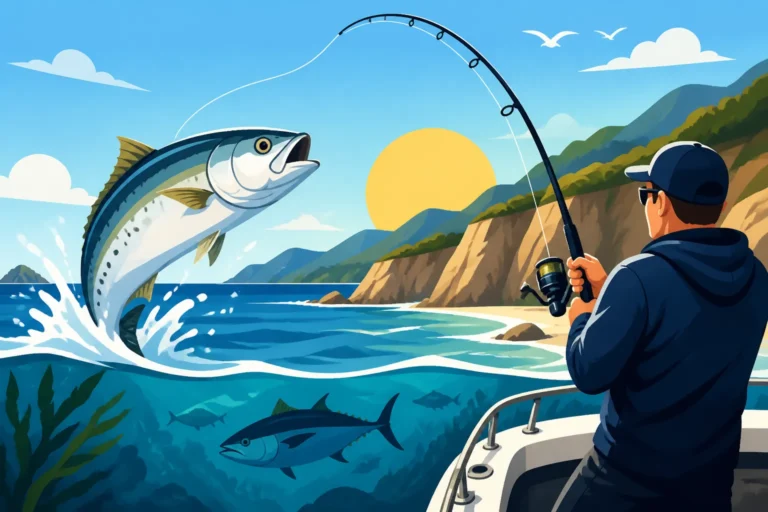
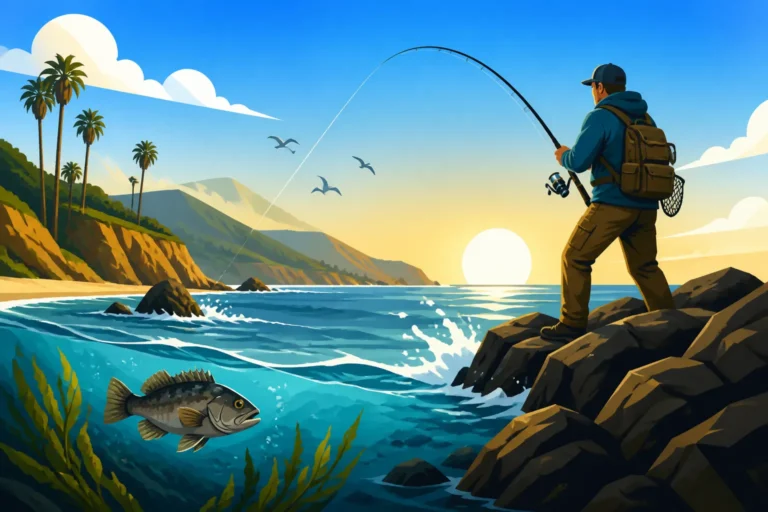
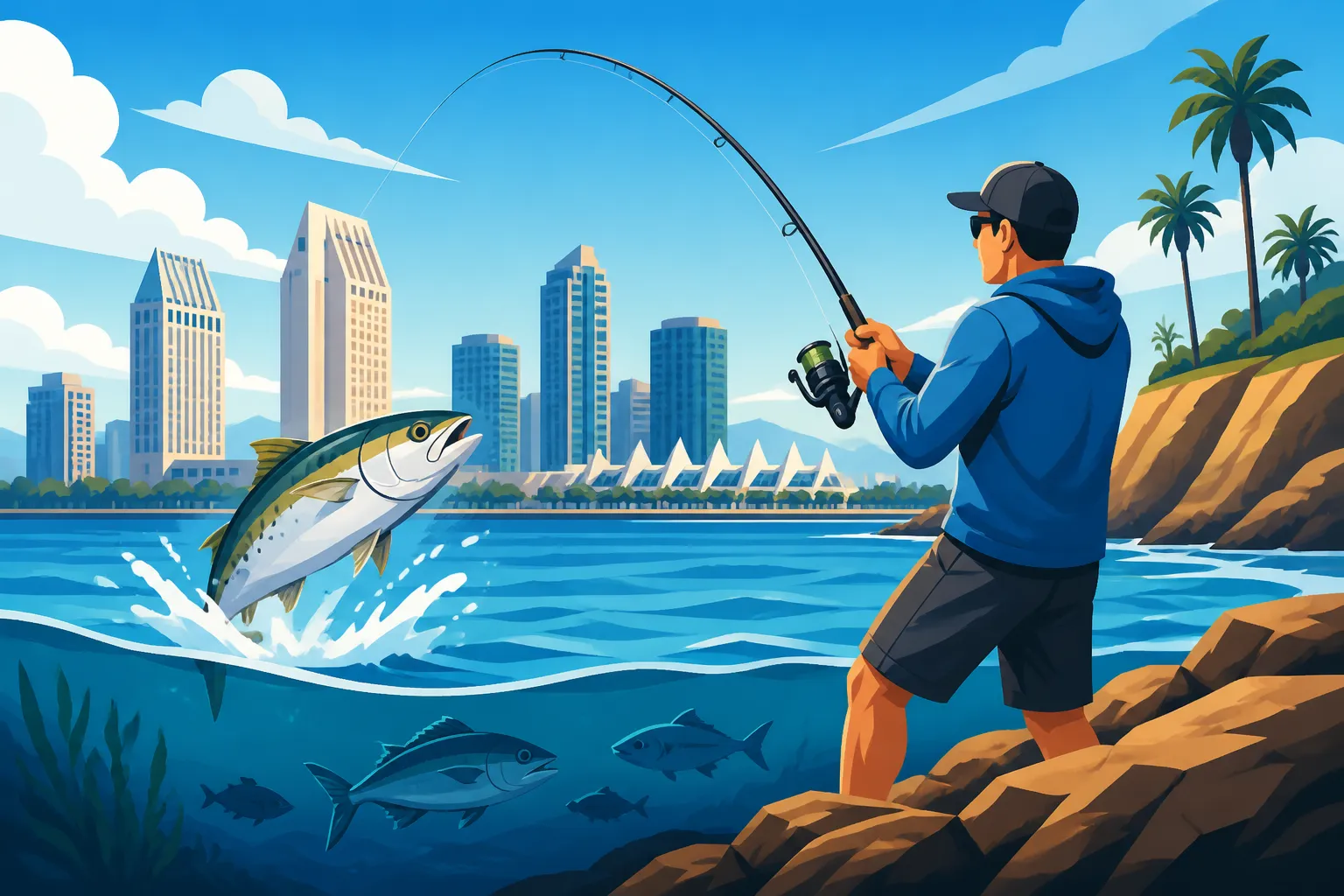
Saltwater fishing in San Diego is arguably what the region is most famous for. We're talking about the vast Pacific Ocean, rich with kelp forests, rocky reefs, and open pelagic waters that host a dizzying array of species. Anglers can chase everything from feisty yellowtail and hard-fighting tuna offshore to cunning halibut and bottom-dwelling rockfish closer to shore. The bays themselves, like San Diego Bay and Mission Bay, offer calmer waters where you can target spotties (spotted bay bass), croaker, and even the occasional leopard shark. The sheer energy and unpredictability of ocean fishing—the chance for a truly monumental catch—is what draws many to the coast. However, it often requires more specialized gear, knowledge of tides and currents, and sometimes, a boat. You'll also need to be familiar with the ever-changing California Saltwater Fishing Regulations.
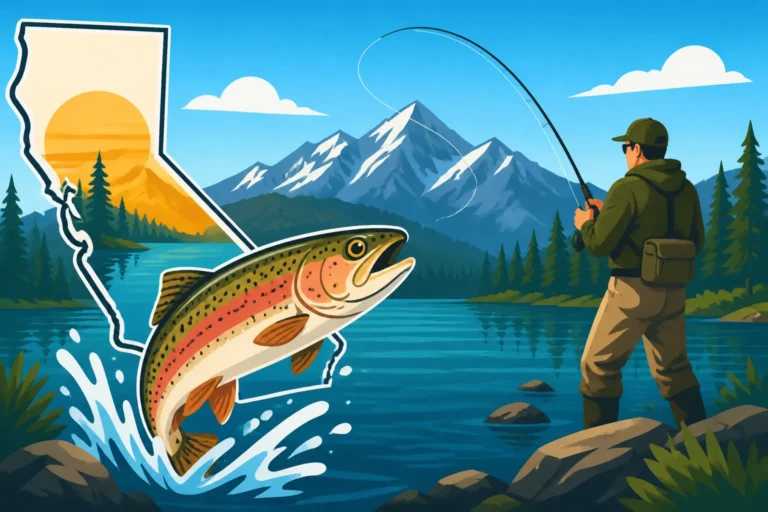
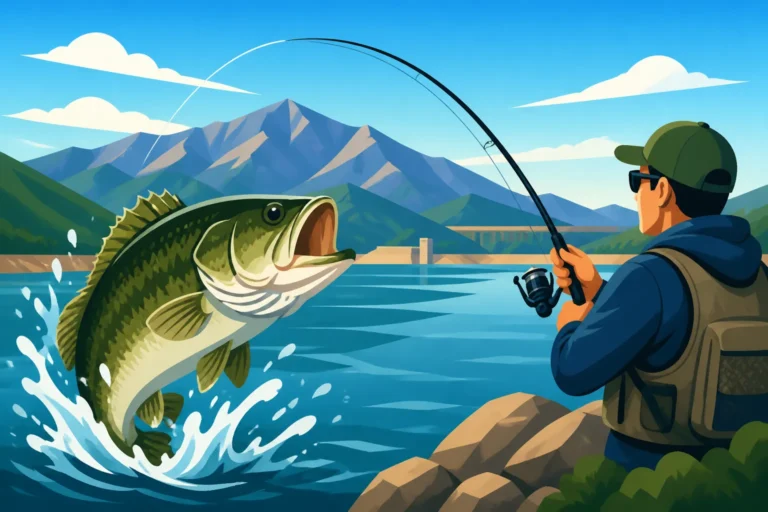
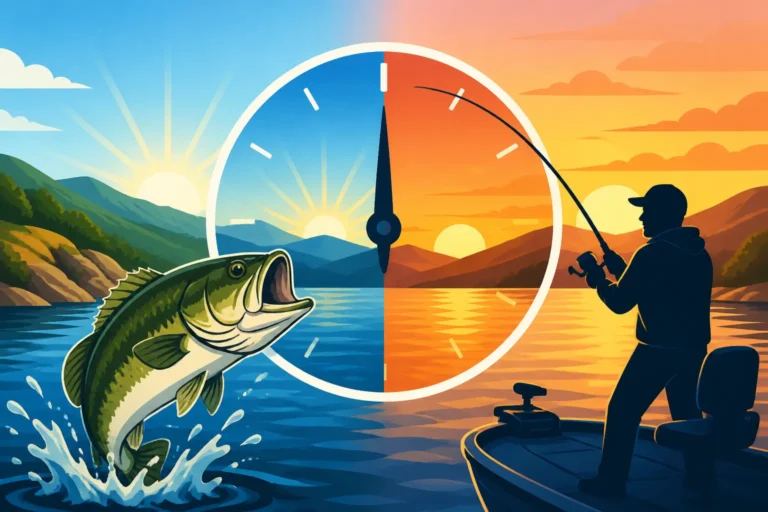
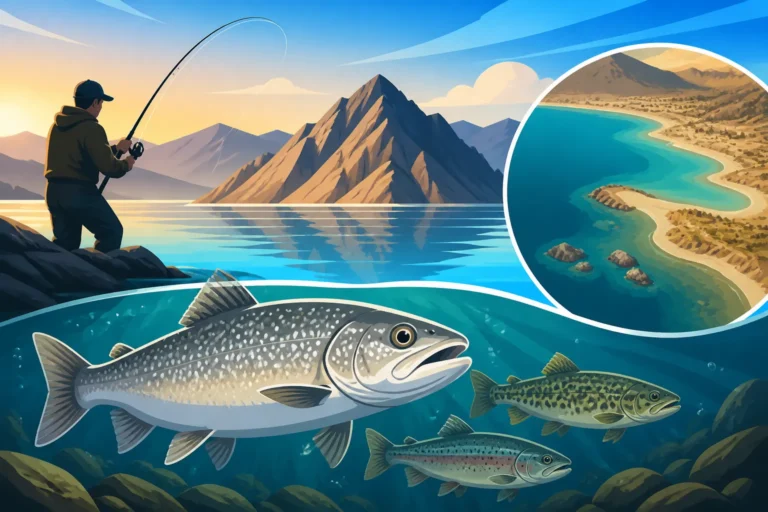
Then there's the equally rewarding, though often overlooked, freshwater scene. San Diego County is home to several well-maintained reservoirs and lakes that are regularly stocked with trout, and also hold impressive populations of largemouth bass, catfish, and crappie. These spots offer a more serene, often family-friendly fishing experience. Imagine a peaceful morning by Lake Poway or Lake Otay, casting for bass as the sun rises, without the worry of choppy seas or needing a full charter boat. Freshwater fishing tends to be more accessible, with plenty of bank fishing opportunities and often less complex gear. But don't mistake accessibility for lack of challenge; these freshwater denizens can be just as tricky to entice as their salty cousins. Knowing the nuances of each type of fishery is your first step to a successful outing.
Understanding San Diego's Microclimates and Habitats
San Diego's fishing landscape isn't just about saltwater or freshwater; it's also profoundly influenced by unique microclimates and diverse underwater habitats. What works in one area might not work in another, even just a few miles away. This is crucial for understanding why certain species congregate in specific areas.
Along the coast, we have iconic features like kelp forests, which are essentially underwater cities teeming with life. These dense, golden forests provide shelter and food for everything from calico bass and yellowtail to barracuda and even smaller baitfish. Understanding how to fish these dynamic environments, perhaps with a leadhead and a plastic swimbait or by fly-lining a live sardine, is key to success. Then there are the rocky reefs, home to a multitude of rockfish species, lingcod, and sheephead. These structure-rich areas demand a different approach, often involving heavy sinkers, dropper loops, and sturdy tackle to avoid getting snagged. The sandy bottoms, particularly along the surf line, are where you'll find halibut, corbina, and various surfperch, requiring lighter tackle and specific surf-casting techniques.
Inland, our lakes and reservoirs present their own set of habitats. You'll find deep, clear waters perfect for trout, especially in cooler months, often requiring trolling techniques or precise bait presentations. Coves, submerged structures, and weed lines are prime territory for largemouth bass, which love to ambush prey from cover. Knowing the depth, water temperature, and prevailing weather patterns can drastically change your strategy from one side of a lake to another, or from one day to the next. For instance, bass might be shallow in the spring during the spawn, but retreat to deeper, cooler waters during the brutal summer heat. Even factors like the presence of submerged trees or rock piles will dictate where you cast your line. It's a fascinating game of hide-and-seek, and understanding these habitats gives you a significant edge.
Prime Saltwater Fishing Haunts in San Diego
San Diego's coastline is a gift to any angler, offering a full spectrum of saltwater opportunities. Whether you prefer the sheltered waters of a bay, the ease of pier fishing, or the thrill of offshore big game, there's a spot waiting for you.
Bay and Estuary Fishing: Mission Bay and San Diego Bay
For many, bay fishing offers the perfect blend of accessibility and productive angling. San Diego is blessed with two magnificent bay systems: Mission Bay and San Diego Bay. These are fantastic spots for calmer water fishing, whether from a small boat, kayak, or even shore.
Mission Bay is a popular recreational area, but don't let the jet skis and paddleboarders fool you—it holds some excellent fishing. The key here is to target the shallower, calmer areas, especially around docks, bridges, and eelgrass beds. Spotted bay bass (often called "spotties") are the stars of Mission Bay. These aggressive little fighters hit jigs, plastics, and live bait with gusto. You'll often find them lurking around structure, ready to ambush small baitfish. Beyond spotties, you can also catch sargo, croaker, and even some small halibut in the sandier channels. Early mornings and late evenings, or even night fishing under dock lights, can be incredibly productive. A light spinning rod with 8-10 lb test line, a 1/4 to 3/8 oz leadhead jig with a grub, or even a Carolina rig with a small plastic worm will put you in the game.
San Diego Bay, on the other hand, is much larger and more industrial, but its fishing potential is legendary. From Coronado to Point Loma, the bay offers a staggering variety of spots. The marinas are excellent for targeting spotties, small halibut, and various perch. Areas around bridges, like the Coronado Bridge, can hold larger striped bass, bat rays, and even leopard sharks, especially at night or during strong tidal flows. The deeper channels and structured areas near the mouth of the bay can produce bigger halibut and even the occasional white seabass if you're lucky. Live bait, particularly anchovies or sardines, is king here, but cut squid and various plastics also work wonders. San Diego Bay is also a prime location for those looking to fish for larger rays and sharks, offering a robust fight for heavy tackle anglers. Many local guides specialize in fishing this expansive bay, and it's a great place to start your search if you're looking for Fishing Charters in San Diego.
Pier and Shoreline Opportunities: Accessible Angling
For those who prefer to keep their feet firmly on solid ground, San Diego offers some fantastic pier and shoreline fishing. These spots are incredibly accessible, often don't require a fishing license (a major perk, but always double-check local signage and the latest California Fishing License Guide for specific rules), and can be surprisingly productive.
One of the most iconic spots is the Ocean Beach Pier. Stretching nearly half a mile into the Pacific, it offers access to deeper water without a boat. Here, you can target mackerel, bonito, barracuda (in season), and various species of rockfish. Bottom fishing with a high-low rig and cut squid or mackerel strips often yields croaker, halibut, and even occasional rays. The end of the pier is generally best for bigger game, while closer to shore you might find surfperch. Another excellent option is the Imperial Beach Pier, known for its potential for yellowfin croaker, corbina, and even legal-sized halibut. This pier is particularly active during the grunion runs, which draw in predatory fish. The Shelter Island Pier in San Diego Bay offers excellent bay fishing for spotties, mackerel, and bay bass, without needing to venture far. You can find more details on these and other great spots in our guide to the Best Fishing Piers in California.
Shoreline fishing, particularly surf fishing, is another fantastic option. Beaches like those in Del Mar, La Jolla Shores, and Coronado offer endless stretches of sand where you can cast for corbina, spotfin croaker, and surfperch. The key to surf fishing is reading the water, looking for troughs, rips, and areas where waves break consistently, as these are often where fish feed. Sand crabs are the bait of choice for corbina and perch, while bloodworms or Gulp! sandworms can also be very effective. A long surf rod (10-12 feet) paired with a spinning reel and 12-15 lb monofilament line, along with a pyramid sinker to hold bottom, will get you started. Remember to be mindful of swimmers and surfers, especially during peak seasons.
Nearshore and Offshore Adventures: Beyond the Breakers
For those seeking bigger thrills and bigger fish, San Diego's nearshore and offshore waters are where the real action often lies. This is where you'll find the legendary sportfishing that California is known for.
Nearshore fishing primarily targets the kelp beds, rocky reefs, and shallower banks within a few miles of shore. Species like calico bass, often considered one of the hardest-fighting bass in the ocean, are abundant in the kelp. Lingcod, sheephead, and various rockfish species inhabit the reefs. These trips are typically half-day or full-day excursions, perfect for anglers who want a taste of ocean fishing without committing to a multi-day trip. Popular spots include the Point Loma Kelp Beds, the La Jolla Kelp Beds, and numerous unnamed reefs up and down the coast. Live bait (sardines, anchovies) or plastics on a leadhead are standard for bass, while dropper loop rigs with squid or mackerel strips are deadly for bottom fish.
Offshore fishing takes you further out, often 20-100 miles or more, into the vast Pacific. This is the domain of pelagic species—the true sport fish. San Diego is a world-renowned destination for tuna, particularly bluefin and yellowfin, especially during the warmer months. The Coronado Islands, just south of the border in Mexican waters (requiring specific permits), are a legendary spot for yellowtail, barracuda, and bonito. Further out, you'll encounter offshore banks like the Tanner Bank and Cortes Bank, which are hotbeds for larger bluefin tuna, yellowtail, and even dorado (mahi-mahi) when the warm water pushes north. These trips often involve booking a spot on a party boat or a private charter. Reputable charter operations like those found on FishingBooker can help you arrange anything from a half-day trip targeting rockfish to a multi-day excursion chasing giant bluefin tuna.
For specific species, understanding the patterns is key. For example, knowing How to Catch Yellowtail in California often involves targeting kelp paddies or the Coronado Islands during their peak season, while successfully reeling in a massive bluefin requires specialized heavy tackle and a deep understanding of How to Catch Bluefin Tuna off California. The seasons play a huge role here, with tuna typically showing up in summer and fall, while yellowtail can be found year-round, with peak seasons in spring and summer.
Discovering San Diego's Hidden Freshwater Gems
While San Diego is globally recognized for its saltwater prowess, don't underestimate the exceptional freshwater fishing opportunities tucked away in its inland regions. The county's lakes and reservoirs are meticulously managed and regularly stocked, offering a fantastic contrast to the ocean's expanse. These spots are perfect for a relaxing day, family outings, or targeting trophy bass without the need for a sea-worthy vessel.
Reservoir Fishing for Bass and Catfish: Lake Otay, Lake Poway, and More
San Diego County boasts several impoundments that are not only crucial for the region's water supply but also provide incredible angling experiences. These reservoirs are often managed by local water authorities, and while some require specific permits in addition to your California fishing license, they are well worth the minor hassle.
Lower Otay Lake, situated near Chula Vista, is often considered a trophy bass lake, famous for producing massive largemouth bass. Its irregular shoreline, submerged timber, and brush offer excellent habitat for these powerful fish. Anglers frequently employ techniques like throwing swimbaits, deep crankbaits, or Texas-rigged plastics to entice the bigger bites. Otay also has healthy populations of channel catfish, bluegill, and crappie, making it a versatile destination. The lake can be fished from shore, float tubes, or rental boats, giving you plenty of options for access. The key to Otay is often patience and targeting structure.
Lake Poway, nestled in the hills of Poway, is a true gem, especially for rainbow trout. This lake is stocked regularly during the cooler months, often with "trophy-sized" trout, making it a popular destination for anglers looking to fill their coolers. Beyond trout, Poway also harbors largemouth bass, bluegill, and catfish. Bank fishing is very popular, particularly near the fishing float and around the various coves. PowerBait, worms, and small Kastmaster spoons are go-to baits for trout, while bass anglers will find success with plastics and spinnerbaits. Lake Poway also offers boat rentals, including pedal boats, which can be a fun way to explore the coves with the family. Check out our comprehensive guide on the Best Lakes to Fish in California for more details on these and other fantastic spots.
Other notable reservoirs include Lake Jennings near Lakeside, known for its catfish and trophy bass, and El Capitan Reservoir near Lakeside, another excellent bass fishery that also holds crappie and bluegill. Each of these lakes has its own unique character, regulations, and productive spots, so it’s always a good idea to check their specific websites or call their ranger stations before heading out. They're often stocked at different times, so knowing the stocking schedule can significantly increase your chances, especially for trout. When the water gets warm, catfish and bass often become the primary targets, and knowing How to Fish for Largemouth Bass in California will serve you well at any of these locations.
Mountain Lake Retreats: Fishing in the Cuyamaca Mountains
Beyond the larger urban-proximate reservoirs, San Diego County also offers some serene, cooler-water options higher up in the Cuyamaca Mountains. These lakes provide a refreshing escape from the summer heat and offer a different kind of freshwater experience, often with a focus on trout.
Lake Cuyamaca, located within Cuyamaca Rancho State Park, is a beautiful alpine-style lake that is heavily stocked with rainbow trout year-round. It's one of the few places in Southern California where you can catch trout even in the heat of summer due to its higher elevation and cooler waters. The lake also boasts populations of channel catfish, bass, and crappie. Anglers here use a variety of techniques, from fly fishing from shore or float tubes to trolling small lures or bait from rental boats. PowerBait, nightcrawlers, and small spinners like Rooster Tails are consistent producers for trout. The scenic surroundings, often with deer and other wildlife sightings, add to the tranquil charm of fishing here. Make sure to check for any specific state park regulations in addition to county and state fishing rules, as they can sometimes differ slightly.
While Lake Cuyamaca is the primary mountain lake for fishing, smaller ponds and streams in the region might also hold fish, particularly during wet years. However, these are often less consistent and more subject to seasonal flows and natural populations, rather than regular stocking. For a guaranteed and picturesque mountain fishing experience, Lake Cuyamaca remains the top choice. These mountain lakes offer a different pace, a chance to truly unwind and reconnect with nature while still enjoying some fantastic angling.
Navigating Seasons, Species, and Regulations
Fishing in San Diego, like anywhere else, isn't a static activity. It's a dynamic dance with nature, heavily influenced by the seasons, the behavior of different species, and the ever-present, ever-changing regulations designed to protect our precious marine and freshwater resources. Understanding these three pillars is paramount to both successful and responsible fishing.
Seasonal Sweet Spots for Targeted Species
The "best" time to fish in San Diego varies wildly depending on what you're hoping to catch. Our Mediterranean climate means we have distinct periods when certain species are more active or abundant.
- Winter (December-February): This is prime time for trout in the freshwater reservoirs. Lakes like Poway and Cuyamaca receive regular stockings, making for excellent bank and boat fishing. Offshore, bottom fishing for rockfish and lingcod remains strong, though some deeper-water restrictions might apply depending on the year's regulations. In the bays, spotted bay bass are still active, often holding deeper.
- Spring (March-May): Things really start to heat up! Yellowtail begin to show up in greater numbers around the Coronado Islands and local kelp paddies. This is also a fantastic time for halibut in the bays and along the coast, especially on outgoing tides. Freshwater bass fishing explodes as they move into shallower waters for their spawn. You can also find some early season barracuda nearshore.
- Summer (June-August): This is the peak season for offshore big game. Bluefin tuna and yellowfin tuna make their appearance, sometimes in huge numbers, pushing north with warm water currents. Dorado (mahi-mahi) and albacore tuna also become possibilities further offshore. Nearshore, barracuda and calico bass are abundant in the kelp. Freshwater lakes remain good for bass, catfish, and crappie, though trout fishing slows down in warmer, lower elevation lakes.
- Fall (September-November): Many consider fall to be the absolute best fishing season. Bluefin and yellowfin tuna action often remains red-hot. Yellowtail are still plentiful. The cooler temperatures invigorate largemouth bass in the lakes, triggering a strong fall bite. This is a transition period where you can often target a wide variety of species.
For a detailed month-by-month breakdown of what to expect, our guide on California Fishing Seasons: Month-by-Month Guide is an invaluable resource. Remember, these are general trends; mother nature always has the final say, and local fishing reports are essential for up-to-the-minute information. Understanding the Best Season for Yellowtail in California or the Best Season for Bluefin Tuna in California can mean the difference between an average trip and an epic one.
Essential California Fishing Regulations and Report Cards
Beyond knowing when to fish, knowing how to fish legally is non-negotiable. California has some of the most comprehensive and frequently updated fishing regulations in the nation, all designed to ensure sustainable fisheries for future generations. Ignoring these rules can lead to hefty fines and loss of fishing privileges.
First and foremost, almost all fishing in California, both saltwater and freshwater, requires a valid California fishing license. There are exceptions, such as fishing from public piers, but it's always safest to assume you need one or to verify specifically. You can purchase these online, at tackle shops, or at many sporting goods stores. Our comprehensive California Fishing License Guide covers all the details on types, costs, and where to buy. For freshwater specific rules, be sure to check out the California Freshwater Fishing Regulations and for the vast ocean, the California Saltwater Fishing Regulations.
Beyond the general license, certain species require a report card. These are additional permits that help the California Department of Fish and Wildlife (CDFW) monitor catch data for specific populations. In San Diego, common report cards you might encounter include:
- Spiny Lobster Report Card: Required if you're targeting California spiny lobster (typically during the fall and winter season).
- California Halibut Report Card: While not a statewide requirement, some specific areas or tournaments might have localized reporting for halibut. Always check local rules.
Always carry your license and any required report cards with you. Make sure you understand bag limits (how many fish you can keep), size limits (minimum or maximum lengths), and seasonal closures for specific species. These regulations can change annually, sometimes even mid-season, so always consult the latest CDFW sport fishing regulations booklet or their website. Ignorance of the law is not an excuse. Many tackle shops and charter offices display the latest regulations, or you can even ask a deckhand on a party boat for clarification.
Equipping Your San Diego Fishing Expedition
Heading out fishing, especially in a new area like San Diego, can be daunting when it comes to gear. What do you really need? The good news is you don't need to break the bank to get started, but having the right tools for the job will significantly improve your success and enjoyment. Think about where you'll be fishing and what you're targeting, and that will dictate your tackle box.
Must-Have Gear for Bay and Pier Fishing
For calmer waters like Mission Bay or San Diego Bay, or from any of the local piers, you can generally get away with lighter, more versatile tackle. The beauty of bay and pier fishing is its accessibility, and your gear should reflect that.
A good medium-light spinning combo is often all you need. Look for a rod in the 7 to 8-foot range with a fast action, paired with a 2500-4000 series spinning reel. This setup is sensitive enough for smaller bay bass and croaker but has enough backbone to handle a surprise halibut or a feisty leopard shark. Spool your reel with 10-15 lb braided line, which offers sensitivity and casting distance, and attach a 2-4 foot fluorocarbon leader (8-12 lb test) for stealth and abrasion resistance.
Your tackle box should include:
- Leadhead jigs: 1/4 to 3/8 ounce, in various colors (white, pearl, motor oil, grub green). Pair these with matching grub tails or swimbaits. These are deadly for spotted bay bass.
- Carolina Rig components: Barrel swivels, bullet weights (1/4 – 1/2 oz), and small octopus hooks (sizes 1 to 2/0). This rig is fantastic for fishing plastics or live bait on the bottom for halibut, croaker, and bass.
- High-Low Rigs: Pre-tied or components for making your own. Great for pier fishing, allowing you to present two baits at different depths.
- Baits: Cut squid, fresh or frozen anchovies, and Gulp! sandworms or shrimp imitations are excellent all-around choices. Live bait (anchovies, sardines) can often be purchased at local bait barges in the bays.
- Terminal Tackle: A variety of hooks (sizes 2 to 4/0), sinkers (pyramid, egg, worm weights), and swivels.
- Essentials: Pliers (for hook removal and cutting line), a small rag or towel, a tape measure (to check size limits), and a cooler for your catch.
Remember, if you're fishing from a pier, a comfortable folding chair and a small cart to transport your gear can make your day much more enjoyable. And don't forget sun protection – a hat, sunglasses, and sunscreen are crucial under the San Diego sun!
Offshore Tackle and Charter Considerations
When you venture offshore for larger game, your gear requirements scale up significantly. This isn't the place for your ultralight trout rod. If you're booking a spot on a party boat or charter, they typically provide all the necessary heavy tackle, often included in the price or available for rent. However, if you're bringing your own, here's what to consider. For a deeper dive into what to pack, check out our guide on What to Bring on a California Fishing Charter.
For nearshore kelp and rockfish trips (half-day or full-day):
You'll want a sturdy conventional rod and reel combo. A 7-foot medium-heavy conventional rod with a fast tip, paired with a Penn Fathom 25N or equivalent reel, spooled with 30-50 lb braided line and a 20-30 lb fluorocarbon leader, is a versatile setup. You'll be using leadhead jigs for calico bass, or dropper loops with heavy weights (4-16 oz, depending on depth and current) for rockfish and lingcod. Plenty of hooks (1/0 to 6/0) and swivels will be needed.
For offshore tuna and yellowtail trips (full-day to multi-day):
This is where the gear gets serious. You'll need specialized heavy conventional setups. For yellowtail and smaller tuna (up to 50 lbs), a 6.5-7 foot rod rated for 30-60 lb line, paired with a reel like a Shimano Torium 16 or Daiwa Saltist 30, spooled with 50-65 lb braid and a 30-50 lb fluorocarbon leader, is common. For the truly massive bluefin tuna that San Diego is known for, you'll need even heavier gear: 80-130 lb test line, powerful two-speed reels like a Penn International or Shimano Talica, and heavy-duty rods.
Your offshore tackle box should contain:
- Live Bait Hooks: A range of strong, sharp hooks (sizes 1/0 to 5/0) designed for live bait (circle hooks are often preferred or required for certain species/charters).
- Jigs: Heavy yo-yo jigs (iron jigs, 6-12 oz) for deep water yellowtail and tuna, lighter surface irons for casting to schools.
- Terminal Tackle: Heavy-duty swivels, crimps, and leaders (fluorocarbon and monofilament) in various strengths (50-100 lb).
- Specialized Tools: Long-nosed pliers, de-hookers, and a gaff or net (if allowed and you have the experience).
Charter boats and party boats are fantastic resources. They have experienced crews who know the current bite, provide guidance, and often fillet your catch. When considering a trip, especially for larger offshore adventures, check out our guide to California Fishing Charters: Complete Guide or directly look at options on FishingBooker to find the perfect trip and captain for your needs. Even if you bring your own gear, listening to the deckhands' advice on bait, rigs, and techniques is always a smart move. They spend hundreds of days on the water and know exactly what's working right now.
Remember, fishing is an adventure. Be prepared for varying conditions, be respectful of the environment and other anglers, and always prioritize safety. Tight lines!
Disclaimer
Fishing regulations, seasons, and access points in California can change frequently. Always consult the latest California Department of Fish and Wildlife (CDFW) regulations booklet or their official website before heading out. Local conditions, stocking schedules, and permits for specific lakes or marine protected areas should also be verified. This guide is for informational purposes only and does not supersede official regulations.