Best Saltwater Fishing Spots in California
Oh, the vast, shimmering expanse of the California coastline! It's absolutely breathtaking, isn't it? But for us anglers, that beauty can quickly turn into a head-scratcher: with over 800 miles of diverse Pacific Ocean frontage, where on earth do you even begin to find the best saltwater fishing spots? Whether you're dreaming of trophy tuna far offshore or just want to reel in some dinner from a local pier, figuring out the prime locations for a successful and enjoyable day can feel overwhelming. This comprehensive guide is here to untangle that mystery, leading you straight to California's most productive and celebrated saltwater fishing destinations, tailored for every kind of angler.
The Southern California Hotbeds: San Diego to Los Angeles
Southern California is an absolute playground for saltwater anglers, offering everything from bustling urban piers to remote island fisheries. The sheer variety of species and fishing environments here is truly remarkable, drawing in countless enthusiasts year-round. It's a region where the deep blue Pacific meets vibrant coastal communities, creating a unique blend of accessibility and incredible fishing opportunities.
San Diego's Diverse Waters
When it comes to saltwater fishing, San Diego often feels like the undisputed capital of Southern California, and for good reason. The city boasts an incredible array of fishing experiences, from the inshore kelp beds teeming with calico bass to the offshore banks where pelagic giants roam. It's a true angler's paradise, offering something for every skill level and preference.
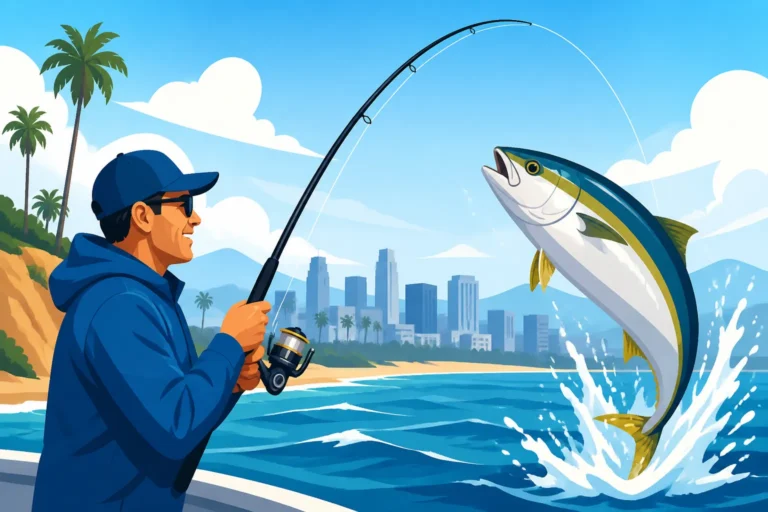
The Coronado Islands, though technically in Mexican waters, are a common destination for boats departing from San Diego due to their close proximity and incredible productivity. These islands are an absolute magnet for yellowtail, often referred to as "forktails" for their powerful fights. You'll find schools of them patrolling the kelp edges and rocky structures, especially in warmer months. Beyond yellowtail, the islands also offer excellent opportunities for rockfish, bonito, and barracuda. Many local charters, which you can easily find and book through services like FishingBooker, make regular trips down to these bountiful grounds, ensuring you have the necessary permits and expertise to fish them legally.
Closer to home, Point Loma is another standout area. The peninsula itself creates a fantastic diversity of habitats. On the ocean side, you have deep canyons and kelp forests that are magnets for larger game fish and a variety of rockfish. Anglers often target California halibut by drifting live bait along the sandy bottom near the kelp lines or structure. The calmer waters of San Diego Bay, protected by Point Loma, also offer excellent opportunities for bay bass (spotted bay bass, sand bass), corvina, and even some smaller halibut and bonefish in the shallower flats. The fishing off Point Loma can be incredibly productive, whether you're on a private boat or a sportfishing vessel from one of the local landings like H&M Landing or Point Loma Sportfishing.
Further north, the intricate kelp forests off La Jolla are renowned for their calico bass fishing. These aggressive bass are a blast to catch, providing spirited fights amongst the dense kelp paddies. Anglers often fish them with plastics, swimbaits, or live bait, focusing on structure and the edges of the kelp. Beyond calicos, you'll also find sheepshead, barracuda, and occasionally white seabass in these nutrient-rich waters. Spearfishers also frequent La Jolla for its clear waters and abundant game. The Marine Room area in La Jolla Shores is known for its halibut, especially during the spring and summer. Remember to always check current California Fishing Regulations Explained before heading out, as rules and seasons can change frequently, especially concerning rockfish depths and bag limits.
Orange County's Productive Coastline
Moving up the coast a bit, Orange County might be famous for its beaches and theme parks, but it’s also home to some genuinely fantastic saltwater fishing. The coastline here offers a mix of sandy stretches, rocky reefs, and artificial structures that hold a wide variety of fish. The fishing pressure can be a bit higher due to population density, but the opportunities are still excellent.
Dana Point is a particularly vibrant fishing hub. The harbor itself offers protection and acts as a jumping-off point for a multitude of trips. Just outside the harbor, the offshore waters are known for their seasonal pelagic action. During the warmer months, anglers can find yellowtail, dorado (mahi-mahi), and even bluefin tuna pushing up from Mexican waters. These trips often require heading a good distance offshore, so checking local fishing reports is crucial. Nearshore, Dana Point also boasts productive kelp beds and reefs that are prime habitat for calico bass, sheepshead, and various rockfish species. Many sportfishing boats depart from Dana Point, offering trips that range from half-day excursions targeting local species to full-day or even overnight trips chasing tuna.
Newport Beach offers a similar mix of inshore and offshore opportunities. The Newport Pier is a popular spot for pier anglers, often yielding mackerel, bonito, and smaller sharks, especially at night. Offshore from Newport, you'll find a series of artificial reefs and natural rock formations that are excellent for rockfish, lingcod, and sometimes halibut. The Catalina and San Clemente Islands, while a bit further out, are also accessible from Newport for those seeking bigger game like yellowtail and white seabass. The waters surrounding these islands are renowned for their clear conditions and abundant baitfish, making them prime hunting grounds for predatory species.
Further north, Huntington Beach provides extensive sandy beaches that are perfect for surf fishing. Here, anglers often target corbina, spotfin croaker, and various perch species. Light tackle with fresh bait like sand crabs, ghost shrimp, or Gulp! sandworms can be incredibly effective. The Huntington Beach Pier, one of the longest on the West Coast, is another fantastic option for easy access fishing. From the pier, you might catch mackerel, bonito, halibut, and even leopard sharks. It’s a great family-friendly option where you don't need a California Fishing License Guide if you're fishing from the public pier, but always double-check the current regulations for specific rules on pier fishing, including gear limits and species restrictions.
Los Angeles Area Fishing Mecca
Los Angeles might be a sprawling metropolis, but its extensive coastline and proximity to fertile offshore banks make it a major player in California saltwater fishing. Despite the urban environment, the fishing can be surprisingly good, especially if you know where to look or book a trip with a knowledgeable charter.
Long Beach is a fantastic hub for sportfishing, with several landings offering a wide range of trips. From here, you can access the productive waters of San Pedro Bay, which often hold halibut and various bass species. The oil platforms offshore, often referred to as "islands" or "rigs," act as massive artificial reefs, attracting a plethora of fish, including calico bass, sheepshead, and even pelagic species that venture close. These structures provide excellent habitat and are a popular destination for sportfishing boats looking for consistent action. The Port of Long Beach breakwater also offers protected waters that are home to excellent fishing, particularly for bass and halibut.
Marina del Rey, just a short drive from downtown LA, offers another convenient departure point for anglers. From Marina del Rey, boats often head to the local kelp beds and reefs, targeting calico bass, barracuda, and rockfish. The Santa Monica Bay itself can be productive for halibut, especially when drifting live bait over sandy bottoms. During warmer ocean conditions, occasionally you'll see schools of yellowtail or bonito come close enough to shore to be targeted by shorter-range trips. Many anglers also appreciate the easy access to boats and the variety of half-day and full-day trips available.
And of course, who could forget Santa Monica? The Santa Monica Pier is arguably one of the most famous fishing piers in California. It offers fantastic opportunities for everything from mackerel and bonito to smaller sharks and rays. You might even hook into a halibut or a white seabass if you're lucky and the conditions are right. For shore anglers, the long sandy beaches extending north and south of the pier provide excellent surf fishing for perch, corbina, and croaker. It's an iconic spot that combines classic California scenery with accessible fishing.
Central Coast Gems: From Santa Barbara to Monterey
The Central Coast of California offers a dramatic shift in scenery and fishing character. Here, the rugged coastline, cooler waters, and deeper offshore structures create a unique environment that supports different species and fishing styles compared to the southern reaches. It's a region where big rockfish and lingcod often steal the show, and salmon make their seasonal appearances.
Santa Barbara's Island & Nearshore Opportunities
Santa Barbara is a beautiful coastal city and a gateway to some truly world-class fishing, particularly around the Channel Islands. These islands are an absolute treasure trove for anglers, offering unparalleled diversity and pristine conditions.
The Channel Islands are a national park and marine sanctuary, making them an incredibly rich and protected ecosystem. Boats departing from Santa Barbara often run trips to Santa Cruz Island, Santa Rosa Island, Anacapa Island, and San Miguel Island. These islands are famous for their colossal kelp forests, which are prime habitat for trophy-sized calico bass. Anglers come from all over to target these aggressive fighters, often using heavy gear to pull them out of the dense cover. Besides calicos, the islands are also known for their large sheepshead, white seabass, and an incredible variety of rockfish, including reds, groupers, and bocaccios. The deeper waters around the islands also hold lingcod and often offer opportunities for yellowtail, especially on the warmer, south-facing sides. Many trips to the Channel Islands are full-day excursions, sometimes even overnight, given the travel time and the desire to maximize fishing time in these productive areas. You can often find great charters for these trips on platforms like FishingBooker.
Closer to shore, the coastal kelp beds off Santa Barbara are still highly productive, even if they don't hold the sheer volume or size of fish found at the islands. These nearshore reefs and kelp patches are excellent for local calico bass, barracuda, and various smaller rockfish. Pier fishing from Stearns Wharf in Santa Barbara can also be quite fruitful, offering opportunities for mackerel, bonito, and halibut. The fishing community in Santa Barbara is vibrant, with numerous charter operations catering to different preferences, whether you're looking for a dedicated rockfish trip or a more mixed-bag experience.
Morro Bay's Abundant Fisheries
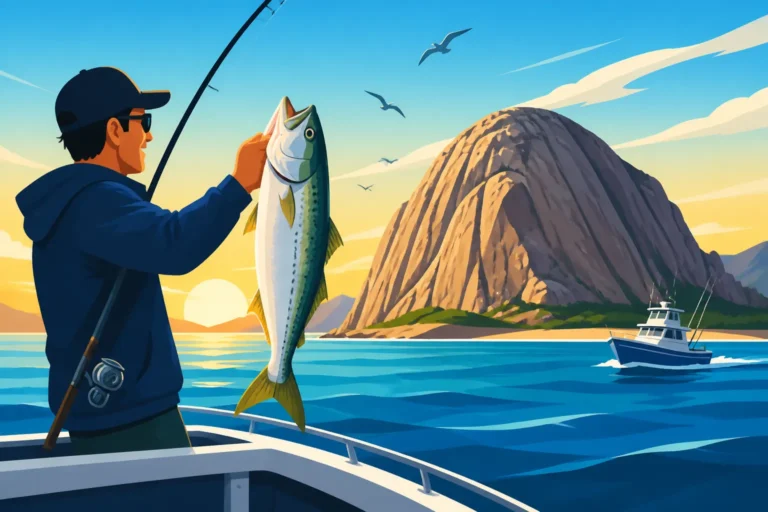
Morro Bay, with its iconic Morro Rock standing guard, is another gem on the Central Coast, particularly renowned for its bottom fishing. The cooler, nutrient-rich waters here support a robust population of groundfish.
The waters surrounding Morro Bay are often a hotspot for rockfish and lingcod. The varied seafloor, with its rocky reefs, pinnacles, and ledges, provides ideal habitat for these species. Anglers here use heavy jigs, lead heads with plastics, or bait-and-sinker rigs to target these bottom dwellers. It’s not uncommon to pull up vibrant vermilion rockfish, chunky coppers, or large olive rockfish. Lingcod, with their voracious appetites, are often found lurking near structure, waiting to ambush prey, and they provide an excellent fight and even better table fare. The depths here can range significantly, and specific areas are often targeted based on the species in season and current regulations. For instance, the California Rockfish Depth Restrictions can vary, so it's always critical to be informed.
Beyond rockfish and lingcod, California halibut can also be targeted in the sandy areas in and around Morro Bay. Drifting live bait, especially sardines or anchovies, is a popular and effective method. The Morro Bay estuary itself, though calmer, can also hold bay bass and some smaller halibut. This area is a bit more laid-back than some of the Southern California spots, offering a different, often equally rewarding, fishing experience.
Monterey Bay's Deepwater Delights
As we continue north, Monterey Bay emerges as one of California's most unique and productive marine environments. Dominated by a massive underwater canyon that rivals the Grand Canyon in scale, it creates an incredibly diverse and deep-water fishery.
Monterey Bay's canyon is an oceanographic marvel, bringing deep, nutrient-rich waters close to shore. This upwelling supports a vast food chain, making it a prime location for a variety of species, from tiny krill to massive whales and, of course, incredible fish. For anglers, this means exceptional opportunities for salmon during their seasonal runs. King salmon (Chinook) are the prized catch here, often targeted by trolling with anchovies or spoons. The timing of the salmon season can vary, so checking local reports and the California Salmon Season Dates Explained is always a good idea. When the salmon are in, Monterey Bay becomes a bustling hub of activity.
Beyond salmon, the deeper parts of the canyon and surrounding reefs offer superb rockfish and lingcod fishing. The sheer depth means you can often find larger, older specimens. Anglers use heavy gear and specialized techniques to get their baits down hundreds of feet to target these fish. It's a different kind of fishing, often more challenging, but incredibly rewarding when you reel up a trophy-sized vermilion or a monstrous lingcod. Occasionally, during warmer water years, the canyon can even attract pelagic species like tuna closer to shore, offering an exciting and unexpected bonus for those venturing offshore.
The Monterey Harbor and nearby coastal areas also offer great inshore fishing, particularly for squid, mackerel, and various surfperch species. Pier fishing from the Santa Cruz Wharf or Monterey's Municipal Wharf 2 can be fun for families, yielding mackerel, flounder, and small sharks. The beauty of Monterey Bay is that whether you're looking for a deep-sea adventure or a relaxing day by the pier, there's always something biting.
Northern California's Rugged Shores: Bay Area and Beyond
Northern California's saltwater fishing scene is distinctly different from its southern counterparts, characterized by colder, often rougher waters, dramatic coastlines, and a strong emphasis on salmon, halibut, and Dungeness crab. The San Francisco Bay Area acts as a bustling central point, with fishing opportunities extending both north and south along the rugged coast.
San Francisco Bay and Coastal Access
The San Francisco Bay itself is a giant, dynamic estuary that connects to the Pacific Ocean, offering an incredible array of fishing opportunities right in the heart of a major metropolitan area. It's a unique fishery where freshwater influences meet saltwater tides, creating a diverse environment.
Inside the Bay, striped bass are a major draw. These powerful fish thrive in the Bay's brackish waters, especially in areas like the San Pablo Bay, Alcatraz, and around the many piers and bridges. Anglers target them with live bait (anchovies, shiner perch), cut bait, or by trolling with swimbaits and plugs. The California Striped Bass Regulations are fairly strict to protect the population, so always be aware of limits. Another highly sought-after species within the Bay is California halibut. These flatfish hide on the sandy and muddy bottoms, often ambushing baitfish. Drifting live bait or bouncing lead jigs tipped with scent are popular methods. The Berkeley Flats, Alcatraz, and the South Bay are particularly well-known halibut grounds.
When the ocean conditions allow, boats from the Bay Area also head out through the Golden Gate to the Pacific, primarily targeting salmon. The waters just outside the Gate, particularly around the shipping lanes and areas like the Farallon Islands, can be incredibly productive during the prime salmon season. Trolling with bait or artificial lures is the go-to technique for these prized fish. However, ocean salmon seasons are highly variable and often subject to emergency closures or strict limits, so always consult the latest California Salmon Season Dates before planning a trip. For those without a boat, many party boats operate out of San Francisco, Berkeley, and Emeryville, offering diverse trips from bay fishing to ocean adventures.
Half Moon Bay's Seasonal Bounty
South of San Francisco, Half Moon Bay is a charming coastal town that comes alive with fishing activity, especially during certain seasons. It's a place where the ocean's rhythm dictates the angling calendar.
During the summer and fall, Half Moon Bay is one of the premier destinations for salmon fishing on the North Central Coast. The productive waters just offshore consistently produce Chinook salmon, often in good numbers. Like other salmon hotspots, trolling with bait or hoochies behind flashers is the most common and effective method. When the salmon are running strong, the harbor buzzes with excitement, and many charters offer dedicated salmon trips. Beyond salmon, the area also offers excellent opportunities for rockfish and lingcod on the deeper reefs and rocky structures. These bottom fish are available year-round, though their seasons and depth limits are regulated by the California Rockfish Regulations and Limits.
Another hugely popular seasonal fishery in Half Moon Bay is Dungeness crab. When the season opens, typically in November, recreational crabbers flock to the area, dropping pots just outside the harbor or on party boats that offer combo crab/fishing trips. Few things beat fresh Dungeness crab, and Half Moon Bay is one of the best places to get them. Even if you're just fishing from the pier, you might catch a few crabs in a hoop net!
Bodega Bay and the North Coast
Further north along the rugged Sonoma Coast, Bodega Bay offers a picturesque and incredibly productive fishing experience. The waters here are colder and often rougher than further south, but they hold a fantastic bounty for those willing to brave the conditions.
Bodega Bay is another key port for salmon fishing when the season permits. Anglers regularly target Chinook salmon in the waters offshore, often finding good success in areas influenced by the Russian River outflow. The cold, nutrient-rich currents along the North Coast are ideal for salmon, and the scenery while fishing here is simply stunning.
Similar to Half Moon Bay, Dungeness crab fishing is a huge draw here during the open season. Many boats run dedicated crab trips, and it’s a memorable experience to pull up pots overflowing with these delicious crustaceans. For bottom fish enthusiasts, the rocky reefs and pinnacles off Bodega Bay are excellent for lingcod and a variety of rockfish species. The deeper, structure-rich areas hold some impressive specimens, and the cooler water often means very healthy and vibrant fish. Trips out of Bodega Bay often involve navigating rougher ocean conditions, so it's wise to check the marine forecast before heading out.
Pier and Shore Fishing Paradises
Not everyone has access to a boat, and for many, the joy of saltwater fishing comes from the simplicity and accessibility of casting from a pier or wading into the surf. California, with its extensive coastline, offers countless opportunities for both, and often, you can have a surprisingly productive day without ever stepping foot on a vessel.
Iconic Piers for Easy Access
Fishing from a pier is a classic California experience, offering convenience, often beautiful views, and the chance to catch a wide variety of species without needing a boat or a fishing license (though some piers may have local rules or require a specific stamp for certain activities).
The Santa Monica Pier in Southern California is more than just a landmark; it's a bustling fishing platform. From its expansive deck, anglers routinely catch mackerel, bonito, white croaker, and various perch species. At night, especially during outgoing tides, you might hook into sharks, rays, or even a halibut. It's a fantastic place for families and beginners, with bait and tackle shops often right on the pier. You're never far from a snack or a scenic view, making it a full experience.
Up in the Bay Area, the Pacifica Pier is famous for its diverse offerings. During the winter months, it's one of the few places where you can reliably catch Dungeness crab from shore, using crab snares. Year-round, anglers target perch, flounder, and sometimes even salmon or striped bass if they stray close to shore. The pier extends far into the ocean, providing access to deeper water than most other shore-based spots. It's truly unique for its crabbing opportunities and general productivity.
In San Diego, the Ocean Beach Pier provides a similar experience. Extending over the surf, it's a hotspot for surfperch, corbina, and croaker, especially if you cast towards the sandy areas. Further out, you might hook into mackerel, bonito, or even small sharks. Like many public piers, it’s a great, low-cost way to get into saltwater fishing, and the atmosphere is always vibrant. Remember that while no state license is required, each pier might have its own set of guidelines regarding multiple rods or specific gear, so checking local signage is always a good idea. The article Fishing from a Pier in California: Rules offers more detailed information on this topic.
Best Beaches for Surf Fishing
Surf fishing is a completely different beast—it's about reading the waves, understanding the tides, and enjoying the solitude of the beach while waiting for a bite. California's miles of sandy beaches offer incredible opportunities for this peaceful yet challenging pursuit.
For targeting corbina, the sandy stretches of Orange County and San Diego are legendary. Beaches like Mission Beach in San Diego, Doheny State Beach in Dana Point, and the beaches around Huntington Beach are prime corbina territory. These elusive fish cruise the wash zone, feeding on sand crabs, which are also the best bait to use. Light tackle, a sensitive rod, and a keen eye for subtle bites are key. Corbina fishing is often an art form, requiring patience and a good understanding of wave action.
Spotfin croaker and yellowfin croaker are also abundant along these same sandy beaches. They can be found in the troughs and holes created by wave action. These fish respond well to live bait like ghost shrimp or small pieces of cut bait, fished on a Carolina rig. The key is to find the deeper pockets of water where the fish are concentrating.
Moving north, the beaches along the Central Coast and even some stretches north of San Francisco can offer excellent surfperch fishing. Barred surfperch are common and can provide consistent action, especially during spring spawning aggregations. These fish are often found close to shore, making them accessible to anglers without long casting capabilities. Using small pieces of Gulp! sandworms or mussel meat on a high-low rig can be very effective. Regardless of where you choose to surf fish, remember that timing with the tides (often incoming tides are best) and understanding the subtle contours of the beach can greatly increase your success.
Offshore Adventures: Chasing Pelagics
For many serious anglers, the ultimate California saltwater fishing experience lies far offshore, beyond the sight of land, chasing the fast, powerful pelagic species that migrate through our waters. This is where the true giants of the ocean are found, offering battles that will test both your tackle and your endurance.
Southern California Tuna Grounds
Southern California is world-renowned for its incredible tuna fishery. Each year, especially from late spring through fall, schools of various tuna species migrate into our waters, providing exhilarating opportunities for anglers. This is big-game fishing at its finest, attracting boats and enthusiasts from all over the globe.
The most sought-after species here are bluefin tuna. These powerful, fast-swimming fish can range from 20-pound "footballs" to massive giants weighing over 300 pounds. They are often found on offshore banks, seamounts, and even within 60-100 miles of the coast, particularly in the waters off San Diego and Orange County. Anglers target them using a variety of techniques, including jigging with heavy metal jigs (like Nomad Design Streaker or Shimano Colt Sniper), casting surface irons to foaming schools, or fly-lining live bait (sardines or mackerel) to breaking fish. The bite can be finicky, but when a school gets fired up, the action is unforgettable. Many multi-day trips specifically target these bluefin, often departing from landings in San Diego. The article How to Catch Bluefin Tuna off California provides more in-depth strategies for this exciting fishery.
Yellowfin tuna are another prized catch, often found further offshore or in conjunction with bluefin schools. They tend to be smaller than the largest bluefin but are incredibly strong fighters, known for their powerful runs. Anglers often catch them using similar methods to bluefin, especially live bait or casting poppers and stickbaits. Albacore tuna, famous for their long fins and delicious white meat, also make appearances, though their runs have been less consistent in recent years. When they do show up, trolling jigs or cedar plugs is a common and effective method. For those eager to chase these offshore giants, booking a trip with one of the many excellent San Diego Overnight Tuna Trips Explained or longer-range charters is often the best way to get on the fish. These trips are an adventure in themselves, often involving long runs and intense fishing.
Central and Northern California Offshore Species
While Southern California often gets the spotlight for tuna, the Central and Northern California offshore waters offer their own unique and exciting pelagic opportunities, particularly for salmon and, occasionally, albacore.
For salmon, the offshore waters from Monterey Bay up to Fort Bragg can be incredibly productive during the season. Boats often venture several miles offshore to find schools of migrating Chinook salmon. Trolling with downriggers and various baits or lures is the most common technique. The success of the salmon season heavily depends on ocean conditions and regulatory frameworks, which can change year to year. When the season is good, however, the offshore salmon fishing can be absolutely phenomenal, offering both quantity and quality.
Occasionally, albacore tuna will push further north into the waters off the Central and North Coasts, particularly during warm water years. While less consistent than the Southern California runs, when they appear, they offer exciting opportunities for those willing to make the long run offshore. Targeting them typically involves trolling jigs or chasing breaking schools of fish.
Beyond pelagics, the deep offshore banks and seamounts along the Central and Northern California coastlines are incredibly rich in rockfish and lingcod. While not strictly pelagic, these bottom fish are often caught in deep offshore waters, requiring specialized heavy tackle. Anglers can pull up impressive hauls of diverse rockfish species and large, aggressive lingcod from these deep-water havens. These deeper trips often involve longer boat rides but can result in some truly impressive catches, especially if you're looking to stock your freezer with delicious fillets.
Understanding Local Regulations and Seasons
Navigating the rules and seasons for saltwater fishing in California can feel like deciphering a complex code. The California Department of Fish and Wildlife (CDFW) meticulously manages these resources, and understanding the nuances is not just about compliance, but also about maximizing your success and ensuring sustainable fishing for generations to come.
Navigating Saltwater Fishing Regulations
California's saltwater fishing regulations are designed to protect various species and ensure healthy fish populations. These rules are extensive and can vary significantly by region, species, and even time of year. It’s crucial to get familiar with them before you head out, and the official CDFW website or their current sport fishing regulations booklet is your best friend. In fact, knowing How to Read the California Fishing Regulations Booklet is an essential skill for any serious angler here.
One of the most important aspects to understand are the bag and size limits. These specify how many of a particular fish species you can keep per day and what their minimum (and sometimes maximum) size must be. For instance, California Halibut Regulations and Limits will dictate a minimum size, while California Rockfish Bag Limit Explained will specify a total number of rockfish per angler, and even break it down by sub-species for certain areas. These limits are in place to prevent overfishing and allow fish to reach reproductive maturity.
Another critical component is the presence of Marine Protected Areas (MPAs). These are designated zones where fishing activities are restricted or completely prohibited to protect marine ecosystems. Knowing California Marine Protected Areas Explained and having a clear understanding of their boundaries is non-negotiable. Accidentally fishing in a "no-take" zone can lead to hefty fines and confiscation of gear. Before heading to a new spot, always check MPA maps to ensure you're fishing legally.
Special regulations also apply to specific fishing methods or target species. For example, some areas might have California Barbless Hook Requirements for certain species, or restrictions on the use of certain types of gear. Staying informed is paramount, and many local tackle shops or sportfishing landings will also have up-to-date information.
Seasonal Considerations for Prime Catches
The timing of your saltwater fishing trip in California is almost as important as the location. Many species are highly migratory or have specific spawning seasons, meaning they are only present or biting well during certain times of the year.
For tuna (bluefin, yellowfin, albacore), the prime season in Southern California typically runs from late spring through fall, peaking in summer and early fall when warm offshore currents bring these pelagic predators north. This is when you'll see the most activity on the offshore banks and the longest-range charters heading out. However, "early" and "late" seasons can still produce incredible fishing depending on water temperatures and bait availability.
Salmon fishing seasons, particularly for Chinook, are highly regulated and often only open for specific windows in the spring, summer, and fall, varying by region (e.g., North Coast, Central Coast). These seasons are determined annually by federal and state agencies based on forecasted salmon returns, so the California Salmon Season Dates Explained will change each year. When the season is open, targeting them can be incredibly rewarding, especially in areas like Monterey Bay and Half Moon Bay.
Rockfish and lingcod have more consistent seasons, often available for much of the year, though there are specific closures during spawning periods or to protect certain species. For example, some areas might have seasonal or annual rockfish conservation area closures, or depth restrictions may change. Generally, late spring through fall offers the most comfortable ocean conditions for bottom fishing, but winter trips can also be highly productive on calmer days.
Halibut can be caught year-round in various bay and nearshore environments, but their bite often picks up significantly in the warmer spring and summer months when they become more active and concentrate in certain areas for spawning.
For surf fishing for species like corbina and croaker, the warmer summer months are typically best when these fish are actively feeding in the shallow surf zone. Perch, however, can provide action year-round, with spring often being prime for large aggregations during their spawning season. Understanding these seasonal patterns, along with consulting current fishing reports, will dramatically increase your chances of a successful outing.
Essential Gear and Bait for California Saltwater
Stepping into a tackle shop for the first time can feel like walking into a foreign country, especially with the sheer variety of rods, reels, lines, and lures available for saltwater fishing in California. But don't fret! Choosing the right gear and bait doesn't have to be complicated. It boils down to understanding what you're targeting and where you'll be fishing.
Recommended Rods, Reels, and Lines
The "right" setup really depends on your target species and fishing style. However, there are some versatile options that will serve you well for most California saltwater adventures.
For general inshore fishing (piers, jetties, light surf, or targeting smaller species from a boat like mackerel, bonito, or bay bass), a medium-light to medium action spinning rod, 7-8 feet long, paired with a 3000-5000 size spinning reel is a great starting point. Spool it with 15-20 lb braided line, with a 20-30 lb fluorocarbon leader for abrasion resistance and stealth. Brands like Penn, Shimano, or Daiwa offer reliable and durable options in this range. This setup is light enough to be fun with smaller fish but has enough backbone to handle a surprise halibut or small barracuda.
If you're heading out on a party boat or private charter for rockfish, lingcod, or heavier inshore bass, you'll want something more robust. A medium-heavy to heavy conventional (star drag or lever drag) rod, 6-7 feet long, often with a fast action tip, is ideal. Pair this with a conventional reel in the 30-40 size class, spooled with 40-65 lb braided line. A 40-60 lb fluorocarbon leader is essential for these toothy critters and rocky environments. Brands like Avet, Accurate, or Penn (their Fathom or Squall series) are popular choices for their power and reliability. This setup provides the cranking power needed to pull fish up from deep water and the strength to handle a strong fight.
For chasing offshore pelagics like tuna, you're stepping into a whole new class of gear. This requires specialized, heavy-duty tackle. Depending on the size of tuna you're targeting, you might need a heavy conventional setup (like a Shimano Talica or Penn International on a jigging or stand-up rod) spooled with 80-130 lb braid, or a very powerful spinning setup (like a Shimano Stella or Penn Slammer III in 10000-20000 size) with 60-100 lb braid. These setups are designed to withstand long, brutal fights against incredibly strong fish. A good quality, heavy-duty fluorocarbon leader (80-150 lb) is non-negotiable. If you're new to tuna fishing, often the best approach is to rent tackle from the sportfishing landing or use the gear provided on a charter, as it's typically top-of-the-line and matched to the fishing.
Top Baits and Lures for Coastal Species
Just like tackle, your choice of bait and lure will significantly impact your success, and it often comes down to matching the local forage.
For live bait fishing, which is often the most effective method for many species, anchovies and sardines are king in Southern California. They are widely available at bait receivers and are irresistible to yellowtail, barracuda, tuna, and halibut. Squid is another fantastic all-around bait, working well for rockfish, lingcod, halibut, and even white seabass. It can be fished live or as cut bait. In the bays, shiner perch and ghost shrimp are excellent for halibut and bay bass.
When it comes to artificial lures, the options are endless:
- Jigs: Metal jigs, both heavy-duty "yo-yo" jigs (like the Tady 45 or Salas 6X Jr.) and lighter surface irons (like the Salas 7X or Raider), are incredibly effective for tuna, yellowtail, bonito, and barracuda. For rockfish and lingcod, heavy lead jigs with soft plastic trailers or large swimbaits on lead heads (e.g., Warbaits or Ahi Assault) are highly productive.
- Soft Plastics: Grub tails, swimbaits (e.g., Keitech, MC Swimbaits), and creature baits are fantastic for calico bass, sand bass, and spotted bay bass. Fishing them weedless in kelp or bouncing them off the bottom is a common technique. For surf fishing, Gulp! sandworms are a miracle bait for perch, corbina, and croaker, especially when fresh natural bait is scarce.
- Plugs and Poppers: Topwater plugs (like Rapala X-Rap, Nomad Chug Norris) and stickbaits can incite explosive strikes from tuna, yellowtail, and bonito, especially when they are actively feeding on the surface. Trolling plugs or spoons are also effective for salmon and occasionally barracuda.
- Bait Rigs: For pier fishing or catching mackerel and baitfish, a simple sabiki rig is indispensable. For bottom fishing, a high-low leader with two hooks and a sinker is a classic for rockfish and various bottom dwellers.
Always check with local tackle shops or bait receivers to see what's currently working, as fish preferences can change daily. They’ll also often sell the freshest bait and have the most up-to-date local knowledge.
Tips for Maximizing Your Saltwater Fishing Success
Alright, you've got your spot, you know the regulations, and your gear is ready. But what separates a good day of fishing from a truly unforgettable one? It often comes down to a few key strategies and being prepared for whatever the ocean throws your way.
Chartering a Boat vs. DIY
Deciding whether to book a charter or go it alone is a fundamental choice that impacts your experience, budget, and potential success. Both have their merits, and the best option often depends on your skill level, the type of fishing you want to do, and your access to equipment.
Chartering a boat, whether a spot on a large party boat or a private trip on a smaller vessel, is often the best way for many anglers to access California's prime saltwater spots, especially offshore. The biggest advantage is expertise: the captain and crew know where the fish are, what they're biting, and how to operate safely. They provide all the necessary safety equipment, and often tackle and bait are included or available for rent. This is particularly beneficial for targeting pelagic species like tuna and salmon, which often require specialized gear and knowledge to locate and catch. Many excellent charters can be found and booked through platforms like FishingBooker, which makes finding a reputable guide straightforward. For newcomers, a party boat offers a great introduction to ocean fishing, allowing you to learn from experienced deckhands and fellow anglers. While you might share the rail, the collective effort often leads to more fish, and the cost per person is significantly lower than a private charter.
On the other hand, DIY (Do-It-Yourself) fishing offers unparalleled freedom and can be incredibly rewarding. If you own your own boat, kayak, or enjoy shore/pier fishing, you can fish on your own schedule, target exactly what you want, and explore lesser-known spots. It requires a greater investment in gear, safety equipment, and knowledge of navigation, regulations, and fish behavior. For experienced anglers who enjoy the challenge of finding fish on their own, or for those who prefer the quiet solitude of shore fishing, DIY is the way to go. However, venturing far offshore in your own vessel requires significant preparation, safety checks, and an intimate understanding of marine weather. Even for nearshore kayak fishing, safety precautions like wearing a PFD and having a VHF radio are crucial.
Reading the Conditions
The ocean is a dynamic environment, and understanding how different conditions affect fishing is paramount to success. It's not just about showing up; it's about showing up when the fish are most likely to be biting.
Tides play a huge role, especially in inshore and bay environments. Moving water (incoming or outgoing tides) often stimulates feeding activity by carrying bait and creating current breaks where predatory fish lie in wait. For species like halibut and striped bass in the bays, a strong outgoing tide can be particularly productive as it flushes bait out of estuaries. Conversely, slack tide can sometimes be slow. Always check the tide charts for your chosen fishing location.
Water temperature is another critical factor, particularly for migratory pelagic species like tuna and yellowtail. Warm water currents are what bring these fish north to California, and finding temperature breaks or zones of slightly warmer water can be key to locating them. Even subtle changes in inshore water temperature can affect the bite for bass and other coastal species. Local fishing reports often mention water temperatures, which are invaluable clues.
Weather patterns are obvious influencers. High pressure systems often bring stable weather and good fishing, while passing fronts can shut down the bite. Wind is a major factor, affecting boat drift, casting ability, and general comfort. Strong winds can make fishing miserable and even dangerous, so always check the marine forecast. A calm, overcast day with a slight breeze often provides ideal conditions for many saltwater species.
Finally, keeping an eye on local fishing reports and fish counts from sportfishing landings is one of the best ways to stay informed. These reports, often updated daily, tell you what's biting, where, and on what gear. They are essentially real-time guides to what's currently working and can save you a lot of time and frustration. By combining this local intelligence with your understanding of tides, temperatures, and weather, you'll be well-equipped to make the most of your California saltwater fishing adventures.
Disclaimer
Please remember that fishing regulations, seasons, and limits in California are subject to change by the California Department of Fish and Wildlife (CDFW). It is always the angler's responsibility to check the most current regulations before heading out. This guide provides general information and should not be considered a substitute for official CDFW publications. Always prioritize safety on the water and practice responsible angling.