Best Fishing Near Los Angeles
Trying to find a great fishing spot near Los Angeles can feel like a Herculean task, right? With all the concrete jungle, the endless traffic, and the sheer number of people, it’s easy to feel like serene waters and biting fish are a million miles away. But trust me, that's not the case! This guide is here to cut through the confusion and show you some of the best freshwater and saltwater fishing havens within easy reach of the sprawling LA metropolis.
Understanding the Los Angeles Fishing Landscape
Los Angeles is unique because it offers a truly diverse fishing experience, often just a short drive away. You might be surprised at the variety, from tranquil mountain lakes to bustling ocean piers and deep-sea adventures. The challenge isn't finding fish; it's knowing where to look amidst the vastness of Southern California.
The Urban Angler's Dilemma
It's a common frustration: you live in a vibrant city like LA, you love fishing, but the thought of battling traffic for hours just to cast a line can be a real deterrent. Many anglers assume they need to drive several hours north or east into the desert to find anything decent. This simply isn't true, but it requires knowing the local gems. The trick is to identify spots that, while still popular, offer a genuine opportunity for a productive and enjoyable outing without demanding an entire day of travel. We're talking about places where you can be casting within an hour or two, making a morning or afternoon trip entirely feasible.
Moreover, the sheer density of population means that some easily accessible spots can get crowded, especially on weekends. Part of the urban angler's dilemma is balancing accessibility with solitude and finding those less-beaten paths, or knowing the best times to visit popular spots to avoid the peak rush. Sometimes, even finding adequate parking can be an adventure in itself, so having a good plan is crucial.
Saltwater vs. Freshwater: Your Options
One of the greatest advantages of fishing near Los Angeles is the incredible choice between saltwater and freshwater environments. Each offers a completely different experience, targeting distinct species with unique techniques.
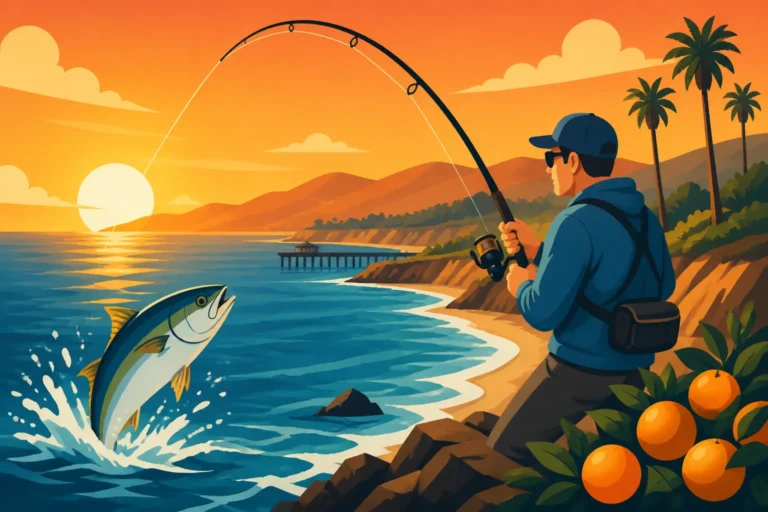
On the saltwater side, you have the vast Pacific Ocean, offering everything from pier fishing for mackerel and halibut to surf fishing for corbina and perch along sandy beaches. Then there are the bustling harbors and marinas, providing access to charter boats for deeper-sea excursions targeting yellowtail, barracuda, and even tuna, depending on the season. The dynamics of ocean tides, currents, and marine life cycles mean every trip is an adventure. Understanding California Saltwater Fishing Regulations is critical before heading out to the coast.
For freshwater enthusiasts, the landscape transforms into a network of reservoirs and mountain lakes. These spots are often stocked with trout, making them fantastic for family outings, but many also hold impressive populations of largemouth bass, catfish, and crappie. These inland waters often provide a calmer, more serene backdrop compared to the ocean, and the tactics involve finesse and understanding specific lake structures. Knowing the local stocking schedules can greatly enhance your chances, especially for trout.
Top Freshwater Escapes Near LA
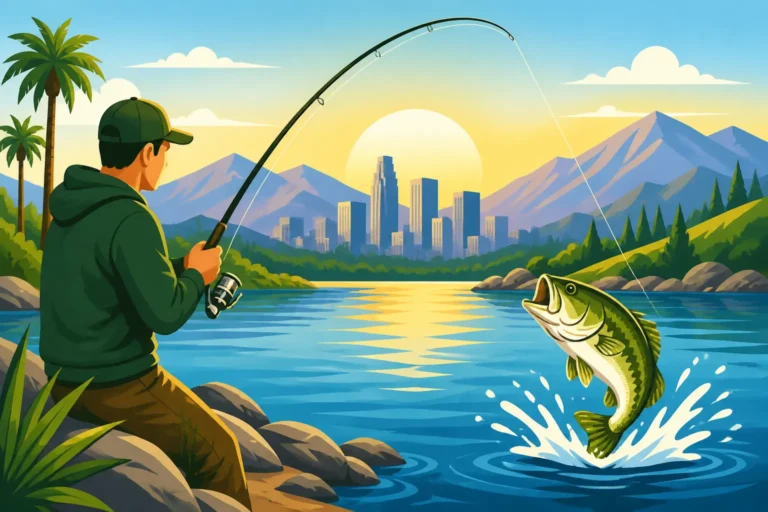
When you think of LA, glittering lakes might not be the first thing that comes to mind, but Southern California is dotted with some fantastic freshwater fishing opportunities, many of which are regularly stocked or hold impressive native populations. These spots offer a great escape from city life, often within a reasonable drive.
Trophy Bass Havens
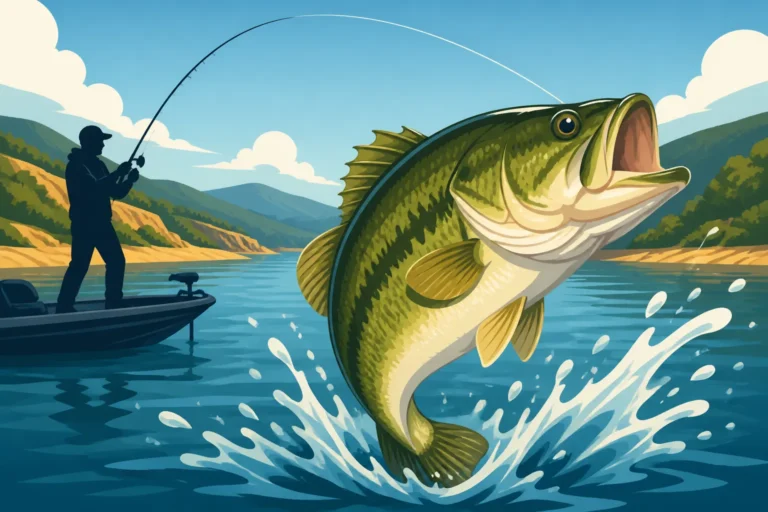
For those chasing the thrill of a big bass, several reservoirs within an hour or two of Los Angeles consistently produce trophy-sized fish. These are not just any lakes; they are legendary among bass anglers for their potential to yield double-digit largemouths.
Castaic Lake is perhaps the most famous, located just north of Santa Clarita. This reservoir is renowned for its monster largemouth bass, with the state record largemouth (over 21 pounds) having been caught here. The lake's deep, clear waters and abundant forage create an ideal environment for bass to grow to enormous sizes. Anglers often employ deep cranking, swimbaiting, and drop-shotting techniques to coax these giants out of hiding. Beyond bass, Castaic also holds good populations of striped bass, catfish, and crappie, offering diverse opportunities. The lake even has a lagoon area that's great for beginners or those looking for a quicker bite.
Another powerhouse is Diamond Valley Lake near Hemet, a bit further east but well worth the drive. This relatively new reservoir quickly gained a reputation for its incredible bass fishery, producing numerous fish over 10 pounds. The lake’s strict catch-and-release policy for bass has helped maintain its impressive population. Anglers here often find success with oversized swimbaits, jigs, and slow-rolling spinnerbaits around the extensive structure, including submerged timber and rock piles. Diamond Valley Lake also offers excellent opportunities for trout, catfish, and panfish, making it a well-rounded destination for various fishing preferences.
Trout Stocking Destinations
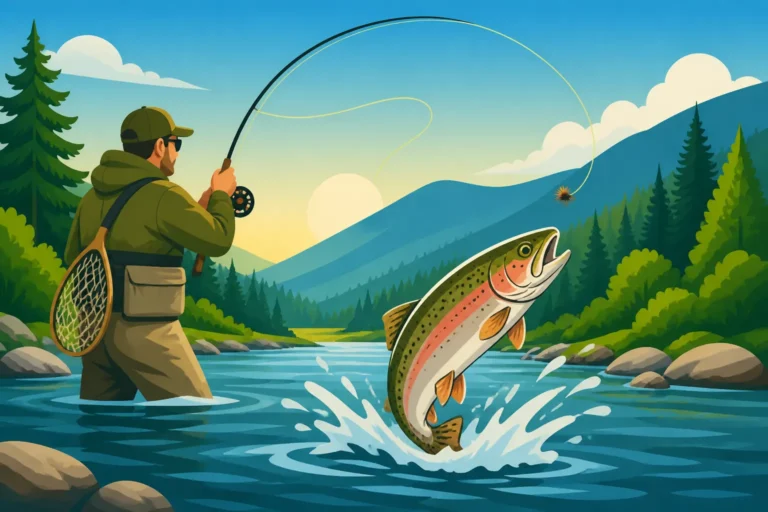
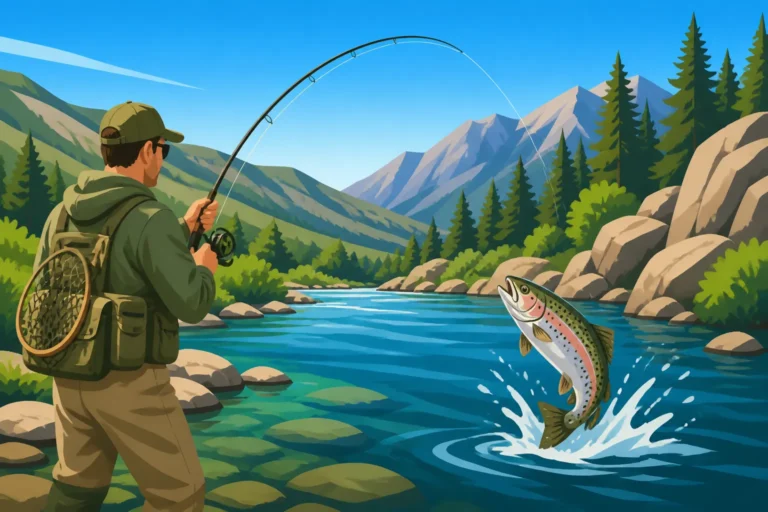
If trout fishing is your passion, you're in luck! Several lakes near LA are regularly stocked by the California Department of Fish and Wildlife (CDFW), ensuring a steady supply of rainbows, especially during the cooler months.
Pyramid Lake, located along I-5 north of Castaic, is a fantastic option for trout anglers. Its clear, cool waters are frequently stocked with rainbow trout, making it a popular spot for both boat and shore anglers. Trolling with small spoons or bait fishing with PowerBait or worms are common and effective methods. Beyond trout, Pyramid Lake is also known for its striped bass, which often grow quite large, and some decent populations of largemouth bass and catfish. The convenience of its location makes it a go-to for many LA-based anglers looking for a reliable trout bite.
Further afield, but offering a stunning mountain backdrop, is Big Bear Lake in the San Bernardino Mountains. While a longer drive, typically 2-3 hours depending on traffic and weather, it provides a completely different experience. Big Bear is heavily stocked with rainbow trout throughout the spring, summer, and fall, and even offers ice fishing opportunities in colder winters. Fly fishing, trolling, and bait fishing are all productive. The cooler temperatures and pine-scented air make it a refreshing escape, perfect for a weekend trip. The lake also has a healthy population of largemouth and smallmouth bass, as well as catfish and panfish, ensuring there's something for everyone. For more details on what to catch and when, check out our guide on Best Time to Fish Big Bear Lake.
Multi-Species Reservoirs
Not every trip is about targeting one specific species. Sometimes, you just want to go where the bite is good and the possibilities are endless. Several reservoirs around Los Angeles fit this bill, offering a diverse array of fish.
Lake Piru, nestled in the mountains north of Piru, is a beautiful reservoir known for its robust populations of largemouth bass, crappie, catfish, and sunfish. It's a fantastic spot for anglers who enjoy variety, as you can often switch between targeting different species throughout the day. Bass fishing is strong, especially around submerged structures and points, while crappie can be found in schools, often near brush piles or docks. Catfish are abundant and can be caught day or night with traditional stink baits or cut baits. The lake's scenic beauty, surrounded by hills, adds to its appeal as a peaceful fishing destination.
Another excellent choice is Lake Skinner in Winchester, located southeast of Los Angeles in Riverside County. Lake Skinner boasts good numbers of largemouth bass, stripers, crappie, bluegill, and catfish. It's a great family-friendly lake with plenty of amenities. The lake is regularly stocked with trout during the winter months, offering another dimension to its fishery. The diverse species and consistent stocking programs make it a popular spot for anglers seeking consistent action. Bass are often found near rocky points and submerged vegetation, while crappie school up in open water or around structure. For those seeking even more insights, FishingBooker is a great resource for finding local guides who specialize in these multi-species fisheries.
Here's a quick comparison of some popular freshwater spots:
| Lake/Reservoir | Primary Species | Drive Time from Downtown LA (approx.) | Best For | Key Features |
|---|---|---|---|---|
| Castaic Lake | Largemouth Bass, Striped Bass, Catfish | 1 hour | Trophy Bass, Boat Fishing | State record largemouth, deep clear water, lagoon area. |
| Diamond Valley Lake | Largemouth Bass, Trout, Catfish | 1.5 – 2 hours | Trophy Bass, Catch & Release | Strict regulations promote large bass, scenic, good shoreline access. |
| Pyramid Lake | Rainbow Trout, Striped Bass, Catfish | 1 hour | Stocked Trout, Stripers, Easy Access | Regularly stocked, great for trolling, conveniently located off I-5. |
| Big Bear Lake | Rainbow Trout, Bass, Catfish | 2 – 3 hours | Mountain Trout, Family Trips | High elevation, regularly stocked, beautiful scenery, ice fishing. |
| Lake Piru | Largemouth Bass, Crappie, Catfish | 1.5 hours | Multi-Species, Tranquil Setting | Scenic, good for bass and panfish, less crowded than some others. |
| Lake Skinner | Largemouth Bass, Stripers, Crappie | 1.5 – 2 hours | Multi-Species, Family-Friendly, Stocked Trout | Winter trout stocking, amenities, good for a varied bag. |
Premier Saltwater Opportunities from the Coastline
The California coastline is a treasure trove for saltwater anglers, and the areas surrounding Los Angeles are no exception. From bustling piers offering easy access to the ocean to serene beaches perfect for surf fishing, there are countless ways to get your line wet.
Iconic Piers for Easy Access
Fishing from a pier is quintessential California. It requires no boat, no special launch, and in many cases, no fishing license! This makes it one of the most accessible ways for anyone, from seasoned anglers to families with young children, to experience ocean fishing. Many piers offer tackle shops, bait, and food, making a day out effortless.
The Santa Monica Pier is one of the most famous landmarks in California, and it also happens to be a fantastic fishing spot. Anglers frequently catch mackerel, sardines, bonito, small sharks, halibut, and various types of perch here. The pier has bait shops, restrooms, and plenty of dining options, making it perfect for a full day of family fun. While you might not land a record-breaker, the consistent action and vibrant atmosphere are hard to beat. Just make sure to be mindful of crowds, especially on busy weekends. For detailed rules on California Pier Fishing License Rules, it's always good to confirm local specifics, though generally, a license isn't required when fishing directly from a public pier.
Further south, the Redondo Beach Pier offers similar accessibility and a wide array of species. Anglers often target mackerel, bonito, and barracuda (especially in warmer months) with Sabiki rigs or cast lures. Halibut, bass, and even small sharks can be caught on the bottom with cut bait or live bait. The pier's unique U-shape provides plenty of space, and there are many bait and tackle shops right on the pier to get you set up. The Redondo Beach Pier also provides a great vantage point for observing marine life and the sunset, adding to the overall experience.
Best Beaches for Surf Fishing
For those who enjoy the solitude and challenge of casting into the waves, Southern California boasts some incredible surf fishing beaches. This technique involves casting from the sand directly into the surf zone, targeting species that feed in the shallow, turbulent waters. It's a great way to enjoy the beach while also pursuing some delicious fish.
Leo Carrillo State Park in Malibu is a fantastic spot for surf fishing, known for its consistent corbina, perch, and occasionally, leopard sharks. The sandy beaches combined with rocky outcroppings create varied habitats that attract different species. Anglers here often use light tackle, small hooks, and natural baits like sand crabs, ghost shrimp, or lugworms. The trick to success often lies in understanding the subtle nuances of the wave action and reading the currents to find where the fish are holding. It's a tranquil spot where you can often find a good stretch of beach to yourself, making it a true escape.
Zuma Beach, also in Malibu, is another excellent choice for surf fishing. Its long, wide sandy beach is ideal for targeting barred surfperch and corbina, especially during the spring and summer months. These fish are often found just beyond the breaking waves, feeding on small invertebrates churned up by the surf. A common setup involves a Carolina rig with a light line and a small hook. The vastness of Zuma Beach allows for plenty of room to spread out, even on moderately busy days, offering a more peaceful angling experience than some of the more crowded urban beaches.
Harbor and Bay Fishing Secrets
While the open ocean offers endless possibilities, the sheltered waters of harbors and bays can be incredibly productive and offer different fishing dynamics. These areas provide protection from large swells, making them accessible even on choppier days, and their structures often hold a surprising variety of fish.
Marina del Rey is not just for yachts; it's also a surprisingly good fishing destination. While direct shore access can be limited, many anglers find success fishing from designated public docks, jetties, or even renting small skiffs to explore the inner harbor. You can expect to catch a mix of calico bass, sand bass, halibut, sargo, croaker, and even some small sharks. The key here is to fish around structure – dock pilings, rock walls, and submerged debris. Live bait, like anchovies or sardines, can be incredibly effective, as can soft plastics and small jigs.
Further south, Long Beach Harbor offers similar opportunities, with numerous jetties and public access points. This large, active harbor is a haven for bass species, particularly calico and sand bass, along with halibut, croaker, and even some migratory species like bonito and barracuda during warmer water periods. Many anglers launch kayaks or small boats to access the best spots around the breakwaters and oil islands. Fishing with leadhead jigs tipped with grubs or swimbaits is a popular and productive method. FishingBooker lists many local guides who can navigate you to the best hidden gems within these bustling harbors, providing an advantage in finding where the fish are biting.
Offshore Adventures and Party Boat Experiences
For many, the ultimate California fishing experience lies beyond the coastline, out on the deep blue. Los Angeles is perfectly positioned to take advantage of world-class offshore fishing, with numerous sportfishing landings offering everything from half-day excursions to multi-day trips.
Sportfishing Hubs and Destinations
Southern California's sportfishing fleet is legendary, departing from several key ports within a short drive of Los Angeles. These hubs offer a wide range of trips, catering to different budgets, time commitments, and target species.
The San Pedro and Long Beach area serves as a major gateway to offshore fishing. From here, boats regularly depart for destinations like Catalina Island, San Clemente Island, and the Cortes and Tanner Banks. Local landings such as Pierpoint Landing and Long Beach Sportfishing offer a variety of trips, from half-day excursions targeting rockfish and bass around the local islands to full-day or overnight trips chasing tuna, yellowtail, and dorado further offshore. These trips provide an excellent opportunity to experience deep-sea fishing without the need for your own boat, with experienced crews and all the necessary gear often available for rent. You can learn more about California Fishing Charters: Complete Guide if you're considering this option.
While a bit further south, San Diego is arguably the epicenter of Southern California's long-range sportfishing fleet. Many LA anglers make the two-hour drive to San Diego for multi-day trips targeting bluefin tuna, yellowfin tuna, wahoo, and dorado far offshore, sometimes venturing into Mexican waters. Landings like H&M Landing, Fisherman's Landing, and Point Loma Sportfishing are renowned for their incredible boats and experienced crews who specialize in these epic journeys. These trips are an investment in time and money, but the reward of landing a trophy tuna is an unforgettable experience. If you're planning such a trip, you'll need to know What to Bring on a California Fishing Charter.
Targeting Pelagic and Bottom Fish
Offshore fishing near LA offers a thrilling pursuit of various species, broadly categorized into pelagic (open-ocean) and bottom-dwelling fish. Each requires different techniques and offers distinct challenges.
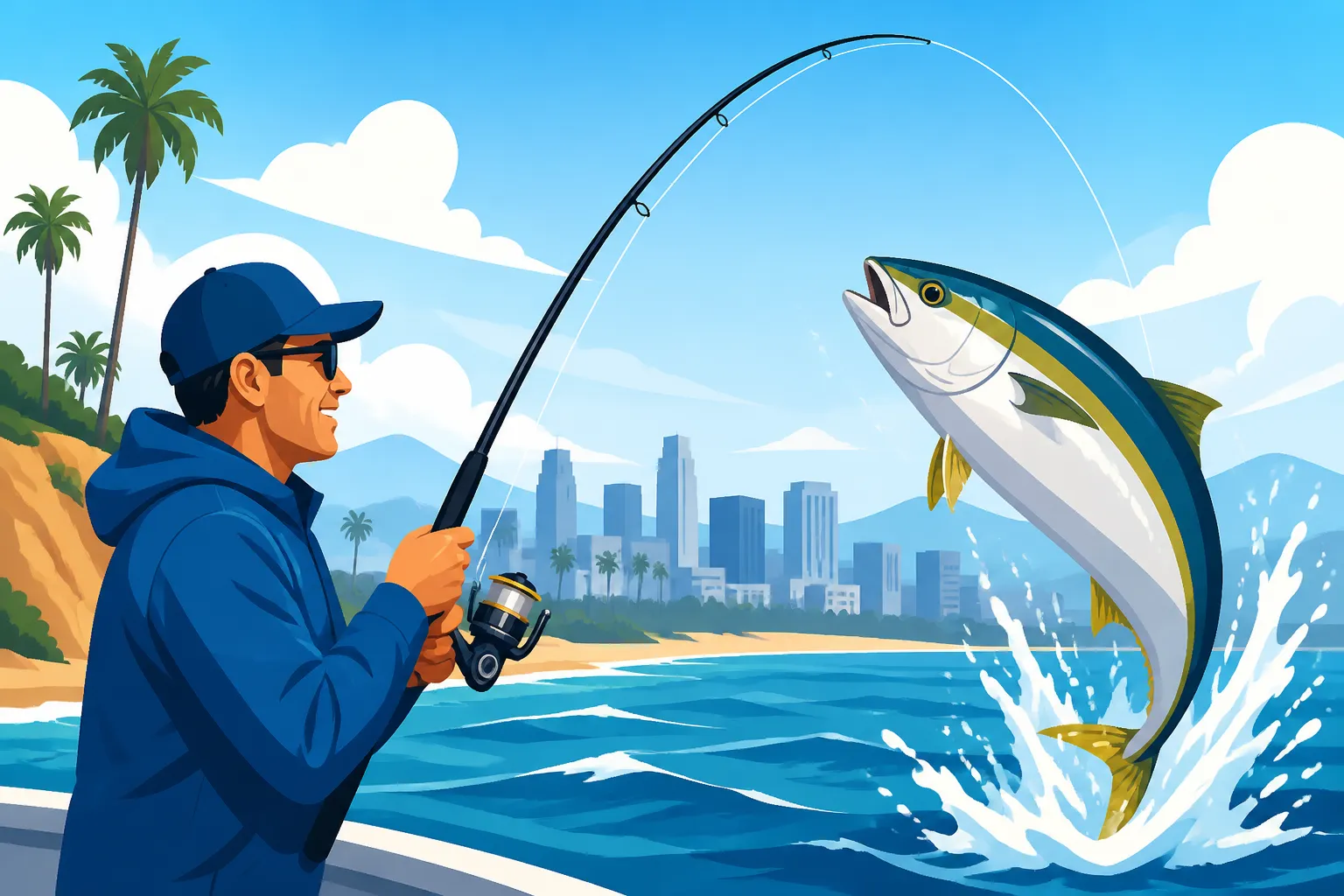
When targeting pelagic species like tuna (bluefin, yellowfin, albacore), yellowtail, and dorado (mahi-mahi), you're often looking for signs of life on the surface – bird schools, bait balls, or breaching fish. These highly migratory species are fast and powerful, providing an exhilarating fight. Techniques typically involve live baiting with sardines or anchovies, jigging with metal lures (like yo-yo jigs for yellowtail), or casting poppers and stickbaits. The presence and accessibility of these species are highly seasonal and dependent on water temperature and currents, making each trip a unique challenge. Knowing How to Catch Bluefin Tuna off California can significantly improve your chances on these specialized trips.
Bottom fish, primarily rockfish (like vermilion, bocaccio, and chucklehead) and lingcod, are found over rocky reefs, pinnacles, and other underwater structures. These species are typically targeted with heavy jigs or bait fished directly on the bottom, sometimes in very deep water. Rockfish are plentiful and offer consistent action, often resulting in a cooler full of delicious fillets. Lingcod are predatory fish found in similar habitats, known for their aggressive strikes and tasty meat. While the action can be steady, anglers must be aware of California Rockfish Depth Restrictions and specific bag limits, which can change frequently based on conservation efforts. It's a great option for those looking for reliable action and delicious table fare.
Planning Your LA Fishing Trip: Essential Considerations
Alright, so you've got some spots in mind, maybe you're dreaming of a trophy bass or a feisty yellowtail. But before you grab your rod and head out the door, there are a few practicalities that every angler needs to consider when fishing near Los Angeles.
Navigating California Fishing Regulations
This is probably the most crucial, and sometimes the most frustrating, aspect of fishing in California. The regulations can seem like a labyrinth, changing frequently by species, location, and even time of year. Ignoring them can lead to hefty fines or, worse, harm the incredible fisheries we all love.
First and foremost, you'll almost certainly need a California fishing license for both freshwater and saltwater fishing, unless you're fishing from a public pier or on a licensed charter where your fees often cover a temporary license. You can find comprehensive information on how to get one in our California Fishing License Guide. These licenses are issued by the California Department of Fish and Wildlife (CDFW) and can be purchased online, at tackle shops, or at many sporting goods stores like Big 5 Sporting Goods or Dick's Sporting Goods. Make sure you understand the nuances, such as whether you need an Ocean Enhancement Stamp for certain Southern California saltwater fishing.
Beyond the license, you'll need to be intimately familiar with specific regulations. This includes bag limits (how many fish you can keep), size limits (minimum or maximum lengths), and season closures for various species. For example, rockfish seasons can vary dramatically by region and depth, and salmon seasons are often determined year-by-year based on forecasts. California Fishing Regulations Explained dives into this in much greater detail. Always check the current year's regulations booklet or the CDFW website before each trip, as things can change without much notice.
Essential Gear for LA Anglers
The gear you need will largely depend on whether you're chasing freshwater giants or battling ocean beasts. However, some basics apply across the board, and having the right equipment can make all the difference between a frustrating day and a fantastic one.
For freshwater fishing, especially for bass, a medium-heavy baitcasting or spinning rod paired with a reel spooled with 10-20 lb test line is a good starting point. You'll want a variety of lures: soft plastics, crankbaits, spinnerbaits, and jigs are all staples. For trout, lighter tackle – a light-action spinning rod with 4-6 lb test line – is usually sufficient, along with PowerBait, worms, or small spinners and spoons. Don't forget essentials like a tackle box, pliers, line cutters, a net, and a cooler for your catch. Having a sturdy pair of polarized sunglasses is also a game-changer for spotting fish and reducing glare.
When venturing into saltwater, the gear needs to be more robust. For pier or surf fishing, a medium-heavy spinning rod (7-10 feet) capable of casting heavier weights, spooled with 15-30 lb mono or braided line, is a good versatile option. A variety of hooks, sinkers, swivels, and bait (like anchovies, sardines, squid, or ghost shrimp) will be necessary. If you're going on an offshore charter, you can often rent quality rods and reels, but having your own specialized gear, particularly for tuna, might be preferred if you go often. Regardless of your chosen method, always rinse your saltwater gear thoroughly with fresh water after each use to prevent corrosion.
Best Times to Fish Near Los Angeles
Timing is everything in fishing, and understanding the seasonal patterns and even the daily rhythms can significantly improve your success rate. Los Angeles enjoys a relatively mild climate year-round, but fishing can still be highly seasonal.
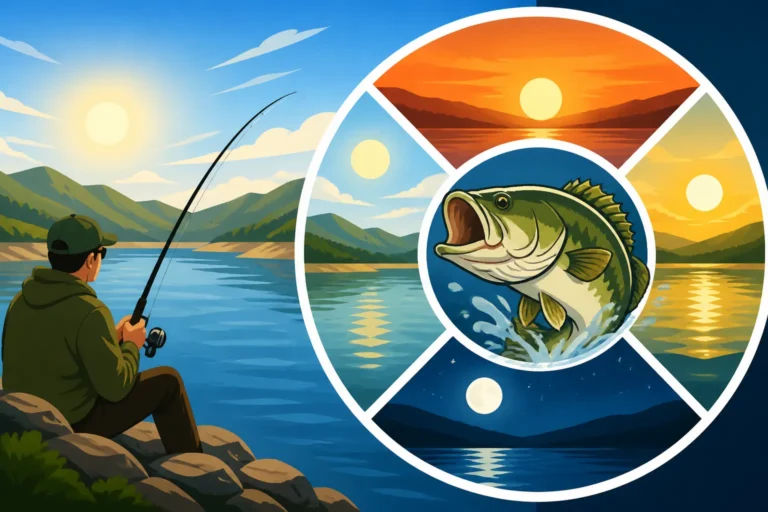
Freshwater fishing for bass is generally best in the spring and fall when water temperatures are moderate, and fish are actively feeding. Spring is prime for the spawn, while fall sees bass bulking up for winter. Summer mornings and evenings can also be productive, but midday can be slow due to heat. Trout stocking typically happens from fall through spring in most local reservoirs, making those cooler months ideal for catching rainbows. Catfish, on the other hand, are often more active in warmer water, making summer evenings and nights prime time. Our California Fishing Seasons: Month-by-Month Guide can give you a more detailed breakdown.
For saltwater fishing, the seasons also dictate what's available. The warmer summer and early fall months are prime for pelagic species like yellowtail, dorado, and tuna, as these warm-water migrants move north into Southern California waters. This is when offshore charter trips really shine. Bottom fishing for rockfish and lingcod is typically excellent during their open seasons, which are often in spring and summer, though specific regulations can vary. Surf fishing for corbina and perch is best from late spring through fall. Beyond the season, always consider the tides and moon phases for saltwater fishing, as they heavily influence fish activity. Generally, moving water (incoming or outgoing tides) is more productive than slack tide.
Remember, the best time to fish is whenever you can get out there! Even a less-than-ideal time can turn into a memorable experience if you're prepared and enjoy the process.
Disclaimer
The information provided in this guide is for general informational purposes only and should not be considered a substitute for official regulations. Fishing regulations in California are subject to change by the California Department of Fish and Wildlife (CDFW). Always consult the most current CDFW Sport Fishing Regulations booklet or visit their official website before any fishing trip to ensure compliance with all laws and to obtain the latest information on seasons, bag limits, and licensing requirements.