Kern River: Fishing Access and Tips
For anglers venturing into the heart of California, the Kern River presents both exhilarating challenges and incredibly rewarding fishing opportunities. However, navigating its diverse stretches, from the rushing upper canyons to the calmer lower sections, can be perplexing for newcomers, making it tough to pinpoint where to go and what to expect. This guide is designed to cut through that confusion, offering clear, actionable advice on accessing the Kern River's best fishing spots and maximizing your chances of a successful and memorable trip.
Understanding the Kern River's Unique Challenges and Opportunities
The Kern River is a wild beast, often lauded as one of California's most iconic waterways, but it demands respect and preparation. Stretching from the high Sierra Nevada down through agricultural valleys, it transforms dramatically along its course, offering distinct experiences for different types of anglers. Understanding these shifts is the first step to conquering its waters.
River Sections and Their Characteristics
The Kern is typically divided into two main sections by Lake Isabella: the Upper Kern and the Lower Kern. Each possesses its own unique personality, flow characteristics, and resident fish populations, meaning what works in one area might be entirely ineffective in another.
The Upper Kern River, originating high in the southern Sierra Nevada mountains, is characterized by its colder, faster-flowing waters and stunning granite canyon scenery. This is where you'll find classic freestone trout fishing, often requiring technical fly-fishing skills or precise lure presentations. Access can range from roadside convenience near Kernville to challenging multi-day backpacking trips to reach remote, untouched stretches like the Forks of the Kern. The sheer power of the current and the rocky bottom make wading a careful dance, and water levels fluctuate significantly with snowmelt, particularly in spring and early summer. Expect pristine environments, but also demanding conditions that reward patience and skillful angling. This section is a true gem for those chasing wild trout in a breathtaking backdrop.
Below Lake Isabella, the Lower Kern River takes on a different character entirely. After passing through the Isabella Dam, the river mellows out considerably, becoming warmer and wider with more consistent flows, especially in regulated sections. While still beautiful, the landscape here shifts from high mountain canyon to more accessible valley and foothill environments. The fishing here diversifies, attracting not only trout but also warmwater species. The currents are generally less aggressive, making for easier wading and often more family-friendly bank fishing opportunities. However, the warmer temperatures can put stress on trout, especially during peak summer months, making early mornings or late evenings the prime fishing windows.
Seasonal Flows and Their Impact
The Kern River's flows are a critical factor that dictates not only fishing conditions but also accessibility and safety. California's rivers are intrinsically tied to snowpack and rainfall, and the Kern is no exception. A strong winter snowpack means robust spring and early summer runoff, which translates to high, fast, and often turbid water. During these periods, many sections of the Upper Kern can be unfishable due to dangerous currents and poor visibility, making it difficult to even think about things like optimal California Fly Fishing Tips and Techniques.
As summer progresses and snowmelt subsides, flows generally drop, clearing the water and making it more wadeable and fishable. This is often when the best dry fly fishing opportunities arise in the Upper Kern. Conversely, drought years can significantly reduce flows, concentrating fish but also making them more wary and susceptible to stress. Downstream, dam releases from Lake Isabella also heavily influence the Lower Kern's water levels, which can change rapidly. Always check the river's flow rates and conditions before heading out. Websites like the USGS National Water Information System or local fishing forums often provide real-time data that can make or break your trip planning. Ignoring these factors isn't just a recipe for a bad fishing day; it can be downright dangerous.
Key Access Points and Zones for Kern River Fishing
The vastness of the Kern River means there are countless places to drop a line, but knowing the established access points can save you a lot of time and frustration. From easy roadside pull-offs to more adventurous trails, there's a spot for every angler.
Upper Kern Access Above Lake Isabella
This is primarily trout country, known for its stunning beauty and challenging fishing. The most popular access points are concentrated around the town of Kernville and extend upstream.
- Kernville Area: Right in the heart of the action, Kernville offers numerous public access points along Highway 178 and 155. You'll find campgrounds like Rivernook Campground and private resorts that provide direct river access. These sections can get crowded, especially on weekends, but they are consistently stocked with rainbow trout by the California Department of Fish and Wildlife, providing good action for bait and lure anglers. You'll want to be familiar with the latest California Trout Regulations and Limits when fishing these stocked areas.
- Johnsondale Bridge to Forks of the Kern: Heading further north on Sherman Pass Road (Mountain Highway 99), past Johnsondale, the river becomes more remote and wild. The Johnsondale Bridge area itself offers decent access, but for truly wild trout, many anglers venture upstream toward the Forks of the Kern. This is a multi-day backpacking trip that requires significant planning and physical exertion, but it rewards with pristine waters and native Golden Trout. This area is often considered special regulation water, so check your California Fishing Regulations Explained booklet carefully.
- Sherman Pass Road (Mountain Highway 99): This scenic byway parallels much of the Upper Kern, offering pull-outs and trails that lead down to the river. Look for areas like Peppermint Campground or Horse Meadow for good starting points. While some spots are easy walks, others can involve steep descents to reach the water. These sections hold a mix of wild and stocked trout, depending on proximity to stocking points.
Lower Kern Access Below Lake Isabella
The Lower Kern offers a different set of fishing opportunities, often more accessible and warmer, with a mix of species.
- Miracle Hot Springs / Democrat Hot Springs: Located just downstream from Isabella Dam, these areas offer relatively easy access off Highway 178. The water here is slower and warmer than the upper river, making it suitable for a wider variety of fish, including smallmouth bass and even catfish. While trout can still be found, especially in cooler months, these sections are popular for bait fishing and spin casting for warmwater species. Always be aware of private land in this stretch.
- Keyesville to Bakersfield: As the river flows towards Bakersfield, it widens further and flows through more agricultural and urbanized landscapes. Access here can be found in various county parks and public easements. While not as picturesque as the upper river, these sections can hold surprisingly good numbers of bass, catfish, and carp. For those looking for a different experience, a local guide found on platforms like FishingBooker might be able to point you to lesser-known spots. You might even find some striped bass making their way upriver from the Delta during certain times of the year, so brush up on California Striped Bass Regulations.
Navigation and Safety Considerations
No matter where you choose to fish on the Kern, safety should always be your top priority. The river can be unforgiving. Swift currents, especially in the Upper Kern during high flows, can knock an angler off their feet in an instant. Hypothermia is a real risk in the cold mountain waters, even on warm days. Always wear appropriate wading gear, including studded boots for better grip on slippery rocks, and consider a wading staff for stability. A personal flotation device (PFD) is highly recommended, especially when fishing alone or in unfamiliar, swift sections.
Beyond the water itself, be mindful of wildlife. Bears, rattlesnakes, and mountain lions inhabit the Kern River watershed, particularly in the more remote upper sections. Carry bear spray and know how to use it, and always be aware of your surroundings. Before venturing into very remote areas, inform someone of your plans and expected return time. Check local fire restrictions, especially during dry summer and fall months, as campfires may be prohibited. Lastly, always pack out everything you pack in—let's keep the Kern beautiful for everyone.
Top Fish Species and Best Techniques for the Kern
The Kern River boasts a diverse fishery, but the star of the show for most anglers is undoubtedly trout. However, depending on where you are on the river, other species can offer fantastic action. Knowing what you're targeting and the best way to do it is key.
Trout Species and Tactics
The Kern River is famous for its trout fishing, home to several species that challenge and delight anglers.
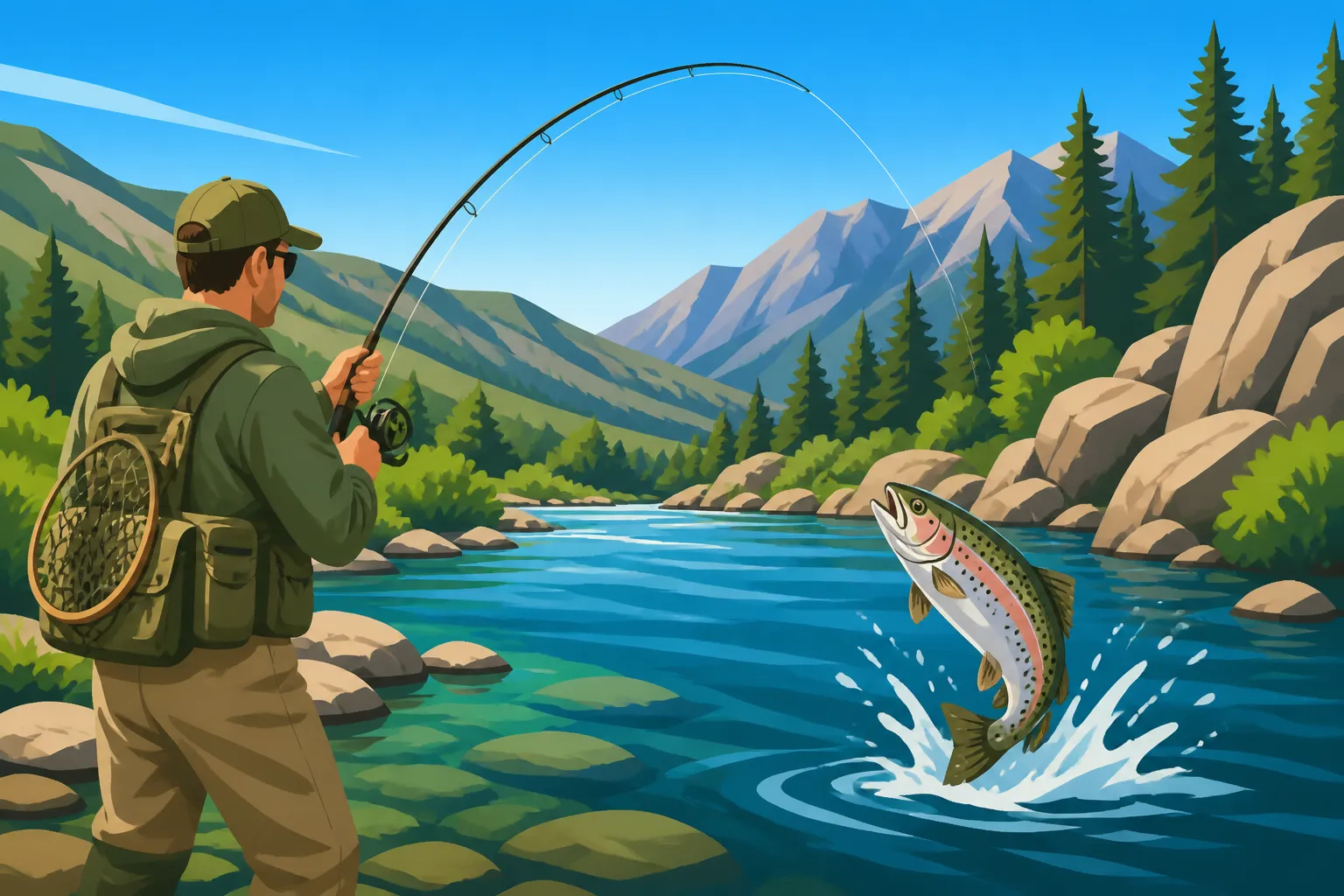
- Rainbow Trout: These are the most common trout throughout the river, both wild and heavily stocked, especially in the more accessible areas around Kernville and the Lower Kern. For wild rainbows in the Upper Kern, fly fishing with nymphs, dry flies (matching local hatches like caddis, mayflies, and stoneflies), and small streamers can be highly effective. During summer, hoppers and other terrestrials can produce explosive topwater action. Spin anglers will find success with small spinners (e.g., Panther Martins, Mepps) and spoons, often tipped with a piece of worm or corn. In stocked areas, PowerBait, salmon eggs, or nightcrawlers fished on a Carolina rig near the bottom are perennial favorites.
- Brown Trout: While less common than rainbows, brown trout are present, particularly in the wilder, colder sections of the Upper Kern. These predatory fish are often larger and more elusive, preferring deeper pools and undercut banks. Targeting them with larger streamers on a fly rod or jerkbaits and minnow-imitating lures on spinning gear can yield impressive results, especially during low-light conditions at dawn or dusk. Browns are notoriously wary, so a stealthy approach is crucial.
- Golden Trout: The true jewel of the Kern, California Golden Trout are native to the high-elevation tributaries of the Kern River, making them a bucket-list species for many. These vibrant fish are found in the Forks of the Kern and other remote headwaters. Accessing these spots often requires extensive hiking and backpacking. Small dry flies, tiny nymphs, and emergers are the most effective fly patterns, as these fish are incredibly sensitive to presentation and disturbance. Their smaller size belies their spirited fight, and catching a true wild Golden in its native habitat is an unforgettable experience.
Other Notable Species
While trout dominate, the Kern offers more than just coldwater action, particularly as you move downstream.
- Bass (Smallmouth and Largemouth): Below Lake Isabella and in the slower, warmer sections of the Lower Kern, both smallmouth and largemouth bass thrive. Smallmouth bass prefer rocky areas, current seams, and submerged structures, eagerly hitting small crankbaits, jigs, and soft plastics. Largemouth bass are more at home in slower pools, backwaters, and areas with submerged vegetation or fallen trees. Spinnerbaits, chatterbaits, and Texas-rigged worms are excellent choices for largemouth. Early mornings and late evenings are typically the most productive times, especially in the warmer months. If you're specifically targeting these, check out our guide on how to fish for Largemouth Bass in California.
- Catfish: Channel catfish and bullheads are prevalent in the slower, deeper pools of the Lower Kern. These bottom-dwelling scavengers are relatively easy to catch and provide excellent table fare. Common baits include cut bait, chicken livers, nightcrawlers, and stink baits, fished on a simple bottom rig. Night fishing can be particularly productive for catfish, especially during the summer.
- Carp: European carp are abundant throughout the slower sections of the Kern, often overlooked by anglers but providing a powerful fight. They can be targeted with corn, dough balls, or specialized carp baits. Fly anglers even pursue carp with specific patterns designed to mimic their preferred food sources.
When planning your trip, consider the time of year and section of the river to match your target species. For a broad overview of fishing opportunities across the state, our California Fishing Seasons: Month-by-Month Guide can be a great resource.
Essential Tips for a Successful Kern River Outing
Successfully fishing the Kern River requires more than just knowing where to go and what to cast; it demands proper preparation, adherence to regulations, and a keen awareness of your surroundings.
Gear, Bait, and Lure Recommendations
Having the right equipment can make all the difference on the Kern.
- Rods and Reels: For the Upper Kern, a 7.5 to 9-foot fly rod in a 3- to 5-weight is ideal for trout. For spin fishing, a light to medium-light spinning rod (6 to 7 feet) paired with a 1000 or 2000 size reel spooled with 4-8 pound test monofilament or fluorocarbon is versatile. For the Lower Kern, especially when targeting bass or larger trout, a medium-action spinning rod (7 feet) with 8-12 pound line or a baitcasting setup can be more appropriate.
- Lines: Fly anglers should carry floating lines for dry flies and nymphs, and potentially a sink-tip line for streamers in deeper pools. Spin anglers will find fluorocarbon leader beneficial for its abrasion resistance and low visibility in clear waters.
- Baits and Lures:
- Trout (Upper Kern): For fly fishing, a varied fly box is essential: caddis, mayfly, stonefly nymphs, dry flies (Parachute Adams, Elk Hair Caddis, Stimulator), and small streamers (Woolly Bugger). Spinners like Mepps, Panther Martins, and Rooster Tails in sizes 0-2 are very effective. Small spoons like Kastmasters or Thomas Buoyant are also good.
- Trout (Lower Kern – stocked areas): PowerBait, salmon eggs, or nightcrawlers fished on a light line with a small hook.
- Bass (Lower Kern): Small crankbaits, jigs (curly tail grubs), soft plastic worms (Texas-rigged or drop-shotted), and spinnerbaits work well.
- Catfish (Lower Kern): Cut bait, chicken livers, stink bait, and large nightcrawlers.
- Wading Gear: Neoprene waders for cold water, breathable waders for warmer months. Felt-soled or rubber-soled wading boots with studs for grip on slick rocks. A wading staff is non-negotiable for safety in swift currents.
- Essentials: Polarized sunglasses to spot fish and protect your eyes, a hat, sunscreen, insect repellent, a small first-aid kit, plenty of water, and snacks. Don't forget a net!
Regulations and Safety
Staying informed about California's fishing regulations is not just a suggestion; it's a legal requirement. Ignorance of the law is no excuse, and violating regulations can lead to hefty fines and even loss of fishing privileges.
- California Fishing License: First and foremost, you absolutely need a valid California Fishing License Guide to fish anywhere on the Kern River if you're 16 years or older. You can often purchase these licenses online through the California Department of Fish and Wildlife (CDFW) website or from authorized vendors in towns like Kernville. If you're just visiting, you'll want to review the California Fishing License Requirements for Visitors.
- Report Cards: For specific species like Steelhead, you might need a California Steelhead Report Card in addition to your regular license. While true sea-run steelhead are less common in the Kern than in coastal rivers, the CDFW regulations for trout can sometimes apply to migratory forms, so always double-check.
- Bag and Size Limits: These vary by river section and species. The Upper Kern often has special regulations for wild trout (e.g., barbless hooks, catch-and-release only, or reduced bag limits), while stocked sections typically adhere to general state limits. Always consult the current California Freshwater Fishing Regulations booklet, which is available online and at license vendors. Pay close attention to California Trout Limits and Regulations, as well as any special regulation water designations.
- FishingBooker for Guides: If the regulations feel overwhelming or you're new to the area, consider hiring a local guide. Websites like FishingBooker can connect you with experienced Kern River guides who not only know the best spots and techniques but are also intimately familiar with all the local rules and can ensure you have a safe and compliant trip. They can also offer specific advice on topics like California Fishing License Cost for different durations or resident vs. non-resident options.
Remember, fishing on the Kern is an adventure. Be prepared for rapidly changing weather, fluctuating water conditions, and the need for self-reliance. Respect the river, its fish, and your fellow anglers, and you'll be set for many memorable days on this incredible California waterway.
Kern River Fishing Overview Table
To help summarize some of the key differences and considerations when fishing the Kern River, here's a quick overview:
| Feature | Upper Kern River (Above Lake Isabella) | Lower Kern River (Below Lake Isabella) |
|---|---|---|
| Primary Access | Highway 178 (near Kernville), Mountain Highway 99 (Sherman Pass Rd.) | Highway 178 (east of Bakersfield), various county parks |
| Dominant Habitat | Cold, clear, fast-flowing mountain river, granite canyons | Warmer, slower, wider river, valley and foothill environments |
| Key Fish Species | Rainbow Trout, Brown Trout, Golden Trout (headwaters) | Rainbow Trout (stocked), Smallmouth Bass, Largemouth Bass, Catfish |
| Typical Techniques | Fly fishing (nymphs, dry flies, streamers), small spinners/spoons | Bait fishing (PowerBait, worms, cut bait), spin casting (lures, jigs) |
| Crowd Levels | Can be crowded near Kernville; remote areas offer solitude | Generally more accessible and can be crowded, especially near towns |
| Wading Difficulty | Moderate to difficult (swift currents, slippery rocks) | Easy to moderate (slower currents, less rocky) |
| Best Seasons | Late spring, summer, early fall (after snowmelt) | Spring, late fall, winter (for trout); summer (for warmwater species) |
This table provides a general guide, but remember that conditions can change, and localized variations are always present. Always do your research before heading out!
Disclaimer
The information provided in this guide is for general informational purposes only and is subject to change. Fishing regulations, seasons, and access points can vary. Always consult the current California Department of Fish and Wildlife (CDFW) regulations booklet and check local conditions, weather, and flow rates before any fishing trip. Safety should be your top priority.