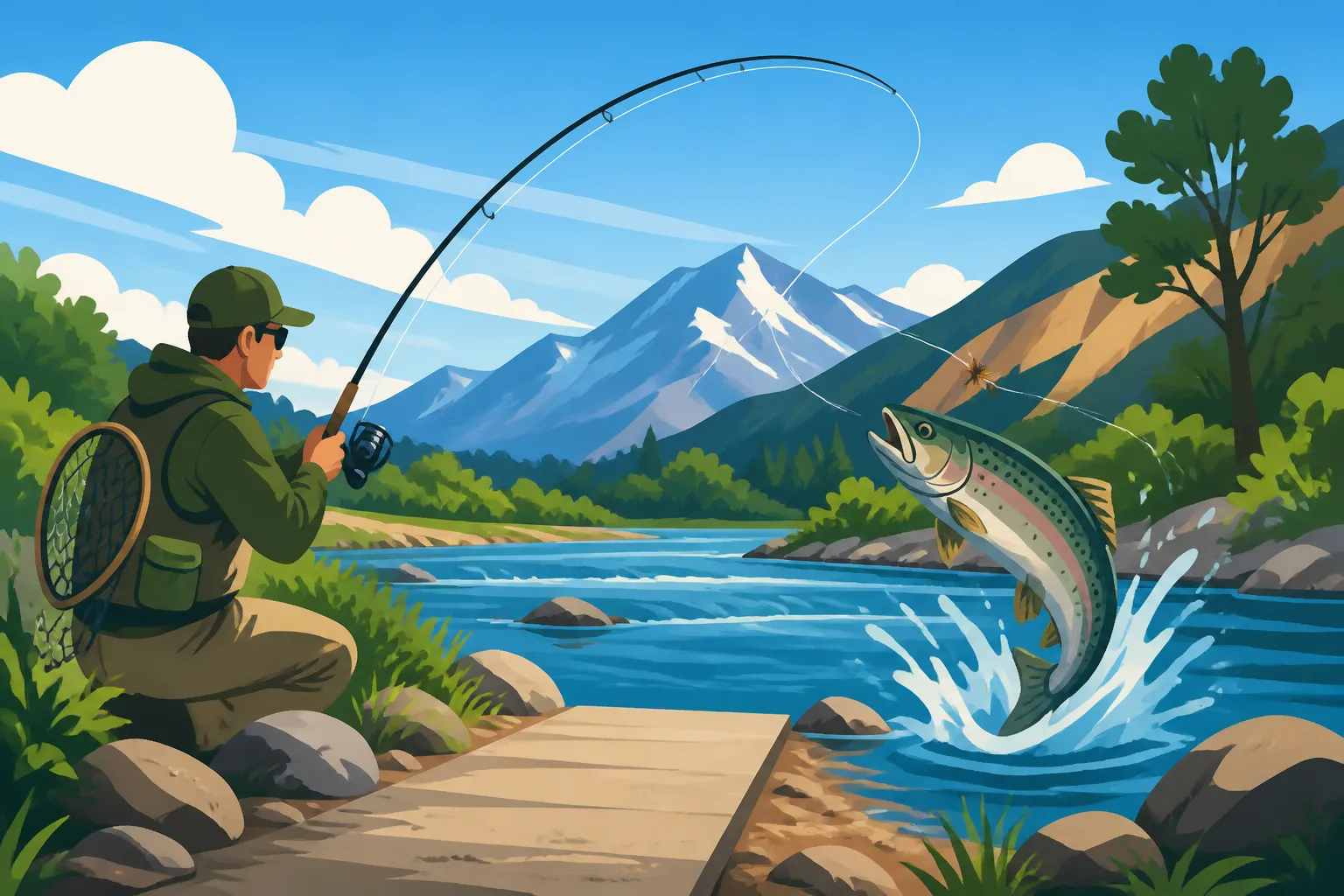
Owens River: Fishing Access and Tips
Navigating a new river, especially one as iconic and diverse as the Owens River in California, can feel overwhelming. You see stunning pictures, hear tales of incredible trout, but figuring out where to start, what gear to bring, and how to actually catch those fish can be a real headache. This guide is here to strip away the confusion, offering practical advice and insider tips so you can confidently plan your next fishing adventure on the magnificent Owens River.
Understanding the Owens River's Unique Charm
The Owens River isn't just another waterway; it's a lifeline carving its way through the Eastern Sierra, offering vastly different fishing experiences depending on where you drop your line. It’s a river with a rich history, known for its pristine beauty and challenging, yet incredibly rewarding, trout fishing.
A Tale of Two Rivers: Upper vs. Lower Owens
You’ll often hear anglers talk about the "Upper Owens" and the "Lower Owens," and for good reason—they're practically two distinct fisheries. Each section presents its own challenges, rewards, and unique charm, making it crucial to understand their differences before you even rig up your rod.
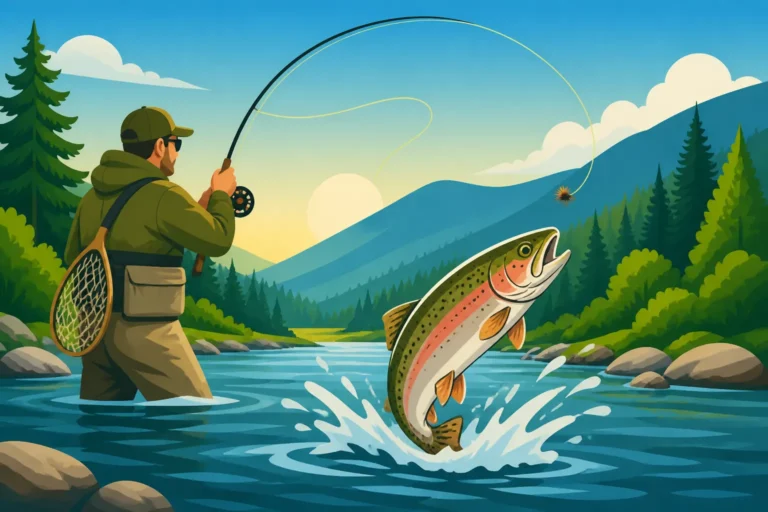
The Upper Owens River, often referred to as the "UO," flows through expansive meadows and high-elevation grasslands north of Crowley Lake. This section is famous for its wild brown trout and rainbow trout, particularly during their spawning runs. It's a classic meandering meadow stream, characterized by undercut banks, deep pools, and gravel spawning beds. The fish here can be incredibly wary due to heavy angling pressure and clear, slow-moving water, demanding a stealthy approach and precise presentations. Access can sometimes involve a bit of a hike, but the solitude and potential for trophy-sized fish are well worth the effort.
In contrast, the Lower Owens River, or "LO," starts below Pleasant Valley Dam and winds its way through diverse terrain, including canyon sections, agricultural lands, and open plains, eventually flowing towards the Owens Lake basin. This section generally has higher flows and can be fished year-round in many areas. It's home to a healthy population of wild brown trout, rainbow trout, and even some large Lahontan cutthroat trout in certain stretches. The lower river offers more varied fishing opportunities, from technical nymphing in riffles to streamer fishing in deeper runs. It’s also where you might consider drift boat trips, especially in the more accessible areas around Bishop. The scenery shifts from high-alpine meadows to rugged desert canyons, providing a stark but equally beautiful backdrop to your fishing day.
Why the Owens River is a Fly-Fisher's Paradise
For many, the Owens River is synonymous with fly fishing, and it’s not hard to see why. This river system boasts an incredible diversity of insect life, healthy fish populations, and a variety of water types that cater to every fly-fishing technique imaginable. Whether you're a seasoned pro or just starting your journey into the world of fly fishing, the Owens offers an unparalleled experience.
The abundant insect hatches are a huge draw. Throughout the year, you'll encounter prolific hatches of mayflies, caddisflies, and midges, which dictate the feeding behavior of the trout. Matching the hatch with the right fly pattern and presentation is often the key to success. This dynamic environment encourages anglers to hone their entomology skills and observe the water closely. The fish in the Owens, especially in the technical upper sections, become incredibly selective, making the challenge of fooling them with a tiny dry fly all the more rewarding. The clear, cold water, managed by the Los Angeles Department of Water and Power (LADWP) downstream of Crowley Lake, provides ideal conditions for trout to thrive and for fly fishers to observe their quarry. You can read more about specific tactics in our guide on California Fly Fishing Tips and Techniques.
Essential Access Points and Fishing Zones
Knowing where to go on the Owens River can feel like deciphering a secret code. While the entire river holds fish, certain areas are renowned for their accessibility, fish concentrations, and particular fishing characteristics. Let's break down some of the most popular and productive zones.
Upper Owens River Hotspots
The Upper Owens is where many dreams of trophy trout are made, especially during the fall brown trout and spring rainbow trout spawning migrations. However, because it flows through a mix of private and public lands, understanding access is key.
One of the most famous and accessible areas is around Benton Crossing Road. This road crosses the river and provides multiple pull-offs and paths to access the meandering meadow sections. You'll find distinct bends, deep runs, and classic undercut banks that are prime holding water for large trout. This area is often referred to as "Long Ears" by locals, named after the prominent Long Ears Peak in the distance. During peak spawning seasons (typically October/November for browns and March/April for rainbows), this area can get crowded, but earlier mornings or weekdays can offer more solitude. The fish here are incredibly sensitive to pressure, so a quiet approach, long leaders, and delicate presentations are crucial. Further upstream, towards the Mammoth Lakes area, you'll find other access points off Highway 395, though some might require a bit more hiking or local knowledge. Always be mindful of private property signs and respect the land.
Lower Owens River Access and Drift Fishing
The Lower Owens River, stretching from Pleasant Valley Dam down past Bishop, offers a different experience with varied terrain and larger water. The access points here are generally well-marked and cater to both wade anglers and those looking to fish from a drift boat.
A popular and highly productive section begins right below Pleasant Valley Reservoir, accessible via Pleasant Valley Dam Road. The water here is consistently cold, stable, and boasts a prolific population of trout. There are several campgrounds and day-use areas that provide easy river access for wade fishing. This is a fantastic spot for nymphing in the riffles and runs, as well as streamer fishing in the deeper pools. As you head downstream towards Bishop, the river widens, and drift boat opportunities become more prominent. Many local guide services offer full-day float trips through these sections, which can be an excellent way to cover a lot of water and reach less-pressured fish. Companies like Eastern Sierra Fishing Guide Services frequently utilize these stretches. For wade anglers, look for access points around Laws, where the river flows through more open country, offering different types of structure like brush and downed trees. Always check the current California Freshwater Fishing Regulations for specific zones, as some areas may have special rules.
Navigating Regulations and Seasons
Fishing on the Owens River, like most of California's prized fisheries, comes with specific rules and regulations designed to protect its precious trout populations. Ignoring these can lead to hefty fines, so it’s imperative to be informed.
For the most part, much of the Owens River, especially the prime trout sections, is managed under catch-and-release regulations, often requiring the use of barbless hooks and artificial lures or flies only. This is especially true for the Upper Owens during spawning seasons and many stretches of the Lower Owens. The goal is to minimize stress on the fish and ensure their survival after being caught. Always carry a current copy of the California Fishing Regulation Booklet Explained or use the CDFW app to verify regulations for the specific section you plan to fish, as they can change seasonally and by zone. For example, some sections of the Upper Owens might have specific seasonal closures to protect spawning fish, particularly during winter. Understanding California Fishing Seasons: Month-by-Month Guide is key to planning a successful trip.
Here's a quick overview of some general distinctions between the Upper and Lower Owens:
| Feature | Upper Owens River (UO) | Lower Owens River (LO) |
|---|---|---|
| Location | North of Crowley Lake, high elevation meadows | Below Pleasant Valley Dam, through canyons & plains |
| Primary Fish | Wild Brown, Rainbow Trout (trophy during spawns) | Wild Brown, Rainbow, Lahontan Cutthroat Trout |
| Water Type | Meandering meadow stream, undercut banks, slow current | Varied: riffles, runs, deep pools, faster flows |
| Access | Mostly wade fishing, some hiking; Benton Crossing (Long Ears) | Wade fishing and drift boating; Pleasant Valley, Bishop |
| Fishing Style | Technical fly fishing, stealth required, dry flies, nymphs | Nymphing, streamer fishing, some dry fly; less pressure |
| Regulations | Often artificial lure/fly, barbless, catch & release | Often artificial lure/fly, barbless, catch & release |
| Seasonal Focus | Peak spawning runs (Fall for Browns, Spring for Rainbows) | Good year-round in many sections |
Top Fishing Tips for the Owens River
Beyond knowing where to go, understanding how to fish the Owens River effectively is what truly makes the difference between a frustrating day and a memorable one. The fish here are smart, and the water can be unforgiving, so a little preparation goes a long way.
Gear Up for Success: Rods, Reels, and Lines
When it comes to the Owens River, your gear choices can significantly impact your success, especially if you're fly fishing. This isn't a place for heavy, clunky setups; finesse and versatility are key.
For fly fishing, a 9-foot, 4-weight or 5-weight rod is generally considered the workhorse for most situations on the Owens. A 4-weight offers a delicate presentation for smaller flies and wary fish in clear water, while a 5-weight provides a bit more backbone for casting larger nymph rigs, streamers, or handling windy conditions on the open meadows. Pair this with a reliable disc-drag reel and a weight-forward floating line that matches your rod. Don't skimp on leaders and tippet; longer leaders (9-12 feet) with fluorocarbon tippet (4x-6x) are often necessary for stealth in the clear water and to present your flies naturally. Brands like Orvis, Sage, and Redington offer excellent options that perform well on rivers like the Owens.
While primarily a fly-fishing destination, some anglers do use light spinning gear in certain areas, particularly on the Lower Owens or for species other than trout. If you're going this route, a light to ultralight spinning rod (6-7 feet) paired with a small spinning reel spooled with 4-6 lb test monofilament or fluorocarbon can be effective. Small inline spinners, spoons, or soft plastics can entice bites. However, always double-check regulations, as many prime trout sections are "fly-and-lure only" or "artificial lures with barbless hooks" to protect the fishery.
Mastering the Hatch: Flies and Presentation
The Owens River is a "match the hatch" river, meaning your success often hinges on identifying what the trout are eating and then presenting a fly that mimics it perfectly. This requires observation, adaptability, and a well-stocked fly box.
Throughout the year, you'll encounter different dominant insect hatches. Mayflies are a constant, with various species like Blue Winged Olives (BWOs) in cooler months and Pale Morning Duns (PMDs) in warmer periods. Carrying imitations in different sizes (from tiny #20-24 BWOs to #16 PMDs) is essential. Caddisflies are also prevalent, especially in the evenings, so pupa and adult patterns (like an Elk Hair Caddis in #14-18) are a must. Don't forget midges; these tiny insects are often active year-round and can be the only thing trout are feeding on during slow periods. Zebra Midges and Griffith's Gnats in sizes #18-24 are crucial. For nymphing, which is often the most productive technique, popular patterns include various Pheasant Tails, Hare's Ears, and Prince Nymphs in sizes #14-20. When fishing for bigger fish or in higher flows, streamers like Woolly Buggers (olive, black, white) or sculpin patterns can be incredibly effective, especially for targeting predatory brown trout.
Presentation is just as vital as fly selection. Trout in the Owens are notoriously finicky. For dry flies, aim for a drag-free drift that mimics a natural insect floating on the surface. For nymphs, achieving a natural drift near the bottom is critical. This often involves using indicators and split shot to get your flies down to the feeding zone. Knowing How to Fish for Trout in California can certainly improve your technique.
Reading the Water and Approaching Fish
One of the biggest lessons the Owens River teaches is the importance of "reading the water" and approaching fish with stealth. The clear water and open landscapes mean trout have excellent visibility, and a clumsy approach will send them scattering.
Look for classic trout holding water: undercut banks, where fish feel safe and have overhead cover; current seams, where faster water meets slower water, providing a conveyor belt of food with minimal effort; deep pools, especially those with structure like rocks or submerged logs; and riffles, which oxygenate the water and dislodge insects. On the Upper Owens, the slow-moving nature of the water means fish have ample time to inspect your fly, so presentation and realistic drifts are paramount. Wading slowly and deliberately, keeping a low profile, and making accurate casts are key. Sometimes, kneeling or even crawling into position can make the difference between a hook-up and an empty retrieve. In the faster, more turbulent sections of the Lower Owens, a slightly less delicate approach might be acceptable, but stealth is always a virtue.
Planning Your Owens River Adventure
A successful fishing trip to the Owens River involves more than just bringing the right gear; it requires careful planning around seasons, understanding conditions, and leveraging local knowledge.
Best Times to Visit for Peak Fishing
The Owens River offers good fishing opportunities throughout the year, but certain seasons shine brighter for specific types of fishing and target species.
- Spring (March-May): This is prime time for rainbow trout spawners on the Upper Owens, with large, vibrant fish moving up from Crowley Lake. The Lower Owens also comes alive with consistent hatches. Air temperatures are pleasant, though river flows can fluctuate with snowmelt.
- Summer (June-August): While the Upper Owens can slow down as fish disperse and water warms slightly, the Lower Owens remains productive, especially in the early mornings and late evenings. Terrestrials (grasshoppers, ants) become important patterns. This is generally a great time for casual fishing and exploring.
- Fall (September-November): Many consider fall the absolute best time to fish the Owens, particularly for trophy brown trout on the Upper Owens as they make their spectacular spawning runs. The Lower Owens also offers fantastic fishing, with cooler temperatures and consistent hatches. This period offers some of the most beautiful scenery with changing aspens.
- Winter (December-February): Don't dismiss winter! While challenging due to colder temperatures and potentially slower fish, winter can offer incredible solitude and technical fishing for large, resident trout. Midges are often the primary food source. Check our California Fishing in Winter guide for more details on cold-weather angling. Always be prepared for snow and icy conditions if visiting during winter.
Finding Local Expertise and Resources
No matter how much research you do, there’s no substitute for local knowledge. The Owens River is vast and complex, and conditions can change rapidly.
Local Fly Shops are your absolute best friends. Places like The Trout Fitter or Sierra Drifters in Mammoth Lakes, or The Bishop Pack Outfitters in Bishop, are goldmines of information. They can tell you what flies are working, where the fish are biting, and what the latest river conditions and flows are like. They often post daily fishing reports and can point you to lesser-known access points or techniques. Buying your flies and tackle from them is a great way to support the local community and ensure you have the most up-to-date patterns.
Consider hiring a local fishing guide for at least one day, especially if it's your first time or if you want to master a specific technique. Guides know the river intimately, can teach you how to read the water, improve your casting, and put you on fish quickly. They also navigate the complex regulations and access points seamlessly. You can often find reputable guides through the local fly shops or by searching online platforms like FishingBooker, which lists many experienced guides for the Owens River and surrounding Eastern Sierra waters. A quick search on FishingBooker will show you options for drift boat trips or wade trips with highly rated guides who specialize in Owens River trout. For more on finding the right expert, check out our guide on the Best Fishing Guides in California.
Additionally, always consult the California Department of Fish and Wildlife (CDFW) website for the most current regulations, stocking schedules, and any emergency closures. Websites like the LADWP also provide critical information on water flows and releases from the dams, which directly impacts river conditions on the Lower Owens. Paying attention to water levels and clarity is paramount for a safe and successful trip.
Disclaimer
Fishing involves inherent risks, and conditions can change rapidly. Always prioritize safety, wear appropriate gear, and be aware of your surroundings. Regulations are subject to change, so it is your responsibility to consult the latest California Department of Fish and Wildlife regulations before heading out. This guide is for informational purposes only and does not constitute professional advice.