Best Fishing Spots Near San Diego
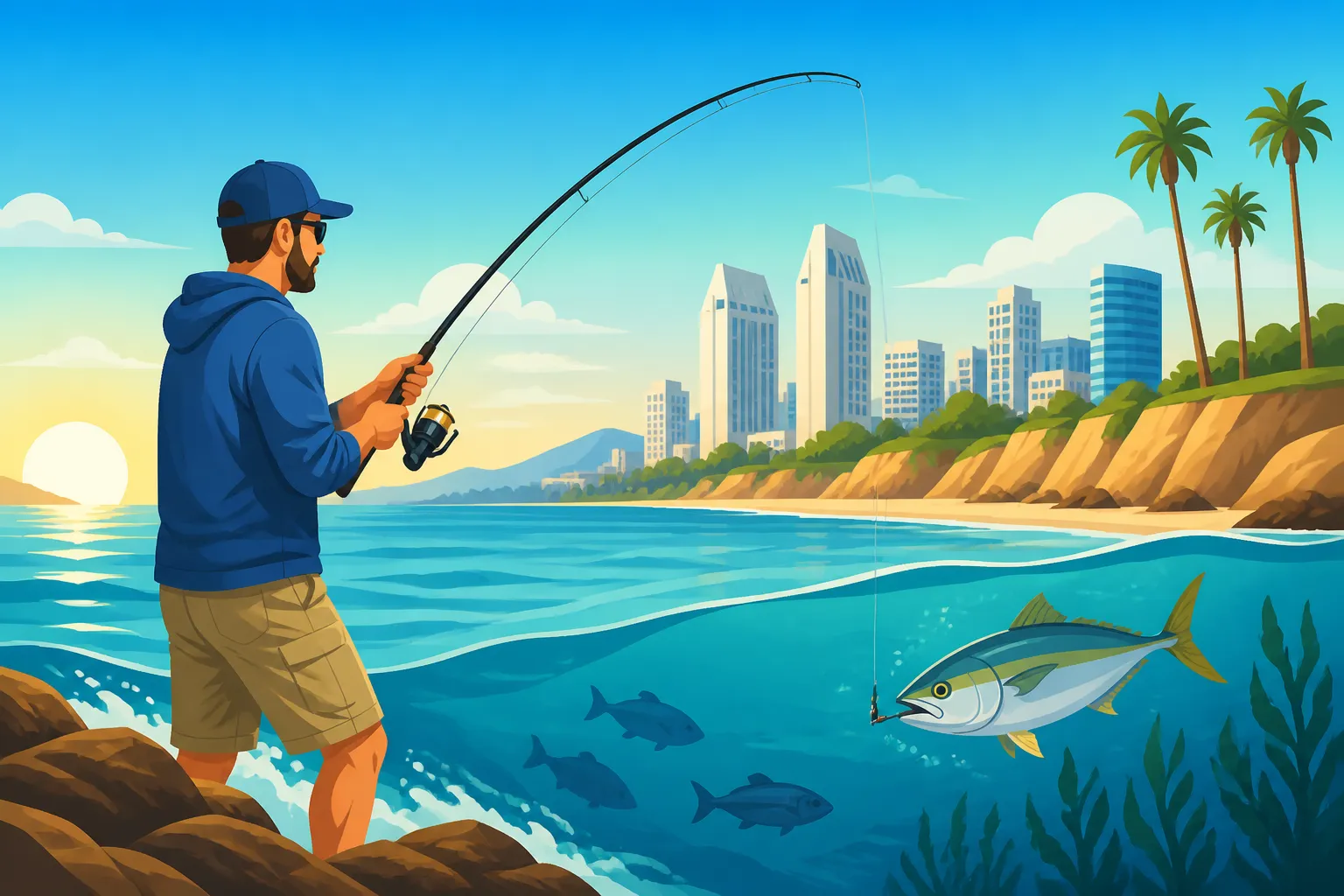
Oh, San Diego! Just saying the name conjures up images of sunshine, beautiful beaches, and, for us anglers, some truly world-class fishing. But if you're like me, staring at a map of that expansive coastline and all those sparkling lakes can feel overwhelming. Where do you even begin to cast your line to find the really good stuff? Don't sweat it – this guide is designed to cut through the noise, highlighting the absolute best fishing spots near San Diego, whether you’re chasing big offshore tuna or a peaceful afternoon with a bobber.
Why San Diego is a Premier Fishing Destination
There's a reason San Diego holds such a legendary status among anglers. It's not just the year-round mild weather, which certainly helps. It's the unique combination of geographical features and abundant marine life that creates an almost unparalleled fishing experience. From deep-sea canyons teeming with pelagic species to tranquil freshwater lakes nestled in rolling hills, San Diego offers a smorgasbord for every type of fisher.
The Allure of San Diego's Waters
The Pacific Ocean off San Diego is incredibly dynamic, influenced by the cold California Current and warmer southern waters, especially during El Niño years. This convergence creates nutrient-rich upwellings that fuel a diverse ecosystem, drawing in everything from tiny baitfish to massive bluefin tuna. Add to that the intricate underwater topography – canyons, kelp forests, and offshore banks – and you have a perfect recipe for a vibrant fishery. It's not just about what's in the water; it's about the unique characteristics of the water itself that make it so productive. You can genuinely feel the life pulsing beneath the surface here, making every outing an adventure.
Diverse Habitats and Thriving Fisheries
What truly sets San Diego apart is the sheer variety of habitats available within a relatively short distance. You can be casting for largemouth bass in a reservoir in the morning and by afternoon, be on a boat chasing yellowtail offshore. The coastline itself boasts sandy beaches perfect for surf fishing, rugged rocky shorelines harboring rockfish and lingcod, and numerous piers providing easy access to bay species. Inland, the freshwater reservoirs are regularly stocked and managed, offering fantastic opportunities for trout, bass, and catfish. This diversity means that no matter your preference or skill level, there’s always a productive spot waiting for you. It's a fantastic place to explore different California Fishing Techniques and Seasons.
Top Saltwater Fishing Spots Near San Diego
When most people think of fishing in San Diego, their minds immediately go to the ocean, and for good reason. The saltwater opportunities here are legendary, offering everything from close-to-shore action to epic offshore battles.
La Jolla Submarine Canyon and Kelp Beds
Just a stone's throw from the bustling city, the La Jolla area is a true gem for saltwater anglers. The underwater landscape here is incredible, featuring the dramatic La Jolla Submarine Canyon, which plunges thousands of feet deep, and extensive kelp forests.
What Makes La Jolla Special
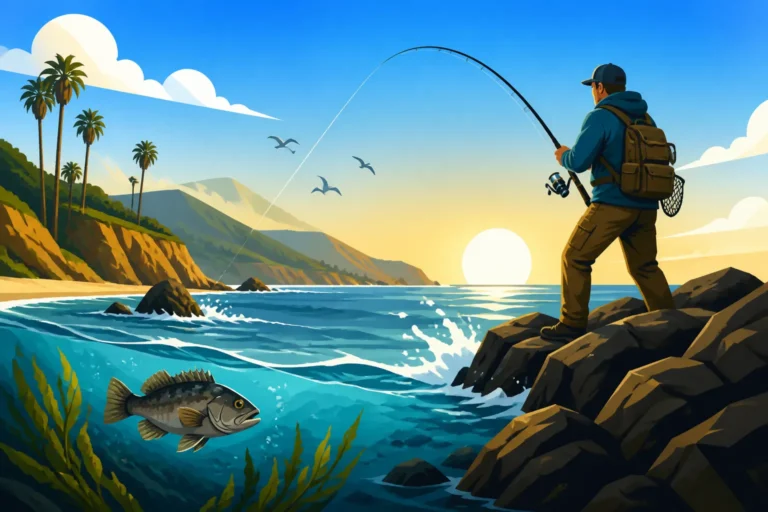
The canyon acts like a superhighway for various species, bringing deepwater fish closer to shore. The edges of the canyon and the adjacent kelp beds are prime territory. Kelp forests, often called the "rainforests of the sea," provide food, shelter, and breeding grounds for an astounding array of marine life. This includes a healthy population of calico bass, often found hiding in the thick canopy, along with various rockfish, sheephead, and even white seabass. When the conditions are right, you might even encounter yellowtail cruising the kelp edges.
Fishing Tactics and Species
For the calico bass, it’s all about working artificials like swimbaits and plastics right on the edges of the kelp. A medium-heavy rod with 15-20 lb test line is usually sufficient. Drift fishing with live bait, like sardines or anchovies, along the canyon walls or just outside the kelp can yield bigger game, especially for white seabass or yellowtail. If you're targeting rockfish, dropping a dropper loop rig with squid or cut bait into the deeper parts of the canyon can be very effective. Remember to check the California Rockfish Depth Restrictions as they can change based on the season and specific management areas.
Point Loma and the Coronado Islands
Further south, just offshore from Point Loma, you'll find some of the most famous fishing grounds in Southern California, particularly around the Coronado Islands. These Mexican islands are an international fishing hotspot, requiring a Mexican fishing license in addition to your California one if you cross the border, but many charters stick to the U.S. side of the border.
Why Anglers Flock to Point Loma and the Coronados
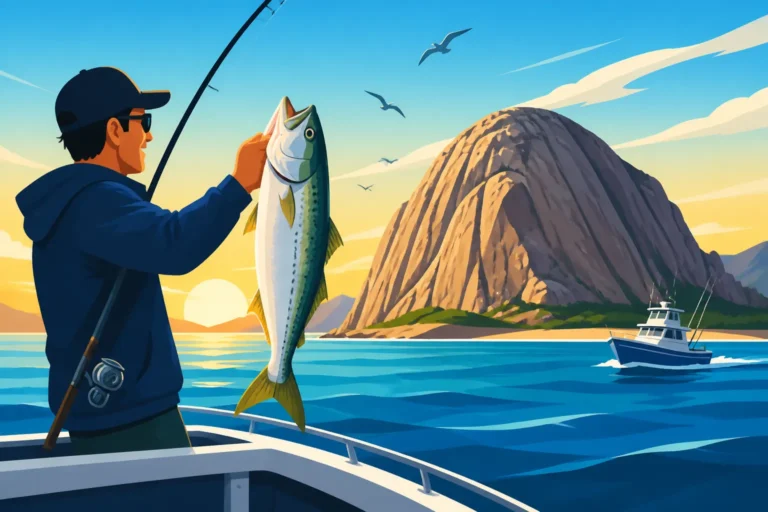
The area around Point Loma itself offers excellent fishing for bass, halibut, and even occasional yellowtail. However, it's the Coronado Islands that really draw the crowds. These rocky islands create a complex underwater structure with reefs, pinnacles, and deep drop-offs that concentrate baitfish and, consequently, predatory species. This is the place many local anglers go for yellowtail, barracuda, bonito, and sometimes even smaller tuna species like skipjack or bluefin when they push in closer to shore.
Prime Targets and Techniques
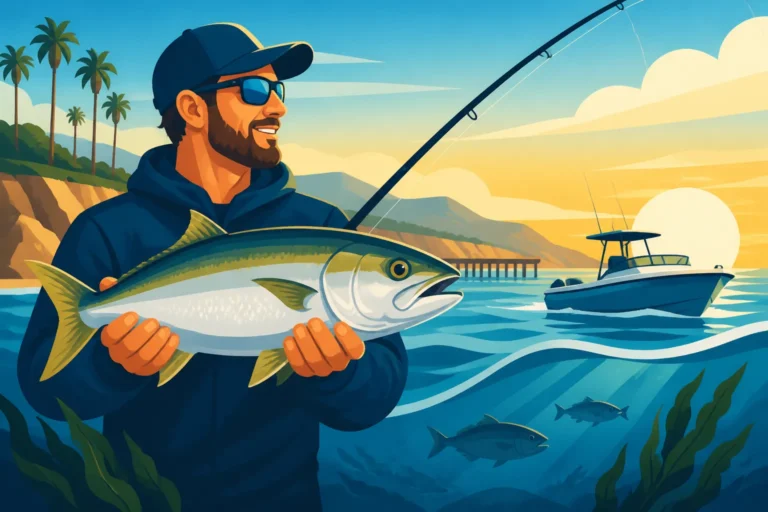
Yellowtail are the stars of the show here. They are often found around the islands, feeding on baitfish. Popular techniques include surface iron, yo-yo jigs, or fly-lining live bait like sardines. For barracuda and bonito, casting metal jigs or trolling Rapalas can be incredibly productive, especially during the warmer months. Many charter operations like those you might find on FishingBooker frequently run trips specifically to the Coronado Islands due to their consistent action. Always be mindful of the California Saltwater Fishing Regulations, especially concerning limits and seasons for each species you might encounter.
Mission Bay and San Diego Bay
For those looking for closer-to-shore action or perhaps a more relaxed day on the water, both Mission Bay and San Diego Bay offer fantastic opportunities right within the city limits. These expansive bays are surprisingly diverse and provide excellent fishing for a variety of inshore species.
Inshore Action and Calm Waters
Mission Bay, with its numerous channels, basins, and artificial structures, is a haven for spotties (spotted bay bass), sand bass, and halibut. The calmer waters make it ideal for kayaking, stand-up paddleboarding, or smaller boats. San Diego Bay, being larger and a major commercial port, also offers similar species but on a grander scale, with deeper channels and more intricate structure around docks, bridges, and jetties. Both bays are known for their strong populations of leopard sharks, which offer a great fight and are popular for catch-and-release angling.
Techniques for Bay Success
For bass in the bays, light tackle is the way to go. Soft plastics rigged on a lead head, fished slow and low along the bottom or jigged around structure, are extremely effective. Live bait, especially anchovies or ghost shrimp, can also be deadly for halibut and bigger bass. For leopard sharks, a Carolina rig with mackerel or squid on the bottom works wonders. If you're fishing from a kayak, covering more ground and hitting different spots within the bay can really increase your chances. Don't forget to review the California Halibut Size and Bag Limits before you head out, as they are strictly enforced.
Local Piers and Surf Zones
You don't need a boat to experience great fishing in San Diego! The area boasts several fantastic fishing piers and miles of accessible surfline, perfect for those who enjoy land-based angling. Plus, one of the best perks? Where Pier Fishing Is License-Free in California, including most public piers, meaning you don't need a California fishing license to fish from them.
Easy Access and Abundant Catches
Piers like Ocean Beach Pier, Imperial Beach Pier, and Coronado Ferry Landing offer easy access to deeper waters where you can catch mackerel, bonito, halibut, and various perch species. These spots are fantastic for families and beginners. The surf zones, stretching along beaches like Pacific Beach, Ocean Beach, and Imperial Beach, are prime for surfperch, corbina, and even leopard sharks, especially during warmer months.
Pier and Surf Fishing Strategies
On the piers, a simple high-low rig with a couple of hooks and a sinker is often all you need. Use small pieces of shrimp, squid, or sabiki rigs for baitfish. For surf fishing, a Carolina rig with sand crabs (natural bait found right on the beach), bloodworms, or gulp sandworms is highly effective for corbina and perch. A longer surf rod (9-12 feet) helps with casting distance and managing the waves. Always be aware of tides and currents when surf fishing, and make sure to leave the beach cleaner than you found it. You can find more specific advice in our California Surf Fishing Guide.
Prime Freshwater Fishing Locations Around San Diego
While San Diego is famous for its ocean fishing, don't overlook the fantastic freshwater opportunities just a short drive inland. The region is dotted with well-managed reservoirs that offer excellent angling for bass, trout, catfish, and more.
Lake Hodges
Nestled in the hills of Escondido, Lake Hodges is a popular destination for freshwater anglers, especially known for its trophy bass potential.
The Lure of Largemouth Bass
Lake Hodges is renowned for its largemouth bass, with many anglers reporting catches of fish over 5 pounds, and occasional monsters in the double digits. The lake's irregular shoreline, with numerous coves, submerged structures, and thick weed beds, provides ideal habitat for these impressive predators. Beyond bass, you'll also find crappie, bluegill, and catfish. The lake is generally open for fishing from sunrise to sunset on specific days of the week, so always check their current schedule.
Effective Techniques at Lake Hodges
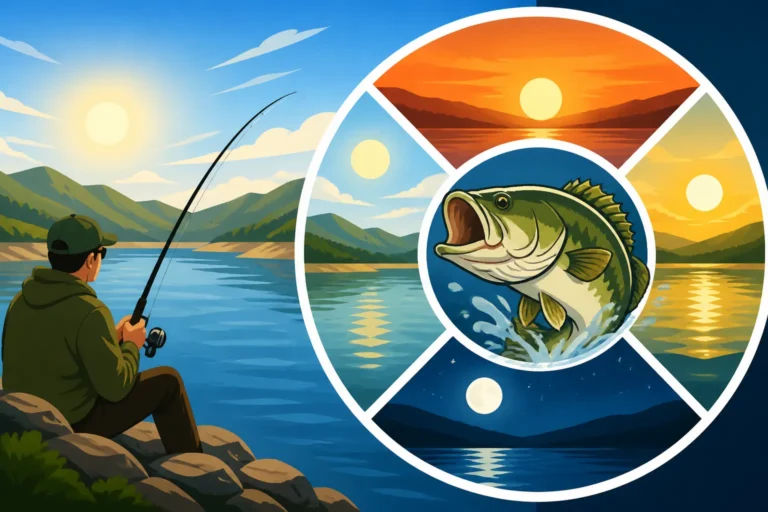
For largemouth bass, standard techniques apply: crankbaits, spinnerbaits, jigs, and Texas-rigged or Carolina-rigged plastics are all productive. Flipping and pitching into heavy cover or along deep weed lines can yield big fish. Early mornings and late evenings are often the best times. If you're targeting crappie, small jigs or minnows under a bobber around submerged brush or trees work well. Catfish are typically caught on cut bait or stink baits fished on the bottom, especially in the evenings. It's a great place to practice How to Fish for Largemouth Bass in California.
El Capitan Reservoir
East of San Diego, El Capitan Reservoir is another fantastic freshwater spot, known for its diverse fishery and picturesque surroundings.
Diverse Fishery and Scenic Beauty
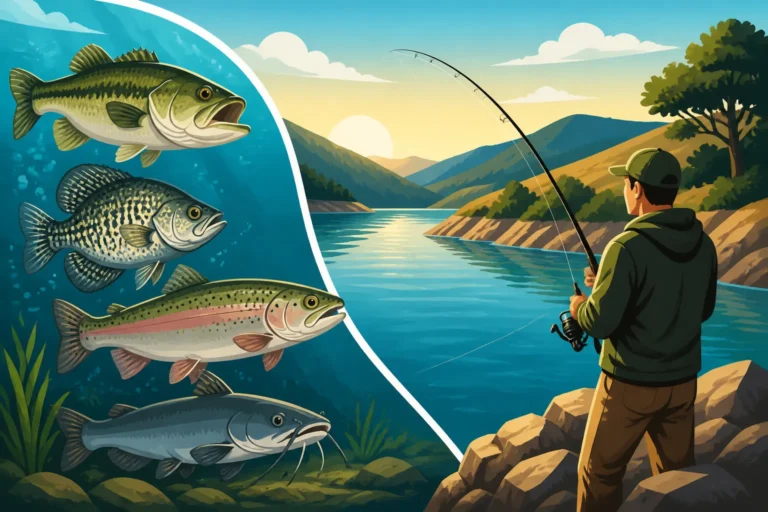
El Capitan is a multi-species lake, offering great fishing for largemouth bass, crappie, bluegill, channel catfish, and sometimes even smallmouth bass. The lake's deep, clear waters and rocky points make it a bit different from Hodges, offering varied challenges and opportunities. The scenery alone is worth the drive, with rugged hillsides surrounding the calm waters. Like Lake Hodges, it also operates on specific days, so planning ahead is key.
Successful Strategies at El Capitan
Bass anglers here often find success with deep diving crankbaits, jigs, and drop-shot rigs fished along the rocky drop-offs and points. During the warmer months, topwater lures can be exciting in the mornings. Crappie can be found in schools, often holding near submerged structures, and are best targeted with small jigs or minnows. For catfish, the deeper coves and areas near inflows are usually productive with traditional bottom baits. Remember that California Freshwater Bag Limits by Species apply here, so always be aware of what you can keep.
Other Notable Freshwater Options
While Hodges and El Capitan are standouts, San Diego County has a network of reservoirs, each with its unique charm and fishing opportunities.
Murray Reservoir and Lake Jennings
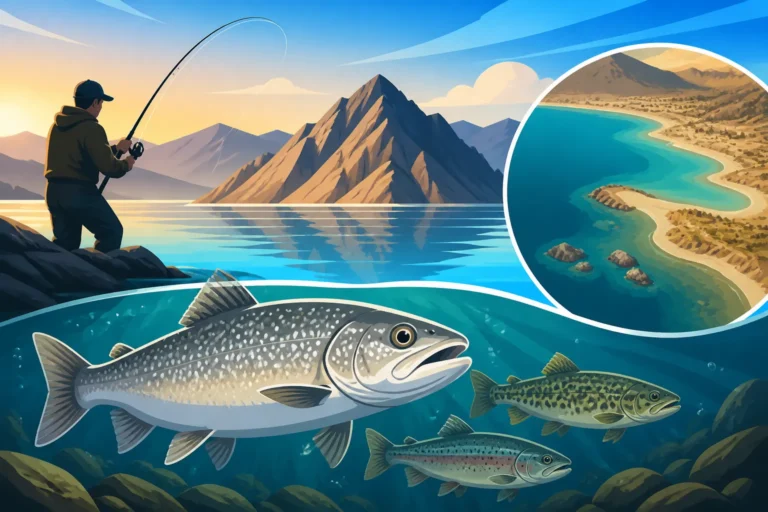
Murray Reservoir, conveniently located within San Diego, is regularly stocked with trout during the cooler months, making it a popular spot for bait anglers and fly fishers. It also holds good populations of bass, crappie, and catfish. Lake Jennings, near Lakeside, is another excellent choice, offering trout stocking in winter and spring, alongside healthy populations of bass and catfish. They even host night fishing events during summer, which can be a blast for catfish and carp.
Miramar Reservoir and Lower Otay Lake
Miramar Reservoir, another city-managed lake, is famous for its massive bass. It holds the current lake record for largemouth bass at over 18 pounds! It also has trout, catfish, and sunfish. Lower Otay Lake, situated closer to the border, is a year-round trophy bass destination, and often hosts major fishing tournaments. It's known for its incredibly healthy and large bass population, though they can be challenging to catch. Each of these lakes often has specific rules regarding boat types, tackle, and fishing days, so a quick check of the city or county park websites before you go is always a smart move.
Planning Your San Diego Fishing Adventure
Okay, you've got your spots picked out, now let's talk logistics. Planning is half the fun, and a little preparation goes a long way to ensure a successful and enjoyable trip.
Essential Gear and Bait Recommendations
Having the right gear is crucial, but it doesn't mean you need to break the bank. For most inshore and freshwater fishing, a medium-action spinning rod and reel combo with 10-15 lb test line will serve you well. For offshore trips, especially if you're chasing bigger species like tuna or yellowtail, a heavier conventional setup is usually rented from the charter boat or is part of their package.
Tackle Box Staples
- Hooks: A variety of sizes (e.g., #4 to 3/0) for different baits and species.
- Weights/Sinkers: Split shots, egg sinkers, and Carolina keepers for various rigs.
- Swivels: Both barrel and snap swivels to prevent line twist and easily change lures.
- Lures: Soft plastics (worms, grubs, swimbaits), a few spoons, jigs (both lead head and metal), and a couple of crankbaits.
- Terminal Tackle: Leader material (fluorocarbon is great for its invisibility), pliers, line cutters, and a rag.
- Bait: For saltwater, live anchovies or sardines are king for many species, but squid, mackerel, and even cut bait can be effective. For freshwater, live worms, power bait, and corn are staples for trout, while nightcrawlers and chicken liver work for catfish.
Comfort and Safety Items
Beyond the fishing gear, don't forget the essentials for your comfort and safety. Sunscreen, a wide-brimmed hat, polarized sunglasses (they help you spot fish and structure!), plenty of water, and snacks are non-negotiable. If you're heading offshore, motion sickness medication is a good idea if you're prone to seasickness. A good cooler with ice for your catch is also critical. Check out our What to Bring on a California Fishing Charter guide for a more comprehensive list if you're going that route.
Navigating Regulations and Licenses
California fishing regulations can feel like a labyrinth at times, but they're there to protect our precious fisheries. Ignoring them can lead to hefty fines, so it’s always better to be safe than sorry.
Understanding Your Requirements
First and foremost, almost everyone needs a valid California Fishing License Guide to fish in California, whether you're a resident or a visitor. There are exceptions, like the aforementioned pier fishing or designated free fishing days. Children under 16 generally don't need a license, but always verify current rules. You can buy your license online through the California Department of Fish and Wildlife (CDFW) website or at authorized bait and tackle shops.
Species-Specific Rules and Report Cards
Beyond the general license, certain species require additional report cards. For instance, if you're targeting steelhead or sturgeon, you'll need a specific California Steelhead Report Card or California Sturgeon Report Card, which must be filled out and returned to the CDFW. Always check bag limits (how many fish you can keep) and size limits (minimum or maximum length) for the species you're targeting. These can vary not just by species, but also by region and season. A quick online search for "CDFW Ocean Fishing Regulations" or "CDFW Freshwater Fishing Regulations" will get you the most up-to-date information.
Chartering a Boat or Going Solo
Deciding whether to go it alone or book a charter depends on your experience, budget, and desired fishing experience.
The Benefits of a Fishing Charter
If you're new to the area, don't own a boat, or are looking for a hassle-free, guided experience, a fishing charter is an excellent option. San Diego boasts a plethora of fantastic charter operations, many of which can be found and booked through platforms like FishingBooker. These range from half-day "party boat" trips with many other anglers to private full-day or multi-day excursions. The crew knows the local waters inside and out, provides all the necessary gear, and handles the intricate regulations. This is particularly true for offshore species like bluefin tuna or yellowtail, which require specialized knowledge and equipment. Companies like H&M Landing, Fisherman's Landing, and Point Loma Sportfishing offer a wide array of options, from 3/4-day trips to epic multi-day voyages. If you're considering this, check out our Best Fishing Charters in San Diego.
Going it Alone: Boat or Shore
For experienced anglers with their own boats, launching from one of San Diego's many ramps (e.g., Shelter Island, Chula Vista) opens up endless possibilities. You have the freedom to explore at your own pace. However, remember that you're responsible for navigation, safety, and all legal requirements. If you prefer shore-based fishing, the numerous piers and surf spots mentioned earlier provide fantastic, accessible options without needing a boat at all. Just be sure to respect local ordinances and private property.
San Diego Fishing Hotspots at a Glance
To help you visualize your next adventure, here’s a quick overview of some of the best spots near San Diego, the primary species you might find, and the best times to visit.
| Location | Primary Species | Best Fishing Times | Typical Fishing Method(s) | Notes |
|---|---|---|---|---|
| La Jolla Kelp Beds | Calico Bass, Yellowtail, White Seabass, Rockfish | Year-round (Bass best in warmer months) | Artificials, live bait drifting | Excellent structure, requires boat/kayak |
| Coronado Islands | Yellowtail, Barracuda, Bonito, Tuna | Spring to Fall (Yellowtail hot in summer/fall) | Jigs, live bait, trolling | Requires boat/charter, Mexican license if crossing border |
| Mission Bay | Spotted Bay Bass, Sand Bass, Halibut, Leopard Shark | Year-round (Halibut best in spring) | Light tackle, soft plastics, live bait | Kayak/small boat friendly, good for beginners |
| Ocean Beach Pier | Mackerel, Bonito, Perch, Halibut | Year-round (Mackerel/Bonito best in summer) | Sabiki rigs, high-low rigs, cut bait | No license needed, great for families |
| Lake Hodges | Largemouth Bass, Crappie, Catfish, Bluegill | Spring/Summer (Bass excellent), Fall (Crappie) | Jigs, plastics, crankbaits, live bait | Trophy bass potential, specific operating days |
| El Capitan Reservoir | Largemouth Bass, Crappie, Catfish | Spring (Bass spawn), Summer (Catfish/Crappie) | Deep diving lures, jigs, bottom baits | Scenic, diverse fishery, specific operating days |
| Murray Reservoir | Trout (winter/spring), Bass, Crappie, Catfish | Winter/Spring (Trout), Year-round (Bass/Catfish) | PowerBait, worms, jigs, plastics | Convenient city location, stocked for trout |
| Miramar Reservoir | Largemouth Bass (trophy), Trout, Catfish | Spring/Summer (Bass), Winter/Spring (Trout) | Large swimbaits, jigs, PowerBait | Known for giant bass, specific operating days |
Whether you're exploring the offshore waters on a San Diego Sportfishing boat, casting from a local pier, or enjoying the tranquility of an inland lake, San Diego truly offers an incredible array of fishing experiences. The key is to do a little homework, pack smart, and always respect the regulations that keep these amazing fisheries healthy for us all. Tight lines, my friends!
Disclaimer
The information provided in this guide is for general informational purposes only and is subject to change. Fishing regulations, seasons, and limits are frequently updated by the California Department of Fish and Wildlife (CDFW). It is the angler's responsibility to verify all current rules and obtain necessary licenses and report cards before fishing. Always prioritize safety and environmental stewardship while on the water.