Goleta Pier Fishing Guide
Stepping onto a new pier, especially one as iconic as Goleta Pier, can feel like a mix of excitement and uncertainty. You're probably wondering, "What can I actually catch here? What kind of bait works best? Do I even need a license?" It's a common tangle of questions many anglers face. This comprehensive guide is designed to unravel those uncertainties, giving you all the insider tips and practical knowledge you need to enjoy a fantastic and successful fishing trip at Goleta Pier.
Discovering Goleta Pier's Charm and Accessibility
Goleta Pier, a true gem in the Santa Barbara area, offers a quintessential California pier fishing experience. It's not just a place to cast a line; it’s a beloved community hub, a scenic walkway, and a fantastic launching point for local anglers. But what makes it special, and how easy is it to get there? Let's dive in.
A Relaxed Coastal Vibe
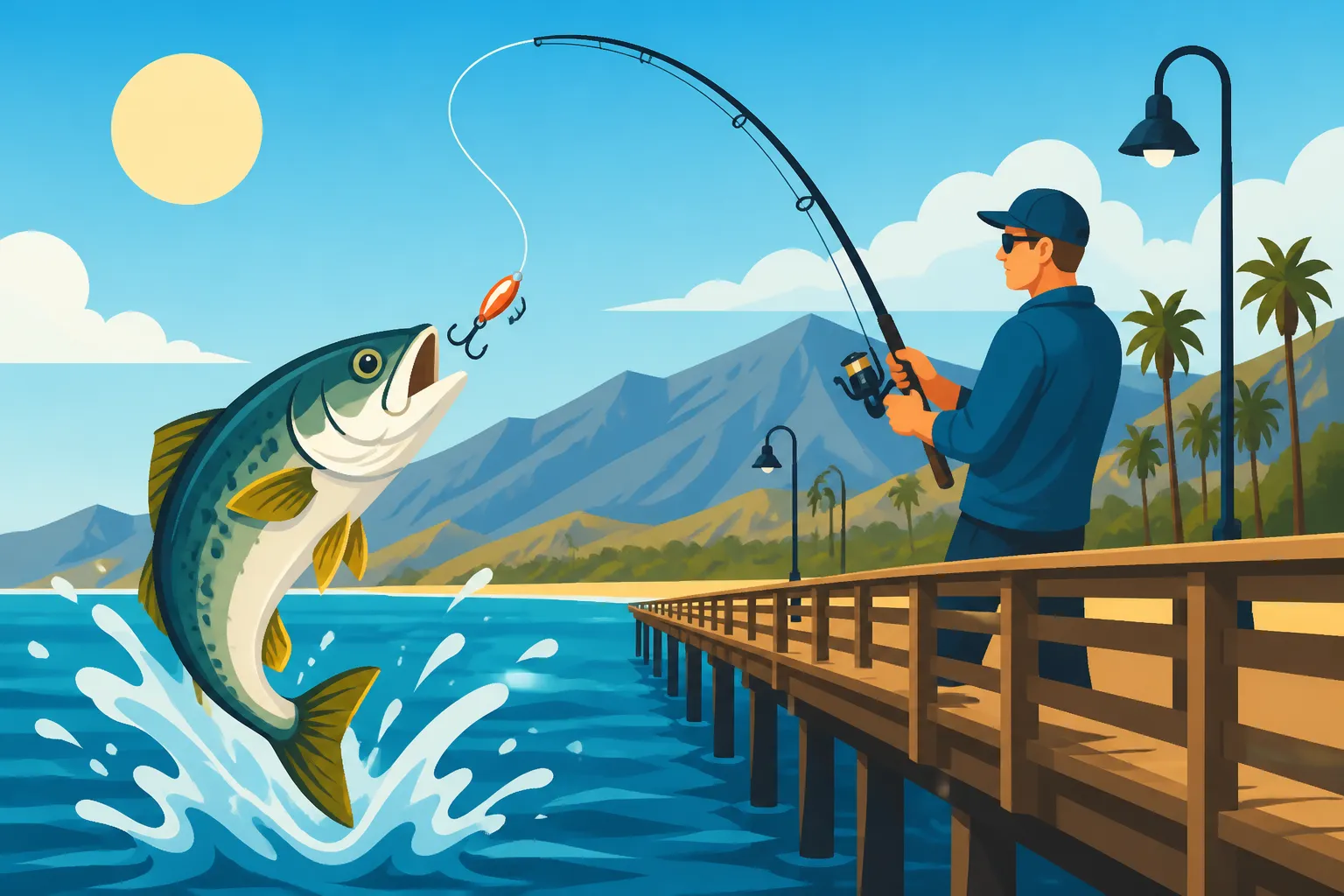
One of the first things you'll notice about Goleta Pier is its incredibly relaxed and family-friendly atmosphere. Unlike some of the busier, more commercial piers further south, Goleta maintains a charming, laid-back feel. You'll see seasoned anglers patiently waiting for a bite alongside families with kids giggling as they reel in their first perch. The pier stretches out 1,500 feet into the Pacific Ocean, offering ample space even on a busy weekend. It’s wide, well-maintained, and boasts incredible panoramic views of the Santa Barbara coastline, the distant Channel Islands, and the Santa Ynez Mountains. Seriously, even if the fish aren't biting, the scenery alone is worth the trip. There are benches scattered along its length, perfect for taking a break or just soaking in the coastal beauty. It's truly a place where you can unwind and reconnect with the simple joys of the ocean.
Getting There and Parking Logistics
Goleta Pier is conveniently located within Goleta Beach Park, just a short drive north of Santa Barbara. You'll find it at the western end of the park, making access quite straightforward. If you're coming from Highway 101, you'll take the Sandspit Road exit and follow the signs for Goleta Beach Park. The address you'd plug into your GPS is generally around 5986 Sandspit Rd, Goleta, CA 93117.
Parking is usually plentiful right within Goleta Beach Park. There are large parking lots adjacent to the pier, so you won't have to haul your gear for miles. However, it's worth noting that during peak summer weekends or popular holidays, those lots can fill up, especially in the afternoon. My advice? Arrive early, especially if you plan to spend the whole day. There might be a small parking fee during certain times or for longer stays, so keep some cash or a card handy, just in case. The accessibility really makes it a prime spot for a spontaneous fishing trip or a planned day out with the whole crew.
What Makes Goleta Pier Unique
Beyond its length and scenic views, Goleta Pier has a few distinct features that set it apart. For one, it's located directly next to the University of California, Santa Barbara (UCSB) campus, giving it a youthful, vibrant energy, especially when students are around. You might even spot some marine biology students out conducting research, which adds an interesting educational layer to your visit.
Historically, the pier has been a vital part of the local community, undergoing various reconstructions and improvements over the years to keep it in tip-top shape. It’s a testament to its importance that the community continues to invest in its upkeep. Another practical benefit for anglers is the presence of fish cleaning stations and restrooms right on the pier or very nearby in the park. This might seem like a small detail, but believe me, when you've got a cooler full of fresh fish and sandy hands, a convenient cleaning station is a godsend. It truly is one of the more comprehensive and comfortable fishing piers along the Central Coast, standing out even among other fantastic options like those you'd find in a broader list of Best Fishing Piers in California.
What Fish Species Call Goleta Pier Home?
One of the most exciting aspects of pier fishing is the sheer variety of species you might encounter. Goleta Pier, sitting in the rich waters of the Santa Barbara Channel, is no exception. From common surf fish to larger game fish, there's always a surprise waiting. Knowing what to expect and when can greatly improve your chances of success.
Common Catches You'll Reel In
You’ll find a bustling underwater world around Goleta Pier. The most consistently caught species include a variety of surfperch, such as barred surfperch and calico surfperch. These feisty panfish are often the first catch for beginners and make for a fun fight on light tackle. Shiner perch are also abundant, though typically smaller, they are excellent live bait for bigger predators.
Another very common catch is mackerel, particularly Pacific mackerel. These schooling fish often show up in large numbers, providing fast action, especially during warmer months. They're great fighters and surprisingly good to eat fresh or used as cut bait. You'll also likely encounter various croaker species, including spotfin croaker and yellowfin croaker, which prefer sandy bottoms near the pier pilings. For those targeting something a bit bigger, leopard sharks are a frequent visitor, especially in the evenings or early mornings. They put up a respectable fight and are usually released after a quick photo.
Seasonal Delights and Prime Targeting Opportunities
The fishing at Goleta Pier really changes with the seasons, reflecting the migration patterns and water temperatures of the Pacific Ocean.
- Spring (March – May): This is a fantastic time for various perch species as they move closer to shore for spawning. Halibut also start becoming more active as water temperatures rise, making spring a prime time to target these flatfish. You'll also see increased activity from mackerel and some of the smaller sharks.
- Summer (June – August): Warm water brings in a wider array of species. Mackerel fishing can be absolutely red-hot, with schools moving through regularly. The odds of hooking a California halibut significantly increase, particularly if you're using live bait like anchovies or sardines. Occasional bonito or even small barracuda might make an appearance, chasing baitfish. This is a great time to be out there, especially for families, as the action can be steady.
- Fall (September – November): As the water begins to cool slightly, rockfish species might start to show up closer to the pier, though true rockfish fishing is often better from boats or deeper structures. This transition period can still yield good halibut, croaker, and mackerel. Some of the larger sharks might also be more active.
- Winter (December – February): While generally slower, winter can still be productive for certain species. Larger barred surfperch are often caught in the cooler waters. Stormy weather can sometimes churn up bait, bringing larger predators within casting distance. It's often a quieter time on the pier, perfect for a peaceful fishing session for those who don't mind the cooler temperatures.
For anyone serious about understanding the nuances of how different species behave throughout the year, checking out a California Fishing Seasons: Month-by-Month Guide can provide even deeper insights into what to expect from coastal waters.
Targeting Specific Species: A Deeper Look
Let’s zero in on a few popular targets:
- California Halibut: These prized flatfish are often ambushing prey from the sandy bottom. To target them effectively, you'll want to use live bait like anchovies, sardines, or small mackerel, fished on a Carolina rig or a sliding sinker rig. Cast out and let your bait sit on the bottom, or slowly retrieve it to cover more ground. The key is patience, as halibut are ambush predators. Keeping an eye on the local California Halibut Regulations and Limits is absolutely essential before you even cast your line.
- Surfperch: These are often caught right in the surf line or close to the pier pilings. Small pieces of lugworms, bloodworms, or even Gulp! sandworms on a high-low leader or a small Carolina rig will do the trick. A size 8 or 6 hook is usually perfect. They're not huge, but they're plentiful and offer consistent action.
- Leopard Sharks: These beautiful sharks are often found cruising near the pier. A chunk of mackerel, squid, or anchovy on a sturdy dropper loop or Carolina rig, fished on the bottom, works wonders. Make sure you have a heavy enough rod and reel to handle their powerful runs. Remember to handle them gently if you plan to release them, which is often the practice for these fascinating creatures.
- Mackerel: For these schooling fish, a sabiki rig is your best friend. This rig has multiple small, shiny hooks designed to mimic small baitfish. Just drop it down, jig it up and down, and you can often catch several at once. They're great fun, and if you get a big school, you'll be reeling them in non-stop!
No matter what you're targeting, always be mindful of the ecosystem. It's about enjoying the catch responsibly.
| Species | Primary Season | Best Bait | Ideal Rig | Notes |
|---|---|---|---|---|
| Barred Surfperch | Spring, Winter | Sandworms, Mussels, Shrimp | Carolina Rig, High-Low | Excellent table fare, found in surf zone. |
| Pacific Mackerel | Summer, Fall | Sabiki Rigs, Small Lures | Sabiki Rig | Fast action, great for beginners and live bait. |
| California Halibut | Spring, Summer | Live Anchovies, Sardines, Squid | Carolina Rig, Sliding Sinker | Prized flatfish, requires patience. |
| Leopard Shark | Spring, Summer, Fall | Cut Mackerel, Squid | Dropper Loop, Carolina Rig | Strong fighters, often caught at night. |
| Croaker (Spotfin, Yellowfin) | Spring, Summer, Fall | Ghost Shrimp, Cut Bait | Carolina Rig, Hi-Lo | Good fighters, prefer sandy bottoms and pier pilings. |
Gear, Bait, and Techniques for Goleta Pier
Now that we know what's swimming around, let's talk about the tools of the trade. Having the right gear and understanding the most effective techniques can make all the difference between a slow day and a banner day on Goleta Pier. You don't need a boatload of fancy equipment, but a few essentials will set you up for success.
Essential Gear for Pier Fishing
When you're heading to Goleta Pier, you definitely don't need a full arsenal, but a couple of solid setups will cover most situations.
- Rods and Reels: A medium-light to medium action spinning rod, around 7 to 9 feet in length, paired with a 2500-4000 series spinning reel, is incredibly versatile. This setup is perfect for casting lighter baits for perch, mackerel, and smaller croaker. If you plan on targeting larger halibut or leopard sharks, consider a slightly heavier medium-heavy action rod, around 8 to 10 feet, with a 5000-6000 series reel. This gives you more backbone to handle bigger fish and heavier sinkers. Brands like Shimano and Penn offer reliable, saltwater-resistant options that won't break the bank.
- Fishing Line: For your all-around setup, 10-15 pound monofilament or braided line is a good choice. Monofilament is more forgiving and cheaper, while braid offers superior casting distance and sensitivity, but you’ll want to tie on a fluorocarbon leader (15-20lb test) for invisibility. For the heavier setup, jump to 20-30 pound braid with a 30-50 pound fluorocarbon leader.
- Terminal Tackle: You'll want a selection of hooks (sizes 2 to 8 for smaller fish, 1/0 to 5/0 for larger species), sinkers (pyramid, egg, or bullet sinkers from 1/2 oz to 3 oz to combat current), swivels, and leader material. Pre-tied high-low rigs and Carolina rigs are also very handy to have on hand. Don’t forget a sabiki rig for mackerel!
- Landing Net or Gaff: This is crucial. A long-handled pier net is indispensable for safely landing larger fish that you can't hoist up by the line. Trying to pull a 20-pound halibut up 15 feet of pier by your fishing line is a recipe for disaster (and lost fish!). Gaffs are sometimes used for very large fish, but a good pier net is generally preferred for most species you'll encounter here.
- Other Essentials: Pliers for hook removal, a rag, a cooler with ice to keep your catch fresh, a small cutting board and knife for bait preparation, sunscreen, and a hat. A sturdy rod holder that clamps to the pier railing can also be a lifesaver, allowing you to relax while waiting for a bite.
Go-To Baits for Pier Success
Choosing the right bait can dramatically increase your hook-up rate. Here’s a rundown of the most effective options for Goleta Pier:
- Live Bait: This is king, especially for halibut and larger predators. Live anchovies and sardines are prime choices when available. You can sometimes catch your own small baitfish (like shiner perch or small mackerel) with a sabiki rig, or purchase them from local bait shops. Hook live bait through the nose or dorsal fin for the most natural presentation.
- Cut Bait: Mackerel, anchovies, or sardines cut into strips or chunks are incredibly effective for a wide range of species, including croaker, halibut, and various sharks. Squid is another fantastic, durable cut bait that catches almost everything. It stays on the hook well and has a strong scent trail.
- Worms: Bloodworms, lugworms, and even plastic artificial worms like Berkley Gulp! Sandworms are irresistible to surfperch, croaker, and even smaller halibut. These are usually fished on high-low rigs or small Carolina rigs.
- Mussels and Shrimp: Fresh mussels, shucked from their shells, or small pieces of raw shrimp (peeled) are excellent for perch and various panfish. They have a strong natural scent that attracts fish.
- Artificial Lures: While live and cut bait are generally more productive, small spoons, jigs, and soft plastics (like swimbaits) can entice mackerel, bonito, and even smaller halibut. Topwater lures can also work during active baitfish schools for species like bonito or barracuda if they're around. For more insights on general pier fishing strategies, check out our guide on California Pier Fishing Tips and Techniques.
Effective Techniques to Master
Fishing from a pier involves a few distinct techniques that you'll want to employ.
- Bottom Fishing (Carolina Rig/Dropper Loop): This is your bread and butter for most species. For a Carolina rig, you thread your main line through an egg sinker, tie on a swivel, and then add a 1-3 foot fluorocarbon leader with a hook at the end. For a dropper loop, you create a loop in your main line, tie a hook to that loop, and then tie a sinker to the very end of your line. Both keep your bait on the bottom, where halibut, croaker, and sharks often feed. Cast out, let it settle, and wait for a bite. A slight, slow retrieve can sometimes entice a halibut.
- High-Low Rig: Ideal for perch and smaller panfish. This rig usually has two hooks spaced above a sinker, allowing you to present two baits at different depths close to the bottom. Cast it out, let it sink, and keep an eye on your rod tip for nibbles.
- Sabiki Rigging: As mentioned, this is the go-to for mackerel. Simply drop the weighted sabiki rig (a string of small, flashy hooks) into the water and gently jig it up and down. When you feel weight, slowly reel in. You might have multiple fish on at once!
- Casting and Retrieving Lures: For active schooling fish like mackerel or bonito, cast out a small spoon or jig and retrieve it steadily or with a jigging motion. Vary your retrieve speed and depth until you find what works.
- Fishing Near Pilings: The pier pilings provide structure and cover for many fish. Don’t be afraid to drop a bait straight down next to the pilings. Just be prepared for snags, as the pilings are also covered in barnacles and mussels. This is often where you'll find larger perch and croaker.
By understanding these techniques and matching them with the right bait and gear, you'll be well on your way to a productive and enjoyable day fishing at Goleta Pier.
Navigating Regulations and Responsible Fishing at Goleta Pier
California’s fishing regulations can feel like a labyrinth sometimes, and even though pier fishing often has some exemptions, it’s still critical to know the rules. Being a responsible angler not only keeps you out of trouble but also helps preserve our precious marine resources for future generations.
Do You Need a Fishing License for Goleta Pier?
This is one of the most common questions, and thankfully, the answer for Goleta Pier (and most public piers in California) is generally no, you do not need a California fishing license when fishing from the pier itself. This is a fantastic benefit that makes pier fishing incredibly accessible for locals and visitors alike, even if you're just trying it out for the first time. However, there are a few important caveats to keep in mind:
- Beyond the Pier: If you decide to fish off the pier – for example, by casting into the surf from the beach adjacent to the pier, or by hopping into a kayak or boat nearby – then a valid California Fishing License Guide is absolutely required. The exemption only applies when you are physically on the pier structure.
- Report Cards: While a general fishing license isn't needed, certain species, like steelhead, salmon, sturgeon, and spiny lobster, require a specific report card even when taken from a public pier. It's highly unlikely you'd catch these species from Goleta Pier, but it’s always good to be aware. For species like crab, there are specific regulations that apply, regardless of whether you’re on a pier.
- Specific Pier Rules: While the state exempts licenses, individual piers might have their own local rules regarding hours, allowed gear (e.g., no cast nets), or areas where fishing is prohibited. Always look for signage at the entrance to Goleta Pier.
For a thorough breakdown of these nuances, our California Pier Fishing License Rules article covers everything you need to know.
Understanding Bag and Size Limits
Even without a license, all state-mandated bag and size limits apply to fish caught from Goleta Pier. This is where many casual pier anglers sometimes get tripped up, and it's super important to get it right. These limits are in place to ensure sustainable fishing practices and protect fish populations.
- Species-Specific Limits: The limits vary wildly by species. For example, California halibut have a minimum size limit and a daily bag limit (typically two fish per person, 22 inches minimum size). Rockfish have their own complex regulations, including bag limits and depth restrictions which are more relevant to boat fishing but can occasionally affect pier anglers if fish are caught deep. Perch species often have generous bag limits but no minimum size.
- Check Before You Go: The California Department of Fish and Wildlife (CDFW) publishes a comprehensive regulation booklet annually. You can find this online or pick up a physical copy at bait and tackle shops. It’s dense, but worth skimming for the species you anticipate catching. It's especially crucial to check for species like California Rockfish Regulations and Limits or for other popular local game fish.
- Measure and Release: Carry a tape measure with you. If a fish doesn't meet the minimum size limit, or if you've already reached your bag limit for a particular species, it must be immediately released unharmed. Knowing how to safely handle and release fish is a vital part of responsible angling.
The CDFW website is your best friend for the most up-to-date information on California Fishing Regulations Explained.
Conservation and Ethical Angling Practices
Beyond the rules, practicing good conservation is simply good sportsmanship.
- Leave No Trace: Always pack out everything you pack in. This includes fishing line, bait containers, and any other trash. Keep the pier clean for everyone.
- Avoid Overfishing: While tempting, don't keep more fish than you need or are legally allowed. The goal is enjoyment, not depletion.
- Handle Fish Carefully: When releasing fish, minimize handling, especially for smaller species. Wet your hands before touching fish to protect their protective slime coat. Use de-hookers or pliers for quick hook removal.
- Be Mindful of Others: Piers are shared spaces. Be courteous to other anglers, give them space, and avoid casting over their lines. Respect families and those just enjoying a stroll.
- Report Violations: If you witness someone clearly violating fishing regulations (e.g., keeping undersized fish, using illegal gear), you can report it to the CalTIP hotline. This helps protect the resource for everyone.
Embracing these practices ensures that Goleta Pier remains a vibrant and healthy fishing destination for years to come.
Maximizing Your Goleta Pier Fishing Experience
A successful day on the pier isn't just about catching fish; it's about the whole experience. From knowing the best times to cast a line to staying safe and tapping into local knowledge, a little preparation goes a long way.
Best Times to Fish Goleta Pier
Timing is everything, and this holds true for fishing. While you can catch fish at any time, certain periods tend to be more productive.
- Tides and Currents: Pay close attention to the tides. For many pier species, incoming and outgoing tides (often referred to as "moving water") are generally more productive than slack tide (when the water is still). Moving water stirs up baitfish and crustaceans, making them more available to predators. Check a local tide chart for Santa Barbara or Goleta before you head out. Stronger currents can sometimes make fishing difficult, requiring heavier sinkers, but often bring in more active fish.
- Time of Day: Early mornings, just after sunrise, and late afternoons, leading into sunset, are often the best times. Many fish species are more active feeders during these cooler, lower-light periods. Evening and night fishing can also be incredibly productive for certain species, especially sharks and some larger croaker, as they move into shallower waters under the cover of darkness. The pier lights can also attract baitfish, which in turn attract predators.
- Weather Conditions: Overcast days or slightly choppy conditions can sometimes be better than bright, calm days, as it provides more cover for fish. However, safety is paramount. Avoid fishing during very stormy weather or when lightning is a possibility.
- Seasonal Patterns: As discussed earlier, understanding the seasonal movements of fish will greatly enhance your success. For instance, the Best Season for Rockfish in California might be different from when the halibut are running strong.
Safety Tips for a Worry-Free Trip
Goleta Pier is a safe and enjoyable place, but a few precautions can ensure a worry-free outing.
- Watch Your Step: The pier surface can sometimes be wet or slippery, especially near the fish cleaning stations. Wear appropriate, non-slip footwear.
- Keep an Eye on the Water: While rare, rogue waves can sometimes splash over the pier, especially during high tides or stormy conditions. Be aware of your surroundings, particularly if you have small children with you.
- Hook Safety: Always be mindful of your casting arc, especially when others are nearby. Keep hooks covered when walking and use pliers or a de-hooker to remove hooks from fish to avoid accidental punctures.
- Sun Protection: California sun can be intense. Apply sunscreen regularly, wear a hat, and sunglasses, even on overcast days.
- Stay Hydrated: Bring plenty of water, especially during warmer months, to avoid dehydration.
- Secure Your Gear: The ocean breeze can quickly turn into a strong wind. Make sure your rods are secured in rod holders and that loose tackle or bait containers aren't at risk of blowing into the water. Losing gear is a pain, and it also contributes to marine debris.
Tapping into Local Resources and Community Knowledge
Connecting with local resources and fellow anglers can provide invaluable real-time insights.
- Bait and Tackle Shops: Before you even hit the pier, stop by a local bait and tackle shop in Goleta or Santa Barbara. Places like Hook, Line & Sinker in Santa Barbara are fantastic resources. The folks working there are usually seasoned local anglers who can tell you what’s currently biting, what bait is working best, and even offer advice on specific rigs. They often have the freshest live bait too. Don't be shy; ask questions!
- Online Fishing Reports and Forums: Many online communities and fishing report sites provide up-to-date information for local spots, including Goleta Pier. You can often find recent catch reports, current conditions, and even photos of what others are catching. This can give you a crucial heads-up on whether the mackerel are running or if the halibut bite is on. For instance, many anglers share their experiences on platforms that also help you find fishing guides and charters in the region, such as FishingBooker.
- Talk to Fellow Anglers: Once you're on the pier, strike up a conversation! Most anglers are friendly and happy to share tips, especially if you're respectful and show genuine interest. You might learn about a hot spot on the pier or a specific bait presentation that's been working wonders that day.
- Explore Beyond the Pier: If you fall in love with fishing in the area, consider looking into a Santa Barbara Fishing Guide for a broader experience. Local guides can take you to offshore spots or bay fishing areas that offer different species and techniques. Websites like FishingBooker are excellent for finding reputable local guides and charters if you're ready to venture past pier fishing. It's a great way to deepen your understanding of the local fishery and even try out deeper water techniques. What you'll What to Expect on a Santa Barbara Fishing Trip might surprise you with its variety!
By combining your enthusiasm with these practical tips and local knowledge, your visit to Goleta Pier will be more than just a fishing trip; it will be a truly enriching coastal experience.
Disclaimer
Please remember that fishing regulations, conditions, and fish populations can change. Always check the latest California Department of Fish and Wildlife (CDFW) regulations before heading out. This guide is for informational purposes only and should not replace official regulations or expert advice. Fish responsibly and safely.