Eastern Sierra Fishing Guide
The Eastern Sierra region of California offers an incredible, almost overwhelming, array of fishing opportunities, but knowing where to start, what to expect, and how to navigate its vast and diverse waters can feel like a monumental task. This guide is designed to cut through that confusion, providing you with a detailed, realistic roadmap to successfully and enjoyably fish the majestic Eastern Sierra, whether you're a seasoned angler or planning your first trip.
The Undeniable Allure of Eastern Sierra Fishing
There’s just something magical about the Eastern Sierra, isn't there? The towering granite peaks, the crisp mountain air, the scent of pine – it's a place that calls to your soul even before you cast a line. For anglers, this region isn't just a destination; it's a pilgrimage. It's where the trout dreams are made and where every bend in the river or ripple on a lake surface promises adventure.
A Landscape Like No Other
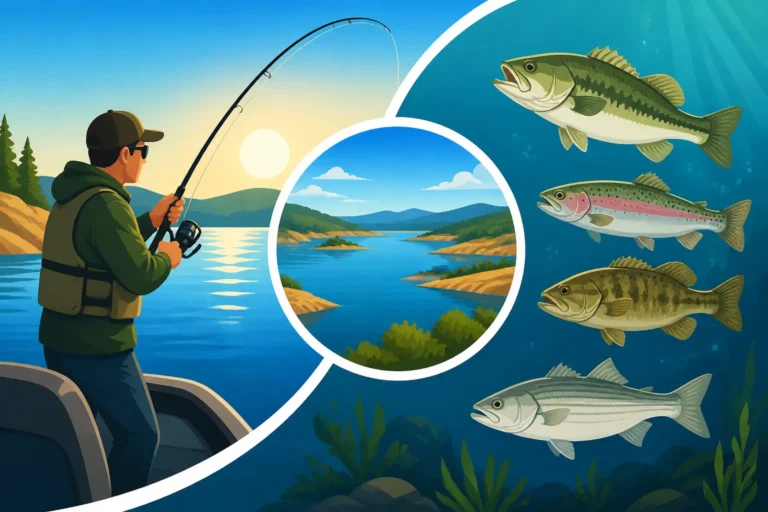
Imagine waking up to the sun painting the peaks of the Sierra Nevada in hues of pink and gold, the only sound the distant call of an osprey or the gentle gurgle of a nearby creek. That's the daily reality of fishing here. The landscape itself is a huge part of the draw. You've got everything from vast, deep reservoirs nestled at the base of mountains, like Lake Crowley, to high-alpine lakes accessible only by a strenuous hike, offering solitude and wild trout. Then there are the winding rivers and countless smaller streams, each with its own character and resident fish. It’s a tapestry of environments, and each one offers a unique challenge and reward. This incredible variety means you can spend a lifetime exploring and never truly fish it all. It also means you need to be prepared for diverse conditions, from calm, warm days to sudden afternoon thunderstorms rolling in over the peaks.
A Trout Angler's Paradise
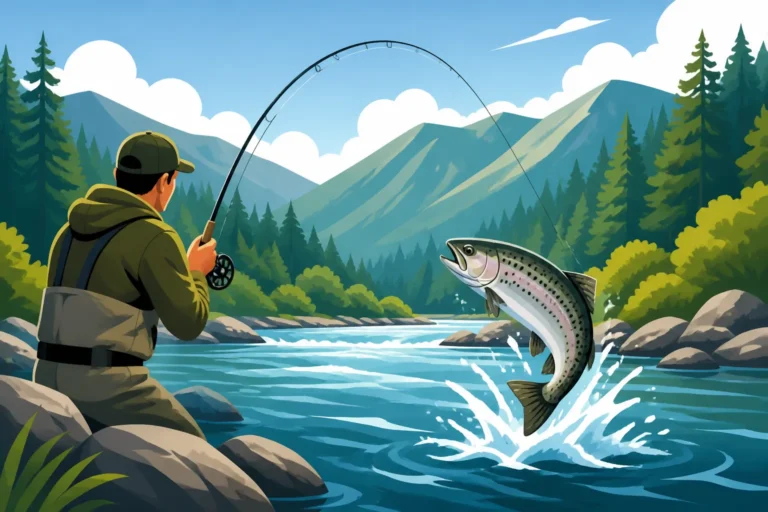
Let's be real, the Eastern Sierra is synonymous with trout. If you're chasing trout, this is your promised land. The California Department of Fish and Wildlife (CDFW) does an amazing job stocking many of the accessible lakes and rivers, ensuring consistent opportunities for anglers. But beyond the stocked fish, there's a thriving population of wild trout, particularly in the higher elevation streams and more remote lakes. We’re talking about iridescent Rainbow Trout, elusive Brown Trout, vibrant Brook Trout, and even the iconic, native Golden Trout in certain protected areas. The thrill of landing a hefty holdover brown from a stream or a feisty rainbow from a deep lake is something that keeps anglers coming back year after year. This region truly offers some of the Best Trout Lakes in California, making it a prime destination for dedicated trout chasers. You'll find anglers using everything from dry flies delicately presented on a pristine stream to power-bait dunkers on crowded lake shores, all chasing the same shimmering prize.
Navigating the Diverse Waters of the Eastern Sierra
The Eastern Sierra is a sprawling region, stretching roughly from the Sonora Pass down to the Mojave Desert, bordered by the crest of the Sierra Nevada to the west and the White Mountains to the east. Deciding where to fish can be as daunting as actually catching fish! But once you understand the major players, it becomes a lot clearer.
Legendary Lakes for Trophy Catches
When most people think of Eastern Sierra fishing lakes, a few names immediately spring to mind, and for good reason. These spots are renowned for their beauty and, more importantly, their potential for big fish.
- Lake Crowley: Often considered the crown jewel of Eastern Sierra stillwater fishing, Crowley Lake near Mammoth Lakes is famous for its massive trout, particularly its "Crowley Cutthroat" (actually a hybrid Cutthroat-Rainbow). It’s a big lake, and it can be intimidating, but fishing it from a boat with lead core line or trolling flies and lures is a popular and effective method. The "damsel fly hatch" in late spring and early summer brings incredible dry fly opportunities. Bank anglers also do well, especially during prime stocking periods or when fish move into shallower areas.
- The June Lake Loop: This picturesque loop offers a series of stunning lakes: June Lake, Gull Lake, Silver Lake, and Grant Lake. Each has its own charm and species. June Lake itself is a deep, cold lake known for Rainbow and Brown Trout. Gull Lake is smaller, often good for bait fishing, and great for families. Silver Lake is a classic, nestled beneath towering peaks, offering excellent fly fishing and bait fishing for rainbows and browns. Grant Lake, the largest of the four, is a reservoir that connects to the Los Angeles Aqueduct and is known for its trolling opportunities and even some Kokanee Salmon. The accessibility of these lakes, combined with stunning scenery, makes the June Lake Loop a perennial favorite.
- Bridgeport Reservoir: Further north, near the town of Bridgeport, this large, relatively shallow reservoir is another hotspot for big trout, especially trophy-sized Brown Trout. It’s particularly popular for trolling, often producing fish into the double digits. The surrounding meadows and views of the Sierra are breathtaking. The fishing here can be fantastic, especially in spring and fall, but like any large water body, it can be fickle on any given day.
- Lake Sabrina & South Lake (Bishop Creek Drainage): Up in the Bishop Creek Canyon, these high-elevation lakes are incredibly scenic and productive. Lake Sabrina is known for its excellent trout fishing, often accessible even by boat (rentals available). South Lake, higher up, also offers great opportunities, particularly for those willing to hike a bit further to reach more secluded sections. Both are regularly stocked and hold healthy populations of wild fish. These lakes typically open for the season in late April or early May, depending on snowmelt, and are popular destinations for families and experienced anglers alike.
Here's a quick overview of some popular Eastern Sierra lakes and what they're known for:
| Lake/Reservoir | Primary Fish Species | Common Fishing Methods | Notes |
|---|---|---|---|
| Crowley Lake | Rainbow, Brown, Cutthroat | Trolling (lead core), Fly Fishing, Bait | Trophy potential, famous damsel fly hatch |
| June Lake | Rainbow, Brown | Trolling, Bait, Lures, Fly Fishing | Part of scenic June Lake Loop, accessible |
| Gull Lake | Rainbow, Brown | Bait, Lures, Fly Fishing | Smaller, family-friendly, part of June Lake Loop |
| Silver Lake | Rainbow, Brown | Fly Fishing, Bait, Lures | Picturesque, great for shore and boat |
| Grant Lake | Rainbow, Brown, Kokanee | Trolling, Lures | Largest of June Lake Loop, good for trolling |
| Bridgeport Reservoir | Brown, Rainbow | Trolling, Lures, Bait | Known for trophy brown trout, large water body |
| Lake Sabrina | Rainbow, Brown, Brook | Bait, Lures, Fly Fishing | High-elevation, stunning views, boat rentals |
| South Lake | Rainbow, Brown, Brook | Bait, Lures, Fly Fishing | Further up Bishop Creek, more remote feel |
Rushing Rivers and Serene Streams
While the lakes offer their own brand of excitement, the rivers and streams of the Eastern Sierra are a fly angler's dream and a challenge for anyone who loves moving water. These are places where you often have to "read" the water and present your offering with precision.
- Upper Owens River: A legendary trout stream, particularly famous for its incredible fly fishing opportunities for large "driftless" brown and rainbow trout, especially during the spring spawn runs from Crowley Lake. The "Wild Trout Section" has special regulations, often requiring barbless hooks and artificial lures only. This river demands skill and stealth, but the rewards can be truly magnificent. Anglers often spend hours meticulously nymphing or presenting dry flies. For those interested in California Fly Fishing Tips and Techniques, the Upper Owens is a masterclass in river angling.
- East Walker River: Flowing north into Nevada, the California section of the East Walker is a gem for wild trout, especially big browns. It's a challenging river with diverse water types, from fast runs to deep pools and slow meanders. Fly fishing is predominant here, with nymphing and streamer fishing often proving very effective. Like the Upper Owens, it often has special regulations for artificial lures and barbless hooks, reinforcing its status as a premier wild trout fishery.
- Rush Creek: This powerful creek flows from the June Lake Loop lakes down into Grant Lake and then further into the Owens River system. It offers a variety of water types and is a fantastic spot for both fly and spin anglers, particularly for rainbows and browns. Access can be a bit more challenging in some areas, but the beauty and fishing opportunities are worth the effort. It's an excellent example of a California Freshwater Fishing Regulations "General Waters" stream, but always double-check the specifics.
- Bishop Creek: The Bishop Creek drainage, including its various forks (Middle Fork, South Fork), offers countless miles of accessible stream fishing for rainbow, brown, and brook trout. These creeks are often stocked heavily, making them great spots for beginners and families, but also hold plenty of wild fish, especially higher up. Bait, lures, and flies all produce here. It's a fantastic system for exploring and finding your own little honey holes.
Whether you prefer the solitude of a quiet stream or the challenge of a wide river, the Eastern Sierra has a moving water experience for you.
Key Fish Species to Target in the Eastern Sierra
While the Eastern Sierra is undeniably a trout haven, it's worth understanding the nuances of the different trout species and recognizing that there are a few other fish to be found, albeit less commonly targeted.
The Many Faces of Trout
Trout are not just "trout" here; each species has its own characteristics, preferred habitats, and even fighting style. Knowing who you're after can greatly influence your strategy.
- Rainbow Trout (Oncorhynchus mykiss): These are the most commonly stocked trout in the Eastern Sierra and are found in almost every lake, river, and stream. They're recognized by their iridescent silver-green bodies and the distinct reddish-pink band running along their sides. They are spirited fighters and will hit a wide variety of baits, lures, and flies. Stocked rainbows are often easier to catch, making them perfect for beginners or those just looking for a fun day out. Wild rainbows, especially those in larger rivers like the Owens, can grow quite large and are incredibly strong adversaries.
- Brown Trout (Salmo trutta): The stealthy predators of the Eastern Sierra, brown trout are typically darker, often golden-brown with dark spots, some with red or orange halos. They are known for their cunning and often hold in deep, dark pools or undercuts. Brown trout grow to impressive sizes in the Eastern Sierra, especially in Crowley Lake, Bridgeport Reservoir, and the East Walker River. They are often targeted by fly anglers with streamers or large nymphs, and by lure anglers with spoons or jerkbaits, particularly at dawn and dusk. Catching a large wild brown is often considered a pinnacle achievement for many local anglers.
- Brook Trout (Salvelinus fontinalis): These beautiful, smaller trout are characterized by their worm-like markings (vermiculations) on their backs and vibrant red or orange fins, often tipped with white. Brook trout are typically found in colder, higher-elevation streams and alpine lakes, often thriving in waters that other trout might find too harsh. While generally smaller, they are aggressive and beautiful, making them a joy to catch on light tackle. They’re often targeted by fly anglers with small dry flies or nymphs, and by spin anglers with tiny spinners.
- Golden Trout (Oncorhynchus aguabonita): The official state fish of California, the Golden Trout is truly a treasure. With its brilliant golden flanks and red lateral stripe, it's one of the most stunning freshwater fish in North America. These fish are typically found in the high-alpine lakes and streams of the Sierra Nevada, often requiring significant hiking to reach their pristine habitats. They are smaller than other trout species but are highly prized for their beauty and the challenge of fishing in their remote environments. Special regulations protect these fish, often requiring catch-and-release with barbless hooks.
- Lahontan Cutthroat Trout (Oncorhynchus clarkii henshawi): Native to the Lahontan basin, which includes areas like the Truckee River and Pyramid Lake (in Nevada, but impacting CA waters), these trout are characterized by the red "cutthroat" mark under their jaw. While their native range in the Eastern Sierra is limited to specific restoration efforts, they represent a significant part of the region's historical ecology.
- Lake Trout (Salvelinus namaycush): Also known as Mackinaw, these large, predatory trout are found in deeper, colder lakes like Lake Tahoe, which straddles the CA/NV border. While not widely distributed throughout the Eastern Sierra proper in the same way rainbows and browns are, they are a significant species in certain deep, glacial lakes. They can grow to enormous sizes and are typically targeted by deep trolling or jigging.
Beyond Trout: Other Opportunities
While trout dominate the Eastern Sierra fishing scene, a few other species can pop up, especially in the lower elevations or warmer pockets of water.
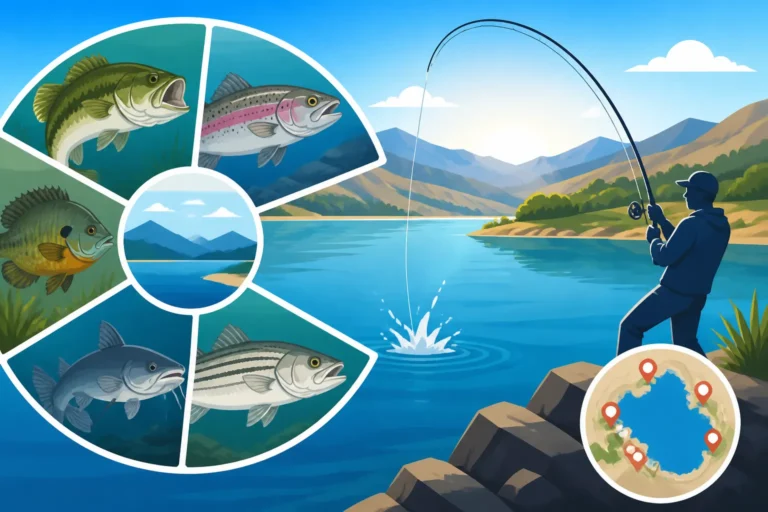
- Bass (Largemouth, Smallmouth, Spotted): In some of the lower elevation reservoirs, particularly those on the fringes of the true high country or those with warmer waters, you might find opportunities for bass. For example, some of the smaller reservoirs and private ponds around Bishop or the Owens Valley might hold largemouth bass. These aren't the primary targets, but if you're exploring new water, it's worth being aware. Anglers focusing on California Bass Fishing Regulations might find some niche spots, but generally, the Eastern Sierra is not a prime bass destination.
- Panfish (Bluegill, Crappie): Similarly, warmer, shallower areas might occasionally host panfish like bluegill or crappie. These are more likely to be found in irrigation ponds or smaller, less-pressured waters rather than the iconic Sierra lakes and rivers. They offer a fun, easy target for kids or those looking for a relaxed fishing experience away from the trout hustle.
Essential Techniques and Seasonal Strategies
The Eastern Sierra's diverse waters demand a versatile approach. What works for a high-alpine lake won't necessarily work for a freestone river, and what catches fish in spring might be useless in fall.
Gear Up: What to Bring
Don't show up unprepared; the Sierra can be unforgiving if you don't have the right equipment. Your gear should match your target and the type of water you plan to fish.
- Rods and Reels:
- Spin Fishing: A light to medium-light spinning rod (6' to 7') paired with a 1000-2500 size spinning reel spooled with 4-8 lb monofilament or fluorocarbon is ideal for most lake and stream applications. If you're targeting bigger fish in larger reservoirs like Crowley or Bridgeport, a medium action rod might be beneficial.
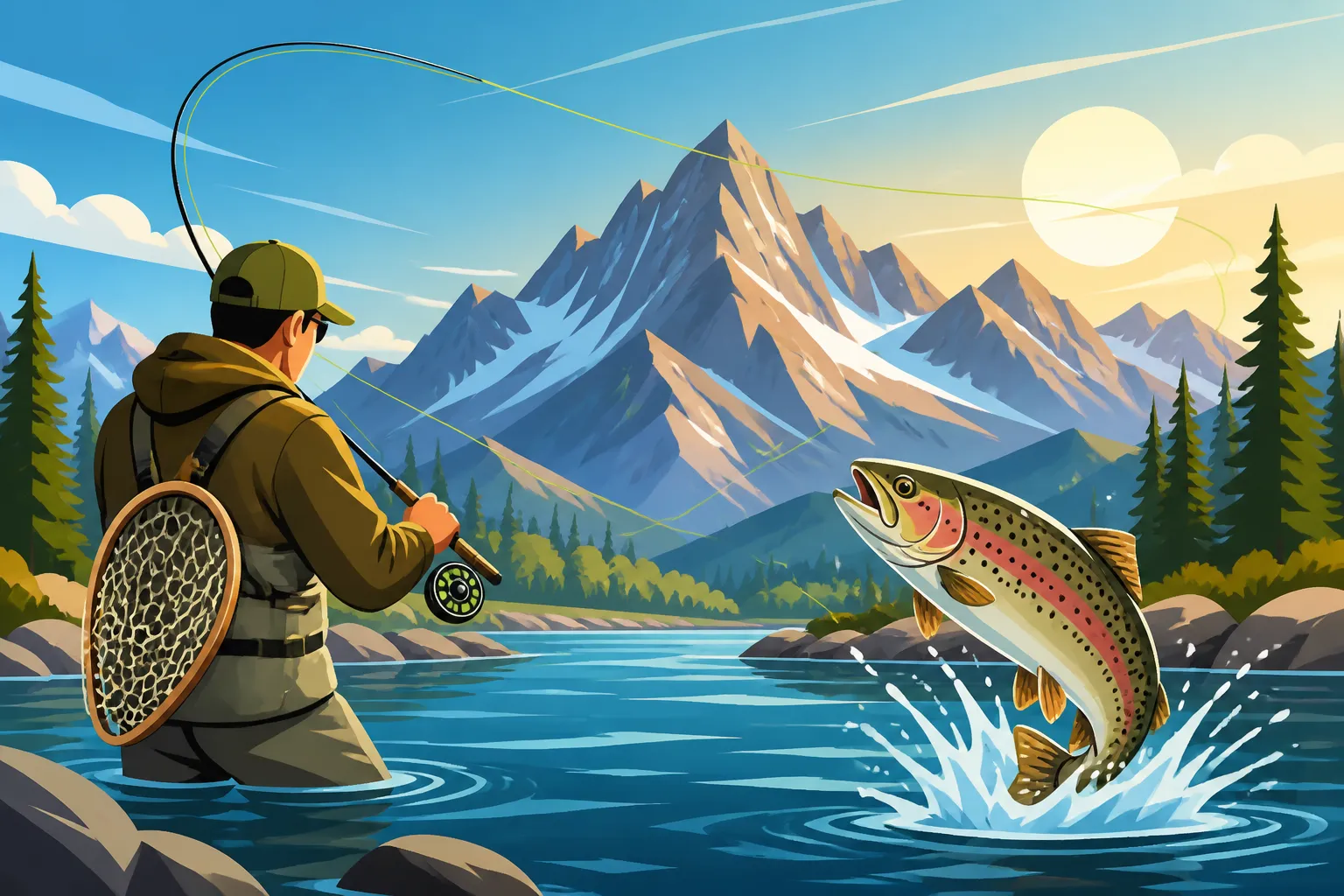
- Fly Fishing: For general trout fishing in rivers and streams, a 4-weight or 5-weight fly rod (8'6" to 9'0") is a versatile choice. If you're hitting the larger lakes or trying to cast bigger streamers, a 6-weight or 7-weight might be more appropriate. A floating line is standard, but a sinking tip or full sinking line is crucial for lake fishing with streamers or nymphs in deeper water.
- Baits and Lures:
- Bait: PowerBait (various colors, especially chartreuse, rainbow, and white), Gulp! dough baits, salmon eggs, nightcrawlers, and even live minnows (where permitted) are all highly effective for stocked trout in lakes and slower-moving rivers.
- Lures: Small inline spinners (Panther Martin, Mepps, Rooster Tail), spoons (Kastmaster, Little Cleo, Thomas Buoyant), and small jerkbaits or stickbaits are excellent choices. Trollers often use larger spoons or Rapalas.
- Flies:
- Dry Flies: Caddis, Mayflies (Parachute Adams, BWO), Midges, Grasshoppers, Ants – match the hatch!
- Nymphs: Prince Nymphs, Hare's Ears, Pheasant Tails, Copper Johns, Zebra Midges – essential for subsurface fishing in rivers.
- Streamers: Woolly Buggers (black, olive, brown), Sculpzillas, Leech patterns – great for targeting larger brown trout in rivers and lakes.
- Stillwater Flies: Damsel and Dragon Fly Nymphs, Chironomids (Midges), Balanced Leeches are crucial for lakes.
- Waders and Boots: If you plan on doing any serious river or stream fishing, quality waders (chest or waist-high) and wading boots with good grip are essential for comfort and safety. The water can be icy cold, even in summer.
- Essentials: Don't forget a landing net (preferably rubberized for fish safety), forceps or hemostats for hook removal, clippers, polarized sunglasses, sunscreen, a hat, a first-aid kit, and plenty of water. A multi-tool like a Leatherman is always a smart addition. And, of course, your valid California Fishing License Guide and any necessary report cards!
Seasonal Breakdown: When and Where to Fish
Understanding the seasons is key to success in the Eastern Sierra. The fishing changes dramatically with the weather and water conditions.
- Spring (April – June): This is arguably one of the best times to fish the Eastern Sierra, often kicking off with "opener" on the last Saturday in April. Lakes are thawing (or fully thawed), and fish are often hungry after a long winter. Early spring can be cold, but as the weather warms, hatches begin on the rivers, and lake fish become very active. Crowley Lake's famous damsel fly hatch usually peaks in late May or early June. Rivers like the Upper Owens can have incredible spawning runs. The snowmelt can make some streams high and swift, but others will be perfect. This is a prime time for both trophy trout in lakes and active river fishing.
- Summer (July – August): High summer sees warmer weather, and crowds. High-elevation lakes and streams become fully accessible as snow melts, offering fantastic opportunities for brookies and goldens on dries. Lower elevation rivers and lakes can warm up, pushing fish into deeper, cooler water. Early mornings and late evenings become prime fishing times. Night fishing for brown trout can also be productive. This is the ideal time to explore the vast backcountry for truly wild fish. However, be mindful of afternoon thunderstorms, which are common.
- Fall (September – November): As temperatures drop and the leaves turn vibrant colors, fall fishing can be spectacular. The crowds thin out, and the big brown trout in rivers and lakes become highly aggressive as they prepare for their spawn. Streamer fishing and large lure presentations are often very effective. This is an excellent time for chasing trophy fish. Lakes like Bridgeport and Crowley can give up their biggest residents. The weather can be unpredictable, ranging from warm, sunny days to early snowfalls, so pack layers.
- Winter (December – March): Much of the Eastern Sierra transitions into ice fishing territory, particularly on lakes like Crowley (if ice is safe and regulations permit) and some smaller, higher lakes. Many rivers remain open year-round with special regulations, offering a quiet, challenging experience for hardy anglers. The Lower Owens River remains ice-free and can provide excellent fishing. This is a time for solitude and pursuing fewer, but often larger, fish. Always check specific regulations, as many waters close during winter months, and access can be severely limited by snow. Remember to check the California Fishing Seasons: Month-by-Month Guide to ensure you're fishing legally and effectively.
Planning Your Eastern Sierra Fishing Adventure
A successful trip to the Eastern Sierra involves more than just knowing where to cast. Understanding the administrative side and utilizing local resources can make all the difference.
Licenses, Regulations, and Report Cards
California has comprehensive fishing regulations, and the Eastern Sierra, with its diverse ecosystems and protected species, often has specific rules that vary from general statewide mandates. It's not just about having a license; it's about understanding the nuances.
- California Fishing License: Absolutely non-negotiable. Anyone 16 years or older needs a valid California fishing license. You can purchase these online through the CDFW website, at most sporting goods stores like those in Bishop or Mammoth Lakes, or even at some tackle shops. Make sure you get the right duration for your trip – annual, one-day, or two-day options are available. The cost varies, but it's a small price to pay for access to these incredible waters. You can find detailed information in our California Fishing License Cost guide.
- Freshwater Fishing Regulations: The Eastern Sierra falls under freshwater regulations. These cover everything from bag and possession limits for various trout species (e.g., California Trout Limits and Regulations) to specific gear restrictions (e.g., artificial lures only, barbless hooks only) on designated "Wild Trout" or "Special Regulation" waters. Always, always check the current CDFW Fishing Regulations Booklet, which is available online and at license vendors. Ignorance of the law is not an excuse for a violation. Some sections of rivers, like parts of the Upper Owens or East Walker, have significantly stricter rules than general waters.
- Report Cards: While less common for general trout fishing, if you happen to venture into areas where specific species are present and require monitoring, you might need a report card. For instance, if you were to target steelhead in certain regions or sturgeon (not typically found in the Eastern Sierra, but good to know generally), you'd need one. It's always wise to familiarize yourself with California Fishing Report Cards Explained just in case your plans shift or you encounter an unexpected species. For the Eastern Sierra, most of your focus will be on understanding the trout limits and regulations.
Finding Your Way: Lodging, Guides, and Local Wisdom
The Eastern Sierra is dotted with charming towns and communities that serve as excellent bases for fishing trips.
- Main Hubs:
- Bishop: A larger town with more amenities, including multiple sporting goods stores (like Mac's Sporting Goods or Bishop Chamber of Commerce's Tackle Shop), hotels, restaurants, and grocery stores. It's a great central location for accessing the Owens Valley, Bishop Creek drainage, and even parts of the Lower Owens River.
- Mammoth Lakes: A bustling mountain resort town, particularly popular for its proximity to Mammoth Mountain ski resort but also a fantastic base for fishing. It offers a wide range of lodging, dining, and tackle shops, with easy access to Crowley Lake, the June Lake Loop, and countless high-country destinations.
- June Lake: A smaller, more quaint village directly on the June Lake Loop, offering direct access to the four main lakes. It has a more rustic, classic Sierra feel with fewer amenities than Mammoth.
- Bridgeport: A small, historic ranching town further north, perfect for accessing Bridgeport Reservoir, the East Walker River, and numerous smaller streams and lakes. It has a handful of motels, restaurants, and a well-known tackle shop.
- Fishing Guides: For an unparalleled experience, especially if you're new to the area or targeting a specific species or technique, hiring a local guide is highly recommended. These professionals know the waters intimately, understand the fish behavior, and can put you on fish faster than you might find them yourself. They can also provide instruction on specific techniques, like fly fishing on the Upper Owens. You can often find guides through local tackle shops or by searching online. Platforms like FishingBooker are a fantastic resource for finding reputable California Fishing Charters: Complete Guide or individual guides throughout California, including the Eastern Sierra. They allow you to browse options, read reviews, and book directly, taking a lot of the guesswork out of finding a good fit.
- Local Wisdom: Don't underestimate the value of talking to locals! Tackle shop employees are often anglers themselves and can provide invaluable, up-to-the-minute information on hot spots, recent hatches, and effective baits or flies. Check local fishing reports online or in community newspapers. Websites and social media groups dedicated to Eastern Sierra fishing are also excellent resources for current conditions and tips.
Preserving the Beauty: Ethical Angling and Conservation
The Eastern Sierra is a precious resource, and as anglers, we have a responsibility to protect it for future generations. Ethical angling practices are not just about following rules; they're about respecting the fish and the environment.
Catch and Release Best Practices
While many stocked waters allow for harvest, practicing catch and release, especially for wild or larger trophy fish, helps sustain healthy populations. If you choose to release, do so responsibly.
- Minimize Handling: Reduce the time the fish is out of the water. Handle fish with wet hands to protect their slime coat, which is their primary defense against disease.
- Use Barbless Hooks: Crimping down the barb on your hook (or buying barbless hooks) makes removal much easier and less damaging to the fish's mouth. Many special regulation waters require barbless hooks.
- Proper Hook Removal: Use forceps or pliers to quickly and carefully remove the hook. If a fish is deeply hooked, it's often best to cut the line as close to the hook as possible rather than risk further injury trying to extract it.
- Revive the Fish: Hold the fish gently in the water, facing upstream, allowing water to flow over its gills until it regains strength and can swim away on its own. Don't simply toss it back; ensure it's ready to go.
- Consider the Conditions: On very hot days or when water temperatures are high, fish can be under significant stress. Consider limiting your fishing or targeting species that are more tolerant of warm water. When fishing fragile species like the Golden Trout, catch-and-release is almost always the best policy.
Respecting the Environment
We're guests in these wild places. Our actions have an impact, and it's up to us to ensure that impact is minimal.
- Leave No Trace: This fundamental principle means packing out everything you pack in, including all trash, leftover bait, and fishing line. Don't leave any monofilament or fluorocarbon behind, as it can be incredibly harmful to wildlife.
- Stay on Trails: Avoid trampling fragile vegetation, especially along stream banks. Staying on designated trails helps prevent erosion and protects sensitive ecosystems.
- Wade Carefully: If wading, be mindful of spawning beds (redds) and aquatic vegetation. Avoid disturbing the bottom unnecessarily.
- Be Mindful of Wildlife: You're in their home. Give bears, deer, birds, and other animals their space. Secure food properly, especially if camping, to avoid attracting wildlife.
- Report Violations: If you witness poaching or environmental damage, report it to the CDFW. Protecting the Eastern Sierra's natural resources is everyone's responsibility.
Fishing the Eastern Sierra is an experience that blends breathtaking natural beauty with incredible angling opportunities. By being prepared, understanding the regulations, and fishing ethically, you can ensure your trip is not only successful but also contributes to the preservation of this irreplaceable California gem.
Disclaimer
The information provided in this guide is for general informational purposes only and is subject to change. Fishing regulations, seasons, and conditions in California can vary widely and are often updated. Always consult the official California Department of Fish and Wildlife (CDFW) regulations booklet and local advisories before planning and engaging in any fishing activities. Ensure you have the proper licenses and report cards.