San Luis Reservoir Fishing Guide
If you've ever gazed across the vast, often windswept expanse of San Luis Reservoir, you know it can feel a little intimidating. This isn't your cozy neighborhood pond; it's a massive body of water with a reputation for both incredible fishing and challenging conditions. Many anglers get overwhelmed by its size and don't know where to start, but with the right knowledge, it can be an incredibly rewarding destination. This guide is going to break down everything you need to know to tackle San Luis Reservoir like a seasoned pro.
Understanding San Luis Reservoir and O'Neill Forebay
San Luis Reservoir is a truly unique and immense body of water in California's Central Valley, and understanding its distinct components is key to a successful fishing trip. It’s not just one big lake; it’s actually two interconnected bodies of water that offer different fishing experiences: the main San Luis Reservoir and the much smaller O'Neill Forebay. Both are crucial storage facilities for the California State Water Project and the Central Valley Project, holding water pumped from the Sacramento-San Joaquin Delta for later release.
The Main San Luis Reservoir: A Vast and Deep Expanse
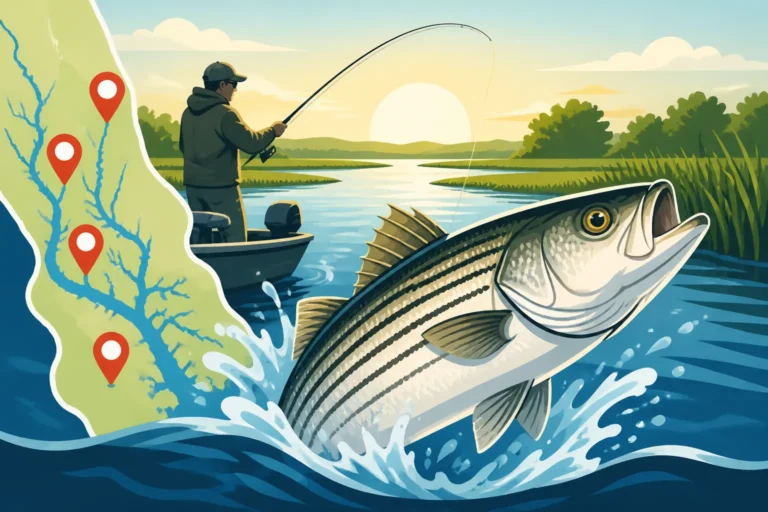
The main San Luis Reservoir is nothing short of colossal. Imagine a lake that can hold over 2 million acre-feet of water, with depths reaching more than 300 feet. This isn't just a big pond; it's practically an inland sea, especially when full. Its primary role is to store water for agricultural and urban use, which means water levels can fluctuate significantly throughout the year, impacting fishing conditions. The shores are often steep, rocky, and can be quite barren, offering limited natural cover. The sheer size, combined with frequent strong winds, can make boating and fishing here a formidable challenge. However, it's precisely this vastness and depth that create prime habitat for some truly impressive fish, particularly the hard-fighting striped bass, which are the undisputed kings of San Luis.
Navigating this large reservoir requires careful attention to weather forecasts, as winds can whip up quickly, turning calm waters into treacherous chop in a matter of minutes. Launching and retrieving boats can also be tricky with fluctuating water levels, sometimes requiring anglers to use specific launch ramps depending on conditions. Anglers often target the main lake for its trophy potential, especially for those larger stripers that roam its deeper, open waters. It’s not uncommon to find schools of baitfish, like threadfin shad and even planted trout, moving through these open areas, drawing in predatory fish.
O'Neill Forebay: A Dynamic, Accessible Alternative
In stark contrast to the main reservoir's vastness, O'Neill Forebay is a much smaller, shallower, and more dynamic body of water. Located directly downstream from the main San Luis Reservoir, it acts as a regulating reservoir, maintaining water levels for the various pumping plants that send water further south. While still a significant body of water in its own right, covering about 2,200 acres, it feels far more manageable than the main lake. Its maximum depth is around 50 feet, making it warm up faster and hold different types of fish.
The Forebay is incredibly popular due to its easier access and diverse fishing opportunities. Unlike the main reservoir, O'Neill Forebay often has more submerged structure, vegetation, and gradual sloping banks, providing excellent habitat for a variety of species. It's connected to the Delta via the California Aqueduct, meaning a constant flow of water and fish moving through. This dynamic environment attracts everything from striped bass – often smaller, more numerous "schoolies" than the main lake – to largemouth bass, smallmouth bass, crappie, catfish, and even some panfish. The winds can still pick up here, but generally, it's a much more forgiving environment for boaters and bank anglers alike. For those looking for consistent action and a wider variety of species, the O'Neill Forebay often delivers, making it a favorite for many local anglers and a great option for families or those new to the area.
Prime Fish Species to Target
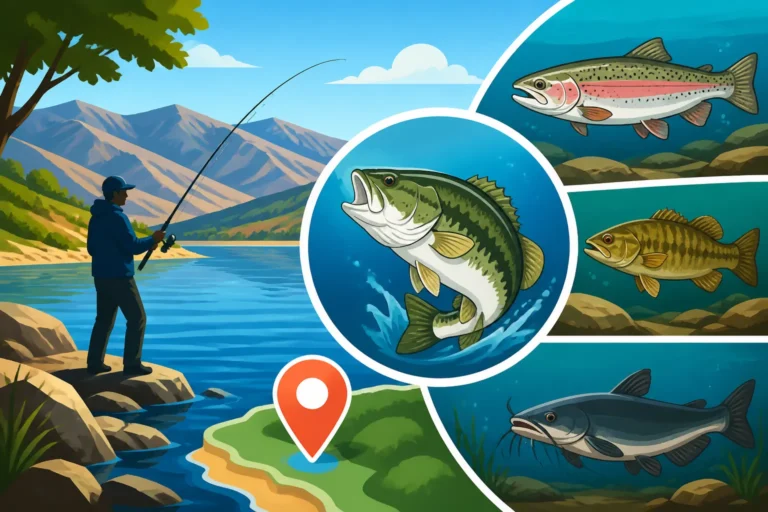
San Luis Reservoir and its interconnected O'Neill Forebay are renowned for their diverse and abundant fish populations. While the main reservoir is a powerhouse for trophy stripers, the Forebay offers a wider variety of freshwater species, ensuring there's something for every angler.
Striped Bass: The Kings of San Luis
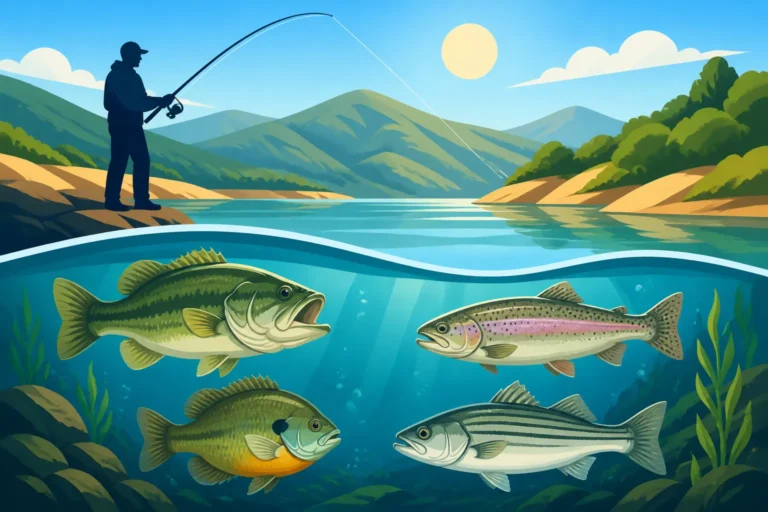
Ah, the striped bass – the reason many anglers flock to San Luis Reservoir! These powerful, hard-fighting fish are without a doubt the most sought-after species here. They thrive in the open, often turbulent waters of the main reservoir, where they chase down schools of baitfish. Stripers in San Luis can grow to impressive sizes, with 20-pounders not uncommon and occasional giants pushing past 40 pounds. The thrill of a big striper hitting your lure or bait is truly exhilarating, providing a fight that will test your tackle and your stamina.
In the main reservoir, stripers are often found suspended in the water column or cruising along underwater points and humps. They're highly migratory within the reservoir, following baitfish wherever they go. In the O'Neill Forebay, while you won't typically find the same trophy sizes, you'll encounter a much higher density of "schoolie" stripers, usually in the 2 to 10-pound range. These smaller fish are fantastic for consistent action and are often targeted by those using lighter tackle or fishing from the bank. The Forebay’s constant water flow and abundant bait make it a perfect feeding ground for these energetic predators. You can learn more about specific regulations for these exciting fish in our guide to California Striped Bass Regulations.
Black Bass: Largemouth and Smallmouth Opportunities
While stripers often steal the spotlight, San Luis and especially O'Neill Forebay offer some fantastic black bass fishing for both largemouth and smallmouth species. These fish prefer structure and cover, making the Forebay's more varied shoreline and submerged features ideal. Largemouth bass tend to be found in the shallower, warmer, and more vegetated areas of the Forebay, hiding amongst tule beds or submerged brush. They are ambush predators, often waiting for unsuspecting prey to swim by.
Smallmouth bass, on the other hand, prefer rocky bottoms, ledges, and areas with current, which are abundant in parts of the O'Neill Forebay and around the riprap of the dam structures. These bronze bombers are known for their feisty, acrobatic fights, often leaping clear of the water when hooked. While not as prevalent in the main San Luis Reservoir due to its lack of traditional bass habitat, dedicated anglers can still find them in the reservoir's few rocky coves or near the dam face, particularly when water levels are high. Getting acquainted with California Bass Fishing Regulations is a good idea before heading out for these species.
Other Notable Species: Crappie, Catfish, and More
Beyond the headliners, San Luis Reservoir and O'Neill Forebay host a healthy population of other species that provide excellent fishing, especially for those looking for a diverse catch or a more relaxed experience.
Crappie are a popular target, particularly in the O'Neill Forebay. They tend to school up around submerged brush, timber, or artificial structures like bridge pilings. They're known for their delicious white meat and can provide fast action when you locate a school. Their bite can be subtle, but once you find them, you can often catch several in a short amount of time.
Catfish, primarily channel catfish, are abundant in both bodies of water, though they are more consistently targeted in the O'Neill Forebay. These bottom dwellers are less particular about water conditions and can be caught year-round, often providing a strong fight and excellent table fare. They congregate in deeper holes, near channels, or along the bottom in areas with slower current.
You might also encounter various panfish like bluegill or sunfish, especially in the shallower, calmer coves of the Forebay, perfect for introducing kids to fishing. Occasionally, planted trout, usually rainbow trout, are stocked in the Forebay, particularly during the cooler months, offering an additional angling opportunity. While not a primary trout destination, these fish can provide unexpected fun.
Top Fishing Spots and Access Points
Knowing where to drop a line can make all the difference at San Luis Reservoir. Both the main reservoir and O'Neill Forebay have their own unique hot spots and access considerations.
Productive Areas in the Main San Luis Reservoir
Fishing the main San Luis Reservoir is often about finding structure and bait in a vast open water environment. Points, humps, and submerged rock piles are key features where stripers ambush baitfish. One of the most consistent areas is along the face of the San Luis Dam itself. The riprap and deep water here provide excellent habitat for larger stripers, especially when water is being released or pumped. Jigging or trolling deep-diving lures along the dam face can be highly effective.
Another prime location is the "Trash Racks" area near the pumping plant intake. While access might be restricted very close to the infrastructure, the surrounding waters often hold large schools of stripers waiting for baitfish to be pulled through the grates. Look for deep drop-offs and current breaks here. The large submarine island that becomes visible during lower water levels is also a hotspot, as are the various underwater canyons and old roadbeds that crisscross the reservoir floor. Identifying these structures often requires good sonar and GPS mapping. The challenge is that these spots can be spread out, requiring a good boat and patience to locate fish. For those considering a guided trip on this massive lake, a platform like FishingBooker can help you find experienced guides who know these secret spots.
Hotspots and Bank Access on O'Neill Forebay
The O'Neill Forebay is much more angler-friendly, offering numerous productive spots and easier bank access.
- San Luis Creek Inlet/Outlet: This area, particularly where San Luis Creek feeds into the Forebay (or where water is released from the main reservoir), is a perennial hotspot. The moving water attracts stripers, both schoolies and sometimes larger ones, as well as catfish and various baitfish. Anglers often flock to the banks around the bridge crossings here.
- Highway 33 Bridge Area: The pilings and riprap associated with the Highway 33 bridge provide excellent structure for black bass, crappie, and stripers. Fishing around the shadows and current breaks can be very effective. This area also offers good bank access for those without boats.
- Medieros Day Use Area & Portuguese Beach: These are popular spots for bank anglers, offering relatively easy access to the water. The shallower waters here can hold largemouth bass, especially in areas with emergent vegetation, and are also good for catfish and panfish. Schoolie stripers will often cruise these shallower flats, especially during low light conditions.
- The Aqueduct Junction: Where the California Aqueduct connects to the Forebay, there's always a lot of action. The constant flow of water and bait fish moving in and out makes this a magnet for all species, particularly stripers and catfish. This is another area where shore anglers can find success.
- Dinosaur Point Launch Ramp: While primarily a boat launch, the surrounding banks and nearby coves can offer good fishing for various species, especially largemouth bass and crappie in calmer, shallower sections.
Remember, water levels in both the main reservoir and Forebay can change quickly, affecting access points and how fish relate to structure. Always check current conditions before you go.
Effective Fishing Techniques
Fishing San Luis Reservoir and O'Neill Forebay demands a versatile approach. The techniques you use will largely depend on your target species and which body of water you're fishing. Being adaptable is key to success on these dynamic waters.
Trolling for Striped Bass
Trolling is arguably the most consistent and popular method for targeting striped bass, especially the larger ones, in the main San Luis Reservoir. Given the vastness of the lake, trolling allows you to cover large amounts of water efficiently, seeking out schools of baitfish and the stripers that follow them.
- Lures of Choice: Deep-diving crankbaits are a staple for trolling. Popular choices include Rapala Down Deep Husky Jerks, Bombers, Cordell Redfins, and various Lucky Craft Pointer models. Color patterns that imitate threadfin shad or planted trout (silver, blue/silver, trout patterns) are often effective. Umbrella rigs with various swimbaits or tube lures are also incredibly productive, mimicking a school of baitfish.
- Depth and Speed: The key to successful trolling is getting your lures to the right depth where the fish are holding. This often means trolling at depths from 20 to 60 feet, sometimes even deeper. Downriggers are invaluable tools for precise depth control, especially when fish are suspended. Trolling speeds typically range from 2.5 to 4.5 miles per hour, but it's crucial to experiment. Sometimes a slight increase or decrease in speed can trigger a strike. Pay attention to your fish finder; if you see bait or fish at a certain depth, adjust your presentation accordingly.
- Location and Pattern: Focus your trolling efforts along prominent points, over submerged humps, along old river channels, and especially near the dam face or around the trash racks. Don't be afraid to make wide turns or zig-zag patterns, as this can often vary the depth and action of your lures, enticing a hesitant striper to strike.
Bait Fishing Strategies
Bait fishing is a time-honored tradition and remains highly effective for a wide range of species in both the main reservoir and O'Neill Forebay, particularly for stripers, catfish, and crappie.
- Anchoring Up: For stripers and catfish, finding a good spot and anchoring is a solid strategy. In the Forebay, target areas near points, channels, or the aqueduct connections. In the main reservoir, look for subtle underwater humps or ledges.
- Live Bait: Live bait is king for stripers. Large shiners, anchovies, sardines, or even small trout (if legal and sourced properly) fished on a Carolina rig or under a bobber can be irresistible. Hook them through the nose or back, allowing them to swim naturally. For catfish, nightcrawlers, cut bait (like mackerel or anchovies), or prepared stink baits are excellent choices.
- Still Fishing: For crappie and panfish, small live minnows or pieces of nightcrawler fished under a slip bobber near submerged brush or structure can produce fast action. A simple crappie jig tipped with a minnow is also deadly. In the Forebay, target the calmer coves and areas with tules for these species.
- Chumming: While not always necessary, light chumming with diced anchovies or corn can sometimes draw in fish, particularly stripers and catfish, around your anchored position. Just be mindful of local regulations regarding chumming.
Lure Casting and Jigging
Lure casting and jigging are dynamic, active forms of fishing that can be incredibly rewarding, especially for black bass and aggressive stripers.
- For Black Bass: In the O'Neill Forebay, casting a variety of lures is the way to go for largemouth and smallmouth bass.
- Spinnerbaits and Crankbaits: These are great for covering water and targeting active fish, especially around submerged grass or rocky points. Match the size and color to the prevalent baitfish.
- Soft Plastics: Senkos, Texas-rigged worms, creature baits, and drop-shotted plastics are deadly when fished around cover, structure, or along riprap. They excel at imitating crawfish or small baitfish.
- Topwater Lures: During low-light conditions or when fish are actively feeding on the surface, topwater poppers, walk-the-dog lures, and frogs can provide explosive strikes.
- For Striped Bass: Both casting and jigging can be highly effective for stripers in both the main reservoir and the Forebay.
- Spoons and Jigs: Heavy Kastmasters, Rattle Traps, and various bucktail jigs or swimbaits on lead heads are excellent for jigging vertically over fish found on your sonar or casting to schooling fish. Look for birds diving or active surface boils – this is when casting spoons or topwater plugs can result in immediate hook-ups.
- Swimbaits: Soft plastic swimbaits, particularly those resembling shad or trout, rigged on weighted swimbait hooks or jig heads, can be cast and retrieved effectively to mimic injured baitfish. Consider brands like Keitech or Warbaits.
- Ripbait/Jerkbait: Lures like the Lucky Craft Pointer 100 or Duo Realis 120SP can be cast and retrieved with a jerk-pause retrieve, mimicking an injured baitfish, and are particularly effective for active stripers. You can often find guides on FishingBooker who specialize in these lure-based techniques.
Whether you prefer the methodical approach of trolling, the relaxed anticipation of bait fishing, or the active engagement of lure casting, San Luis Reservoir offers ample opportunities to practice and perfect your favorite methods.
Best Times to Fish San Luis Reservoir
Timing is everything when it comes to fishing San Luis Reservoir and O'Neill Forebay. The seasons, time of day, and even weather conditions can dramatically influence your success. Understanding these patterns will help you plan your trip for optimal results.
Seasonal Fishing Overview
California's varied climate means that fishing at San Luis changes significantly throughout the year.
- Spring (March – May): This is often considered one of the prime times to fish, especially for striped bass. As water temperatures begin to rise, stripers become more active and aggressive, moving into shallower areas to feed and prepare for spawning runs into the Delta. The O'Neill Forebay can be particularly hot during spring for both stripers and black bass. Largemouth and smallmouth bass will be in their pre-spawn and spawning phases, making them accessible in shallower waters near cover. This is also a great time for crappie as they move into shallower coves to spawn.
- Summer (June – August): While hot, summer still offers good fishing, particularly for stripers and catfish. Stripers in the main reservoir will often move deeper to find cooler water, making trolling and deep jigging more effective. Early mornings and late evenings are key for surface activity. In the O'Neill Forebay, bass fishing can be challenging during the day due to high heat, but topwater action at dawn and dusk can be fantastic. Catfish remain active throughout the summer, often biting well into the night. Check out our California Fishing in Summer guide for broader tips.
- Fall (September – November): Another excellent season for fishing. As temperatures cool, stripers become very active again, often feeding aggressively in preparation for winter. This can lead to incredible surface boils and opportunities for casting lures to schooling fish. Black bass fishing also picks up as they become more active before the winter slowdown. The fall bite can be some of the best of the year, especially for trophy stripers in the main lake.
- Winter (December – February): Winter fishing can be tough due to cold temperatures and often stormy weather, but it can also produce some of the biggest fish. Large stripers in the main reservoir will hold deep, requiring patient trolling or jigging. Black bass become lethargic but can be caught with slow presentations like jigs or drop-shot rigs in the Forebay. Catfish are generally slower but still catchable on bait. Those who brave the cold can be greatly rewarded with a trophy catch. Our California Fishing in Winter guide has more details for cold-weather angling.
Daily Rhythms and Weather Factors
Beyond the seasons, daily timing and weather play a huge role in your success.
- Time of Day:
- Dawn and Dusk: These low-light periods are almost universally the best times to fish for most predatory species. Stripers and black bass often move into shallower water to feed, and surface activity is most common. This is when topwater lures can shine.
- Mid-Day: Can be slower, especially in summer heat. For stripers, this means going deeper with trolling or jigging. For bass, targeting heavy cover or deep structure is key. Catfish are less affected by bright sun and can bite throughout the day.
- Night Fishing: Particularly effective for catfish and sometimes for stripers in the O'Neill Forebay during summer. The cooler temperatures and reduced boat traffic can make for a peaceful and productive experience.
- Weather and Wind: San Luis Reservoir is infamous for its wind.
- Windy Conditions: While challenging, wind can often be your friend. A light to moderate chop breaks up the surface, making fish feel more secure and less wary of boats. It also creates current and concentrates baitfish, often triggering a striper bite. However, strong winds (20+ mph) can make the main reservoir extremely dangerous and are best avoided. Always check the forecast before heading out.
- Clear vs. Cloudy Skies: Overcast days can extend the prime bite beyond dawn and dusk, as fish remain active in lower light conditions. Bright, sunny days often push fish deeper or into heavier cover.
- Water Levels and Flow: Since San Luis is a pumped-storage reservoir, water levels and flow rates are constantly changing. Incoming or outgoing water often creates current, which can trigger feeding frenzies for stripers in the Forebay. Pay attention to reports from the Department of Water Resources or local bait shops regarding water movement.
To truly master the timing, always consult local fishing reports, chat with bait shop owners, and even check online resources like FishingBooker for recent guide reports. They often have the most up-to-date information on what's biting and where.
Essential Regulations and Licensing
Navigating the rules and regulations is a non-negotiable part of fishing anywhere in California, and San Luis Reservoir is no exception. Ignorance of the law is not an excuse, and a little preparation can save you a lot of hassle and potential fines.
California Fishing License Requirements
Before you even think about casting a line, you need a valid California fishing license. This isn't just a suggestion; it's a legal requirement for anyone 16 years of age or older.
- Who Needs One: Every angler aged 16 and above must possess a current sport fishing license.
- Where to Get It: You can purchase a license online through the California Department of Fish and Wildlife (CDFW) website, or in person at approved license agents, which include most bait and tackle shops, as well as many sporting goods stores like Big 5 Sporting Goods or Walmart. For more details, refer to our comprehensive How to Buy a California Fishing License Online guide.
- Types of Licenses: Options range from annual resident and non-resident licenses to short-term licenses (1-day or 2-day) perfect for visitors or those just trying fishing out. There are also reduced-fee licenses available for seniors, disabled veterans, and low-income individuals. Our guide on California Fishing License Cost breaks down the various options.
- Displaying Your License: Your license must be in your immediate possession while fishing. If it's a physical license, it should be displayed where visible, typically on an outer garment, or readily available for inspection. For digital licenses, make sure your phone is charged and the license is accessible.
Bag and Size Limits for Key Species
Beyond the license, understanding the specific bag and size limits for the fish you plan to target is critical. These regulations are designed to ensure sustainable fish populations for future generations.
- Striped Bass: Regulations for striped bass can vary, but typically there's a minimum size limit and a daily bag limit. For instance, common regulations might require stripers to be at least 18 inches total length, with a daily bag limit of 2 fish. However, these numbers can change, so always check the most current regulations. This is vital, especially for a popular species like the striper. You'll find specific details in our California Striped Bass Regulations article.
- Black Bass (Largemouth, Smallmouth, Spotted): California generally has consistent regulations for black bass. Typically, there's a minimum size limit (e.g., 12 inches) and a daily bag limit (e.g., 5 fish in combination). These rules are in place to protect the breeding stock and promote healthy fisheries. Our California Bass Fishing Regulations covers all the specifics.
- Crappie and Catfish: Crappie usually have a generous bag limit (e.g., 25 fish), with no minimum size limit, allowing for good numbers of pan-sized fish. Catfish also tend to have a larger bag limit (e.g., 25 fish) and no minimum size. These species are often targeted for their eating quality and consistent action.
- General Rule: Always consult the current California Freshwater Sport Fishing Regulations booklet, available online from CDFW or at license agents, before each trip. Regulations can change annually or even mid-season, especially for sensitive species or in response to environmental conditions. It’s your responsibility to know and abide by these rules.
Special Considerations: Report Cards and Protected Areas
While San Luis Reservoir itself is not a Marine Protected Area (MPA), there are other important rules to be aware of.
- Report Cards: Although not typically required for the common species in San Luis, certain anadromous species like Steelhead or Sturgeon require a report card in California. If you ever plan to fish for these, even if they're incidental catches, you'll need the appropriate report card. Our California Fishing Report Cards Explained guide provides more information on this.
- Barbless Hooks: In some specific waters, barbless hooks may be required, particularly in areas managed for catch-and-release or for specific trout fisheries. While not universally mandated for San Luis, it's a good practice to use them, especially if you plan on releasing fish.
- Invasive Species: California is very vigilant about preventing the spread of invasive species. Always inspect, clean, and dry your boat, trailer, and fishing gear thoroughly between outings to prevent transferring aquatic invasive species from one body of water to another.
By adhering to these regulations, you're not only staying on the right side of the law but also contributing to the health and sustainability of California's incredible fisheries.
Planning Your San Luis Reservoir Adventure
A successful fishing trip to San Luis Reservoir goes beyond just knowing where and how to fish. Proper planning, from gear selection to safety measures, will make your experience much more enjoyable and productive.
Essential Gear and Tackle
Given the diverse fishing opportunities and potential for large, powerful fish, having the right gear is paramount.
- Rods and Reels:
- For Striped Bass: You'll want medium-heavy to heavy casting or spinning rods, typically 7 to 8 feet long, capable of handling 15-30 lb line. Pair these with robust reels (e.g., Abu Garcia Revo Toro Beast for casting, or a Shimano Saragosa for spinning) that have smooth drags and ample line capacity. A 5000-6000 size spinning reel or a low-profile baitcaster designed for larger baits works well.
- For Black Bass: Medium to medium-heavy rods (6'6" to 7'6") with matching baitcasting or spinning reels (2500-4000 size) are ideal. Lighter tackle allows for better presentation of plastics and smaller lures.
- For Panfish/Catfish: A medium-light spinning rod with a 2000-2500 size reel is perfect for crappie and smaller catfish.
- Line:
- Braided Line: Highly recommended for its strength, sensitivity, and minimal stretch. Use 30-50 lb braid for stripers, 15-30 lb for black bass.
- Fluorocarbon Leader: Crucial for invisibility and abrasion resistance. Attach a 15-30 lb fluorocarbon leader (depending on target and water clarity) to your main braided line.
- Monofilament: Can be used as a main line for catfish or panfish (8-15 lb) or as a leader when more stretch is desired.
- Lures and Bait:
- Stripers: Deep-diving crankbaits (Rapala, Bomber), umbrella rigs, heavy spoons (Kastmaster), large swimbaits, bucktail jigs, and live bait (shiners, anchovies).
- Black Bass: Senkos, Texas-rigged worms, swimbaits, crankbaits, spinnerbaits, jigs, topwater lures.
- Catfish: Cut bait (mackerel, anchovies), nightcrawlers, prepared stink baits.
- Crappie: Small jigs, live minnows, crappie tubes.
- Terminal Tackle: Assorted hooks (worm hooks, circle hooks for bait), swivels, sinkers (Carolina rig weights, drop-shot weights), pliers, line cutters.
- Nets: A large, sturdy landing net with a long handle is indispensable for landing big stripers, preventing lost fish and injuries.
Boating and Safety Considerations
Boating on San Luis Reservoir, especially the main lake, requires respect for its immense size and potential for dangerous conditions.
- Boat Size and Type: For the main reservoir, a boat at least 18-20 feet long with a deep-V hull is highly recommended for safety and comfort, as winds can whip up significant chop. For the O'Neill Forebay, smaller boats, kayaks, and even float tubes can be used, but still be mindful of wind.
- Safety Gear: This is non-negotiable. Always have sufficient life jackets for everyone on board (worn by children 12 and under, and often by all in rough conditions), a fully charged marine radio or cell phone (with a waterproof case), signaling devices (flares, whistle), a first-aid kit, and an anchor with enough rode.
- Navigation: GPS and a reliable fish finder are invaluable. The main reservoir has complex underwater topography. Knowing how to navigate safely and locate fish-holding structure is crucial.
- Weather Watch: Constantly monitor weather forecasts before and during your trip. Winds can increase rapidly, making the main reservoir extremely hazardous for all boat sizes. If conditions deteriorate, head for safety immediately.
- Fuel: Carry enough fuel for your trip, plus a reserve. Distances can be deceiving on the main reservoir, and a breakdown far from a ramp is a serious problem.
- Launch Ramps: Check current water levels and available launch ramps before heading out. San Luis has several ramps, but not all are usable at all water levels. Dinosaur Point is a popular one for the main lake, while the San Luis Creek or Medeiros ramps are common for the Forebay.
Amenities and Local Resources
Knowing where to grab bait, fuel, or a bite to eat can simplify your trip.
- Bait and Tackle Shops: The closest reliable bait and tackle shops are typically found in nearby towns like Santa Nella or Los Banos. They'll have current local knowledge, bait, and often the specific lures that are working.
- Food and Lodging: Santa Nella, located right off I-5 near the reservoir, offers several hotels, motels, and restaurants. It's a convenient base for exploring the area. There are also camping facilities available at San Luis Reservoir State Recreation Area.
- Marinas and Fuel: The main reservoir has limited marina facilities. Plan to fuel up in Santa Nella or Los Banos before launching. The O'Neill Forebay has facilities for launching, but fuel and provisions are best sourced nearby.
- Local Guides: For those unfamiliar with the massive and often challenging waters of San Luis, hiring a local fishing guide can drastically improve your success and safety. A good guide will know the current hot spots, best techniques, and crucial safety information. Platforms like FishingBooker are excellent for finding reputable guides specializing in San Luis Reservoir fishing, making it easy to book a trip with an expert. This can be especially helpful if you’re trying to specifically target trophy stripers.
By taking the time to plan, prepare your gear, prioritize safety, and leverage local knowledge, your fishing adventure at San Luis Reservoir is sure to be a memorable one.
San Luis Reservoir Species & Tactics
Here's a quick overview to help you decide what to target and how to approach it:
| Species | Primary Location | Best Seasons | Key Techniques | Recommended Bait/Lures | Avg. Size Range (lbs) |
|---|---|---|---|---|---|
| Striped Bass | Main Reservoir, Forebay | Spring, Fall | Trolling, Jigging, Bait | Crankbaits, Umbrella Rigs, Swimbaits, Live Shad/Shiners | 2-15 (Forebay), 5-40+ (Main) |
| Largemouth Bass | O'Neill Forebay (shallow) | Spring, Fall | Casting, Flipping/Pitching | Senkos, Frogs, Spinnerbaits, Jigs, Swimbaits | 1-8 |
| Smallmouth Bass | O'Neill Forebay (rocky) | Spring, Fall | Casting, Drop-shot, Jerkbaits | Tubes, Grubs, Small Crankbaits, Live Minnows | 1-4 |
| Channel Catfish | O'Neill Forebay, Main Res. | Spring, Summer, Fall | Bait Fishing | Cut Bait (Mackerel), Nightcrawlers, Stink Baits | 2-20+ |
| Black Crappie | O'Neill Forebay (structure) | Spring | Jigging, Bait Fishing | Small Jigs, Live Minnows, Crappie Tubes | 0.5-2 |
| Rainbow Trout | O'Neill Forebay (stocked) | Winter, Spring | Trolling, Bait Fishing | PowerBait, Worms, Small Spoons, Troll Baits | 1-3 |
Disclaimer
Fishing conditions and regulations in California can change frequently. Always consult the latest California Department of Fish and Wildlife (CDFW) regulations booklet or website before heading out. This guide provides general information and recommendations, but it is the angler's responsibility to adhere to all current local, state, and federal laws and safety guidelines.