Redondo Beach Pier Fishing Guide
There’s nothing quite like the salty air, the distant sound of crashing waves, and the hopeful cast of a line into the big blue, but sometimes figuring out where to go in a place as vast as California can feel overwhelming. You’re looking for a spot that’s accessible, family-friendly, and offers a real chance to hook into something exciting without needing a full-blown boat trip. This guide is all about one of those quintessential Southern California gems: Redondo Beach Pier. We're going to dive deep into what makes it such a special place for anglers of all skill levels, from the absolute beginner to the seasoned local, so you can confidently plan your next fishing adventure.
Why Redondo Beach Pier is a Local Favorite and What to Expect
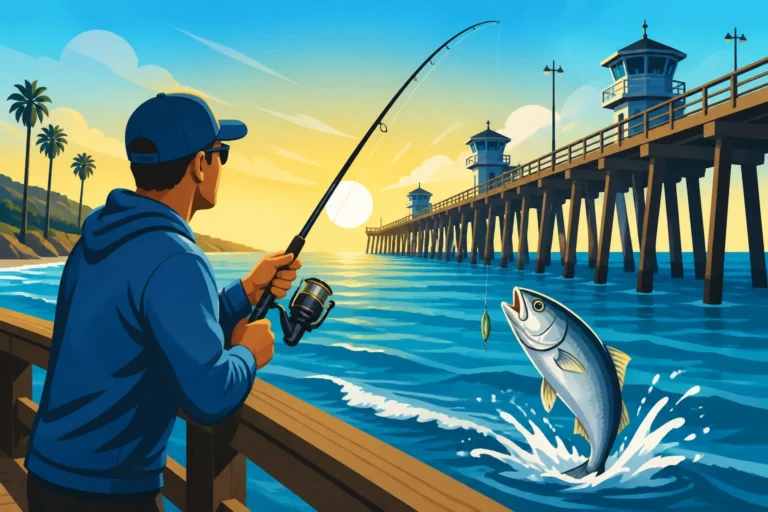
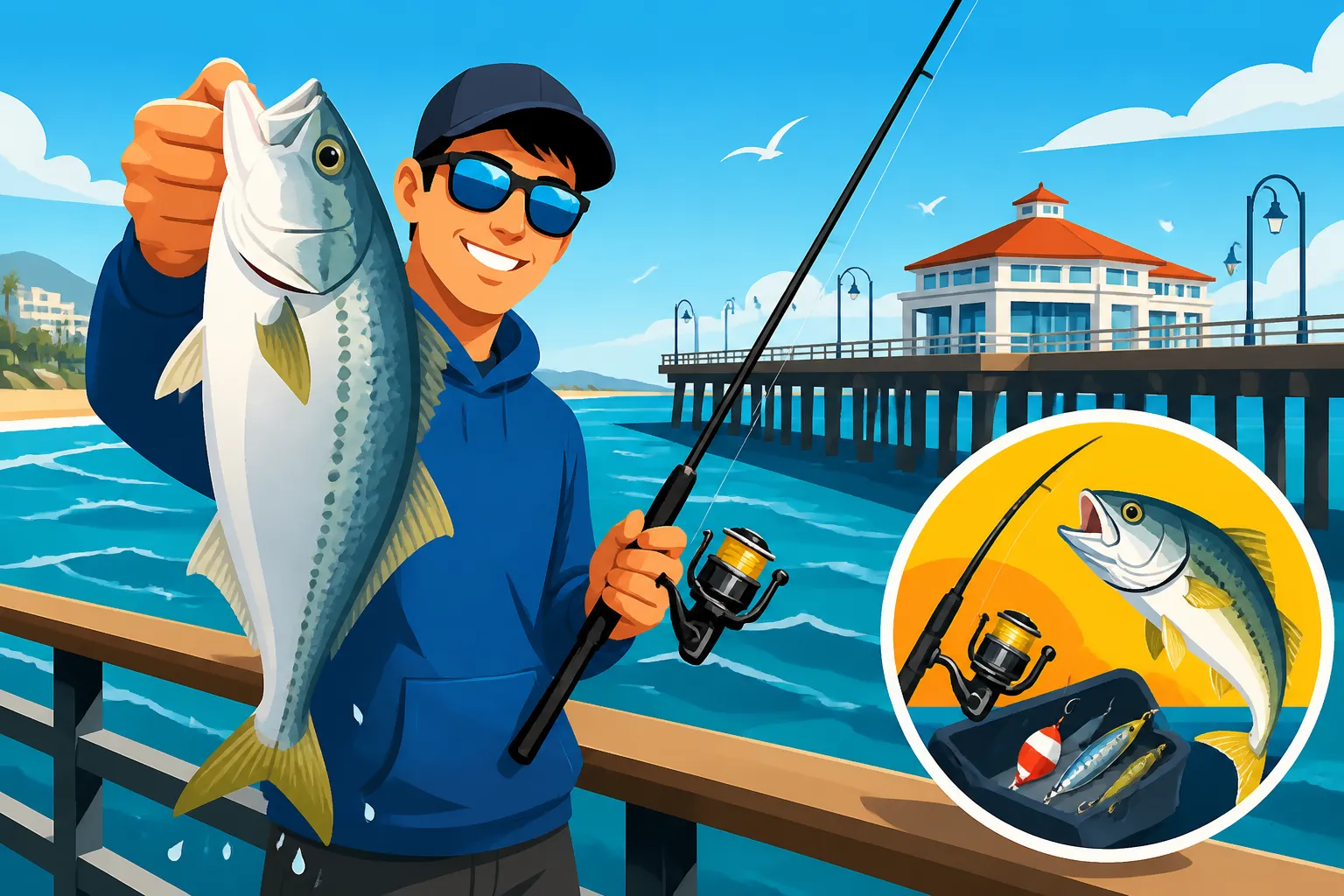
Redondo Beach Pier isn't just a place to fish; it's an experience. Unlike some of the more rugged or remote fishing destinations in California, this pier offers a fantastic blend of easy access, diverse fishing opportunities, and a vibrant atmosphere. You'll find families strolling, folks enjoying fresh seafood at the restaurants, and, of course, plenty of anglers lining the rails, each hoping for that telltale tug on their line. It’s a truly iconic California landmark that calls to anyone looking for a relaxed day by the ocean.
The Laid-Back Vibe and Accessibility
One of the biggest draws of Redondo Beach Pier is its welcoming, laid-back atmosphere. You don't need to be an expert angler to feel comfortable here. It's a place where you can learn, observe, and simply enjoy being out on the water. The pier is incredibly accessible, with ample parking nearby, though it can fill up quickly on busy weekends and during peak season. You'll find restrooms, bait and tackle shops right on the pier itself, and even a few spots to grab a bite if the fish aren't biting as much as your stomach is grumbling. This convenience takes a lot of the stress out of planning a fishing trip, especially if you're bringing kids or new anglers along. It’s a far cry from struggling to find remote access points or navigating tricky shorelines.
You'll quickly notice the mix of people: seasoned regulars with their trusty setups, tourists trying their hand at pier fishing for the first time, and local families enjoying a day out. There's a real community feel to it. People are generally friendly and often willing to share tips or even a spare hook if you’re in a pinch. It truly embodies the spirit of public access fishing that many of us cherish. Before you head out, it's always a good idea to refresh your knowledge on the general guidelines, so checking out resources like our guide on Fishing from a Pier in California: Rules can be super helpful.
General Species You're Likely to Encounter
Redondo Beach Pier offers a surprisingly diverse array of fish species throughout the year, largely due to its location on the Southern California coast. You're not just limited to one type of fish here, which keeps things interesting!
Here's a quick rundown of some common catches:
| Species | Common Size (Avg) | Best Season | Typical Bait/Lure | Notes |
|---|---|---|---|---|
| Pacific Mackerel | 8-15 inches | Year-round | Sabiki, cut bait, small jigs | Abundant, great for beginners |
| Sardines | 6-10 inches | Year-round | Sabiki, tiny hooks with bait | Excellent live bait, can be schooling |
| Pacific Bonito | 1-5 lbs | Spring-Fall | Live bait, shiny lures, jigs | Strong fighters, can run in schools |
| Barred Surfperch | 8-14 inches | Year-round | Sand crabs, Gulp! bait, worms | Bottom dwellers, common catch |
| Calico Bass | 1-3 lbs | Spring-Fall | Live bait, plastics, jigs | Near kelp/structure, good sport fish |
| Halibut (California) | 5-20 lbs | Spring-Fall | Live bait (sardine, mackerel), swimbaits | Prized catch, often found on the bottom |
| White Croaker | 10-18 inches | Year-round | Cut bait, squid, worms | Very common, but often considered "trash fish" |
| Leopard Shark | 3-5 ft | Year-round | Cut bait (mackerel, squid) | Often caught at night, require heavy gear |
Beyond these, you might also run into bat rays, thornback rays, small sharks, and even the occasional barracuda during warmer months. Understanding the local fish habits can definitely increase your chances. For instance, if you're hoping for halibut, knowing the California Halibut Size and Bag Limits is crucial, and having the right bait, like what's suggested in our guide on Best Bait for California Halibut, makes a huge difference.
What to Know About Pier Rules and Amenities
Fishing from Redondo Beach Pier, like all piers in California, comes with a fantastic benefit: you typically don't need a California fishing license to fish from a public pier. This is a huge relief for many casual anglers or visitors who just want to try it out without the commitment of purchasing a license. However, there are some nuances. If you plan to leave the pier and fish from a boat or kayak nearby, or if you're fishing from the beach, then a license is required. It’s always smart to double-check the current rules, perhaps with a quick glance at our California Pier Fishing License Rules article. Also, while a general license isn't usually needed, if you're targeting certain species like spiny lobster, you'll need the appropriate report card.
The pier itself is well-equipped for anglers. There are bait and tackle shops like Redondo Pier Sportfishing, which can supply you with live bait, frozen bait, tackle, and even rent rods if you don't have your own. Having these resources right there means you don’t have to haul everything from home or worry if you forgot something crucial. Beyond fishing supplies, you'll find plenty of restaurants, snack shops, and public restrooms, making it easy to spend an entire day out on the water. This also means it can get quite busy, especially on sunny weekends. Always be mindful of your surroundings and other pier-goers, keeping your lines clear and your area tidy.
Essential Gear and Bait for Redondo Beach Pier
One of the beautiful things about pier fishing at Redondo is that you don't need a ton of fancy, expensive gear to have a successful day. In fact, keeping it simple often works best. The key is to have reliable equipment that can handle the saltwater environment and the diverse species you're likely to encounter.
Rods, Reels, and Line: Keeping it Simple
For general pier fishing at Redondo, a medium-action spinning rod around 7 to 9 feet in length is an excellent all-around choice. This length gives you enough casting distance to reach deeper water or structure around the pier, while still being manageable in a crowded setting. Pair that with a reliable spinning reel in the 3000 to 5000 size range, spooled with 10-20 lb monofilament or braided line. Monofilament is more forgiving and easier for beginners to manage, while braid offers better sensitivity and casting distance.
A great option for many anglers is a setup like a Penn Battle III combo or a Daiwa BG series reel paired with a matching rod. These are workhorse setups that are durable enough for saltwater and won't break the bank. You don't need heavy-duty offshore gear unless you're specifically targeting larger sharks or rays, which require a much more robust setup. Remember, fishing here is often about finesse and understanding the water column, not brute force. If you're considering expanding your fishing horizons beyond the pier, checking out options for a California Fishing License Guide would be a smart next step.
Baits and Lures That Get Bites
This is where the rubber meets the road! The right bait can make all the difference. For Redondo Beach Pier, versatility is key, as different species prefer different offerings.
- Live Bait: This is often king for many of the predatory species. Live sardines and anchovies are absolute killers for halibut, bonito, barracuda, and even larger bass. You can often buy these fresh at the bait shop on the pier or catch your own with a sabiki rig.
- Cut Bait: Mackerel, squid, and anchovy strips are fantastic for bottom fishing. These work wonders for surfperch, croakers, small sharks, and rays. Squid is particularly hardy and stays on the hook well, making it a favorite for many pier anglers.
- Artificial Lures: Small, shiny spoons, Kastmasters, and MegaBaits can be very effective for schooling fish like mackerel and bonito. Soft plastics, especially grub tails or small swimbaits in natural colors (grub, brown, white), are great for calico bass and can entice halibut if fished slowly along the bottom.
When you're looking for bait, local pier bait shops, like the one directly on Redondo Pier, are your best bet. They typically have the freshest live bait and a good selection of frozen and artificial options that are proven to work in the area. You can also explore options on platforms like FishingBooker to find local guides who often share their insights on what baits are currently hot.
Tackle Box Staples for Pier Success
Your pier fishing tackle box doesn't need to be overflowing, but there are a few essential items you'll want to have on hand:
- Hooks: A variety of hook sizes, from small #6 or #4 for mackerel and sardines, up to larger 1/0 to 4/0 for halibut or larger bait. Circle hooks are excellent for live bait and aid in catch-and-release by reducing gut-hooking.
- Sinkers/Weights: Pyramid, egg, or torpedo weights ranging from 1/2 oz to 2 oz will cover most situations. The amount of current and desired casting distance will dictate the weight you choose.
- Swivels and Leaders: Barrel or snap swivels (size 7-10) help prevent line twist. Fluorocarbon leader material (15-30 lb test) is nearly invisible underwater and can be crucial for finicky fish like halibut.
- Sabiki Rigs: These multi-hook rigs are a must-have for catching your own live bait (mackerel, sardines, anchovies). They're incredibly effective and turn bait catching into its own fun activity.
- Pliers: Essential for removing hooks, cutting line, and crimping weights. Saltwater-specific pliers are a good investment.
- Net or Gaff: A long-handled pier net is critical for landing larger fish safely. Trying to hoist a big halibut up onto the pier with just your line is a recipe for disaster. Gaffs are generally reserved for very large fish and should be used with caution and experience.
- Measuring Tape: Crucial for ensuring your catch meets legal size limits. Ignorance of the law is no excuse, and wardens do patrol the piers. Keep an eye on our California Fishing Bag and Size Limits guide.
A small cooler with ice, sunscreen, a hat, and plenty of water are also non-negotiable for a comfortable day on the pier. You're out in the elements, after all!
Top Techniques for Fishing Redondo Beach Pier
Successful pier fishing isn't just about having the right gear; it's about understanding and applying the right techniques for the species you're targeting and the conditions of the day. Redondo Beach Pier offers various opportunities depending on where you set up and what you're hoping to catch.
Bottom Fishing for Perch and Halibut
Bottom fishing is arguably the most common and often the most productive method at Redondo Beach Pier. This technique targets species that feed near the seafloor, such as surfperch, croakers, and the highly sought-after California halibut.
To set up for bottom fishing, you'll typically use a Carolina rig or a high-low rig.
- Carolina Rig: This is fantastic for halibut. Thread an egg sinker (1/2 oz to 1 oz) onto your main line, then tie on a swivel. To the other end of the swivel, attach a 2-3 foot fluorocarbon leader (15-25 lb test) and a 1/0 to 3/0 circle hook. Bait it with a live sardine or anchovy, or a tempting cut bait like mackerel or squid. Cast it out, let it sink to the bottom, and slowly retrieve, pausing often. Halibut will often hit a bait that's moving slowly or lying still, mimicking a struggling baitfish.
- High-Low Rig: This rig is excellent for surfperch, croaker, and other smaller bottom dwellers. It consists of two hooks tied at different heights above a sinker (1/2 oz to 1.5 oz) at the very bottom. This allows you to present two baits simultaneously at different depths, increasing your chances. Bait with pieces of lugworm, bloodworm, small strips of squid, or Gulp! sandworms. Cast out and let it sit, occasionally giving it a gentle twitch to attract attention. For specific tactics, our California Surfperch Fishing Guide offers even more detailed tips.
Remember that structure under the pier, like pilings and submerged debris, often holds fish. Casting near these areas can be productive, but also be prepared for snags.
Targeting Mackerel and Sardines with Sabiki Rigs
If you're looking for fast action, or need to catch live bait for larger predators, a sabiki rig is your best friend. Mackerel and sardines often school heavily around the pier, especially in the mornings or evenings, and are relatively easy to catch.
A sabiki rig consists of a main line with multiple small hooks (usually 4-6) dressed with shiny skin or feathers, designed to imitate small baitfish. You attach a small sinker (1/2 oz to 1 oz) to the bottom of the rig.
- Technique: Cast the sabiki rig out and let it sink. Once it's down, use a jigging motion – a quick lift of the rod tip followed by a slow drop. The movement makes the small lures "swim," attracting schools of baitfish. When you feel a bite, or multiple bites, reel in steadily. It's not uncommon to catch two, three, or even more mackerel on a single retrieve! This is a fantastic technique for kids or new anglers as the action can be nearly constant. These species are also great for human consumption, so don't hesitate to take a few home for dinner. For broader seasonal advice, consult our California Fishing Seasons: Month-by-Month Guide.
Seasonal Opportunities: Barracuda and Bonito
While bottom dwellers and baitfish are year-round staples, Redondo Beach Pier also offers exciting seasonal opportunities for more aggressive, pelagic species like barracuda and bonito, especially during the warmer months (typically spring through fall).
- Barracuda: These toothy predators patrol the waters around the pier. They are drawn to fast-moving, shiny lures. Long, slender spoons like Kastmasters or ColtSnipers in silver or blue/silver patterns, retrieved quickly, can trigger aggressive strikes. Small swimbaits or even live mackerel (if you can catch them) fished under a bobber can also be effective. Be sure to use a wire leader if targeting 'cuda, as their sharp teeth will easily cut through monofilament or fluorocarbon.
- Bonito: Known for their speed and hard fights, bonito are a blast on light tackle. They also respond well to fast retrieves with shiny lures. Small jigs, Krocodiles, or even trolling spoons (if you're using a cast-and-retrieve method) are excellent. Look for signs of schooling baitfish on the surface, as bonito are often right underneath them. Fishing platforms like FishingBooker sometimes feature reports from local captains that can give you a heads-up on when these species are running hot.
These faster-moving species often require you to be more active in your fishing, constantly casting and retrieving, which adds an exciting element of sport to your day at the pier.
Navigating Common Challenges and Maximizing Your Day
Every fishing spot, no matter how great, comes with its own quirks and challenges. Redondo Beach Pier is no exception. Knowing what to expect and how to handle it will make your fishing trip much more enjoyable and productive.
Dealing with Crowds and Best Times to Go
Redondo Beach Pier is popular, and that means it can get crowded, especially on sunny weekends, holidays, and during school breaks. A crowded pier means less space to cast, more chances of tangled lines with other anglers, and sometimes, simply less fishable water to go around.
- Go Early or Late: The best way to beat the crowds is to arrive early in the morning, right at sunrise, or fish late into the evening. Not only are there fewer people, but these low-light conditions are often when many fish species are most active.
- Weekdays are Your Friend: If your schedule allows, fishing on a weekday will almost always guarantee a more relaxed experience with more room to spread out.
- Find Your Spot: Observe where others are catching fish, but also be mindful of the currents and structure. Sometimes, a less crowded spot further out on the pier or closer to shore might be just as productive if the fish are there. Being patient and respectful goes a long way.
Sometimes, even with the best planning, you'll encounter a busy pier. This is where a little bit of flexibility and good humor helps. Remember, everyone is there to enjoy the ocean!
Understanding Regulations Specific to Redondo Pier
While general pier fishing doesn't require a license, specific regulations still apply to what you can catch and how you can catch it. California Department of Fish and Wildlife (CDFW) regulations cover bag limits, size limits, and even seasonal closures for various species.
- Check the CDFW Regulations Booklet: Always, always consult the current year's California Sport Fishing Regulations booklet. You can usually find a physical copy at bait and tackle shops, or access it online. It's your bible for knowing what's legal. Our How to Read the California Fishing Regulations Booklet guide can help demystify it.
- Species-Specific Limits: For example, California halibut have a minimum size limit and a bag limit per angler per day. Rockfish also have complex regulations, including depth restrictions and specific seasons that might affect you if you're casting to deeper waters near the pier. Lingcod and other groundfish species are also under strict management.
- Report Cards: If you happen to catch species like sturgeon or steelhead (though highly unlikely from Redondo Pier itself, it’s good to know for other locations), you'd need a specific report card in addition to your license (if you were fishing off the pier). Even for common pier species, understanding potential reporting requirements for certain species is part of being a responsible angler. Information on specifics like the California Ocean Enhancement Stamp is also good to be aware of if you're venturing out onto the ocean.
- Marine Protected Areas (MPAs): While Redondo Beach Pier itself isn't typically within a "no-take" MPA zone, it's always wise to be aware of nearby California Marine Protected Areas Explained if you ever plan to fish close to shore or from a kayak, as restrictions can change rapidly.
It might seem like a lot to keep track of, but taking a few minutes to familiarize yourself with the rules before you go can save you from fines and ensure you're contributing to sustainable fishing practices.
Respecting the Environment and Fellow Anglers
This is a big one, and it's essential for keeping Redondo Beach Pier a great fishing spot for everyone.
- Leave No Trace: Always pack out everything you pack in. This includes old fishing line, bait containers, snack wrappers, and anything else. Trash not only spoils the beauty of the pier but can also harm marine life. Many piers have designated trash cans – use them!
- Handle Fish with Care: If you're practicing catch and release, handle fish gently with wet hands. Try to unhook them quickly and release them back into the water without excessive stress. If you're keeping fish, dispatch them humanely and store them properly on ice.
- Mind Your Space: Be courteous to other anglers. Don't cast too close to someone else, and if your line gets tangled, work together to untangle it calmly. Give others space, especially if they’re reeling in a fish. This shared space works best when everyone is considerate.
- Fish Responsibly: Only take what you can legally and ethically use. Don't overfish, and always adhere to bag limits. The future of fishing depends on all of us being good stewards of the environment.
By following these simple guidelines, you help ensure that Redondo Beach Pier remains a fantastic and enjoyable fishing destination for generations to come. It’s a wonderful resource, and it’s up to all of us to protect it.
Redondo Beach Pier truly is a fantastic spot for a fishing adventure, whether you're a seasoned pro or just looking to spend a relaxing day with a rod in hand. With its convenient amenities, diverse fish species, and welcoming atmosphere, it offers a slice of classic Southern California angling that's hard to beat. Just remember to pack your enthusiasm, a little patience, and respect for the ocean, and you're bound to have a memorable day. Tight lines, friends!
Disclaimer
Please note that fishing regulations, seasons, and conditions can change rapidly. Always consult the latest California Department of Fish and Wildlife (CDFW) regulations booklet or their official website before any fishing trip. This guide is for informational purposes only and does not constitute legal advice or an exhaustive list of all rules. Always prioritize safety and environmental responsibility when fishing.