Pacifica Pier Fishing Guide
There's nothing quite like the feeling of salty air on your face and the hopeful anticipation of a tug on your line, but let's be honest, finding a good, accessible fishing spot in California that doesn't require a boat or a massive investment in gear can feel like searching for a needle in a haystack. Many aspiring anglers, or even seasoned ones looking for a convenient outing, get frustrated with complex regulations or crowded shorelines. This comprehensive guide is here to cut through that confusion, offering you everything you need to know about making the most of a fishing trip to the iconic Pacifica Pier, a true gem for anglers of all skill levels.
Why Pacifica Pier is a California Angler's Gem
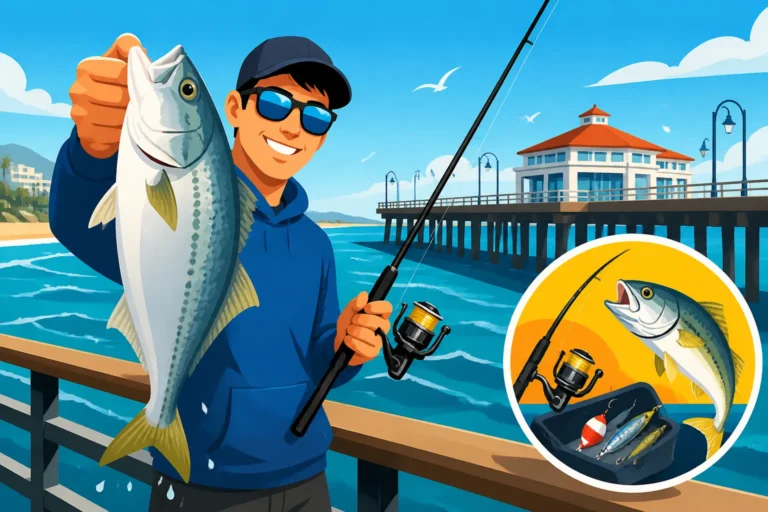
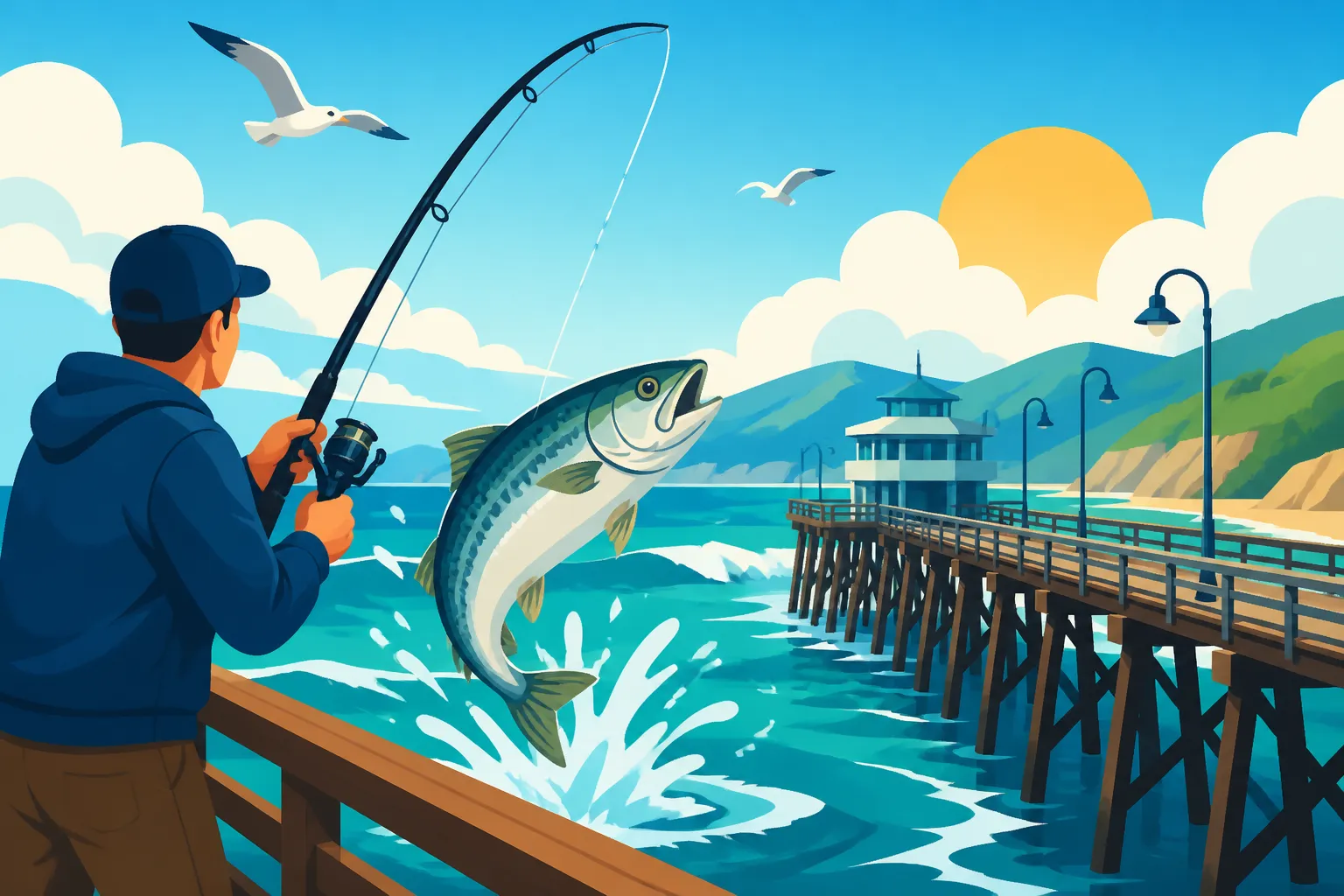
Pacifica Pier, stretching proudly into the Pacific Ocean just south of San Francisco, isn't just any pier; it's a celebrated hub for Bay Area fishing. What makes it so special is its incredible accessibility and the sheer variety of species that call these waters home or pass through with the seasons. It’s a place where families can spend a day, friends can gather, and solo anglers can find peace and the thrill of the catch without needing a deep-sea charter.
Accessibility and Convenience for All
One of the biggest hurdles for many people wanting to get into fishing is the requirement for a license. And let's face it, navigating the rules for a California Fishing License Guide can be daunting. But here's the beautiful thing about Pacifica Pier: when you're fishing from a public pier in California, you generally don't need a state fishing license. This rule makes it incredibly welcoming for beginners, tourists, or those who just want to try their hand at fishing without the commitment of purchasing a full-year license. It’s a game-changer for spontaneous trips!
Beyond the license exemption, the pier itself is wonderfully designed for public use. It’s wide, well-maintained, and offers plenty of space, even on busy weekends. You’ll find restrooms, ample parking (though it can fill up quickly on prime days), and even some local bait and tackle shops nearby, like the Pacifica Pier Bait and Tackle, which can get you set up with everything from squid to Sabiki rigs. This ease of access means you can literally drive up, park, walk out, and start fishing, often side-by-side with experienced locals who are usually happy to share a tip or two. If you're looking for other places to try, our Best Fishing Piers in California guide has more options, but Pacifica remains a perennial favorite.
Diverse Species You Can Target
The waters around Pacifica Pier are teeming with life, offering a surprising variety of fish and crustaceans. This isn't a one-trick pony; depending on the season, you could be reeling in everything from delicious Dungeness crab to feisty striped bass. This diversity keeps things interesting and provides different challenges for anglers.
For many, the allure of Pacifica Pier is the prospect of catching Dungeness crab. The pier becomes a bustling crab central during the open season, typically from November through June. But even outside of crab season, you'll find plenty of fish. California Surfperch Fishing Guide species like barred surfperch and pile perch are abundant year-round, offering consistent action, especially for those new to the sport. Other common catches include jacksmelt, walleye surfperch, and even small rockfish and lingcod from the deeper sections or during specific times of the year. If you're lucky, and the conditions are right, you might even hook into a California halibut or a powerful striped bass. Seriously, the potential variety is one of the best parts about this spot.
Here’s a quick overview of what you might catch and when:
| Species | Prime Season | Common Baits/Lures | Notes |
|---|---|---|---|
| Dungeness Crab | November – June | Mackerel, Sardines, Chicken Legs (in traps) | Requires crab snares/traps; check California Crab Regulations and Limits |
| Rock Crab | Year-round | Mackerel, Sardines, Chicken Legs (in traps) | Smaller than Dungeness, often caught with similar gear |
| Barred Surfperch | Year-round, best Spring/Fall | Sand crabs, Gulp! sandworms, Shrimp, Worms | Consistent action, good for beginners |
| Walleye Surfperch | Year-round | Small pieces of shrimp, Anchovies, Worms | Often caught with Sabiki rigs meant for baitfish |
| Jacksmelt | Year-round | Small pieces of shrimp, Anchovies, Sabiki rigs | Excellent as bait or for a light meal |
| California Halibut | Spring – Fall | Live anchovies, Sardines, Swimbaits, Gulp! Grubs | Look for flatfish on the bottom; check California Halibut Size and Bag Limits |
| Striped Bass | Spring – Fall | Live anchovies, Sardines, Cut bait, Spoons, Swimbaits | Powerful fighters; check California Striped Bass Regulations |
| Lingcod | Winter – Spring | Live mackerel, Large swimbaits, Jigs | Less common, usually caught further out |
Essential Gear and Bait for Pacifica Pier Success
Don't let the thought of needing an arsenal of expensive fishing equipment intimidate you. Pier fishing at Pacifica is surprisingly forgiving when it comes to gear. While you could bring a tackle box brimming with every lure imaginable, you certainly don't need to. The key is to have versatile equipment and the right bait for the species you're targeting. For those just starting out, a visit to a local tackle shop or even a big box store can get you set up without breaking the bank.
Rods, Reels, and Line for Pier Fishing
For general pier fishing at Pacifica, you’ll want a rod that’s robust enough to handle a good-sized fish but sensitive enough to feel those subtle bites. A medium to medium-heavy spinning rod, around 7 to 9 feet long, is a fantastic all-around choice. This length gives you decent casting distance without being unwieldy on a crowded pier. Look for something that can handle 10-25 pound test line.
Pair your rod with a reliable spinning reel in the 4000 to 6000 size range. This combination provides enough power to retrieve decent catches and enough line capacity for most pier fishing scenarios. As for line, 15-20 pound monofilament is a classic choice, offering good abrasion resistance against barnacle-covered pilings and enough stretch to absorb the shock of a fighting fish. Alternatively, you could spool up with 20-30 pound braided line for increased sensitivity and casting distance, especially if you're targeting bigger fish like halibut or striped bass. If you go with braid, remember to use a monofilament or fluorocarbon leader (20-30 lb test) for stealth and abrasion resistance – fish can be line-shy!
Remember, you don't need top-of-the-line gear to enjoy a day at Pacifica. A solid, mid-range combo will serve you well. Many anglers even find great deals online or through services like FishingBooker if they're looking to upgrade or try out specific types of gear without a full commitment.
The Best Baits and Lures to Bring
When it comes to bait, fresh is almost always best. For the abundant surfperch, you can’t go wrong with small pieces of shrimp (fresh or frozen), mussel meat, or even sandworms, often sold at local tackle shops. A lot of anglers swear by Gulp! sandworms as an effective artificial alternative when live bait is hard to come by.
If you’re aiming for bigger fish like halibut or striped bass, live bait is king. Anchovies and sardines are prime choices, and you can often catch your own using a Sabiki rig directly off the pier. If live bait isn't an option, cut bait like chunks of mackerel or anchovy will still attract attention. For the lure anglers, spoons like Kastmasters, or swimbaits resembling local baitfish, can be very effective for striped bass and halibut. Best Bait for California Halibut and Best Bait for California Striped Bass go into even more detail on these specific targets.
And let's not forget about crabbing! For Dungeness and rock crabs, baiting your crab snares or traps with oily fish like mackerel or sardines, or even chicken legs, is incredibly effective. Just make sure to check the specific regulations for crabbing, as they can change.
Mastering Pacifica Pier Fishing Techniques
Pacifica Pier offers a playground for a few fundamental fishing techniques. You don't need to be a professional to have a successful day; understanding these basics will significantly increase your chances of hooking up.
Bottom Fishing and Sabiki Rigs
Bottom fishing is perhaps the most common and effective technique for many of the pier's inhabitants, especially perch and smaller rockfish. The setup is simple: a weight at the bottom, usually a pyramid or Sputnik sinker (1-4 oz depending on current), with one or two baited hooks above it on snelled leaders. This keeps your bait near the seafloor where many fish feed. Cast your rig out, let it sink, and wait for that familiar tap-tap-tap. A classic high-low rig is a great choice here.
For catching your own live bait, a Sabiki rig is indispensable. These rigs consist of multiple small, shiny hooks (usually 4-6) with small bits of flash or feather, designed to mimic tiny baitfish. Attach a small weight (1-2 oz) to the bottom of the Sabiki rig and slowly jig it up and down in the water column. You'll often feel multiple fish hit at once as schools of anchovies or smelt swim by. This fresh, live bait is absolutely deadly for halibut and striped bass, giving you a huge advantage. It's truly satisfying to catch your own bait and then use it to land a larger game fish!
Casting and Live Bait Tactics
If you're specifically targeting California halibut or striped bass, casting techniques with either live bait or artificial lures will be your go-to. When using live bait like anchovies or sardines, a popular method is a Carolina rig or a similar sliding sinker rig, where the weight slides freely on your main line above a swivel, and a leader (2-4 feet of fluorocarbon, 20-30 lb test) connects to your hook. This allows the live bait to swim freely and naturally. Cast it out and let it drift with the current, or slow-retrieve it to cover more ground. The key is to let the bait do the work, attracting predators with its erratic movements.
For artificial lures, casting and retrieving spoons or swimbaits is effective for actively searching for fish, particularly striped bass that might be cruising the pier pilings or patrolling the surf line. A steady retrieve, sometimes with a few twitches or pauses, can entice a strike. Experiment with different retrieve speeds and depths until you find what the fish are reacting to on any given day. Remember, patience is key, but so is actively trying different things. Sometimes, a subtle change in your presentation makes all the difference.
What to Expect and When to Go
A successful fishing trip isn't just about gear and technique; it's also about understanding the environment, the seasons, and even the unwritten rules of the pier. Pacifica Pier, like any popular fishing spot, has its rhythms and quirks. Knowing them will enhance your experience and increase your chances of a memorable day.
Prime Seasons and Tides
California's varied seasons bring different opportunities for fishing at Pacifica Pier. While some species, like various types of perch, can be caught year-round, others are highly seasonal. Spring and fall often offer the most diverse fishing, with migrating fish like halibut and striped bass making appearances. California Fishing in Spring can be excellent for early halibut, while California Fishing in Fall often sees strong runs of striped bass.
Summer is popular for family outings and generally good for smaller species, though bigger game can also be caught. California Fishing in Summer also marks the prime time for mackerel, which can be fun to catch and make excellent bait. Winter, while sometimes chilly, is fantastic for crabbing and often sees good numbers of rockfish. Our California Fishing in Winter guide has more tips for braving the cold for a catch.
Tides play a crucial role in pier fishing, arguably more so than many freshwater environments. Generally, the incoming and outgoing tides (the hours around the high and low tides) are the most productive. The moving water stirs up bait and creates currents that fish use to ambush prey. Slack tide, when the water is still, can be slower. Keep an eye on local tide charts; knowing when the water will be moving can help you plan your day for optimal fishing windows.
Amenities and Pier Etiquette
Pacifica Pier is designed for public enjoyment, and you’ll find several amenities that make a day of fishing more comfortable. There are clean restrooms conveniently located on the pier, as well as a fish cleaning station. This is a huge plus, allowing you to prepare your catch before heading home. As mentioned, parking can be tight on weekends, so arriving early is always a good strategy, especially if you're visiting during peak seasons like summer or the Dungeness crab opener.
Beyond the physical amenities, there's also an unwritten code of conduct, or "pier etiquette," that helps everyone enjoy their time. Be mindful of casting lines near others, especially if the pier is crowded. Give fellow anglers space, and don't hog the prime spots for too long. If you're crabbing, ensure your snares or traps aren't interfering with fishing lines. And, importantly, always clean up after yourself. Leave no trash behind – we all want to keep this beautiful resource pristine. If you're planning a trip and want to ensure you have a spot, or maybe even find a local guide to show you the ropes, platforms like FishingBooker can sometimes help you identify less crowded times or even connect with local experts for an even more tailored experience.
Disclaimer
Please remember that fishing regulations, including bag limits, size limits, and open seasons, can change frequently. Always consult the latest California Department of Fish and Wildlife (CDFW) regulations booklet or their website before heading out to fish. This guide is for informational purposes only and does not supersede official regulations.