Best Rivers to Fish in California
It’s a common frustration, isn’t it? You stare at a map of California, seeing all those beautiful blue lines representing rivers, but have no idea where to even begin your fishing adventure. The sheer scale and diversity can be overwhelming, making it tough to pinpoint the truly productive spots. This comprehensive guide is here to cut through that confusion, revealing the best rivers to fish in California and equipping you with the knowledge to make your next trip a success.
Why California's Rivers Are a Unique Fishing Haven
California isn't just about sunny beaches and towering redwoods; its river systems are an angler's paradise, offering an incredible range of experiences you won't find anywhere else. From roaring mountain streams filled with wild trout to wide, meandering deltas teeming with salmon and striped bass, the variety can be truly astonishing. But this diversity also means that understanding each river's character, its fish species, and the best times to visit is key to a rewarding outing.
The Sheer Diversity of Waterways and Species
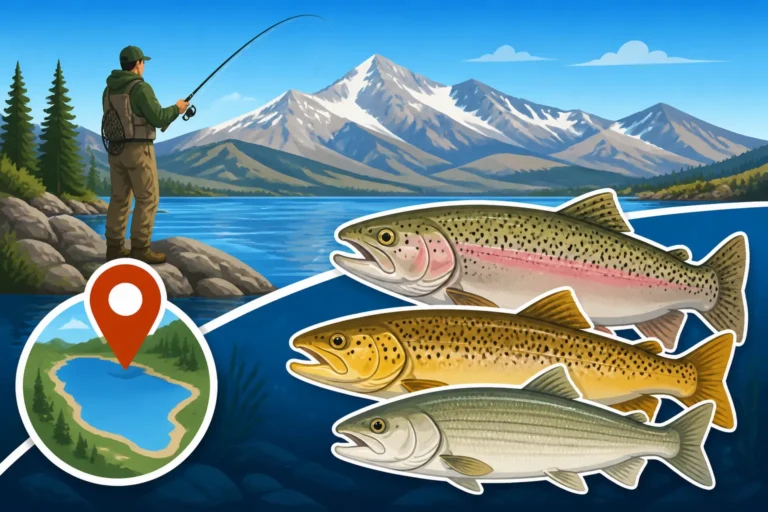
Think about it: in one state, you can be casting dry flies to native golden trout in a high Sierra stream one day and battling a hefty king salmon on a powerful coastal river the next. This isn't just hyperbole; it's the reality of fishing in California. We've got icy cold rivers fed by snowmelt, slow, warm rivers winding through agricultural lands, and everything in between. Each type of waterway nurtures its own unique ecosystem, resulting in a phenomenal spectrum of fish species. You'll find sought-after game fish like Chinook salmon, robust steelhead, various trout species including rainbow, brown, and brook, as well as warm water favorites like largemouth and smallmouth bass, and even hard-fighting striped bass. It’s not just about what you catch, but where you catch it, and the distinct experience each river offers.
This immense biological and geographical range is both a blessing and a challenge. Anglers often struggle with knowing which river will offer the experience they're looking for, or which species will be active at any given time. The sheer number of options can lead to decision paralysis, or worse, heading out to a river that’s completely unproductive for your target species and preferred technique. But with a little guidance, you can navigate this incredible diversity and hone in on the rivers that truly shine for what you love to do. It means more than just a place to wet a line; it’s an invitation to explore the state’s natural beauty through the lens of a fishing rod.
Navigating the Seasons and Their Rhythms
Fishing California's rivers isn't a year-round "set it and forget it" endeavor; it's a dynamic dance with nature's calendar. What's biting and where often hinges on the specific time of year, influenced by factors like snowmelt, spawning migrations, and water temperatures. For example, steelhead runs in Northern California rivers typically peak in the cooler, wetter months, while prime trout fishing in the High Sierra often kicks off once the snow melts and access roads open up in late spring or early summer. Ignorance of these seasonal rhythms can lead to wasted trips and empty creels, leaving you feeling frustrated.
Understanding these seasonal nuances is absolutely critical. For salmon and steelhead, their epic journeys upstream are dictated by instinct and environmental cues, meaning you need to be there when the fish are. Similarly, bass fishing in warmer rivers might be fantastic in spring and fall, but challenging during the dog days of summer. Beyond the fish themselves, river conditions change dramatically with the seasons. High water from spring runoff can make some rivers unfishable, while low, clear water in late summer might require ultralight tackle and stealthy approaches. Staying informed about these patterns and keeping an eye on local conditions is paramount to success. It requires a bit of homework, but trust me, it pays off. Always check the latest California Fishing Seasons: Month-by-Month Guide to align your expectations with reality.
Northern California's Legendary Waterways
When most anglers think of river fishing in California, their minds often drift north. This region boasts some of the most iconic and productive river systems in the state, renowned for their incredible salmon and steelhead runs, as well as fantastic trout fishing. These are rivers that demand respect, offering challenging but immensely rewarding experiences for those willing to put in the effort.
The Majestic Klamath River and Its Iconic Runs
The Klamath River is nothing short of legendary among West Coast anglers, especially those chasing salmon and steelhead. Flowing from Oregon through some of Northern California's most rugged and beautiful landscapes, it's a vital artery for anadromous fish making their way from the Pacific Ocean to their spawning grounds. The sheer scale of its annual fish runs is something to behold, though recent years have seen various challenges and conservation efforts impacting fishing opportunities.
This river is particularly famous for its fall Chinook salmon run and its half-pounder steelhead. Half-pounders are juvenile steelhead that return to freshwater after only a few months in the ocean, offering feisty fights on lighter tackle. While specific regulations can vary year to year due to conservation needs, when fishing is open, the Klamath provides fantastic drift boat and bank fishing opportunities. Many anglers choose to hire experienced local guides who know the intricate channels and holding lies. For a deep dive into this incredible fishery, check out our Klamath River Fishing Guide, which outlines the best access points and target species. It's a river that requires patience and adherence to strict regulations, but the reward of hooking into a powerful salmon or a chrome-bright steelhead is truly unforgettable.
Trinity River: A Steelhead and Salmon Powerhouse
Often considered the Klamath's most important tributary, the Trinity River carves its way through stunning wilderness, offering some of the best steelhead and salmon fishing in California. It's a narrower, more intimate river than the lower Klamath, making it particularly popular with fly anglers and those who prefer drift boat fishing over larger vessels. The Trinity's cold, clear waters are ideal habitat, attracting strong runs of both winter and summer steelhead, as well as Chinook and Coho salmon.
The Trinity is a destination river, drawing anglers from all over the world to experience its productive waters. Summer steelhead on the Trinity offer a unique challenge, often taking swung flies or carefully presented nymphs in the warmer months, while winter steelhead provide powerful battles in the colder, higher flows. The river's dynamics, influenced by releases from Lewiston Dam, mean that conditions can change, but generally, there's excellent fishing throughout much of the year when seasons are open. Remember, a California Steelhead Report Card is mandatory here, just like on many other steelhead waters. Fly-fishing is particularly popular on the Trinity, with many guides specializing in this technique, making it a perfect place to hone your cast. If you're looking for an unforgettable experience, particularly with a fly rod, the Trinity should be high on your list. Learn more about specific tactics and spots in our Trinity River Fishing Guide.
Sacramento River: An Angler's Main Vein
The Sacramento River isn't just California's longest river; it's a colossal fishery, a lifeblood for many species and a favorite among anglers targeting everything from king salmon to striped bass. From its origins near Mount Shasta, flowing south through the Central Valley and into the San Francisco Bay Delta, the "Sac" undergoes dramatic transformations, offering vastly different fishing experiences along its immense length. Its lower stretches, particularly from Redding down to the Delta, are especially famous.
Upstream, near Redding and Anderson, the Sacramento is known for its incredible trout fishing, particularly large rainbow trout that thrive in the cold tailwaters below Shasta Dam. These fish can grow quite large, offering strong fights, and many sections are fly-fishing-only or artificial-lures-only, preserving the quality of the fishery. Further downstream, the river becomes a primary migratory route for salmon, with incredible California Salmon Season Dates runs often peaking in late summer and fall, drawing anglers with bait, lures, and roe. Even further south, as it approaches the Delta, the Sacramento River becomes a major highway for striped bass, attracting hordes of anglers looking to catch these hard-fighting anadromous fish. This river truly embodies the diversity of California river fishing, offering something for every angler across its vast expanse.
The sheer volume of water and the variety of fishing available on the Sacramento can be a bit daunting for newcomers. However, its accessibility, with numerous boat launches and bank access points, makes it a popular choice. Many anglers hire guides for salmon and striped bass, particularly in the lower river, to navigate the extensive system effectively. For trout, the upper river offers some phenomenal walk-and-wade opportunities. Whether you're targeting big trout, chasing powerful salmon, or battling feisty stripers, the Sacramento River stands as one of California's premier river fishing destinations. Consult our comprehensive Sacramento River Fishing Guide for detailed information on its diverse sections and target species.
Central California's Productive Flows
Moving south from the legendary Northern California rivers, the central part of the state offers its own unique and productive river fisheries. These waterways might not always get the same headline-grabbing attention as their northern counterparts, but they provide consistent action for a variety of species, often with easier access and closer proximity to major population centers.
Feather River: Steelhead, Salmon, and Shad Galore
The Feather River, a major tributary of the Sacramento River, is a true workhorse fishery in Central California. Originating high in the Sierra Nevada, its various forks converge before flowing through the Oroville Dam complex and then meandering through the Central Valley. Below Oroville, the Lower Feather River becomes a prime destination for a variety of species, offering excellent year-round opportunities. It's particularly famous for its spring-run and fall-run Chinook salmon, as well as robust steelhead populations.
What makes the Feather River stand out is its consistent flow, managed by Oroville Dam, which provides stable conditions for both fish and anglers. This makes it a reliable spot when other rivers might be blown out or too low. In addition to salmon and steelhead, the Feather River boasts one of the best American Shad runs in the state, typically occurring from April to June. These smaller, schooling fish provide fast-paced, light-tackle action that's incredibly fun. Anglers targeting salmon and steelhead here often use various techniques, including drift fishing with roe or plugs, back-trolling, and fly-fishing.
Many sections of the Feather River are easily accessible by bank, and numerous boat ramps accommodate drift boats and jet boats. Local guides, often booked through platforms like FishingBooker, operate daily during peak seasons, providing valuable insight into current conditions and successful presentations. Whether you're a seasoned steelhead angler, chasing your first king salmon, or just looking for some light-tackle fun with shad, the Feather River offers a fantastic experience. Get the full scoop on tactics and spots in our Feather River Fishing Guide.
American River: Urban Angling at Its Finest
Right in the heart of Sacramento, the American River offers an incredible urban fishing experience that rivals many more remote locations. Flowing from Folsom Lake into the Sacramento River, the Lower American River is a designated "Wild and Scenic River," despite its proximity to California's capital. It’s a surprisingly robust fishery, supporting significant runs of Chinook salmon and steelhead, alongside resident populations of striped bass and various panfish.
The convenience of the American River is hard to beat. You can often be fishing within minutes of leaving downtown Sacramento, with miles of accessible parkways and bank access points. This makes it a fantastic option for a quick after-work session or a weekend outing without a long drive. Like the Feather, the American River benefits from managed flows from Folsom Dam, which helps maintain consistent water temperatures and levels, generally conducive to good fishing. Salmon runs in the fall can be spectacular, attracting a large number of anglers, while winter steelhead provide a challenging pursuit for those willing to brave the colder weather.
The river is also a popular spot for kayak and float tube fishing, allowing anglers to cover more water than bank fishing alone. Striped bass are a significant draw in the spring and fall, offering powerful fights on a variety of lures and baits. Don't forget to check the latest California Freshwater Fishing Regulations before you head out, as rules for specific sections and species can change. The American River proves that you don't always need to go deep into the wilderness to find incredible fishing. For more detailed information, our American River Fishing Guide provides insights into the best fishing locations and techniques on this urban gem.
San Joaquin River: Bass, Catfish, and Hidden Gems
The San Joaquin River, another major artery of the Central Valley, offers a different flavor of river fishing compared to its northern counterparts. While it doesn't see the same grand salmon and steelhead runs as the Klamath or Sacramento, it's a phenomenal warm water fishery, particularly for various bass species and catfish. Flowing from the Sierra Nevada through vast agricultural lands, the San Joaquin River meanders through a network of sloughs, canals, and backwaters, especially as it approaches the Delta.
This river is a prime destination for largemouth bass and striped bass. Anglers target largemouth in the slower, weedier sections and back sloughs, often using topwater lures, plastic worms, and spinnerbaits. The striped bass can be found throughout the main river channel and its larger tributaries, particularly during their spring and fall migrations. Catfish, including channel cats and white cats, are also abundant, providing excellent night fishing opportunities with cut bait or stink baits. The San Joaquin offers a more relaxed pace of fishing compared to the high-energy pursuit of anadromous fish, making it a great option for those who enjoy slower-paced angling from a boat or kayak.
Access to the San Joaquin can be a bit more fragmented due to private land and agricultural development, but numerous public boat launches and park areas provide entry points. Exploring the various sloughs and channels by boat or kayak is often the most effective way to uncover its hidden gems. While not as famous for its "glamour" species, the San Joaquin River delivers consistent action for those who appreciate warm water fishing. It’s a river that rewards exploration and a willingness to adapt your techniques to its unique environment.
Southern California's Challenging Yet Rewarding Rivers
Southern California might not be the first place that comes to mind for river fishing, often overshadowed by its abundant saltwater opportunities or famous desert lakes. However, the region does possess a few noteworthy river systems that, while often smaller and more dependent on rainfall or snowmelt, offer challenging and incredibly rewarding experiences for those willing to seek them out. These rivers typically feature trout fishing, often in stunning mountain settings.
Kern River: High Sierra Trout Adventures
The Kern River, originating high in the southern Sierra Nevada, is Southern California's premier trout fishing river. Known for its breathtaking canyon scenery and its challenging, swift-flowing waters, the Kern offers fantastic opportunities for rainbow, brown, and even the native California golden trout in its headwaters. The river is divided into the Upper Kern and Lower Kern, each offering distinct fishing experiences. The Upper Kern, in particular, is a favorite for fly anglers seeking wild trout in a remote, pristine setting.
Fishing the Kern requires a good understanding of river safety and wading techniques, as its currents can be powerful, especially during spring runoff. The rewards, however, are immense: strong, vibrant trout in an unbelievably beautiful natural environment. While much of the river is managed for wild trout, some sections of the Lower Kern receive hatchery stockings, providing more accessible opportunities for families and beginners. Specific regulations, including special artificial-lure-only or catch-and-release sections, apply to different parts of the river, so always consult the latest guide.
Access to the Upper Kern often involves winding mountain roads and can be limited in winter due to snow. However, once open, it’s a paradise for wade fishing, with many small tributaries and pockets holding fish. For those seeking a true wilderness trout experience without heading too far north, the Kern River is an absolute gem. It’s a place where the journey is as much a part of the adventure as the fishing itself. Pack your waders, a sturdy wading staff, and prepare for some unforgettable High Sierra angling.
Owens River: A World-Class Fly Fishing Destination
Nestled in the Eastern Sierra, the Owens River is unequivocally one of California's most important and celebrated trout rivers, particularly for fly fishing. Its diverse sections, from the famous Wild Trout section below Crowley Lake to its expansive lower reaches, provide a phenomenal array of opportunities for rainbow, brown, and cutthroat trout. The Owens River's reputation for large, challenging trout on a fly rod is well-deserved, attracting anglers from across the globe.
The Lower Owens River, in particular, is a fly-fishing haven known for its technical challenges and rewarding catches. The river here flows through a wide valley, with extensive weed beds and complex current seams that require precise presentations. Nymphing and streamer fishing are often productive, though dry fly opportunities can be incredible during hatches. Upstream, the Upper Owens River meanders through high-elevation meadows, offering classic dry fly fishing during the warmer months for larger trout migrating from Crowley Lake.
Navigating the Owens can be tricky without local knowledge, but numerous access points exist off Highway 395. Many anglers opt to hire local fly fishing guides, who intimately know the river's moods, hatches, and the best techniques for its often-finicky trout. Fly shops in nearby towns like Bishop and Mammoth Lakes are invaluable resources for current conditions and fly recommendations. The Owens River truly offers a distinct high-desert, high-elevation river fishing experience, a stark contrast to the coastal rivers, and a must-visit for any serious trout angler. Consult our guide on Owens River: Fishing Access and Tips for more specific information on this remarkable fishery.
| River | Primary Species | Best Season(s) | Key Techniques | Notes |
|---|---|---|---|---|
| Klamath River | Chinook Salmon, Steelhead | Fall (Salmon), Fall/Winter (Steelhead) | Drift fishing, Back-trolling, Spey/Fly fishing | Renowned for half-pounder steelhead. |
| Trinity River | Chinook Salmon, Steelhead, Coho Salmon | Fall (Salmon), Summer/Winter (Steelhead) | Fly fishing (nymphing, swinging flies), Drift fishing | Excellent for wild steelhead, often guided. |
| Sacramento River (Upper) | Rainbow Trout | Year-round (regulated) | Fly fishing (nymphing), Spin fishing (lures) | Tailwater fishery, often large trout. |
| Sacramento River (Lower) | Chinook Salmon, Striped Bass | Fall (Salmon), Spring/Fall (Stripers) | Back-trolling, Anchor & bait, Trolling | Major migratory route, high traffic. |
| Feather River | Chinook Salmon, Steelhead, American Shad | Fall (Salmon), Winter/Spring (Steelhead), Spring (Shad) | Drift fishing, Fly fishing, Light tackle for Shad | Regulated flows from Oroville Dam, consistent. |
| American River | Chinook Salmon, Steelhead, Striped Bass | Fall (Salmon), Winter (Steelhead), Spring/Fall (Stripers) | Drift fishing, Fly fishing, Lure casting | Urban fishery, easy access from Sacramento. |
| San Joaquin River | Largemouth Bass, Striped Bass, Catfish | Spring/Fall (Bass), Year-round (Catfish) | Finesse fishing, Topwater, Live bait | Warm water fishery, good for kayaks. |
| Kern River | Rainbow Trout, Brown Trout, Golden Trout | Spring/Summer/Fall | Fly fishing, Spin fishing (lures) | Mountain river, challenging wading, beautiful scenery. |
| Owens River | Rainbow Trout, Brown Trout, Cutthroat Trout | Spring/Summer/Fall (regulated) | Fly fishing (nymphing, dry flies, streamers) | Technical fly fishery, Eastern Sierra gem. |
Mastering River Fishing Techniques and Gear
Successfully fishing California's diverse rivers requires more than just knowing where to go; it demands an understanding of the right gear and techniques for each specific environment and target species. What works for salmon in the Sacramento Delta won't necessarily be effective for trout in a high Sierra stream. Investing in the right tools and learning versatile methods will significantly increase your success and enjoyment.
Selecting the Right Tackle for River Environments
Choosing your tackle for river fishing is all about matching the gear to the specific challenges of the water and the fight of the fish. For powerful anadromous species like salmon and steelhead, you'll often need heavier rods and reels that can handle strong currents and powerful runs. A medium-heavy spinning rod (8'6" to 10'6") paired with a robust spinning reel or a baitcasting setup with 15-25 lb test line is common for drift fishing or casting lures for salmon and larger steelhead. Fly anglers targeting these species might opt for 8-10 weight fly rods, often in longer lengths (10-13 feet) for better line control and mending.
When targeting trout in smaller streams or rivers, lighter tackle is usually more appropriate. A lightweight spinning rod (6' to 7'6") with a small spinning reel spooled with 4-8 lb test monofilament or fluorocarbon is perfect for casting small lures or bait. For fly fishing, 3-6 weight rods are standard, allowing for delicate presentations of dry flies or nymphs. Remember, the goal is not just to catch the fish, but to do so effectively and responsibly, ensuring a quick fight and healthy release if applicable. Always consider the river's size, current, and the average size of the fish you expect to encounter.
Beyond the rod and reel, other tackle elements are crucial. Line choice (mono, fluoro, braid) will depend on visibility and abrasion resistance needed. Terminal tackle like swivels, weights, hooks, and leaders should be matched to your target species and fishing method. For instance, strong, sharp hooks are essential for penetrating the tough mouths of salmon and steelhead. Always carry a variety of options, as conditions can change rapidly. Don't forget a sturdy landing net, especially for larger fish, to ensure a safe and ethical landing.
Understanding Baits, Lures, and Fly Presentations
The art of river fishing truly shines in understanding which bait, lure, or fly presentation will entice a bite. This isn't a one-size-fits-all situation; different fish species, water conditions, and times of year call for distinct approaches. For salmon and steelhead, natural baits like cured roe, shrimp, or sardines are often incredibly effective, especially when drift fished through likely holding lies. Artificial lures such as spoons (e.g., Little Cleo, Krocodile), spinners (e.g., Rooster Tail, Mepps), and plugs (e.g., Kwikfish, FlatFish) can also trigger aggressive strikes, particularly in higher flows or when fish are actively migrating.
Trout fishing opens up an even wider world of options. For bait anglers, worms, PowerBait, and salmon eggs are classic choices. Spin fishermen find success with small spinners, spoons, and soft plastics. Fly anglers, however, truly dive into the nuanced world of entomology. Matching the hatch with dry flies, drifting nymphs subsurface, or stripping streamers that imitate baitfish are all common and highly effective methods. For an excellent primer on this, check out our California Fly Fishing Guide. The key is to observe the water, look for signs of feeding fish or insect activity, and adapt your presentation accordingly.
The presentation itself is just as important as the choice of offering. For example, a perfect drift with a fly or bait, making it appear natural and unencumbered by your line, can be the difference between a bite and nothing. Understanding how to mend your line, control your sink rate with weights, and retrieve lures effectively are skills developed over time on the water. Don't be afraid to experiment with different sizes, colors, and retrieve speeds. Sometimes, a subtle change can unlock a bite. Carrying a selection of options and being willing to adapt your approach throughout the day is a hallmark of successful river fishing.
Safety First: Wading and River Awareness
Fishing in rivers, especially those with strong currents or treacherous bottom structures, carries inherent risks that every angler must respect. Wading safety is paramount. Always assess the depth and current before entering the water, and never wade alone if possible. A sturdy wading staff is an indispensable tool, providing an extra point of contact and helping you feel for unseen drop-offs or slippery rocks. Wearing appropriate wading boots with good grip (felt or rubber with studs) is crucial. Neoprene waders can provide warmth, but be aware of the "drowning machine" effect if they fill with water in a strong current; a wading belt cinched tightly at your waist can help prevent this.
Beyond personal safety, general river awareness is vital. Pay attention to changing water levels, which can occur rapidly due to dam releases or sudden rainfall upstream. Be mindful of obstacles like submerged logs, slippery rocks, and undercut banks. Always know your exit points and be aware of how far you've waded from shore. Carrying a whistle can be a simple but effective way to signal for help if you get into trouble. When fishing from a boat, always wear a life vest, especially in swift currents or cold water.
Being prepared for emergencies is also part of responsible river awareness. Carry a first-aid kit, a way to communicate (fully charged phone or satellite messenger in remote areas), and extra layers of clothing, even on seemingly warm days, as mountain weather can change quickly. Inform someone of your fishing plans, including where you'll be and when you expect to return. Our state's rivers are beautiful and bountiful, but they command respect. Prioritizing safety allows you to fully enjoy the incredible fishing opportunities they offer without unnecessary risk.
Essential Regulations and Conservation Practices
California's rivers are precious resources, and their continued health and productivity depend heavily on responsible angling and strict adherence to regulations. Navigating these rules can sometimes feel like deciphering a complex legal document, but it's an absolute necessity. Ignoring regulations not only risks hefty fines and penalties but also harms the very fisheries we cherish.
Deciphering California's Freshwater Fishing Regulations
Let's be honest, trying to understand all the fishing regulations in California can feel like you need a law degree. The California Department of Fish and Wildlife (CDFW) publishes a hefty regulation booklet annually, and it's full of general rules, specific rules for different waters, special restrictions, and season dates. It's not just about needing a California Fishing License Guide; it's about understanding the nuances of bag limits, size limits, gear restrictions, and season closures that vary from one river to the next, and even by section within the same river! For instance, some sections might be artificial-lure-only, while others permit bait. Some rivers might have different seasons for different species.
The key is to consult the most current CDFW Freshwater Sport Fishing Regulations booklet or their online resources before every trip. Pay close attention to the specific regulations for the river and even the particular stretch of river you intend to fish. Look for special regulations that deviate from the general statewide rules. For example, some wild trout waters have strict catch-and-release rules or barbless hook requirements to protect sensitive populations. Failing to understand these can lead to accidental violations. Keep a digital or physical copy of the regulations with you while fishing. It's your responsibility as an angler to know and follow these rules, ensuring that our grandchildren can enjoy these rivers just as we do.
The Importance of Responsible Angling and Stewardship
Beyond just following the letter of the law, responsible angling embraces a broader ethic of stewardship. This means practicing catch-and-release effectively, minimizing stress on the fish, and properly handling those you intend to keep. When releasing fish, use wet hands, keep the fish in the water as much as possible, and revive it gently before letting it go. Avoid excessive handling or dragging fish onto dry banks, which can strip their protective slime layer and increase mortality. For species like steelhead and salmon, which can be particularly vulnerable, practicing selective harvest (keeping only what's allowed and needed) is a cornerstone of conservation.
Stewardship also extends to our impact on the river environment itself. "Leave No Trace" principles are vital: pack out all your trash, including fishing line, bait containers, and any other litter. Avoid damaging riparian vegetation or disturbing spawning beds. Be considerate of other anglers and wildlife. Respect private property signs and access points. When you see others struggling to follow regulations or practice ethical angling, sometimes a friendly word of education can go a long way. Organizations like CalTrout and Trout Unlimited do incredible work protecting and restoring California's river systems; supporting their efforts is another way to contribute. Ultimately, our actions as individual anglers directly affect the health and future of these magnificent rivers.
Planning Your Unforgettable River Fishing Trip
A successful river fishing trip in California isn't just about showing up with a rod and reel; it's about thoughtful planning. From choosing the right time of year to deciding whether a guide is necessary, a little preparation can turn a good fishing day into an unforgettable adventure.
When to Go and What to Expect
Timing is everything when it comes to river fishing in California. As we've discussed, different species have their prime seasons, often dictated by spawning migrations or water temperatures. For instance, if your heart is set on king salmon, the fall months (typically September-November) are generally your best bet on rivers like the Sacramento or Feather. If you're chasing winter steelhead, you'll be bundling up and hitting rivers like the Trinity or Klamath from December through March. Trout fishing in the High Sierra, conversely, is usually a summer and early fall affair, once snowmelt subsides and roads become accessible.
Beyond species-specific timing, general river conditions are a major factor. Early spring often brings heavy snowmelt, leading to high, turbid water that can make many rivers unfishable. As summer progresses, water levels drop, and rivers become clearer and warmer, sometimes making fish more lethargic or concentrated in deeper pools. Fall sees dropping temperatures and rising fish activity, often leading to excellent conditions. Always check local fishing reports and water flow data (often available from state or federal agencies) before you leave. These reports will give you invaluable insight into what's currently biting, preferred techniques, and recent conditions. Platforms like FishingBooker often have fishing reports from guides, which can be incredibly helpful for up-to-date information. Dress in layers, be prepared for sudden weather changes, and understand that even the "best" time can have off days—that's just part of fishing!
Considering a Guided River Adventure
For many of California's premier rivers, especially those known for their challenging anadromous runs or technical fly fishing, hiring a local guide can transform your trip from a hopeful outing into a highly successful and educational experience. A good guide doesn't just put you on fish; they provide invaluable knowledge about the river's current conditions, productive spots, effective techniques, and local regulations. They often have specialized boats (like drift boats or jet boats) that allow access to stretches of river inaccessible to bank anglers, and they come equipped with high-quality gear.
While a guided trip is an investment, the benefits often far outweigh the cost, especially for first-timers or those targeting specific, challenging species like steelhead or salmon. Guides know when the fish are running, where they are holding, and what they are biting on right now. They can teach you proper casting techniques, how to read the water, and how to fight fish effectively. Many excellent guides operate on rivers like the Klamath, Trinity, Feather, and Sacramento, specializing in everything from fly fishing to conventional gear. You can easily find and book reputable guides through services like FishingBooker, which lists a variety of charter and guide options across California. When choosing a guide, look for those with a strong reputation, good reviews, and clear communication about what's included and what to expect. It's often the quickest way to shorten the learning curve and truly experience the best that California's rivers have to offer.
Disclaimer
Please remember that fishing regulations in California are subject to change by the California Department of Fish and Wildlife (CDFW). Always consult the most current CDFW Freshwater Sport Fishing Regulations booklet or their official website before heading out on any fishing trip. This guide is for informational purposes only and does not constitute legal advice. Safe and responsible angling practices are encouraged at all times.