Crowley Lake: Fish Species and Best Spots
Navigating a new fishing destination can feel like a puzzle, especially when you hear whispers of "trophy trout" but have no idea where to even start. Crowley Lake is one of those legendary spots in the Eastern Sierra that everyone talks about, but actually figuring out its unique fish species and the prime locations to drop a line can be downright intimidating. This guide is here to cut through the confusion, helping you understand exactly what to target and where to find those elusive giants in this incredible fishery.
Crowley Lake: A High Sierra Angler's Paradise
Crowley Lake, nestled in the stunning Long Valley Caldera of the Eastern Sierra, isn't just another pretty body of water; it's a world-renowned fishery that draws anglers from all over for its exceptional trout fishing. This massive reservoir, managed by the Los Angeles Department of Water and Power (LADWP), sits at over 6,700 feet of elevation, offering breathtaking views and an incredible angling experience. But don't let its serene beauty fool you; Crowley can be a challenging lake to master, with its distinct seasonality, varied depths, and specific fish habitats.
What makes Crowley truly special is its prolific midge population, which provides an endless buffet for the trout, leading to some truly impressive growth rates. We're talking about robust, hard-fighting fish that are often much larger than what you'd typically find in other high-alpine lakes. The lake's unique volcanic bottom and nutrient-rich waters contribute significantly to this fantastic ecosystem. However, this also means that understanding the local nuances, from water temperature fluctuations to prime feeding lanes, is absolutely critical to success. Many anglers, myself included, have spent days scratching our heads before finally cracking the code on a particular bite. It’s a place that rewards persistence and a willingness to adapt your techniques. Remember, before you head out, make sure you're up-to-date on your California fishing license guide and any specific endorsements you might need.
The Diverse Fish Species of Crowley Lake
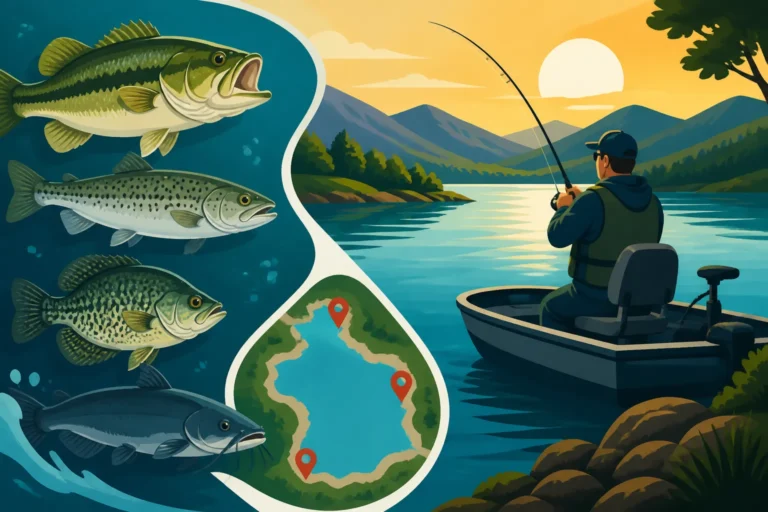
While Crowley Lake is undeniably famous for its trout, it's actually home to a few different species that cater to various angling preferences. Understanding what's swimming beneath the surface and their habits is the first step to a successful day on the water.
Rainbow Trout: The Main Attraction
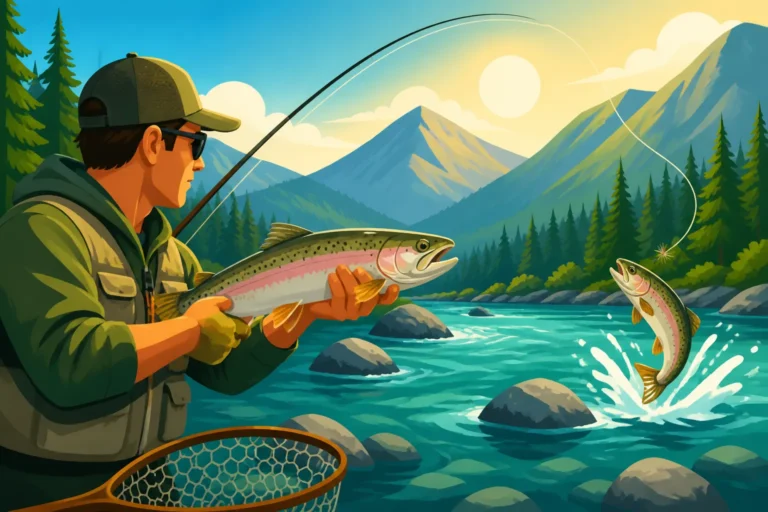
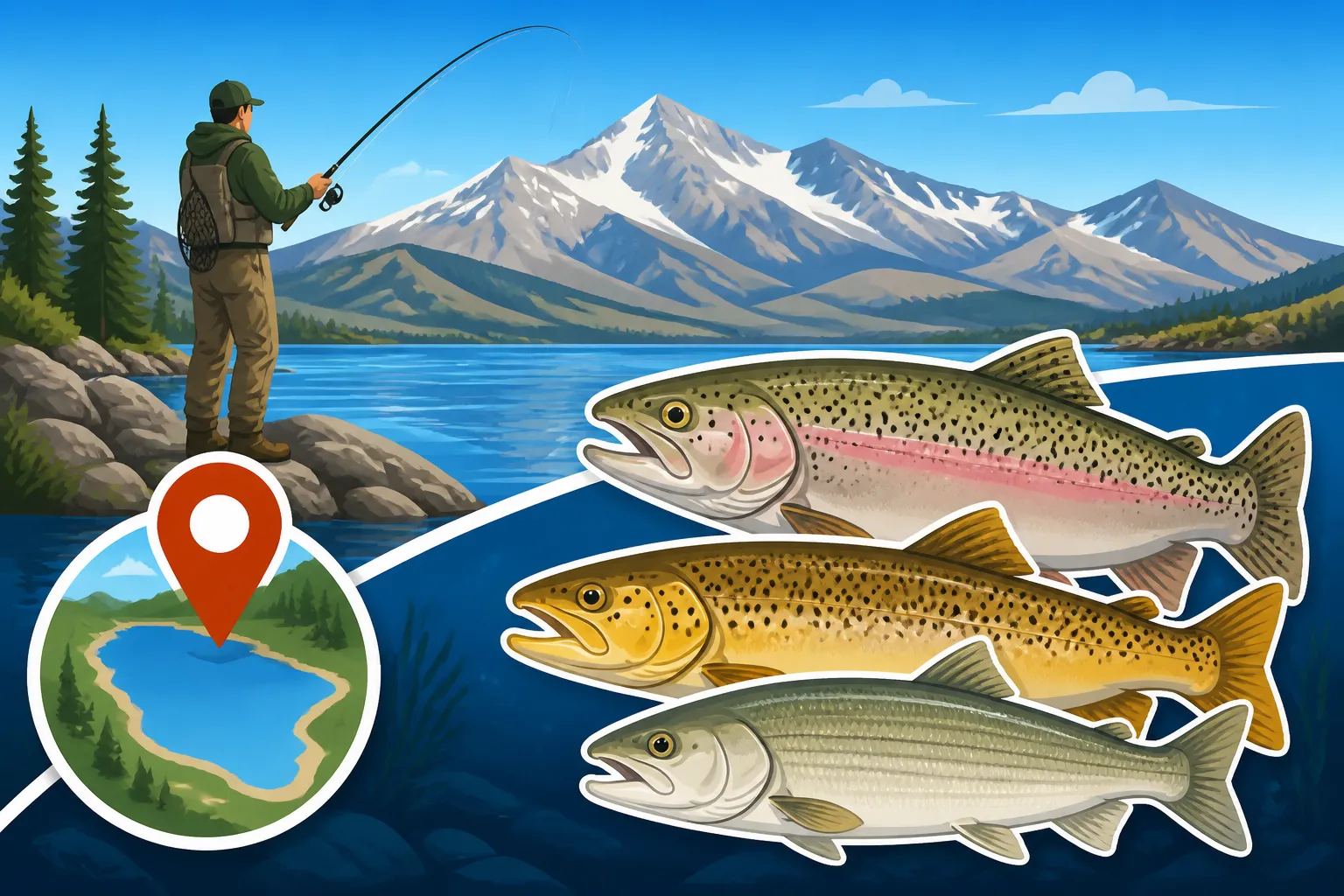
When most people talk about Crowley Lake, they're usually dreaming of its plump, vibrant rainbow trout. These fish are the cornerstone of the fishery, known for their aggressive strikes and acrobatic fights. Thanks to the lake's rich food sources, it's not uncommon to pull out rainbows in the 18-24 inch range, with much larger specimens caught regularly. The Department of Fish and Wildlife (CDFW) regularly stocks Crowley, supplementing the robust wild populations.
Rainbows in Crowley are opportunistic feeders. Early in the season, after the ice-off around late April or early May, they're often found cruising the shallower banks, gorging on newly hatched midges and chironomids. As the season progresses and water temperatures rise, they'll move to deeper, cooler waters, often suspending over ledges and drop-offs. Fly anglers will have a field day here, particularly with indicator nymphing setups mimicking midges and mayflies, or by stripping streamers. Bait fishermen do well with PowerBait or inflated nightcrawlers off the bottom, while trollers often find success with small spoons and dodgers. To learn more about specific regulations, check out the article on California Trout Limits and Regulations.
Brown Trout: The Elusive Giants
For many seasoned anglers, the brown trout of Crowley Lake are the true prizes. These elusive predators are known for their stunning colors, fierce fighting ability, and preference for larger meals. While not as abundant as rainbows, catching a trophy brown from Crowley is a badge of honor. They tend to be more solitary and can be a bit more challenging to locate, often lurking near structure or deeper transitions.
Brown trout are typically found in similar areas to rainbows but often prefer slightly cooler water and more cover. They are ambush predators, so targeting them often involves casting larger streamers, stickbaits, or trolling bigger spoons and plugs that imitate baitfish. Early mornings and late evenings are prime times, especially during the fall when they become more active in preparation for spawning. Some of the most significant brown trout are caught by anglers patiently working drop-offs or submerged channels. The "How to Catch Brown Trout in California" guide offers more detailed strategies for these magnificent fish.
Cutthroat Trout: A High Sierra Native
While not as prevalent as rainbows or browns, Crowley Lake also hosts a population of cutthroat trout, particularly Lahontan cutthroat. These beautiful fish, identifiable by the distinctive red or orange slash marks under their lower jaw, are a native species to the Lahontan basin and represent a unique angling opportunity. They tend to be a bit more finicky than rainbows but offer a rewarding fight.
Cutthroat trout often inhabit similar areas to rainbows but can sometimes be found in slightly shallower, weedier sections, especially when foraging for insects. Fly anglers targeting cutthroats might use smaller, more imitative dry flies or emerger patterns when hatches are active. They also respond well to small spoons and spinners. Knowing their preference for cleaner, often shallower water compared to the deeper-dwelling browns can help you narrow down your search.
Sacramento Perch: A Unique Freshwater Find
Beyond the trout, Crowley Lake is one of the few places in California where you can consistently catch Sacramento perch. These native freshwater fish, once widespread, are now quite rare, making Crowley an important conservation spot for the species. They might not offer the same thrilling fight as a trout, but they're fun to catch on light tackle and make for excellent table fare.
Sacramento perch are schooling fish and can be found in a variety of habitats, often congregating around weed beds, submerged brush, or rocky areas. They're typically caught using small jigs, worms, or pieces of PowerBait. If you find one, you're likely to find many more, making them a great target for families or those looking for consistent action. While often overlooked by trout purists, targeting Sacramento perch can add a fun, diverse element to your Crowley Lake fishing trip.
The Best Fishing Spots on Crowley Lake
Crowley Lake is vast, covering roughly 5,200 acres when full, so knowing where to focus your efforts is key. The lake's geography, with its numerous bays, points, and varied depths, creates distinct zones that favor certain species and fishing methods.
The North Arm
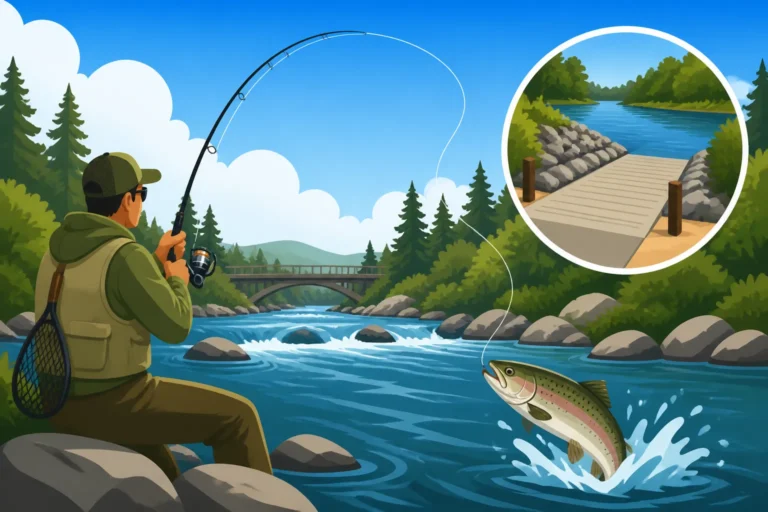
The North Arm of Crowley Lake is legendary, particularly during the early season and for fly fishing enthusiasts. This area includes iconic spots like McGee Bay, Little Hilton, and the deeper waters around the channels. It’s characterized by extensive shallow flats that gradually drop off into deeper channels, making it a prime feeding ground for cruising trout.
McGee Bay: This bay is a midge factory. During the late spring and early summer, huge hatches of midges occur here, drawing massive numbers of trout into the shallows. Fly anglers often anchor up and fish with long leaders and indicator nymphing rigs, presenting chironomid or midge larva patterns just off the bottom. It’s also a good spot for bait fishing with inflated nightcrawlers or PowerBait near the weed lines. The calm waters often found here make it a comfortable place to fish from a boat, even on slightly breezy days. Many guides, like those you might find on FishingBooker, will often start their day here.
Little Hilton: Situated just south of McGee Bay, Little Hilton is another excellent area, featuring slightly deeper water and good drop-offs. It's productive for both bait and lure fishing, and trollers often work the transition zones here. In the fall, larger brown trout can sometimes be found lurking around the deeper edges as they prepare for their spawn. Shore anglers also have some access here, though a boat offers far more flexibility.
Green Banks to Sandy Point
Moving towards the eastern side of the lake, the stretch from Green Banks down to Sandy Point offers diverse fishing opportunities, characterized by more defined drop-offs and scattered rock structure.
Green Banks: This area is popular for bait anglers and trollers. The gradual slope here makes it accessible for shore fishing, but boats can effectively work the deeper water just offshore. Trolling with Rapalas or Thomas Buoyants along the contour lines can produce good results for both rainbows and browns. When the weather warms up, the trout will often move to these slightly deeper, cooler waters.
Sandy Point: True to its name, Sandy Point features sandy bottoms and can be a fantastic spot for both trout and Sacramento perch. The perch tend to hang out around any submerged vegetation or rocky patches, while trout will cruise the deeper edges. It’s a versatile spot, allowing for casting lures from shore or working the deeper sections from a boat. It's also known to hold some larger fish, especially early in the season when they are still relatively shallow.
The Crowley Lake Channel and Hilton Bay
The channel area, connecting the main lake to sections further south, and the expansive Hilton Bay, offer different dynamics and are often productive throughout the season.
The Crowley Lake Channel: This deeper channel is a prime highway for fish moving between different parts of the lake. It's particularly effective for trolling, as you can cover a lot of water at various depths. Downriggers are often employed here to present lures or bait precisely where fish are holding, especially when they're suspended mid-water. This area can be productive for all trout species, including some of the largest browns.
Hilton Bay: This large bay offers a mix of shallow flats and deeper sections. It's a consistent producer, especially for fly anglers working the flats and bait anglers targeting the drop-offs. The deeper parts of Hilton Bay can be excellent for trolling, particularly during warmer months. During a strong midge hatch, the surface of Hilton Bay can erupt with rising fish, providing incredible dry fly action, a technique thoroughly explored in the California Fly Fishing Guide. Many of the boats you'll see here are often those booked via platforms like FishingBooker, making the most of a guided experience.
South Shore and Whiskey Creek
While less frequented by the main boat traffic, the south shore and the mouth of Whiskey Creek can also hold fish, especially earlier in the season or during specific weather conditions.
South Shore Access: There are limited shore access points on the south side, often requiring a bit more effort to reach. However, these less-pressured spots can sometimes yield surprising results. Target areas where small creeks or springs feed into the lake, as these can attract fish looking for cooler, oxygenated water. This is where patience and exploration can really pay off.
Whiskey Creek Inlet: At the very southern end of the lake, the Whiskey Creek inlet can be a hot spot, particularly during high water years or when fish are congregating near the inflows. It’s a challenging spot to access by boat sometimes due to shallow water, but those who make the effort can be rewarded, especially for rainbows. Tossing small spinners or even bait can be effective here. This area is definitely worth investigating if you're looking for a quieter experience.
Here’s a quick overview of Crowley Lake’s prime fishing opportunities:
| Fish Species | Primary Locations | Best Methods | Peak Season | Key Characteristics |
|---|---|---|---|---|
| Rainbow Trout | McGee Bay, Hilton Bay, North Arm Flats | Indicator Nymphing, Trolling, Bait | Spring, Fall | Abundant, aggressive, strong fighters |
| Brown Trout | Deep channels, Drop-offs, Little Hilton | Trolling Large Plugs, Streamer Stripping | Spring, Fall, Early Winter | Elusive, trophy-sized, ambush predators |
| Cutthroat Trout | Weed lines, Shallow flats | Small Nymphs, Dry Flies, Small Spinners | Spring, Summer | Native, distinctive marks, more selective |
| Sacramento Perch | Weed beds, Rocky areas, Sandy Point | Small Jigs, Worms, PowerBait | Summer | Schooling, good eating, unique to the region |
Essential Gear and Tactics for Crowley Lake Success
Fishing Crowley Lake isn't just about knowing where the fish are; it's about presenting your offerings effectively in this unique high-altitude environment. The techniques often vary based on the time of year, weather conditions, and, of course, the species you're targeting.
Fly Fishing: The Crowley Lake Signature
Fly fishing at Crowley Lake is arguably its most famous draw, particularly for trout. The lake's abundant insect life, especially midges and chironomids, provides an almost year-round smorgasbord for the trout, making fly fishing incredibly effective.
Indicator Nymphing: This is the bread and butter technique for Crowley Lake fly anglers. You'll typically use a long leader (12-18 feet) with multiple small, weighted nymph patterns (often chironomid or midge imitations) suspended beneath a strike indicator. The key is to match the depth where the fish are feeding, which can be anywhere from 5 to 25 feet. Popular patterns include the Copper John, Zebra Midge, Blood Midge, and various small emerger patterns. A slight retrieve or drift with the wind can impart subtle action to the flies. Patience is key, as bites can be very soft. If you're new to this, booking a guide through FishingBooker might give you a fantastic head start on learning the local tricks.
Streamer Fishing: For those targeting larger brown trout or more aggressive rainbows, streamer fishing can be highly productive. Woolly Buggers, Sculpzillas, and various baitfish imitations (e.g., olive, black, or white patterns) stripped along drop-offs or near submerged structures can entice a brutal strike. This method is often more active and allows you to cover more water, especially from a boat. The "How to Fish for Trout in California" guide has more on these techniques.
Dry Fly Fishing: While less common for consistent numbers, when a major hatch (like a callibaetis or caddis hatch) occurs, the dry fly action on Crowley can be absolutely phenomenal. Seeing a large rainbow sip a tiny dry fly off the calm surface is an unforgettable experience. Keep an eye on the water for rising fish, especially in the early mornings or late evenings in sheltered bays.
Spin Fishing: Versatility for All Anglers
Spin fishing remains a highly effective and popular method for fishing Crowley Lake, catering to anglers of all skill levels. The versatility of spinning gear allows for a wide range of presentations, from trolling to casting.
Trolling: This is a go-to method, especially from a boat, to cover large areas and find actively feeding fish. Small spoons like Needlefish, Thomas Buoyants, or even classic Dick Nites are incredibly effective. You can also troll small plugs and stickbaits such as Rapalas or F-Series FlatFish, which are particularly good for tempting larger brown trout. Using a dodger or flasher in front of your lure can add attraction, mimicking a school of baitfish. Varying your speed and depth is crucial until you find what the fish are responding to. Consider checking out the Best Fishing Spots in the Eastern Sierra for more trolling tips in high-altitude lakes.
Casting Lures: From shore or boat, casting small spinners (like Mepps, Rooster Tails, or Panther Martins) or spoons (Kastmasters, Little Cleos) can be very productive. Work these lures along rocky shorelines, points, or the edges of weed beds. Vary your retrieve speed and add pauses to entice strikes. Ultrasensitive rods and light lines are recommended for maximum feel and casting distance.
Bait Fishing: The classic method of fishing with bait is still very much alive and well at Crowley. Inflated nightcrawlers (often suspended off the bottom with a small marshmallow or foam float) and various colors of PowerBait (chartreuse, rainbow, or garlic scent) are consistent producers. Fishing these baits near drop-offs, underwater springs, or along the edges of weed beds can yield excellent results. A sliding sinker rig with a relatively long leader (2-4 feet) is a common setup to allow the bait to drift naturally.
Navigating Crowley Lake Regulations and Best Practices
Like any pristine fishery, Crowley Lake operates under specific regulations designed to protect its unique ecosystem and ensure sustainable angling for future generations. It's not just about avoiding fines; it's about being a responsible angler.
Understanding Crowley's Unique Season
Crowley Lake has a very specific fishing season, famously kicking off with "Fishmas" — the opening day of trout season in the Eastern Sierra, which typically falls on the last Saturday of April. The season usually runs through November 15th. This distinct period means you need to plan your trips accordingly. Fishing outside of these dates is strictly prohibited. The specific opening and closing dates can sometimes shift slightly based on environmental factors or state regulations, so always double-check the latest California Freshwater Fishing Regulations booklet from the CDFW before heading out.
During "Fishmas" itself, the lake is often packed, with boats vying for prime spots and anglers lining the shorelines. It's a festive atmosphere but can also be very competitive. If you prefer a quieter experience, consider visiting a few weeks after opening day or during the fall when the crowds thin out, and the big browns become more active.
Size and Bag Limits
Crowley Lake often has special regulations regarding bag and size limits for its trout species, which can differ from general statewide rules. For instance, there might be a specific limit on the number of trout you can keep, and often a minimum or maximum size limit to protect larger breeding fish or smaller juveniles. It's common to see a general trout limit of 5 fish per day, with no more than 10 in possession, but Crowley may have additional rules. Always check the current year's California Fishing Regulations Explained booklet or the CDFW website specifically for the Eastern Sierra region and Crowley Lake.
Additionally, certain types of gear might be restricted at different times or in different areas. For example, some parts of the lake or specific creek mouths might be designated as "artificial lures only" or "barbless hooks only" areas to promote catch-and-release and reduce harm to fish. Being informed and compliant is crucial. This not only keeps you out of trouble but also contributes to the health of the fishery.
Environmental Stewardship and Conservation
Fishing at Crowley Lake isn't just about catching fish; it's about appreciating and protecting this incredible natural resource. Practice responsible catch-and-release, especially for larger fish that are important for breeding. Handle fish gently with wet hands, minimize their time out of the water, and use de-hooking tools when necessary. Avoid disturbing wildlife and always pack out everything you pack in – leave no trace.
Understanding and respecting the rules, like not fishing in designated spawning areas or during closed seasons, helps preserve the fishery for everyone. The Eastern Sierra is a fragile environment, and our collective actions as anglers have a significant impact. By adhering to best practices and the guidelines laid out in resources like the "California Fishing Regulations by Region," we ensure that Crowley Lake remains a premier fishing destination for years to come.
Disclaimer
The information provided in this guide is for general informational purposes only and is subject to change. Fishing regulations, seasons, and conditions can vary and be updated frequently by the California Department of Fish and Wildlife (CDFW) and local authorities. Always consult the most current official California Fishing Regulations booklet or the CDFW website before planning your fishing trip to Crowley Lake to ensure compliance and safety. We are not responsible for any inaccuracies or outdated information.