Best Time to Fish Castaic Lake
It can be incredibly frustrating to plan a fishing trip to a legendary spot like Castaic Lake, only to arrive and find the fish aren't biting. You've heard the stories, seen the pictures of giant bass and hard-fighting stripers, but knowing when to actually go can feel like deciphering an ancient riddle. This comprehensive guide is here to cut through the guesswork, helping you understand the best times to fish Castaic Lake for its most popular species, ensuring your next outing isn't just a hopeful cast, but a strategic pursuit.
Understanding Castaic Lake: A Southern California Gem
Castaic Lake, nestled in the Angeles National Forest just north of Los Angeles, isn't just another reservoir; it's a dual-lake system renowned for its incredible fishing opportunities. It's truly a special place, often drawing anglers from all over Southern California and beyond, thanks to its impressive record for largemouth bass, and its consistent action for striped bass and other species. The lake is divided into the larger upper lake, primarily for motorized boating and deeper water fishing, and the smaller lower lagoon, which is fantastic for kayaks, float tubes, and shore angling, especially for families. Getting a handle on these distinct zones and the fish that inhabit them is the first step to timing your visit perfectly.
The Lure of Castaic: Why Anglers Keep Coming Back
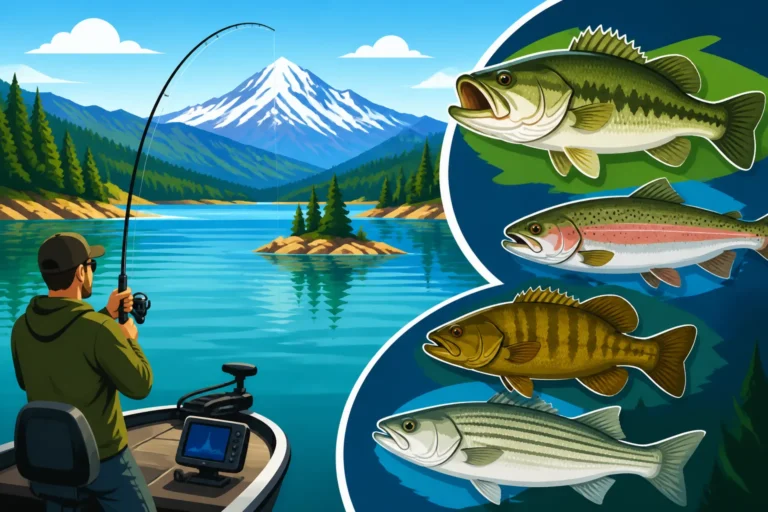
What makes Castaic Lake such a magnet for anglers? Well, it's pretty simple: the fish are big, and there are a lot of them. This lake consistently produces trophy-sized largemouth bass, with the state record even being held here for a time. But it's not just the bass that draw people in. The striped bass population provides explosive, tackle-testing fights, and there's a healthy mix of other species like crappie, catfish, and regularly stocked trout to keep things interesting. The lake's clear, deep waters and diverse structure – from submerged timber to rock piles and steep drop-offs – create an ideal habitat for a variety of game fish, making it a dynamic fishery year-round. Many anglers consult resources like FishingBooker to find experienced local guides who know the ins and outs of these diverse fishing grounds, ensuring they get on the bite no matter the season.
Key Fish Species and Their Habits
Before we dive into the "when," let's briefly touch on the main players you'll encounter at Castaic and what generally makes them tick. Understanding their basic behaviors is crucial for predicting their movements throughout the year.
- Largemouth Bass: These are the superstars of Castaic. They love structure and cover, lurking around submerged trees, rock outcroppings, and ledges. Their activity is heavily influenced by water temperature, making them quite seasonal. They're ambush predators, so presentation is key. If you want to know more about How to Fish for Largemouth Bass in California, we have a dedicated guide.
- Striped Bass: The hard-hitting, open-water cruisers. Stripers are often found chasing baitfish schools in the main body of the lake. They're powerful fighters and can be caught trolling, casting, or even on live bait. Their activity often picks up in warmer water. For more details on How to Fish for Striped Bass in California, check out our comprehensive article.
- Trout (Rainbow and Brown): These cold-water beauties are primarily a put-and-take fishery, meaning they are regularly stocked by the Department of Fish and Wildlife. They thrive in cooler temperatures and are usually found closer to the surface or in specific zones where they've been released. You can learn a lot more about How to Fish for Trout in California from our other guides.
- Crappie and Catfish: Crappie are panfish that often school up around brush and structure, especially during their spawning periods. Catfish are bottom-dwellers, often more active at night or in low light, and they're less picky eaters.
Seasonal Breakdown: When to Target Your Favorite Species
Fishing success at Castaic Lake, like most places, is intrinsically tied to the seasons. The changing water temperatures, fish spawning cycles, and available forage dictate where the fish are and what they're willing to bite. Let's break down the year to give you the best shot at your target species.
Spring (March – May): The Bass Explosion and Trout Action
Ah, spring! This is arguably one of the best times to be on Castaic Lake, especially if you're chasing largemouth bass. As the water temperatures begin to rise into the 50s and 60s, the bass start moving up from their deeper winter haunts, becoming incredibly active. This pre-spawn and spawn period is when many anglers land their personal bests.
During early spring, say March, the bass are in a pre-spawn frenzy, gorging themselves to build energy for the upcoming spawn. They'll often be found transitioning along points, creek channels, and submerged humps leading into shallower spawning flats. Reaction baits like lipless crankbaits, jerkbaits, and swimbaits can be incredibly effective during this time, as the fish are aggressive. As the water warms further into April and May, the bass move onto the beds to spawn. This is when sight fishing can be huge, targeting visible bass guarding their nests in shallower coves and pockets. However, remember to practice responsible catch-and-release during the spawn to protect the fishery. Meanwhile, stocked trout will still be active, particularly in the lagoon or upper lake shallows, biting on PowerBait, small spoons, and Kastmasters. For excellent California Bass Fishing Techniques, spring is the perfect time to try topwater lures as well, especially as the mornings warm up.
Summer (June – August): Stripers on the Hunt and Deep Bass
When summer rolls around, Castaic Lake heats up – literally. The surface water temperatures can climb into the 70s and even low 80s, which changes the game significantly. For largemouth bass, this often means they move deeper, seeking cooler, more stable water temperatures. You'll find them holding on deep structure like ledges, points, and even brush piles in 20-50 feet of water. This is when techniques like drop-shotting, deep cranking, and even Carolina rigging soft plastics become incredibly effective. Early mornings and late evenings are prime times for bass that might push shallower for a quick feed before retreating.
However, summer is prime time for striped bass. These powerful fish thrive in the warmer water, becoming extremely active and often schooling up to chase baitfish like shad. You'll see boils on the surface as stripers bust bait, creating explosive opportunities. Trolling with Castaic-style swimbaits or umbrella rigs is a popular and very effective method, especially in the main lake. Live bait, like threadfin shad or anchovies, drifted or slow-trolled, can also be deadly. Catfish and crappie also become more active in the warmer months, with crappie often schooling in submerged timber and catfish cruising the bottom, ready for a stinky bait. For more on California Fishing in Summer, remember that a good sonar unit is your best friend for locating deep fish and bait schools.
Fall (September – November): Feeding Frenzy for All
Fall is another fantastic season at Castaic Lake, often rivaling spring for overall fishing action. As the cooler air temperatures start to drop the surface water temperature, the fish sense winter approaching and go on a major feeding binge. This is the "fall turnover" period where the lake's water columns mix, bringing nutrients and baitfish to different depths. Largemouth bass will move shallower again, especially in the mornings and evenings, actively chasing bait. Topwater lures, spinnerbaits, and crankbaits can be incredibly productive as bass aggressively feed.
Striped bass remain very active through the fall, often following the baitfish into shallower coves or congregating in major channels. Trolling, throwing swimbaits, or fishing live bait are still excellent tactics. What makes fall particularly special is the reintroduction of trout. The Department of Fish and Wildlife begins its regular stocking program, meaning fresh batches of rainbow trout are introduced to the lake, especially the lower lagoon, providing excellent fishing for bait and lure anglers. This seasonal stocking means you can enjoy a multi-species day, perhaps catching bass in the morning and switching to trout in the afternoon. For detailed California Bass Fishing Tips and Techniques, fall is the time to experiment with a variety of presentations as bass often chase anything that moves.
Winter (December – February): Deep Rewards and Trout Galore
Winter fishing at Castaic Lake might be a bit slower in terms of sheer numbers, but it can offer some truly exceptional quality. The colder water temperatures (often in the 50s) mean that fish are generally less active and feed less frequently. However, when they do bite, they're often big. Largemouth bass will be deep, typically holding tight to structure like main lake points, ledges, and deep brush. Slowly fished jigs, drop-shots, and spoons are the go-to baits. It's a game of patience and precision, but the reward can be a monster bass.
Striped bass, while less aggressive than in summer, can still be caught, often by trolling deep with large swimbaits or fishing live bait on the bottom in key channels. The real winter stars, however, are the trout. With consistent stocking through the colder months, the trout fishing can be phenomenal, especially in the lower lagoon and accessible areas of the main lake. PowerBait, corn, and small inline spinners or spoons work wonders for these freshly stocked fish. Crappie also school up tightly in winter, often in deep brush piles, and can be caught by vertically jigging small crappie jigs or minnows. Many experienced anglers look for guides through services like FishingBooker during the winter to help pinpoint these elusive deep-water fish. If you're planning a trip during the colder months, make sure to read up on California Fishing in Winter to prepare for slower bites but potentially larger fish.
Daily Factors: Beyond the Calendar
While seasons provide a great framework, the exact time of day, weather, and water conditions on any given outing can drastically influence your success at Castaic Lake. Ignoring these factors is like trying to bake a cake without knowing how to preheat the oven – you're missing a critical piece of the puzzle.
The Golden Hours: Dawn and Dusk
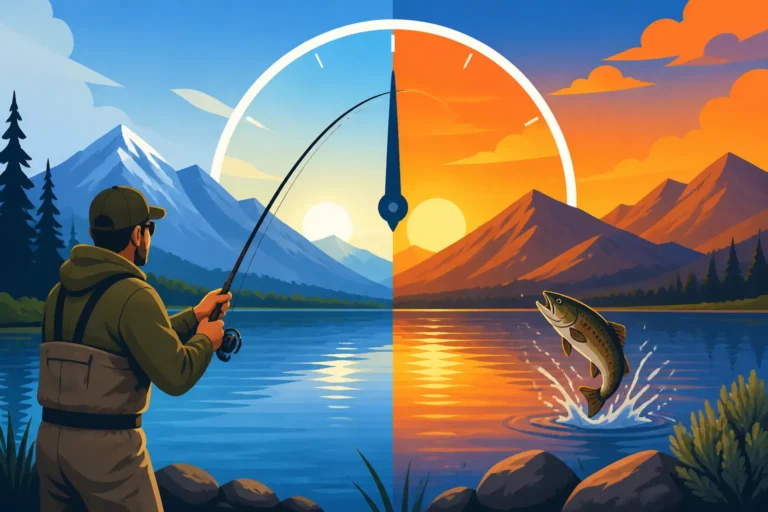
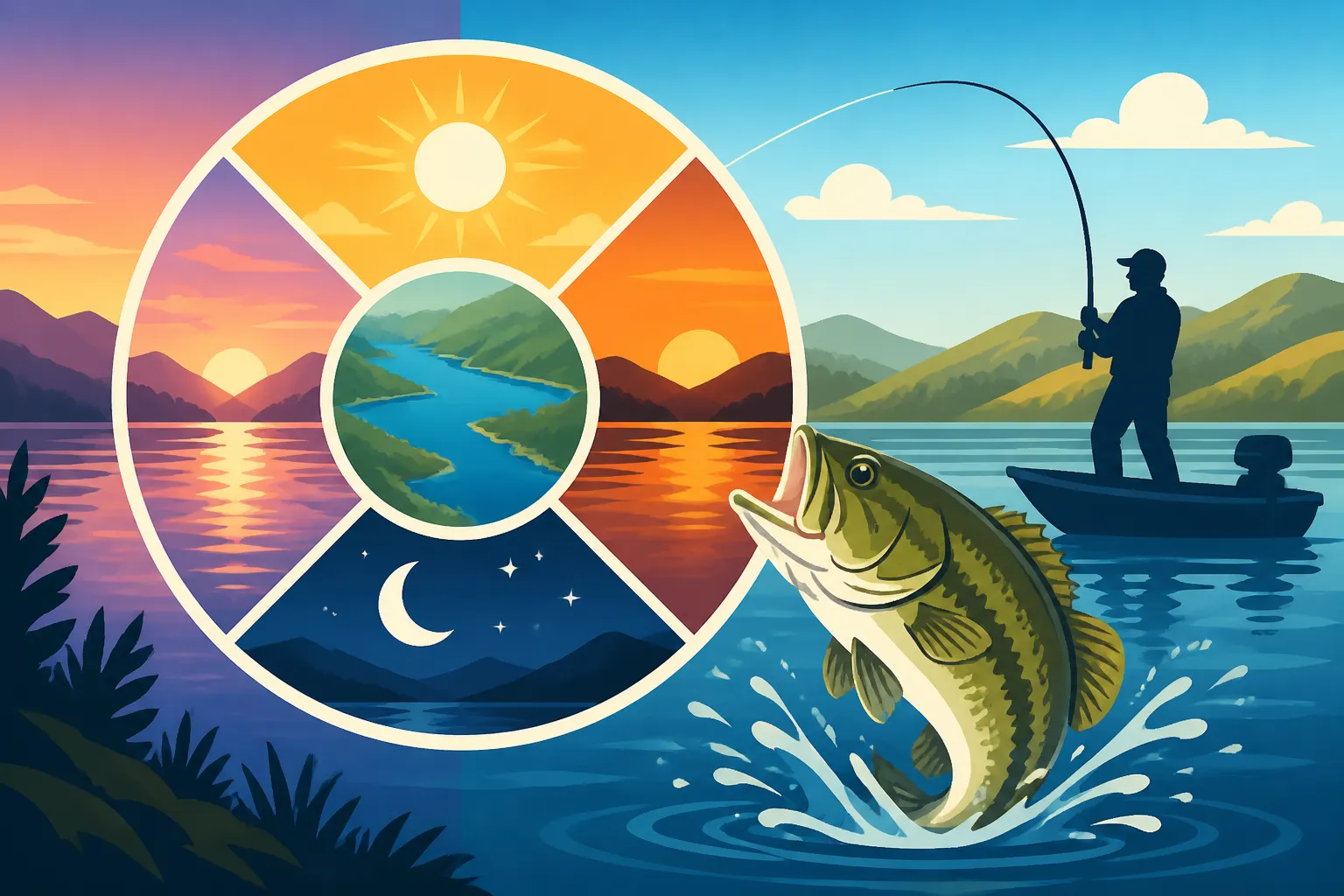
This is a pretty universal truth in fishing, but it holds especially true for Castaic Lake. The periods around sunrise and sunset are almost always the most productive for both largemouth and striped bass. During these "golden hours," the light is low, which makes fish feel more secure coming into shallower water to feed. The water temperatures are also at their most stable, or in transition, which often triggers activity.
For bass, these are prime times for throwing reaction baits like topwater lures, spinnerbaits, and shallow crankbaits near cover or along points. Stripers will often push baitfish to the surface, creating explosive feeding frenzies that are both exhilarating to witness and incredibly effective to fish. Even during the hotter summer months, these low-light periods offer the best chance to intercept actively feeding fish before they retreat to deeper, cooler waters.
Midday Challenges and Strategies
Midday at Castaic, especially during bright, sunny conditions, can be tough. The high sun pushes fish deeper and often makes them less willing to chase baits. However, that doesn't mean you should pack up and go home. Instead, it's a time to adjust your strategy.
For bass, this means focusing on deeper structure. Think steep drop-offs, submerged ledges, and deep brush piles. Fish slowly with finesse techniques like drop-shotting, shaky heads, or heavy jigs. Target shade lines created by cliffs or submerged trees. For stripers, they might be suspending over deep water, so trolling deeper diving lures or fishing live bait at specific depths can be effective. This is also a good time to target catfish on the bottom with stink baits or cut bait, as they are less light-sensitive. Essentially, when the sun is high, go deep and go slow. This is also a good time to consider going to the Best Fishing Spots in Southern California that offer more shade or deeper relief.
Weather's Influence on the Bite
Weather isn't just about comfort; it's a major factor in fish behavior. A sudden cold front, for instance, can shut down the bite for days, making fish lethargic and unwilling to feed. Stable weather patterns, on the other hand, tend to produce consistent fishing.
- Overcast Days: Often fantastic! The reduced light penetration makes fish feel more comfortable in shallower water for longer periods, extending those golden hours. Topwater and reaction baits can work throughout the day.
- Rainy Days: Light rain can be excellent, especially for bass, as it washes nutrients and bait into the lake. Heavy downpours can muddy the water, which might be good for catfish, but can disorient other species.
- Wind: A moderate breeze can be your friend, creating a "chop" on the water that breaks up light penetration and can position baitfish, concentrating predators. Too much wind, however, makes boat control difficult and can make fishing unpleasant. Focus on wind-blown points or coves where bait might be pushed.
- Water Temperature: This is paramount. Understanding the ideal temperature ranges for different species at Castaic Lake is key. Bass, for instance, are most active between 55-75°F. Outside of that, they'll either be lethargic or seeking refuge. This is why knowing the Best Time of Year to Catch Largemouth Bass in California often comes down to tracking water temps.
Castaic Lake Fishing Calendar by Species
To make it a little easier to visualize, here's a table summarizing the best times to fish for Castaic Lake's most popular species. Remember, these are general guidelines, and local conditions can always vary. Checking a local fishing report or calling a bait shop before you head out is always a smart move.
| Species | Primary Season | Secondary Season | Best Time of Day | Key Tactics / Baits |
|---|---|---|---|---|
| Largemouth Bass | Spring | Fall | Dawn/Dusk | Jigs, drop-shots, swimbaits, crankbaits, topwater |
| Striped Bass | Summer | Fall | Early Morning/Late Evening | Trolling (swimbaits/umbrella rigs), live bait, topwater |
| Rainbow Trout | Winter | Spring, Fall | Morning | PowerBait, worms, small spoons, Kastmasters, inline spinners |
| Black Crappie | Late Spring | Fall | Morning/Evening | Small jigs, minnows, trolling |
| Catfish | Summer | Fall | Night/Dawn/Dusk | Cut bait, stink bait, live worms |
This table simplifies the information, but the nuances are in the details we discussed earlier. For instance, while spring is prime for largemouth, summer still offers opportunities if you go deep.
Specialized Tactics for Optimal Timing
Knowing when to go is only half the battle; knowing how to fish effectively during those times for Castaic's diverse species is the real game-changer. Let's delve into some tactics that align with our seasonal and daily timing strategies.
Mastering Bass During Their Prime
During the spring pre-spawn and spawn, when the bass are aggressive and shallow, you really want to present baits that stand out. Think big swimbaits like the Huddleston Deluxe or similar soft plastic versions when they're feeding heavily on trout or shad. These can draw monstrous strikes. Once they're on the beds, sight fishing with soft plastics like Brush Hogs or Yamamoto Senkos, carefully pitched to visible fish, can be highly effective. Remember to let the bait sit, twitch it, and be patient.
As summer pushes bass deep, don't be afraid to fish heavy. A 1/2 oz or 3/4 oz jig, slowly dragged along a deep rocky point or brush pile, can entice lethargic giants. Drop-shotting a Roboworm or similar finesse worm is also incredibly effective for deep, pressured fish. For Best Lures for California Largemouth Bass in these scenarios, sometimes less is more. For the fall feeding frenzy, covering water is key. Crankbaits that mimic shad, like a Norman DD22 or a Lucky Craft LC RTO, are perfect for covering points and channels. Don't forget the power of a good old spinnerbait worked through submerged timber.
Chasing Stripers Year-Round
Striped bass at Castaic can be a puzzle, but with the right timing and tactics, they're incredibly rewarding. In summer and fall, when they're actively schooling and chasing bait, trolling is a major technique. Local knowledge suggests varying your trolling speed and depth until you hit a school. Large plugs, like those from Rapala or Bomber, or even umbrella rigs, can be very effective.
When you see those surface boils, get a topwater popper or walking bait out there fast. The bite can be furious but short-lived. Live bait is almost always a surefire bet for stripers, especially when they're being finicky. Anchovies or threadfin shad (if legally caught or purchased) drifted on a light leader can be irresistible. During the cooler months, look for stripers deeper near channels and structure, where they might be slower to bite, but often larger. Consider consulting local guides via platforms like FishingBooker for their insights into current striped bass patterns.
Trout for All Seasons (But Especially Cooler Ones)
Trout fishing at Castaic Lake is usually fantastic after a fresh stocking, which happens frequently from fall through spring. For shore anglers and those in the lower lagoon, PowerBait (in various colors like rainbow or chartreuse), inflated nightcrawlers, and small pieces of corn fished off the bottom with a light leader and small hook are highly effective. For lure anglers, Kastmasters, Thomas Buoyants, and Rooster Tail spinners in silver, gold, or brass are popular choices.
Trolling the main lake with small spoons or Rapalas can also produce nice trout, especially those that have been in the lake longer and have grown accustomed to natural forage. Pay attention to fish plant schedules, often announced by the California Department of Fish and Wildlife, as the days immediately following a plant are usually the most productive. For additional strategies, explore our guide on California Trout Fishing Techniques.
Planning Your Castaic Lake Fishing Trip
Okay, so you've got the lowdown on when and how to fish Castaic. Now, let's talk about putting it all together for a successful trip. It's not just about showing up; it's about preparing smartly.
Essential Gear and Preparedness
No matter the season, a few things are always good to have:
- Layered Clothing: Southern California weather can change, especially mornings and evenings.
- Sun Protection: Hat, sunglasses, sunscreen. Even on overcast days, the UV can be brutal.
- Plenty of Water: Stay hydrated, particularly in summer.
- Appropriate Tackle: Make sure your rods, reels, lines, and lures match your target species and chosen techniques. Don't show up with ultralight gear if you're chasing trophy stripers!
- Fishing License: Crucial! Always have a valid California Fishing License Guide on hand. You can even check out How to Get a California Fishing License if you're new to the state.
- Report Cards: If you plan on targeting specific species like sturgeon or salmon (though less common here), ensure you have the necessary California Fishing Report Cards Explained.
Tapping into Local Knowledge
Don't underestimate the power of local insights. The Castaic Lake Marina often has a tackle shop where you can get up-to-the-minute information on what's biting, where, and on what. The staff there are usually anglers themselves and are a goldmine of information. Fishing forums and local fishing clubs are also excellent resources. Many seasoned anglers also use services like FishingBooker to connect with local guides who spend hundreds of days a year on the water and can provide unparalleled expertise, especially for specific target species or during challenging conditions. A guide can often cut the learning curve significantly, especially if you're new to Castaic or targeting a specific species.
Respecting the Lake and Its Regulations
Castaic Lake is a precious resource, and it's up to all of us to keep it healthy. Always abide by the California Fishing Regulations Explained, including bag and size limits for each species. Practice catch-and-release, especially for larger breeding fish, to ensure future generations can enjoy the same incredible fishing. Pack out everything you pack in, and never leave trash behind. Also, be mindful of other lake users, whether they're boaters, swimmers, or fellow anglers.
Conclusion: Your Best Time to Fish Castaic Lake Awaits
Ultimately, the "best" time to fish Castaic Lake often comes down to what you're hoping to catch and what kind of fishing experience you're after. If you're chasing trophy largemouth bass, spring and fall offer the peak opportunities for aggressive, shallow-water action. If the explosive fight of a striped bass is what you're after, the warm summer and fall months are your best bet. And for consistent action and delicious meals, the stocked trout provide fantastic fishing from fall through spring.
By understanding the seasonal patterns, daily nuances, and the specific habits of Castaic's diverse fish species, you can move beyond just hoping for a bite and start planning truly strategic and successful fishing trips. So, grab your gear, check the forecast, and head out to Castaic Lake – your next great catch might just be waiting.
Disclaimer
The information provided in this guide is for general informational purposes only and is subject to change. Fishing regulations, seasons, and conditions can vary. Always consult the latest California Department of Fish and Wildlife regulations and local authorities before planning any fishing trip. Adherence to all laws and safety guidelines is the sole responsibility of the angler.