Best Time to Fish Silverwood Lake
Figuring out the absolute best time to fish Silverwood Lake can feel like a riddle wrapped in an enigma, especially with California's ever-changing weather and the lake's diverse fish populations. It's frustrating to plan a trip, only to find the fish aren't biting because you missed the prime window. This guide aims to clear up that confusion, breaking down the optimal times to target Silverwood Lake's most popular species so you can make every cast count.
Understanding Silverwood Lake's Key Species and Their Peak Seasons
Silverwood Lake, nestled in the San Bernardino Mountains, is a fantastic multi-species fishery, but knowing what you're after is half the battle. Each species has its own peak activity periods, largely dictated by water temperature, available forage, and spawning cycles. It's not a one-size-fits-all answer, so let's dive into the specifics.
Largemouth and Smallmouth Bass Peak Seasons
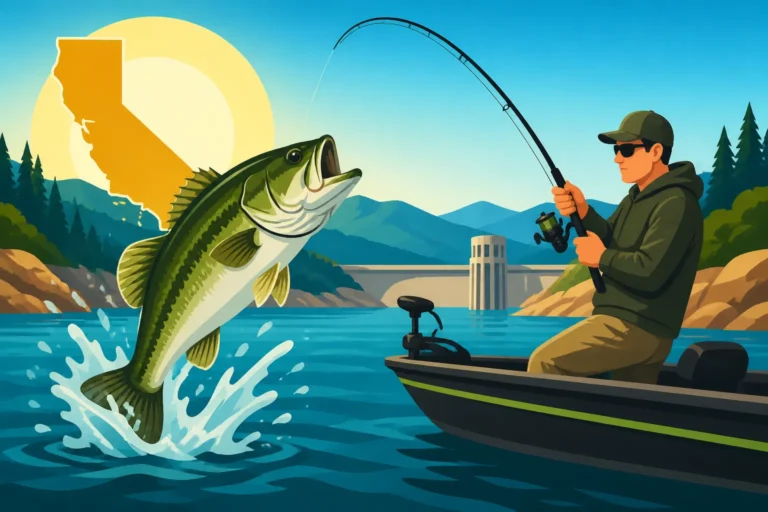
For many anglers, bass are the main draw at Silverwood. Both largemouth and smallmouth bass thrive here, offering exciting action for various techniques. Their activity is heavily influenced by water temperature, making spring and fall particularly productive.
When the water starts to warm up in early spring (March-April), both largemouth and smallmouth begin to move into shallower coves and points, preparing for their spawn. This pre-spawn period is absolutely electric, as bass are aggressively feeding to build energy. You'll find them hitting crankbaits, jerkbaits, and swimbaits with ferocity. As the water temperatures rise further into the high 50s and 60s Fahrenheit, the actual spawn typically kicks off, often peaking from late April through May. During this time, bass are focused on bedding, and while they can be caught, many anglers prefer to practice catch-and-release to protect the breeding population. After the spawn, in late spring and early summer (June), the post-spawn bite can be fantastic as bass recover and resume feeding heavily, often moving to slightly deeper structure near spawning areas.
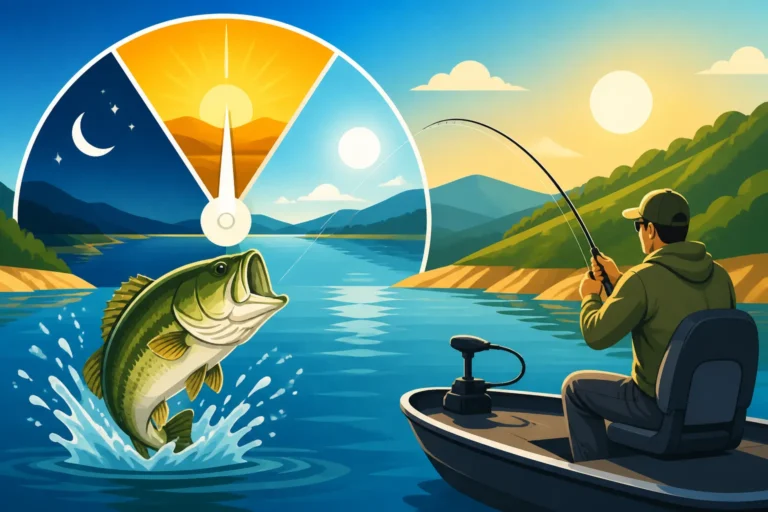
As summer progresses and water temperatures soar, bass tend to move deeper, seeking cooler, oxygen-rich water. This doesn't mean they're impossible to catch, but you'll likely need to adjust your tactics, perhaps focusing on drop-shotting, deep-diving crankbaits, or fishing during low-light hours like dawn, dusk, or even at night. However, when fall (September-November) arrives and the water starts to cool again, Silverwood Lake experiences another incredible bass bite. The bass go on a major feeding binge, trying to pack on calories for the colder months ahead. This is a prime time for throwing topwater lures in the mornings, followed by reaction baits like spinnerbaits and chatterbaits, or working jigs and soft plastics around points and submerged structures throughout the day. If you want to refine your approach, check out our guide on how to Fish for Largemouth Bass in California.
Trout Fishing in Cooler Months
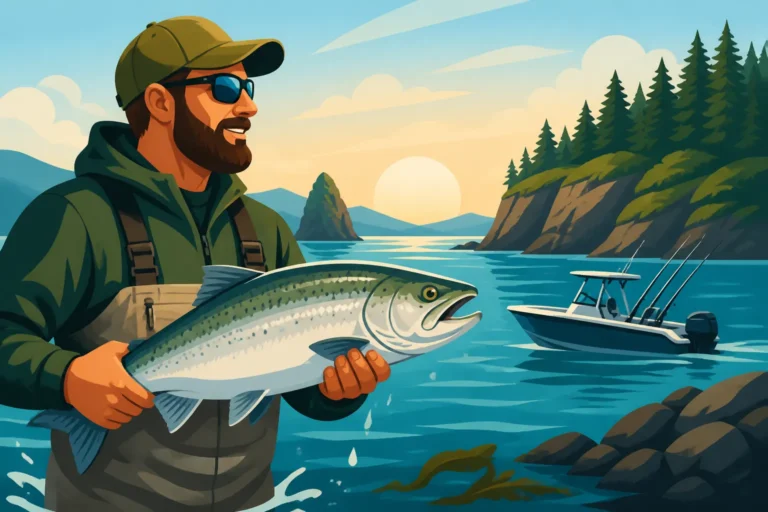
Silverwood Lake is a prime destination for trout anglers, largely thanks to consistent stockings by the California Department of Fish and Wildlife (CDFW). Unlike bass, trout prefer cooler water, making them a fantastic target during the colder times of the year when bass fishing can slow down.
The absolute best time for trout fishing at Silverwood Lake is typically from late fall through winter and into early spring (October-May). This is when the water temperatures are ideal for trout, and the CDFW is actively stocking the lake with rainbow trout. You'll often find limits of healthy rainbows being caught by anglers employing a variety of methods. PowerBait and inflated nightcrawlers fished off the bottom with a sliding sinker are classic and highly effective techniques. Trolling with small spoons or Rapalas can also be incredibly productive, especially if you're targeting larger holdovers. Consider reviewing the California Trout Stocking Schedule to plan your visits around recent plant dates for the best chances.
Even when the weather warms up in summer, trout can still be caught, but they will retreat to the deepest, coolest parts of the lake. This requires specialized tactics, often involving downriggers for trolling or fishing deep with heavy jigs and spoons. However, for sheer numbers and consistent action, those cooler months after the first significant cold fronts of fall hit are undoubtedly prime trout time. The lake’s deeper sections near the dam and the spillway can hold impressive trout all year, but they are far more accessible and active when the surface temperatures drop. Our guide on how to Fish for Trout in California provides even more detailed strategies.
Catfish and Panfish Opportunities Year-Round
While bass and trout often get the most attention, Silverwood Lake also holds robust populations of channel catfish, bluegill, and crappie, offering consistent action for anglers of all skill levels. These species are generally more resilient to temperature changes and can be caught throughout the year, though certain seasons do stand out.
Catfish are perhaps the most reliable year-round residents. They become particularly active in the warmer months (late spring through fall), when water temperatures are high and they are feeding aggressively. Night fishing for catfish during the summer can be incredibly productive and a wonderfully peaceful experience under the stars. Stinky baits like cut mackerel, anchovies, chicken livers, or commercially prepared catfish baits are usually irresistible to them. They tend to congregate in deeper channels, around submerged structures, and near the inflow areas. Even in winter, a patient angler can find catfish, often in deeper holes, though their bite will be slower.
Panfish, including bluegill and crappie, are abundant and provide excellent light-tackle fun, especially for families and beginner anglers. Bluegill are active virtually all year, though their peak aggression comes during their spawning period in late spring and early summer. Tiny jigs, worms, crickets, or even small pieces of PowerBait under a bobber can lead to non-stop action. Crappie also become very active in spring, moving into shallower areas to spawn. They love small jigs, minnows, or tiny spoons. You can often find them schooling around submerged brush or docks. While accessible year-round, spring and early summer are undoubtedly the best times for consistent panfish action. If you’re looking for family-friendly options, the panfish at Silverwood are a great choice.
Seasonal Breakdown for Optimal Success at Silverwood Lake
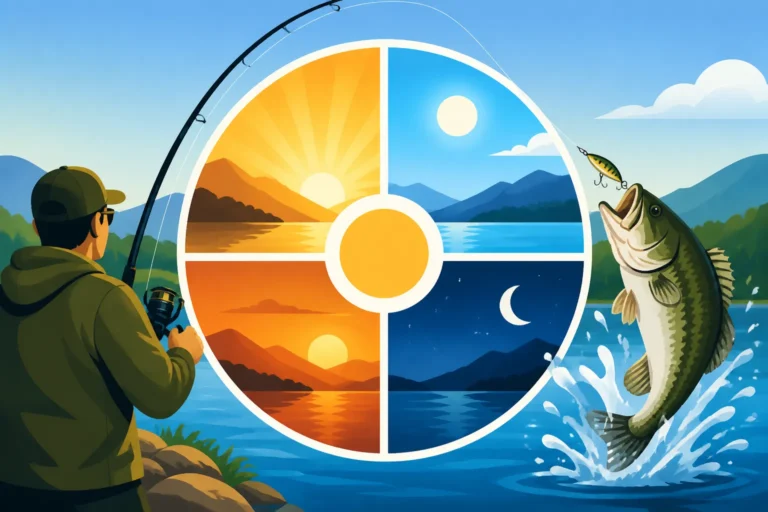
To truly maximize your time on the water at Silverwood Lake, it pays to understand how the fishing shifts with the seasons. Each quarter of the year brings unique challenges and opportunities.
Spring: The Burst of Activity (March-May)
Ah, spring! This is arguably the most dynamic and exciting time to fish Silverwood Lake. As the days lengthen and the sun warms the water, the entire ecosystem seems to wake up, and the fish follow suit.
Bass anglers will be in heaven during spring. The pre-spawn period, usually starting in March, sees bass moving shallower and feeding voraciously. Crankbaits, jerkbaits, and spinnerbaits are excellent choices for covering water and locating aggressive fish. As we move into April and May, the spawn truly kicks off. Look for bedding bass in protected coves and flats. While many anglers choose to leave spawning fish undisturbed, those who do target them often use soft plastics like Senkos or lizards. Post-spawn bass in late May are often found slightly deeper, near structure, recovering and feeding heavily. This transition period can be excellent for a variety of presentations.
Trout fishing remains strong in early spring, especially if stockings are still occurring. The cool water keeps them active and feeding near the surface or suspended. As the spring progresses and the water warms, trout will begin to move deeper, so adjust your presentation accordingly, perhaps switching from surface trolling to deeper-water techniques. Panfish also become very active in spring, with crappie and bluegill moving into shallow areas to spawn, making them easy targets for ultralight gear. This is a fantastic time for a mixed bag, as you can often catch multiple species in a single outing.
Summer: Early Mornings and Evenings (June-August)
Summer at Silverwood Lake can be a bit more challenging for some species, but it certainly offers its own rewards, especially if you adapt your schedule and tactics. The key here is often to fish during the cooler parts of the day.
For bass, the intense summer heat often pushes them deep, seeking thermal refuge and higher oxygen levels. Early mornings and late evenings become prime time for topwater action or targeting fish that move into slightly shallower water to feed under low light. During the heat of the day, focus on deep structure, points, and humps using drop-shot rigs, deep jigs, or Carolina rigs. Consider looking for areas with current or submerged springs if available, as these can concentrate fish. Night fishing for bass can also be incredibly productive during the summer, particularly with dark-colored jigs or worms.
Trout will be deep during the summer, usually requiring downriggers or heavy weighted lines to reach them. They’ll often suspend over significant depths, so a good fish finder is invaluable. Catfish, however, thrive in the warm summer water. As mentioned, night fishing for catfish is a summer tradition at Silverwood. Look for them in areas where channels meet flats or near submerged cover. Panfish will also be active, though you might find crappie moving a bit deeper during the midday heat. Early mornings and evenings are best for them too, especially around brush piles or docks.
Fall: Feeding Frenzies and Cooler Comfort (September-November)
Fall is another spectacular time to fish Silverwood Lake, often rivaling spring for sheer excitement and productivity. The cooling water triggers aggressive feeding across most species, and the comfortable weather makes for a more enjoyable experience for anglers.
Bass go on a pre-winter feeding frenzy in the fall. They're trying to fatten up before the colder months, making them incredibly aggressive. This is an excellent time for reaction baits like crankbaits, spinnerbaits, and chatterbaits. Topwater fishing can remain strong through early fall, especially on calm mornings. Focus on points, coves, and areas where baitfish are congregating. As water temperatures drop further, bass might start to move towards deeper structure, but they'll still be active.
Trout fishing really kicks into high gear in the fall as the CDFW resumes its stocking program and the water cools to their preferred temperature range. Trolling with spoons or Rapalas, or bait fishing from shore with PowerBait or worms, can be highly effective. The cooler, crisper air of fall makes for a truly pleasant fishing experience. Catfish remain active through early fall, still feeding aggressively. As the water cools further, their bite will slow but they're still catchable in deeper areas. Panfish will also be quite active, responding well to small jigs and baits as they feed up for winter. To get a better handle on the best times for specific species, consider our guide on When to Fish for Each Species in California.
Winter: Cold Water Rewards (December-February)
Winter fishing at Silverwood Lake might seem less appealing, but for those willing to brave the chill, it can offer some truly rewarding opportunities, especially for specific species.
Trout are undoubtedly the stars of winter fishing at Silverwood. The cold water is their preferred environment, and consistent stockings ensure good numbers. Bait fishing from shore with PowerBait, scent-infused worms, or marshmallows is highly effective. Trolling with various spoons and lures can also pick up some nice holdovers. The fish tend to be more concentrated in certain areas during the colder months, making them easier to locate if you know where to look, often near the deeper sections of the lake.
Bass fishing in winter is typically slower, but it can produce some true giants. The key is to slow down your presentation considerably. Jigs, shaky heads, and drop-shots fished painstakingly slowly in deep water or near vertical structure can entice cold-water bass. Look for calm, sunny days when the bass might move up slightly on sun-exposed banks. Don't expect fast action, but the fish you do catch will often be of quality size. Catfish will be lethargic but can still be caught on cut baits fished on the bottom in deep holes. Panfish will also be slower, but bluegill can sometimes be found schooled up in deeper marinas or coves, willing to nibble on tiny baits.
Factors Influencing Your Fishing Success at Silverwood
Beyond the general seasonal patterns, several other factors can significantly impact your day on the water at Silverwood Lake. Paying attention to these details can often mean the difference between a memorable day and a frustrating one.
Water Temperature and Levels
Water temperature is perhaps the single most critical factor influencing fish activity and location. Every species has an optimal temperature range, and understanding this helps you predict where fish will be and how they'll behave.
As mentioned, bass are most active when water temperatures are between 55-75°F. Below 50°F, they become sluggish; above 80°F, they seek deep, cooler water. Trout thrive in cooler water, ideally 45-65°F. When water temperatures exceed 70°F, they become stressed and will seek the deepest, coolest pockets they can find. Catfish and panfish are more tolerant of warmer water, often preferring temperatures above 65°F for peak activity. Monitoring water temperature using a fish finder or a portable thermometer can give you a huge advantage. Water levels also play a role, particularly in larger reservoirs like Silverwood. Drastically dropping water levels can make fish skittish and pull them off shallow structures, while rising water can bring them into newly flooded cover, creating new opportunities. Always check local lake conditions before heading out, as these can change rapidly due to snowmelt, rainfall, or water releases.
Weather Patterns and Moon Phases
The weather on any given day, and even the larger lunar cycle, can have a noticeable impact on fish behavior. It's not just about comfort for you; it's about comfort and feeding triggers for the fish!
A stable period of weather, especially a few consecutive days of consistent conditions, often leads to more predictable fishing. Sudden changes, like a cold front moving in or a sharp drop in barometric pressure, can often shut down a bite. Overcast days with a light breeze are often fantastic for bass, as the diffused light encourages them to stay shallow longer, and the chop on the water can break up their silhouette, making them feel more secure. Sunny, calm days can push fish deeper or make them more wary. Rain can sometimes trigger a bite, especially for bass and trout, as it washes nutrients and insects into the water and can cool surface temperatures. As for moon phases, many anglers swear by the days leading up to and after a full or new moon for increased fish activity, particularly around dawn and dusk. While not always a guarantee, it's another piece of the puzzle to consider, and many local fishing reports or guides found on sites like FishingBooker often incorporate these factors into their predictions.
CDFW Stocking Schedules
For trout anglers at Silverwood Lake, the California Department of Fish and Wildlife (CDFW) stocking schedule is practically gospel. These scheduled releases inject thousands of hatchery-raised trout into the lake, providing immediate opportunities for easy limits.
These stockings typically occur from fall through spring, when water temperatures are conducive to trout survival. While wild trout are present, the stocked fish significantly boost the catch rates. Checking the CDFW's planting schedule online or through their Fish Planting website is a must for any serious trout angler planning a trip. Often, the best fishing for newly stocked trout is within a few days to a week of the plant, as they are still acclimating and relatively eager to bite. They tend to stick around the areas where they were released, often boat ramps or accessible shoreline spots. Over time, these fish disperse throughout the lake, and some grow into impressive "holdovers." If you're targeting trout, aligning your visit with a recent stocking is one of the most reliable ways to ensure a productive day.
Maximizing Your Silverwood Lake Fishing Experience
Beyond knowing the best times, there are a few practical tips and considerations that can help you have a truly successful and enjoyable trip to Silverwood Lake.
Gear and Tackle Recommendations
Having the right gear for the fish you're targeting and the conditions you expect is crucial. You don't need the most expensive equipment, but appropriate tackle makes a world of difference.
For bass, a medium-heavy spinning or baitcasting setup is versatile, allowing you to throw everything from jigs and worms to crankbaits and topwater lures. Line weight usually ranges from 10-20 lb test, depending on cover and lure choice. For trout, a lighter spinning rod (light to medium-light action) with 4-8 lb test monofilament or fluorocarbon is ideal. This allows for casting lighter baits and detecting subtle bites. For catfish, a heavier spinning or baitcasting rod with 15-30 lb test line is appropriate, as they can pull hard, especially larger specimens. For panfish, an ultralight setup with 2-4 lb test line provides maximum fun and sensitivity. Don't forget essentials like a tackle box with a variety of hooks, sinkers, swivels, and a selection of artificial lures or bait. A landing net is always a good idea, as are pliers for hook removal. Knowing the Best Fishing Techniques for California Waters will also greatly enhance your gear choices.
Local Knowledge and Resources
While guides like this provide a great foundation, hyper-local, up-to-the-minute information can be invaluable. Conditions at Silverwood Lake can change rapidly, and what worked last week might not work today.
One of the best resources is to talk to local bait and tackle shop employees near Silverwood Lake. They often have real-time reports, know what baits are working, and can point you to specific areas. Online fishing forums dedicated to Southern California or Silverwood Lake fishing are also excellent places to gather recent intel and connect with other anglers. Finally, consider checking out platforms like FishingBooker if you're looking for a professional guide. A guided trip, especially if you're new to the lake or targeting a specific species, can be an incredible learning experience and significantly boost your success rate. A good guide can teach you techniques, show you the best spots, and often provide all the necessary gear. For example, if you're interested in booking a guide, sites like FishingBooker can help you find experienced guides who know the ins and outs of Silverwood Lake.
Responsible Angling Practices
As a popular fishing destination, Silverwood Lake relies on responsible angling practices to maintain its health and productivity for future generations.
Always be aware of and adhere to the current California Freshwater Fishing Regulations. This includes understanding bag limits, size limits, and any special regulations for specific species or areas. Remember to properly dispose of all trash, including discarded fishing line, which can be harmful to wildlife. If you're practicing catch-and-release, handle fish gently with wet hands, minimize their time out of water, and use appropriate de-hooking tools. By practicing good stewardship, we can all ensure that Silverwood Lake remains one of California's premier fishing destinations for years to come. Remember to always purchase your California Fishing License Guide before heading out.
Silverwood Lake Species and Best Season Summary
To help you quickly reference the best times to target Silverwood Lake's primary species, here's a handy table:
| Species | Peak Season | Secondary Season | Key Considerations |
|---|---|---|---|
| Largemouth Bass | Spring (Mar-May), Fall (Sep-Nov) | Summer (June-Aug) – deep/low light | Pre-spawn & Fall frenzy are prime. Summer means deep. |
| Smallmouth Bass | Spring (Mar-May), Fall (Sep-Oct) | Summer (June-Aug) – deep/low light | Similar to largemouth, often found on rocky points. |
| Rainbow Trout | Fall (Oct-Feb), Early Spring (Mar-May) | Summer (June-Sep) – deep, trolling | Best after CDFW stockings in cooler months. |
| Channel Catfish | Summer (June-Sep) | Late Spring (Apr-May), Fall (Oct-Nov) | Excellent night fishing in summer. Stinky baits. |
| Crappie | Spring (Mar-May) | Early Summer (June) | Spawn in spring in shallows. Small jigs/minnows. |
| Bluegill | Late Spring (Apr-Jun) | Summer (Jul-Aug) | Active year-round, but aggressive in warm months. Tiny baits. |
Ultimately, the "best" time to fish Silverwood Lake often depends on what you want to catch. By understanding the seasonal patterns and adapting your approach, you can have a successful outing regardless of the calendar. Just make sure to check the latest conditions and regulations before you go!
Disclaimer
Fishing conditions and regulations in California can change frequently. Always consult the latest California Department of Fish and Wildlife (CDFW) regulations booklet and local advisories before heading out. This guide is for informational purposes only and should not replace official sources.