Best Time to Fish Lake Casitas
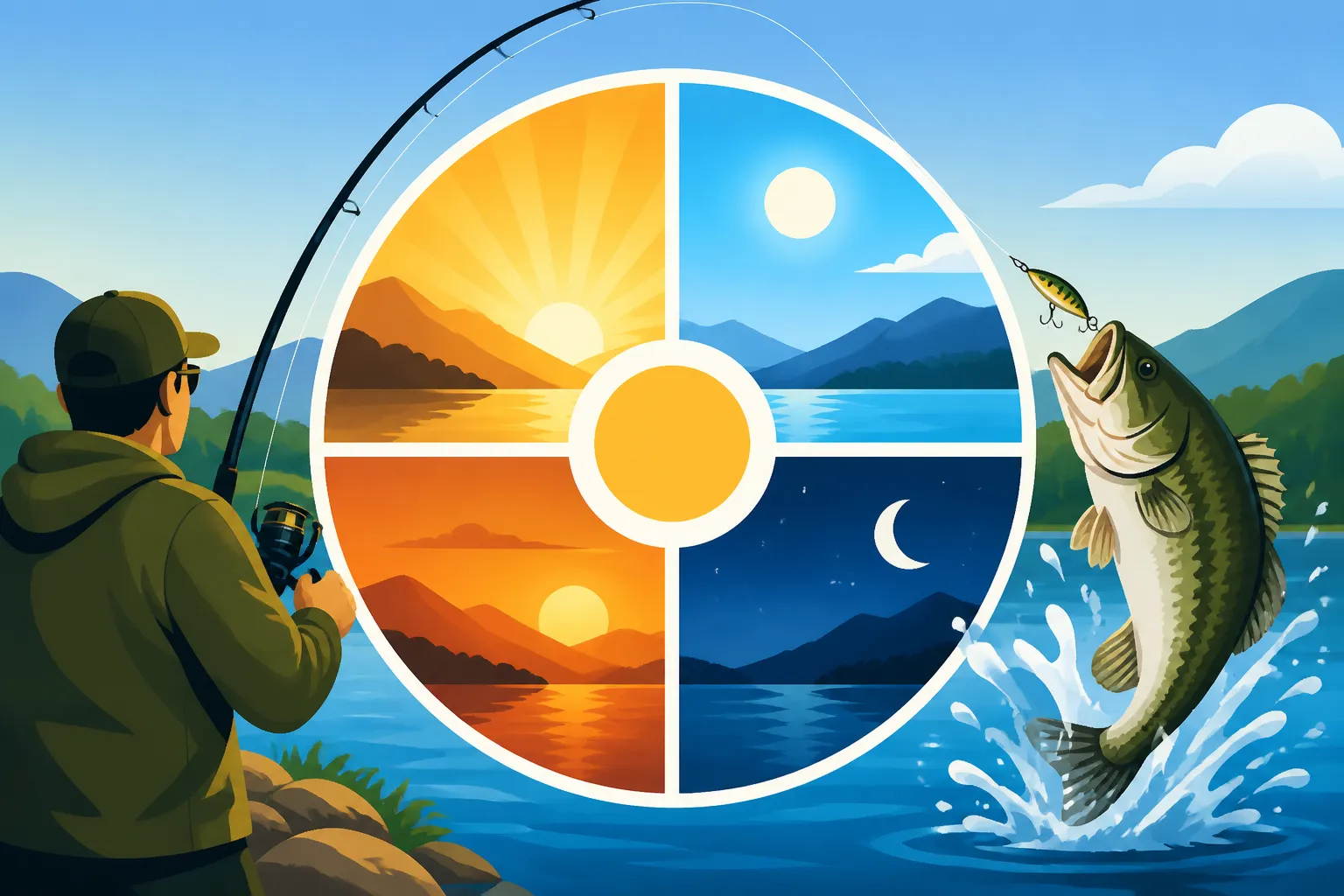
Oh, Lake Casitas! That legendary body of water tucked away in Ventura County, a true jewel in California's fishing crown. If you've ever dreamt of landing a truly monstrous largemouth bass, this is likely one of the first places that comes to mind. But let's be real, showing up at a lake like Casitas without a solid game plan for when to fish can feel like trying to find a needle in a haystack – frustrating, time-consuming, and often leading to a whole lot of nothing. You want to maximize your chances, right? That’s exactly what we’re going to unravel in this comprehensive guide, helping you pinpoint the absolute best times to hit the water at Lake Casitas.
Understanding Lake Casitas and Its Unique Fishery
Lake Casitas isn't just any lake; it's a reservoir renowned for its trophy bass potential, nestled within a picturesque landscape. Knowing what makes this lake tick is the first step to timing your visit just right. It's a place where legends are made, but also where patience is a virtue, especially if you're chasing that fish of a lifetime.
A Bass Angler's Paradise
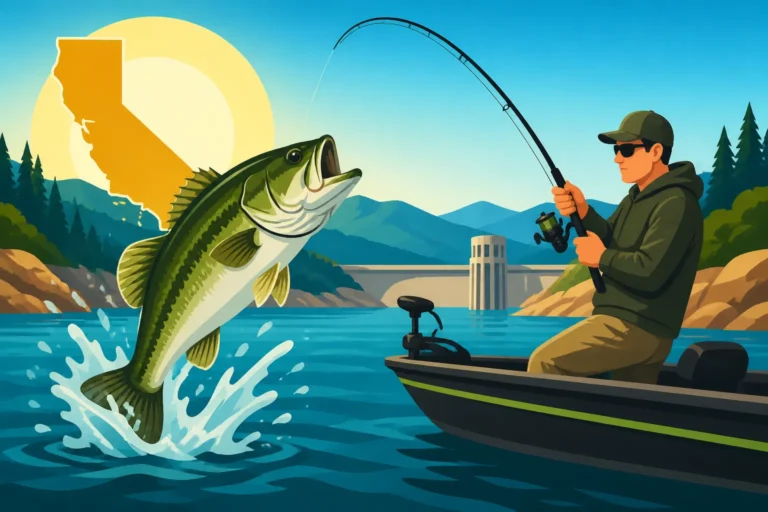
For many, Lake Casitas is synonymous with largemouth bass, and for good reason. It has a long-standing reputation for producing double-digit fish, with several state records caught here over the years. This isn't just a numbers lake; it's a big fish factory. While largemouth dominate the headlines, Casitas also holds healthy populations of smallmouth bass, bluegill, redear sunfish, and catfish. These other species can offer fantastic action, especially for families or anglers looking for consistent bites. The abundance of prime forage like shad and crawfish fuels the growth of these impressive predators, making the bass here incredibly strong and healthy. The sheer size of the lake, with its numerous coves, points, and varied underwater structure, provides ample habitat for all these species to thrive, making it a diverse and exciting fishery year-round.
Water Conditions and Lake Characteristics
Lake Casitas is a deep, clear reservoir, and its water conditions play a huge role in fish behavior. Depths can plunge to over 200 feet in some areas, offering deep-water sanctuaries for fish during hot or cold extremes. The lake's surface area is significant, about 2,500 acres when full, but it's the underwater topography that truly defines it. You'll find a mix of rocky points, submerged brush, creek channels, and gradual slopes that create diverse fishing opportunities. The clarity of the water, often excellent, means fish can be more finicky and visual, requiring longer casts and more subtle presentations, especially for the wary big bass. Understanding the thermocline – the layer where warm surface water meets colder deep water – is crucial, as fish often suspend along this layer during warmer months, seeking comfortable temperatures and oxygen levels. The lake level can fluctuate depending on rainfall and water usage, which also affects access points and where fish might be holding. Always check current lake levels before you go to get a sense of the accessible shoreline and ramps.
Seasonal Breakdown: When Lake Casitas Truly Shines
Timing is everything at Lake Casitas, and understanding the seasonal patterns is your golden ticket to a successful trip. Each season offers unique challenges and incredible opportunities, catering to different fishing styles and target species.
Spring: The Pre-Spawn and Spawn Bonanza
Ah, spring! This is arguably the most anticipated time of year for bass anglers at Lake Casitas, running roughly from March through May. As the water temperatures begin to climb into the high 50s and low 60s Fahrenheit, the bass metabolism kicks into high gear, and they start thinking about one thing: spawning.
The Pre-Spawn Frenzy (March – Early April): This period is often described as a feeding free-for-all. The bass, particularly the big females, move from their deeper winter haunts to shallower staging areas, gorging themselves on baitfish and crawfish to build up energy for the upcoming spawn. You'll find them on points, humps, and submerged timber near deeper water. This is a fantastic time for power fishing with baits like crankbaits, jerkbaits, and spinnerbaits, as the fish are aggressive and willing to chase. Don't be shy about throwing larger presentations; those trophy bass are looking for a substantial meal. Targeting areas with brush piles and rocky transitions can be incredibly productive as bass stage up before moving to their beds. This is often when the biggest bass of the year are caught, as they are at their heaviest before expending energy during the spawn.
The Spawn (Late April – May): Once water temperatures consistently hit the mid-60s, the bass move onto their beds in shallower, protected coves and flats. This is sight-fishing heaven for many anglers. The male bass guard the nests, while the females come and go to lay eggs. You can often spot these fish, sometimes huge, protecting their nests in clear water. Techniques like flipping jigs, Senkos, or creature baits into visible beds are common. However, be mindful of ethical angling practices during the spawn. Many anglers prefer to leave spawning fish undisturbed to ensure future generations. If you do target them, a quick photo and immediate, careful release are paramount. Even if you don't sight-fish, areas adjacent to known spawning flats will hold actively feeding bass, both pre-spawn and post-spawn, making for exciting action. For more general advice, you might find our guide on "California Bass Spawn Timing and Tactics" helpful.
Summer: Deep Water and Early Morning Bites
Summer at Lake Casitas, typically June through September, can be a bit of a mixed bag. The hot California sun warms the surface waters significantly, pushing many of the larger bass into deeper, cooler, more oxygenated water.
Chasing the Deeper Bass (June – August): During the heat of summer, the bite often slows down in the middle of the day. Your best bet is to target bass early in the morning, late in the evening, or even at night. Look for fish suspending in the thermocline, often around 20-40 feet deep, near main lake points, submerged islands, or old creek channels. Drop-shotting, deep-diving crankbaits, jigging spoons, and Texas-rigged worms fished slowly along the bottom are effective techniques. Electronics like a good fish finder become invaluable for locating these deeper schools. On party boats or guide trips, this is where you might see anglers "yo-yo" jigging or using similar vertical presentations. Mornings can still offer a topwater bite in shaded areas or over submerged grass if it's present.
Night Fishing Opportunities: When the sun bakes the surface, night fishing can be incredibly productive. The cooler night air and reduced boat traffic can make bass more active and willing to move into shallower water to feed. Spinnerbaits, swimbaits, and even large dark-colored jigs can produce huge bites under the cover of darkness. Many anglers also find success with plastic worms and creature baits fished slowly along the bottom or near structure. Always be sure to have proper lighting and safety equipment if you plan a night trip. For tips on specific tackle, check out "Best Baits and Lures for Largemouth Bass in California".
Fall: A Feeding Frenzy
Autumn, from late September through November, is another fantastic time to fish Lake Casitas. As the water temperatures begin to cool from their summer highs, the fish sense the impending winter and embark on a serious feeding spree.
The Turnover and Shad Runs (September – October): The cooling water often triggers the "fall turnover" where surface and deeper waters mix, redistributing oxygen and baitfish. This can initially make fishing tough for a few days, but once it settles, the bite can be phenomenal. Baitfish like shad often school up in large numbers, and the bass aggressively pursue them. This is an excellent time for reaction baits that imitate shad, such as lipless crankbaits, topwater baits (especially during low-light conditions), and swimbaits. Look for bass schooling up near main lake points, humps, and areas where baitfish are abundant. Active birds diving can often indicate schooling baitfish and, consequently, hungry bass below.
Winter Preparation (November): As temperatures continue to drop, the bass will start to move towards their winter holding patterns, often in slightly deeper water but still actively feeding. They're still focused on packing on calories. Jigs, underspins, and slow-rolled spinnerbaits remain effective. The water is usually still clear, offering great visibility, and the crowds are often thinner, providing a more peaceful fishing experience. This period offers a great transition from the active summer bite to the more methodical winter tactics.
Winter: Challenging but Rewarding
Winter (December through February) at Lake Casitas tests your patience and skill, but it can reward you with some of the biggest bass of the year. The fish are less active, their metabolism slowed by the cold water, but they're still out there, and they often gather in predictable deep-water locations.
Slow Presentations for Giants (December – January): Water temperatures can drop into the low 50s or even upper 40s. Bass will often congregate in deeper creek channels, along steep bluff walls, and on deep points, typically at depths of 30-60 feet or more. Slow, subtle presentations are key. Vertical jigging with spoons, drop-shotting small worms, and slow-rolling large swimbaits or jigs along the bottom are highly effective. The bites can be very light, feeling like just added weight to your line, so sensitivity is crucial. This is not the time for fast-paced action, but for methodical hunting for that one big bite. Many seasoned anglers cherish winter fishing at Casitas precisely because it often yields the largest bass, even if the numbers are lower.
Late Winter Warm-Ups (February): As February progresses and the days lengthen, you might start to see hints of the pre-spawn awakening. A few consecutive warm, sunny days can cause surface temperatures to tick up a degree or two, and some bass might briefly move shallower to test the waters, offering a brief opportunity for slightly more aggressive tactics before fully transitioning to spring. This is when you might start mixing in a few jerkbait retrieves along deep points. For a general overview of seasonal patterns, our article on "California Fishing in Winter" provides broader insights.
Factors Influencing the Bite Beyond Season
While seasonal patterns are crucial, several other environmental factors constantly influence how fish behave at Lake Casitas. Paying attention to these subtle cues can turn a slow day into a memorable one.
Weather, Water Temperature, and Clarity
These three factors are intrinsically linked and dictate fish activity levels. Water temperature is arguably the most critical. Bass are cold-blooded, and their metabolism directly correlates with water temperature. As mentioned in the seasonal breakdown, specific temperature ranges trigger spawning, feeding frenzies, or deep-water retreats. A sudden cold front after a warm spell can shock the fish, making them lethargic and less willing to bite for a few days. Conversely, a warming trend can activate them.
Weather patterns like cloud cover, wind, and barometric pressure also play a significant role. Overcast days often allow bass to roam shallower for longer periods, as they are less sensitive to light. Wind can create current, concentrate baitfish, and break up the water's surface, providing cover for predators. However, too much wind can make boat control and presenting baits difficult. Falling barometric pressure often signals an approaching storm and can trigger an aggressive bite (the "pre-front" bite), while rising pressure after a storm can make fish tougher to catch.
Water clarity is generally good at Lake Casitas, but after heavy rains, runoff can reduce visibility in certain areas. In clearer water, fish rely more on sight, necessitating natural-looking baits, lighter lines, and subtle presentations. In stained or dirty water, fish rely more on their lateral line and scent, making noisier, brighter, or scent-infused baits more effective. The lake's clear water often requires anglers to fish farther away from their targets and make longer casts to avoid spooking wary fish.
Key Forage and Baitfish Patterns
Fish follow the food, and Lake Casitas is no exception. The primary forage for largemouth bass here includes threadfin shad, crawfish, and various sunfish (bluegill, redear). Understanding the life cycles and movements of these bait species is key to finding the bass.
Shad: Threadfin shad often form large schools, especially in open water. When bass are actively feeding on shad, they will often chase schools to the surface, creating visible "boils" or busting activity. Matching the hatch with shad-imitating swimbaits, crankbaits, and topwater lures is incredibly effective during these times. Keep an eye on your fish finder for bait balls, and watch for diving birds, which are often a dead giveaway for active baitfish.
Crawfish: Crawfish are a staple for big bass, particularly in rocky areas and along the bottom. Jigs, Texas-rigged plastics, and creature baits that mimic crawfish are highly productive, especially during the pre-spawn and fall. These baits are best fished slowly, mimicking a crawfish scurrying or hiding among rocks. Pay attention to the colors of the crawfish in the lake (often browns, greens, and oranges) and try to match them.
Sunfish: Bluegill and redear sunfish also contribute to the bass diet. Smaller swimbaits or soft plastics that imitate these panfish can be effective, especially around brush piles and docks where sunfish often congregate. Understanding where these different forage species live and how they move through the seasons will give you a significant advantage in locating active bass.
Moon Phases and Tides (for Freshwater)
While tides are, of course, irrelevant for a landlocked reservoir like Lake Casitas, moon phases are a factor that many freshwater anglers consider, particularly for species like bass. There's a strong belief among many seasoned anglers that major and minor feeding times often coincide with specific moon phases and positions (solunar theory).
Major and Minor Feeding Times: The periods when the moon is directly overhead or underfoot (major feeding times) and when it is at its quarter phases (minor feeding times) are often reported to correspond with increased fish activity. While the scientific evidence for this in freshwater is less concrete than for tidal influences in saltwater, many anglers swear by checking a solunar calendar before their trip. It's often during these "prime times" that you might get a surge in bites, even during otherwise slow periods. It's not a guarantee, but it can certainly influence when you choose to be on the water or when you focus your efforts most intensely. Think of it as another piece of the puzzle, especially when planning a day around feeding windows.
Practical Tips for Maximizing Your Lake Casitas Trip
Knowing when to go is just the beginning. To truly make the most of your Lake Casitas adventure, you need to think about how to prepare and optimize your time on the water.
Essential Gear and Tackle
Having the right equipment can make all the difference, especially when you're targeting the notoriously large and powerful bass of Lake Casitas.
- Rods and Reels: For largemouth bass, a medium-heavy to heavy casting rod (6'6" to 7'6") paired with a baitcasting reel spooled with 15-20 lb fluorocarbon or monofilament line is standard. For finesse techniques like drop-shotting, a medium-light to medium spinning rod with 6-10 lb fluorocarbon or braided line with a fluorocarbon leader is ideal. You’ll want sturdy gear that can handle hard fighting fish and heavy cover.
- Lines: Fluorocarbon is popular for its low visibility and sensitivity, crucial in clear waters. Braided line offers superior strength and castability, often used as a main line with a fluorocarbon leader for stealth. Monofilament is a good all-around choice for topwater and reaction baits due to its buoyancy and stretch.
- Lures and Baits:
- Reaction Baits: Crankbaits (deep diving and squarebill), jerkbaits, spinnerbaits, lipless crankbaits, and topwater lures (frogs, poppers, walking baits) are essential, especially during active feeding periods like spring and fall, or early summer mornings.
- Finesse Baits: Drop-shot worms, Senkos, small swimbaits, and finesse jigs are critical for tougher bites, cold water, or when fish are pressured. Colors like watermelon, green pumpkin, and natural shad patterns are always reliable.
- Heavy Cover Baits: Jigs (flipping and football), Texas-rigged worms and creature baits, and larger swimbaits are necessary for working around submerged brush, rocks, and deep structure. Darker colors like black and blue, or natural crawfish patterns, are effective.
- Other Essentials: A high-quality fish finder with GPS and mapping capabilities is almost a must-have for navigating the lake and locating fish-holding structure. Pliers, line cutters, a sturdy landing net, and a good cooler for drinks and snacks will round out your kit. Always bring plenty of water and sunscreen, especially during the warmer months.
Utilizing Technology and Local Knowledge
Even with the perfect season and tackle, a little extra help can go a long way. This is where technology and local expertise shine.
- Electronics: Modern fish finders are incredibly advanced, offering detailed topographical maps, side imaging, and down imaging. Learn how to use these tools to identify submerged timber, rock piles, ledges, and even individual fish or bait balls. Mark waypoints of productive areas and return to them. Many units come pre-loaded with excellent mapping for Lake Casitas, but often a dedicated Navionics or C-MAP chip can provide even more detail.
- Fishing Reports: Before you go, check recent fishing reports from local bait shops, online forums, or the Lake Casitas Recreation Area website. These reports offer real-time insights into what's biting, where, and on what baits. They can help you fine-tune your approach for the current conditions.
- Local Guides and Charters: If you're new to Lake Casitas or want to fast-track your learning curve, consider hiring a local fishing guide. These professionals spend countless hours on the water and know the lake intimately. They can put you on fish, teach you local techniques, and share invaluable insights into current patterns. A platform like FishingBooker can be an excellent resource for finding experienced Lake Casitas fishing guides who specialize in bass fishing, allowing you to compare options and book a trip that suits your schedule and budget. They often provide all the necessary gear, which is perfect if you’re traveling or just starting out. Our article on "How to Choose a California Fishing Guide" has some great tips on what to look for.
- Community Forums: Online fishing communities and social media groups dedicated to California fishing, especially those focused on Ventura County lakes, can be a treasure trove of information. Anglers often share their successes and challenges, providing a real-time pulse on the fishery. Just remember that not all information is created equal, so use discretion!
Lake Casitas Fishing Seasonality at a Glance
To give you a quick visual summary, here’s a table outlining the general best times for different fishing objectives at Lake Casitas:
| Season | Months | Primary Target Fish | Best Conditions | Recommended Techniques | Notes |
|---|---|---|---|---|---|
| Spring | March, April, May | Largemouth Bass | Rising water temps (58-68°F), pre-spawn to spawn | Crankbaits, Jerkbaits, Jigs, Senkos, Drop-shots, Topwater | Arguably the best overall time for trophy bass. |
| Summer | June, July, August, September | Largemouth Bass | Warm surface water (70-80°F), stable weather | Drop-shots, Deep Crankbaits, Jigs, Night Fishing, Topwater | Early morning/late evening bites are key; fish often go deep during the day. |
| Fall | October, November | Largemouth Bass | Cooling water temps (60-70°F), active feeding | Lipless Crankbaits, Swimbaits, Jigs, Topwater | Bass aggressively feed on shad to prepare for winter. |
| Winter | December, January, February | Largemouth Bass | Cold water (48-58°F), slow metabolism | Jigging Spoons, Drop-shots, Large Swimbaits, Jigs | Challenging but offers the chance for truly massive, heavy bass. Slow presentations are critical. |
| Panfish | Spring (spawn), Summer (active) | Bluegill, Redear | Warm, clear water, around brush or docks | Worms, Crickets, Small Jigs | Great for consistent action and family fishing. |
| Catfish | All Year, best Summer/Fall | Channel Catfish | Warm water, evening/night preferred | Cut bait, Dough baits, Live worms | Excellent action, especially in warmer months. |
Ultimately, while certain times are generally "better," Lake Casitas is a fantastic fishery that can produce amazing results year-round if you adapt your approach to the conditions. Keep an eye on local reports, stay flexible, and most importantly, enjoy the beautiful scenery and the challenge this incredible lake offers. Whether you’re a seasoned angler chasing a personal best or a family looking for a fun day out, understanding the nuances of Lake Casitas will significantly improve your chances. If you're planning a trip and need a vessel, you might even find that many of the guides on FishingBooker offer specialized trips for certain species or seasons, making it easier to pinpoint your perfect outing.
Disclaimer
Fishing conditions and regulations in California can change frequently. Always consult the official California Department of Fish and Wildlife (CDFW) regulations booklet or website before heading out. This guide provides general information and should not be considered a substitute for current official regulations. Be aware of bag and size limits, as well as any special rules pertaining to Lake Casitas.