How to Choose a California Fishing Guide
Deciding to hire a California fishing guide is often the easy part; the real challenge begins when you try to figure out which guide to choose from the seemingly endless options. With California's incredibly diverse fishing landscape, from vast ocean stretches to tranquil alpine lakes, it's easy to feel overwhelmed, wondering if you're picking the right person to lead your adventure. This comprehensive guide is here to walk you through everything you need to consider, ensuring you find the perfect guide for an unforgettable experience on the water.
Why You Need a Dedicated Fishing Guide in California
Let's be honest, fishing in California can be intimidating, especially if you're not a local or you're targeting a new species. The sheer scale of the state's fisheries means that what works in one area might be completely useless a hundred miles away. This is where a seasoned fishing guide becomes invaluable, transforming a potentially frustrating day into a productive and enjoyable outing. They're not just driving the boat; they're providing a wealth of accumulated knowledge and experience.
Navigating California's Diverse Waters
California boasts an astounding array of fishing environments, each with its own quirks and challenges. Think about it: you've got everything from the vast blue waters off San Diego, where pelagic species like tuna roam, to the intricate maze of the Sacramento-San Joaquin River Delta, famous for its striped bass. Then there are the serene, crystal-clear high Sierra lakes teeming with trout, or the rugged surf-pounded beaches along the Central Coast. Trying to master all these different habitats on your own is a lifelong endeavor.
A good guide has dedicated years, sometimes decades, to understanding a specific region or type of water. They know the seasonal changes, the subtle currents, the underwater structures, and even the mood swings of particular fishing spots. For instance, understanding the ever-changing California Halibut Regulations and Limits or the specifics of California Rockfish Depth Restrictions requires up-to-date local knowledge. This localized expertise means they can put you on fish faster and more consistently than you ever could by trial and error. They'll save you precious fishing time and prevent the kind of frustrating day where you just burn gas looking for action.
Expertise in Local Species and Techniques
Beyond knowing where to fish, a great California fishing guide knows how to fish for specific species in specific conditions. California is home to an incredible variety of game fish, both freshwater and saltwater. Each species has its preferred diet, behavioral patterns, and optimal fishing techniques. What works for a trophy largemouth bass in Clear Lake won't necessarily entice a rainbow trout in the Kern River, nor will it land you a bluefin tuna offshore.
Guides specialize. Some are masters of How to Fish for Largemouth Bass in California using finesse techniques or topwater lures, while others excel at deep-dropping for California Rockfish Regulations and Limits or jigging for yellowtail. They know the most effective baits, the right tackle, and the subtle presentations that make a difference. If you're a fly fishing enthusiast, a guide can introduce you to the nuances of California Fly Fishing Guide in the Eastern Sierra, teaching you the perfect cast for wary trout. Their understanding of fish behavior, migration patterns, and feeding habits is essentially a cheat sheet for angling success, passed down from years of direct observation and countless hours on the water.
Maximizing Your Fishing Success
Ultimately, hiring a guide is about increasing your chances of success and enjoyment. It's about more than just catching fish, although that's certainly a huge part of it! A guide provides all the necessary equipment, from rods and reels to bait and tackle, often high-quality gear that you might not own yourself. This means you don't have to worry about buying expensive equipment or trying to piece together the right setup.
Furthermore, a guide acts as a mentor, offering instruction and tips tailored to your skill level. If you're a beginner, they'll patiently teach you casting techniques, knot tying, and how to properly fight a fish. If you're experienced, they can help you refine your skills and learn advanced tactics. Beyond the fishing itself, they often share fascinating insights into the local ecosystem, conservation efforts, and the history of the area, enriching your overall experience. They handle the boat, navigate, and keep an eye on the clock and the conditions, allowing you to focus purely on the thrill of the chase. This peace of mind and the increased likelihood of a productive day are truly priceless.
Types of California Fishing Guides and What They Offer
California's fishing landscape is so diverse that it naturally gives rise to a wide variety of specialized guides. Understanding these different categories is the first step in narrowing down your search and finding someone who aligns perfectly with your angling aspirations. You wouldn't hire a mountain climbing guide for a scuba diving expedition, and the same principle applies to fishing.
Freshwater Guides: Lakes, Rivers, and Streams
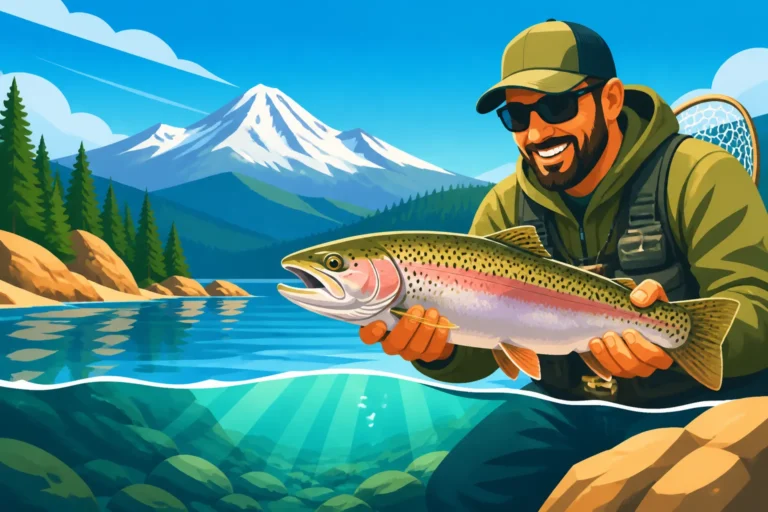
Freshwater guides in California are experts in the state's vast network of inland waterways. These guides typically operate on specific lakes, rivers, or stream systems, mastering the unique challenges and opportunities each presents. For example, a guide on Lake Shasta might specialize in trolling for trout and salmon, understanding the thermocline and baitfish movements that influence success. Meanwhile, a guide on the Lower Yuba River would be focused on fly fishing for steelhead, knowing the intricate drifts and fly patterns necessary for these elusive fish.
They're well-versed in California Freshwater Fishing Regulations and often possess intimate knowledge of fish planting schedules, water levels, and even submerged structures. Whether you're chasing trophy bass in the famous waters of Clear Lake, navigating the currents of the American River for steelhead, or exploring the tranquility of a high-altitude Sierra lake for golden trout, a freshwater guide offers a tailored experience. They often use specialized boats, from bass boats designed for speed and shallow water access to drift boats perfect for maneuvering through river rapids. They'll teach you techniques specific to the environment, like jigging for crappie, drop-shotting for bass, or indicator nymphing for trout.
Saltwater Guides: Coastal, Bay, and Offshore
If the salty air and the vastness of the ocean call to you, then a saltwater guide is your go-to. These guides are broadly split into those who fish nearshore (coastal and bay) and those who venture offshore into deeper waters. Coastal and bay guides often target species like California halibut, striped bass, or various rockfish species, operating out of harbors like San Francisco Bay or Monterey Bay. They know the tides, currents, and local structure that hold these fish.
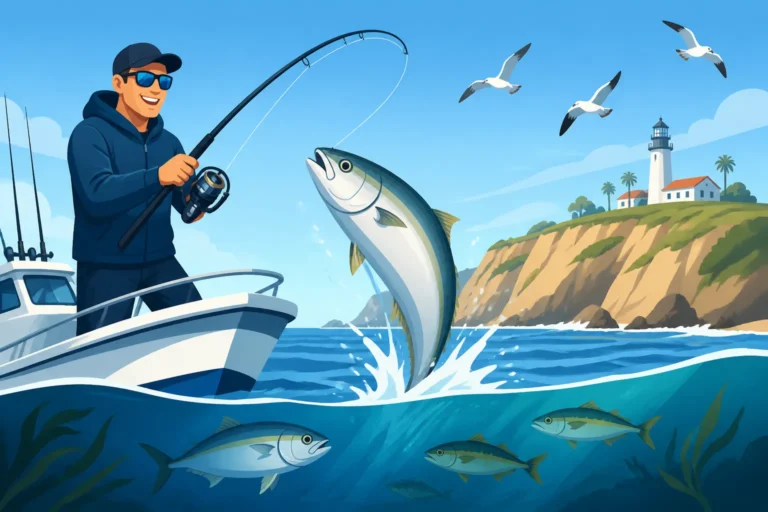
Offshore guides, on the other hand, are the adventurers who chase pelagic species like bluefin tuna, yellowtail, dorado, and albacore. These trips often involve longer runs offshore, sometimes even overnight, to distant banks and kelp paddies. They typically run larger, more powerful boats equipped with advanced electronics like sonar and radar to find fish and ensure safety far from shore. They'll employ techniques like kite fishing, trolling, or live bait slow-trolling. Finding the right California Offshore Fishing Techniques guide can mean the difference between a bucket-list tuna catch and a long, fruitless day at sea. When you're looking for an epic adventure chasing big game, these are the experts who live for the challenge.
Specialized Guides: Fly Fishing, Kayak, or Specific Species
Beyond the general freshwater and saltwater categories, California's fishing scene supports highly specialized guides. For instance, dedicated California Fly Fishing Guides are maestros with the long rod, focusing on specific presentations and understanding entomology to match the hatch for trout or steelhead. They often operate in remote, scenic locations that require specific skills to access and fish effectively.
Then there are kayak fishing guides, a growing niche. These guides equip you with kayaks and teach you the art of stealthily paddling into productive waters, whether it's for bass in a secluded reservoir or halibut in a calm bay. This offers a unique, intimate fishing experience. Some guides are even laser-focused on a single species, becoming absolute authorities on, say, How to Catch Sturgeon in California in the Delta, or how to consistently land California Yellowtail Fishing Guide around offshore islands. These specialists often have a reputation for consistent success with their target species and can offer an unparalleled educational experience for anglers looking to deepen their knowledge of a particular fish.
Key Factors to Consider When Selecting Your Guide
Choosing a fishing guide isn't just about finding someone with a boat. It's about finding the right partner for your fishing adventure – someone whose experience, approach, and equipment match your expectations and needs. Neglecting these key factors can lead to a less-than-stellar experience, so it's worth taking the time to do your homework.
Experience, Reputation, and Licensing
First and foremost, you want a guide who knows their stuff. Experience isn't just about years on the water, but consistent, successful years. A guide who has been operating in a specific area for a decade or more has seen all kinds of conditions and learned how to adapt. Check for their reputation by looking at online reviews and testimonials. Platforms like FishingBooker often provide a wealth of customer feedback, detailing not just catch rates but also professionalism, teaching ability, and overall enjoyment of the trip. Pay attention to how often they fish and what species they regularly target.
Equally critical is ensuring your guide is properly licensed and insured. In California, all for-hire fishing guides operating a vessel must hold a valid U.S. Coast Guard (USCG) Captain's License. This isn't just a piece of paper; it means they've passed rigorous exams on navigation, safety, seamanship, and first aid. They should also carry appropriate liability insurance. Don't be shy about asking to see their credentials. A legitimate guide will be proud to share them. This legal compliance not only ensures your safety but also reflects a professional commitment to their craft. After all, you're putting your safety and fishing dreams in their hands, so ensure they're legitimate.
Boat, Gear, and Safety Protocols
The vessel you'll be fishing from and the equipment you'll be using are crucial components of your trip. Inquire about the type, size, and condition of their boat. Is it suitable for the waters you'll be fishing? Is it well-maintained and clean? A comfortable and reliable boat can make a huge difference, especially on longer trips. For instance, if you're going offshore for tuna, you'll want a much different setup than if you're fly fishing a small river from a drift boat.
Next, consider the gear. Most guides provide rods, reels, and tackle, but it's good to confirm the quality. Are they using modern, well-maintained equipment appropriate for the target species? High-quality gear not only improves your chances of landing fish but also enhances the overall experience. More importantly, ask about their safety protocols. Do they have all required safety equipment on board (life jackets, first aid kit, fire extinguisher, communication devices)? Do they conduct a safety briefing? A professional guide will always prioritize safety, making sure you feel secure and informed throughout the trip. This is non-negotiable, especially for trips involving California Offshore Fishing Techniques.
Communication, Personality, and Expectations
Fishing is as much about the experience as it is about the catch. The guide's personality and communication style will significantly impact your day. Do they seem friendly, patient, and enthusiastic? Are they good teachers if you're looking to learn? Are they responsive to your inquiries and clear about what the trip entails? A brief phone conversation or email exchange can give you a good sense of their demeanor. You want someone you'll enjoy spending several hours with, whether the fish are biting or not.
It's also vital to communicate your expectations clearly. Are you looking for a trophy fish, or just a relaxing day catching some dinner? Are you bringing kids? Do you have any physical limitations? Be upfront about what you hope to get out of the trip, and allow the guide to be honest about what's realistic. A good guide will manage your expectations, explaining current conditions, recent catch reports, and the likelihood of success. They won't promise you a world record, but they will promise their best effort and a great experience. This open dialogue ensures that both you and the guide are on the same page, preventing misunderstandings and disappointment.
Researching and Booking Your California Fishing Guide
Once you have a clearer idea of the type of guide you need and the factors that are important to you, it’s time to actually find and book them. This process has become incredibly streamlined with modern technology, but a personal touch still goes a long way.
Online Platforms and Reviews
The internet has revolutionized the way we find and book fishing guides. Websites like FishingBooker are fantastic resources, acting as comprehensive marketplaces where you can browse numerous guides in various California regions. You can filter by location (e.g., Best Fishing Near San Diego or the California Delta Fishing Guide), target species, type of trip (half-day, full-day, offshore), and even boat size. Each guide typically has a detailed profile, complete with photos, a description of their services, pricing, and, most importantly, customer reviews.
These reviews are gold. They offer unfiltered insights into other anglers' experiences, covering everything from the guide's punctuality and teaching skills to the cleanliness of the boat and the overall fun factor. Pay attention to consistent feedback, both positive and negative. While one bad review might be an anomaly, several similar complaints could be a red flag. Reading through multiple reviews on FishingBooker can help you get a balanced perspective and identify guides who consistently deliver excellent experiences. It's like getting recommendations from dozens of fellow anglers without actually having to call them all!
Direct Contact and Interview Questions
While online platforms are great for initial research, a direct conversation with a prospective guide is invaluable. Once you've shortlisted a few, reach out via phone or email. This gives you a chance to ask specific questions and gauge their personality firsthand. Don't be afraid to ask:
- "What's your typical approach for a trip targeting [specific species] at this time of year?"
- "What kind of gear do you provide, and can I bring my own if I prefer?"
- "How many people do you typically take, and what's the maximum capacity?"
- "What's your policy if the weather turns bad?"
- "Can you tell me a bit about your safety procedures?"
- "What's the best time of day or tide for the kind of fishing I'm interested in?"
This conversation isn't just about getting answers; it's about seeing how they communicate, how enthusiastic they are, and if you feel a good rapport developing. A guide who is patient, transparent, and eager to answer your questions is usually a good sign. It's a two-way street; they'll often ask about your experience level and expectations, helping them tailor the trip to you.
Understanding Pricing, Deposits, and Cancellations
Before you commit, make sure you thoroughly understand the financial aspects of booking a guide. Pricing can vary widely based on the duration of the trip (half-day vs. full-day, or even multi-day offshore excursions), the number of anglers, the type of fishing, and the location. For instance, How Much Does a California Fishing Charter Cost will differ significantly between a bass trip on a lake and a bluefin tuna trip offshore.
Most guides require a deposit to secure your booking, with the balance due on the day of the trip. Clarify what's included in the price (e.g., bait, tackle, snacks, drinks, fish cleaning) and what might be extra (e.g., fishing license, snacks, tips). California law requires all anglers aged 16 or older to possess a valid California Fishing License Guide, even on a guided trip. Ensure you have yours before you go!
Also, always ask about their cancellation policy. Weather can be unpredictable, especially in coastal areas, and sometimes unforeseen circumstances arise. Understand if your deposit is refundable, transferable, or forfeited if you need to cancel or if the guide has to cancel due to unsafe conditions. Reputable guides will have clear policies in place, often outlining them on their website or during the booking process on platforms like FishingBooker. Having this clarity upfront will prevent any unpleasant surprises later on.
| Factor | Freshwater Guide (e.g., Trout/Bass) | Saltwater Guide (e.g., Halibut/Rockfish) | Offshore Guide (e.g., Tuna/Yellowtail) |
|---|---|---|---|
| Typical Boat | Bass boat, drift boat, Jon boat, center console | Center console, walk-around, cuddy cabin | Large center console, sportfisher, express cruiser |
| Primary Target | Trout, bass, salmon, catfish, crappie, kokanee | Halibut, striped bass, rockfish, lingcod, barracuda, calico bass | Bluefin tuna, yellowtail, dorado, albacore, marlin |
| Common Techniques | Trolling, casting lures/flies, bait fishing, jigging, drifting | Drift fishing, jigging, bait fishing, light tackle casting | Trolling, kite fishing, heavy tackle jigging, live bait slow-trolling |
| Trip Duration | Half-day (4-5 hrs), Full-day (7-9 hrs) | Half-day (4-5 hrs), Full-day (7-9 hrs) | Full-day (10-12 hrs), 1.5-day, Overnight, Multi-day |
| Specialized Gear | Light spinning rods, fly rods, baitcasters, specific lures/flies | Medium-heavy spinning/conventional, specific rigs for bottom fishing | Heavy conventional gear, tuna rods, gaffs, specialized electronics |
| Typical Cost Range | $400 – $800 (half/full day) | $500 – $1200 (half/full day) | $1500 – $4000+ (full day/1.5-day/multi-day) |
| License Requirement | California Freshwater Fishing Regulations apply; license needed | California Saltwater Fishing Regulations apply; license needed | California Ocean Enhancement Stamp may also be needed for some areas; license needed |
| Best For | Learning specific techniques, family trips, tranquil settings | Consistent action, diverse species, local bay/coast exploration | Big game thrill, challenging fight, multi-species offshore hunting |
Setting Expectations for Your Guided Fishing Trip
You've done your research, picked your guide, and booked your trip. Fantastic! Now, to ensure a smooth and enjoyable day on the water, it's helpful to establish realistic expectations and understand the common practices surrounding guided fishing trips. A little preparation on your part can significantly enhance your experience.
What to Bring and What's Provided
While your guide will typically provide the core fishing equipment, there are always personal items you'll want to bring to ensure your comfort and readiness. Most guides will communicate a "what to bring" list beforehand, but here's a general idea:
- Valid California Fishing License: This is non-negotiable. Don't show up without it! You can often purchase one online from the California Department of Fish and Wildlife website before your trip.
- Appropriate Clothing: Dress in layers. California weather can change rapidly, especially on the water. A waterproof jacket, even on a sunny day, is a good idea. Consider non-slip shoes.
- Sun Protection: Sunscreen, a wide-brimmed hat, and polarized sunglasses are essential. The sun's glare off the water can be intense.
- Food and Drink: While some guides might offer snacks or water, it's always best to bring your own personal supply. Hydration is key!
- Cooler (for your catch): If you plan on keeping fish, confirm with your guide if they have storage or if you need to bring a cooler to keep in your car for the ride home. They'll often clean and fillet your catch for you.
- Camera: To capture those memorable moments!
- Seasickness Medication: If you're prone to motion sickness, especially on saltwater trips or on a California Fishing License for a Charter Trip, take preventative measures well in advance.
What the guide provides will typically include the boat, fuel, all necessary safety equipment, rods, reels, tackle, and bait. Some might include a cooler for drinks, but always verify. Don't assume anything is provided unless explicitly stated.
Tipping Etiquette and Post-Trip Follow-up
Just like in other service industries, tipping your fishing guide is standard practice and greatly appreciated. It's a way to acknowledge their hard work, expertise, and dedication to making your trip successful and enjoyable. The general rule of thumb for a good trip is to tip 15-20% of the total trip cost. If they went above and beyond – maybe stayed out a little longer, worked tirelessly to find fish in tough conditions, or were exceptional teachers – consider tipping on the higher end.
Hand the tip directly to the guide or, if there's a deckhand, ensure a portion goes to them as well. It's best to bring cash for this purpose, as many guides don't accept credit cards for tips. If your trip was less than stellar, but the guide genuinely tried their best, a smaller tip is still customary. If you had a truly awful experience, communicate your concerns respectfully to the guide or booking agent rather than just withholding a tip in silence. After the trip, if you had a great time, consider leaving a positive review on the platform where you booked (e.g., FishingBooker) or directly on their website. This helps other anglers find quality guides and supports the guide's business.
Flexibility and Realistic Outcomes
One of the most important expectations to set is that fishing is fishing, not catching. While a good guide drastically increases your chances of success, there are no guarantees. Weather, water conditions, fish behavior, and even luck play a significant role. Be prepared for slow periods and understand that even the best guides have challenging days. A positive attitude and flexibility will make the trip more enjoyable for everyone involved.
Your guide will use their expertise to adapt to conditions, changing locations or techniques as needed. Trust their judgment. If the bite is tough, appreciate the opportunity to learn new things or simply enjoy being out on the water. Focus on the experience – the camaraderie, the beautiful California scenery, the thrill of the chase – rather than solely on the quantity of fish in the cooler. A guided trip should be a learning experience and an adventure, regardless of the final count. Being open to whatever the day brings will ensure you have a memorable trip, whether you land a trophy or just enjoy a relaxing day exploring Best Fishing Spots in California.
Disclaimer
Please remember that fishing regulations, seasons, and licensing requirements in California can change. Always check the latest information from the California Department of Fish and Wildlife (CDFW) before planning any fishing trip. The information provided here is for general guidance and informational purposes only, and does not constitute legal or professional advice.