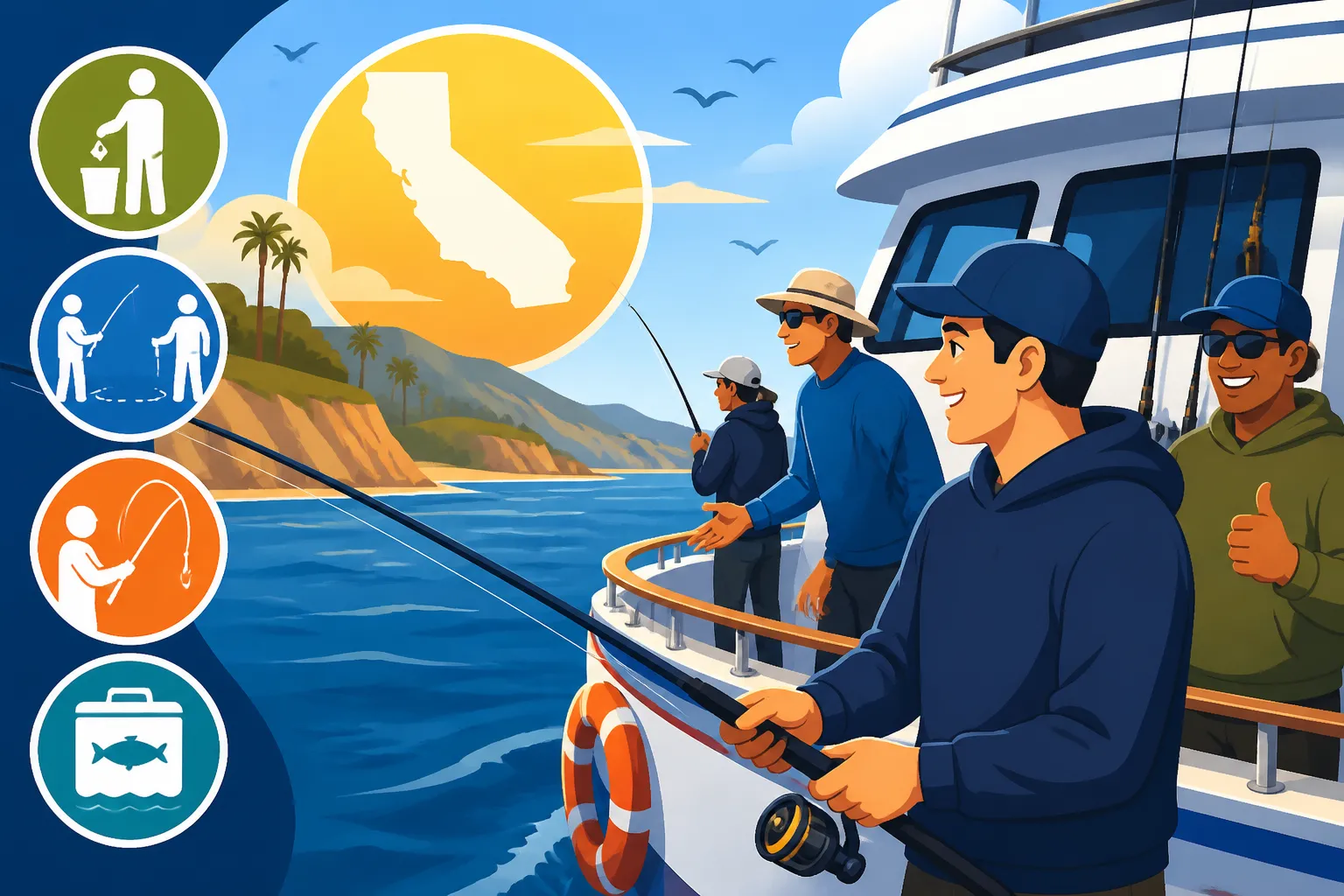
California Party Boat Etiquette
Stepping onto a California party boat for the first time, or even the tenth, can feel a bit like walking into a crowded dinner party where everyone seems to know the unwritten rules but you. It's easy to feel overwhelmed, worried about stepping on someone's toes (or line!), and just wanting to enjoy your fishing trip without causing a ruckus. This guide is here to smooth out those jitters, walking you through the unspoken code of conduct on a California party boat, so you can focus on reeling in that next big catch and have a truly enjoyable day on the water.
Understanding Your Booking and What's Included
Before you even think about showing up at the dock, a little homework can go a long way. Many first-timers, and even some seasoned anglers, make the mistake of assuming all party boat trips are the same. They show up unprepared, only to find out they're missing crucial gear or have misunderstood the type of trip they've booked. This can lead to unnecessary stress, delays for everyone, and sometimes even additional unexpected costs, dampening the start of your adventure.
When you're looking to book a trip, whether through a platform like FishingBooker or directly with a landing, pay close attention to the details. Some trips are purely bait-and-go, meaning you're responsible for bringing all your tackle, while others might include a basic rod and reel rental. Bait is often included in the fare, especially for rockfish or smaller game, but sometimes live bait like sardines or anchovies might be an extra charge if you want to purchase a scoop. Confirming these small but significant details beforehand ensures you're fully equipped and ready to hit the water without any last-minute scrambling. Remember to check what kind of fish the trip is targeting, as this will influence the gear you need and the regulations you'll be following for species like rockfish or lingcod. You might also want to consult a guide like California Party Boat Fishing Explained to get a better sense of what to expect from these excursions.
Packing Smart and Light
The temptation to bring every piece of fishing gear you own can be strong, especially if you're excited about a day on the ocean. However, a party boat is, by definition, a shared space, and every square inch is precious. Overpacking isn't just a hassle for you; it can quickly become an annoyance for your fellow anglers and make the deckhands' job harder. Imagine trying to navigate a narrow walkway strewn with multiple tackle boxes, oversized coolers, and extra rods—it’s a recipe for tripped feet and tangled lines.
Think minimalist. Bring only the essentials: a well-organized tackle box or bag with the lures, weights, and hooks specific to the target species, a single rod and reel setup (maybe one backup if absolutely necessary and easily stowed), appropriate clothing for all weather conditions (layers are key on the ocean!), sunscreen, a hat, sunglasses, and any personal medications. A small, soft-sided cooler that can fit under a bench or in a designated storage area is usually sufficient for drinks and snacks. Leave the bulky gear at home. If you're unsure about what's truly essential, checking out our guide on What to Bring on a California Fishing Charter can be a huge help in streamlining your packing list and ensuring you don't forget important items.
Arriving Early and Respecting Boarding Procedures
The docks, especially at popular landings like those in San Diego or Dana Point, can be chaotic places in the early morning. People are eager, coffee is brewing, and anticipation is high. Many new anglers might think arriving right at the scheduled departure time is fine, but this often leads to a rushed and stressful start. Boat captains and crews have a tight schedule to maintain, and delays affect everyone on board.
Aim to arrive at least 30-60 minutes before the scheduled departure. This gives you ample time to find parking, check in at the landing office, purchase any last-minute items like an Ocean Enhancement Stamp or a 1-day fishing license if you didn't get one online, and use the restroom before boarding. When the boat is ready for boarding, listen carefully to the crew's instructions. They'll usually announce when and how to board, often directing you to a specific side or entrance. Don't rush ahead or push; wait your turn, board safely, and be mindful of your footing and surroundings. A smooth boarding process sets a positive tone for the entire trip. If you're a visitor, you might want to review the California Fishing License Requirements for Visitors to ensure you have all your ducks in a row.
Claiming Your Spot and Respecting Boundaries
Once you step onto the deck of a party boat, the unwritten rule of "first come, first served" generally applies to securing your fishing spot. However, this isn't a free-for-all; there’s a delicate balance between claiming your space and encroaching on others. Many anglers feel a surge of anxiety, wondering if they're taking "the best spot" or accidentally hogging too much room. This often leads to awkward jostling or hesitant setups, making the initial moments on board tense for everyone.
Typically, you'll find rod holders or marked sections along the rail. Pick a spot, set your rod in a holder, and then place your tackle box and cooler neatly by your feet or under the benches. The key is to establish a compact footprint. Don't spread your gear out over multiple spots, even if the boat seems empty at first. Other anglers will arrive, and you'll need to condense your belongings. A good rule of thumb is to occupy only the space directly in front of you and a small, manageable area for your essential gear. This common courtesy ensures everyone gets adequate rail space and can fish comfortably. Remember, a party boat is a cooperative environment, not a competitive one when it comes to deck space.
Managing Your Gear and Personal Space
It’s one thing to claim your spot, but it’s another to manage your gear throughout the day, especially when the fishing heats up and the boat is rocking. The tight quarters of a party boat mean that disorganized gear can quickly become a hazard and a nuisance. Loose hooks, scattered bait, and lines tangled on the deck create tripping hazards and can lead to accidental snags with other people's lines or even skin. Many anglers grapple with keeping their space tidy, particularly when things get exciting, but it’s crucial for safety and courtesy.
Make sure your tackle box is closed when not in use, and keep all hooks, lures, and knives safely stowed away. If you're using live bait, keep your bait bucket tucked securely or in a designated spot, not where people might trip over it. When you're not actively fishing, keep your rod in a rod holder or laid down flat and out of the way. If you have a backup rod, ensure it's secured and won't tumble with the boat's motion. Maintaining a clean and compact fishing station isn't just good manners; it's a vital safety measure that prevents accidents and makes the experience more enjoyable for everyone on board, including the hard-working crew.
Mindful Consumption and Waste Management
A day of fishing can be long, and it's natural to bring snacks, drinks, and maybe even a packed lunch. However, what you bring onto the boat, you are responsible for. Many anglers, caught up in the excitement of the catch, might thoughtlessly leave wrappers, empty bottles, or discarded bait on the deck, contributing to a growing litter problem. This creates an unsightly mess and can even be dangerous, as food scraps can make decks slippery or attract unwanted pests.
Always pack your snacks and drinks in reusable containers when possible. When you do have trash, make sure it goes into the designated trash receptacles on the boat, which are typically well-marked. If you're bringing your own plastic bags for trash, ensure they are securely tied so they don't blow overboard. Never, ever toss anything over the side of the boat into the ocean. This includes food scraps, plastic, fishing line, or cigarette butts. Beyond being environmentally irresponsible, it's illegal and can harm marine life. Be a responsible angler and leave no trace behind. It’s part of being a good steward of California’s beautiful fishing grounds.
Casting and Line Management
One of the most common causes of frustration and tangled lines on a party boat is improper casting. It sounds simple, but when you have dozens of lines in the water from different angles, it requires careful consideration. Newcomers often cast without looking, or send their lines soaring, only for them to cross with someone else's, creating a massive headache for everyone involved. The dreaded "tangle" can ruin a hot bite and eat valuable fishing time.
Before you cast, take a moment to look around. See where other lines are going, especially those next to you. On most party boats, the general rule is to cast straight out from your position or slightly downcurrent, following the drift of the boat. Avoid long, sweeping casts that cross multiple lines. If the boat is drifting, everyone's line should ideally be moving in the same general direction. If you’re fishing with heavy sinkers for rockfish, your line will typically go straight down. For species like yellowtail or bonito that might be caught with a lighter setup and a cast, communicate with your neighbors. A simple "Heads up, casting!" can prevent a lot of problems. Mastering your casting technique in a crowded environment is a mark of a considerate angler.
Reeling in Fish and Landing Net Courtesy
The moment you hook a fish is exhilarating, but it's also a critical time for good etiquette, especially when you're surrounded by other anglers. When a big fish is on the line, it often swims under or across other people's lines, creating a high-stress tangle situation. Many anglers, caught up in the fight, forget about their surroundings, leading to unnecessary chaos and more potential for lost fish.
When you hook a fish, the first thing to do is announce "Fish on!" clearly and calmly. This alerts your neighbors and the deckhands. Then, try to keep your rod tip high and guide your fish toward the stern (back) of the boat if possible, where the deckhands typically operate the landing nets. Do your best to avoid letting your line cross under or over other active lines. If your fish does tangle with a neighbor's line, don't panic or cut their line! Wait for a deckhand to assist. Speaking of deckhands, when they come with a net, step back and give them room to work. They are highly skilled at landing fish in tight quarters. Once your fish is landed, immediately move it to the fish hold or a designated area to avoid obstructing the fishing action.
Handling Tangled Lines and "The Drift"
Tangles are an inevitable part of party boat fishing, even with the most careful anglers. What truly distinguishes a considerate angler is how they handle these common mishaps. The frustration of a tangled line, especially when the bite is hot, can be immense, and it’s easy to get short-tempered. However, an aggressive or uncooperative attitude only makes the situation worse for everyone.
If you find your line tangled with another angler’s, calmly identify whose lines are involved. Often, the crew will have specific procedures for dealing with tangles, especially during a drift. If it's a minor tangle, try to work it out patiently with the other angler. If it's severe, or if multiple lines are involved, immediately call for a deckhand. They are experts at untangling lines quickly and efficiently, often while the boat is still moving. Never try to cut someone else's line or yank aggressively, as this can damage gear or cause more extensive tangles. Be apologetic if you're the cause, and understanding if someone else is. Remember, a little patience and a cooperative spirit go a long way in turning a frustrating moment into a quickly resolved one. This is also where understanding concepts like California Rockfish Depth Restrictions become important, as specific gear for different depths can sometimes lead to fewer tangles if everyone is targeting the same depth range.
Here’s a quick overview of common scenarios and how to navigate them politely:
| Situation | Polite Action | Impolite Action (Avoid!) |
|---|---|---|
| Boarding the boat | Wait your turn, board calmly, listen to crew. | Rushing ahead, pushing, ignoring crew instructions. |
| Claiming a spot | Set your rod in a holder, keep gear compact, respect others' space. | Spreading gear widely, taking up multiple spots, leaving belongings unattended. |
| Casting | Look around, cast straight out or downcurrent, communicate with neighbors. | Blindly casting long, sweeping casts, ignoring other lines. |
| Hooking a fish | Announce "Fish on!", keep rod tip high, guide fish away from others' lines, call for deckhand. | Yelling, letting fish run wildly, not alerting others, trying to net your own fish in a crowd. |
| Tangled lines | Calmly assess, cooperate with other angler, call deckhand if severe. | Yelling, cutting lines, aggressive yanking, blaming others. |
| Disposing of trash | Use designated trash bins, secure loose items, never throw anything overboard. | Littering on deck, tossing trash into the ocean. |
| Asking deckhands for help | Wait for an appropriate moment, be specific, don't interrupt them during critical tasks. | Constantly bothering them, demanding immediate attention, asking them to do things you can do yourself. |
| Fish cleaning | Wait for crew instruction, respect the process, don't interfere with the cleaning station. | Trying to clean your own fish without permission, demanding your fish be cleaned first. |
| Tipping | Tip based on service at the end of the trip (cash is preferred). | Not tipping, complaining about service after receiving help, assuming tip is included. |
Respecting the Crew's Expertise and Authority
The deckhands and captain on a party boat aren't just there to drive the boat and net your fish; they are experienced professionals who ensure your safety and maximize your chances of catching fish. They know the waters, the fish behavior, and the regulations inside and out. Disregarding their instructions or questioning their judgment can lead to unsafe situations, missed fishing opportunities, and a general air of disrespect that affects everyone's experience.
Listen attentively to any announcements or instructions from the captain or deckhands. This includes safety briefings, fishing technique tips, and guidance on where to cast or how to manage your lines during a drift. If a deckhand asks you to move your gear, reel in your line, or adjust your fishing method, do so promptly and without argument. They are doing so for a reason, whether it’s for safety, to prevent tangles, or to put you on fish. Remember, they are working hard to make your trip successful and enjoyable. Their authority on the boat is absolute for good reason. For more on what these professionals do, consider reading up on California Sportfishing Trips Explained.
Asking for Help Responsibly
Deckhands are there to assist you, but they are not personal valets. They have a multitude of responsibilities, from navigating and running the boat to setting anchors, managing bait, spotting fish, and, of course, helping anglers with everything from untangling lines to landing fish and re-rigging. Many new anglers might feel hesitant to ask for help, or on the flip side, become overly reliant on the crew, which can be equally problematic.
If you need assistance, wait for an appropriate moment when a deckhand isn't busy with a critical task. Make your request clear and concise. For example, "Excuse me, I have a tangle here, could you please help?" is much better than a vague shout. Don't expect them to re-tie every knot or bait every hook for you if you're capable of doing it yourself. Learn basic knots and how to rig your tackle beforehand. If you're struggling with a specific technique, politely ask for guidance. They are usually more than happy to offer tips. Being considerate of their time and responsibilities ensures they can effectively help everyone on board.
Tipping Etiquette
This is often one of the most awkward topics for new party boat anglers, yet it's incredibly important. Deckhands and captains often work for a base wage that is supplemented significantly by tips. They literally carry the weight of your experience on their shoulders, from helping you land fish to untangling your mess. Not tipping, or tipping poorly for good service, is a major faux pas in the fishing community and can be a significant disservice to the hard-working crew.
A standard tip for good service on a California party boat is generally 15-20% of your fare. If the crew went above and beyond—helping you constantly, landing multiple big fish, or being exceptionally patient—consider tipping closer to 20% or even a bit more. It's usually best to tip the deckhands directly, often with cash, at the end of the trip. Sometimes there's a communal tip jar, or you can hand it to one of the deckhands to share. Remember, they often split tips among themselves and with the captain. Your tip acknowledges their hard work, expertise, and dedication to making your fishing trip a success. For a deeper dive into this often-confusing topic, our guide on Tipping on a California Fishing Charter offers more detailed advice.
Fish Cleaning and Storage
The end of a successful fishing trip often means a bounty of fish, and the last thing you want is for your hard-earned catch to go to waste. However, the process of cleaning and storing fish on a party boat also has its own set of rules and expectations. Many anglers, especially those new to ocean fishing, aren't entirely sure how to handle their catch once it's on deck, leading to confusion or improper storage that affects the quality of the fish.
Most party boats have large communal fish holds where the crew will collect and ice down your catch throughout the day. This keeps the fish fresh until you return to the dock. Do not, under any circumstances, try to clean your own fish on the boat without explicit permission from the crew. The boat's deck is for fishing, not for filleting, unless designated otherwise. Once back at the dock, many landings offer a fish cleaning service, often for a small fee per fish or by weight. This is usually done by experienced fish cleaners who can process your catch quickly and efficiently. If you prefer to clean your own fish at home, ensure you have appropriate bags and coolers to transport them properly packed with ice to maintain freshness. Knowing how to prepare for this final step ensures your fish stays delicious. You'll also want to make sure you're adhering to all relevant California Fishing Regulations Explained for your specific catch.
Exiting the Boat Gracefully
Just as important as a smooth boarding process is a considerate departure. After a long day on the water, everyone is tired and eager to get home with their catch. However, rushing off the boat can lead to forgotten gear, tripping hazards, or even injuries. The crew also has a lot of work to do once the anglers disembark, preparing the boat for its next trip.
Wait for the captain or crew to announce that it's safe to disembark. Gather all your belongings and make sure you haven't left any trash or personal items behind. If you used a rental rod and reel, return it to the designated spot or hand it directly to a crew member. Take your time walking off the gangplank, being mindful of others and any potential obstacles. A quick thank you to the crew on your way off goes a long way in showing appreciation for their hard work. If you caught any fish requiring a report card, such as a California Steelhead Report Card or a California Sturgeon Report Card, make sure you know how to fill it out and return it as required by the California Department of Fish and Wildlife (CDFW).
Reporting Your Catch and Following Regulations
Part of being a responsible angler in California means not just following the rules on the boat, but also adhering to the broader fishing regulations, especially when it comes to reporting certain species. Many anglers might not realize that for specific fish, particularly those with conservation concerns, reporting your catch (even if it's a zero-catch day) is a mandatory part of your fishing license obligations. Failing to do so can result in penalties and also hinders vital data collection for fisheries management.
California has specific report cards for species like Dungeness Crab, Spiny Lobster, Abalone (when seasons are open), Salmon, Steelhead, and Sturgeon. If you've purchased one of these cards, it's your responsibility to fill it out accurately and return it to the CDFW by the specified deadline, regardless of whether you caught anything. Even if you fished for other species, always be aware of the daily bag and size limits for all fish caught. The crew on the party boat will usually ensure you stay within limits during the trip, but the ultimate responsibility lies with you. Familiarize yourself with the California Fishing License Guide and the specific California Fishing Regulations Explained relevant to your target species before you go, and always have your valid California fishing license with you. This ensures you're not just courteous, but also compliant with the law.
Disclaimer
Please remember that fishing conditions, regulations, and best practices can change. Always consult the latest California Department of Fish and Wildlife (CDFW) regulations before any fishing trip. This guide is for informational purposes only and does not constitute legal advice.