How to Pick a Long-Range Tuna Boat
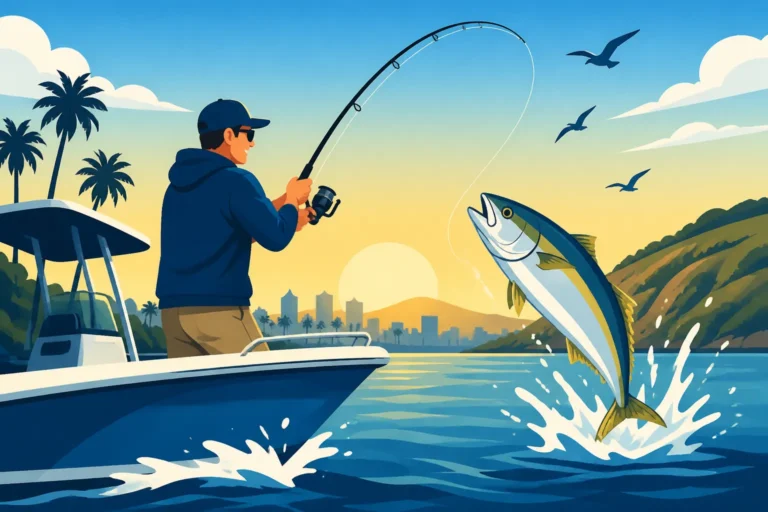
If you've ever dreamt of battling a trophy tuna in the vast expanse of the Pacific, you know the excitement and trepidation that comes with planning a long-range fishing trip. Picking the right long-range tuna boat in California can feel like an overwhelming task, riddled with questions about boat size, crew experience, and what exactly you're signing up for. This guide is here to cut through the confusion, helping you confidently select the perfect vessel for your offshore tuna adventure.
Understanding Long-Range Tuna Trips in California
Venturing out on a long-range tuna trip isn't just another day of fishing; it's an immersive experience that demands a different level of commitment and understanding. These aren't your typical half-day jaunts for local rockfish. We're talking about serious offshore angling, often traveling hundreds of miles from shore in pursuit of powerful pelagic species.
What Makes a Trip "Long-Range"?
The term "long-range" isn't just marketing fluff; it signifies a distinct category of fishing trip characterized by extended durations and significant distances from port. Unlike shorter trips that target coastal species, long-range tuna trips delve into the open ocean, often crossing international waters into Mexican territory (which comes with its own set of rules, of course!). These trips can range from a "1.5-day" outing, meaning one full day of fishing plus travel time overnight, all the way up to multi-day expeditions lasting 10, 12, or even 18 days. The increased duration allows the boat to travel further to find prime fishing grounds, often following migrating tuna schools or venturing to specific offshore banks known for producing bigger fish. It also means you'll be living on the boat, complete with bunks, a galley, and all the necessary amenities, creating a camaraderie among anglers that's unique to these voyages.
Why Are Tuna the Primary Target?
Tuna, particularly the mighty Bluefin, Yellowfin, and Albacore, are the undisputed kings of California's long-range scene. Anglers flock to these trips for the sheer power and challenge these fish present. Bluefin tuna, especially, have captured the imagination of many with their incredible size and fighting prowess, often weighing in at over 200 pounds, sometimes even pushing past the 300-pound mark. Yellowfin tuna offer explosive runs and are prized for their excellent table fare. Albacore, though smaller, are known for their speed and abundance during certain seasons, making for action-packed days. Beyond the thrill of the catch, tuna also represent a significant culinary prize, with their firm, delicious meat being highly sought after. Catching one of these magnificent fish is a true test of skill, endurance, and proper tackle. To learn more about specific species, check out our guide on how to catch California Yellowtail.
Common Departures and Seasons
The heart of California's long-range tuna fleet beats strongest in Southern California, with San Diego being the undeniable epicenter. Major landings like Point Loma Sportfishing, H&M Landing, and Fisherman's Landing are home to some of the most famous long-range vessels in the world. Other ports like Dana Point and Long Beach also offer excellent opportunities, though often for shorter offshore trips.
The tuna season in California is generally tied to water temperature and fish migration patterns. For Bluefin and Yellowfin, the prime season typically kicks off in late spring, usually May or June, and can run well into the fall, sometimes even pushing into early winter, depending on water conditions and the fish's presence. Albacore, historically a huge draw, tend to show up further offshore during the warmer summer months. However, in recent years, Bluefin have been the dominant force closer to shore, extending the season and making it more accessible to those on shorter long-range trips. It's crucial to stay updated with current fishing reports and talk to the landings directly, as tuna patterns can be notoriously fickle and change year to year. You can also get a good overview in our California Fishing Seasons: Month-by-Month Guide.
Key Factors to Consider When Choosing Your Boat
Choosing a long-range tuna boat is a bit like choosing a temporary home and a fishing partner all rolled into one. There are several critical factors that will significantly impact your experience.
Boat Size and Amenities
The size of the boat plays a huge role in your comfort and the overall vibe of the trip. Larger boats, often 80 to 120 feet or more, typically offer more stability in rough seas, a larger galley, more spacious bunk rooms, and often more private heads (restrooms). They can also accommodate more anglers, which might mean more competition for rail space during a hot bite, but also more camaraderie and a bigger pot for the jackpot fish.
Smaller long-range boats, while perhaps more susceptible to motion in choppier waters, often provide a more intimate experience with fewer anglers, potentially leading to more one-on-one time with the deckhands. Most long-range boats, regardless of size, will feature comfortable bunks (often dormitory-style, though some offer semi-private staterooms), a full galley serving hot meals, and a large deck space. When considering size, think about your comfort level with crowds, your susceptibility to seasickness, and how important spaciousness is to you over an extended period.
Crew Experience and Reputation
This is arguably the most crucial factor. The captain and crew can make or break your trip. A seasoned captain knows the offshore banks, reads sonar like a second language, and understands tuna behavior, giving you the best chance at success. The deckhands are your frontline support: they'll help you rig baits, untangle lines, gaff fish, and ensure everyone has a fair shot.
Look for boats with a long-standing, well-regarded crew. Online reviews on platforms like FishingBooker are a great starting point, but also check fishing forums and ask other anglers for their recommendations. A good crew is patient, helpful, safety-conscious, and dedicated to getting fish on the boat. They also understand that not everyone is an expert angler and are usually happy to offer advice and assistance. Their expertise is invaluable, especially when you're dealing with a powerful Bluefin on light tackle or navigating a crowded rail during a frantic bite.
Trip Duration and Target Species
As mentioned, long-range trips come in various lengths, and the duration often dictates the target species and fishing grounds.
- 1.5-day trips: These are fantastic for a taste of the long-range experience without committing to a full week. They typically target closer-to-shore Bluefin tuna and sometimes Yellowtail or even Dorado, depending on the season and location. These trips are perfect for beginners or those with limited time.
- 2- to 3-day trips: These ventures allow the boat to travel further south into Mexican waters, opening up opportunities for larger Bluefin, Yellowfin, and potentially Albacore or Wahoo. The extra time on the water increases your chances of encountering multiple schools of fish.
- 5-day or longer trips: These are the serious expeditions, often referred to as "cow trips" if targeting giant Yellowfin. They explore distant offshore banks and islands, sometimes going as far as Revillagigedo Archipelago (Socorro Islands) for truly massive tuna and other exotic species. These require significant commitment, advanced tackle, and a strong stomach for offshore conditions.
Consider what you want to catch and how much time you have. If you're hoping for a giant Yellowfin, a 1.5-day trip simply won't cut it. Likewise, if you're new to offshore fishing, starting with a shorter trip is a smart move.
Cost and What's Included
Long-range tuna trips aren't cheap, but they offer an unparalleled experience. The cost will vary significantly based on trip duration, boat amenities, and the time of year. A 1.5-day trip might start around $300-$500, while a 10-day trip could easily exceed $5,000 per person.
Here's a breakdown of common costs and what to expect:
| Item | Typically Included? | Potential Extra Cost? | Notes |
|---|---|---|---|
| Boat Fare | Yes | Covers your spot on the boat, fuel, and crew wages. | |
| Meals & Non-alcoholic Drinks | Yes | Some specialty drinks | Most boats have a cook and provide excellent meals. |
| Bait | Yes | Extra premium bait (e.g., live flying fish) | Live bait (sardines, mackerel) is usually included. |
| Ice for Fish | Yes | For immediate preservation of your catch onboard. | |
| Fishing License | No | Yes | You'll need a California Fishing License Guide and, for Mexican waters, a Mexican fishing permit. |
| Tackle Rental | No | Yes | Rods, reels, and sometimes terminal tackle (hooks, weights, line). |
| Terminal Tackle | No | Yes | Lures, jigs, leader material – often purchased onboard or brought from home. |
| Fish Processing | No | Yes | Filleting, bagging, freezing your catch at the landing upon return. |
| Crew Gratuity | No | Yes | Essential! Typically 15-20% of your boat fare. |
| Alcoholic Beverages | No | Yes | Most boats allow BYOB or have a limited selection for sale. |
| Report Cards | No | Yes | Certain species like California Salmon Report Card or California Steelhead Report Card require these. |
| Ocean Enhancement Stamp | No | Yes | Often required for ocean fishing in California. |
Always clarify what's included before booking. Hidden costs can quickly add up, so being prepared ensures a smoother trip.
Researching and Booking Your Tuna Adventure
Once you have a better idea of what you're looking for, it's time to dive into the research and secure your spot on a fantastic boat.
Online Resources and Reviews
The internet is your best friend when researching long-range tuna boats. Start by checking the websites of major landings in San Diego. They often list their fleet, upcoming trips, and specific boat amenities. Many boats also have dedicated social media pages where they post current fish counts, photos, and general updates.
Fishing forums like Bloodydecks or local fishing groups on Facebook are goldmines for unfiltered reviews and discussions among experienced anglers. You can ask specific questions and get real-world feedback.
Booking platforms like FishingBooker are also incredibly useful. They aggregate information from various charter operators, allowing you to compare boats, check availability, view photos, read reviews, and book directly. This can save you a ton of time cross-referencing different websites and making multiple phone calls. Just be sure to read several reviews, looking for consistent themes about the crew, food, and fishing experience.
Talking to the Experts
Don't underestimate the power of a good old-fashioned conversation. Call the sportfishing landings directly. Their staff are incredibly knowledgeable about their fleet, upcoming trips, and which boats are best suited for different types of anglers and target species. They can provide insights that you might not find online.
Visit a local tackle shop that caters to offshore fishing, especially those in Southern California. The staff there often have first-hand experience on many of these boats or know people who do. They can also offer invaluable advice on what gear to bring or rent, which leads us to our next point.
Finally, if you know any experienced anglers who've done these trips, pick their brains! Their personal recommendations can be the most reliable source of information.
Booking Best Practices
Booking a long-range tuna trip, especially for popular seasons or specific boats, often requires planning well in advance. Here are some tips:
- Book Early: The best trips, especially during peak season for trophy Bluefin, can book up months, even a year, in advance. If you have specific dates or a boat in mind, don't procrastinate.
- Understand Cancellation Policies: Life happens. Make sure you understand the boat's cancellation and refund policy before you put down a deposit. Some boats offer trip insurance, which might be worth considering for longer, more expensive voyages.
- Confirm What's Included (and What's Not): Reiterate this point because it’s that important. Have a clear understanding of the costs, what's provided, and what you're responsible for bringing or renting.
- Communicate Any Needs: If you have dietary restrictions, mobility concerns, or are a complete novice, communicate this when booking. A good crew will do their best to accommodate you.
- Consider an "Open Party" vs. "Private Charter": Most long-range trips are "open party," meaning you book an individual spot alongside other anglers. If you have a large group, a California Private vs Shared Charters might be an option, but it will be significantly more expensive. For solo anglers or small groups, open party is the way to go. You can learn more about How to Book a California Fishing Charter in our comprehensive guide.
Preparing for Your Long-Range Expedition
You've picked your boat, booked your trip, and now the excitement is really building! Proper preparation is key to a successful and enjoyable long-range tuna adventure.
Essential Gear and Tackle
This is where many newcomers get overwhelmed. Tuna are powerful, and having the right gear is non-negotiable.
- Rods and Reels: You'll need heavy-duty conventional rods and reels capable of handling big fish and heavy drag. For smaller Bluefin or Yellowfin, a 50-pound class setup might suffice, but for larger models, you'll want at least an 80-pound class, and sometimes even a 100-pound class setup. Brands like Penn, Shimano, and Accurate are popular choices. Ensure your reels are spooled with fresh, strong braided line, topped with a fluorocarbon leader.
- Lures and Jigs: Long-range tuna fishing often involves a variety of techniques. Poppers and stickbaits are effective for surface action, especially when tuna are feeding aggressively. Heavier jigs ("yo-yo jigs") are crucial for fishing deeper. Soft plastics and swimbaits also have their place. Don't forget a good selection of extra hooks, swivels, and leader material.
- Hooks and Leaders: Tuna have incredible eyesight, so fluorocarbon leaders are a must. Carry a variety of strengths, from 40-pound to 100-pound, and a range of circle hooks (J-hooks are often prohibited for live bait tuna fishing) in different sizes.
- Rod Belts and Harnesses: When battling a large tuna for an hour or more, a fighting belt and harness will save your back and arms. Many boats have loaners, but a personal one that fits well is a game-changer.
- Tackle Bag: A waterproof tackle bag to organize all your gear is essential.
If you don't own all this specialized gear, don't worry! Most sportfishing landings offer high-quality tackle rentals for a reasonable fee. This is often the best option for your first few trips or if you only go occasionally. The rental outfits are usually perfectly matched to the conditions and fish being targeted. You can also explore options for Best Lures for California Bluefin Tuna for more specific recommendations.
Personal Comfort and Safety
Being comfortable and safe over several days at sea is vital.
- Clothing: Dress in layers! Offshore weather can change rapidly. Bring waterproof outerwear (jacket and pants) for spray and rain, warm fleece or wool layers, and lighter shirts for sunny days. Non-skid deck shoes are a must. A wide-brimmed hat and polarized sunglasses will protect you from the sun's relentless glare.
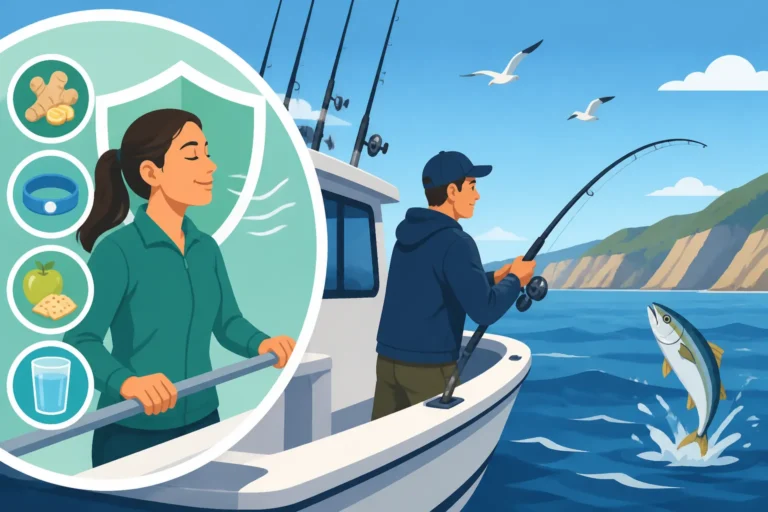
- Seasickness Medication: Even seasoned anglers can get seasick. If you're prone to it, bring your preferred remedy (e.g., Dramamine, Bonine, or a Transderm Scop patch) and start taking it before you depart. There's nothing worse than being miserable for days at sea. Our guide on How Seasickness Works on California Offshore Trips might offer some useful insights.
- Sun Protection: SPF 50+ sunscreen, lip balm with SPF, and long-sleeved shirts are critical. The sun's reflection off the water intensifies its effects.
- Toiletries and Personal Items: Pack light but include essentials like a toothbrush, toothpaste, any personal medications, a towel, and a small flashlight or headlamp.
- Cash: For tips, jackpot entries, and any onboard purchases. Remember, Tipping on a California Fishing Charter is customary and greatly appreciated by the hardworking crew.
- Snacks and Beverages: While most boats provide ample food, bringing some of your favorite snacks, soda, or a few beers (check boat policy first!) can make the trip more enjoyable.
- Cooler: Bring a large, sturdy cooler to take your filleted, bagged fish home. Leave it in your car at the landing.
Mindset for Success
Long-range tuna fishing is as much a mental game as it is a physical one.
- Patience is Key: Tuna can be elusive. There will be long stretches of nothing, followed by moments of absolute chaos. Be prepared for both.
- Be Ready for Anything: Weather can change, fish patterns can shift, and techniques may need to adapt. A flexible attitude will serve you well.
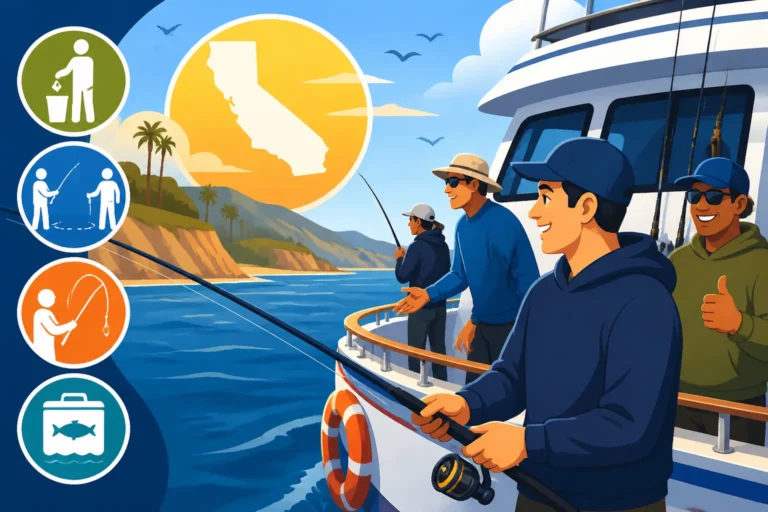
- Respect the Crew and Fellow Anglers: Everyone is there to have a good time. Follow the crew's instructions, be mindful of your casting space, and offer help when needed.
- Embrace the Experience: Even if the fish aren't biting, the beauty of the open ocean, the camaraderie, and the chance to disconnect from daily life are invaluable.
- Don't Be Afraid to Ask: If you're unsure about a rigging technique, need help with a reel, or just want to learn more, ask a deckhand or an experienced angler. Most people on these trips are happy to share their knowledge.
By carefully considering these factors and preparing thoroughly, you'll be well-equipped to pick the perfect long-range tuna boat and embark on an unforgettable California fishing adventure!
Disclaimer
Fishing regulations and conditions in California can change frequently. Always consult the latest California Department of Fish and Wildlife (CDFW) regulations before heading out on any fishing trip. Information provided in this guide is for general informational purposes only and should not be considered legal advice.