What to Expect on a Mission Bay Fishing Trip
Heading out for a fishing trip in a new area can be a mix of excitement and a whole lot of questions. You might be wondering what kind of fish actually live in Mission Bay, what type of boat you’ll be on, or even if you need to bring your own gear. It's totally normal to feel a bit overwhelmed! This comprehensive guide is here to walk you through exactly what to expect on a Mission Bay fishing trip, so you can ditch the stress and focus on the fun.
Understanding Mission Bay's Unique Fishing Environment
Mission Bay isn't your typical open ocean fishing spot, and that's precisely what makes it so special. It's a man-made aquatic park with a diverse ecosystem that offers a different kind of fishing experience than deep-sea excursions.
Bay Geography and Water Conditions
Mission Bay is a large saltwater lagoon in San Diego, covering about 4,235 acres. It's relatively shallow compared to the open ocean, with an average depth of around 10-12 feet in many areas, though some channels and basins can reach 20 feet or more. The bay features numerous coves, channels, mudflats, and eelgrass beds, which provide excellent habitat for a variety of fish species. The water within the bay is generally calmer than the open ocean, making it a great option for those prone to seasickness or families with younger anglers. The entrance to Mission Bay at the northern end of San Diego's famous "Ocean Beach Pier" allows tidal flushing, keeping the water fresh and teeming with baitfish, which in turn attracts predators.
While the bay itself offers sheltered waters, charters often venture just outside the jetties into the nearshore ocean waters if conditions allow and target species dictate. This offers a chance to experience both calm bay fishing and the potential for larger ocean-dwelling fish. You’ll want to check local fishing reports or chat with your charter captain to get a handle on current conditions before you go.
Common Fish Species You'll Encounter
Mission Bay is a haven for several exciting inshore species, making it a fantastic spot for light tackle action. Don't expect to hook a giant tuna within the bay, but you'll certainly find plenty of eager biters.
Here's a rundown of the usual suspects:
- Spotted Bay Bass: These are arguably the most common and cooperative fish in Mission Bay. They're aggressive, fun to catch on light tackle, and can be found almost anywhere there's structure, like docks, pilings, and eelgrass beds.
- California Halibut: Mission Bay is a prime nursery ground for halibut, especially during the spring and summer. While many caught in the bay are undersized and must be released, it's not uncommon to land legal-sized halibut, often ambushing baitfish from the sandy or muddy bottom. For more on specific rules, check out our guide on California Halibut Regulations and Limits.
- Corvina: Both shortfin and orangemouth corvina inhabit the bay, offering a strong fight and a delicious meal. They often lurk around channels and structure, especially during tidal changes.
- Yellowfin Croaker and Spotfin Croaker: These surf-dwelling cousins often find their way into the calmer bay waters, providing good action on bait.
- Perch Species: Various types of surfperch and pile perch are abundant, especially around structure and rocky areas. They're often caught on small baits or soft plastics.
- Bonito and Mackerel: While more common outside the bay entrance, schools of mackerel and smaller bonito sometimes push into the bay, especially in warmer months, offering fast-paced light tackle fun.
- Leopard Sharks: These beautiful, harmless sharks are quite common throughout the bay, especially in shallower sandy areas. They put up a surprisingly good fight on light tackle and are a catch-and-release favorite.
Remember, fishing is never a guarantee, but the diversity of species in Mission Bay means you’re rarely without action.
Best Times of Year to Fish Mission Bay
Just like with any fishing destination, certain times of the year are better for specific species or overall activity in Mission Bay. While you can fish the bay year-round, here's a general breakdown:
- Spring (March – May): This is often considered prime time, especially for California halibut. As water temperatures start to rise, baitfish become more active, and halibut move into shallower areas to feed. Spotted bay bass are also very active.
- Summer (June – August): Warm water brings in more bait, and species like bonito and mackerel might make appearances closer to the bay entrance. Halibut fishing remains strong, though they might move to slightly deeper channels within the bay. It's a fantastic time for consistent bass action. If you're planning a trip during this time, you might find our guide to California Fishing in Summer helpful.
- Fall (September – November): Water temperatures start to cool, but fishing can remain excellent, particularly for spotted bay bass and halibut. The crowds tend to thin out a bit after the summer rush, offering a more peaceful experience.
- Winter (December – February): Fishing can slow down somewhat as water temperatures drop. However, hardy anglers can still find good numbers of spotted bay bass, and larger halibut are sometimes caught by those patiently fishing deeper channels. This is also when some of the larger croaker can be found.
Ultimately, the "best" time depends on what you want to catch. A good charter captain will know where the fish are biting, regardless of the season.
Types of Fishing Trips and Charters Available
Mission Bay offers a range of fishing experiences, from full-on charter boats to independent shore fishing. Knowing your options helps you pick the right adventure for your group and skill level.
Half-Day vs. Full-Day Charters
When booking a boat trip, one of the first decisions you'll face is the duration. Both half-day and full-day charters have their merits, and your choice will largely depend on your budget, stamina, and how much fishing you want to pack in. You can often browse these options on platforms like FishingBooker, which makes comparing trips easy.
- Half-Day Charters (typically 4-5 hours): These are perfect for beginners, families with young children, or those with limited time or prone to seasickness. The shorter duration means less time on the water but often more focused fishing, targeting active species like spotted bay bass. You'll usually stay within the calmer waters of Mission Bay, perhaps venturing just outside the jetties if conditions are ideal. The pace is generally relaxed, and there's less pressure to "perform." You'll have plenty of time for other activities in San Diego after your trip. For a deeper dive, check out California Half-Day vs Full-Day Charters.
- Full-Day Charters (typically 8-10 hours): A full-day trip offers a more comprehensive fishing experience. With more time, your captain can take you to a wider variety of spots, often venturing further out into the nearshore ocean waters in addition to exploring the bay. This opens up opportunities for larger species like yellowtail, barracuda, or even some rockfish, depending on the season and regulations. While not strictly a "deep sea" trip, it offers a taste of more diverse saltwater fishing. It's ideal for experienced anglers or groups truly dedicated to maximizing their time on the water. Be prepared for a longer day and potentially more varied sea conditions if you head offshore.
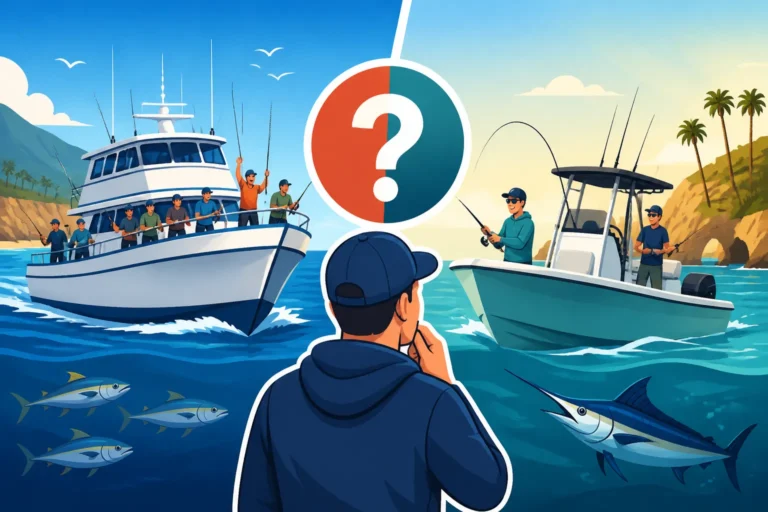
Private Charters vs. Party Boats
Another key decision is whether you want a private boat experience or prefer fishing with a larger group on a party boat. Each offers a distinct vibe and price point.
- Private Charters: This is your personal fishing adventure. You book the entire boat for your group, whether it's just you and a friend or a small family reunion. The biggest advantage is flexibility: you dictate the target species, the fishing spots, and the overall pace. The captain and crew are solely focused on your group, providing personalized instruction and attention. While more expensive upfront, splitting the cost among a few people can make it quite reasonable. This is an excellent option for a truly tailored experience, especially if you have specific species in mind or want to learn advanced techniques. Many captains listed on platforms like FishingBooker offer private charter options.
- Party Boats (Open Party or Head Boat): Also known as "sportfishing boats," these larger vessels accommodate many anglers, typically ranging from 20 to 50 people or more. You pay per person for a spot on the boat. Party boats are generally more budget-friendly and a great way to meet other anglers. The captain decides the fishing grounds based on current reports and what's biting. Deckhands are there to assist everyone, but the attention is spread across a larger group. While you might not get the same personalized experience as a private charter, party boats are a fantastic way to access productive fishing grounds and are often equipped for a variety of offshore techniques. For more details on the social aspects and expectations, see California Party Boat Fishing Explained.
Shore, Kayak, and Pier Fishing from Mission Bay
Not everyone wants to hop on a big boat, and that's perfectly fine! Mission Bay offers fantastic access for land-based and small craft fishing, which can be just as rewarding and often more budget-friendly.
- Shore Fishing: With miles of accessible shoreline, Mission Bay is excellent for bank fishing. You can cast from various beaches, rocky points, and even some grassy areas. Popular spots include the calm waters near Santa Clara Point, around Fiesta Island, or the channels leading to the ocean. You'll typically target spotted bay bass, croaker, and perch. A simple bait-and-wait rig with live or cut bait (like anchovies, squid, or ghost shrimp) or soft plastic swimbaits can be very effective. It's a peaceful way to enjoy the bay, requiring minimal gear – just a rod, reel, and tackle box.
- Kayak Fishing: If you have your own kayak or rent one, Mission Bay is an absolute paradise for kayak fishing. The calm waters, numerous coves, and eelgrass beds are perfect for silently paddling into productive spots that larger boats can't reach. Kayakers often target spotted bay bass with artificial lures, sometimes even sight-fishing them in clear water. Halibut can also be a target when drifting sandy bottom areas. Just remember to be aware of boat traffic, especially in the main channels, and always wear a PFD (personal flotation device). This offers a highly immersive and active fishing experience.
- Pier Fishing: While Mission Bay itself doesn't have large ocean-facing fishing piers like those along the San Diego coastline, you can fish from smaller docks and jetties within the bay, provided they are publicly accessible and fishing is allowed. These spots offer similar catches to shore fishing. Always check local signage to ensure fishing is permitted. For broader information on regulations related to structure fishing, consider our article on Fishing from a Pier in California: Rules.
Preparing for Your Mission Bay Fishing Adventure
Proper preparation can make all the difference between a good trip and a great one. Don't leave things to chance – a little planning goes a long way.
Essential Gear and What's Provided
One of the biggest anxieties for new anglers is knowing what gear to bring. The good news is that most charters in Mission Bay are "turnkey," meaning they provide the essentials.
-
What Charters Typically Provide:
- Rods and Reels: Most boat charters will have a variety of rods and reels suitable for the target species. These are usually well-maintained conventional or spinning setups spooled with appropriate line.
- Bait: Live bait (like anchovies or sardines) is often included, especially on full-day trips targeting more aggressive species. Cut bait (squid, mackerel) or artificial lures might also be provided.
- Basic Tackle: Hooks, weights, and leaders are generally supplied by the boat.
- Expertise: Most importantly, you get the benefit of an experienced captain and deckhands who know the local waters, where the fish are, and the best techniques to catch them.
-
What You Should Consider Bringing (Even if Provided):
- Your Own Rod/Reel (Optional): If you prefer your own familiar gear or have specific light tackle setups you enjoy using, you can often bring them, but check with the charter in advance.
- Terminal Tackle (Optional): If you have a favorite lure or a specific type of hook you like, bring it along! Just ensure it's appropriate for the target species and conditions.
- Cooler with Ice: Essential for keeping your catch fresh on the way home, especially after the fish have been cleaned.
- Sun Protection: This is non-negotiable. Sunglasses (polarized are a huge plus for spotting fish), a wide-brimmed hat, and high SPF sunscreen are a must, even on cloudy days. The sun reflecting off the water can be intense.
- Appropriate Clothing: Dress in layers! Even on a warm day, it can be chilly on the water in the morning or evening. Bring a windbreaker or waterproof jacket. Wear comfortable, non-slip shoes.
- Food and Drinks: Pack snacks, sandwiches, and plenty of water or other beverages. Alcohol is usually permitted in moderation, but check with your captain.
- Camera: To capture those memorable catches!
- Small Backpack or Dry Bag: To keep your personal items organized and dry.
- Motion Sickness Medication: If you're at all susceptible to seasickness, take medication before you board, not after you start feeling queasy. Even in calm bay waters, the rocking of the boat can sometimes be enough.
Our guide on What to Bring on a California Fishing Charter provides a more extensive list.
Licensing and Regulations Specific to Mission Bay
This is a critical point that often trips up new anglers. You will need a California fishing license to fish in Mission Bay, whether from a boat, kayak, or the shore (unless on a designated public pier where licenses aren't required, which isn't generally the case for most of Mission Bay).
- California Fishing License: Everyone aged 16 and older needs a valid California sport fishing license. You can purchase these online through the California Department of Fish and Wildlife (CDFW) website, or from licensed agents like tackle shops or sporting goods stores (e.g., a local Turner's Outdoorsman or Big 5 Sporting Goods). It's always best to buy it before your trip to avoid last-minute hassle. Check out our comprehensive California Fishing License Guide for all the details.
- Report Cards: Depending on what you're targeting, you might also need a specific report card. For instance, if you happen to catch certain species like white seabass, you'll need the appropriate report card. While less common in Mission Bay itself, if your charter ventures outside for halibut or other species that require them, ensure you have them. Your charter captain will usually advise you if any specific report cards are needed for your trip.
- Bag and Size Limits: California has strict bag and size limits for various species to ensure sustainable fishing. For example, California halibut have a minimum size limit and a daily bag limit. Your captain and deckhands are knowledgeable about these rules and will help you measure and identify your catch. It's good practice to familiarize yourself with the California Saltwater Fishing Regulations beforehand, just so you know what to expect.
Practical Tips for a Smooth Trip
A few extra considerations can make your day even more enjoyable.
- Arrive Early: Especially for charters, showing up 30-45 minutes before departure allows for check-in, getting your gear sorted, and finding a good spot on the boat without rushing.
- Listen to Your Captain and Crew: They are the experts. Pay attention to their safety briefings, fishing instructions, and any advice they offer on baiting hooks or fighting fish. It's for your safety and success!
- Be Patient and Positive: Fishing is called "fishing," not "catching" for a reason. There will be slow periods. Enjoy the scenery, the company, and the anticipation. A positive attitude often translates to more fun, even if the bite isn't red hot.
- Hydrate and Snack: Even if you don't feel thirsty, keep drinking water. Being out on the water, especially in the sun, can dehydrate you quickly. Snacks keep your energy up.
- Mind Your Manners: On a party boat, be mindful of other anglers. Don't cast over their lines, respect their space, and be courteous when moving around the boat. If you need assistance, politely ask a deckhand.
- Tipping: It's customary and appreciated to tip the deckhands and captain on a charter, usually 15-20% of the trip cost, especially if they've worked hard and provided excellent service. Our article Tipping on a California Fishing Charter offers more guidance.
What to Expect During the Trip Itself
So, you've booked your trip, gathered your gear, and arrived at the dock. What actually happens once you step on board?
The Boat Experience: From Check-in to Docking
The experience starts long before the lines are in the water.
- Check-in and Boarding: You'll typically check in at the dockside office, confirm your reservation, and perhaps get your California fishing license verified. Then, you'll be directed to your boat. On a party boat, it's often first-come, first-served for picking your spot, so arriving early can be an advantage. On a private charter, it's more relaxed.
- Safety Briefing: Before leaving the dock, the captain or a deckhand will give a brief safety overview, pointing out life jackets, emergency exits, and important rules of the boat. Pay attention!
- The Ride Out: As you depart, you'll get to enjoy the beautiful sights of Mission Bay, passing by SeaWorld, various resorts, and other boaters. The ride within the bay is generally smooth. If you head outside the jetties, you might encounter more swell, especially if it's windy.
- Life on Board: Most boats have restrooms (often called "heads"). On longer trips, there might be a galley selling snacks and drinks. Deckhands will be circulating, setting up tackle, explaining techniques, and helping anglers. Don't be shy about asking questions – they're there to help!
- Returning to the Dock: After the fishing is done, the boat will head back to the marina. This is typically when deckhands start cleaning fish (more on that below). Once docked, you'll disembark, collect your cleaned fish, and say your goodbyes.
Fishing Techniques and Targeted Species
On a Mission Bay fishing trip, you'll encounter a few common techniques, designed to maximize your chances with the bay's resident species.
- Live Bait Fishing: This is probably the most prevalent and effective method in Mission Bay. Charters often net their own live anchovies or sardines. You'll be instructed on how to properly hook and present the live bait, usually on a light-action rod with a simple hook and sinker rig (like a Carolina rig or a dropper loop). This is excellent for targeting spotted bay bass, halibut, and larger croaker. The deckhands will continually replenish the live bait tank.
- Drifting and Trolling: For species like halibut, the boat might drift slowly across sandy bottoms, allowing your bait or lure to cover more ground. In some cases, especially if targeting species like bonito or mackerel near the bay entrance, the boat might troll lures or live bait behind it.
- Artificial Lures: While live bait is king, artificial lures like soft plastic swimbaits, jerkbaits, or small spoons can also be very effective for spotted bay bass, especially when cast towards structure. Some charters might provide these, or you can bring your own.
- Targeted Species Focus: Your captain will assess conditions and recent reports to decide which species to target. On a typical Mission Bay trip, the focus is often on spotted bay bass due to their abundance and willingness to bite. If halibut are active, they'll often incorporate drifts over known halibut grounds. For opportunities at larger species like Yellowtail in California, your captain might opt to venture just outside the bay, a decision often influenced by weather, season, and the overall bite.
Handling Your Catch
So, you've landed some fish! Now what? Don't worry, the crew has you covered.
- Deckhand Assistance: Deckhands are there to help you land your fish, remove hooks, and place legal-sized fish into the boat's fish holds or your personal cooler. They're also responsible for ensuring all fish meet legal size and bag limits. Any undersized fish or those outside regulations will be carefully released.
- Fish Cleaning Services: This is a huge perk of charter fishing. After the trip, the deckhands will typically offer fish cleaning (filleting) services. This is usually done for a small fee (a few dollars per fish or a set rate), but it's well worth it. They'll expertly fillet your fish, bag them, and have them ready for you to take home. Make sure you have your cooler ready with ice to keep them fresh!
- Storage: The boat will have a designated fish hold where your legal catches are kept on ice to ensure freshness throughout the trip. If you brought your own cooler, the deckhands might direct you to put your fish in there after they've been handled.
Here's a quick comparison of fishing options in Mission Bay:
| Feature | Boat Charter (Half-Day Bay) | Kayak Fishing (BYO or Rental) | Shore/Pier Fishing (Public Access) |
|---|---|---|---|
| Cost | Moderate to High (per person or boat) | Low (rental) to Very Low (BYO) | Very Low (just gear & bait) |
| Experience Level | Beginner-Friendly (crew assistance) | Moderate to Advanced (self-reliant) | Beginner-Friendly |
| Target Species | Spotted Bay Bass, Halibut, Croaker, occasionally Bonito/Mackerel | Spotted Bay Bass, Halibut, Perch | Spotted Bay Bass, Croaker, Perch, Leopard Sharks |
| Accessibility | Easy (dock departure, provided gear) | Requires transport/launching, physical effort | Easy (walk-up access) |
| Comfort | Varied (boat size/amenities), usually good | Limited (exposure to elements, paddling) | Good (can bring chairs, shade) |
| Fish Cleaning | Available (for a fee) | DIY (at home) | DIY (at home) |
| License Needed? | Yes, for ages 16+ | Yes, for ages 16+ | Yes, for ages 16+ (unless specifically on a license-free pier) |
| Social Aspect | Group experience (party boat) or private group | Solo or small group | Solo or small group |
| Gear Provided? | Yes (rods, reels, bait, tackle) | No (rentals might include basic gear) | No |
Mission Bay offers a fantastic and diverse fishing experience for anglers of all skill levels. Whether you're casting from the shore, paddling a kayak through the serene back channels, or enjoying a guided trip on a charter boat, there's a unique adventure waiting for you. With proper preparation and a good understanding of what to expect, you're set for a memorable day on the water in beautiful San Diego! If you're looking for an easy way to compare and book your trip, I'd recommend checking out options on FishingBooker.
Disclaimer
The information provided in this guide is for general informational purposes only and is subject to change. Fishing regulations, seasons, and conditions can vary. Always consult the official California Department of Fish and Wildlife (CDFW) regulations and your charter captain for the most current and accurate information before embarking on any fishing trip.