California Private vs Shared Charters
Heading out for a fishing trip in California is an absolute dream for many, but the first big decision often hits before you even get on the water: do you go with a private charter or join a shared trip on a party boat? It’s a common dilemma, and honestly, both options have their unique charms and challenges. This guide is here to break down the ins and outs of California private vs shared charters, helping you figure out which experience will best reel in the perfect day on the water for you.
Understanding the Basics: What Are They?
Before we dive into the nitty-gritty, let's make sure we're all on the same page about what exactly we mean when we talk about private and shared fishing charters in the Golden State. It's not just semantics; these are fundamentally different experiences, each with its own vibe and expectations.
Defining Private Charters
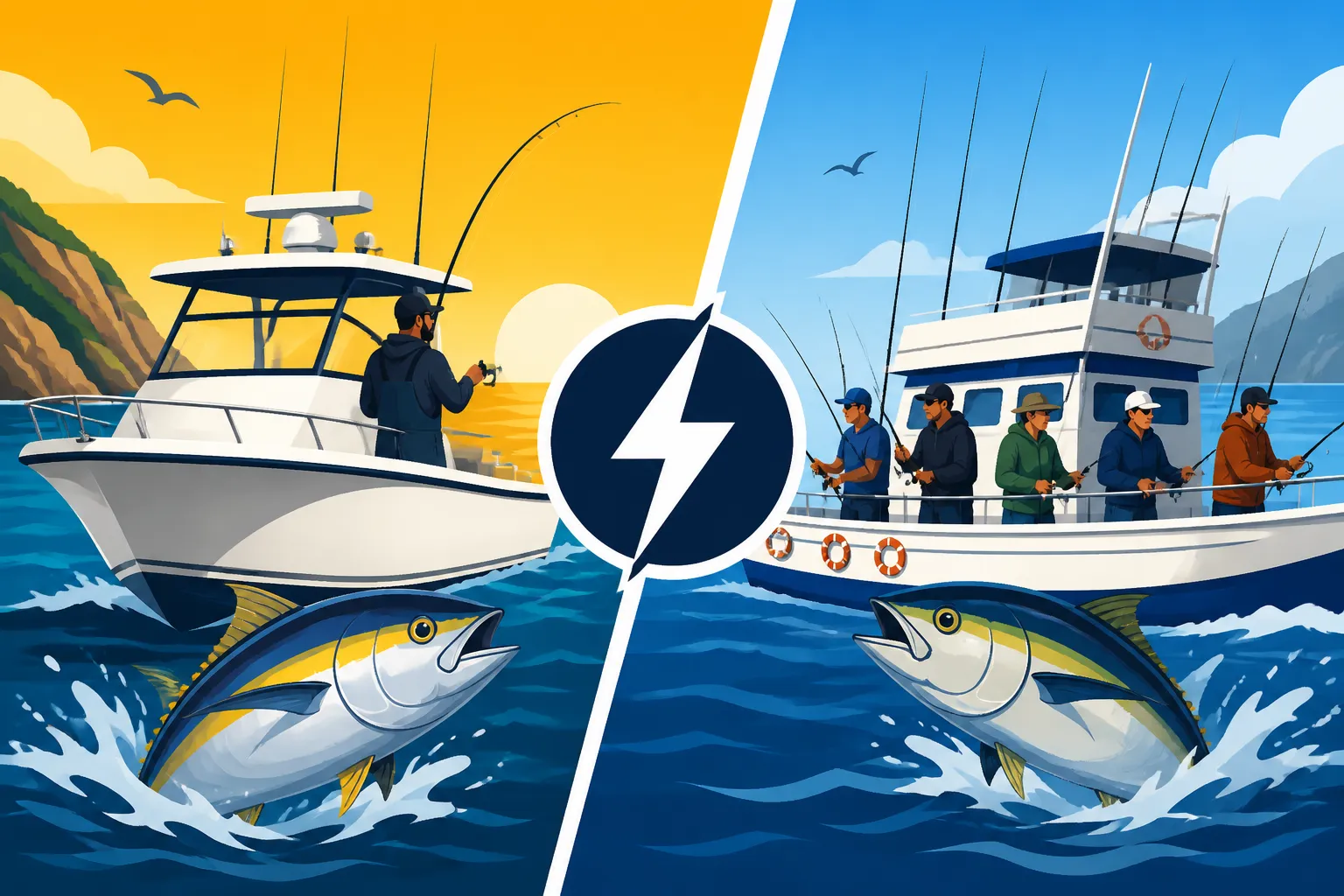
Imagine having a boat and crew all to yourselves, custom-tailored to your fishing desires. That's essentially what a private charter offers. You're booking the entire boat, whether it's a sleek sportfisher or a comfortable yacht, for your group alone. This means you get to call the shots on everything from the target species – maybe you're dead set on finding some California halibut or chasing elusive tuna offshore – to the fishing spots and even the departure time (within reason, of course, as dictated by tides and fish behavior). It’s an exclusive experience, usually accommodating anywhere from just a couple of anglers up to six, though larger private yachts can certainly hold more for bigger groups looking for a luxury experience.
The beauty of a private charter lies in its flexibility. If the bite for yellowtail is slow in one area, your captain can pivot and try another spot without needing to consult a dozen other paying customers. If someone in your group gets seasick early, you have the option to head back to port. This personalized approach often means more one-on-one time with the crew, getting expert tips and tricks directly applicable to your technique and chosen quarry. It's the kind of trip where you can truly learn and hone your skills, making it an excellent choice for those who want a deeply immersive angling adventure.
Defining Shared Charters (Party Boats)
Now, let's talk about shared charters, often affectionately (or sometimes not-so-affectionately) known as "party boats" or "open party boats." These are larger vessels, sometimes quite substantial, that sell spots to individual anglers or small groups, filling the boat up to its legal capacity. Think of it like a bus for fishermen – you buy your ticket, you get a seat, and you go where the bus goes. These boats often carry anywhere from 20 to 60 or even more anglers, depending on the vessel size and the type of trip.
The primary appeal of a shared charter is its accessibility and cost-effectiveness. You don't have to shoulder the entire expense of the boat, crew, and fuel yourself. You’re sharing that cost with everyone else on board. While the itinerary is typically set by the captain – usually targeting commonly available species like rockfish or lingcod – the crew is still there to help. They’ll usually offer basic instruction, bait, and assistance with tangles, which, let's be honest, are a common occurrence when you have that many lines in the water. These trips are fantastic for beginners, families, or solo anglers who want to get out on the water without a huge financial commitment or the need to organize a whole crew themselves. You just show up with your gear (or rent theirs), and you're ready to fish alongside a bunch of other enthusiastic anglers.
The Private Charter Experience
Opting for a private charter in California means you're not just booking a boat; you're investing in a bespoke fishing journey. It's about crafting an experience that aligns perfectly with your group's desires, skill levels, and fishing aspirations.
Customization and Flexibility
One of the biggest draws of a private charter is the unparalleled level of customization. Before you even leave the dock, you and your captain will discuss your goals. Are you seasoned anglers looking to go deep for bluefin tuna offshore, or do you have a group of beginners hoping to catch some local rockfish for dinner? This pre-trip consultation ensures the trip is designed around your expectations. Want to focus on a specific technique, like fly-lining live bait, or try out a new jigging strategy? A private charter can accommodate that. The captain and crew become your personal fishing coaches, adjusting their approach based on your group's performance and preferences.
This flexibility extends beyond just species and technique. Imagine a hot summer day in Southern California, and you decide you want to try fishing for yellowtail in the morning, but by midday, the bite slows, and your group is feeling a bit tired. On a private charter, you can easily switch gears. Maybe you decide to cruise along the coast for some scenic views, or try your hand at catching some bonito just for fun. You could even head back to the dock a little earlier if everyone's had their fill. This isn't usually an option on a shared boat, where the schedule is rigid. This adaptive nature makes private charters ideal for creating truly memorable, stress-free excursions.
Exclusivity and Comfort
There’s an undeniable appeal to having an entire fishing vessel to yourself and your chosen companions. No crowded rails, no elbow-to-elbow combat for space, and no worries about someone else snagging your line (well, at least not from another group!). This exclusivity translates directly into a more comfortable and relaxed environment. You'll have ample room to spread out your gear, move around the deck, and simply enjoy the open ocean without feeling cramped. It’s perfect for intimate gatherings, whether it’s a family reunion, a corporate outing, or a special trip with close friends.
Beyond the physical space, exclusivity also fosters a unique social dynamic. You’re sharing the experience only with people you know and enjoy. This means you can talk freely, blast your favorite music (if the captain agrees, of course!), and celebrate catches without feeling self-conscious. The crew's attention is solely on your group, meaning they're quicker to assist with baiting hooks, gaffing fish, or untangling lines. They often anticipate your needs, offering drinks, snacks, or even photographic services. This elevated level of service and personal space can transform a good fishing trip into an exceptional one, making you feel truly catered to throughout your adventure.
Targeted Fishing Opportunities
When you book a private charter, you gain the ability to hyper-focus on specific fish species or fishing grounds that might not be accessible or prioritized on a shared trip. For instance, if you're keen on landing a trophy bluefin tuna off the coast of San Diego, a private captain will dedicate the entire trip to that pursuit, using specialized techniques like kite fishing or chunking, and investing the time needed to locate these migratory giants. They can run further offshore, spend more time searching for kelp paddies holding dorado, or patiently wait for a specific bite window without the pressure of needing to satisfy a diverse crowd with varied targets.
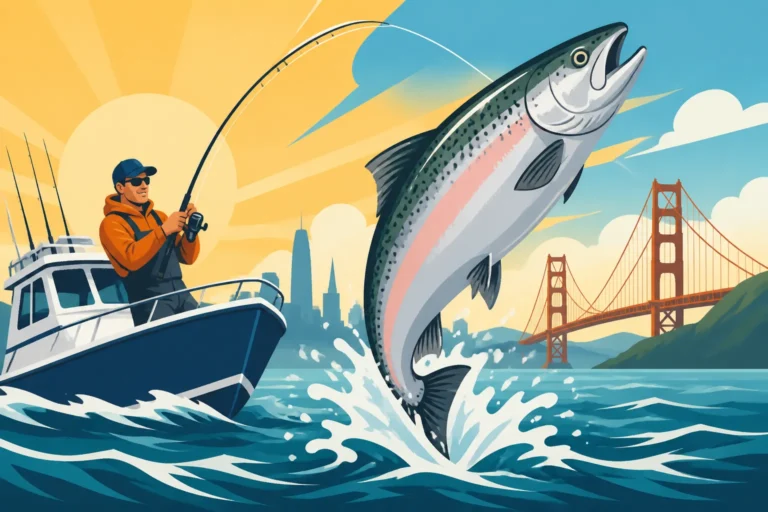
This targeted approach is particularly beneficial when trying to catch less common or highly migratory species, or when fishing in areas that require specialized knowledge or equipment. Want to hunt for elusive white seabass in the Channel Islands or troll for salmon off the Golden Gate? A private charter allows the captain to leverage their extensive local knowledge and invest the resources to maximize your chances for that specific fish. This also means you can avoid crowded fishing spots, opting for lesser-known, potentially more productive areas. It’s about precision fishing, giving you a better shot at your dream catch.
The Shared Charter (Party Boat) Experience
Shared charters, or party boats, are the workhorses of the California sportfishing fleet. They offer a fundamentally different experience than private charters, focusing on accessibility, community, and often, a more structured approach to fishing.
Social Atmosphere and Affordability
One of the most appealing aspects of a shared charter is its social dynamic. You're rubbing shoulders with fellow anglers from all walks of life, all united by the common goal of catching fish. It's a fantastic way to meet new people, swap stories, and maybe even learn a few tricks from more experienced hands. There’s a certain camaraderie that develops on a party boat, especially when the fish are biting. High-fives are exchanged, tips are shared, and the collective excitement is palpable. For solo anglers, it’s a perfect way to experience offshore fishing without having to organize a whole group.
Beyond the social aspect, affordability is a huge factor. Since the cost of operating the boat – fuel, crew wages, maintenance – is divided among many passengers, the price per person for a shared charter is significantly lower than a private trip. This makes it a great option for those on a budget or for families who want to introduce their kids to ocean fishing without a huge financial commitment. You can often find half-day, three-quarter day, and full-day options, making it easy to fit into various schedules and budgets. This lower barrier to entry means more people can experience the thrill of saltwater fishing in California, from a quick trip for mackerel near the pier to a longer offshore excursion.
Structured Fishing and Crew Support
On a shared charter, the fishing experience is typically more structured, which can be a real blessing, especially for beginners. The captain sets the agenda, usually targeting abundant species like various rockfish or, seasonally, maybe some yellowtail or bonito, depending on what's biting. The deckhands are always on hand, circulating around the boat to assist. They’ll show you how to bait your hook, help untangle lines (a common task on crowded boats!), gaff your fish, and even clean your catch at the end of the day. This level of support means you don't need prior experience or specialized knowledge; the crew is there to guide you through it all.
The structured nature also means less decision-making pressure. You don't have to worry about where to go or what to target; the experts are handling that. The boat will typically move between different spots throughout the day, trying to find the most productive areas. This consistency can be reassuring, ensuring everyone has a fair shot at catching something. Many party boats also offer rod and reel rentals, making it truly a "show up and fish" experience. It’s perfect for those who want to focus purely on the act of fishing without the logistical headaches, or for newcomers who appreciate the guidance.
Variety of Trips and Destinations
California's party boat fleet is incredibly diverse, offering a wide array of trips catering to different interests and time commitments. You can find everything from quick "twilight" trips lasting a few hours in the evening, perfect for a casual outing near the coast, to full-day or even multi-day long-range expeditions heading hundreds of miles offshore for tuna and other pelagic species. This variety means there’s almost always an option that fits your schedule and target species, even if the general focus remains on what’s biting and abundant.
Many popular departure points, such as San Diego’s Point Loma Sportfishing, Fisherman's Landing, and H&M Landing, or ports like Dana Point and Long Beach, host fleets of party boats offering daily trips. You can easily find options focusing on inshore fishing for bass and barracuda, or longer trips targeting yellowtail, dorado, or even white seabass. While you might not dictate the specific spots, these boats often have decades of experience navigating the best local grounds, increasing your chances of success. It’s a great way to explore various fishing locales and species without committing to a single type of private charter.
Key Differences and Considerations
Choosing between a private and shared charter often boils down to a few critical factors: your budget, the size of your group, your fishing goals, and your desired level of control and comfort. Let's dig into these differences to help you make an informed decision.
Cost Analysis and Value
This is often the first and most significant differentiator for many anglers. Private charters, because you're covering the entire operational cost of the boat and crew, come with a much higher upfront price tag. For a typical 6-pack sportfisher (a boat licensed for up to six passengers), a half-day private charter in California can easily run from $800 to $1,500, and full-day trips can range from $1,500 to $3,500 or more, especially for offshore tuna trips. If you divide this among six people, it becomes more palatable, but it's still a significant investment per person compared to a party boat.
Shared charters, on the other hand, are considerably more budget-friendly. A spot on a half-day shared trip might cost anywhere from $70 to $120 per person, while a full-day trip could be $150 to $250. Long-range multi-day tuna trips, while more expensive, are still priced per person, not for the entire boat. When evaluating value, it’s crucial to look beyond just the raw price. A private charter offers personalized attention, flexibility, and a higher chance of targeting specific trophy fish, which for some, is priceless. A shared charter offers an affordable, accessible way to get on the water and catch fish, with a great social component, which is excellent value for many. For those interested in understanding the specifics, reading up on “How Much Does a California Fishing Charter Cost” can provide further insights.
Group Size and Social Dynamics
Your group size naturally steers you towards one option or the other. If you're a solo angler, a couple, or a small group of 3-4 friends, a shared charter is often the most practical and cost-effective choice. You simply buy individual tickets, and you're good to go. Trying to split the cost of a private charter among just a few people can make it prohibitively expensive. Plus, on a party boat, you won't feel like you're missing out on the "group" experience.
Conversely, if you have a larger family, a corporate group, or a bunch of fishing buddies (typically 4-6 people, but some private yachts can handle more), a private charter becomes a very attractive option. It ensures everyone in your party gets to interact, share the experience exclusively, and receive focused attention from the crew. No worries about getting separated or feeling overwhelmed by strangers. The boat becomes your private fishing sanctuary. The dynamic shifts from a public outing to a private gathering, allowing for inside jokes, shared memories, and a truly unified experience.
| Feature | Private Charter | Shared Charter (Party Boat) |
|---|---|---|
| Cost | Higher overall, split by your group | Lower per person |
| Group Size | Ideal for small to medium private groups (2-6 usually) | Solo anglers, couples, small groups, large crowds (20-60+) |
| Flexibility | High: choose species, spots, departure, duration | Low: set itinerary, target species, schedule |
| Exclusivity | High: private boat, crew, amenities | Low: shared boat, public experience |
| Crew Attention | Dedicated, personalized, instructional | General assistance, less one-on-one |
| Comfort/Space | Ample room, less crowded | Can be crowded, limited personal space |
| Target Species | Highly targeted, specific, trophy-oriented possible | Often general, abundant species, what's biting |
| Social Aspect | Intimate with known companions | Social, community with diverse anglers |
| Skill Level Fit | All levels, especially good for learning & advanced | Great for beginners, casual anglers |
Target Species and Fishing Style
What you want to catch and how you want to catch it are crucial factors. If your heart is set on a specific, challenging species, like a giant California Bluefin Tuna, or you want to try a specialized technique, a private charter gives you the best chance. The captain can dedicate all their resources – specialized gear, specific bait, and hours of searching – to your quest. This is also true if you're interested in niche fishing styles, such as deep dropping for exotics or specific types of jigging for yellowtail, that might not be practical on a crowded party boat.
On a shared charter, the approach is generally more broad-stroke. Boats typically go for what's abundant and biting, which often means rockfish, lingcod, or sometimes barracuda and bonito closer to shore. While some party boats offer specific "tuna trips" or "yellowtail trips," the methods might be more generalized to accommodate many anglers. You'll likely be fishing with standard bait-and-sinker rigs or basic jigs. If you're new to fishing or just want to bend a rod, this "catch what's biting" approach is perfectly fine and often very successful. But if you have a specific trophy in mind, the dedicated effort of a private charter is hard to beat. To understand the options for targeting specific catches, exploring resources like “California Rockfish Charter Trips” or “California Salmon Charter Trips” can be really helpful.
Scheduling and Logistics
The operational logistics also differ significantly. With a private charter, you typically have more say in your schedule. While you still need to respect tides and optimal fishing times, you can often negotiate a departure time that works for your group. This is fantastic for groups traveling from out of town or those with specific daytime commitments. It also simplifies things like meeting points and loading gear, as it's just your group coordinating with the captain.
Shared charters operate on fixed schedules. Boats typically leave at dawn (or earlier for longer trips) and return at a predetermined time. You need to be there well in advance for check-in and boarding. While this structure works well for many, it offers zero flexibility once the trip is booked. If traffic delays you, or if someone in your party feels unwell and wants to leave early, you're usually out of luck. The boat runs on its schedule, not yours. This rigid scheduling can be a minor inconvenience for some but is generally a non-issue for those accustomed to a more traditional public transportation model of travel. It's always wise to look into options like “California Half-Day vs Full-Day Charters” to understand typical trip lengths.
Deciding Which is Right for You
Making the choice between a private and shared charter ultimately comes down to your personal preferences, your group's dynamics, and what you hope to get out of your California fishing adventure. There's no single "best" option; only the one that best suits your unique situation.
Factors for Solo Anglers and Small Groups
If you're an intrepid solo angler, a couple looking for a romantic day on the water (but not necessarily private), or a small band of 2-3 fishing buddies, a shared charter is almost always the most practical and cost-effective solution. The per-person pricing makes it accessible, and you won't feel like you're subsidizing an entire boat for just a few people. You also gain the benefit of fishing alongside a diverse group of people, which can lead to new friendships and shared experiences.
For solo anglers especially, party boats offer a built-in community. You can blend in, focus on your fishing, and still have the support of the deckhands without feeling like you're imposing. It's also a great way to "test the waters" of California offshore fishing if you're a beginner. You don't need to know all the gear or techniques; the crew is there to help. Plus, most shared trips provide rentals for rods and reels, making it incredibly convenient. If you're new to the scene, checking out “California Charter Fishing for Beginners” could give you some excellent pointers.
Factors for Families and Large Groups
When you're organizing a fishing trip for a family with kids, or a larger group of friends or colleagues, the decision gets a bit more nuanced. For a family, especially with young children, a private charter can offer an invaluable level of comfort and control. You can choose a boat that’s kid-friendly, focus on easily catchable species to keep their interest, and adjust the pace of the trip to match their attention spans. Having dedicated deckhands to help the little ones with their lines and catches makes a huge difference. Imagine the joy of seeing your child reel in their first fish with personalized guidance, without the chaos of a crowded deck.
For larger groups of up to six people, a private charter truly shines. The per-person cost becomes much more reasonable, and you get the entire boat to yourselves. This allows for inside jokes, group photos, and a truly shared bonding experience without any outsiders. If your group exceeds six, some larger private yachts can be booked, or you might consider booking multiple private 6-packs that can run together. However, if your "large group" is actually 10 or more people who don't necessarily need to stay on the same boat, or are on a tighter budget, booking spots on a shared charter could still be a viable and more affordable option. Just remember, on a party boat, your large group might be spread out and won't have exclusive access to the crew or specific areas of the boat.
Matching Your Skill Level and Goals
Your fishing expertise and what you genuinely want to accomplish on the water should heavily influence your choice. If you’re a seasoned angler with specific trophy fish goals, a private charter is often the better investment. You get a dedicated captain who knows the local waters inside and out, understands advanced techniques, and can focus solely on putting your group on target species like challenging tuna, elusive white seabass, or big California lingcod. You can bring your own specialized gear, experiment with different methods, and truly push your angling limits with expert guidance.
However, if you're a beginner or an intermediate angler who just wants to enjoy a day of fishing, catch some edible fish, and soak in the ocean atmosphere, a shared charter is an excellent fit. The crew is adept at assisting novice anglers, and the general fishing style is less demanding. It's a low-pressure environment where you can learn the ropes, gain confidence, and still have a great time catching fish. Moreover, the social aspect can be highly educational, as you can observe and chat with more experienced anglers around you. Regardless of your choice, remember that understanding California fishing regulations explained is critical for any trip, and always ensure you have the correct California fishing license guide for your outing.
Booking Your California Fishing Adventure
Once you've weighed the pros and cons and decided whether a private or shared charter is best for your upcoming California fishing trip, the next step is to make it happen! Booking your adventure requires a little research and timely action, especially during peak seasons.
How to Research and Compare Options
The first step in booking any charter is thorough research. Start by identifying your target departure area – are you looking for San Diego fishing spots, Monterey Bay fishing guide, or perhaps something near the Los Angeles area? Once you've narrowed down the region, you can begin to look for reputable charter operations. Websites like FishingBooker are incredibly helpful resources, allowing you to browse numerous charter boats, compare their offerings, read reviews from other anglers, and filter by private or shared trips. This platform makes it easy to see what's available, what species boats are currently targeting, and what other anglers thought of their experience.
Don't just look at the price; delve into what's included. Does the charter provide bait and tackle, or do you need to bring your own? (Always a good idea to confirm, and maybe read up on “What to Bring on a California Fishing Charter” beforehand!). Are fish cleaning services included? What are their cancellation policies? For private charters, inquire about the captain's specialties and whether they are open to your specific fishing goals. For shared charters, check the typical species caught and the general atmosphere reported by other passengers. Calling the landing or charter operator directly is always a good idea to ask any lingering questions and get a feel for their customer service.
Making Your Reservation
Once you've found the perfect charter, don't delay in making your reservation, especially if you're planning to fish during prime seasons like summer for offshore species or fall for salmon. Private charters, particularly the highly sought-after captains, can book out months in advance. Shared charter spots are more readily available, but popular trips, especially on weekends or holidays, can fill up quickly.
When booking, be clear about your expectations. If it's a private charter, reconfirm your target species and desired fishing style. If it's a shared trip, understand the boat's schedule and what to expect. Most charters will require a deposit to secure your booking, with the balance due on the day of the trip. Always get a confirmation in writing, whether it's an email from a platform like FishingBooker or directly from the charter company. Double-check all the details – departure time, meeting location, and what you need to bring. Planning ahead ensures a smooth start to what promises to be an unforgettable fishing experience in the abundant waters of California. Don't forget that “California Fishing License Guide” is a must-read before your trip; you'll need one even if fishing on a charter!
Disclaimer
Please remember that fishing regulations in California, including bag limits, size restrictions, and open seasons, can change frequently. Always consult the latest regulations published by the California Department of Fish and Wildlife (CDFW) before any fishing trip. The information provided here is for general guidance and entertainment purposes only. Fishing involves inherent risks, and safety precautions should always be observed.