California Rockfish Charter Trips
For many anglers in California, the thought of dropping a line into the deep blue Pacific and pulling up a colorful, feisty rockfish is a dream. But figuring out where to go, what boat to take, and what to expect can feel like navigating a kelp forest in the fog. This comprehensive guide is here to untangle all those questions, helping you understand everything about California rockfish charter trips so you can confidently book your next unforgettable fishing adventure.
What Are California Rockfish Charter Trips?
If you've ever dreamt of heading out into the Pacific Ocean and bringing home a cooler full of delicious, vibrant fish, a rockfish charter trip is probably what you're imagining. These are specialized fishing excursions offered by professional charter services, specifically designed to target the abundant and diverse rockfish species found along California's expansive coastline. It’s a fantastic way for both seasoned anglers and complete beginners to experience offshore fishing without needing to own a boat or all the specialized gear.
Defining Rockfish Charters
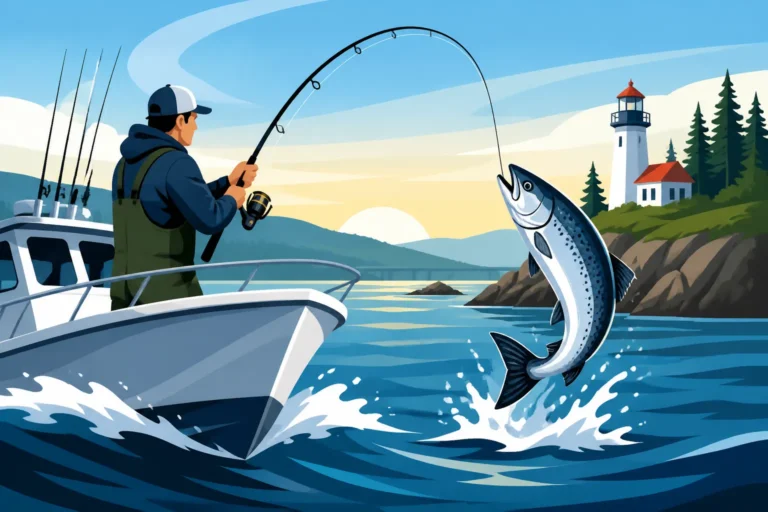
A rockfish charter trip is essentially a guided fishing adventure focused on bottom-dwelling fish species, primarily rockfish, but often including lingcod, cabezon, and other "groundfish." These trips operate under the supervision of experienced captains and deckhands who know the local waters like the back of their hand, taking you to proven fishing grounds where these species congregate. Unlike some other charters that might chase pelagic species like tuna far offshore, rockfish trips typically focus on structures closer to the coast, like rocky reefs, pinnacles, and kelp beds, within accessible depths.
The beauty of a rockfish charter lies in its all-inclusive nature for most anglers. When you step aboard, the boat usually provides rods, reels, bait, and often the tackle you’ll need. This means you don't have to invest in expensive offshore equipment just for one trip. The crew is there to assist, from rigging your line and baiting your hook to showing you the proper technique for dropping down to the fish. It truly democratizes offshore fishing, making it accessible to anyone with a passion for angling. You can find many options for these trips through services like FishingBooker, which makes comparing boats and schedules a breeze.
Types of Rockfish Charter Boats
California offers a variety of boats for rockfish trips, catering to different preferences, group sizes, and budgets. The two main categories you'll encounter are "party boats" (also known as "open party" or "sportfishing boats") and "private charters."
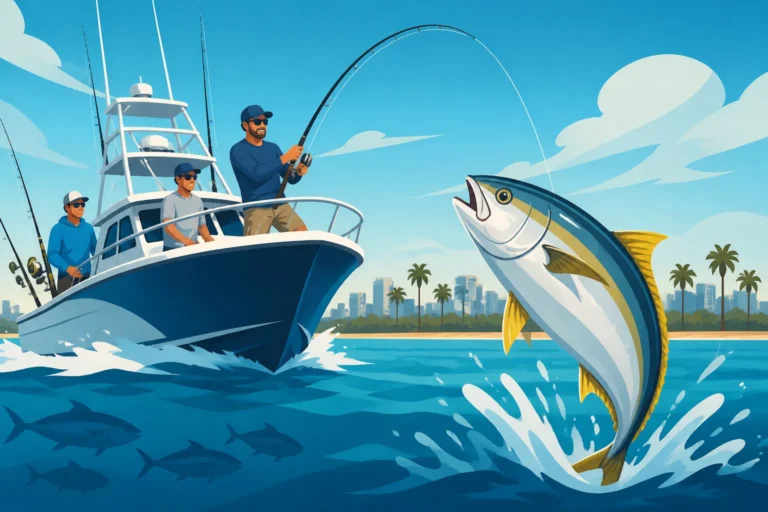
Party boats are generally larger vessels, sometimes carrying upwards of 30-60 anglers, depending on the boat's size and the trip's duration. These are the most economical option, as you pay for a single spot on the boat alongside other anglers. Trips can range from half-day excursions focusing on nearshore reefs to full-day or even 3/4-day trips that might venture further out to deeper water or more remote fishing spots. While you share the rail with many others, party boats are a fantastic way to meet fellow anglers, learn from deckhands, and get a taste of offshore fishing without a huge financial commitment. The atmosphere can be lively, and the crew works hard to keep everyone on fish, making them a popular choice for many. If you're curious about the general experience, consider checking out what's involved in a California Party Boat Fishing Explained trip.
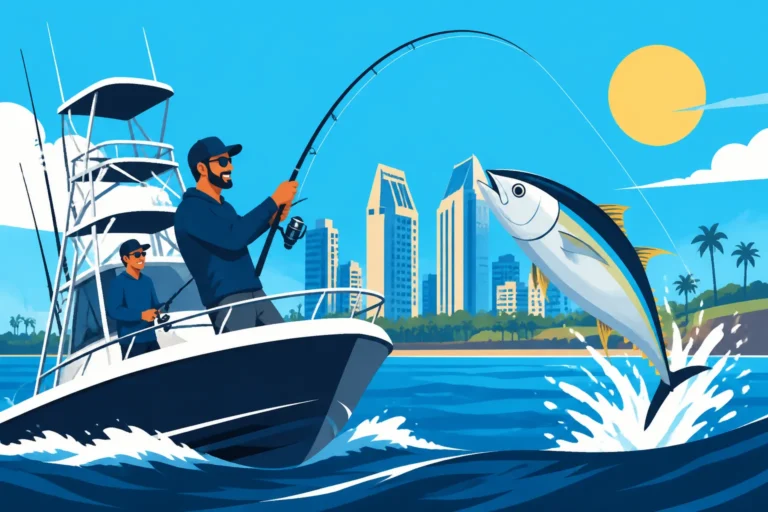
Private charters, on the other hand, offer a more exclusive and customizable experience. You book the entire boat for your group, whether it's just you and a friend or a small family reunion. These boats are typically smaller, accommodating anywhere from 1-6 anglers, though larger private yachts exist. The main advantage here is flexibility: you can often choose your target species (within regulations), decide on your departure and return times, and have the crew's undivided attention. This is ideal for families with young children, corporate outings, or serious anglers who want a more focused, personalized fishing approach. While more expensive per person, the tailored experience and comfort often make it worthwhile. You can explore a variety of options, from a California Deep Sea Fishing Charter Guide to smaller, more intimate private vessels.
Understanding Rockfish Regulations
Fishing for rockfish in California isn't a free-for-all; it's governed by a comprehensive set of regulations designed to ensure sustainable populations for future generations. These rules can be complex and change seasonally or even annually, so it's absolutely crucial to stay informed. Every angler, even on a charter, needs a valid California fishing license, and often a California Ocean Enhancement Stamp if fishing in certain southern California waters. The charter boat itself will have all the necessary permits to operate.
Key regulations to be aware of include bag limits (how many fish of a particular species you can keep), size limits (minimum or sometimes maximum lengths for retention), and seasonal closures for specific areas or species. For instance, there are often different rules for nearshore rockfish versus deeper "shelf" rockfish. Critically, California also has complex "Rockfish Conservation Areas" (RCAs) and depth restrictions. These are specific zones or depth ranges where rockfish fishing may be prohibited or heavily restricted to protect vulnerable species. Your charter captain will be intimately familiar with these regulations and will ensure the boat operates within legal parameters. However, it's always good practice to have a basic understanding yourself by reviewing the latest California Fishing Regulations Explained. Ignorance of the law is never an excuse, and adhering to these rules helps protect the fishery we all love.
Why Choose a Rockfish Charter?
Stepping onto a rockfish charter offers a unique blend of adventure, convenience, and expert guidance that can make your fishing trip truly special. For many, it's the simplest way to access the rich offshore fishing grounds that California boasts, transforming a complex endeavor into an enjoyable day on the water.
Accessibility and Convenience
One of the biggest draws of a rockfish charter is the sheer accessibility it provides. Not everyone has access to a boat, let alone one equipped for offshore saltwater fishing. Charters remove this barrier entirely. You simply show up at the dock, board the vessel, and everything else is taken care of. There's no need to worry about boat maintenance, fuel costs, launching and retrieving, or even finding parking for your truck and trailer. All the logistics, which can be considerable, are handled by the charter operation.
Moreover, these trips are convenient for anglers of all skill levels. If you're a beginner, the deckhands are invaluable resources. They'll teach you how to drop your line, detect a bite, and properly reel in a fish. For more experienced anglers, it’s an opportunity to fish prime spots without the hassle of running your own boat. You can simply focus on the joy of fishing. Many charters depart from major ports like San Diego, Long Beach, or Monterey, making them easy to reach for residents and visitors alike, integrating seamlessly into a vacation plan. It’s a chance to see the stunning California coastline from a unique perspective while enjoying a productive day of fishing.
Expertise and Equipment Provided
The value of the expertise on a rockfish charter cannot be overstated. Charter captains spend hundreds of days a year on the water, meticulously tracking fish movements, understanding ocean currents, and knowing exactly where the rockfish are biting. They have specialized electronic equipment, like high-end fish finders and GPS plotters, to pinpoint productive reefs and structures that would be impossible for an amateur to locate. This local knowledge significantly increases your chances of a successful and memorable trip.
Beyond the captain's expertise, the boats are outfitted with all the necessary fishing gear. This typically includes sturdy rods and reels capable of handling deep-water fish, appropriate lead weights for reaching the bottom, and a variety of hooks and bait. On many trips, live bait, such as anchovies or sardines, is provided and kept fresh in onboard bait tanks. You don't need to bring anything except your personal belongings, making it a hassle-free experience. The deckhands are adept at untangling lines, gaffing fish, and processing your catch, ensuring you get the most out of your day. This comprehensive service means you can simply show up, learn, and enjoy the thrill of the catch without worrying about technical details. It's truly an all-inclusive adventure, as highlighted in guides like What to Bring on a California Fishing Charter.
Targeting Specific Species
While "rockfish" is a broad term, a charter trip gives you the opportunity to target a remarkable variety of these species, each with its own unique characteristics, colors, and fighting style. Unlike generic fishing excursions, these captains specialize in bottom fishing and know the habitats preferred by different rockfish species. Depending on the depth and structure, you might be dropping lines for vermilion rockfish, commonly known as "reds" or "red snapper," prized for their size and delicious white meat. Or perhaps you'll be over shallower reefs where you can catch calico bass, often found around kelp, or olive rockfish.
Beyond the many types of rockfish, these trips also frequently yield other exciting groundfish species. Lingcod, with their impressive size and aggressive bites, are a highly sought-after prize. Cabezon, sheephead, and various flatfish like sole and sanddabs can also make an appearance, adding to the diversity of your catch. The captain will choose spots based on current conditions and what's been biting, ensuring a varied and exciting day. This targeted approach is a huge advantage over trying to find these fish on your own, giving you a better chance to fill your cooler with specific, desired species, as you can learn more about in How to Catch Rockfish in California.
Planning Your California Rockfish Charter
A little foresight goes a long way in making your rockfish charter trip successful and enjoyable. From choosing your starting point to picking the right time of year, thoughtful planning ensures you hit the water ready for action.
Choosing Your Departure Port
California's long coastline is dotted with excellent departure ports for rockfish charters, each offering access to unique fishing grounds and experiences. Your choice of port often depends on where you are located, what kind of trip you're looking for, and which specific species might be more prevalent in that region.
- Southern California (San Diego, Dana Point, Long Beach, Ventura, Santa Barbara): These ports are renowned for their vibrant sportfishing fleets and offer access to extensive rockfish grounds, kelp forests, and even offshore islands like the Channel Islands. San Diego is particularly famous for its large party boats and access to deep-water rockfish. Further north, ports like Ventura and Santa Barbara offer access to the productive waters of the Santa Barbara Channel.
- Central California (Morro Bay, Monterey, Santa Cruz, Half Moon Bay): This region is known for its dramatic coastline, deep canyons, and diverse bottom structure. Morro Bay and Monterey are prime spots for deeper water rockfish and lingcod, with charters often venturing into the Monterey Bay Canyon. Half Moon Bay offers good access to both inshore and offshore reefs.
- Northern California (San Francisco, Bodega Bay, Eureka, Crescent City): While salmon fishing is big here, many northern ports also offer excellent rockfish opportunities, particularly as you move north along the rugged coast. Bodega Bay, for example, is a popular departure point for trips targeting rockfish and lingcod.
Consider factors like travel time to the port, available parking, and the reputation of the local charter fleet. Many online platforms, like FishingBooker, allow you to browse available charters by departure port, making it easy to see what’s available in your desired area.
Best Seasons and Times to Go
Rockfish fishing in California is subject to specific seasons, which can vary annually and by management area (e.g., Northern, Central, Southern California). Generally, the open season for rockfish and associated groundfish like lingcod runs for several months of the year, but there are often closures or restrictions during certain periods to protect spawning fish or sensitive habitats. It's critical to check the latest California Department of Fish and Wildlife (CDFW) regulations before planning your trip, as specific Rockfish Conservation Areas can also influence accessibility.
Within the open season, certain times are often more productive. Spring (April-May) and Fall (September-November) are frequently considered prime times. In spring, fish become more active as water temperatures rise, and in fall, they are often feeding heavily in preparation for winter. Summer (June-August) can also be excellent, especially for those looking to combine a rockfish trip with chances at other pelagic species if conditions allow. Weather plays a huge role; calmer seas make for a more comfortable and productive day. Always check the marine forecast before heading out. Mornings are almost always preferred for charter departures, as the seas tend to be calmer, and fish are often more active during the early hours. For more specific seasonal insights, refer to our guide on the Best Season for Rockfish in California.
Booking Your Trip
Booking your California rockfish charter trip has never been easier, thanks to online platforms and direct booking options. When searching for a charter, consider the type of boat (party boat or private), the duration of the trip (half-day, 3/4-day, full-day), and the target species. Read reviews from other anglers to get a sense of the captain's expertise, the crew's helpfulness, and the overall experience.
Platforms like FishingBooker are incredibly useful resources. They allow you to compare numerous charters side-by-side, check real-time availability, read detailed descriptions of the boats and their amenities, and view pricing. Many also offer secure online booking and payment processing. When booking, clarify what is included in the price (e.g., fishing license, rod rental, bait, tackle, fish cleaning) and what you might need to bring yourself. It's always a good idea to call the charter office a day or two before your trip to confirm departure times and get any last-minute updates on fishing conditions or weather. Don't forget to inquire about any specific California Fishing License Guide requirements or special report cards you might need.
What to Expect on a Rockfish Charter
So, you've booked your trip, and the day has arrived! Knowing what to expect once you step aboard can help calm any pre-trip jitters and ensure you're ready to make the most of your time on the water.
Onboard Experience: Gear, Bait, and Deckhands
When you step onto a rockfish charter, you'll immediately notice the organized chaos of a working fishing vessel. For most party boats, the deckhands will guide you to a spot along the rail. If you didn't bring your own gear, they'll issue you a rod and reel setup. These are typically heavy-duty conventional setups, often spooled with braided line and a monofilament top shot, designed to handle the weight of lead sinkers and the powerful pull of deep-water fish. Live bait, if used, will be kept fresh in large bait tanks.
The deckhands are the backbone of the operation. They're constantly moving, rigging lines, baiting hooks, untangling snags, and helping anglers land fish. Don't be shy about asking for help! They're there to ensure everyone has a good time and a fair chance at catching fish. They'll demonstrate how to properly drop your line to the bottom, keep it clear of your neighbors, and feel for a bite. If you hook into a sizable fish, they'll be there with a net or gaff to bring it aboard. They'll also provide tips on technique and what the fish are biting on that day. Their goal is to make your day as smooth and productive as possible, so a little courtesy and appreciation (and a good tip at the end!) go a long way.
Typical Fishing Techniques
Rockfish charters primarily employ bottom fishing techniques. The most common method involves dropping a lead weight (often 8-16 ounces, sometimes more depending on depth and current) with a series of baited hooks or artificial lures attached to a dropper loop rig or a multi-hook "gangion" setup. The goal is to get your bait or lure right down to the rocky bottom where the rockfish reside.
Once your line is on the bottom, the technique involves gently lifting and lowering your rod tip, or slowly reeling up a few feet and dropping back down, to impart action to your bait or lure. This mimics prey and helps you feel for the subtle taps or strong tugs that indicate a bite. Many anglers use cut squid, anchovies, or sardines as bait, which are usually provided. Some charters also encourage the use of artificial jigs, like lead-head swimbaits or metal jigs, which can be highly effective for lingcod and larger rockfish. The captain will frequently move the boat, using their fish finder to locate schools of fish and "drift" over productive areas, allowing everyone a chance to hit the sweet spots. Understanding California Rockfish Regulations and Limits will help you understand what you're targeting.
Handling Your Catch
Once you've successfully reeled in a rockfish, the deckhands will assist with unhooking and measuring your catch. All fish are subject to size and bag limits, which the crew will meticulously enforce. Undersized fish or those outside the legal limit (or those you simply don't wish to keep) must be released quickly and carefully. Many boats now use "descending devices" to return deep-water fish to the bottom safely, helping them recover from barotrauma (the effects of rapid pressure change).
For legal fish you decide to keep, the deckhands will typically place them in a designated fish box or gunny sack, often with ice, to keep them fresh throughout the day. At the end of the trip, most charter operations offer fish cleaning services for a small fee. This is a huge convenience, as the deckhands are experts at filleting your catch quickly and efficiently. You'll leave with clean, ready-to-cook fillets, rather than having to deal with the messy job at home. This allows you to truly enjoy the "boat-to-table" experience with minimal fuss, a definite perk of charter fishing.
Key Rockfish Species You'll Encounter
California's waters are home to an incredible array of rockfish, making every drop a surprise. While the term "rockfish" is general, knowing a few of the common targets can add to the excitement of your trip.
Commonly Targeted Rockfish
When you're out on a California rockfish charter, you're likely to encounter several species of rockfish, each with its own distinct appearance and characteristics. Here are some of the most common and sought-after:
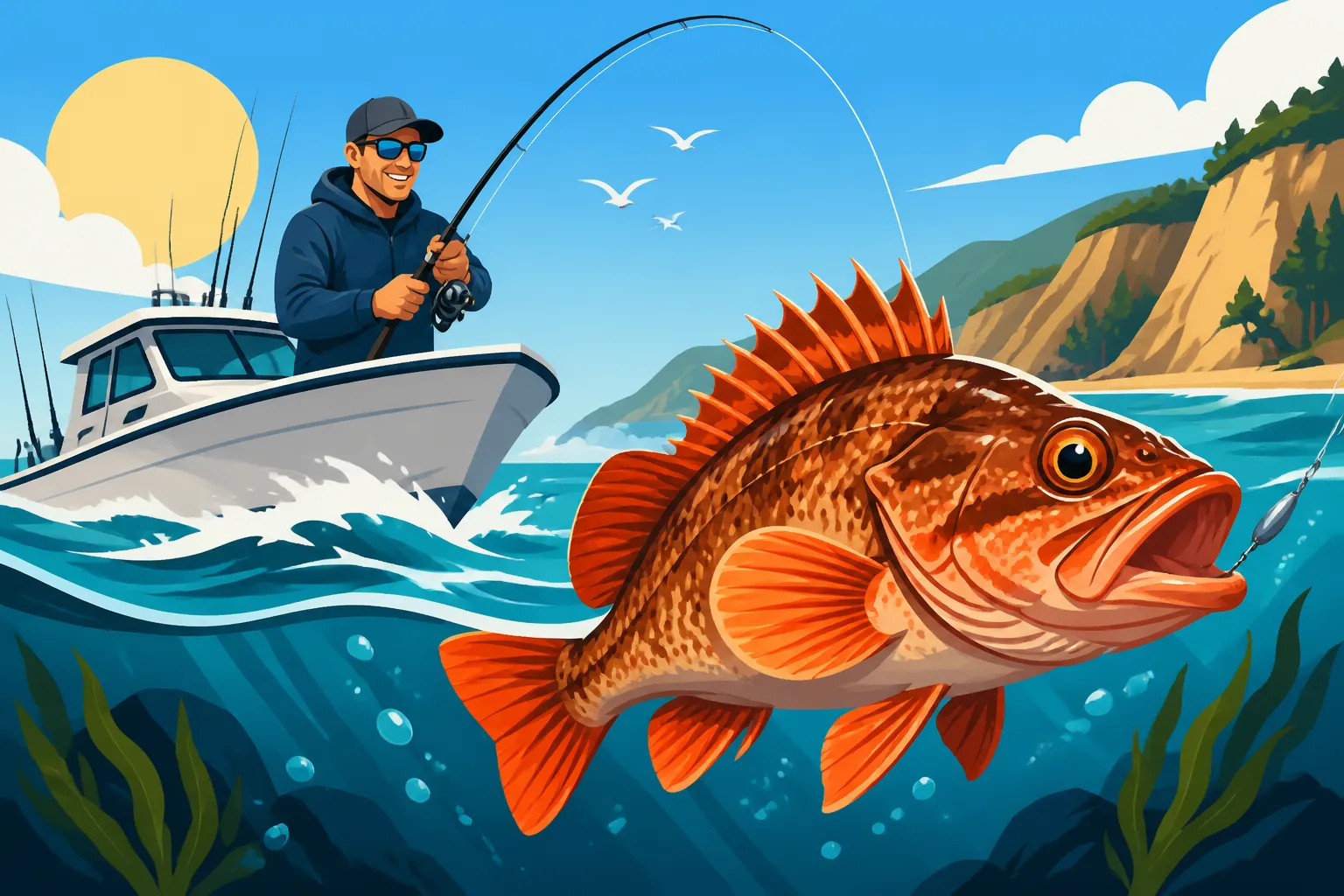
- Vermilion Rockfish (Red Snapper): Easily recognizable by their vibrant red or orange coloration, these are highly prized for their delicious white meat and can grow to a respectable size. They often inhabit deeper rocky reefs.
- Copper Rockfish: With a striking mottled pattern of copper, brown, and olive, these fish are strong fighters and excellent table fare. They tend to favor rocky areas and kelp beds in shallower to moderate depths.
- Bocaccio Rockfish: Often called "salmon grouper" due to their elongated body shape, bocaccio are typically brownish-red and can grow quite large. They are frequently found in deeper water and contribute significantly to charter catches.
- Yellowtail Rockfish: Distinguished by their yellowish fins and tail, these schooling rockfish are a common catch, especially in central and northern California. They provide steady action and good eating.
- Olive Rockfish: Known for their olive green to dark brown coloring, these are often found in association with kelp forests and rocky structures. They are a popular target for their spirited fight.
This is just a small sample; the California coast is home to dozens of distinct rockfish species, making every trip a discovery. The specific species you catch will depend on the fishing grounds, depth, and time of year, as you can see in our detailed guide on California Rockfish Species Identified.
Other Bottom Fish Species
While rockfish are the primary target, these charters often provide opportunities to catch a variety of other exciting bottom-dwelling species that share the same habitats. These "groundfish" can add significant size and diversity to your cooler.
- Lingcod: Perhaps the most coveted secondary catch on a rockfish trip, lingcod are aggressive predators known for their large mouths, sharp teeth, and formidable fighting power. They can grow to impressive sizes and are highly prized for their firm, flaky white meat. Catching a large lingcod is often the highlight of a rockfish trip.
- Cabezon: These unique bottom dwellers are masters of camouflage, blending into rocky environments. They have a large head (hence "cabezon," meaning "big head" in Spanish) and are known for their firm, flavorful meat, particularly their roe.
- California Sheephead: Found primarily in southern California, sheephead are distinctive for the prominent humps on the heads of males and their vibrant red and white coloring. They are powerful fighters, especially around kelp, and are excellent to eat.
- Various Flatfish: Depending on the area and depth, you might also pull up different species of flatfish, such as sanddabs, sole, or even an occasional California Halibut. While not typically the main target, they are a welcome addition to the cooler and make for fine dining.
The presence of these diverse species means that even if the rockfish bite is slow, there's always a chance for something big and exciting to come up from the depths. Your deckhands will be able to help identify everything you catch, adding an educational element to the adventure.
Maximizing Your Rockfish Charter Experience
A little preparation and awareness can elevate your rockfish charter from a good trip to an absolutely fantastic one. Knowing what to bring and how to act can make all the difference.
Preparation: What to Bring
Even though charters provide most of the fishing gear, there are several essential items you should bring to ensure a comfortable and productive day on the water.
- Appropriate Clothing: The weather offshore can change rapidly. Dress in layers! Even on a warm day, a cool breeze can pick up, and mornings can be chilly. Bring a waterproof outer layer (jacket and pants) to protect against spray, rain, or unexpected showers. Non-slip shoes are also a must for safety on a wet deck.
- Food and Drink: While some charters might have a small galley for snacks or drinks, it's always best to pack your own. Bring plenty of water, some sandwiches, and snacks to keep your energy up throughout the day. A small cooler is perfect for this.
- Sun Protection: The sun's reflection off the water can be intense. Don't forget sunscreen, a wide-brimmed hat, and polarized sunglasses to protect your eyes and skin.
- Motion Sickness Medication: If you're prone to seasickness, take preventative medication before you board the boat. Once you're out on the water and feeling queasy, it's often too late. Dramamine or Bonine are popular choices, or consider acupressure wristbands.
- Fishing License and Report Cards: Double-check that you have your valid California fishing license and any required report cards (like a California Steelhead Report Card or California Sturgeon Report Card if you might incidentally hook one, though unlikely on a dedicated rockfish trip) printed or readily available on your phone.
- Optional Personal Gear: Some anglers prefer to bring their own favorite fishing rod and reel, though it should be suitable for deep-water bottom fishing. A small tackle box with extra weights, hooks, and maybe a favorite jig can also be useful. Don't forget your camera to capture those memorable moments! For a more comprehensive list, check out What to Bring on a California Fishing Charter.
Safety and Etiquette
Safety is paramount on any charter boat. Always listen carefully to the captain and deckhands during their pre-trip briefing. They will cover important safety information, including emergency procedures, where to find life vests, and how to safely move around the boat. Never run on deck, especially when it's wet, and always hold onto handrails. Be aware of hooks, lines, and weights flying around, especially when people are casting or reeling in.
Beyond safety, good etiquette ensures a pleasant experience for everyone. Here are a few key points:
- Respect Your Neighbors: Fishing on a party boat means being in close quarters. Be mindful of your casting and retrieve, trying not to cross lines with other anglers. If lines do get tangled, calmly ask a deckhand for assistance rather than trying to fix it yourself and making it worse.
- Listen to the Crew: The deckhands are working hard. When they give instructions, follow them. This includes where to fish, how to fish, and how to handle your catch. Their guidance is for your benefit and the smooth operation of the trip.
- Keep Your Area Clean: Dispose of any trash properly in the bins provided. A clean deck is a safe deck.
- Tipping: It is customary to tip the deckhands, usually 15-20% of your trip cost, for their hard work and assistance. They rely on these tips as a significant part of their income. A well-deserved tip shows your appreciation for their service.
- Be Patient and Enjoy: Fishing isn't always fast-paced. There might be slower periods. Use this time to enjoy the ocean, chat with fellow anglers, and appreciate the experience. Patience is a virtue in fishing!
Post-Trip Considerations
Once your rockfish charter is over and you're back on solid ground, there are still a few things to keep in mind to round out your experience.
First and foremost, handling your catch is crucial for enjoying the fruits of your labor. If you opted for the fish cleaning service, your fillets will be ready to take home. Make sure you have a cooler with plenty of ice in your car to keep them fresh on the drive. If you plan to freeze your fish, vacuum-sealing is the best method to prevent freezer burn and maintain quality for several months. Fresh rockfish fillets are incredibly versatile and delicious, perfect for baking, grilling, or frying.
Consider sharing your experience. Many charters appreciate online reviews, especially if you had a great time and felt the crew went above and beyond. This helps other anglers choose wisely and supports the local sportfishing industry. If you booked through a platform like FishingBooker, leaving a review is usually part of the post-trip process. Reflect on what you learned, what you enjoyed most, and what you might do differently next time. Every trip, successful or not, offers valuable lessons. Maybe you discovered a new favorite species, or perfected a jigging technique. The memories and the knowledge gained are just as valuable as the fish in your cooler.
Important California Rockfish Data
To help visualize some of the key aspects of planning your California rockfish charter, here's a table summarizing important considerations. Remember that regulations, especially seasonal closures and depth restrictions, can change, so always check the latest CDFW regulations before you go.
| Feature | Details for California Rockfish Charters |
|---|---|
| Primary Target | Various Rockfish species (Vermilion, Copper, Bocaccio, Yellowtail, Olive, etc.) |
| Secondary Targets | Lingcod, Cabezon, California Sheephead, various flatfish (sole, sanddabs) |
| Typical Depth | Varies greatly by region and season, but generally 50-600 feet over rocky reefs, pinnacles, and canyons. Subject to California Rockfish Depth Restrictions. |
| Gear Provided | Heavy-duty conventional rod/reel, lead weights, hooks, artificial jigs, bait (squid, anchovies, sardines). |
| Required by Angler | California Fishing License (and Ocean Enhancement Stamp if applicable), proper clothing, sun protection, food/water, motion sickness meds (if needed). |
| Best Seasons | Generally Spring (April-May) and Fall (September-November) are excellent, but summer can also be very productive. Winter can be hit-or-miss due to weather. |
| Common Ports | San Diego, Dana Point, Long Beach, Ventura, Santa Barbara, Morro Bay, Monterey, Half Moon Bay, Bodega Bay, San Francisco. |
| Cost Range | Party Boat: $75 – $200+ per person for a half-day to full-day trip. Private Charter: $600 – $2000+ for the boat, depending on size and duration. |
| Key Regulations | Bag limits, size limits, seasonal closures, depth restrictions, Rockfish Conservation Areas. Always verify current rules with CDFW. |
Disclaimer
Fishing regulations in California are subject to change by the California Department of Fish and Wildlife (CDFW). While every effort has been made to provide accurate and up-to-date information, it is the angler's responsibility to consult the latest official CDFW regulations before engaging in any fishing activity. This guide is for informational purposes only and should not be considered a substitute for the official regulatory documents.