Best Fishing Charters Departing from Humboldt Bay
There's nothing quite like the allure of the deep blue off the California coast, but for many anglers, especially those not local to the region, knowing where to start your adventure can feel overwhelming. Humboldt Bay, nestled on the scenic North Coast, is a true gem for fishing, yet figuring out which charter can best deliver your dream catch requires a bit of insider knowledge. This comprehensive guide is here to unravel the mysteries of choosing the best fishing charters departing from Humboldt Bay, ensuring your next trip is memorable for all the right reasons.
Why Humboldt Bay is a Prime Fishing Destination
Humboldt Bay isn't just another pretty face on the California coastline; it's a bustling hub of marine life and a launching point for some truly exceptional fishing experiences. The unique geographical features and nutrient-rich waters here create an ecosystem that supports a vibrant array of species, making it a favorite for seasoned anglers and newcomers alike.
Diverse Species and Rich Waters
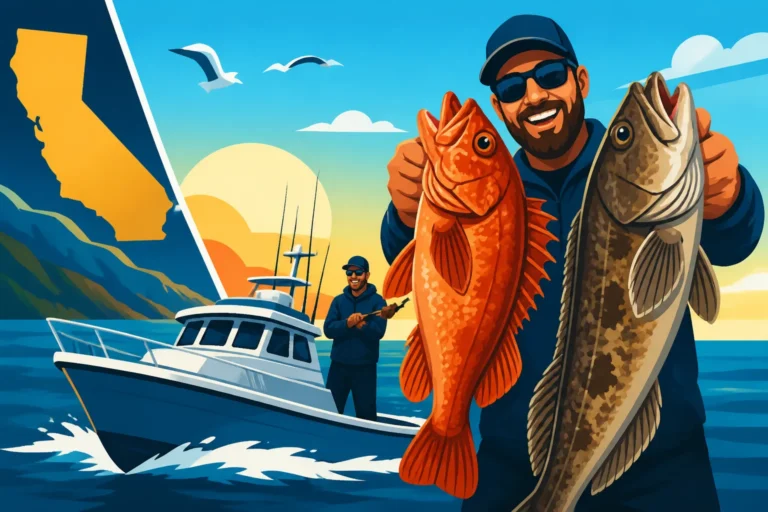
When you drop a line in or near Humboldt Bay, you're tapping into an incredibly diverse fishery. The cold, oxygenated waters here are a magnet for various desirable species. Think about the thrill of hooking into a powerful Chinook or Coho salmon when the season is open, or the steady bite of rockfish and lingcod hugging the rocky bottom structure. California halibut are also a highly sought-after prize, often found lurking on the sandy flats both inside and just outside the bay. Beyond these big-name targets, you might also encounter Dungeness crab, especially when setting pots, or even various types of sole and cabezon.
This rich biodiversity isn't just by chance. The Pacific Ocean off Humboldt Bay is influenced by upwelling, a process where deep, nutrient-rich water rises to the surface, fueling the entire food web. This abundance of baitfish, squid, and other marine organisms creates a thriving environment for larger predatory fish, ensuring a healthy population for anglers to pursue. It's truly a special place where the ocean's bounty feels palpable.
A Unique Coastal Environment
What truly sets Humboldt Bay apart is its unique blend of protected bay waters and direct access to the vast Pacific. The bay itself provides a sanctuary from the often rougher open ocean, offering calmer waters for certain types of fishing, especially for species like halibut or Dungeness crab, and a safe harbor for charter boats. From the bay, vessels can easily navigate through the entrance channel and head offshore, giving anglers access to everything from nearshore reefs to deeper waters for pelagic species when conditions allow.
Moreover, Humboldt Bay is influenced by several significant river systems, including the nearby Trinity, Eel, and Klamath Rivers. These rivers are critical spawning grounds for anadromous fish like salmon and steelhead, and the bay acts as a crucial staging area for these fish as they transition between freshwater and saltwater. This connection to freshwater systems further enhances the fishing opportunities, especially for those pursuing migratory salmon runs. Understanding the nuances of this dynamic environment is where a good charter captain really shines, knowing where to find the fish based on tides, currents, and recent activity.
Understanding Your Charter Options in Humboldt Bay
Deciding to go on a fishing charter is just the first step; the next is understanding the different types of trips available. In Humboldt Bay, you generally have two main categories: party boats (also known as open party or head boats) and private charters. Each offers a distinct experience, catering to different preferences and group sizes.
Party Boats vs. Private Charters
The choice between a party boat and a private charter often comes down to budget, flexibility, and the kind of experience you're looking for.
Party Boats (Open Party/Head Boats): These are typically larger vessels that take out multiple individual anglers or small groups who don't know each other. You pay per person for a spot on the boat.
- Pros:
- Cost-Effective: Generally much more affordable per person than a private charter, making it a great option for solo anglers or those on a budget.
- Social Atmosphere: You'll be fishing alongside other enthusiasts, which can be a fun way to share stories, learn new techniques, and even make new friends.
- Experienced Crew: Party boats usually have dedicated deckhands who are experts at rigging lines, handling fish, and assisting anglers, especially beginners.
- Gear Provided: Most party boats include basic fishing gear (rod, reel, tackle) in the trip cost, or offer rentals for a nominal fee, which is convenient if you're traveling or just starting out.
- Cons:
- Less Flexible: The itinerary is set, focusing on a specific type of fishing (e.g., rockfish, salmon) and following a fixed schedule.
- Crowded: You'll be sharing space with many other people, which can sometimes lead to tangled lines or less elbow room.
- Less Personalized Attention: While deckhands are helpful, their attention is divided among many anglers.
- Vote-Based Decisions: Sometimes, fishing spots or methods might be decided by a majority vote among passengers, which might not align with your personal preference.
Private Charters: These involve booking the entire boat and crew for your group, whether it's just you or a handful of friends/family.
- Pros:
- Customizable Experience: You get to dictate the type of fishing, target species, departure time (within reason), and even how long you stay at certain spots. Want to focus solely on California Halibut Regulations and Limits? A private charter is your best bet.
- Personalized Attention: The captain and crew are dedicated solely to your group, offering one-on-one guidance and assistance.
- Comfort and Space: Your group will have the entire boat to yourselves, providing more room, comfort, and privacy.
- Ideal for Groups/Families: Perfect for corporate outings, family trips with kids, or groups of friends who want an exclusive experience.
- Cons:
- Higher Cost: Significantly more expensive per person than a party boat, as you're covering the entire boat's operating costs.
- Requires Planning: You'll need to coordinate with your group and the captain to plan the trip details in advance.
Here's a quick comparison to help you visualize the differences:
| Feature | Party Boat (Open Party) | Private Charter |
|---|---|---|
| Cost | Lower per person | Higher overall, but can be split among group |
| Group Size | Individual anglers or small groups joining others | Entire boat booked for your private group |
| Flexibility | Limited, fixed schedule and targets | High, customizable trip type, duration, and targets |
| Attention | Shared among many anglers | Dedicated to your group |
| Social Aspect | High, interact with other anglers | Private, focused on your group |
| Gear | Often included or available for rent | Usually provided, but confirm with charter |
| Ideal For | Budget-conscious, solo anglers, social experience | Families, private groups, specific fishing goals |
Types of Trips Offered
Humboldt Bay charters offer a variety of trips, typically specializing in certain fish species or fishing styles. Knowing what you want to catch is key to selecting the right charter.
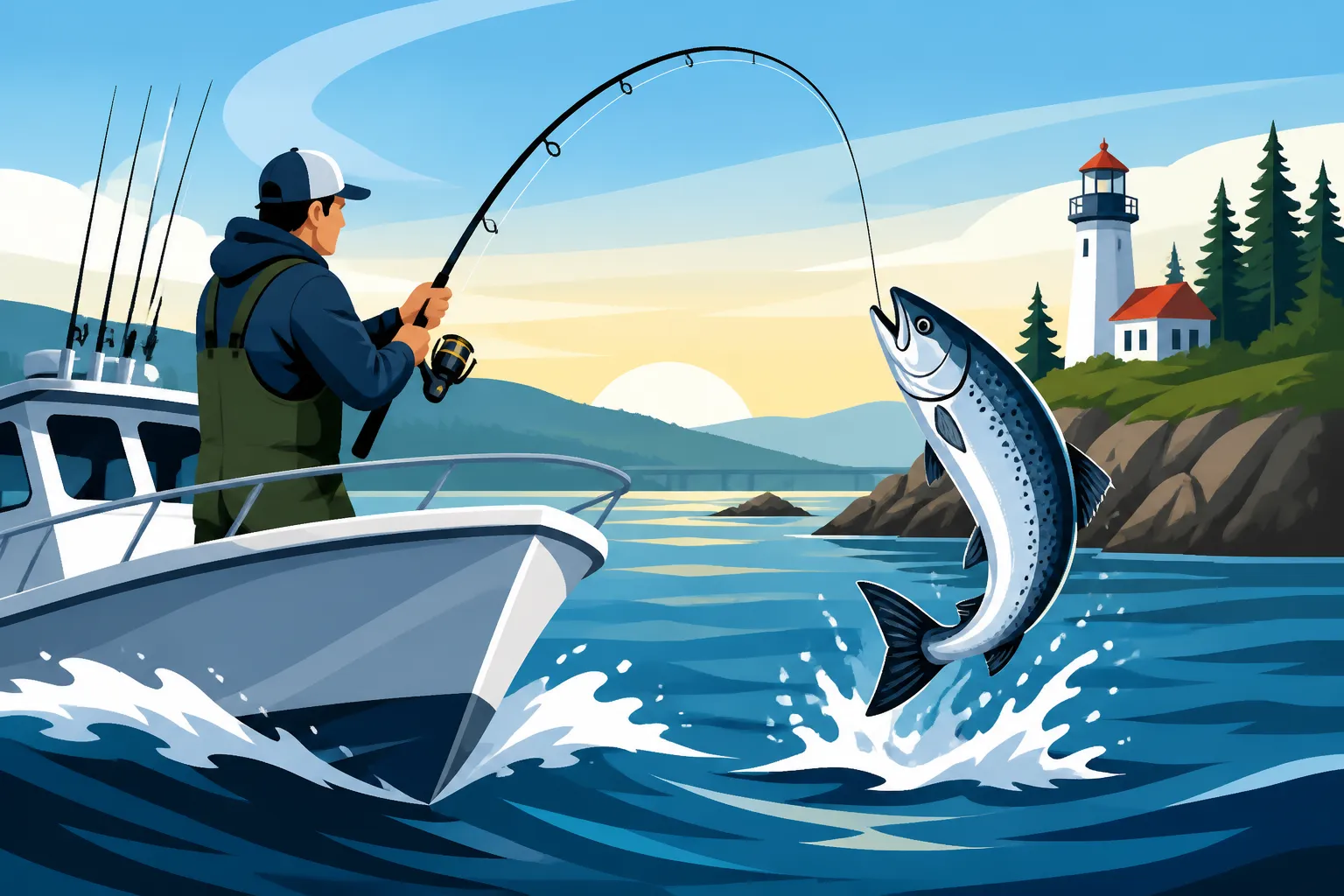
- Salmon Fishing: When the salmon season is open, this is often the star attraction. Charters will troll with downriggers or use mooching techniques to target Chinook (King) and Coho (Silver) salmon. These trips usually head out into the open ocean, sometimes a few miles offshore, in pursuit of these prized gamefish. Keep in mind that California Salmon Season Dates Explained can vary significantly year-to-year due to regulations, so always check current rules.
- Rockfish and Lingcod (Bottom Fishing): This is a consistently popular option, offering reliable action for a diverse range of species. Charters will typically run out to local reefs, rock piles, and pinnacles, often within sight of shore, to target various rockfish species like vermilion, copper, canary, and black rockfish, as well as the toothy lingcod. This is often done by dropping baits or jigs to the bottom. Understanding California Rockfish Depth Restrictions is crucial, as these regulations help manage fish populations.
- Halibut Fishing: Both California halibut and, less commonly, Pacific halibut are pursued in the waters around Humboldt Bay. California halibut tend to prefer sandy bottoms, often found both inside the bay and in the nearshore ocean waters. Charters will drift with live bait or troll with lures to entice these flatfish.
- Tuna Fishing (Seasonal/Offshore): While not a daily offering, during warm water years or late summer/early fall, highly migratory species like albacore tuna might come within range of longer-range charters departing from Humboldt Bay. These trips are typically longer, full-day or multi-day excursions far offshore and are highly dependent on water conditions and fish migrations.
Some charters might offer combo trips, allowing you to target rockfish for part of the day and then switch gears to halibut or salmon, depending on the season and conditions. Always discuss your preferences with the charter operator beforehand to ensure they can accommodate your fishing goals.
Key Factors When Choosing a Humboldt Bay Charter
Selecting the right fishing charter departing from Humboldt Bay can make or break your trip. It's not just about finding a boat; it's about finding the right captain, crew, and vessel that align with your expectations and fishing style.
Captain Experience and Local Knowledge
This is, arguably, the most critical factor. A captain's experience and local knowledge are invaluable, especially in an area like Humboldt Bay where conditions can change rapidly and fish patterns are constantly shifting.
- Seasoned Expertise: Look for captains who have been operating in Humboldt Bay for many years. They know the subtle nuances of the tides, currents, weather patterns, and where the fish tend to hold during different seasons. They understand the intricacies of California Fishing Regulations Explained and how they apply to specific species and areas. This kind of deep, intuitive knowledge can only be gained through countless hours on the water. A newer captain might be enthusiastic, but nothing beats the wisdom of experience when it comes to consistently finding fish and keeping clients safe.
- Finding the Fish: An experienced local captain won't just take you to "a spot"; they'll know the spots, the secret reefs, the subtle depressions on the seafloor, or the migratory paths that aren't on any map. They'll also be adept at reading the water, looking for baitfish, bird activity, and temperature breaks that indicate where the target species are likely to be. They understand that salmon might be staging outside the mouth of the bay one week, while lingcod are deeper on a specific rock pinnacle the next. This adaptability is key to a successful trip.
- Safety First: Beyond finding fish, an experienced captain prioritizes safety. They know how quickly ocean conditions can change and will make sound judgments about when and where it's safe to fish, and when it's better to stay in port or seek calmer waters. They are proficient in navigation, emergency procedures, and first aid. Don't underestimate the importance of a captain who values your well-being above all else.
Boat Features and Safety
While the captain is the brain of the operation, the boat itself is the body. The vessel you choose plays a significant role in your comfort, safety, and overall fishing experience.
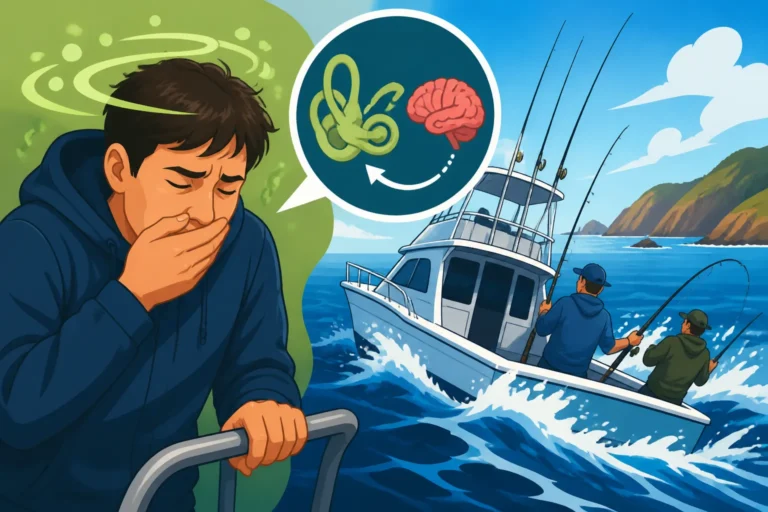
- Size and Stability: Consider the size of the boat relative to your group and the type of fishing. Larger boats generally offer more stability in choppy conditions, which can be a huge plus for those prone to seasickness. However, smaller, more nimble boats can sometimes get into shallower or more specific spots. If you're heading far offshore for tuna, a larger, more offshore-capable vessel is essential. For nearshore rockfishing, a well-maintained medium-sized boat might be perfectly adequate.
- Comfort and Amenities: What amenities are important to you? Is there a heated cabin for cooler days? A marine head (toilet)? Enough seating and deck space for everyone to fish comfortably without constantly bumping elbows? For longer trips, a galley or bunks might be important. Don't hesitate to ask about these features before booking. Remember, you'll be spending several hours on this vessel, so comfort matters.
- Fishing Equipment: Does the charter provide quality rods, reels, and tackle that are appropriate for the target species? Are they well-maintained? For example, if you're targeting big lingcod, you'll want heavy-duty gear, not light trout rods. Most charters include this, but it's worth confirming. Also, inquire if they provide bait or if that's an extra cost. Many charters, especially those found on platforms like FishingBooker, will detail exactly what equipment is included.
- Safety Gear and Regulations: A reputable charter will always have all required safety equipment on board, including life jackets for everyone, flares, first-aid kits, radios, and navigation equipment. They should be operating under a valid U.S. Coast Guard license and adhere to all federal and state regulations. Don't be shy about asking about their safety protocols and certifications. A captain who takes safety seriously will be proud to tell you about it.
Reputation and Reviews
In today's interconnected world, a charter's reputation and online reviews are incredibly valuable tools for making an informed decision.
- Online Reviews: Sites like Yelp, Google Reviews, and dedicated fishing charter booking platforms (such as FishingBooker) are treasure troves of angler feedback. Read both positive and negative reviews. Look for recurring themes. Do people consistently praise the captain's knowledge, the crew's helpfulness, or the cleanliness of the boat? Or do complaints about customer service, lack of fish, or poor equipment pop up repeatedly? A few isolated negative reviews might be outliers, but a pattern of dissatisfaction is a red flag. Pay attention to how the charter responds to reviews, both good and bad – it can tell you a lot about their professionalism.
- Word-of-Mouth: If you know other anglers who have fished in Humboldt Bay, ask for their recommendations. Personal referrals often lead to the best experiences because they come from someone you trust who understands your fishing preferences. Local tackle shops or marinas can also be great resources for local insights and recommendations.
- Communication with the Charter: Before booking, reach out to the charter operator. Pay attention to how quickly and thoroughly they respond to your inquiries. A professional and communicative operator will instill confidence. They should be willing to discuss the types of trips they offer, their experience, the boat's features, pricing, and what to expect on your trip. This pre-trip communication is often a good indicator of the quality of service you'll receive on the water. If you're wondering about specific things like What to Bring on a California Fishing Charter, ask them directly.
Top Charters Operating Out of Humboldt Bay
While I can't endorse specific businesses, I can tell you what to look for and what types of charters generally excel in certain fishing categories when departing from Humboldt Bay. The local charter fleet is a mix of passionate individuals and well-established operations, each with their own strengths.
Charters Known for Salmon and Tuna
When it comes to the thrill of salmon fishing or the adrenaline rush of chasing tuna (when available), you'll want a charter that specializes in these pelagic species.
- Offshore Capabilities: Salmon and tuna trips often require heading further offshore into the Pacific, sometimes beyond the protected waters closer to the coast. The best charters for these species will operate larger, faster, and more offshore-capable vessels designed to handle varied ocean conditions. They'll have the range and stability to get you to the productive grounds quickly and comfortably.
- Specialized Gear and Techniques: Look for charters that explicitly mention their expertise in salmon trolling (using downriggers, flashers, and hoochies or bait) or tuna techniques like live baiting, chunking, or jigging. They should have a full complement of heavy-duty rods and reels suitable for battling strong, fast-moving fish. An experienced crew will also know the best lures and bait for the current conditions. If you're planning a trip during the salmon season, be sure to ask about California Salmon Report Cards Explained and how they handle reporting your catch.
- Reputation for Runs: These charters often have a reputation built on consistently finding the migratory schools of salmon or tuna during their respective seasons. They're often the first ones to know when a good bite is happening and where. Checking recent fish reports from various charters in the Humboldt Bay area, often posted on their social media or websites (and aggregated on platforms like FishingBooker), can give you a good idea of who's consistently putting clients on fish.
Charters Excelling in Bottom Fishing (Rockfish/Lingcod)
For anglers who love the consistent action and delicious fillets of rockfish and lingcod, charters specializing in bottom fishing are a fantastic choice.
- Reef Expertise: These captains have an intimate knowledge of the extensive rocky reefs, pinnacles, and structure that line the coast outside Humboldt Bay. They know where the big lingcod hide and where the diverse schools of rockfish congregate. They often use advanced sonar and GPS mapping to pinpoint these productive areas. You might be surprised at the variety of species you can catch on a single trip targeting How to Catch Rockfish in California.
- Drift or Anchor Fishing: Many bottom fishing trips involve drifting over reefs or anchoring up on specific structures. The charter should be well-equipped for these methods, with plenty of sinkers, jigs, and bait rigs. The crew should be excellent at helping anglers untangle lines (a common occurrence when bottom fishing with multiple people) and safely extracting fish from the hook.
- Comfort and Convenience: While you might not go as far offshore as for tuna, good bottom fishing can still involve significant boat movement. A comfortable boat with ample deck space is a plus. These charters are often excellent for families or less experienced anglers, as the action can be steady, and the techniques are generally straightforward. Just be mindful of the California Rockfish Regulations and Limits to ensure you're fishing legally.
Charters for Halibut and Bay Fishing
Halibut fishing requires a different approach, often favoring specific bottom types and calmer conditions, which sometimes means fishing inside or very near the bay.
- Sandy Bottom Savvy: Charters that excel at halibut fishing will know the specific sandy flats, channels, and transitional areas where these ambush predators like to lie in wait. This could be in the calmer waters of Humboldt Bay itself or in the nearshore ocean just outside the jetties. Techniques often involve slow drifting with live bait like anchovies or sardines, or trolling with artificial lures. Learning How to Catch California Halibut requires patience and the right setup.
- Local Bay Knowledge: For bay-specific fishing, particularly for halibut or Dungeness crab, a charter captain with extensive knowledge of the bay's currents, depths, and bottom composition is essential. They'll know the subtle humps and holes where halibut hide, or the best areas to drop crab pots.
- Versatility: Some charters might offer combo trips that include crabbing (when in season) along with halibut fishing, providing a unique and highly rewarding experience. If you're targeting California Dungeness Crab Regulations can be an exciting bonus to a fishing trip. These trips are often great for groups with mixed interests or those who prefer a slightly calmer fishing environment than the open ocean.
When looking for charters, take your time, compare options on sites like FishingBooker, and don't hesitate to reach out to captains directly with any questions. A little research goes a long way in ensuring a fantastic fishing adventure out of Humboldt Bay!
Disclaimer
Please note that fishing regulations, seasons, and limits in California are subject to change by the California Department of Fish and Wildlife (CDFW). It is the angler's responsibility to check the latest regulations before heading out. Information provided in this guide is for general informational purposes only and should not be considered legal advice. Always prioritize safety and environmental stewardship on your fishing trips.