What to Expect on a Half Moon Bay Fishing Trip
Heading out for a fishing trip in Half Moon Bay is one of those classic California experiences, but if you've never done it, the sheer uncertainty of what to expect can be a little intimidating. From wondering what kind of fish you'll even be targeting to figuring out what to wear in that famously changeable coastal weather, it's easy to feel a bit lost before you even get on the boat. This comprehensive guide is here to unravel all those unknowns, giving you a crystal-clear picture of what a Half Moon Bay fishing trip is truly like, so you can focus on the fun and the catch.
Preparing for Your Half Moon Bay Adventure
Before you even think about dropping a line in the water, a successful Half Moon Bay fishing trip starts long before you step foot on the dock. It's all about getting your ducks in a row – or in this case, your gear, your license, and your mindset – for whatever the Pacific might throw your way. Ignoring these crucial steps can quickly turn an exciting day into a frustrating one, and nobody wants that.
What to Pack and Wear for a Comfortable Trip
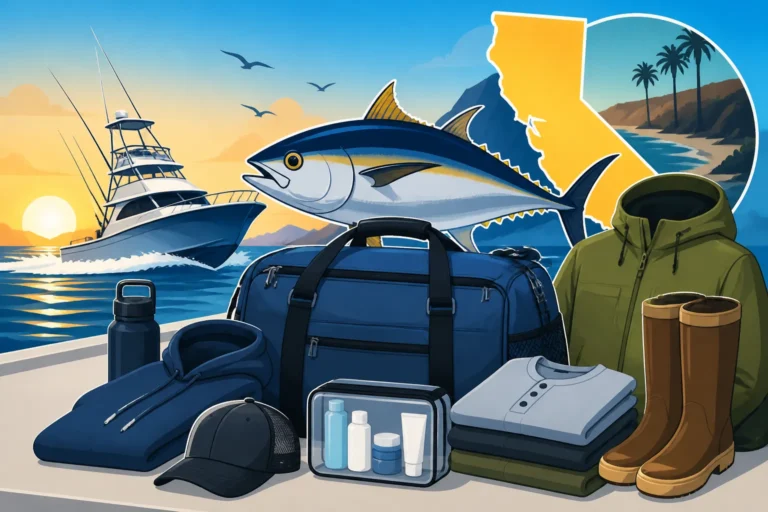
The number one rule for coastal California weather, especially in Half Moon Bay, is layers, layers, layers! You might start the morning with a dense fog and a brisk chill, only for the sun to break through by midday, warming things up considerably. Then, as you head back to port, the afternoon breeze can kick in with surprising force, dropping temperatures again. Thinking you'll be fine in just a hoodie is a rookie mistake many folks make, and they often end up shivering on the deck.
Beyond just clothing, consider waterproof outer layers. A good rain jacket and pants aren't just for rain; they're your best defense against sea spray, which can be relentless on certain days, and they add an extra layer of wind protection. Even if the forecast is clear, the ocean has a way of creating its own conditions. Don't forget non-slip shoes with good traction – boat decks can get wet and slippery, and a tumble is the last thing you want. A hat, sunglasses, and sunscreen are also non-negotiables, protecting you from both the sun's direct rays and the glare off the water, which can lead to a nasty sunburn or headache. And while most charters offer snacks, bringing your own water and a few favorite treats is always a good idea. For a more detailed packing list, you might find our guide on What to Wear on a California Fishing Charter helpful.
Understanding the Weather and Sea Conditions
Half Moon Bay is renowned for its stunning coastline, but it’s also known for its dynamic weather patterns. The infamous "marine layer" can drape over the area for days, keeping things cool and foggy, even when inland areas are basking in sunshine. This cool, moist air can make a significant difference in how warm you feel, even if the thermometer isn't showing drastically low temperatures. Wind is another huge factor; even a moderate breeze can make the ocean choppy, affecting both comfort and fishing success.
Always check a marine forecast, not just a general land forecast, before your trip. Look specifically at wave height and period, as these will give you a better indication of how rough the ride might be. While most reputable captains won't go out in truly dangerous conditions, a bumpy ride can still be quite unpleasant if you're prone to seasickness. Conditions can change rapidly, so stay flexible and trust your captain's judgment – they're the experts on the local waters and prioritize your safety above all else. This foresight will help you prepare mentally and physically for the day ahead.
Getting Your California Fishing License and Essentials
This is a step you absolutely cannot skip. In California, nearly everyone aged 16 or older needs a valid fishing license to participate in sport fishing, even on a charter boat. The only exceptions are on designated "Free Fishing Days California" or when fishing from public piers in certain areas (which isn't usually the case for charter trips). Trying to fish without one can lead to hefty fines, and it's simply not worth the risk.
You can usually purchase your license online through the California Department of Fish and Wildlife (CDFW) website, or from a licensed agent like a tackle shop or a major sporting goods store. For a deep dive into the specific requirements, check out our comprehensive California Fishing License Guide. Remember that annual licenses run from January 1st to December 31st, regardless of when you purchase them, but there are also short-term options like a one-day or two-day license that might be perfect for your trip. Additionally, depending on what you're targeting, you might need specific report cards or stamps, such as the California Ocean Enhancement Stamp or a report card for certain salmon species, which we'll discuss later. Always double-check the regulations for your target species and region before you head out.
The Boat Experience: From Dock to Deck
Once you've got your gear sorted and your license in hand, the next big part of the adventure is the boat itself. Half Moon Bay offers a variety of charter experiences, each with its own vibe and advantages. Understanding what to expect when you arrive at the harbor, how the boat operates, and your role as an angler will ensure a smoother and more enjoyable journey.
Choosing Your Charter Type: Party Boat vs. Private Charter
Half Moon Bay's Pillar Point Harbor is home to several excellent charter operations, many of whom also list their availability on platforms like FishingBooker. When you're looking to book, you'll generally find two main types of trips: "open party" boats (also known as head boats or party boats) and private charters. Open party boats are the most common and budget-friendly option. You pay for a spot on a larger vessel, sharing the deck and the experience with other anglers, sometimes up to 30-40 people depending on the boat. This is a great way to meet fellow enthusiasts and learn from more experienced anglers.
Private charters, on the other hand, mean you book the entire boat for your group, whether it's just you and a friend or a larger gathering of family members. These trips offer much more flexibility in terms of target species, fishing locations, and departure times. You get more personalized attention from the captain and crew, and it can be a fantastic option for special occasions or if you prefer a more intimate fishing experience. While more expensive per person, the exclusivity and tailored experience can be well worth it. For more insights into the nuances of shared versus private trips, our article on California Private vs Shared Charters might be helpful.
Onboard Amenities and Crew Interaction
Charter boats in Half Moon Bay, like those run by Huli Cat Sportfishing or Queen of Hearts Sportfishing, vary in size and amenities, but most offer basic comforts. You can typically expect a marine head (restroom), a galley area for snacks and drinks (sometimes with a microwave or coffee maker), and a climate-controlled cabin to escape the elements if needed. Some larger party boats might even have bunks for overnight trips, though Half Moon Bay trips are usually day-long excursions. Deckhands are an integral part of the experience; they're there to help you rig your lines, bait your hooks, net your fish, and even offer tips and advice on technique. Don't be shy about asking questions! They are a wealth of local knowledge.
The captain, of course, is in charge of navigation and finding the fish. They're constantly monitoring sonar, charts, and marine radio to put you on the best spots. Their job is a blend of meteorology, marine biology, and expert boat handling. Listen closely during their pre-trip briefing – they'll cover safety procedures, what to expect for the day, and sometimes even a quick rundown of the local California Fishing Regulations Explained relevant to your trip. Remember, the crew works hard to make your trip successful, so a little courtesy and appreciation go a long way.
Safety Briefings and What to Listen For
Before the boat even leaves the dock, your captain or a lead deckhand will conduct a mandatory safety briefing. This isn't just a formality; it's vital information that could literally save a life. Pay close attention! They'll cover the location of emergency exits, life rafts, life jackets (including children's sizes), fire extinguishers, and first-aid kits. They'll also explain the "man overboard" procedure and what to do in case of an emergency.
Beyond the dire stuff, they’ll also likely go over general boat rules: where you can and cannot go, how to properly store your gear to prevent tripping hazards, and how to safely handle your rod and reel, especially when casting or reeling in a fish near others. They'll emphasize keeping the deck clear and being mindful of your surroundings. If you have any questions about safety or procedures, now is the time to ask. Understanding these protocols ensures not just your safety but also a smooth and enjoyable experience for everyone onboard.
Target Species and Fishing Techniques
Half Moon Bay is a fantastic fishing destination because of the diverse marine life found just offshore. Depending on the time of year and the depth you’re fishing, you could be targeting a wide array of species, each requiring slightly different techniques. This variety is what keeps anglers coming back!
Common Catches in Half Moon Bay Waters
The most consistent fishery out of Half Moon Bay is undoubtedly rockfish and lingcod. These bottom-dwelling species are abundant along the rocky reefs and pinnacles found just a short boat ride from Pillar Point Harbor. You'll find a variety of rockfish, including tasty vermilion, bocaccio, chilipepper, and more, as well as the prized lingcod, known for its aggressive bite and delicious white meat. These fish are generally caught year-round, though specific seasons and depth restrictions apply, which we’ll cover shortly.
Beyond rockfish, Half Moon Bay is also a prime location for salmon, particularly Chinook (King) salmon, when the season is open. Salmon fishing is highly regulated and often depends on annual stock assessments, so their availability can vary year to year. During summer and fall, you might also encounter halibut, especially California halibut, often found in shallower sandy areas. Less common, but still possible, are opportunities for Dungeness crab during their season, or even the occasional albacore tuna if conditions are right and boats venture further offshore. For more details on specific species, our California Rockfish Species Identified guide is a great resource.
Popular Fishing Methods Used by Charters
For rockfish and lingcod, the primary method is bottom fishing. This usually involves dropping a weighted rig with multiple hooks, often baited with squid or sardines, down to the ocean floor. The goal is to present your bait right where these fish are hiding among the rocks. Jigging with artificial lures like lead jigs or swimbaits is also very effective and a more active way to fish, often enticing larger lingcod. The boat will typically drift slowly over productive structure, allowing anglers to cover ground. Understanding California Rockfish Depth Restrictions is crucial here, as regulations often dictate how deep you can fish to protect certain species.
When targeting salmon, trolling is the name of the game. Charters will deploy multiple lines from downriggers, pulling various lures, spoons, or rigged baits (like anchovies or herring) at specific depths and speeds. This method allows the boat to cover large areas, presenting the bait to actively feeding salmon. For halibut, drift fishing with live bait (like anchovies or sardines) or bouncing a leadhead jig tipped with a plastic grub along the bottom are common and effective techniques. No matter the method, the deckhands are excellent at helping you rig up correctly and will offer advice on presentation.
Seasonal Considerations for the Best Bites
The fishing in Half Moon Bay is definitely seasonal, with different times of year offering prime opportunities for specific species. Spring (March-May) often sees the start of good rockfish and lingcod action as weather improves, and it can be a prime time for halibut as they move into shallower waters. Summer (June-August) is often the peak for salmon fishing, assuming the season is open, and continues to be excellent for rockfish. This is also when you might see opportunities for albacore tuna further offshore, although these trips are less frequent from Half Moon Bay itself compared to more southern ports. You'll definitely want to check the current California Salmon Season Dates before planning a trip if salmon is your main target.
Fall (September-November) can be fantastic for rockfish and lingcod, and sometimes offers a second shot at salmon as they migrate closer to shore. Towards late fall, the Dungeness crab season typically opens, and some charters offer combination fishing and crabbing trips, which are incredibly popular. Winter (December-February) can be hit or miss due to weather, but when conditions allow, rockfish and lingcod can still be caught, albeit often closer to shore or in deeper, more protected areas. Always check the latest California Fishing Report or reach out to local charter operators to get the most up-to-date information on what's biting before you book. Platforms like FishingBooker often provide current fishing reports from captains in the area, helping you plan your trip.
| Species Targeted | Best Season | Typical Depth | Common Baits/Lures | Key Regulation |
|---|---|---|---|---|
| Rockfish | Year-round (weather permitting) | 50-300 feet (depth limits vary) | Squid, Shrimp, Jigs, Swimbaits | Bag/Size Limits, California Rockfish Depth Restrictions |
| Lingcod | Year-round (weather permitting) | 50-300 feet (often deeper than rockfish) | Live bait, Large Jigs, Swimbaits | Bag/Size Limits |
| Chinook Salmon | Summer/Fall (season dependent) | Surface to 150 feet (trolled) | Anchovies, Herring, Spoons, Hoochies | Season Dates, Bag Limits |
| California Halibut | Spring/Summer | 30-100 feet (sandy bottoms) | Live Anchovies, Sardines, Leadheads | Size/Bag Limits |
| Dungeness Crab | Late Fall/Winter (season dependent) | Varies, often shallower | Baited Pots/Traps | Season Dates, Size/Bag Limits |
Beyond the Catch: Post-Trip Expectations
So, you've had a great day on the water, battled some fish, and filled your cooler. The adventure doesn't quite end when the boat docks. There are a few more things to consider as you wrap up your Half Moon Bay fishing trip, from handling your catch to showing appreciation for the crew who helped make it happen.
Fish Cleaning Services at the Dock
Most reputable charter boats in Half Moon Bay, particularly the larger party boats, offer fish cleaning services right there on the dock or onboard during the ride back. This is an incredibly convenient service, as cleaning a boatload of fish can be a messy and time-consuming task, especially if you're not experienced with it. The deckhands are usually pros at filleting rockfish, lingcod, and salmon efficiently and cleanly.
There's typically a small fee for this service, often a few dollars per fish or a flat rate depending on the size of your catch. This fee is separate from the cost of your ticket and separate from your tip. It’s a great investment, allowing you to take home ready-to-cook fillets, saving you a lot of work and mess at home. Make sure to have cash on hand for this, as it's the easiest way to pay the deckhands directly for their hard work. You’ll want to bring a cooler filled with ice to transport your cleaned fillets home safely and keep them fresh.
Tipping Your Hardworking Crew
This is a big one, and it's something many first-timers overlook or are unsure about. Tipping the deckhands and sometimes the captain is customary and highly encouraged on a California fishing charter. These individuals work incredibly hard, often from before dawn until well after the boat docks, to ensure your safety, comfort, and success. They're rigging lines, baiting hooks, netting fish, untangling lines, answering questions, cleaning the boat, and then cleaning your fish. Their wages often rely heavily on tips, so your generosity directly supports them.
A good rule of thumb is to tip 15-20% of your total trip cost, shared among the deckhands. If the captain went above and beyond, a separate tip for them is also appropriate, though often the tips are pooled. If you had an exceptional day or received extra special service, feel free to give more! It’s common practice to hand the tip directly to one of the deckhands at the end of the trip. If you’re unsure, you can always ask the office staff or discreetly inquire with a fellow experienced angler on the boat. For a deeper dive into this important aspect, check out our guide on Tipping on a California Fishing Charter.
Recap and Future Planning
As you drive away from Pillar Point Harbor, perhaps with a cooler full of fresh fish, take a moment to reflect on your experience. What did you enjoy most? What would you do differently next time? Perhaps you want to target a different species, or try a different type of charter. Half Moon Bay offers so much variety that no two trips are exactly alike.
Keep an eye on local fishing reports and seasonal forecasts, maybe even connect with your charter boat on social media, to stay informed about what’s biting. Many anglers get hooked after their first trip and start planning their next one almost immediately. Whether you're planning another rockfish and lingcod adventure, dreaming of a salmon trolling trip, or even considering a crab combo, Half Moon Bay is a fantastic hub for California sportfishing. You can often find current listings and even book your next adventure easily on platforms like FishingBooker, making future planning a breeze.
Disclaimer
The information provided in this guide is for general informational purposes only and is subject to change. Fishing regulations, seasons, and bag limits are set by the California Department of Fish and Wildlife (CDFW) and can change frequently. Always consult the most current CDFW regulations booklet or website before embarking on any fishing trip. Weather and ocean conditions are unpredictable; always prioritize safety and listen to the instructions of your charter captain and crew.